 Instant Savings
 Rebate Claims
 Support
 Find a Dealer

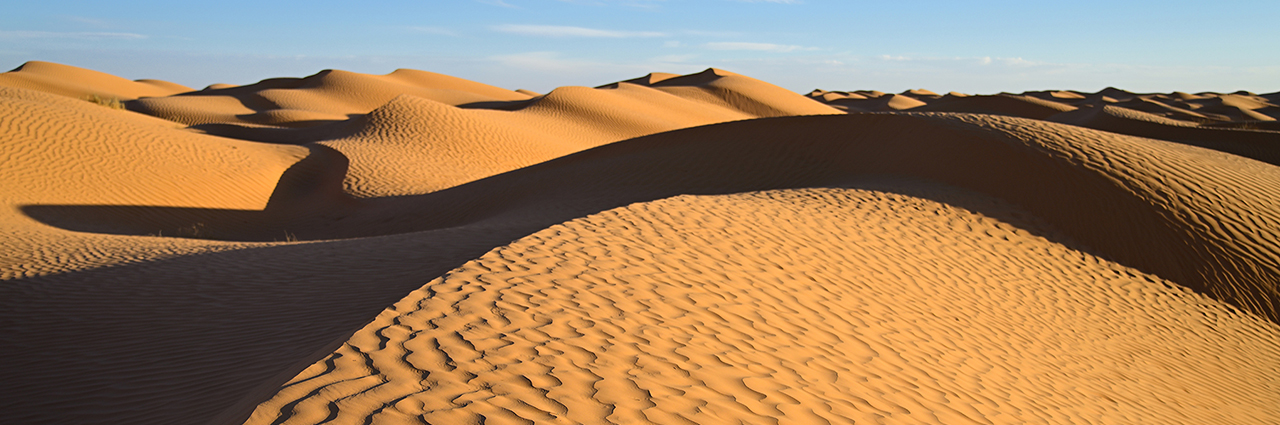
Selecting the right lens is crucial for landscape photography, as it influences perspective, composition, and overall image quality. Whether you’re photographing expansive mountain ranges, dramatic coastlines, colorful forests, or distant natural details, the right lens helps you capture each scene with greater creative control.
For Nikon Z mount cameras, Tamron offers versatile landscape photography lenses for both full-frame (FX) and APS-C (DX) mirrorless cameras. These Tamron Nikon Z lenses provide a variety of focal lengths, fast apertures, and practical features for photographers who want to capture everything from expansive scenic views to compressed telephoto compositions.
- The Tamron 16-50mm F2.8 A combines a wide 16mm starting focal length, fast constant F2.8 aperture, and exceptionally compact design for Nikon Z APS-C cameras, making it ideal for landscapes, hiking, and travel.
- The Tamron 17-70mm F/2.8 Di III-A VC RXD combines a versatile APS-C zoom range, constant F2.8 aperture, and built-in stabilization for landscapes, travel, and low-light photography.
- The Tamron 18-300mm F/3.5-6.3 Di III-A VC VXD offers an all-in-one zoom range for APS-C cameras, from wide-angle to super-telephoto, making it perfect for photographers who want maximum versatility.
- The Tamron 12-20mm F2.8 delivers an exceptionally wide 12mm perspective and fast constant aperture for full-frame cameras, making it ideal for dramatic landscape compositions, astrophotography, and nightscapes.
- The Tamron 16-30mm F/2.8 Di III VXD G2 delivers ultra-wide perspectives and a constant F2.8 aperture, making it ideal for landscapes, architecture, and night sky photography.
- The Tamron 20-40mm F/2.8 Di III VXD is a compact, lightweight ultra-wide-to-standard zoom for full-frame cameras, ideal for landscape and travel photography.
- The Tamron 28-75mm F/2.8 Di III VXD G2 combines a practical standard zoom range with a bright constant aperture for landscapes and everyday photography.
- The Tamron 35-150mm F/2-2.8 Di III VXD offers an extended zoom range and fast aperture for capturing natural details and layered landscape compositions.
- The Tamron 50-400mm F/4.5-6.3 Di III VC VXD provides standard to ultra-telephoto coverage for distant scenery, mountain layers, and wildlife within the landscape.
- The Tamron 70-300mm F/4.5-6.3 Di III RXD offers a lightweight telephoto option for capturing distant landscape details and compressed scenic compositions.
Best Nikon Z APS-C (DX) Lenses for Landscape Photography
Nikon Z APS-C cameras benefit from lightweight, versatile zoom lenses designed specifically for the smaller DX sensor. Tamron’s APS-C landscape lenses provide wide-angle coverage, fast apertures, and flexible focal lengths, making them well suited for hiking, travel, and everyday outdoor photography.
Tamron 16-50mm F2.8 A

The Tamron 16-50mm F2.8 A (Model B091) is an exceptionally compact, lightweight standard zoom designed for Nikon Z APS-C mirrorless cameras. With a 24–75mm full-frame-equivalent range, it starts at a wider 16mm focal length than many conventional standard zooms, making it an excellent choice for capturing expansive landscapes, mountain scenery, coastlines, and architectural features. The versatile zoom range also allows photographers to move from wide scenic compositions to more focused views of natural details without changing lenses.
Its fast constant F2.8 aperture provides flexibility when photographing sunrise, sunset, shaded forests, and other low-light landscapes. The advanced optical design delivers excellent image quality, while the VXD linear motor provides fast, precise, and quiet autofocus. Measuring just 3.2″ (81.6mm) long and weighing only 11.2oz (315g) in the Nikon Z version, the 16-50mm is particularly appealing for photographers who want to travel light without sacrificing a bright aperture or versatile zoom coverage. For photographers looking to make the most of changing outdoor conditions, our guide to landscape photography camera settings offers helpful tips for balancing aperture, ISO, and shutter speed.
Shop for the Tamron 16-50mm F2.8 A
Tamron 17-70mm F/2.8 Di III-A VC RXD

Designed for Nikon Z APS-C mirrorless cameras, the Tamron 17-70mm F/2.8 Di III-A VC RXD offers a versatile full-frame-equivalent range of 25.5–105mm for capturing wide landscapes and isolated natural details. Its extended standard zoom range makes it easy to move between expansive scenery, woodland compositions, flowing rivers, and distant mountain features without changing lenses.
The constant F2.8 aperture supports low-light photography, while built-in VC image stabilization helps reduce camera shake when shooting handheld. This combination makes the 17-70mm especially useful for sunrise, sunset, and forest scenes where lighting conditions can change quickly. It is also an excellent choice for fall colors landscape photography, allowing photographers to capture broad forest views or zoom in on individual trees and colorful foliage. For Nikon Z APS-C photographers seeking one versatile zoom for landscapes and travel, the 17-70mm offers an excellent balance of range, performance, and portability.
Shop for the Tamron 17-70mm F/2.8 Di III-A VC RXD
Tamron 18-300mm F/3.5-6.3 Di III-A VC VXD

For photographers seeking a true all-in-one solution, the Tamron 18-300mm for Nikon Z APS-C mirrorless cameras delivers an impressive 16.6x zoom ratio, spanning a 27–450mm full-frame-equivalent range. This versatility allows photographers to move from capturing expansive vistas to isolating distant mountain peaks, wildlife, and natural details without changing lenses.
The VXD linear motor provides fast, precise autofocus, while Tamron’s VC image stabilization helps reduce camera shake, particularly at longer focal lengths or in lower light. Its extended telephoto reach is particularly useful for creating layered landscape compositions, visually bringing distant mountains, ridgelines, and other natural elements closer together. With its convenient all-in-one zoom range, the 18-300mm is an excellent choice for travel, hiking, and national parks photography, where photographers may encounter landscapes, wildlife, and close-up subjects throughout the day.
Shop for the Tamron 18-300mm F/3.5-6.3 Di III-A VC VXD
Best Nikon Z Full-Frame (FX) Lenses for Landscape Photography
Nikon Z full-frame cameras benefit from a wide selection of high-performance zoom lenses that offer exceptional image quality, versatile focal lengths, and creative flexibility. Tamron’s full-frame landscape lenses range from ultra-wide-angle zooms for expansive vistas and dramatic foregrounds to telephoto lenses for isolating distant details and creating compressed landscape compositions. Whether photographing mountains, coastlines, night skies, or wildlife within natural environments, these lenses provide options for a variety of landscape photography styles.
Tamron 12-20mm F2.8
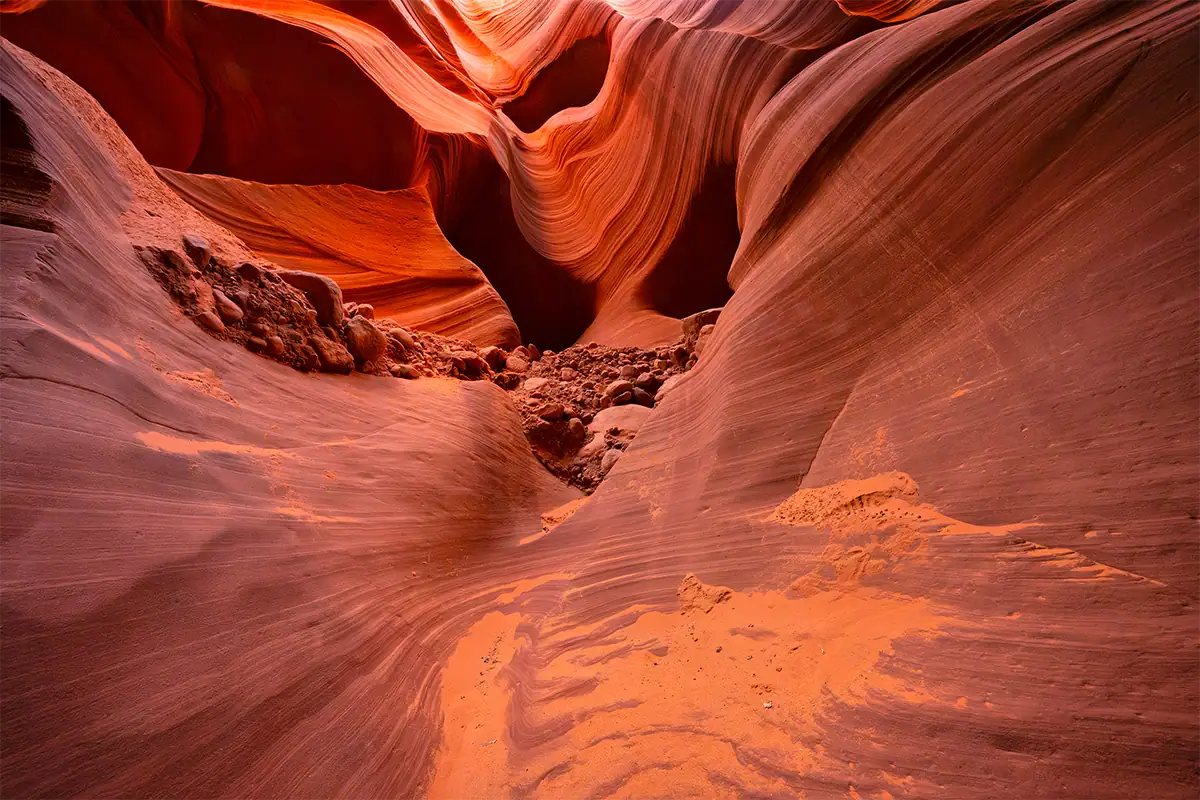
The Tamron 12-20mm F2.8 is an ultra-wide-angle zoom designed for Nikon Z full-frame mirrorless cameras, offering an exceptionally expansive field of view for landscapes, dramatic skies, and foreground-focused compositions. Its remarkable 12mm starting focal length allows photographers to capture scenes that can be difficult to fit into the frame with conventional wide-angle lenses, including towering mountains, narrow canyons, and expansive coastal views.
Its fast constant F2.8 aperture makes it especially well suited for astrophotography, aurora photography, and low-light landscapes. Advanced optical design helps maintain sharpness across the frame, while its compact construction for an ultra-wide zoom makes it a practical choice for hiking and travel. The lens is particularly effective when photographers use rocks, flowers, or other foreground elements to add depth and scale to expansive scenes. Explore additional composition techniques in our beginner’s guide to wide-angle zoom lenses.
Shop for the Tamron 12-20mm F2.8
Tamron 16-30mm F/2.8 Di III VXD G2
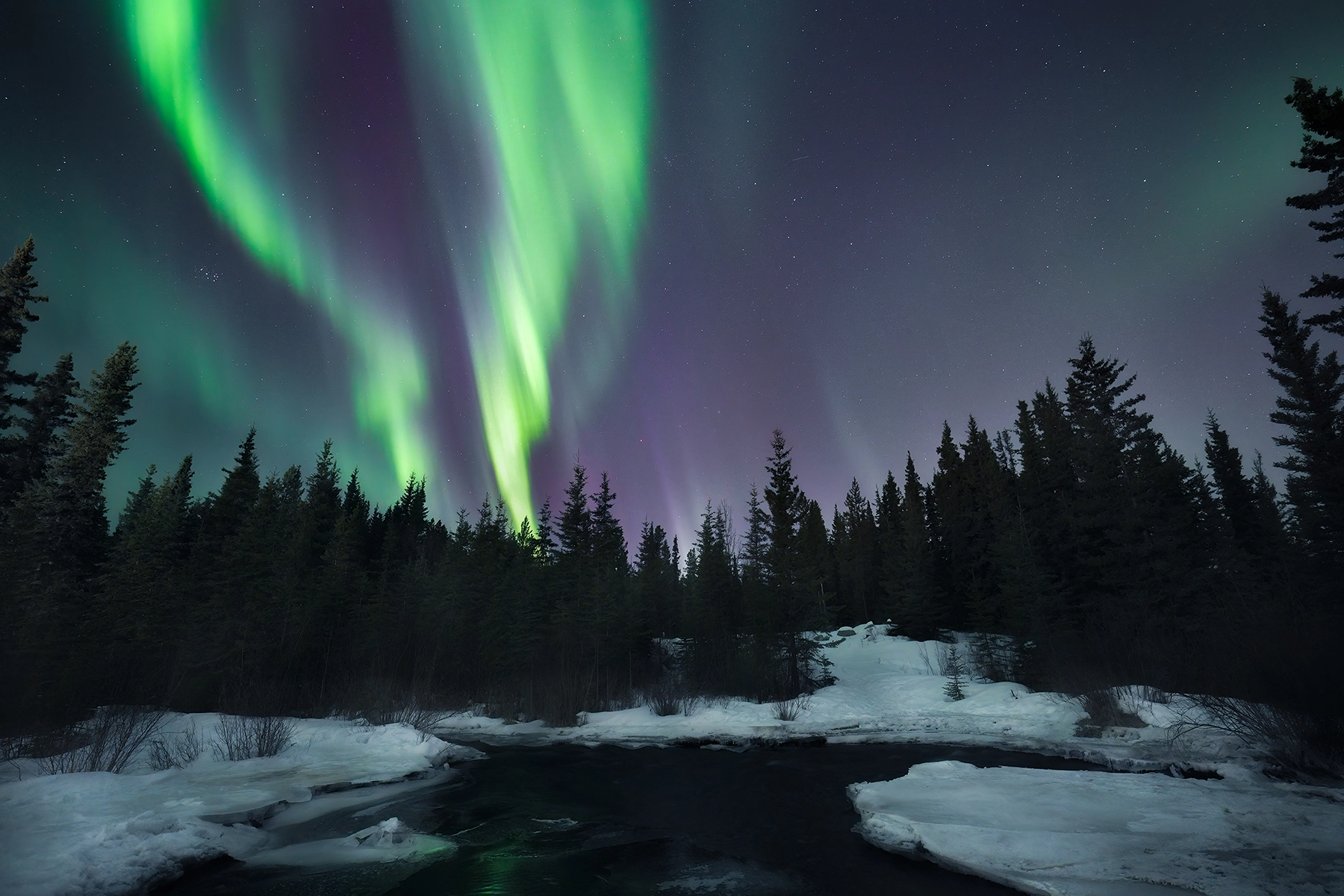
The Tamron 16-30mm F/2.8 Di III VXD G2 is a versatile ultra-wide-angle zoom for Nikon Z full-frame cameras, delivering outstanding image quality and a fast constant aperture. Its 16-30mm range provides creative flexibility for capturing expansive landscapes, dramatic foregrounds, architecture, and travel scenes. Compared with more extreme ultra-wide focal lengths, its range offers additional freedom to create balanced compositions while retaining a broad field of view.
The fast F2.8 aperture makes the 16-30mm G2 particularly appealing for astrophotography and night sky photography. Its advanced optical design helps maintain excellent detail across the image, while the internal zoom mechanism and compact construction make it convenient for outdoor photography. With support from TAMRON Lens Utility software’s Astro Focus Lock feature, photographers can more easily establish and maintain infinity focus for night sky photography. This combination of ultra-wide coverage, portability, and low-light performance makes the 16-30mm G2 an excellent choice for landscape photographers working in changing conditions.
Shop for the Tamron 16-30mm F/2.8 Di III VXD G2
Tamron 20-40mm F/2.8 Di III VXD

The Tamron 20-40mm F/2.8 Di III VXD for Nikon Z full-frame cameras is an excellent choice for landscape photographers who want wide-angle coverage without carrying a larger lens. At 20mm, it captures expansive vistas, dramatic skies, and foreground elements that add depth to landscape compositions. Zooming to 40mm provides a more natural field of view for isolating scenic details and creating balanced compositions.
Its constant F2.8 aperture supports low-light landscapes, sunrise and sunset photography, while fast VXD autofocus and a compact, lightweight design make it an excellent companion for hiking, travel, and everyday outdoor photography. The 20-40mm is particularly appealing to photographers who want one lens for landscapes, cityscapes, and spontaneous travel images. Learn more about selecting the ideal focal range in our guide to choosing Nikon Z mount lenses.
Shop for the Tamron 20-40mm F/2.8 Di III VXD
Tamron 28-75mm F/2.8 Di III VXD G2

The Tamron 28-75mm F/2.8 Di III VXD G2 combines a practical standard zoom range with a constant F2.8 aperture, making it suitable for a wide variety of landscape photography situations. At 28mm, photographers can capture broad scenic views, while longer focal lengths help isolate mountain formations, patterns in sand dunes, forests, and other natural details.
Its advanced optical design delivers excellent sharpness and clarity, while its compact construction makes it convenient for hiking and travel. The constant F2.8 aperture also provides flexibility when photographing in changing light, from early morning landscapes to sunset scenes. For Nikon Z full-frame photographers who want a dependable everyday lens that performs well for landscapes, travel, and other photography genres, the 28-75mm G2 offers a strong combination of versatility, portability, and image quality.
Shop for the Tamron 28-75mm F/2.8 Di III VXD G2
Tamron 35-150mm F/2-2.8 Di III VXD
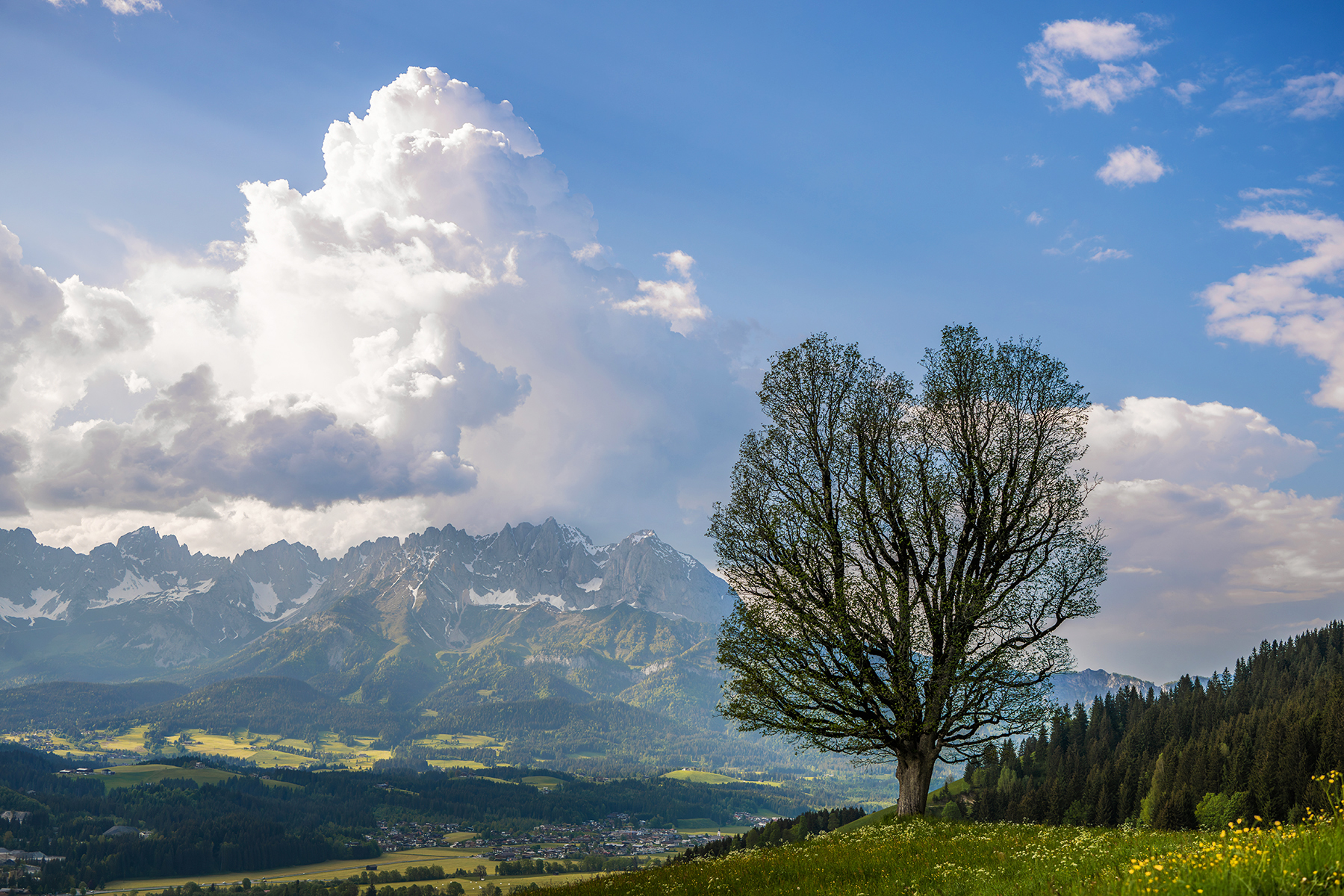
The Tamron 35-150mm F/2-2.8 Di III VXD stands out among Nikon Z full-frame landscape lenses for its extended focal range and exceptionally fast maximum aperture. Starting at 35mm, it captures natural-looking scenic compositions, while the longer focal lengths allow photographers to isolate distant mountains, individual trees, architectural features, and other elements within the landscape.
The fast F2-2.8 aperture range provides flexibility when photographing changing light, particularly during sunrise, sunset, or in shaded environments. Its advanced optical design delivers high image quality across the zoom range, while VXD autofocus provides responsive focusing performance. For photographers who enjoy telephoto landscape photography, the extended reach helps emphasize layered mountain ranges, atmospheric perspective, and scenic details that might otherwise be lost in a wider composition. The 35-150mm is also a versatile choice for photographers who combine landscapes with travel and environmental portraits.
Shop for the Tamron 35-150mm F/2-2.8 Di III VXD
Tamron 50-400mm F/4.5-6.3 Di III VC VXD

For photographers seeking versatility from standard to ultra-telephoto, the Tamron 50-400mm F/4.5-6.3 Di III VC VXD provides an impressive 8x zoom range, making it suitable for scenic views, distant mountain formations, wildlife, and natural details. Starting at 50mm, it offers more flexibility than many traditional telephoto zooms, while the 400mm reach allows photographers to isolate distant subjects that would appear small with a wide-angle lens.
Its extended telephoto range is particularly valuable for creating compressed landscape compositions, bringing distant ridgelines, forests, and atmospheric layers into more prominent arrangements. Advanced optics provide sharp, detailed images throughout the zoom range, while built-in VC Vibration Compensation helps reduce camera shake when shooting handheld. For photographers who enjoy combining landscape and wildlife photography, the 50-400mm offers outstanding creative flexibility in one lens.
Shop for the Tamron 50-400mm F/4.5-6.3 Di III VC VXD
Tamron 70-300mm F/4.5-6.3 Di III RXD

For photographers who want a lightweight telephoto option, the Tamron 70-300mm F/4.5-6.3 Di III RXD provides an excellent balance between reach and portability. Covering a focal length range of 70-300mm, it is well suited for capturing distant landscape features such as mountain peaks, waterfalls, forest patterns, and wildlife within natural environments.
The longer focal lengths allow photographers to simplify busy landscapes by isolating individual details or creating layered compositions that visually bring distant elements closer together. Despite its compact, lightweight design, the lens delivers strong image quality and reliable autofocus performance. For Nikon Z full-frame photographers who want to add telephoto creative possibilities without carrying a large, heavy lens, the 70-300mm is a practical addition to a landscape photography kit.
Shop for the Tamron 70-300mm F/4.5-6.3 Di III RXD
Which Tamron Nikon Z Lens Is Best for Your Landscape Photography?
The best Nikon Z landscape lens depends on whether you use an APS-C or full-frame camera, the types of landscapes you photograph, and how much equipment you want to carry.
Best Nikon Z APS-C Landscape Lenses
- For lightweight hiking and travel: Choose the 16-50mm F2.8 A for its compact design, wide 16mm starting focal length, and constant F2.8 aperture.
- For versatile landscape photography with stabilization: Choose the 17-70mm F2.8 VC for its extended zoom range, fast aperture, and built-in VC.
- For maximum all-in-one versatility: Choose the 18-300mm VC for wide-angle landscapes, distant scenery, and wildlife without changing lenses.
Best Nikon Z Full-Frame Landscape Lenses
- For the widest landscape perspectives: Choose the 12-20mm F2.8 for dramatic foregrounds, expansive scenes, and astrophotography.
- For versatile ultra-wide photography: Choose the 16-30mm F2.8 G2 for landscapes, architecture, and night sky photography.
- For compact wide-angle travel photography: Choose the 20-40mm F2.8 for landscapes and everyday scenic compositions.
- For an everyday standard zoom: Choose the 28-75mm F2.8 G2 for travel, landscapes, and changing light.
- For extended standard-to-telephoto coverage: Choose the 35-150mm F2-2.8 for isolated natural details and layered landscape compositions.
- For powerful telephoto landscape photography: Choose the 50-400mm VC for distant ridgelines, mountain layers, and wildlife.
- For lightweight telephoto reach: Choose the 70-300mm for distant landscape details without carrying a larger telephoto lens.
See More of Tamron’s Best Nikon Z Lenses for Landscape and Other Photography Genres
Tamron lenses combine advanced optical engineering, practical portability, and creative versatility to meet the needs of Nikon Z photographers. From fast ultra-wide-angle zooms to flexible standard lenses and powerful telephoto options, Tamron offers solutions for capturing everything from expansive landscapes to intricate natural details.
Whether you’re planning a hiking trip, photographing seasonal landscapes, or exploring new travel destinations, the right lens can help you make the most of changing light, weather, and scenery. Explore Tamron’s Nikon Z mount lens lineup to find the ideal lens for your camera and photography style.
Where to Buy Tamron Lenses
Learn more about Tamron lenses at an authorized Tamron dealer near you or visit the TAMRON Store to explore the complete selection of Nikon Z mount lenses.
Frequently Asked Questions About Nikon Z Lenses for Landscape Photography
What is the best Nikon Z mount lens for landscape photography?
The best Nikon Z landscape lens depends on your camera format and photography style. For full-frame cameras, the Tamron 12-20mm F2.8 is ideal for ultra-wide landscapes, while the 16-30mm F2.8 G2 offers versatile wide-angle coverage. For Nikon Z APS-C cameras, the compact 16-50mm F2.8 A and stabilized 17-70mm F2.8 VC are excellent choices for landscapes, hiking, and travel.
What is the difference between Nikon Z full-frame and APS-C landscape lenses?
Nikon Z full-frame (FX) lenses are designed to cover the larger full-frame sensor, while APS-C (DX) lenses are designed for smaller crop-sensor cameras. Nikon DX cameras have a 1.5x crop factor, so a 16-50mm lens provides a field of view equivalent to 24–75mm on full-frame. Full-frame lenses can also be used on Nikon DX cameras, but their field of view becomes narrower. Nikon FX cameras can use DX lenses in crop mode, reducing image resolution.
Is the Tamron 16-50mm F2.8 A good for Nikon Z landscape photography?
Yes. The Tamron 16-50mm F2.8 A is an excellent landscape photography lens for Nikon Z APS-C cameras. Its wide 16mm starting focal length is useful for mountains, coastlines, forests, and scenic travel photography. The constant F2.8 aperture supports low-light shooting, while its compact, lightweight design makes it especially convenient for hiking and outdoor photography.
Should I choose the Tamron 16-50mm or 17-70mm for Nikon Z landscapes?
Choose the 16-50mm F2.8 A if you prioritize a wider starting focal length, smaller size, and lighter weight. Choose the 17-70mm F2.8 VC if you prefer greater telephoto reach and built-in image stabilization for handheld photography. Both offer a constant F2.8 aperture and excellent versatility for landscapes and travel.
Which Nikon Z lens is best for astrophotography and night landscapes?
For Nikon Z full-frame cameras, the Tamron 12-20mm F2.8 and 16-30mm F2.8 G2 are excellent options for astrophotography. Both provide ultra-wide coverage and fast F2.8 apertures for photographing stars, auroras, and expansive nighttime scenes. The 16-30mm G2 also supports TAMRON Lens Utility’s Astro Focus Lock feature for convenient infinity focusing. Photographers using Nikon DX cameras can use the 16-50mm F2.8 A for night landscapes.
Is a wide-angle or telephoto lens better for landscape photography?
Both can produce compelling landscape photographs. Wide-angle lenses are ideal for expansive views, dramatic skies, and foreground-focused compositions. Telephoto lenses are useful for isolating distant mountains, waterfalls, wildlife, and other natural features. Lenses such as the Tamron 50-400mm and 70-300mm can create the appearance of compressed distance, emphasizing layers and patterns within the landscape.
Do I need image stabilization for Nikon Z landscape photography?
Image stabilization is helpful for handheld landscape photography, especially at slower shutter speeds or longer focal lengths. Tamron lenses such as the 17-70mm VC, 18-300mm VC, and 50-400mm VC include built-in Vibration Compensation to reduce camera shake. Other Tamron lenses may benefit from in-body stabilization when used with compatible Nikon Z cameras. For long exposures on a tripod, stabilization may be unnecessary.
What aperture should I use for Nikon Z landscape photography?
For daylight landscapes where front-to-back sharpness is important, apertures such as f/8 or f/11 are common starting points. For sunrise, sunset, astrophotography, and low-light scenes, a wider aperture such as f/2.8 can help capture more light. Tamron’s fast-aperture zoom lenses provide flexibility for changing lighting conditions and creative goals.