 Instant Savings
 Rebate Claims
 Support
 Find a Dealer
As the air begins to turn crisp and leaves transform into a show of reds, oranges, and yellows, fall presents an unparalleled opportunity for landscape photography. The vibrant hues of autumn create stunning visual appeal, making it a favorite season for photographers. Capturing the essence of fall through fall color photography not only showcases nature’s beauty but also allows photographers to experiment with various techniques and settings to create breathtaking images.
What You’ll Learn in This Article:
- Fall offers unparalleled opportunities for landscape photography with its vibrant colors and crisp air.
- Renowned locations for fall color photography include New England, the Great Smoky Mountains, and the Canadian Rockies.
- Adjusting white balance to “cloudy” or “shade” and using low ISO settings can enhance the vivid colors of fall foliage.
- Composition techniques like the rule of thirds and leading lines can enhance the natural beauty of fall landscapes.
- Exploring different locations and experimenting with techniques can help capture the unique charm of the autumn season.
Best Locations for Fall Colors Photography
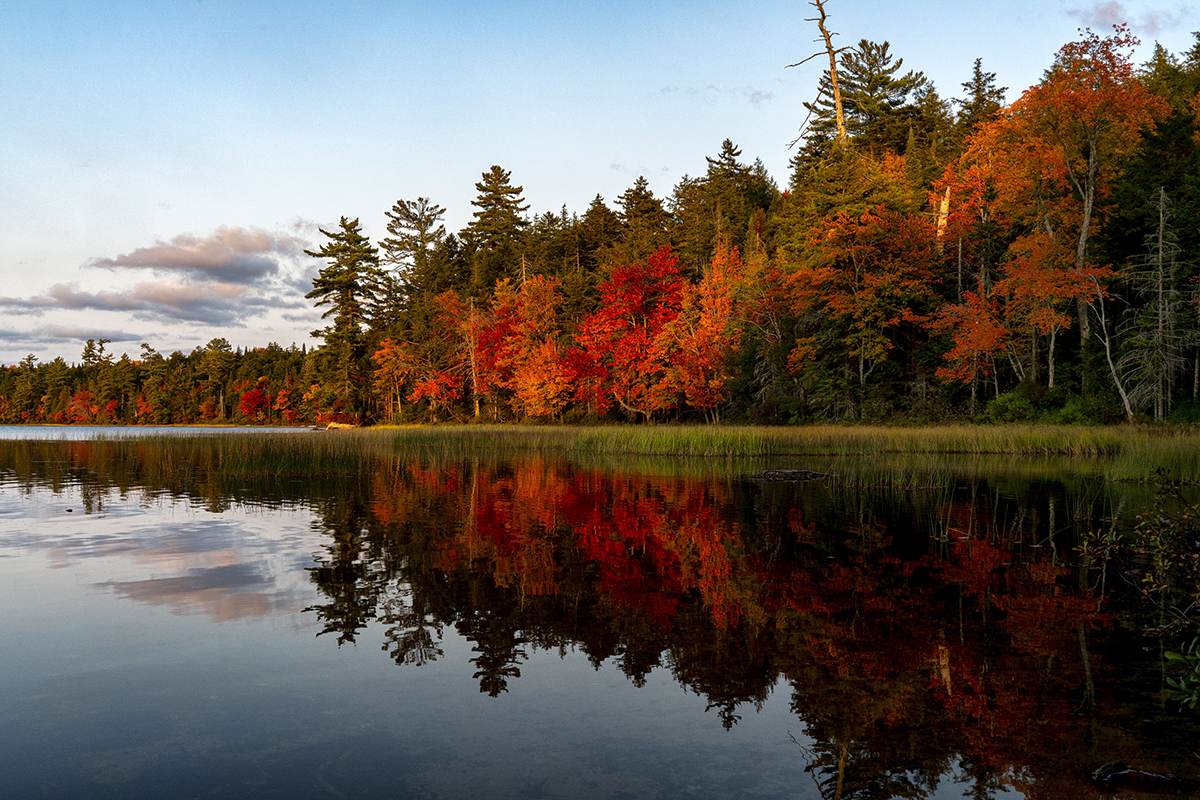
Finding the right location is key to successful fall color photography. Here are some renowned spots and hidden gems where fall colors are particularly breathtaking:
Renowned Locations
- New England, USA: Known for its picturesque historic towns and rolling hills, New England offers some of the most vibrant fall foliage. Places like Vermont, New Hampshire, and Maine are famous for their spectacular autumn colors.
- Great Smoky Mountains, USA: By North Carolina and Tennessee, the Great Smoky Mountains provide a stunning backdrop for landscape photography with their diverse tree species that display a wide range of fall colors.
- Canadian Rockies, Canada: Regions like Banff and Jasper National Parks offer majestic landscapes with vibrant fall colors, making them ideal for fall color photography.
Hidden Gems
- The Ozarks, USA: This region in Missouri and Arkansas offers beautiful, lesser-known spots for capturing fall foliage, with scenic byways and quiet trails.
- Door County, Wisconsin, USA: Known for its charming small towns and coastal views, Door County becomes a riot of colors in the fall, providing numerous opportunities for stunning photos.
- Columbia River Gorge, USA: Located between Oregon and Washington, this area features waterfalls, cliffs, and forests.
Camera Settings and Techniques for Fall Colors Photography
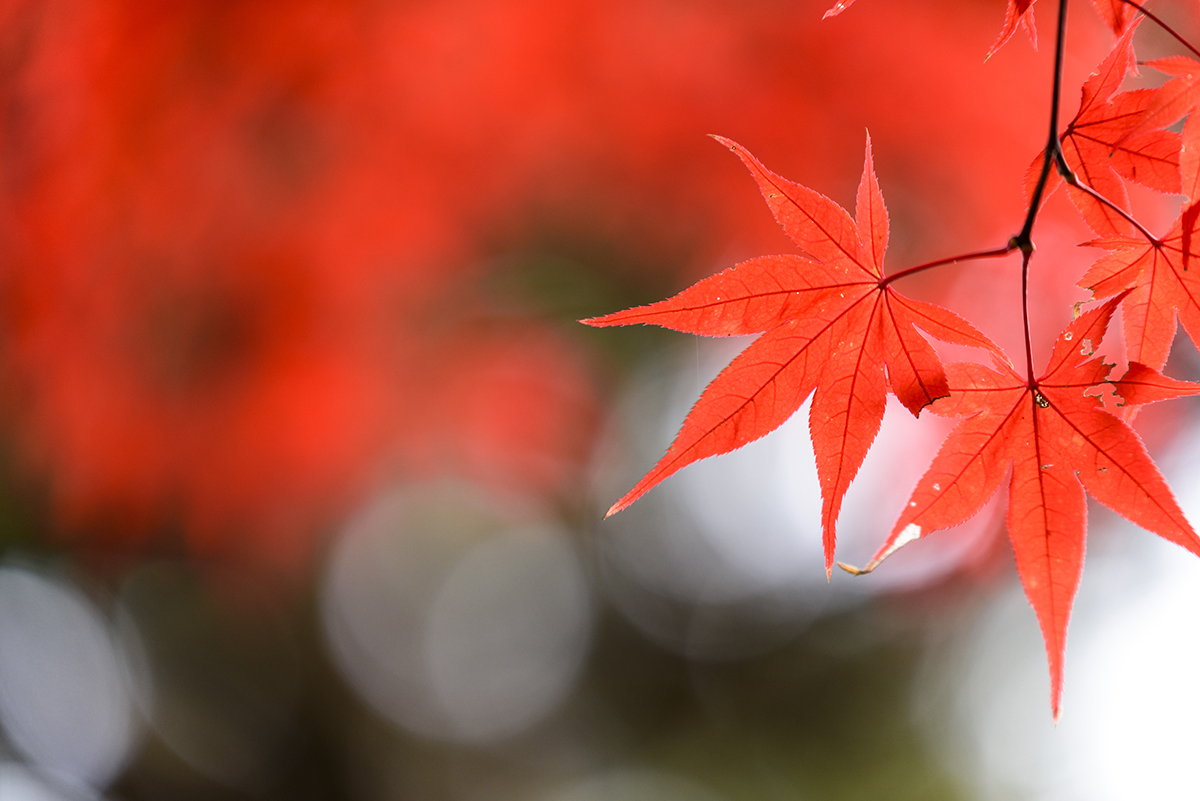
To capture the vivid colors of fall, utilizing the right camera settings is crucial. For additional guidance on aperture, exposure, ISO, and depth of field, explore our landscape photography camera settings guide.
Here are some tips:
- White Balance: Adjusting the white balance can help enhance the warm tones of fall foliage. Setting your camera’s white balance to “cloudy” or “shade” can amplify the reds and yellows, making the colors pop more vividly.
- Exposure: Proper exposure is essential in landscape photography. Use a low ISO to reduce noise and increase image quality. Depending on the lighting conditions, you may need to bracket your exposures to ensure you capture the full dynamic range of the scene. You can do this by taking multiple shots at different exposures then blending them in post-processing.
- Aperture: For sharp, detailed landscapes, use a narrow aperture (high f-stop number) such as f/8 to f/16. This increases the depth of field, making sure that both the foreground and background are in sharp focus.
- Polarizing Filter: A circular polarizer can reduce glare from autumn leaves, helping reveal richer colors and finer details. Learn how to use a circular polarizer filter to enhance foliage photography while maintaining control over reflections on water and other surfaces.
Fall Colors Photography Composition Tips
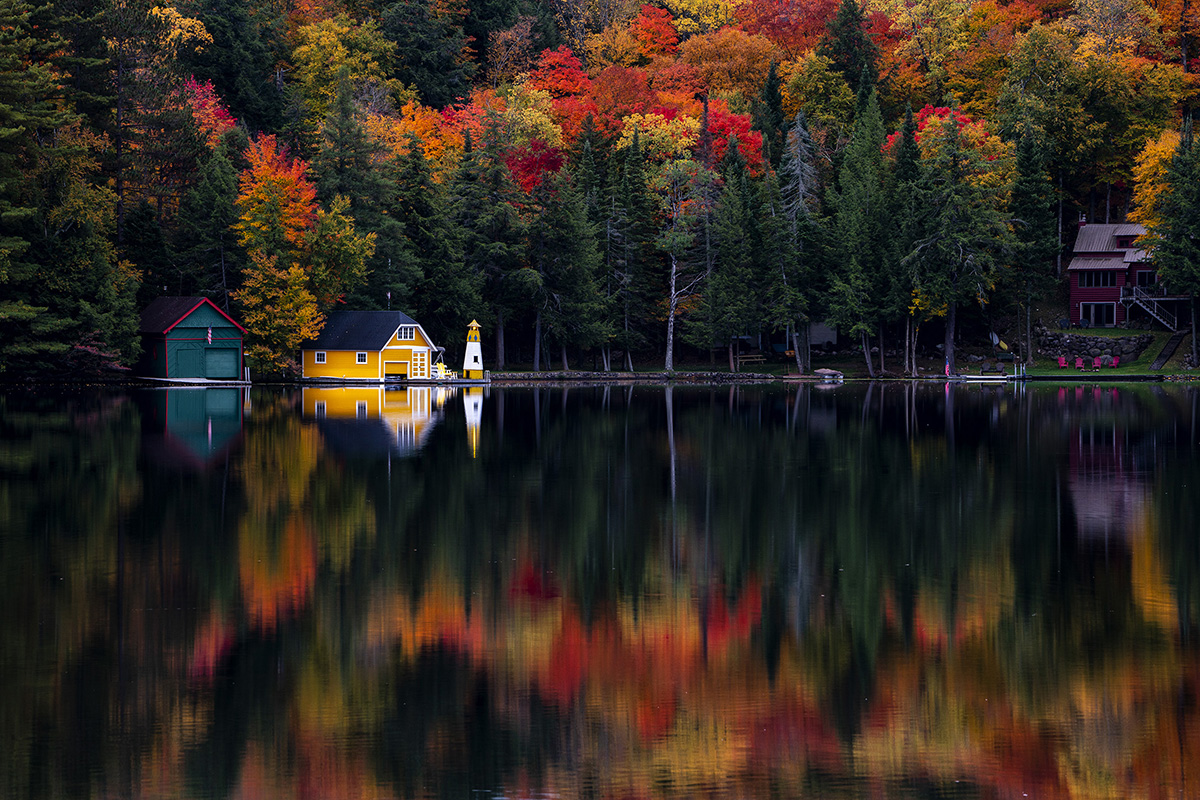
Effective composition techniques can elevate your fall color photography by enhancing the natural beauty of the landscape:
- Rule of Thirds: The rule of thirds is a fundamental principle in photography. Divide your frame into nine equal parts using two horizontal and two vertical lines. Position key elements of your scene along these lines or at their intersections to create a balanced and engaging composition.
- Leading Lines: Leading lines guide the viewer’s eye through the image and can add depth to your photos. Look for natural lines like rivers, paths, or tree branches that draw the viewer’s attention to the focal point of the scene. Learn more about using leading lines in photography to create depth and guide attention through your landscape images.
- Foreground Interest: Incorporate interesting elements in the foreground to add depth and context to your landscape photos. Rocks, fallen leaves, or a winding trail can provide a sense of scale and make your images more immersive.
Understanding photography composition techniques can help you create stronger images by balancing foreground interest, natural framing, and focal points.
Choosing the Right Lens for Fall Colors Photography
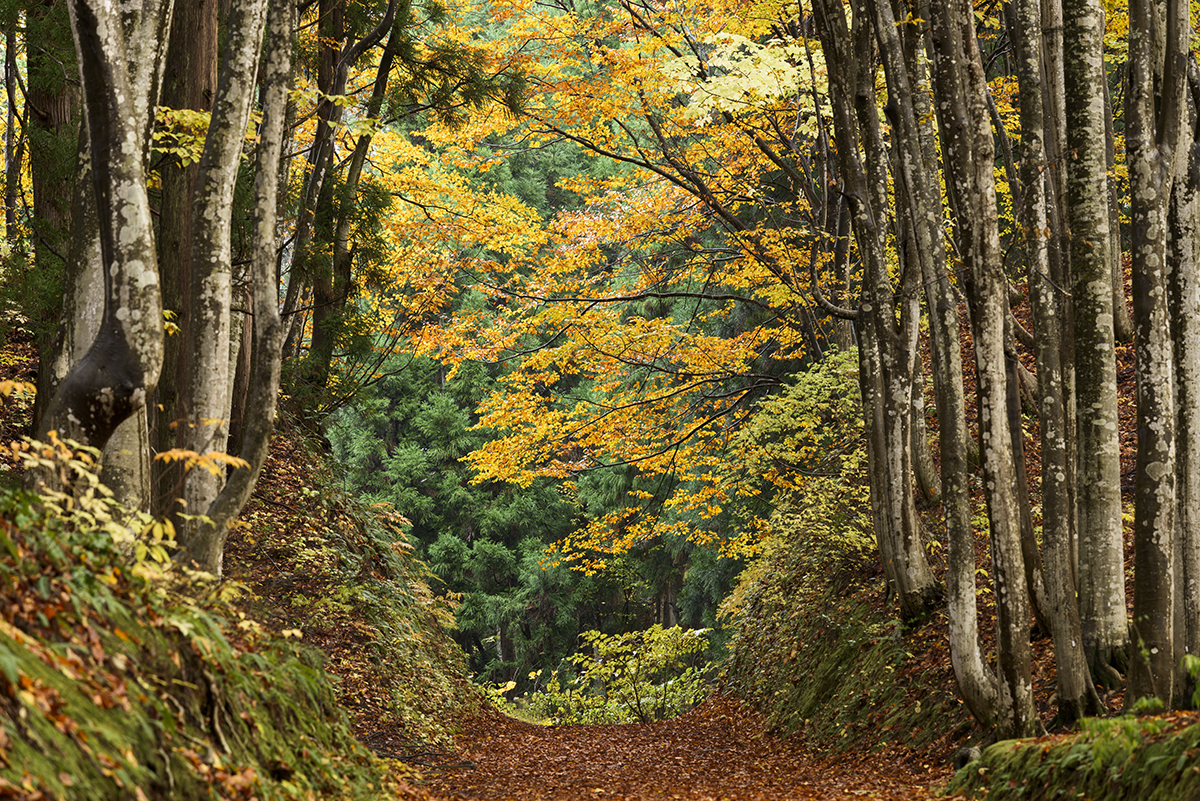
When it comes to fall color photography, choosing the right lens is just as important as selecting the perfect location or camera setting. The lens you use will determine your field of view, image sharpness, and overall creative flexibility—key elements when capturing sweeping autumn vistas or intimate details of foliage.
Wide-angle lenses are especially effective for emphasizing foreground elements and creating a sense of depth in autumn landscapes. Explore our beginner’s guide to using wide-angle zoom lenses for more composition tips and creative techniques.
Best Full-Frame Tamron Lenses for Fall Colors Photography
Full-frame cameras offer excellent image quality, dynamic range, and low-light performance, making them ideal for capturing the rich colors and subtle details of autumn landscapes. Tamron’s full-frame zoom lenses provide options ranging from ultra-wide perspectives for dramatic forest scenes and mountain vistas to versatile standard zooms for capturing colorful foliage, reflections, and intimate landscape details. Whether you’re hiking through fall forests or photographing scenic overlooks, these lenses deliver the flexibility and optical performance needed to capture autumn’s changing beauty.
Extreme Ultra-Wide Angle: Tamron 12-20mm F2.8
For photographers who want to create highly immersive fall landscapes, the Tamron 12-20mm F2.8 provides an expansive ultra-wide perspective. Its 12mm field of view is ideal for emphasizing dramatic skies, towering trees, sweeping mountain scenery, and foreground elements such as fallen leaves, rocks, or winding trails. The constant F2.8 aperture also makes it well suited for photographing autumn landscapes during golden hour, in shaded forests, or beneath changing low-light conditions. For Sony E and Nikon Z.
Fast Ultra-Wide Zoom: Tamron 16-30mm F/2.8 Di III VXD G2
The Tamron 16-30mm F2.8 offers a versatile wide-angle range for capturing expansive fall landscapes while providing additional flexibility for more controlled compositions. Its constant F/2.8 aperture is especially useful during misty mornings, overcast conditions, and late-day shoots when available light begins to fade. Lightweight and compact, it is also an excellent choice for photographers hiking to scenic overlooks, waterfalls, and remote woodland locations. For Sony E and Nikon Z.
Wide to Standard Zoom: Tamron 17-50mm F/4 Di III VXD
The Tamron 17-50mm F4 lens is an excellent choice for general fall landscape photography. With its versatile wide-to-standard zoom range, this lens is ideal for capturing both expansive scenes and more composed, structured shots. The constant F/4 aperture offers excellent control over depth of field while maintaining image clarity throughout the zoom range—perfect for early morning or golden hour shooting. For Sony E.
Compact Wide-Angle Zoom: Tamron 20-40mm F/2.8 Di III VXD
The Tamron 20-40mm F2.8 offers an ultra-wide 20mm perspective for capturing dramatic fall landscapes, towering forest canopies, and colorful autumn scenery. Its versatile zoom range also allows photographers to move from expansive views to more natural compositions without changing lenses. With a constant F2.8 aperture and exceptionally compact, lightweight design, it’s an ideal choice for hiking and travel photography. Excellent close-focusing capabilities also make it easy to highlight individual leaves and colorful foreground details. For Sony E and Nikon Z.
All-in-One Full-Frame Zoom: Tamron 25-200mm F/2.8-5.6 Di III VXD G2
For photographers who want maximum versatility without changing lenses, the Tamron 25-200mm F2.8-5.6 G2 is an ideal companion for fall foliage photography. Its expansive 8x zoom range captures everything from wide-angle autumn landscapes and colorful forest trails to distant trees and detailed compositions of vibrant foliage. The bright F2.8 maximum aperture at 25mm is useful in shaded woodlands, while impressive close-focusing capabilities allow photographers to capture intricate leaf textures and seasonal details. Compact and lightweight for its extensive zoom range, this all-in-one lens is especially convenient for hiking and exploring scenic fall destinations.
Versatile Standard Zoom: Tamron 28-75mm F/2.8 Di III VXD G2
For photographers who want exceptional optical performance and framing flexibility, the Tamron 28-75mm F2.8 G2 is an excellent all-around lens for fall colors photography. Its versatile zoom range is ideal for capturing colorful woodland scenes, framing reflections in autumn lakes, and isolating vibrant foliage against softer backgrounds. The constant F2.8 aperture performs well in changing light, while impressive close-focusing capabilities allow photographers to explore the textures, patterns, and fine details of autumn leaves. For Sony E and Nikon Z.
Best APS-C Tamron Lenses for Fall Colors Photography
APS-C cameras are an excellent choice for fall foliage photography, offering a compact, lightweight system that’s easy to carry on hikes and outdoor adventures. Tamron’s APS-C zoom lenses range from ultra-wide options for expansive autumn scenery to versatile standard zooms and all-in-one lenses for capturing everything from colorful woodland paths to distant mountain ridgelines. With options featuring constant F2.8 apertures, compact designs, and Vibration Compensation (VC), photographers can choose the right combination of portability, performance, and creative flexibility.
Ultra-Wide Angle: Tamron 11-20mm F/2.8 Di III-A RXD
For photographers looking to emphasize vast landscapes or include dramatic skies, the Tamron 11-20mm F2.8 ultra-wide lens delivers exceptional performance on APS-C cameras. It’s especially suited for dramatic compositions that use foreground elements, like fallen leaves or winding paths, to create depth. Its bright F/2.8 aperture also allows for creative low-light shots, ideal for misty fall mornings or twilight scenes. For Sony E, Fujifilm X, and Nikon Z.
Compact Standard Zoom: Tamron 16-50mm F2.8 A
The Tamron 16-50mm F2.8 A is an excellent choice for fall landscape photographers who want outstanding image quality in an ultra-compact, lightweight lens. Starting at a wider 16mm, it captures colorful forests, scenic overlooks, and winding autumn trails, while the standard zoom range provides flexibility for tighter compositions. Its constant F2.8 aperture performs beautifully in shaded woodlands and soft morning light, making it an ideal companion for photographers exploring fall foliage on foot. For Sony E, Canon RF, Fujifilm X, and Nikon Z.
Versatile Zoom with VC: Tamron 17-70mm F/2.8 Di III-A VC RXD
For photographers seeking greater versatility, the Tamron 17-70mm F2.8 VC combines a wide-to-telephoto zoom range with a constant F2.8 aperture and built-in Vibration Compensation (VC). This makes it an excellent choice for capturing expansive autumn landscapes, isolating colorful trees along distant hillsides, or photographing intricate foliage details. The VC stabilization is especially valuable when shooting handheld in shaded forests or during the softer light of early morning and late afternoon. For Sony E, Canon RF, Fujifilm X, and Nikon Z.
All-in-One Versatility: Tamron 18-300mm F/3.5-6.3 Di III-A VC VXD
If you prefer to travel light and avoid switching lenses in the field, the Tamron 18-300mm VC all-in-one zoom is a top-tier option. It covers everything from wide-angle landscapes to detailed telephoto shots of distant ridgelines or isolated trees. With Vibration Compensation (VC) and fast autofocus, this lens is perfect for handheld shooting while hiking through colorful trails. For Sony E, Canon RF, Fujifilm X, and Nikon Z.
These Tamron lenses not only provide flexibility but also deliver sharp, color-rich images that bring fall foliage to life. Whether you’re photographing wide vistas, close-ups of leaves, or mid-range compositions, there’s a Tamron lens to meet your creative vision.
Best Times and Lighting for Fall Colors Photography
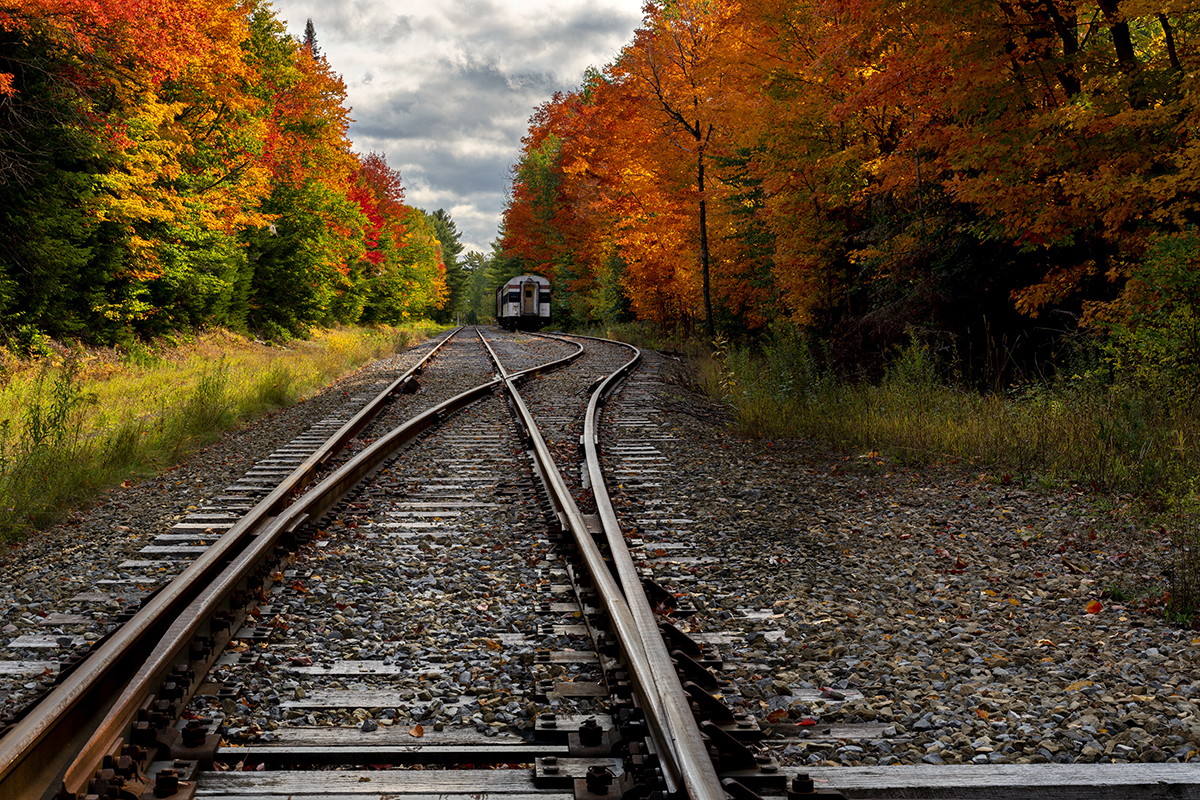
Timing is everything in fall colors photography. Knowing when and how to photograph fall foliage under ideal lighting conditions can dramatically improve the quality and mood of your images. This section focuses on the optimal times of day, seasonal timing, and weather conditions that maximize color saturation and depth.
Golden Hours: Morning and Evening Magic
Photographing during the golden hours—shortly after sunrise and just before sunset—provides warm, directional light that enhances the reds, oranges, and yellows of autumn foliage. The soft, low-angle light also helps minimize harsh shadows and adds a beautiful glow to landscapes, making it a favorite time for fall landscape photography. For more advice on working with warm, directional sunlight, see our golden hour photography tips to make the most of these changing lighting conditions.
Overcast Days: Nature’s Softbox
While bright sunlight can sometimes cause glare or overly contrasty scenes, overcast skies act like a giant softbox. Cloud cover diffuses light evenly, reducing shadows and allowing the rich fall colors to appear more saturated. Overcast days are perfect for capturing subtle tones and details in foliage, especially in forested areas.
Peak Foliage: Timing the Season
To make the most of your fall foliage photography, research the peak color times in your chosen location. Northern regions typically reach peak colors earlier in the season, while southern areas may peak later. Following foliage reports and planning accordingly ensures you’re there when the colors are most vibrant. For additional seasonal shooting advice, explore our guide on how to photograph fall colors as the landscape transitions through autumn.
Incorporate Weather Effects
Elements like morning fog, mist, and light rain can add depth, atmosphere, and mood to your fall images. Fog softens distant elements and creates a dreamy quality, while raindrops on leaves can add texture and detail in close-up fall photography. Changing weather can create some of the most compelling landscape images. Discover more landscape and weather photography tips for capturing dramatic skies, mist, and atmospheric conditions.
By understanding how lighting and timing impact your images, you’ll gain greater control over the final look and feel of your fall colors photography. Combine these elements with the right lens and thoughtful composition, and you’ll be well-equipped to capture autumn in all its breathtaking beauty.
Final Thoughts on Fall Colors Photography
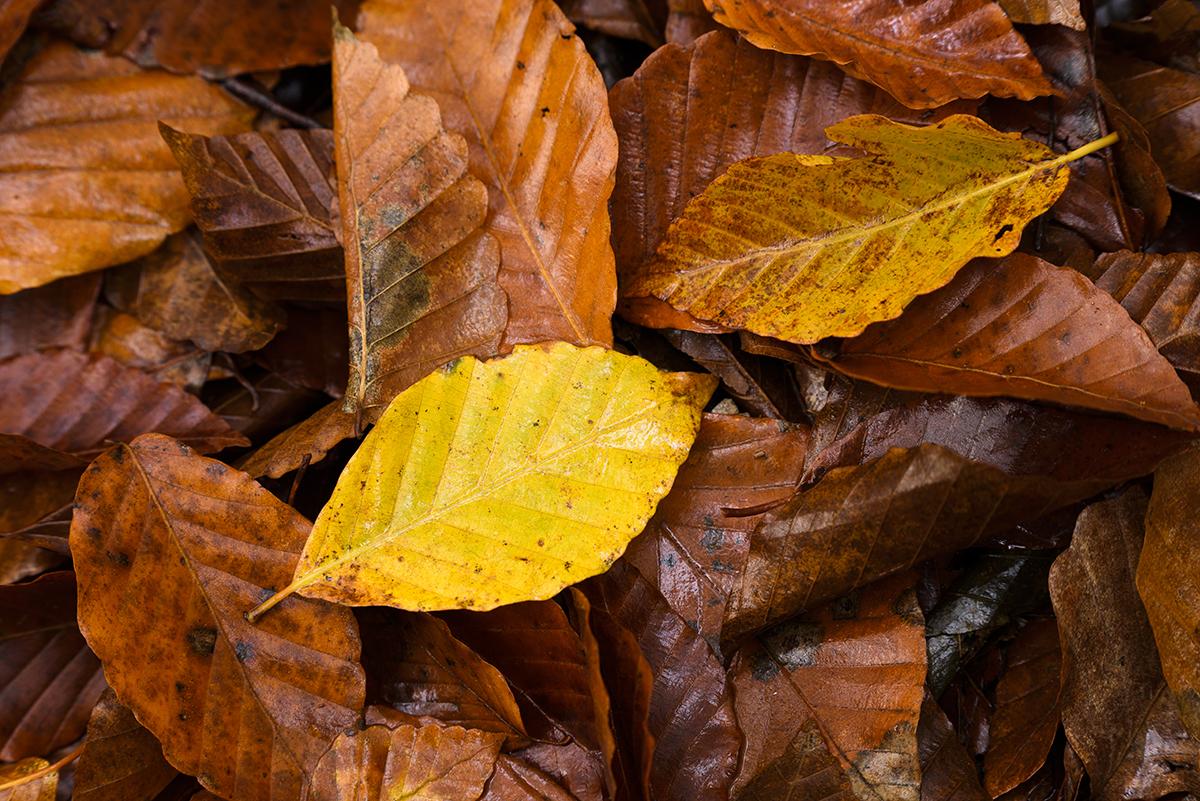
Capturing the essence of fall through landscape photography is a rewarding experience that allows you to document the season’s stunning beauty. By exploring renowned locations and hidden gems, utilizing proper camera settings, and applying effective composition techniques, you can create compelling images that showcase the vibrant colors of autumn. Embrace the joys of fall color photography by venturing out to different locations and experimenting with various techniques to capture the unique charm of this magical season.
Where to Buy Tamron Lenses
Learn about Tamron lenses for Fall Landscape Photography at an authorized Tamron dealer in your area or visit the TAMRON Store today.
Frequently Asked Questions About Fall Colors Photography
What are the best camera settings for fall foliage photography?
For sharp, colorful fall landscape photos, start with an aperture of F8 to F11 to maintain depth of field, use a low ISO such as 100 or 200, and adjust your shutter speed for the available light. A tripod can help maintain sharpness in low-light conditions, while shooting in RAW provides greater flexibility for adjusting exposure, white balance, and autumn colors during editing.
What is the best lens for photographing fall colors?
The best lens for fall colors photography depends on your composition and camera format. Ultra-wide lenses such as the Tamron 12-20mm F2.8 for full-frame cameras or 11-20mm F2.8 for APS-C cameras are excellent for expansive autumn landscapes. Versatile zooms such as the 28-75mm F2.8 G2 for full-frame or 17-70mm F2.8 VC for APS-C provide flexibility for both wide scenes and detailed foliage compositions. All-in-one zooms are ideal for capturing a variety of perspectives without changing lenses.
What is the best time of day to photograph fall colors?
Early morning and late afternoon are excellent times for fall colors photography because the low-angle sunlight creates warm tones, soft shadows, and beautiful dimensional lighting. Overcast days are also ideal for photographing autumn foliage, as diffused light reduces harsh contrast and reflections, helping reveal the rich colors of leaves and forest landscapes.
How can I make fall colors look more vibrant in photographs?
To capture vibrant autumn colors, pay attention to lighting, exposure, and white balance. Photographing during golden hour or under soft, overcast light can enhance the natural reds, oranges, and yellows of fall foliage. A circular polarizing filter can reduce glare on leaves and deepen color saturation. Shooting in RAW also allows you to fine-tune colors and contrast while maintaining a natural appearance.
When is the best time to photograph peak fall foliage?
Peak fall foliage varies by geographic location, elevation, tree species, and seasonal weather conditions. Northern regions and higher elevations generally experience color changes earlier than southern areas and lower elevations. Check local fall foliage reports before planning your photography trip, and consider visiting slightly before peak color to capture a mix of vibrant leaves and contrasting green foliage.
Do I need a tripod for fall landscape photography?
A tripod is helpful but not always necessary for fall landscape photography. It is especially useful when photographing shaded forests, waterfalls, or early morning scenes that require slower shutter speeds. For handheld photography, lenses with Vibration Compensation (VC) can help reduce camera shake. However, when photographing leaves moving in the wind, a faster shutter speed is necessary to freeze their movement, even when using a tripod.