Instant Savings
 Rebate Claims
 Support
 Find a Dealer
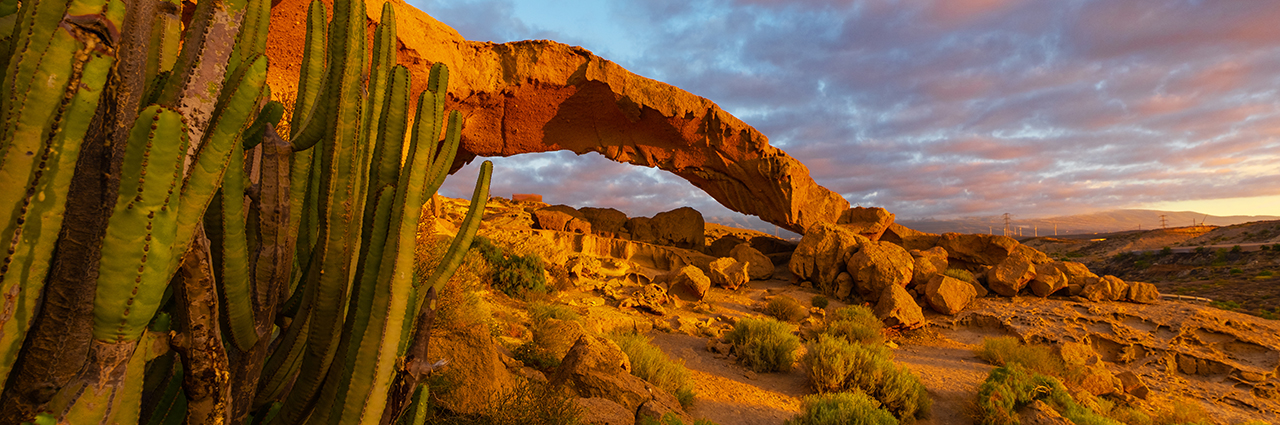
Choosing the best wide angle lenses depends on your camera format, mount, preferred focal length, maximum aperture, and the subjects you photograph most often. Landscape photographers may prioritize an ultra-wide field of view, while travel and street photographers may prefer a compact wide angle zoom lens that extends closer to a standard perspective.
Tamron’s line of wide-angle lenses spans full-frame and APS-C mirrorless cameras, including Sony wide angle lens, Nikon wide angle lens, and Canon wide angle lens options, as well as Fujifilm X mounts. (Full-frame sensors are larger and typically found in higher-end cameras, while APS-C sensors are smaller and common in more compact or budget-friendly models.) The lineup includes ultra-wide zooms, wide-to-standard zooms, and compact wide-angle prime lenses, giving photographers different ways to balance field of view, aperture, portability, and versatility.
If you are still getting familiar with the different categories of lenses available, start with our guide to camera lenses explained.
This guide compares the best Tamron wide angle lenses, explains which photographers each lens is designed for, and highlights the factors to consider before choosing a lens for landscapes, architecture, interiors, travel, astrophotography, video, and other wide-angle photography.
Table of Contents
- What Makes a Good Wide Angle Lens?
- Best Tamron Wide Angle Lenses at a Glance
- Wide Angle Lens Recommendations for APS-C Cameras
- Wide Angle Lens Recommendations for Full-Frame Cameras
- Wide Angle Prime Lens Recommendations
- Wide Angle Zoom vs. Prime Lens
- Best Wide Angle Lenses by Photography Genre
- How to Choose a Wide Angle Lens
- Features to Consider for Outdoor Photography
- Frequently Asked Questions About Wide Angle Lenses
What Makes a Good Wide Angle Lens?
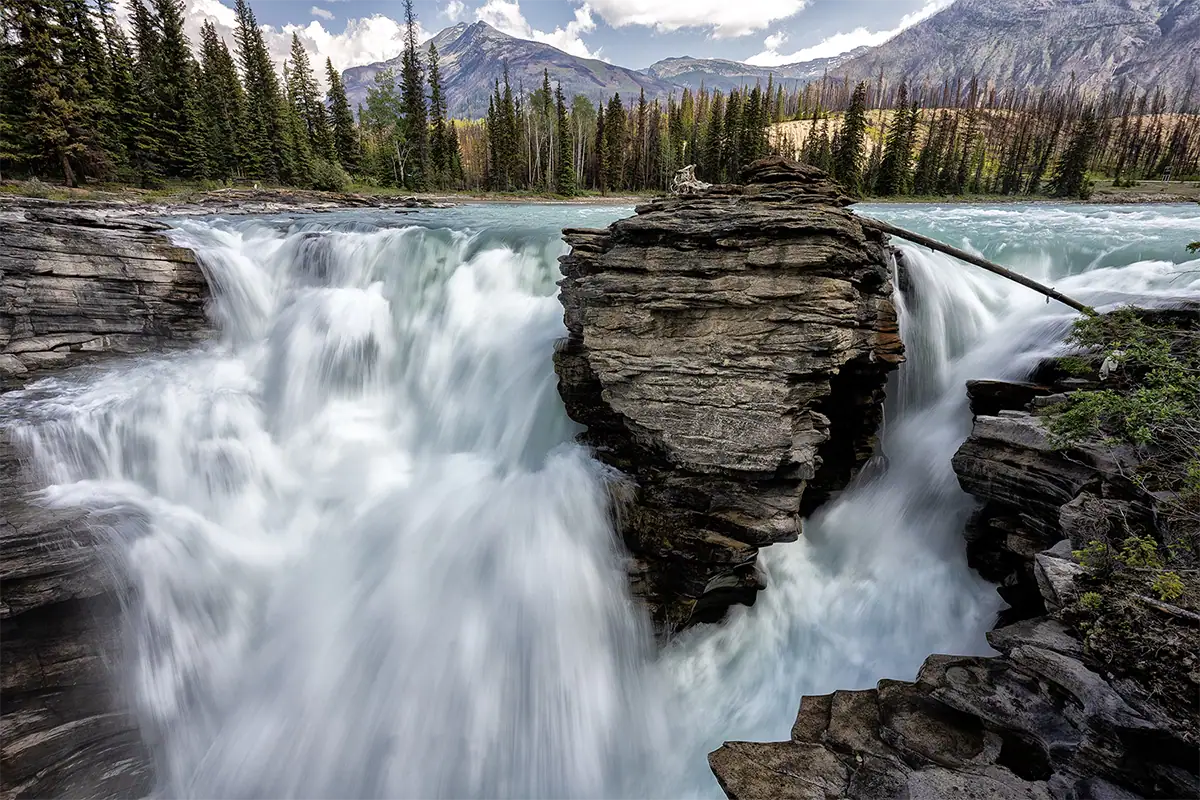
A good wide angle lens combines an expansive field of view with the optical quality, aperture, focusing performance, and portability required for the photographer’s intended subject.
Short focal lengths allow photographers to include more of a scene within the frame. This makes wide-angle lenses particularly useful for landscapes, architecture, interiors, travel, environmental portraits, night skies, and situations where the photographer cannot move farther away from the subject.
Ultra-wide focal lengths can also exaggerate the apparent distance between foreground and background elements. Placing an interesting object close to the camera can therefore create a strong sense of depth and lead the viewer through the composition.
For a deeper explanation of focal lengths and fields of view, see:
Wide Angle Lens vs. a Telephoto Lens
A wide-angle lens captures a broad field of view and is often used to emphasize the relationship between a subject and its surroundings. A telephoto lens provides a narrower field of view and makes distant subjects fill more of the frame.
Camera position also affects how the scene appears. Wide-angle compositions are often created from relatively close distances, which can make foreground elements appear prominent in relation to the background. Telephoto compositions are often made from farther away, which can create a visually compressed relationship between subjects at different distances.
For a deeper comparison, see our guide to the difference between wide-angle and telephoto lenses.
Best Wide Angle Lenses from Tamron
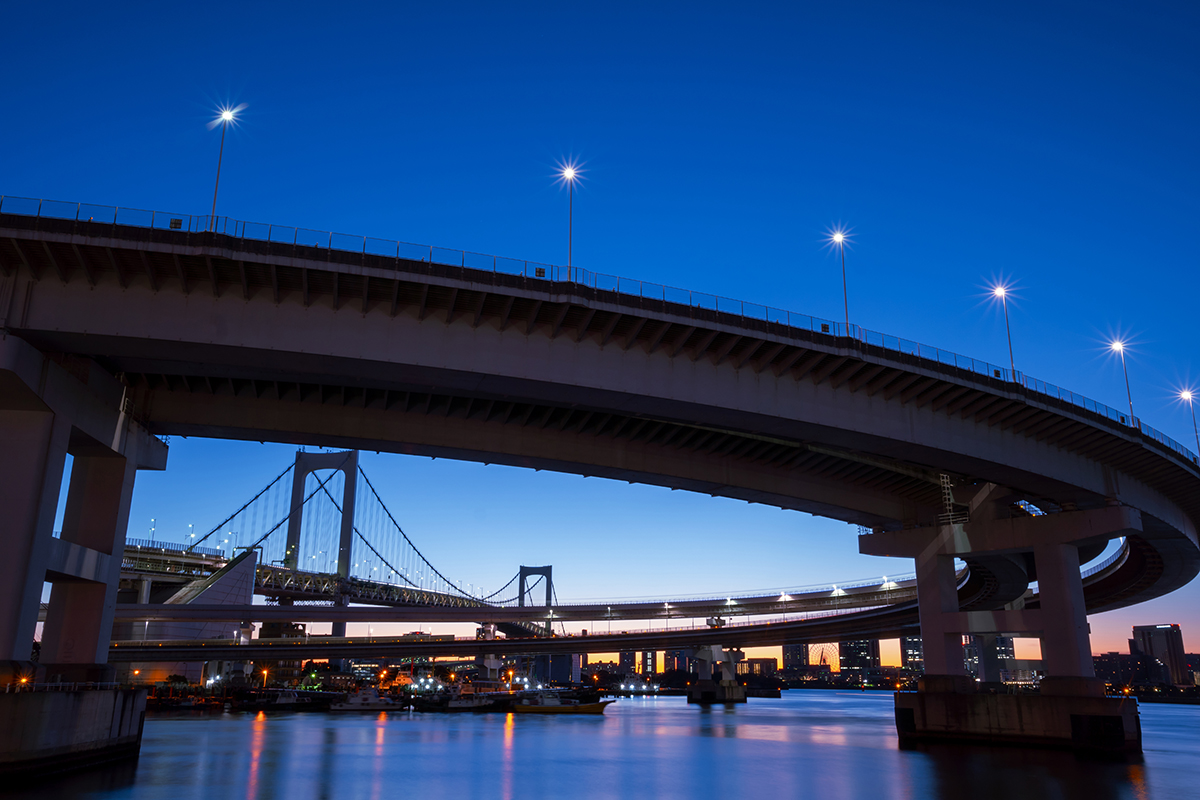
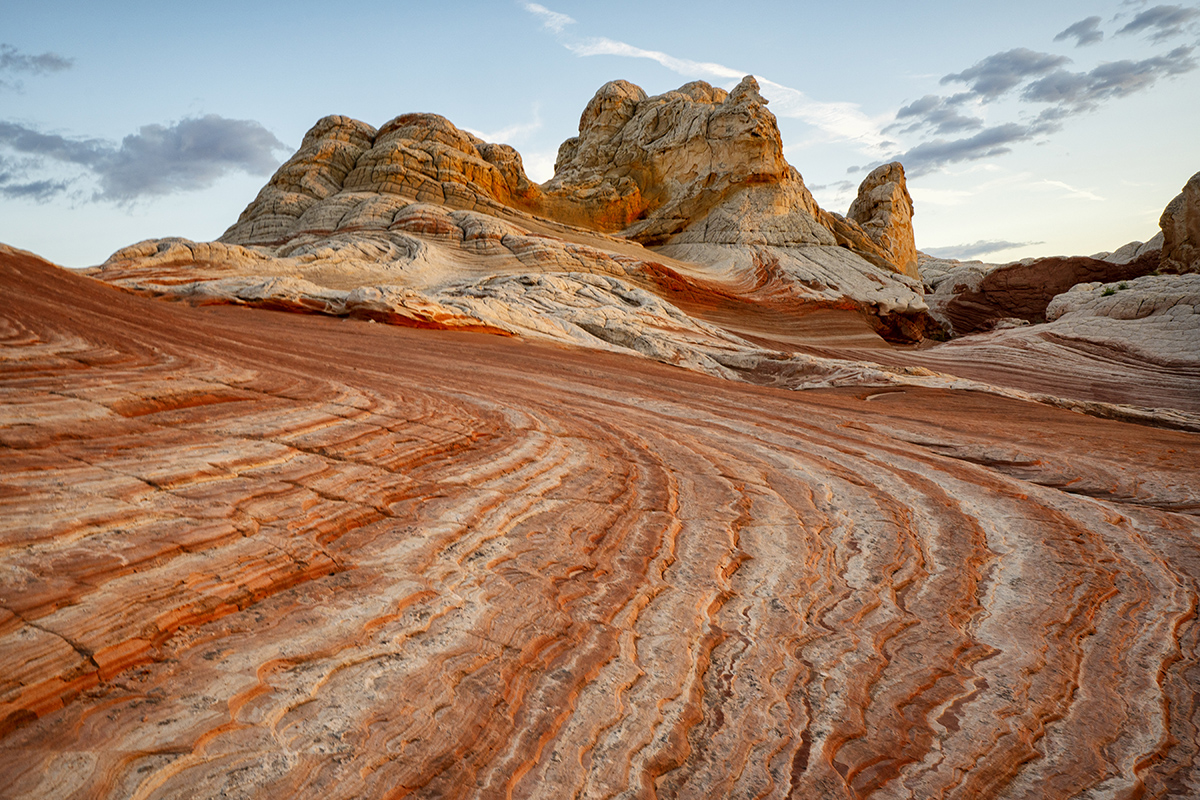
Different wide-angle lenses prioritize different qualities. Some provide the widest possible view, while others sacrifice a little width for additional zoom range, a compact design, or greater everyday versatility.
Wide Angle Lens Recommendations for APS-C Cameras
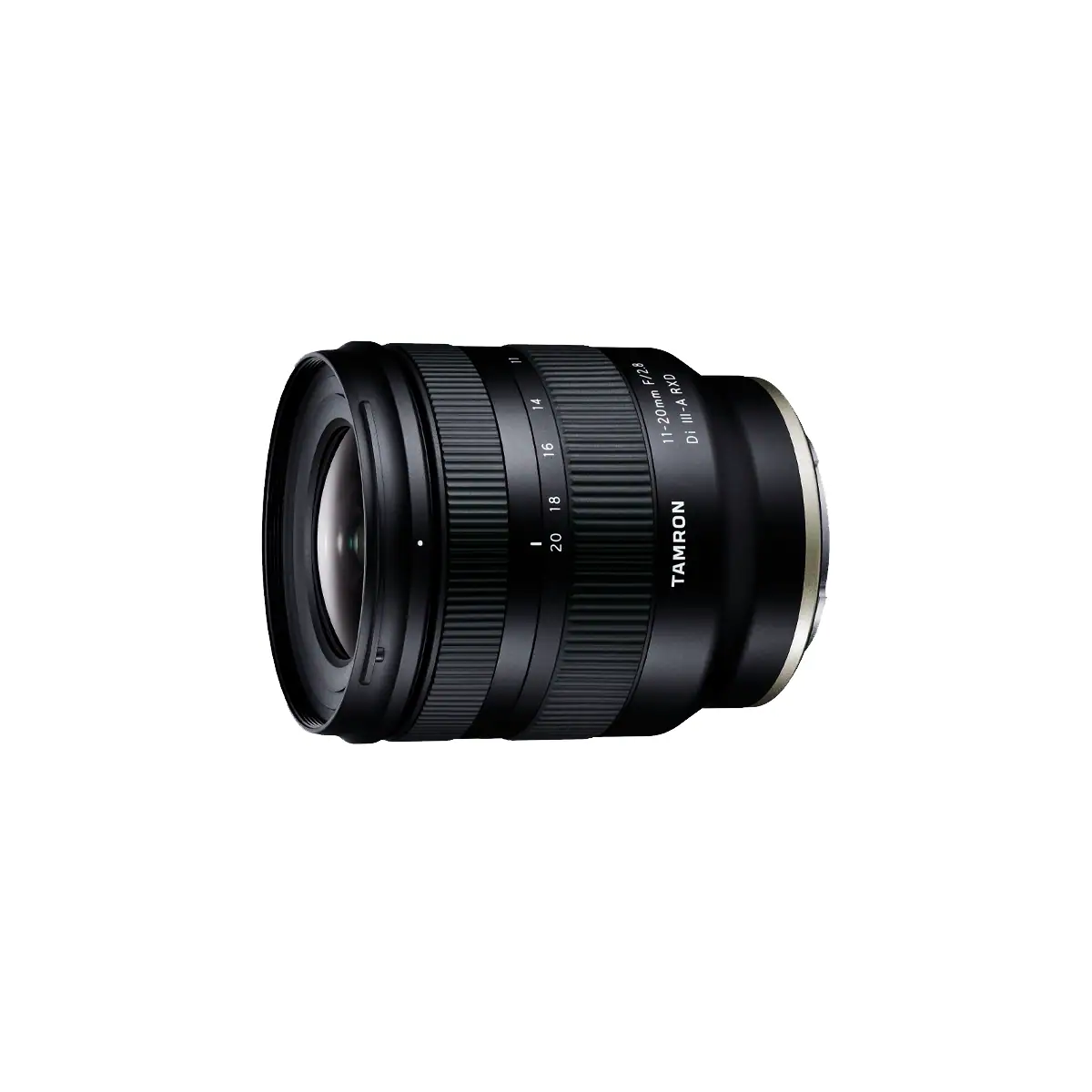
Tamron 11-20mm F/2.8 Di III-A RXD (Model B060)
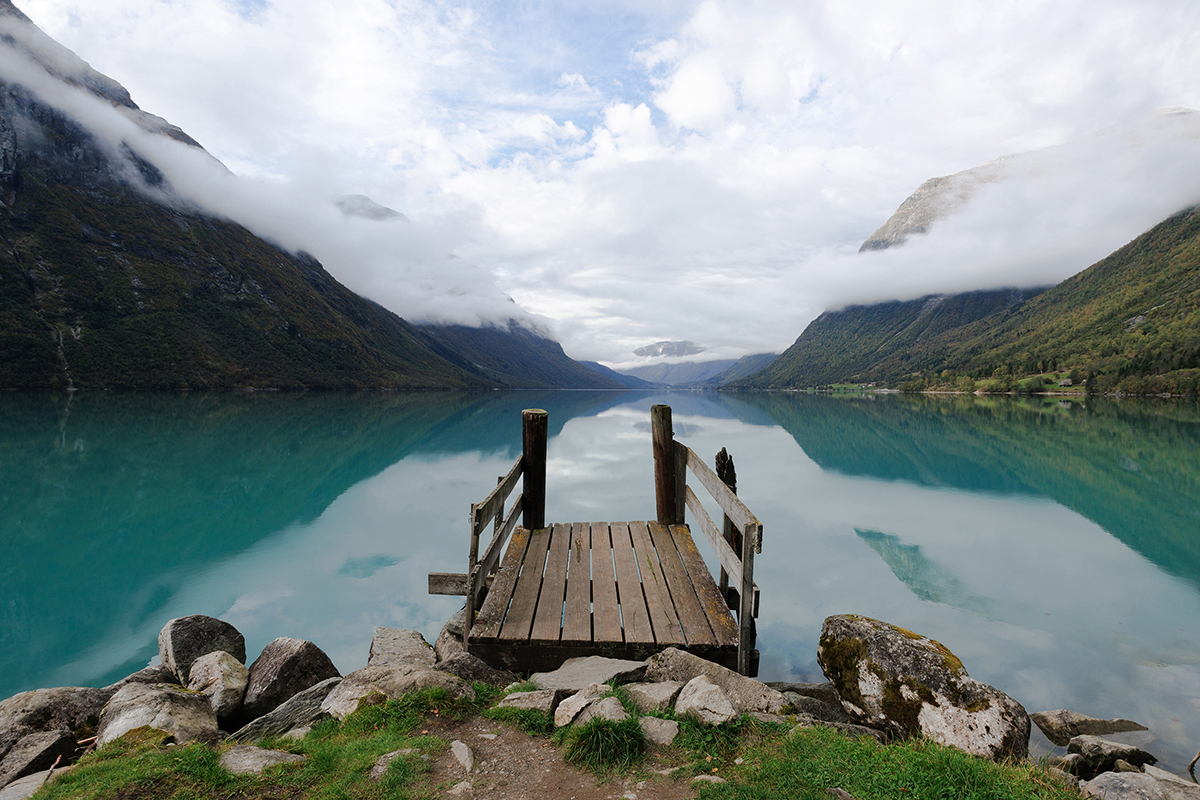
The Tamron 11-20mm F2.8 is an ultra-wide zoom designed specifically for APS-C mirrorless cameras. Its combination of an expansive 11mm wide end and a constant F2.8 maximum aperture makes it a strong choice for landscapes, interiors, architecture, travel, video, and low-light wide-angle photography.
The lens is available for Sony E, Canon RF, and Fujifilm X APS-C mirrorless cameras.
At the 11mm end, photographers can capture expansive scenery or place a nearby subject prominently in the foreground to create a dramatic sense of depth. Zooming toward 20mm provides a more restrained wide-angle perspective that works well for environmental portraits, street scenes, travel, and everyday photography.
The constant F2.8 aperture also helps when available light is limited. Its close-focusing performance provides another creative option by allowing photographers to move close to a foreground subject while keeping a broad view of the surroundings.
Photographers who are new to working at extremely short focal lengths can find additional composition and handling advice in our beginner’s guide to using wide-angle zoom lenses.
Best for: APS-C photographers who want one fast ultra-wide zoom for landscapes, travel, architecture, interiors, and hybrid photo/video shooting.
Shop the 11-20mm >>
Wide Angle Zoom Lens Recommendations for Full Frame Cameras
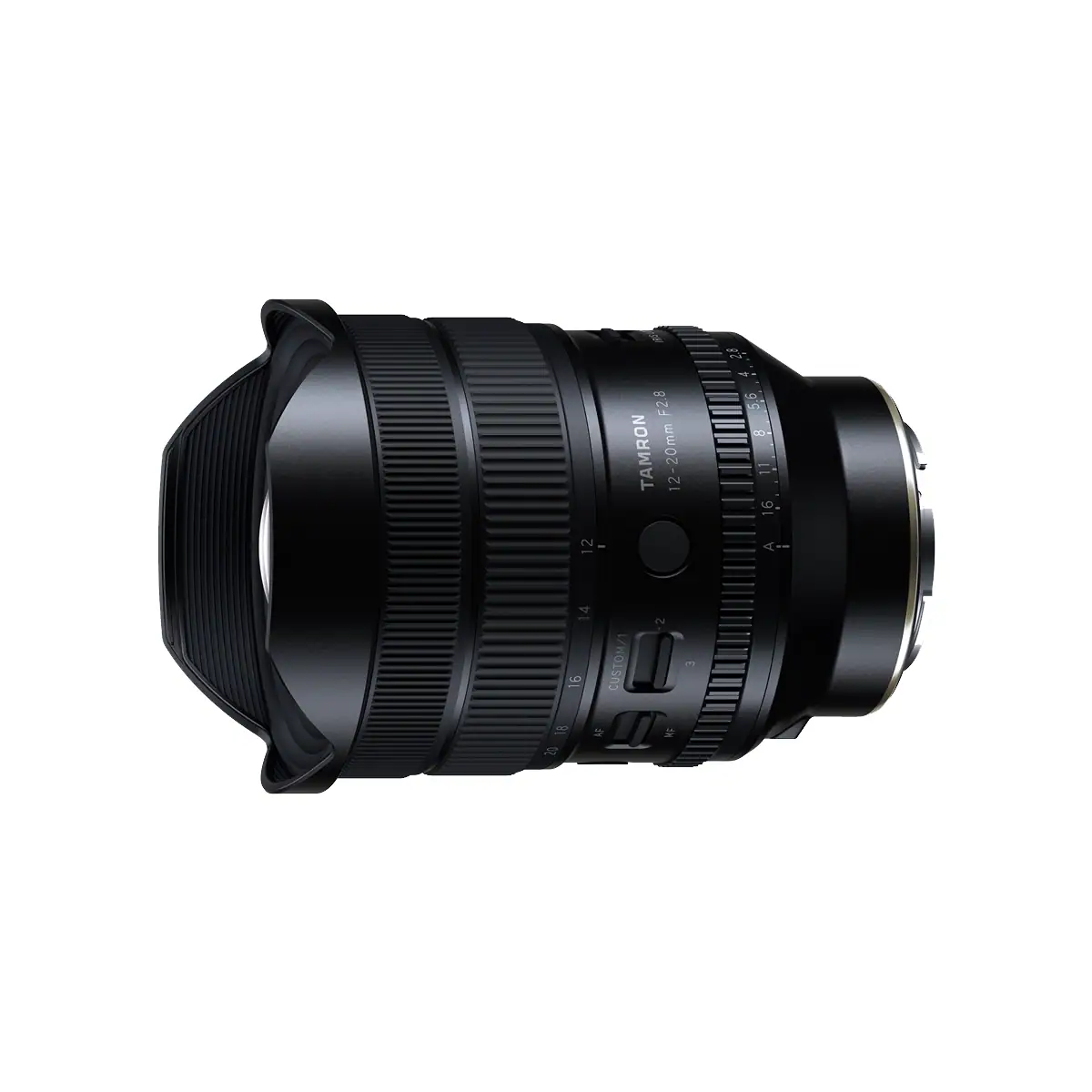
Tamron 12-20mm F2.8
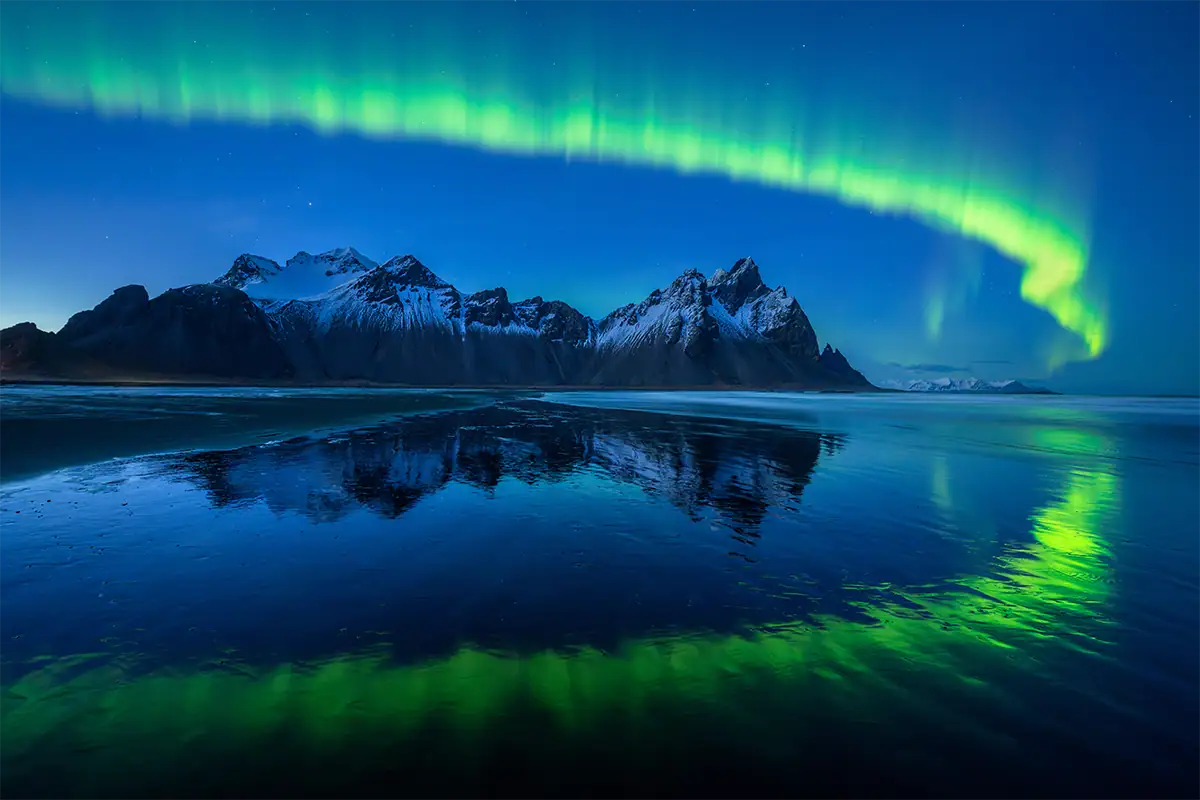
The Tamron 12-20mm F2.8 is an ultra-wide full-frame zoom designed for photographers who want an exceptionally expansive perspective.
Beginning at 12mm, the lens is especially well suited to dramatic landscapes, interiors, architecture, expansive night skies, and compositions where a strong foreground element is used to create depth.
As a Nikon wide angle lens or Sony E option, the 12-20mm F2.8 is available for both full-frame mirrorless systems.
The constant F2.8 aperture makes the lens particularly useful for astrophotography, interiors, blue-hour photography, and other low-light situations. Its ultra-wide focal range also gives photographers room to work in confined locations where stepping farther away may not be possible.
Despite its extremely wide field of view, the 12-20mm F2.8 provides a zoom range that allows the photographer to refine framing between 12mm and 20mm rather than being locked into a single ultra-wide perspective.
Best for: Full-frame photographers who want Tamron’s widest zoom option for landscapes, interiors, architecture, astrophotography, and dramatic ultra-wide compositions.
Shop the 12-20mm >>
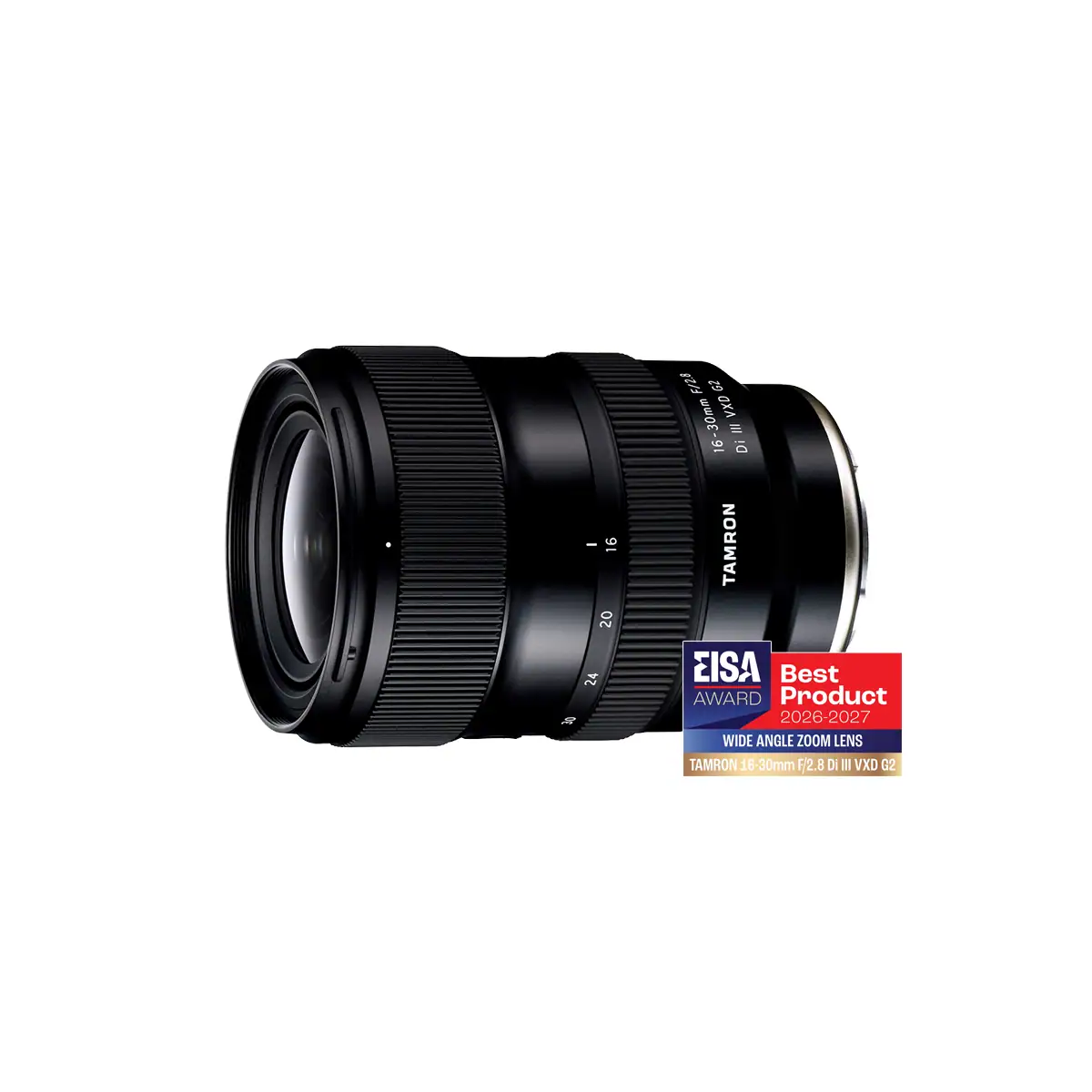
Tamron 16-30mm F/2.8 Di III VXD G2 (Model A064)
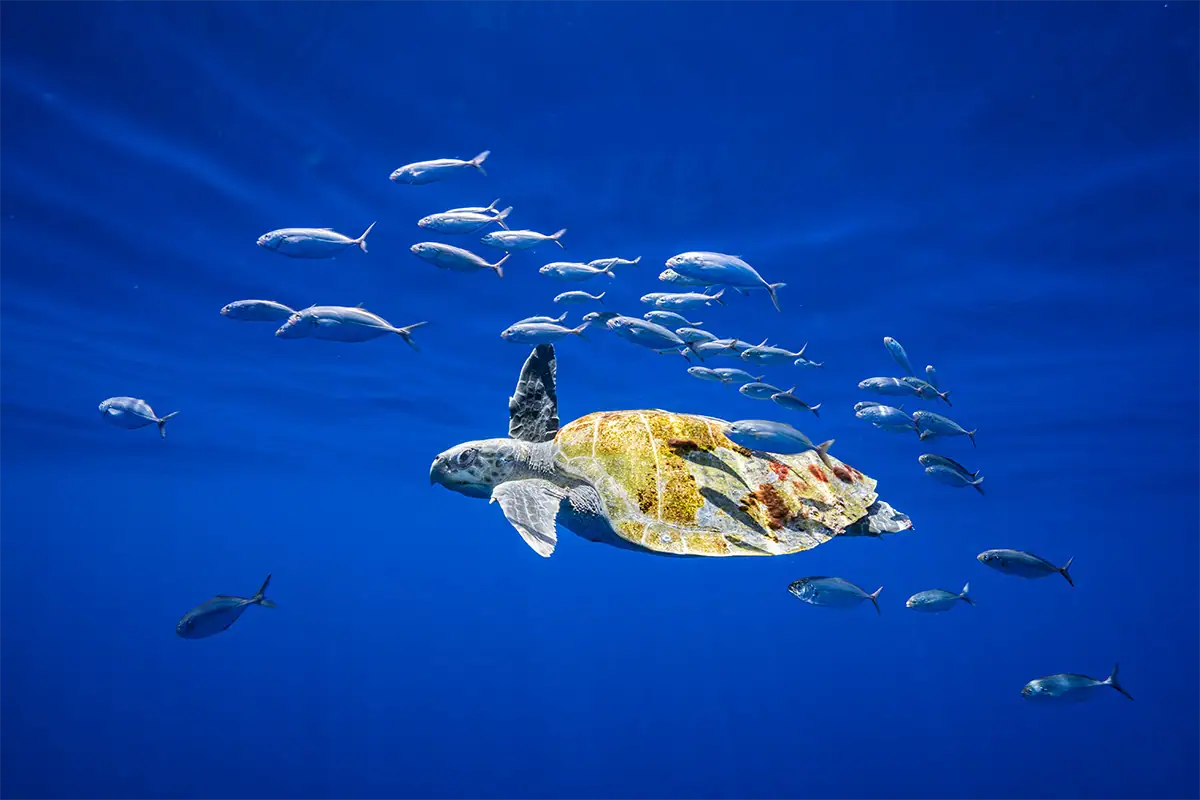
The Tamron 16-30mm F2.8 G2 combines an ultra-wide 16mm starting point with a practical 30mm long end and constant F2.8 maximum aperture.
Available for Sony E and Nikon Z full-frame mirrorless cameras, it is particularly useful for photographers who want an ultra-wide perspective without remaining at extremely short focal lengths for every photograph.
At 16mm, the lens can capture expansive landscapes, interiors, architecture, and dramatic foreground-to-background relationships. Toward 24mm to 30mm, it becomes useful for travel, environmental portraits, events, and documentary photography.
The constant F2.8 aperture gives photographers more flexibility for night photography, interiors, events, and other situations in which available light is limited.
Its VXD focusing system is also designed for fast, precise autofocus. To learn more about this technology, see how a VXD linear autofocus motor works.
Best for: Photographers who want a versatile F2.8 ultra-wide zoom for landscapes, travel, architecture, events, night photography, and hybrid content creation.
Shop the 16-30mm >>
Tamron 17-50mm F/4 Di III VXD (Model A068)
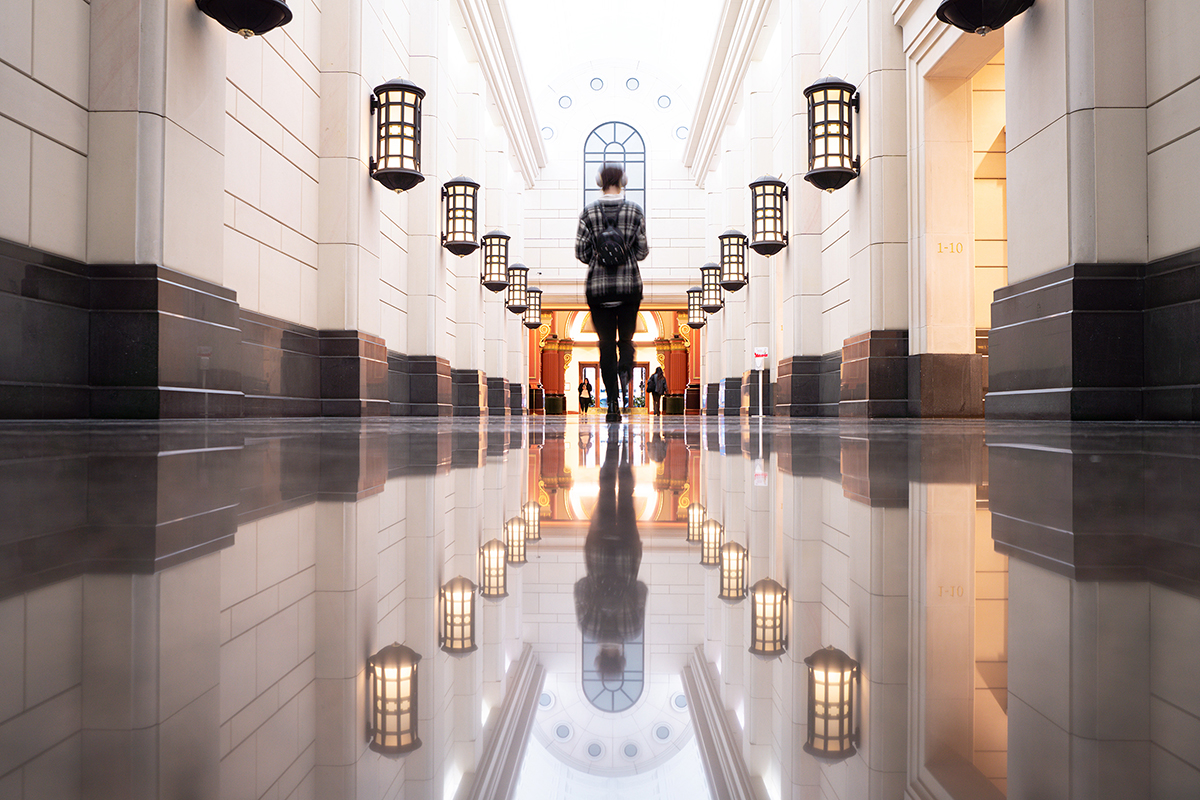
The Tamron 17-50mm F4 takes a different approach to wide-angle photography by extending from an ultra-wide 17mm perspective all the way to 50mm without requiring a lens change.
Designed for Sony E full-frame mirrorless cameras, this range allows photographers to move from landscapes, architecture, interiors, and establishing shots into street photography, everyday images, and natural-looking compositions near the standard lens range.
This extended focal range can be especially appealing for travel photographers and creators who prefer to carry fewer lenses. The constant F4 aperture also keeps the maximum aperture consistent throughout the zoom range.
Best for: Travel and everyday photographers who prioritize focal-length versatility and want to move from ultra-wide to standard views with one lens.
Shop the 17-50mm >>
Tamron 20-40mm F/2.8 Di III VXD (Model A062)
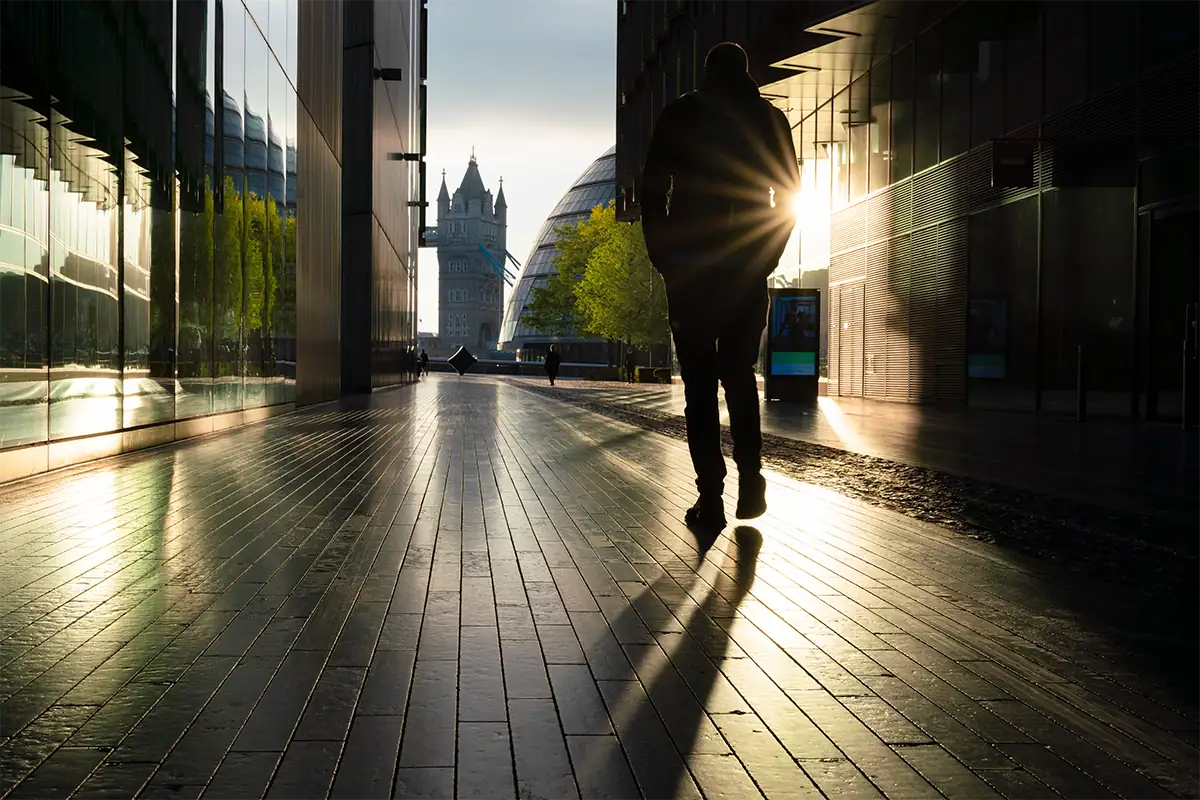
The Tamron 20-40mm F2.8 begins at an ultra-wide 20mm and extends into more natural-looking focal lengths while maintaining a constant F2.8 aperture.
Designed for Sony E full-frame mirrorless cameras, the compact zoom works well for both still photography and video.
At 20mm, it can capture interiors, landscapes, architecture, travel scenes, vlogs, and environmental portraits. Toward 35mm to 40mm, it becomes well suited to street photography, people, food, travel details, and everyday subjects.
Its combination of compact size and F2.8 aperture is especially appealing for photographers and hybrid creators who value portability.
Best for: Sony full-frame photographers and video creators who want a compact F2.8 zoom spanning ultra-wide through more natural-looking focal lengths.
Shop the 20-40mm >>
Wide Angle Prime Lens Recommendations for Full Frame Cameras
Tamron also offers compact F2.8 prime lenses for Sony E-mount full-frame cameras. The 20mm, 24mm, and 35mm lenses each provide a fixed perspective and 1:2 maximum magnification capability.
A prime lens does not allow focal length to be changed by turning a zoom ring. That makes framing less flexible but can encourage photographers to become especially familiar with a particular angle of view.
For a detailed comparison of these two lens designs, see our guide to prime lens vs. zoom lens.
Tamron 20mm F/2.8 Di III OSD M1:2 (Model F050)
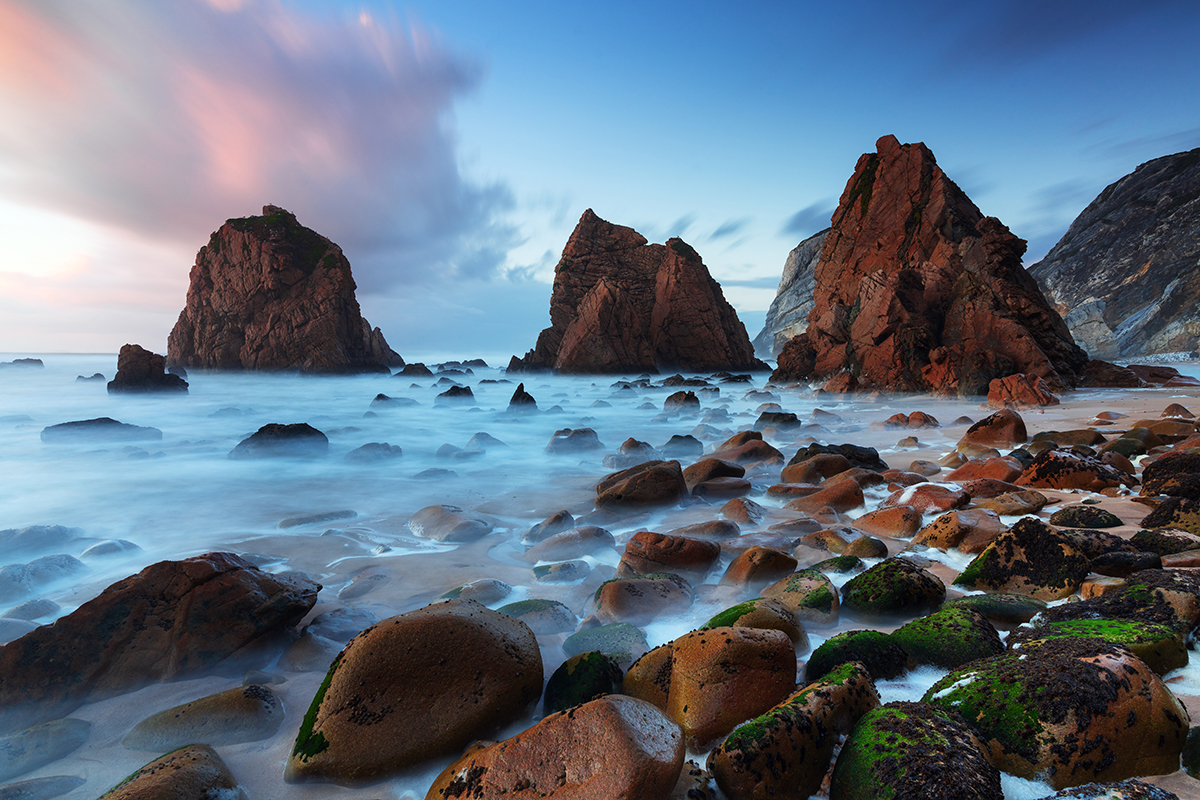
The Tamron 20mm F2.8 provides the widest field of view of Tamron’s F2.8 prime trio.
Its 20mm perspective works well for landscapes, architecture, travel, environmental portraits, and creative close-up compositions that retain a broad view of the surrounding environment.
The lens also provides 1:2 maximum magnification, allowing nearby objects to become prominent foreground elements while the wide field of view preserves environmental context.
Best for: Photographers seeking a compact ultra-wide Sony E-mount prime with strong close-focusing capabilities.
Shop the 20mm >>
Tamron 24mm F/2.8 Di III OSD M1:2 (Model F051)
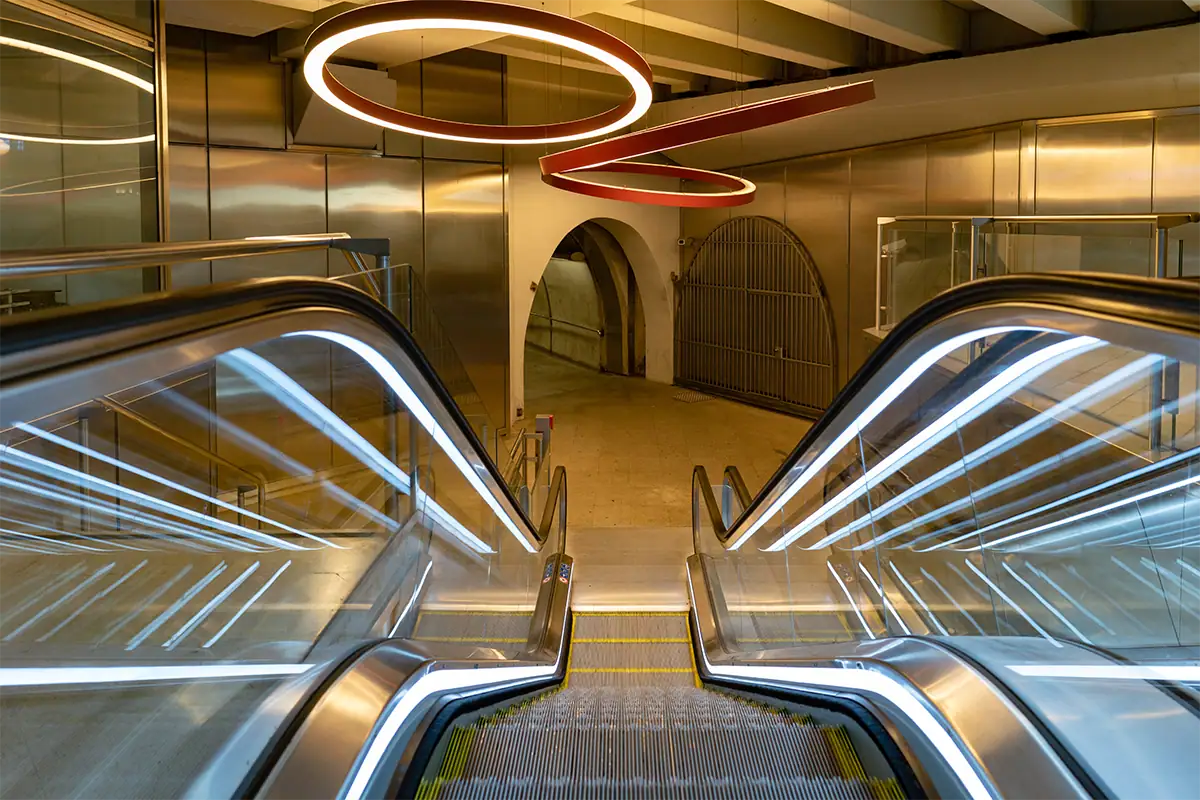
The Tamron 24mm F2.8 provides a classic wide-angle field of view suitable for landscapes, cityscapes, travel, street photography, environmental portraits, and everyday scenes.
Its perspective is expansive without being as dramatic as an ultra-wide 20mm or shorter focal length. This can make it a versatile choice for photographers who want one compact wide-angle prime.
The 1:2 maximum magnification also enables creative close-up photography with environmental context.
Best for: Photographers who want a versatile general-purpose wide-angle prime with close-focusing capability.
Shop the 24mm >>
Tamron 35mm F/2.8 Di III OSD M1:2 (Model F053)
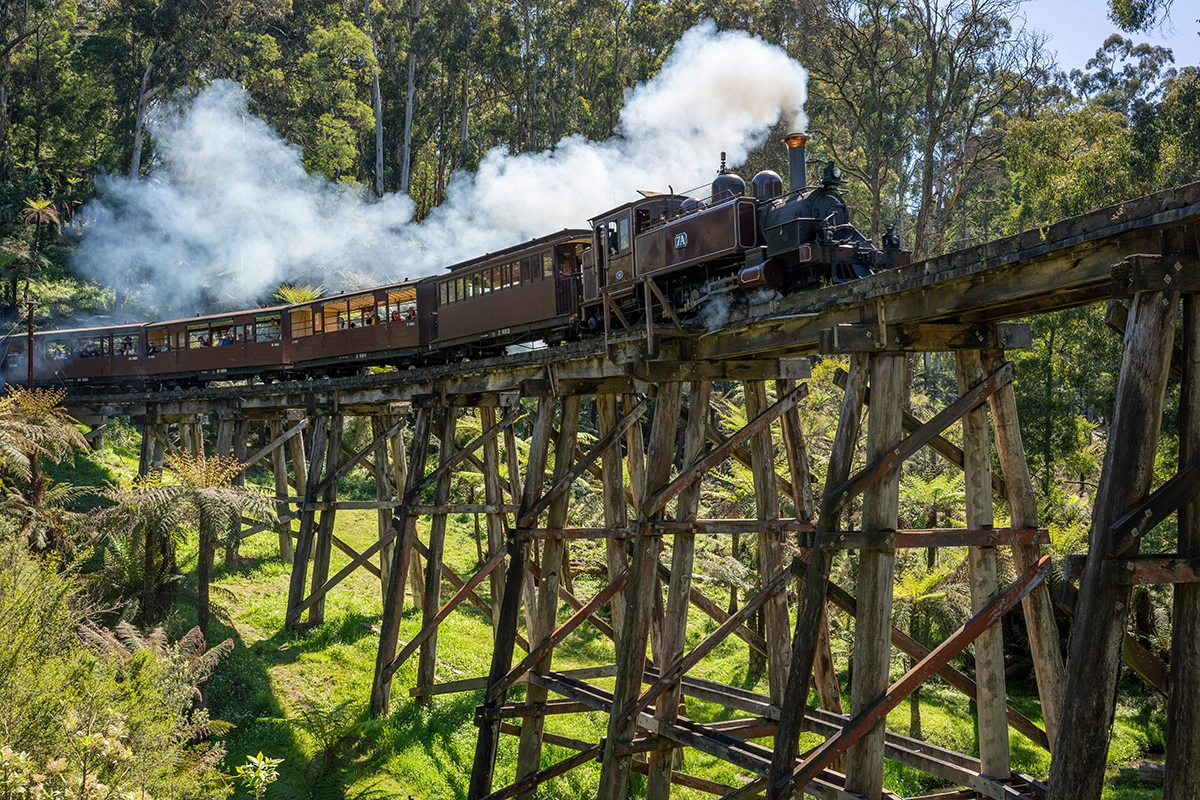
The Tamron 35mm F2.8 provides the most natural-looking perspective of the three F2.8 primes.
Its moderate wide-angle field of view works especially well for street photography, travel, environmental portraits, landscapes, food, and everyday subjects.
The lens also provides 1:2 maximum magnification, enabling photographers to move close to details while retaining more environmental context than would typically be visible with a longer focal length.
Best for: Photographers who prefer a moderate wide-angle prime for street, travel, people, and everyday photography.
Shop the 35mm >>
Wide Angle Zoom vs. Prime Lens: Which Should You Choose?
Choosing between a wide angle zoom lens and a prime lens comes primarily down to flexibility versus a fixed perspective.
A zoom is usually the more practical option when compositions change quickly or the photographer cannot easily change position.
A prime can be appealing when a compact setup, one familiar angle of view, or a deliberate fixed-focal-length shooting style is preferred.
If flexibility is your main priority, our beginner’s guide to wide-angle zoom lenses provides additional techniques for getting more from the zoom range.
Best Wide Angle Lenses by Photography Genre
A photographer searching for the best wide angle lenses often has a specific subject in mind. Matching the lens to that subject can be more useful than selecting one based only on specifications.
Best Wide Angle Lens for Landscape Photography
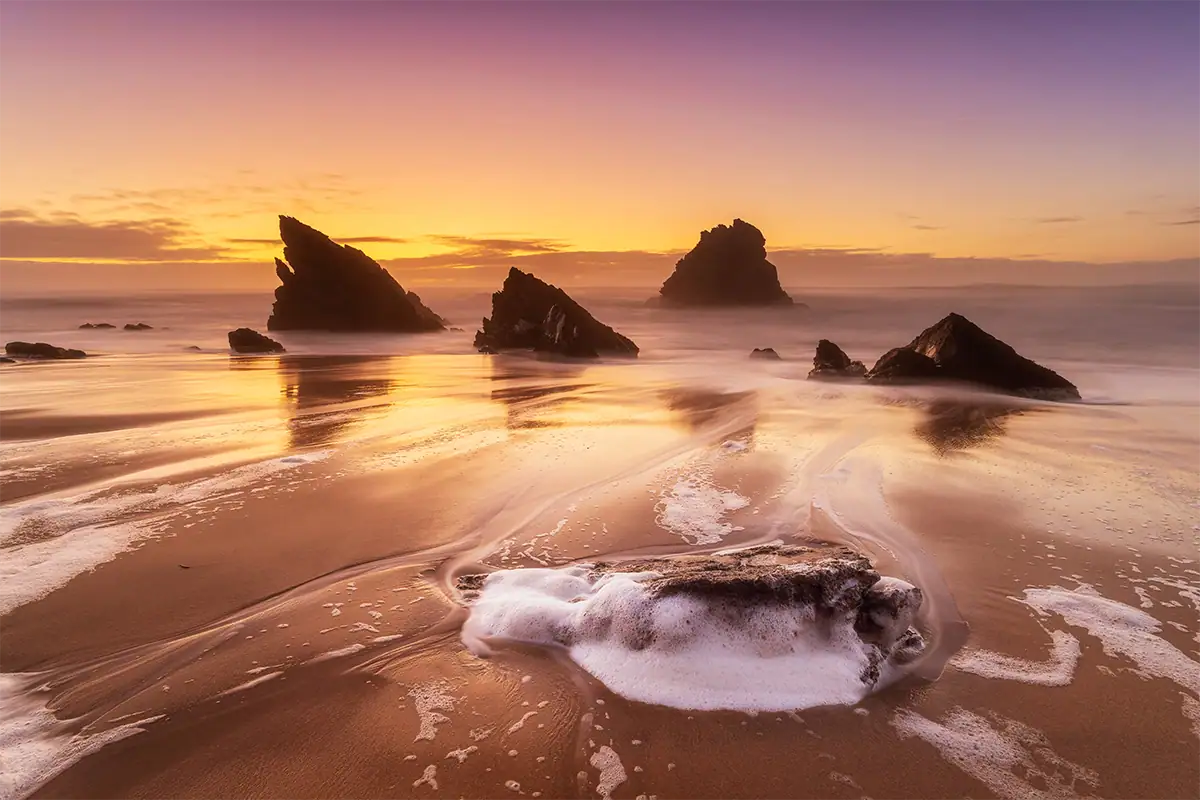
Landscape photographers generally benefit from a wide field of view, strong detail throughout the frame, and enough focal-length flexibility to refine the composition.
The 12-20mm F2.8 provides an extremely expansive full-frame perspective, while the 16-30mm F2.8 G2 offers a less extreme but highly versatile ultra-wide range. APS-C photographers can use the 11-20mm F2.8 for similarly expansive compositions.
A circular polarizer can also be useful for many outdoor landscape scenes by helping manage reflections and glare and enhancing the appearance of skies or foliage when conditions are appropriate.
Best Wide Angle Lens for Architecture and Interiors
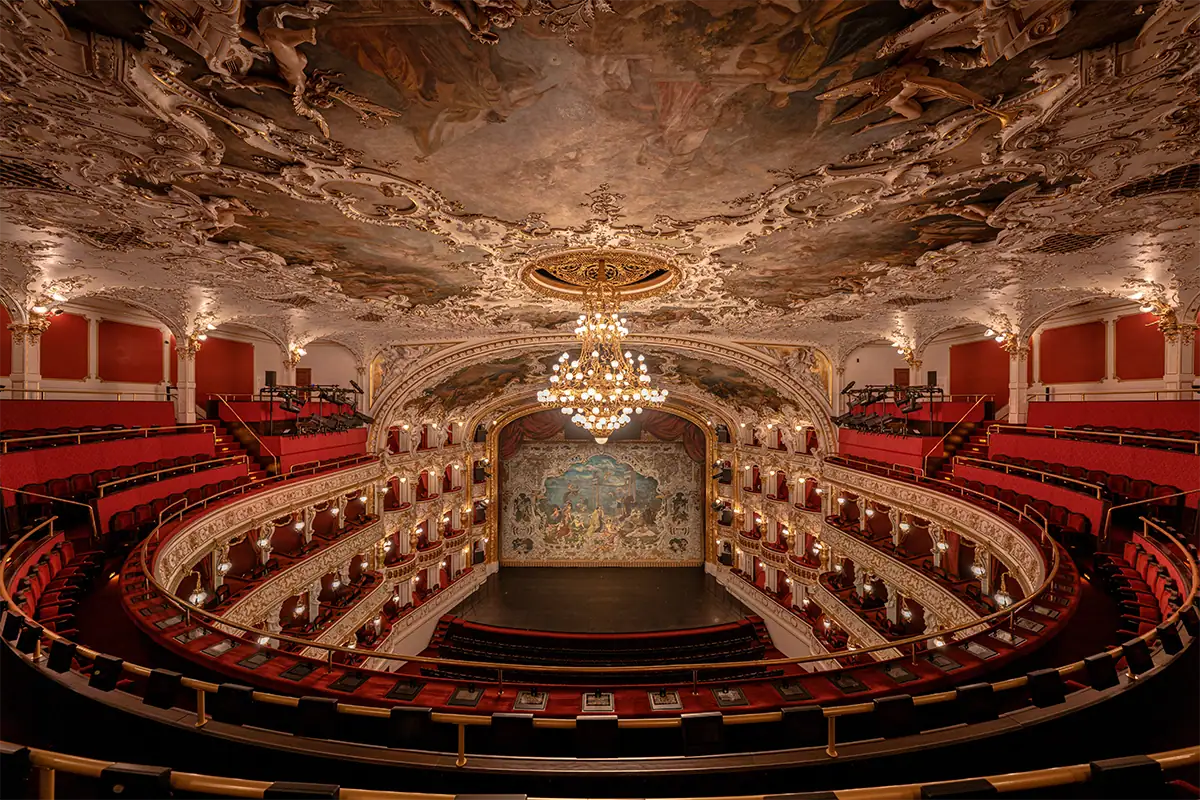
Architecture and interior photography often require photographers to fit a large subject into the frame from a limited shooting position.
Short focal lengths are particularly helpful in small rooms, narrow streets, historic buildings, and locations where moving farther away is impossible.
The 12-20mm F2.8 provides an especially expansive full-frame view, while the 16-30mm F2.8 G2 and 17-50mm F4 provide additional flexibility when the photographer wants both wide establishing images and tighter architectural details.
Best Wide Angle Lens for Travel and Street Photography
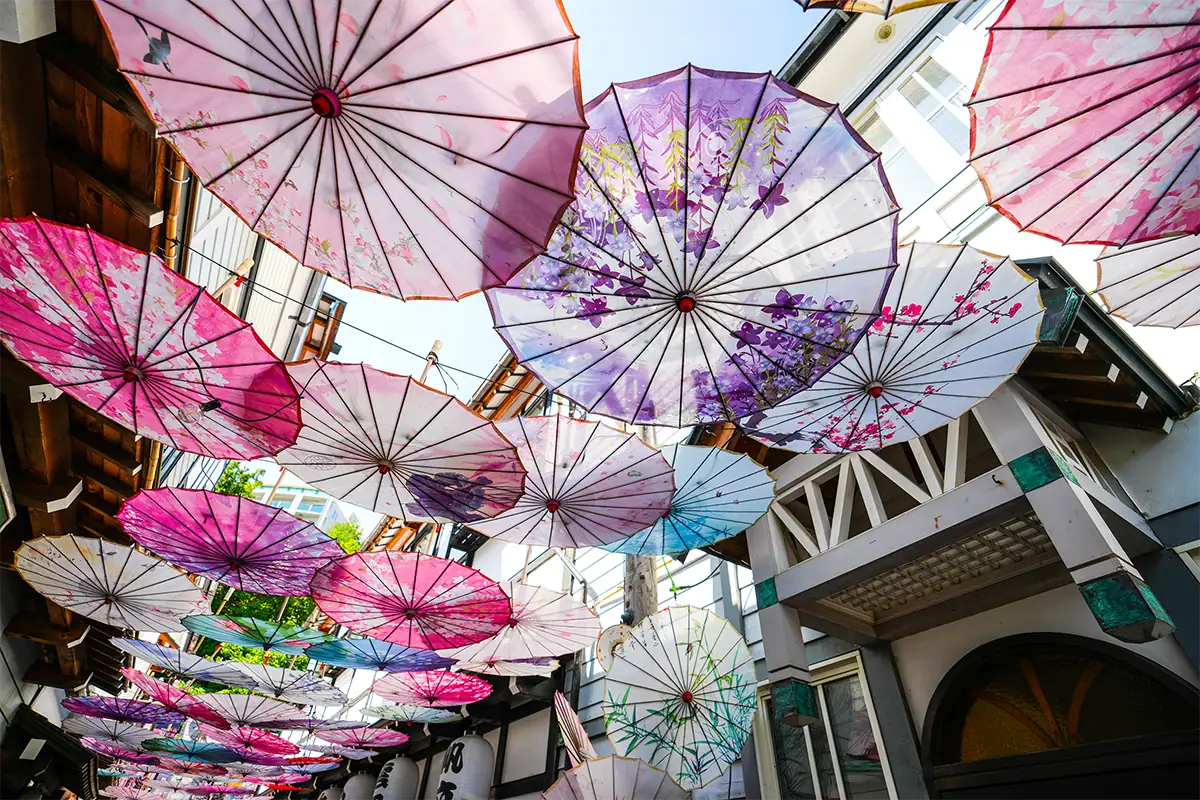
Travel photography often requires a lens to handle very different subjects within a short period of time.
A photographer may capture a broad cityscape, a street scene, a building interior, a group of people, food, and architectural details during the same walk.
The 17-50mm F4 and 20-40mm F2.8 are particularly useful when the goal is to combine wide establishing photographs with street scenes and more natural-looking everyday compositions. The 11-20mm F2.8 provides an ultra-wide option for APS-C travelers.
Best Wide Angle Lens for Environmental Portraits

Wide-angle lenses can be highly effective for environmental portraiture because they allow the photographer to show both the person and the location.
A moderate wide-angle focal length can preserve a natural relationship between the subject and surroundings, while an ultra-wide perspective can create a more dramatic visual effect.
When photographing people at wide focal lengths, pay close attention to camera position and subject placement. Moving extremely close to a person can exaggerate proportions, particularly near the edges of the frame.
If your goal is greater subject separation, our guide to creating bokeh effects explains how aperture, focal length, distance, and background placement work together.
Best Wide Angle Lens for Astrophotography and Low-Light Photography
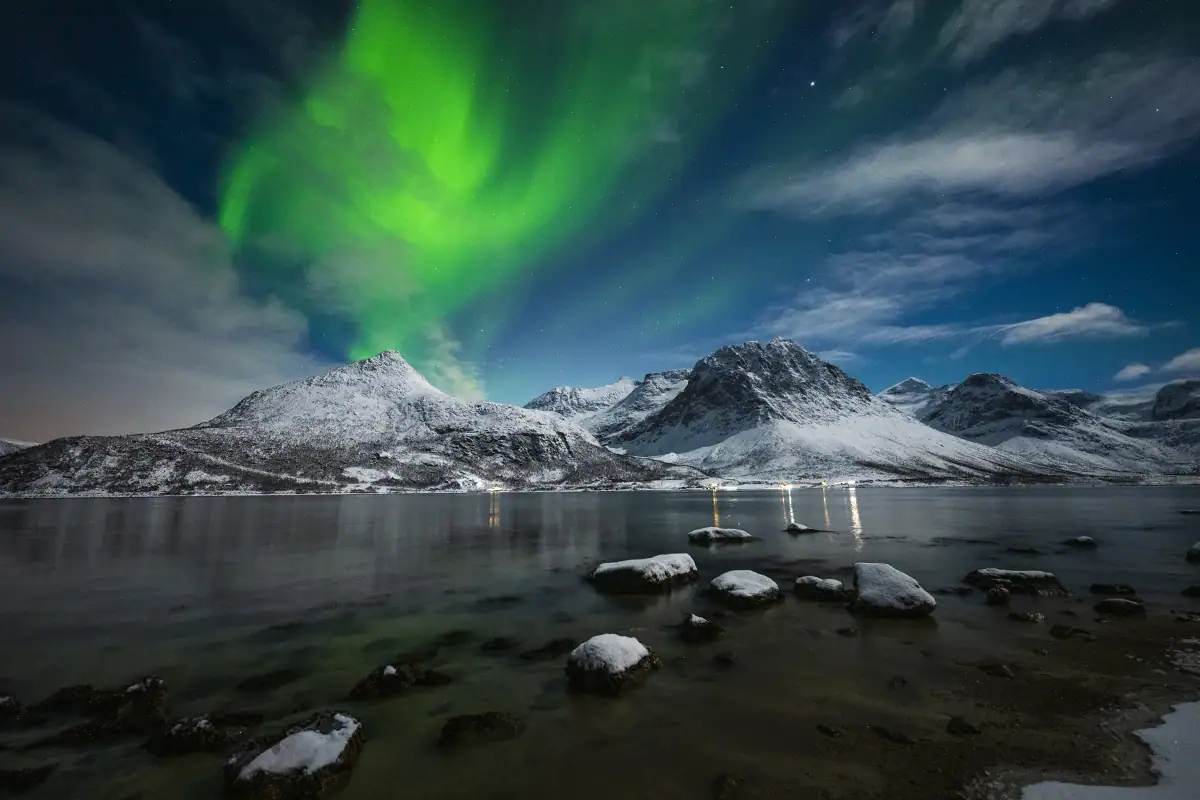
A wide maximum aperture can help photographers capture more light when photographing night skies, dim interiors, nighttime cities, or events.
The 12-20mm F2.8, 16-30mm F2.8 G2, and 11-20mm F2.8 combine ultra-wide coverage with a constant F2.8 maximum aperture, making them useful options for low-light wide-angle photography.
Ultra-wide focal lengths are particularly valuable for astrophotography because they allow photographers to include a large portion of the sky while still incorporating an interesting landscape or foreground element.
Best Wide Angle Lens for Video and Vlogging
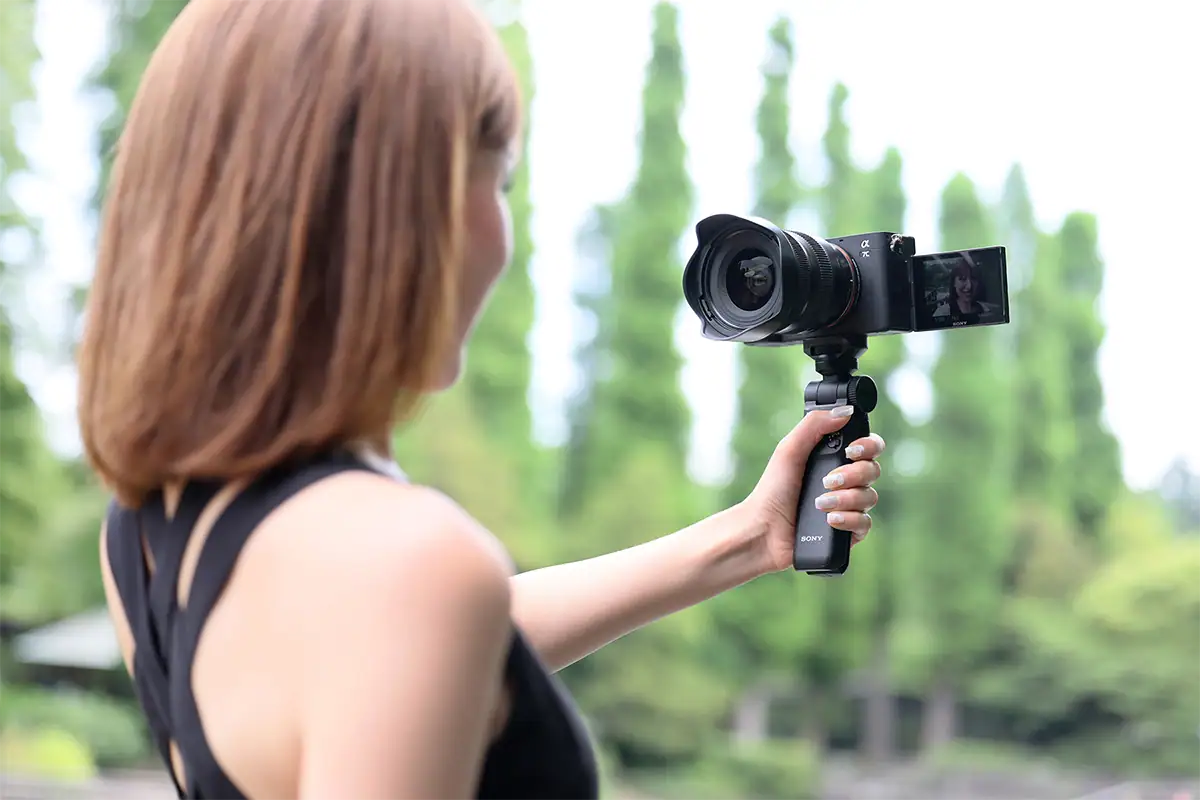
Wide-angle lenses help video creators include both the subject and surrounding environment, particularly when filming handheld, working in confined spaces, or recording themselves from a relatively short camera-to-subject distance.
Compact dimensions, quiet autofocus, and useful zoom coverage can therefore matter alongside optical performance.
The 20-40mm F2.8 provides wide-to-standard flexibility for full-frame Sony users, while the 11-20mm F2.8 provides an ultra-wide option for compatible APS-C systems.
How to Choose the Best Wide Angle Lens
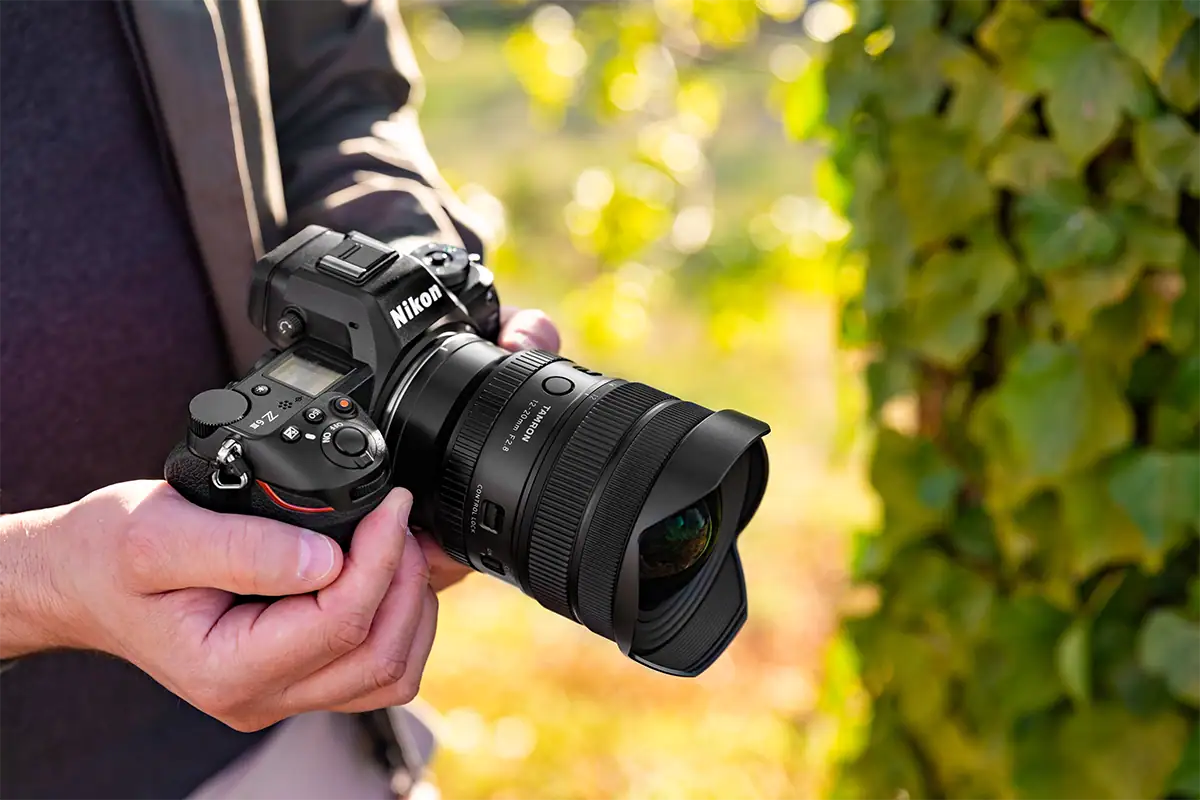
The best wide angle lens is the one that matches your sensor format, lens mount, desired field of view, shooting conditions, and preferred balance between focal range and portability.
Start With Camera Format and Mount
Begin by determining whether your camera uses a full-frame or APS-C sensor and which lens mount it requires.
The same focal length creates a different field of view depending on sensor format. An APS-C camera therefore requires a shorter focal length to produce framing comparable to the same scene on a full-frame camera.
Mount compatibility should always be confirmed before purchasing a lens.
Consider How Wide You Really Need to Go
Shorter focal lengths include more of the scene, but the widest available lens is not automatically the best lens for every photographer.
A 12mm or 16mm full-frame focal length can be useful for dramatic landscapes, architecture, night skies, and confined interiors.
A lens beginning around 20mm or extending toward 35mm to 50mm may feel more natural for travel, street photography, environmental portraits, and everyday use.
Think about the compositions you create most often rather than choosing solely according to the shortest focal-length number.
Consider Maximum Aperture
A constant F2.8 zoom provides additional flexibility in low light and can help photographers maintain faster shutter speeds than a lens with a smaller maximum aperture.
A larger maximum aperture can also help create background separation when the subject is photographed relatively close.
However, aperture is only one part of the decision. An F4 lens may provide additional range or a design that better fits a travel photographer who generally works in adequate light.
Consider Autofocus Performance
Fast and accurate autofocus is useful for travel, events, street photography, environmental portraits, and video.
Photographers should consider how quickly the lens acquires focus, how smoothly it follows moving subjects, and how quietly the focusing system operates during video.
Some Tamron wide-angle zooms use a VXD linear autofocus motor, designed to provide fast and precise focusing performance.
Compare Zoom Range and Portability
An ultra-wide lens such as the 12-20mm specializes in expansive perspectives.
A wider-ranging lens such as the 17-50mm can capture a landscape at one moment and a more natural-looking street scene or everyday photograph the next.
Consider how many lenses you want to carry, how frequently you change focal lengths, and how important compact size is during travel or long shooting days.
Look at Close-Focusing Performance
Wide-angle close-ups can create unusual compositions because a nearby subject appears prominent in the foreground while much of the environment remains visible behind it.
Minimum object distance and maximum magnification are therefore useful specifications to compare if you enjoy photographing food, flowers, travel details, textures, or other small subjects.
Features to Consider for Outdoor Wide Angle Photography
Wide-angle lenses are frequently used for landscapes, travel, architecture, and other outdoor subjects, making handling and protective features important considerations alongside optical performance.
Moisture-Resistant Construction
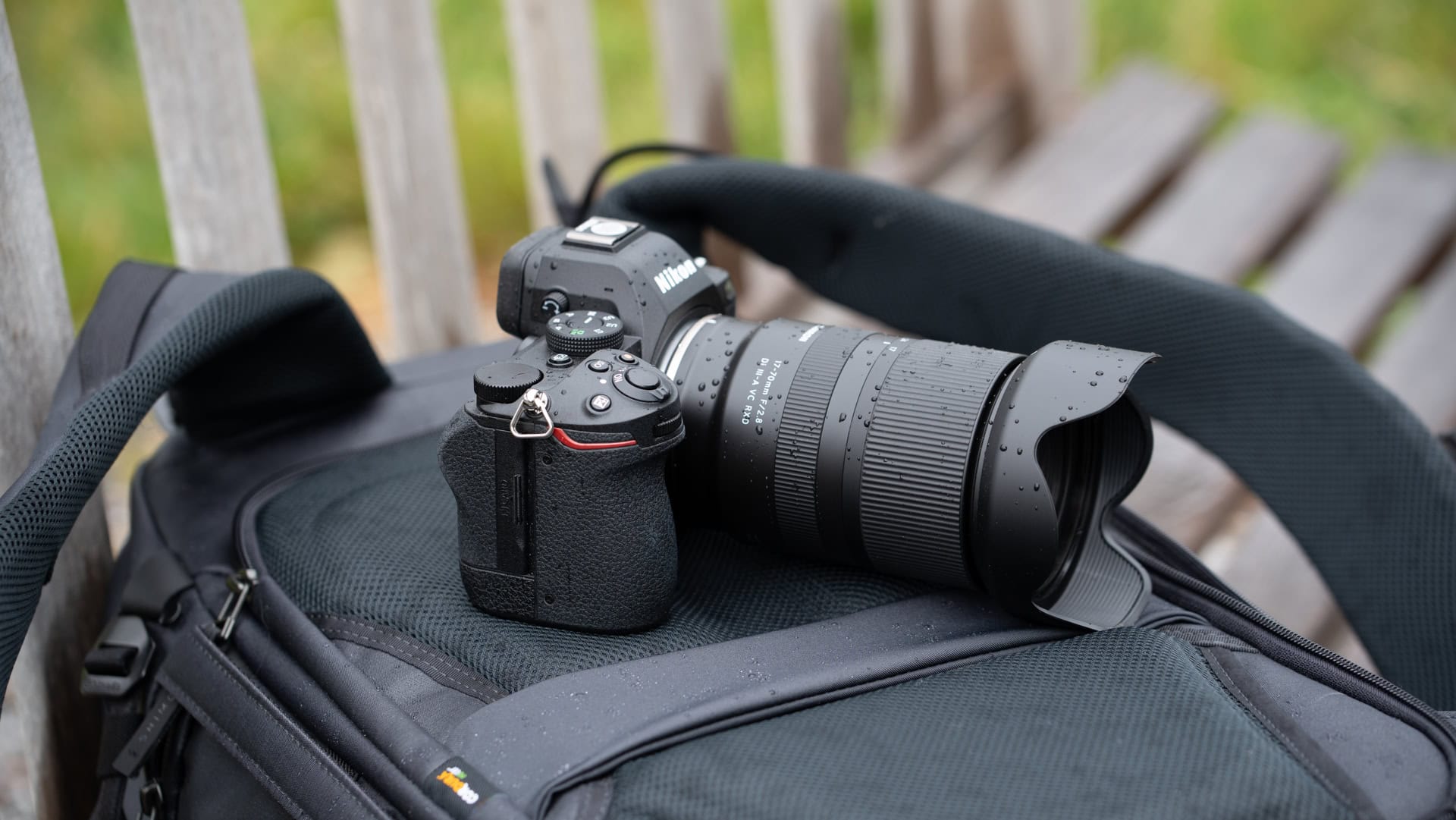
Moisture-resistant construction can provide an additional layer of protection around vulnerable areas of the lens when photographers encounter changing outdoor conditions.
It should not be interpreted as making a lens completely waterproof, but sealing can provide added confidence during landscape and travel photography.
Fluorine Coating

A fluorine coating on the front lens surface can help repel water and oil while making fingerprints and other contaminants easier to remove.
This can be particularly useful with wide-angle lenses because photographers often work close to water, foliage, dirt, crowds, and other environments where the front element may require cleaning.
Flare and Ghosting Control
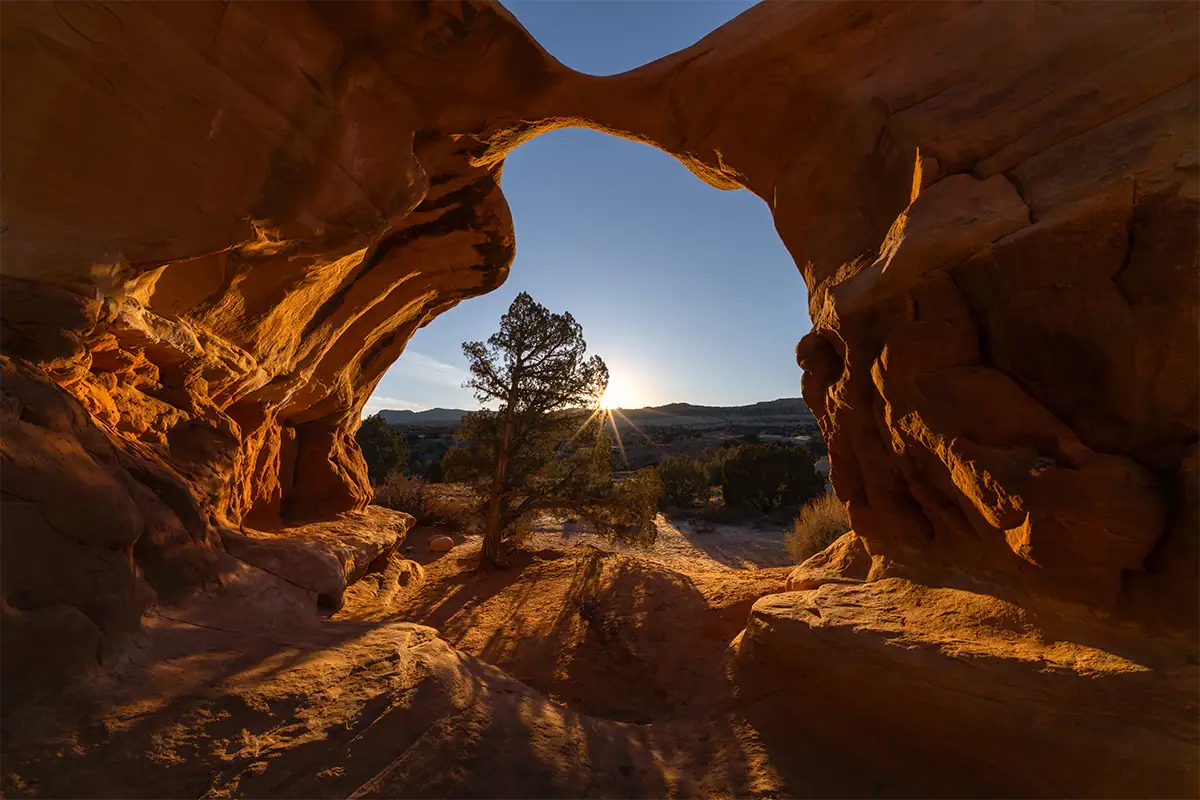
Wide-angle compositions frequently include bright light sources near or within the frame.
Sunrise, sunset, streetlights, architectural lighting, and nighttime city scenes can therefore reveal unwanted flare and ghosting.
Anti-reflection coatings help reduce internal reflections and maintain detail and contrast in challenging backlit situations.
Using a camera lens hood can also help block stray light when the hood does not interfere with the intended composition.
Final Thoughts: Choosing the Best Wide Angle Lens
The best wide angle lens is not simply the lens with the shortest focal length. The right choice depends on the camera, subjects, shooting conditions, and type of perspective the photographer wants to create.
Ultra-wide lenses such as the 12-20mm F2.8 and 11-20mm F2.8 emphasize expansive framing and foreground-to-background depth. The 16-30mm F2.8 G2 balances ultra-wide coverage with a more versatile long end, while lenses such as the 17-50mm F4 and 20-40mm F2.8 extend farther toward natural-looking everyday focal lengths.
By matching sensor format, focal range, aperture, autofocus performance, close-focusing ability, and portability to the way you actually shoot, you can choose from Tamron’s best wide angle lenses for everything from landscapes and architecture to travel, street photography, environmental portraits, interiors, night skies, and video.
Where to Buy Tamron Wide Angle Lenses
Explore Tamron’s wide-angle zoom lenses and prime lens lineup at an authorized Tamron retailer or shop directly through the official TAMRON Store.
Frequently Asked Questions About Wide Angle Lenses
What Focal Length Is Considered a Wide Angle Lens?
On a full-frame camera, focal lengths below the traditional standard range are generally considered wide angle, with progressively shorter focal lengths producing broader fields of view. APS-C cameras require shorter focal lengths to produce comparable framing because of their smaller sensor size.
Are Wide Angle Lenses Only for Landscape Photography?
No. Wide-angle lenses are also commonly used for architecture, interiors, real estate, street photography, environmental portraits, travel, astrophotography, events, video, and creative close-ups.
Can Beginners Use an Ultra-Wide Angle Lens?
Yes. Ultra-wide lenses are accessible to beginners, although they require careful attention to foreground placement, frame edges, camera position, and perspective. Practicing at different subject distances is one of the best ways to understand how an ultra-wide field of view affects a composition.
Is a Wide Angle Lens Useful Indoors?
Yes. A wide angle lens is particularly useful indoors because it can capture more of a room or architectural space when the photographer has limited room to move backward.
What Tamron Wide Angle Lenses Are Available for Mirrorless Cameras?
Tamron’s wide-angle lineup includes APS-C and full-frame zooms as well as wide-angle prime lenses. Options include the 11-20mm F2.8 for APS-C cameras; the 12-20mm F2.8 and 16-30mm F2.8 G2 for full-frame Sony E and Nikon Z cameras; Sony E options such as the 17-50mm F4 and 20-40mm F2.8; and 20mm, 24mm, and 35mm F2.8 primes.
What Is the Best Wide Angle Lens for Landscape Photography?
The best wide angle lens for landscape photography depends on camera format and how expansive you want the composition to be. Full-frame photographers seeking an extreme field of view can consider the 12-20mm F2.8, while the 16-30mm F2.8 G2 provides a versatile ultra-wide range. APS-C photographers can consider the 11-20mm F2.8.
Is 20mm Wide Enough for Landscape Photography?
Yes. A 20mm focal length on a full-frame camera provides a broad field of view suitable for many landscapes. Shorter focal lengths such as 12mm or 16mm can include substantially more of the scene when an even more expansive composition is desired.
Is a Wide Angle Lens Good for Portraits?
Yes. Wide-angle lenses work especially well for environmental portraits in which the location is an important part of the story. Photographers should pay attention to subject distance and placement because shooting very close at ultra-wide focal lengths can exaggerate proportions.
Should I Buy a Wide Angle Zoom or Prime Lens?
Choose a wide angle zoom when you need flexible framing and want to cover several focal lengths without changing lenses. Choose a prime when you prefer a fixed field of view, compact setup, or specific close-focusing capability. Our prime lens vs. zoom lens guide explores these differences in more detail.
What Is the Difference Between Wide Angle and Ultra-Wide Angle?
Both terms describe lenses with broad fields of view, but ultra-wide lenses occupy the shortest end of the focal-length range. The exact dividing point varies by camera format and manufacturer, so focal length and angle of view are usually more useful comparison points than the category label alone.
About the Author
 Stacie Errera is Vice President of Marketing and Communications for Tamron Americas, where she has been with Tamron for more than 36 years. She is also a photography educator who teaches new camera users how to better understand their cameras and photography basics. She leads weekend photography workshops for women. Read Stacie’s full bio >>