Instant Savings
 Rebate Claims
 Support
 Find a Dealer
Prime vs Zoom Lens: The Simple Difference That Shapes Everything
The main difference between a prime lens and a zoom lens is that a prime lens has a fixed focal length, while a zoom lens covers a range of focal lengths. This single distinction affects everything from image quality and aperture to flexibility and shooting style.
A prime lens requires you to move physically to reframe your shot, while a zoom lens allows you to adjust framing instantly by changing focal length. Because of this, prime lenses typically deliver better optical performance and wider apertures, while zoom lenses prioritize convenience and versatility.
This difference directly impacts how photographers shoot. Prime lenses encourage deliberate composition and often perform better in low light. Zoom lenses allow fast adaptation to changing scenes, making them ideal for events, travel, and wildlife photography.
Key Takeaways
- A prime lens is fixed at one focal length; a zoom lens covers a range — that single difference drives everything else.
- Prime lenses typically offer wider apertures, lighter weight, and sharper images at their focal length.
- Zoom lenses offer flexibility — one lens covers what would otherwise require several primes.
- Choosing between them depends on what and where you shoot — this guide walks you through it.
Let’s start with what each lens type actually does.
What Is a Prime Lens?
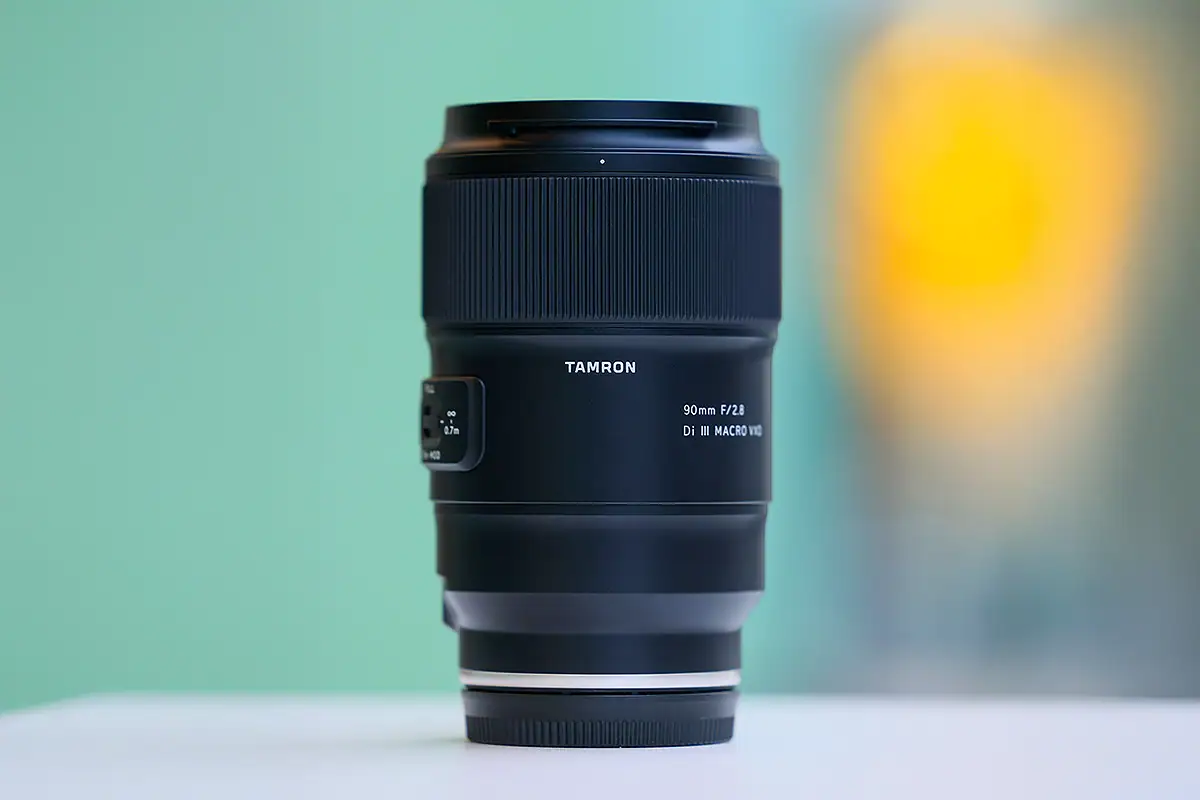
A prime lens is a camera lens with a single fixed focal length, meaning it cannot zoom in or out. To reframe your shot, you move closer to or farther from your subject.
Prime lenses are widely used because they typically offer:
- Wider maximum apertures (such as f/1.4 or f/1.8)
- Stronger low-light performance
- Sharper image quality at their focal length
- Lighter and more compact designs
Because of these advantages, prime lenses are best suited for:
- Portrait photography (especially 50mm and 85mm)
- Low-light environments like indoor events or night scenes
- Photographers who want maximum image quality at a specific focal length
Prime lenses are not only for advanced photographers. Because a prime lens cannot zoom, it requires you to move physically to adjust composition, which leads to more deliberate framing and consistent perspective.
Prime Lens Focal Lengths and What They’re Used For
Prime lens focal lengths determine how a scene is framed and how subjects appear in relation to their background. Each focal length produces a distinct perspective, which is why photographers choose specific primes for specific use cases.
The table below explains the most common prime focal lengths and how they affect composition and subject rendering.
On APS-C cameras, these focal lengths appear tighter because of crop factor. For example, a 35mm lens on many APS-C cameras gives a field of view closer to a 50mm lens on full-frame.
How Prime Lenses Affect Image Quality and Aperture
Prime lenses typically achieve sharper images and wider apertures than zoom lenses because their optical design is optimized for a single focal length. Lens manufacturers such as Canon and Nikon consistently demonstrate in MTF (Modulation Transfer Function) charts that primes outperform zooms at equivalent price points in sharpness and contrast.
A wider aperture—such as f/1.8 compared to f/5.6—allows over three times more light to reach the sensor, enabling:
- Faster shutter speeds in low light
- Lower ISO settings (reducing noise)
- Shallower depth of field for subject isolation
However, modern professional zoom lenses, particularly constant-aperture f/2.8 models, have significantly reduced this performance gap. In real-world shooting, the difference is often noticeable only in edge sharpness or extreme low-light conditions.
What Is a Zoom Lens?
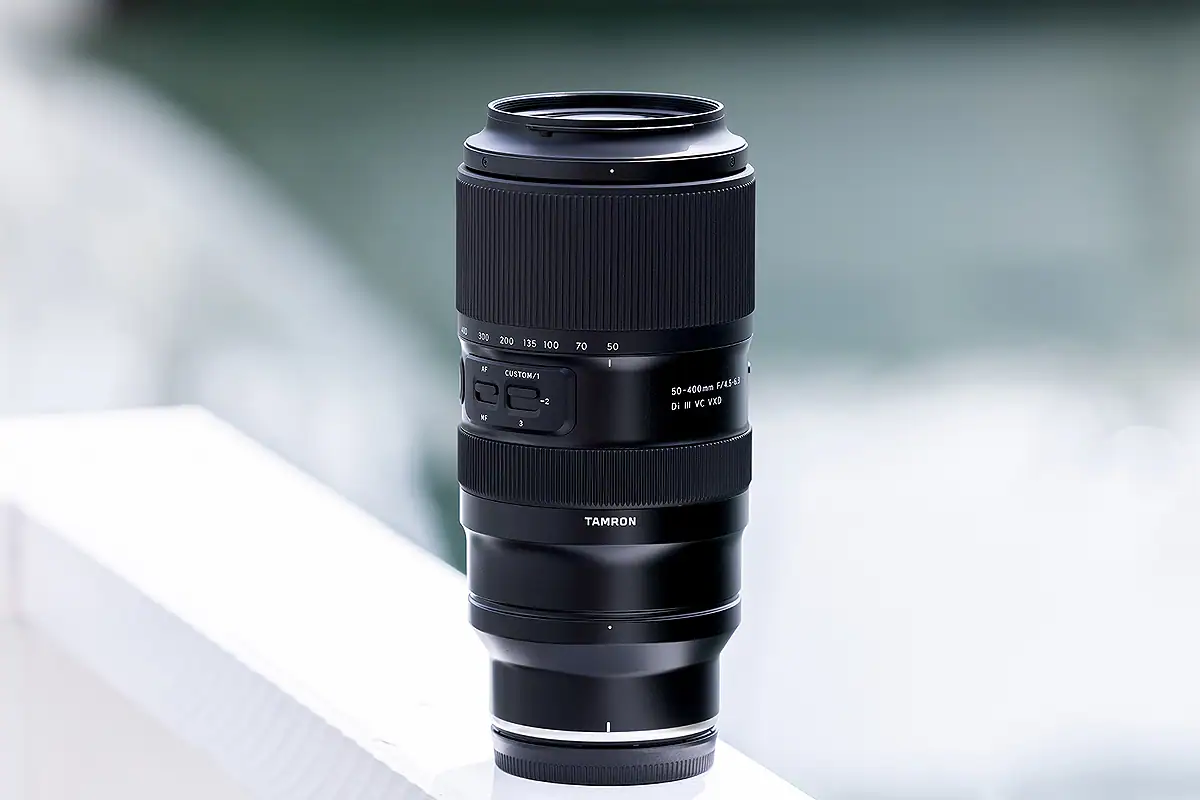
A zoom lens is a camera lens that can change focal length within a defined range, allowing you to reframe a shot without moving. Unlike a prime lens, which is fixed at one focal length, a zoom lens lets you adjust composition instantly by zooming in or out.
Zoom lenses are designed for flexibility. A single lens—such as a 24–70mm—can cover wide-angle, standard, and short telephoto perspectives, reducing the need to switch lenses during a shoot.
They are best suited for:
- Events and weddings, where moments happen quickly
- Travel photography, where carrying fewer lenses matters
- Wildlife and sports, where subjects change distance constantly
The trade-off is typically a narrower maximum aperture and slightly lower optical performance compared to primes at the same focal length. However, modern constant-aperture zoom lenses—especially f/2.8 models—have significantly reduced this gap.
Zoom Lens Focal Length Ranges
Most zoom lenses fall into a few familiar categories based on what they are designed to photograph.
The 70–200mm f/2.8 range is one of the most widely used professional zoom ranges because it balances reach, background separation, and low-light performance.
Variable vs. Constant-Aperture Zoom Lenses
Variable-aperture zoom lenses narrow their maximum aperture as you zoom in — a 24–70mm f/3.5–5.6 becomes f/5.6 at the long end, reducing available light. This means your exposure can change as you zoom, which can be disruptive in fast-moving situations.
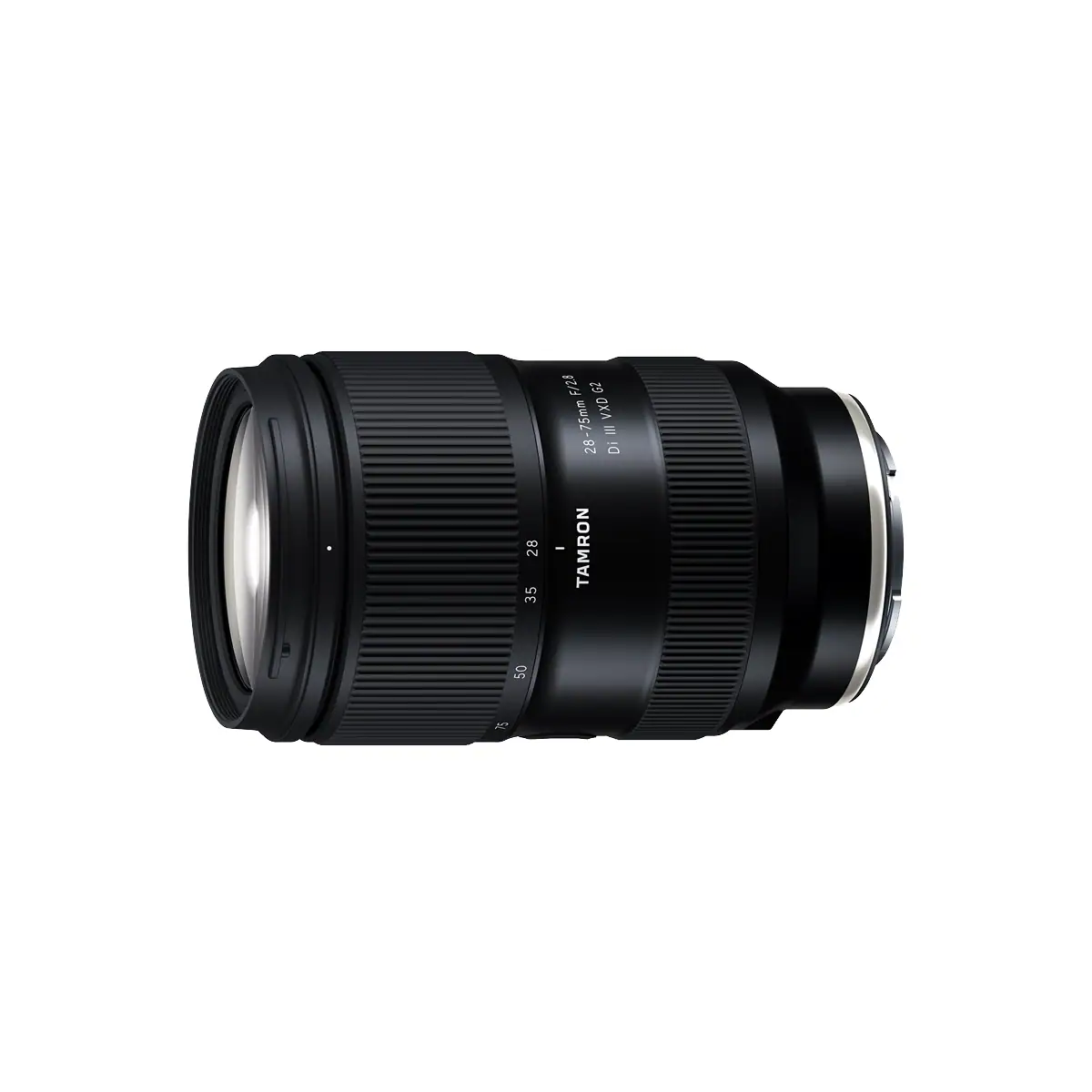
Constant-aperture zooms, like a 28–75mm f/2.8, maintain the same maximum aperture across the entire focal length range. Constant aperture is preferred by professionals because exposure remains consistent — but may come at a higher cost and greater weight.
Prime vs. Zoom Lens: What’s the Difference?
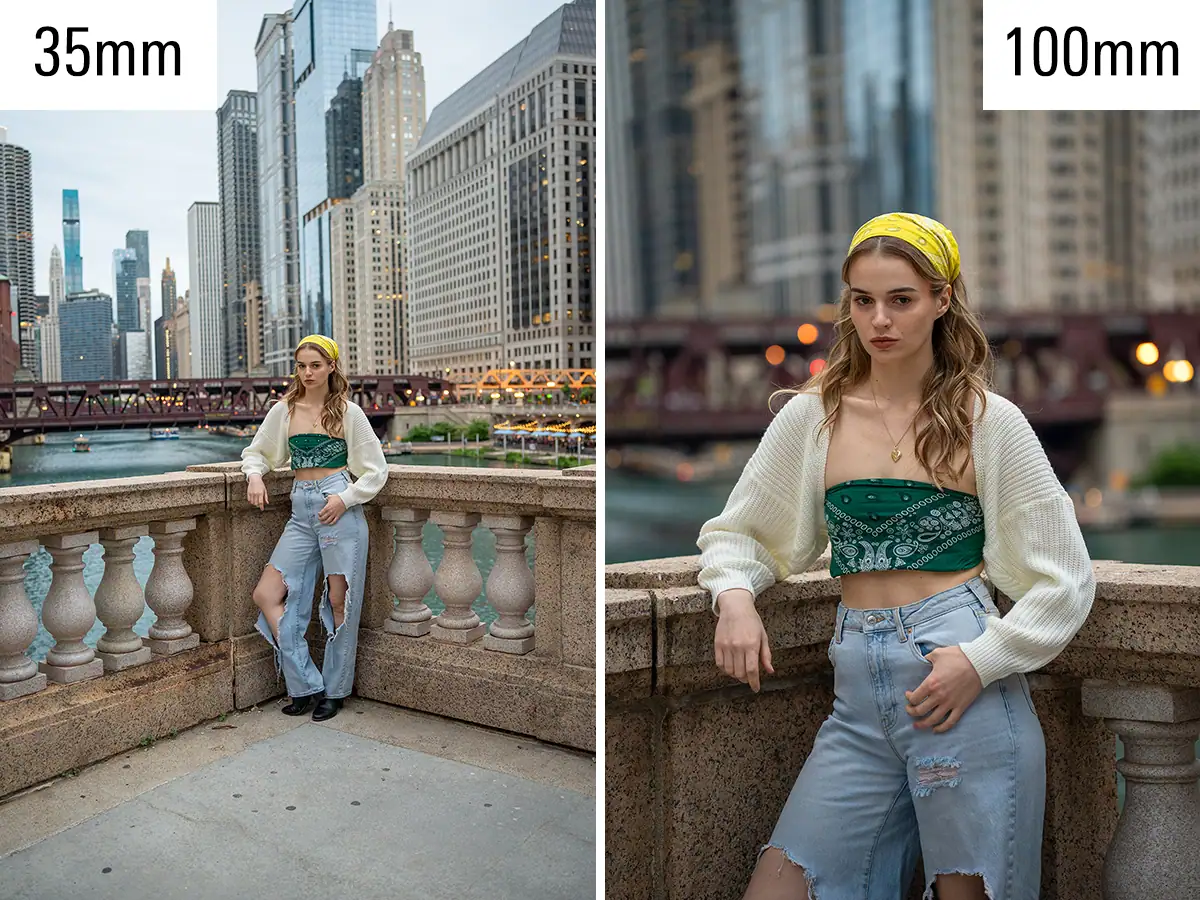
The key difference between a prime lens and a zoom lens is how they balance image quality and flexibility, which directly affects how you shoot in real-world situations.
KEY TAKEAWAY: The core difference is this: prime lenses deliver excellent optical performance at a single focal length; zoom lenses deliver flexibility across a range. Choose a prime when you know your focal length and want the best possible image. Choose a zoom when the shot determines the focal length.
When to Use a Prime Lens?
Prime lenses excel when you know your focal length, shoot in challenging light, or want the cleanest possible image quality without carrying a heavy kit. Use them for portraits, street photography, studio work, and any situation where image quality and light gathering matter more than zooming flexibility.
Portrait Photography

Portrait photography is prime lens territory — particularly 85mm, which flatters faces by reducing the perspective exaggeration that makes features closest to the camera appear oversized. A wide aperture such as f/1.4 or f/1.8 blurs backgrounds into smooth bokeh that keeps attention on your subject. A 70–200mm f/2.8 zoom is genuinely excellent for portraits, but at the same price point, an 85mm f/1.8 prime often delivers stronger background blur and subject isolation for less money.
Pro Tip: At f/1.8 or wider, depth of field is very shallow — focus precisely on the near eye for consistently sharp results.
Helpful guides:
- Portrait Photography Guide: What It Is and How to Take Great Portrait Photos
- Best Wide Aperture Lens for Portrait Photography
- How to Create Beautiful Bokeh Effects: Using Bokeh to Capture Stunning Photos
Street and Documentary Photography
Street and documentary photographers often prefer primes — typically 35mm or 50mm — for their compact size, natural perspective, and the deliberate approach a fixed focal length encourages. A small prime is discreet in public spaces and light enough for hours of walking. The constraint of not being able to zoom forces more intentional, engaged composition. For many photographers, that limitation becomes part of the creative process.
Low-Light and Indoor Photography
Low-light photography is where fast prime lenses earn their reputation. The difference between a 50mm f/1.8 prime and a consumer zoom at f/5.6 in the same dim room is more than three stops of light — enough to shoot handheld where a zoom may require blur-inducing shutter speeds or distracting flash. Indoor events, concerts, restaurants, stage performances, and evening portraits all favor the light-gathering advantage of a wide-aperture prime.
Helpful guide: How to Shoot in Low Light: Camera Settings, Gear, and Techniques
Studio and Product Photography
Studio and product photography are natural fits for prime lenses — controlled environments where you have space to move eliminate the need for zoom flexibility. A 50mm or 85mm prime delivers maximum sharpness, clean bokeh for subject isolation, and a lighter, simpler setup. A macro prime is also a standard tool for close-up product detail. When flexibility is not required, the prime lens wins by default.
When to Use a Zoom Lens
You should use a zoom lens when your subject distance changes frequently or when you need to adjust composition quickly without changing lenses. Zoom lenses are ideal for fast-moving or unpredictable shooting environments.
Zoom lenses are especially useful for:
- Events and weddings, where moments cannot be repeated
- Wildlife and sports photography, where subjects move unpredictably
- Travel photography, where carrying multiple lenses is impractical
- Documentary work, where speed and flexibility matter
The key advantage is responsiveness. A zoom lens allows you to react instantly to changing scenes, which often matters more than achieving maximum optical performance.
Wedding and Event Photography
Wedding and event photography demands what zoom lenses do best: the flexibility to capture a ceremony moment from the back of the room and a candid portrait moments later without changing lenses. The 70–200mm f/2.8 range is the industry standard for event work because it provides reach, background separation, and enough aperture for low-light reception shooting. A lens in the 24-70mm f/2.8 range pairs naturally with it to cover the full range of a wedding day.
Helpful guides:
- Guide to Editorial and Documentary Style Wedding Photography
- 4 Lens Tips for Photographing Concerts and Festivals
Wildlife and Sports Photography

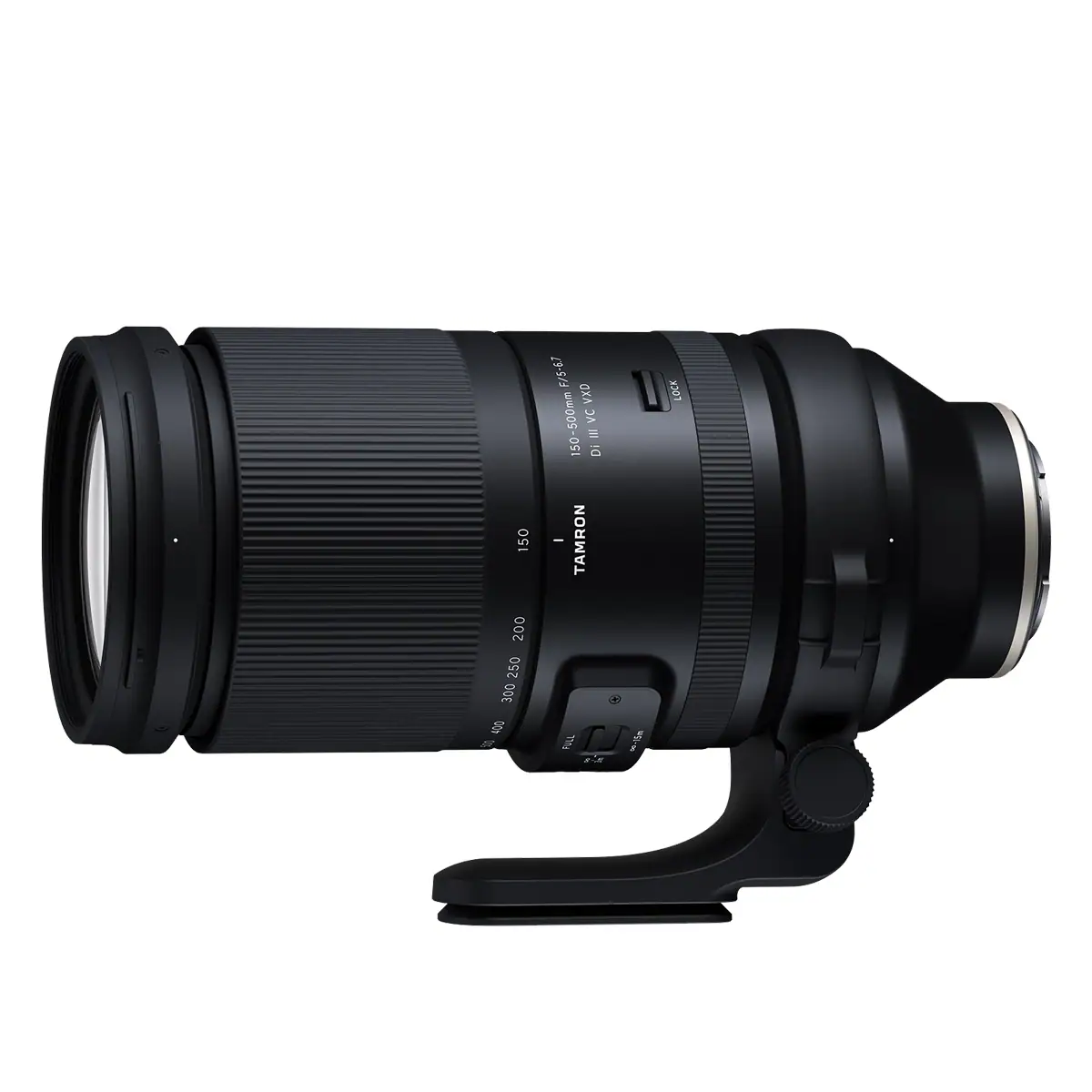
Wildlife and sports photography require telephoto zoom reach that prime lenses cannot practically provide for most photographers — you cannot carry a 400mm prime to every game or trail. The 150–500mm focal length range fills the frame with a subject dozens of meters away without disturbing it. Fast autofocus matters as much as focal length when tracking moving subjects. The Tamron 150–500mm F/5–6.7 Di III VC VXD is compact enough for handheld use, with VC stabilization and fast VXD autofocus for unpredictable subjects.
Explore bird photography tips: Creative Bird Photography Techniques: 5 Approaches to Photographing Birds
Travel Photography
Travel photography is the zoom lens’s strongest argument: when you are covering wide cityscapes, close street markets, distant architectural details, and candid portraits in the same hour, a single 28–75mm or 28–200mm zoom replaces what would otherwise be three or four separate lenses. This flexibility allows photographers to cover multiple focal lengths without changing lenses, which is especially valuable in fast-moving or unpredictable environments. All-in-one zooms like the Tamron 28–200mm extend this range further still — with the honest trade-off of a variable aperture at longer focal lengths.
Helpful guides:
- Travel Photography: Lightweight Tamron Lenses for Every Adventure
- Travel Lens Guide: How to Choose the Right Lens for Any Trip
Landscape and Architecture Photography
Zoom lenses offer compositional flexibility that landscape and architecture photographers value — the ability to dial in exactly the framing you want without physically moving. The difference between 24mm and 35mm in a landscape can be the difference between a strong composition and a missed one. A 16-30mm zoom covers the full wide-angle range that landscape, interior, and architecture work often requires. For architecture especially, a zoom helps when you cannot step back far enough to fit a building in frame.
How to Choose Between Prime and Zoom for Your Style
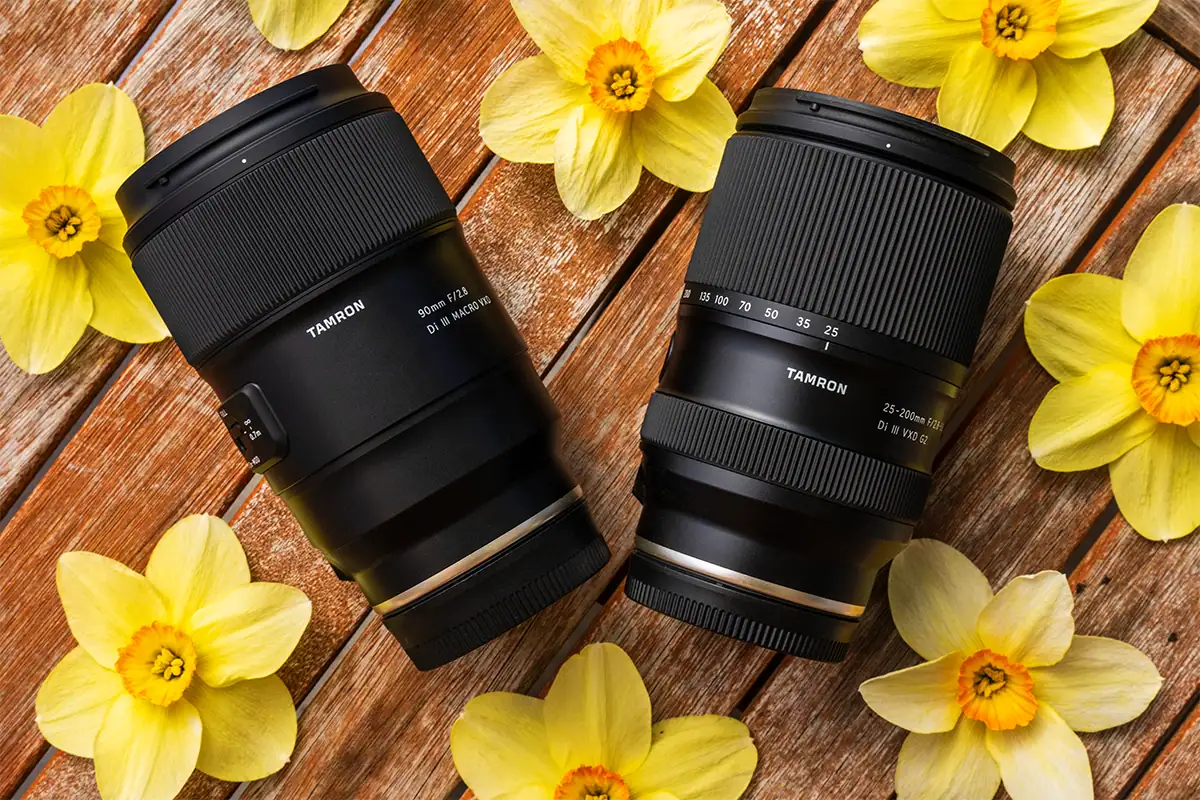
Instead of starting with focal length numbers, start with what you actually photograph.
For photographers who want the best of both, pair a versatile zoom such as a 35-100mm F2.8 or 35-150mm F2-2.8 with one or two key primes such as a 24mm or 85mm. Beginners may want to start with a zoom to discover which focal lengths they use most, then add primes at those specific lengths.
KEY TAKEAWAY: The simplest rule: choose a prime when you know your focal length and want the best possible image at it. Choose a zoom when the situation determines the focal length. When you need both, a well-chosen hybrid kit — one zoom plus one or two primes — covers nearly everything.
Explore The Ultimate Guide to Different Types of Camera Lenses for Every Photography Need
Tamron Prime Lenses Worth Knowing
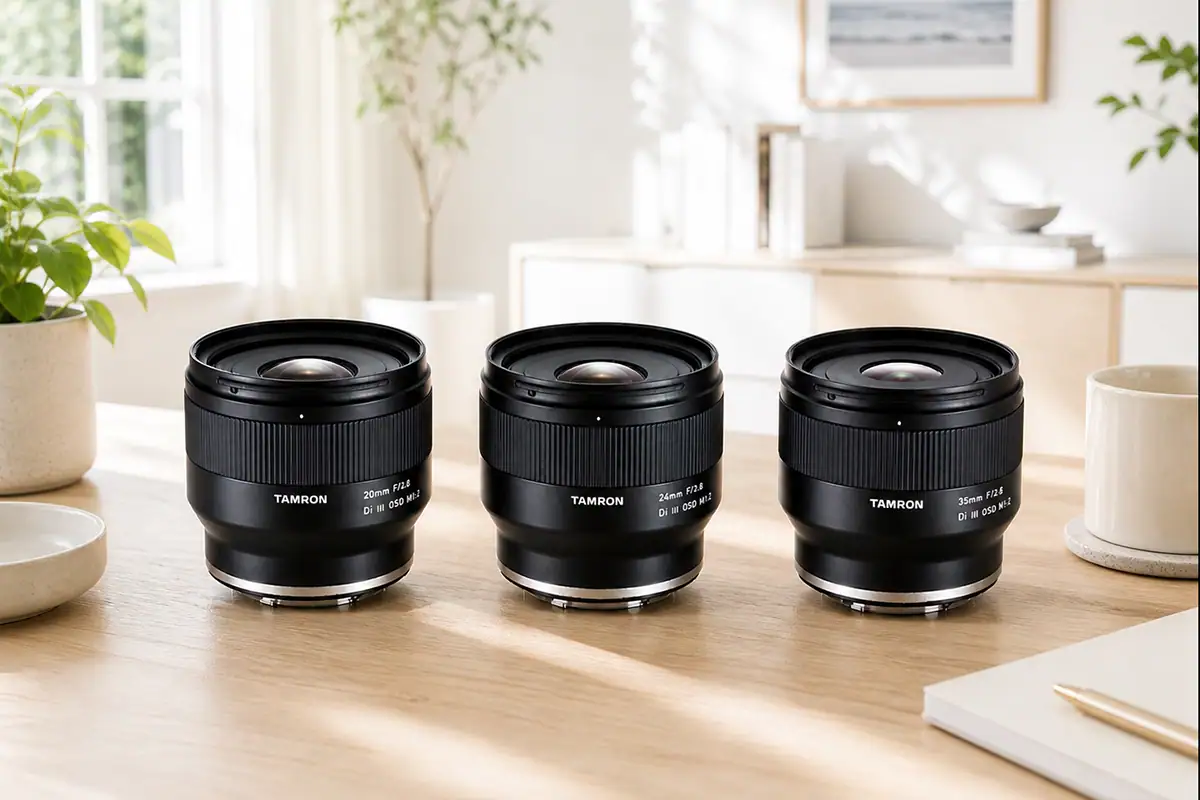
- The Tamron 24mm F/2.8 Di III OSD M1:2 is the wide-angle choice in this prime lens group. Its 24mm field of view works well for landscapes, interiors, travel scenes, and environmental portraits where you want to show more of the setting. The lens is compact at 215g and focuses as close as 4.7 inches with a 1:2 maximum magnification ratio, making it useful for creative close-ups as well as wide scenes.
- The Tamron 35mm F/2.8 Di III OSD M1:2 connects directly to street, documentary, and everyday photography. The 35mm focal length gives a natural perspective that feels flexible without looking overly wide, while the compact 210g design makes it easy to carry all day. Its 5.9-inch minimum focusing distance and 1:2 magnification add close-up versatility that many standard primes do not offer.
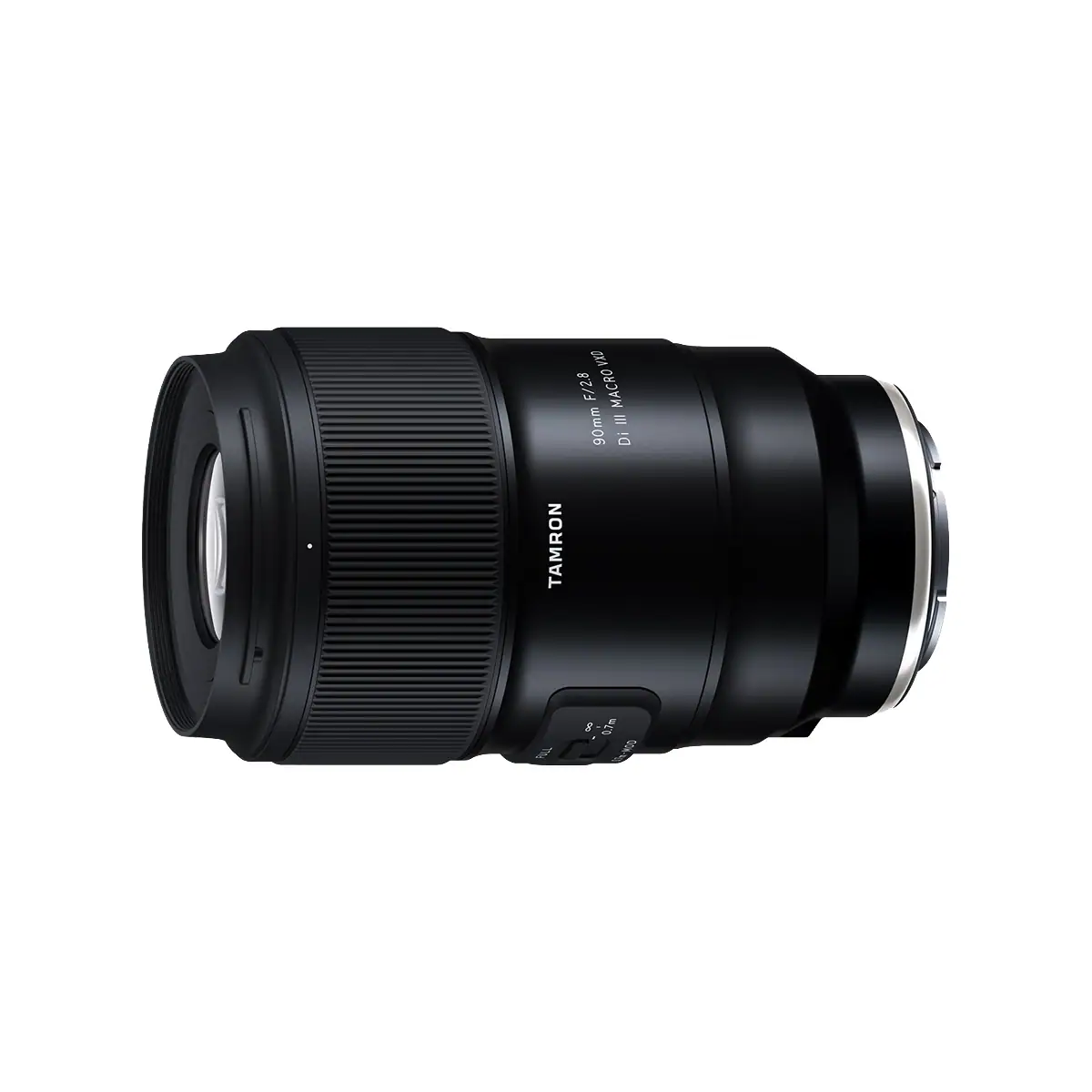
- The Tamron 90mm F/2.8 Di III VXD M1:1 is the most specialized prime here, but also one of the most versatile. As a true 1:1 macro lens, it is ideal for flowers, products, textures, details, and close-up subjects, while the 90mm focal length and soft bokeh also make it a strong portrait option. Its VXD autofocus, BBAR-G2 coating, flat-field correction, and 12-blade circular aperture support sharp detail, clean contrast, and smooth background rendering across macro, portrait, and product work.
For photographers who need more framing flexibility, Tamron’s zoom lineup offers a different kind of advantage.
Tamron Zoom Lenses Worth Knowing
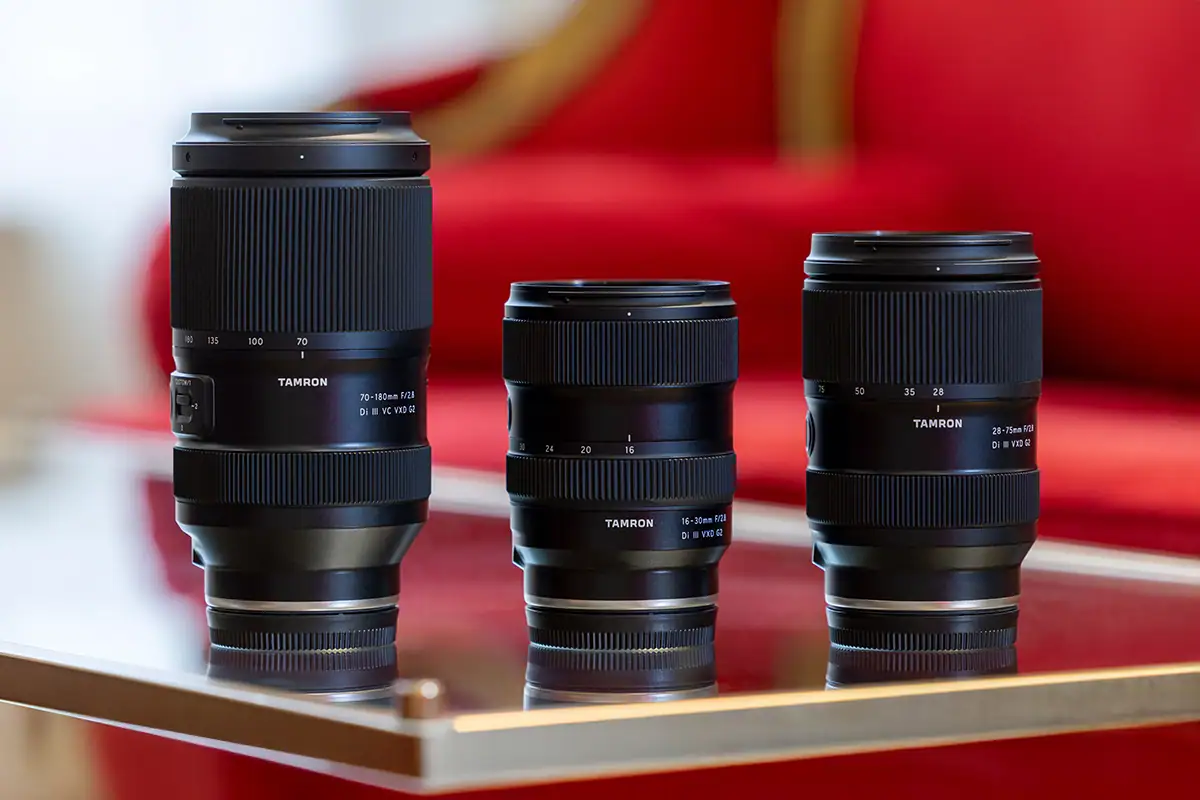
If your photography depends on speed, reach, and flexibility, these Tamron zoom lenses connect directly to the real-world use cases covered above.