Instant Savings
 Rebate Claims
 Support
 Find a Dealer
From focal length basics to real-world shooting scenarios — everything you need to choose the right lens with confidence.
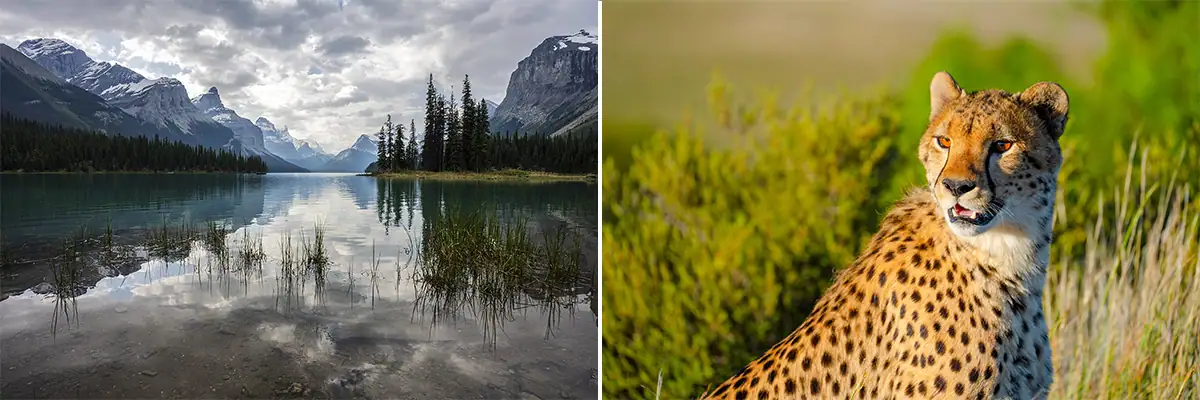
If you’re comparing wide angle vs telephoto, the simplest answer is this: wide angle lenses capture broad scenes, while telephoto lenses magnify distant subjects. One helps you show more of the environment; the other helps you get closer to the subject without physically moving closer.
A wide angle lens captures a broad field of view and is typically 35mm or shorter, while a telephoto lens magnifies distant subjects and is usually 80mm or longer. Wide angle lenses show more of a scene, while telephoto lenses bring faraway subjects closer and compress background depth.
That sounds simple until you start shopping and see numbers like 16mm, 35mm, 85mm, 200mm, and 500mm. Those numbers are not arbitrary — they tell you how the lens will see the world, how much of the scene it will include, and how your subject will appear in the frame. This guide breaks down wide angle lens vs telephoto lens choices in plain language so you can decide what you actually need.
Key Takeaways
- Focal length (mm) is the single factor that separates wide angle and telephoto lenses
- Wide angle lenses capture broad scenes, while telephoto lenses magnify distant subjects
- Wide angle lenses expand depth, while telephoto lenses compress it
- The right choice depends on whether your photo prioritizes the scene or the subject
Once you understand how focal length affects the image, the choice between wide angle and telephoto becomes much easier.
What Is Focal Length and Why Does It Define Every Lens?
Focal length defines how much of a scene a lens captures and how large subjects appear in the frame. If you want a full breakdown of how focal length works, Tamron’s dedicated What Is Focal Length? guide covers it in depth.
For the comparison ahead, the essential point is this:
- lower focal lengths capture more of the scene
- higher focal lengths magnify distant subjects
This single variable is what separates wide angle lenses from telephoto lenses.
What Are Wide Angle Lenses?
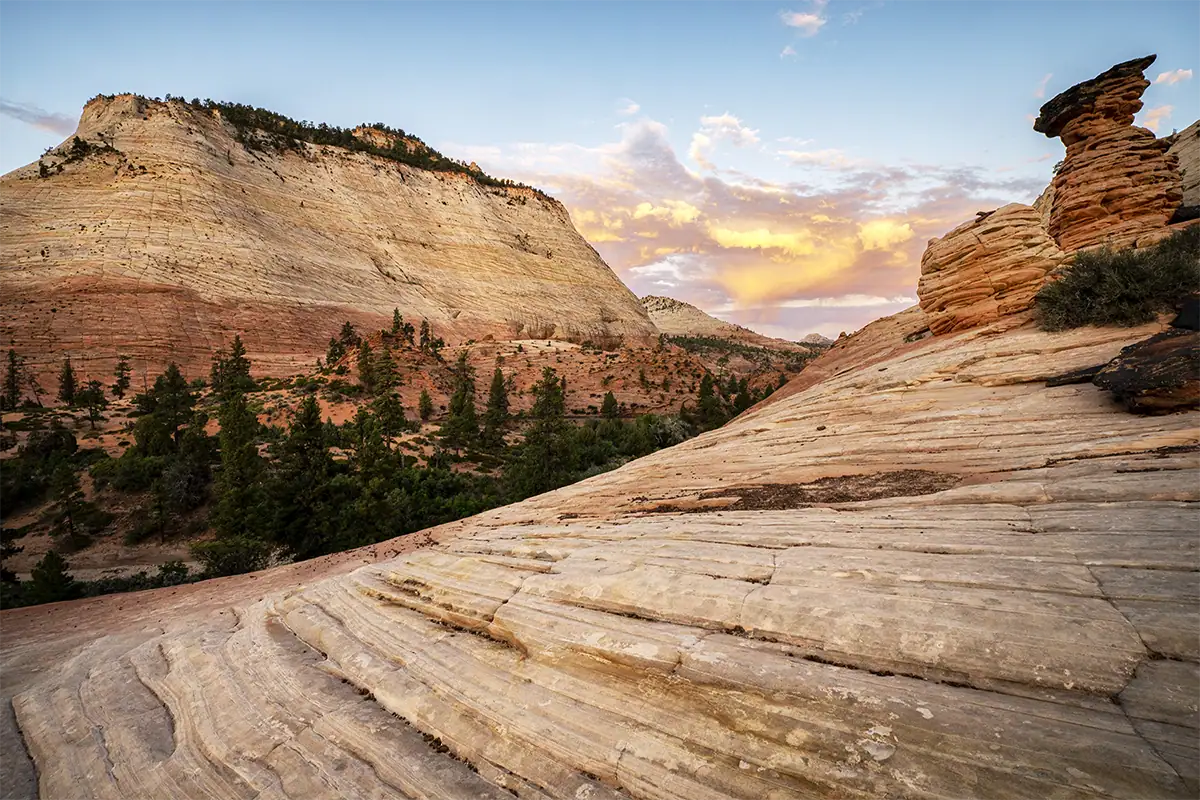
Wide angle lenses have focal lengths of 35mm or shorter on full-frame cameras and capture a broad field of view that includes more of the scene.
They capture a broad field of view, emphasize foreground-to-background depth, and make spaces feel expansive and immersive. Ultra-wide lenses, usually in the 14mm to 24mm range, push this further, creating dramatic perspective that draws the viewer into the scene.
Because of this, wide angle lenses are most often used when the environment is an important part of the image.
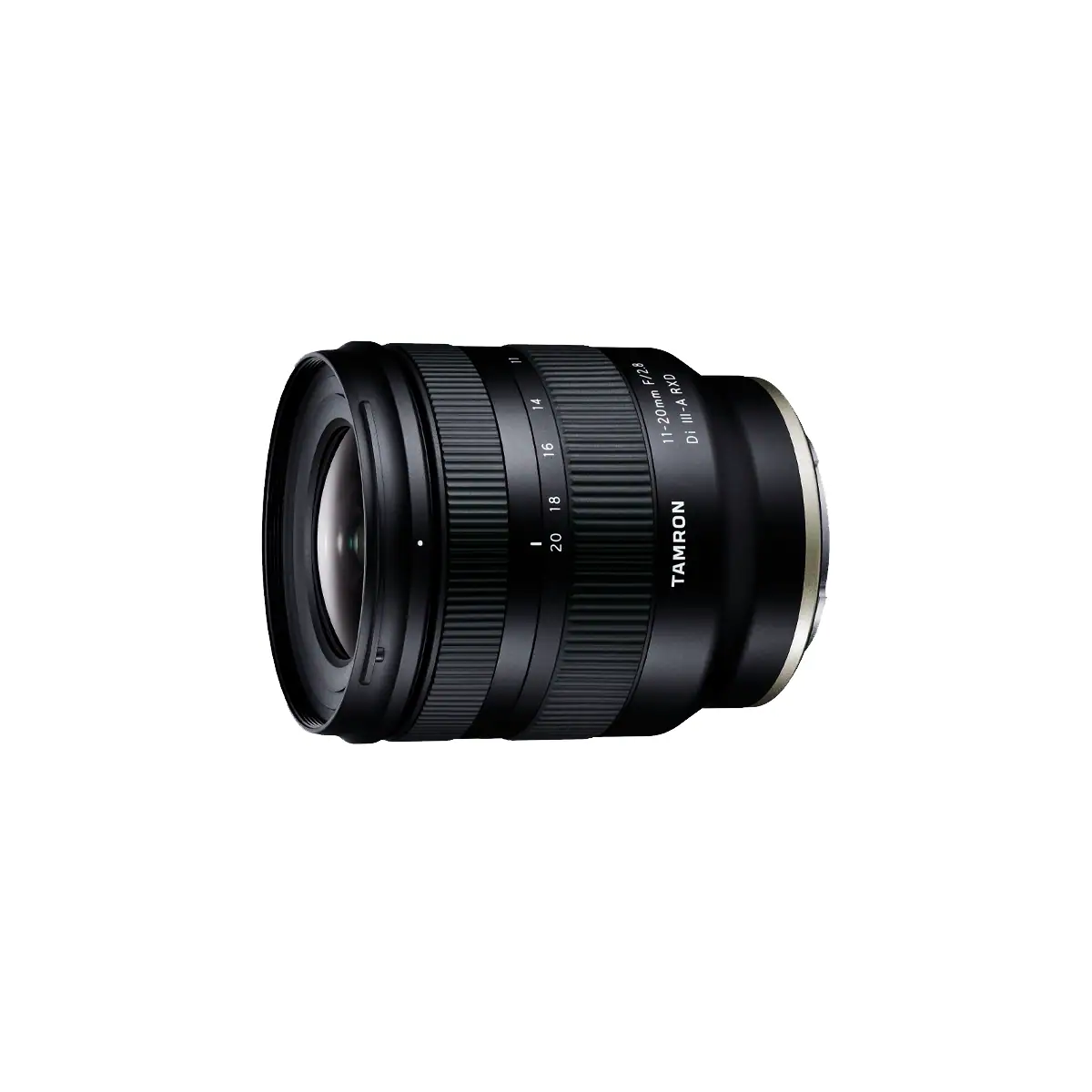
On smaller sensor cameras, focal length behaves differently because of crop factor. On APS-C cameras, the crop factor narrows the effective angle of view, so an 11–20mm APS-C lens can behave more like a 16.5–30mm full-frame lens, depending on the mount and sensor format. For example the 11-20mm F/2.8 Di III-A RXD provides a full-frame equivalent as below:
- 16.5–30mm for Sony E and Fujifilm X APS-C cameras with their 1.5X crop factor
- 17.6–32mm for Canon RF APS-C cameras with their .1.6X crop factor
For more wide angle basics, see A Beginner’s Guide to Using Wide-Angle Zoom Lenses.
Wide Angle Focal Length Ranges
Wide angle lenses are typically grouped into categories based on how much of the scene they capture.
On full-frame cameras, 35mm is widely considered the upper boundary of wide angle before lenses begin to move into the standard or normal range. If you want dramatic scale, start around 14mm to 24mm; if you want a wider view that still feels natural, 24–35mm is often easier to control.
How Do Wide Angle Lenses Affect Perspective and Depth?
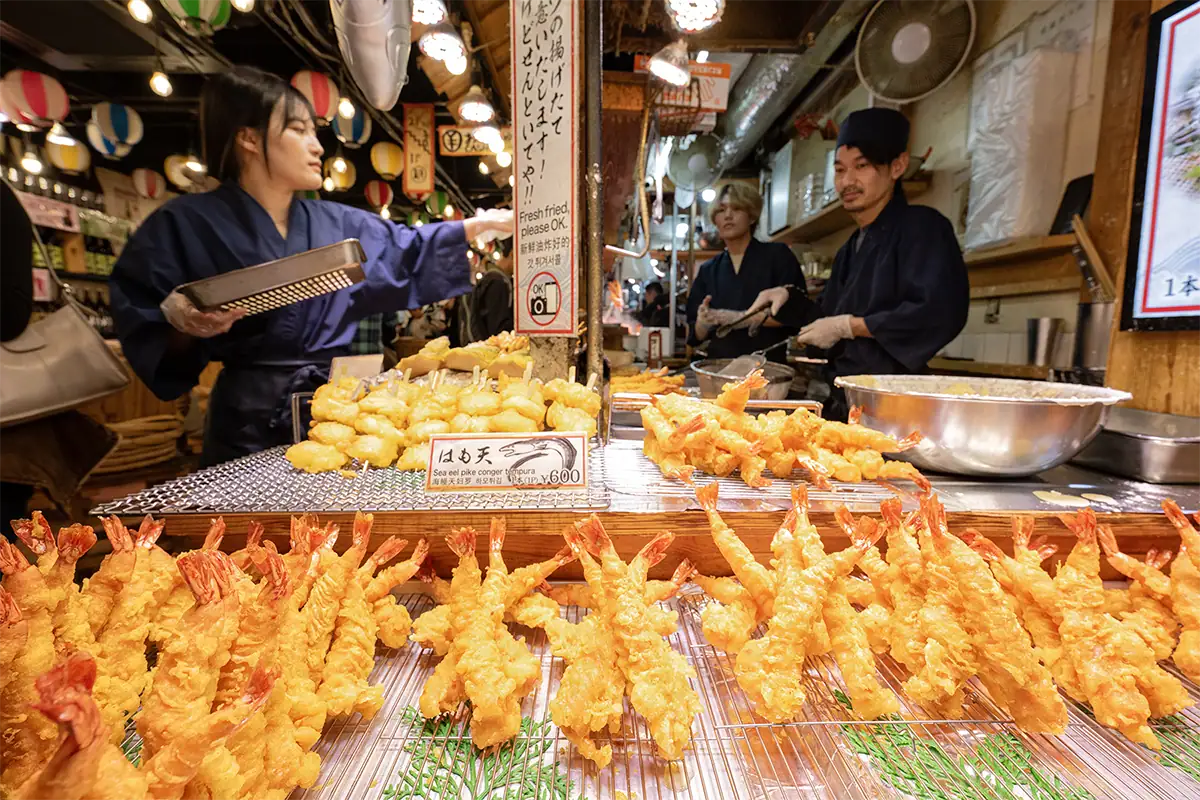
Wide angle lenses exaggerate perspective and increase depth of field, which changes how size and distance appear in an image. When you get close to a foreground subject with a wide angle lens, that subject can look disproportionately large relative to the background. This is not simply “bad distortion” — it is a predictable effect of using short focal lengths at close shooting distances.
Wide angle lenses also tend to produce a deep depth of field, keeping more of the scene in focus from near to far. That is a major advantage for landscapes, interiors, and architecture, where you often want foreground detail and distant background elements to stay sharp. For close-up portraits, however, that same perspective exaggeration can stretch facial features in ways most people do not find flattering.
What Are Telephoto Lenses?
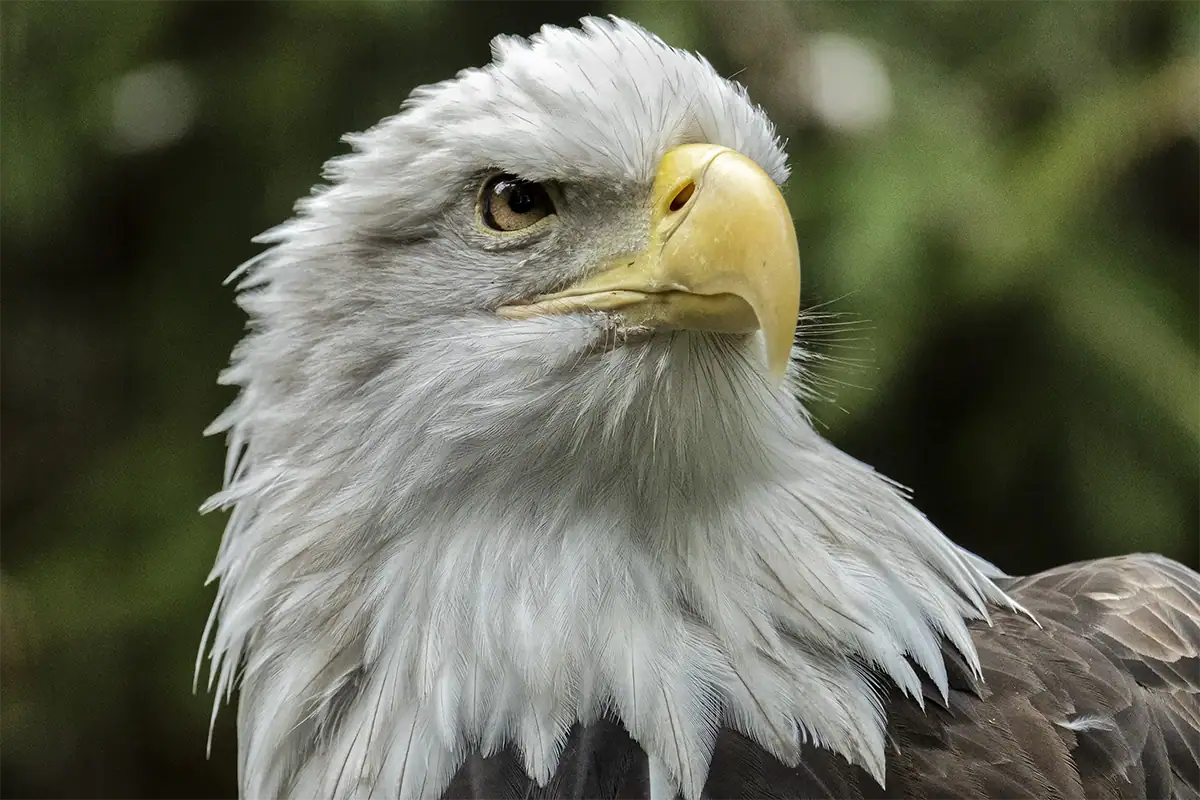
Telephoto lenses have focal lengths of 80mm or longer on full-frame cameras. They magnify distant subjects, narrow the angle of view, and compress the apparent distance between foreground and background. This makes them essential for wildlife, sports, portraits, events, and any subject you cannot physically get close to.
Telephoto lenses are not only about reach. They also help isolate a subject, simplify a busy background, and create the compressed look many photographers use for portraits, wildlife, sports, and event coverage. If you are weighing telephoto vs wide angle, the question is usually whether the subject or the surrounding scene matters more.
For a deeper explanation, see What Is a Telephoto Lens?
Telephoto Lens Focal Length Ranges
Telephoto lenses are usually grouped by how much reach they provide.
The 70–200mm range remains one of the most popular professional telephoto zoom ranges because it covers portraits, events, indoor sports, ceremonies, and compressed landscape details in one lens. Longer lenses, especially 300mm and beyond, become more specialized for wildlife, birds, and field sports.
How Do Telephoto Lenses Affect Perspective and Compression?
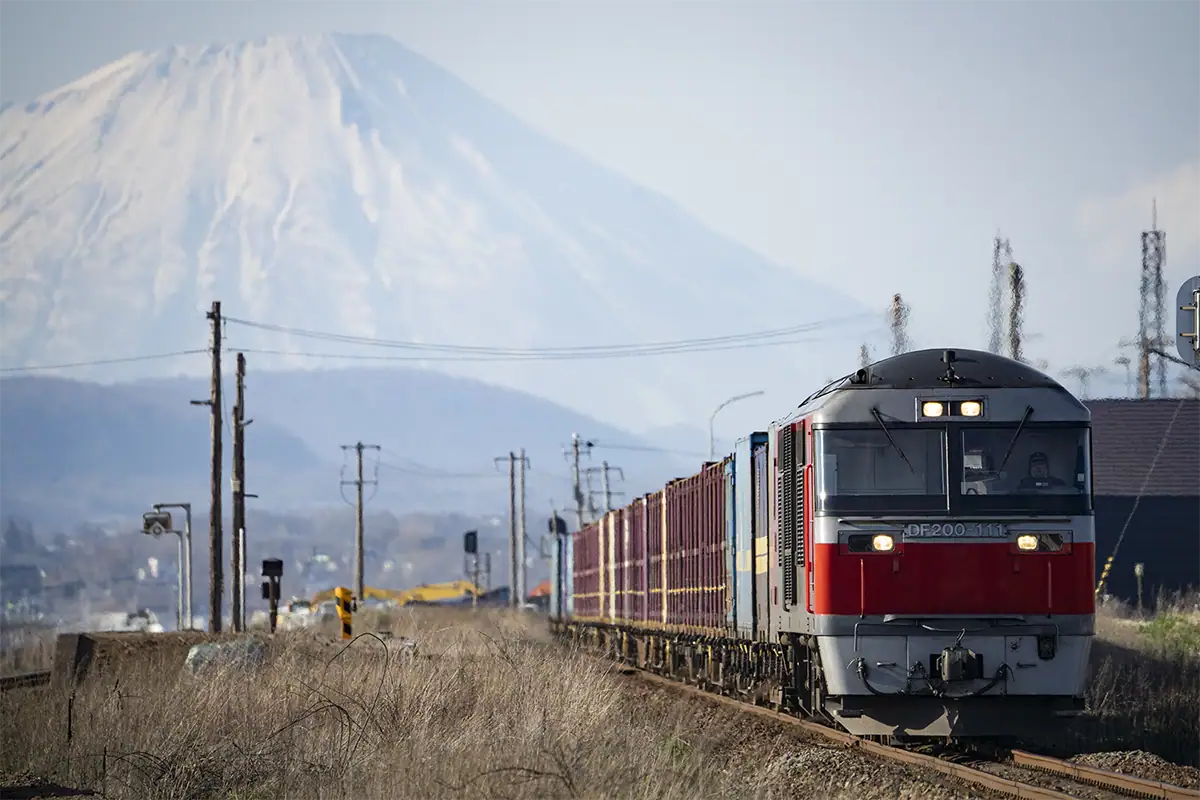
Telephoto lenses change how depth appears by compressing distance between elements in a scene.
Telephoto compression makes backgrounds appear closer to the subject than they actually are. It is important to note that this effect is caused by shooting from a greater distance, not by the lens alone. A long focal length lets you stand farther away while still filling the frame, and from that distance, the relative spacing between foreground and background appears compressed.
Learn how to use compression in our guide What Is Lens Compression? And How Can You Use It In Your Photography and Videography?
Telephoto lenses also make it easier to create a shallow depth of field. At longer focal lengths, backgrounds blur more readily, especially when you use a wide aperture and place distance between your subject and the background. This is why short telephoto and mid-telephoto lenses are so popular for portraits: they reduce facial perspective exaggeration, create smooth bokeh, and visually separate the person from a cluttered environment.
Wide Angle Lenses vs. Telephoto Lenses: What’s the Difference?
The difference between a wide-angle lens and a telephoto lens comes down to focal length, field of view, subject magnification, and how the lens changes the sense of space in the image. Wide angle lenses expand space, while telephoto lenses compress it. For readers comparing telephoto lens vs wide angle lens options, the table below gives the clearest side-by-side answer.
Key Takeaway: The core difference is this: wide angle lenses show more, telephoto lenses reach farther. Choose wide when your story is about the scene. Choose telephoto when your story is about the subject.
When to Use a Wide Angle Lens
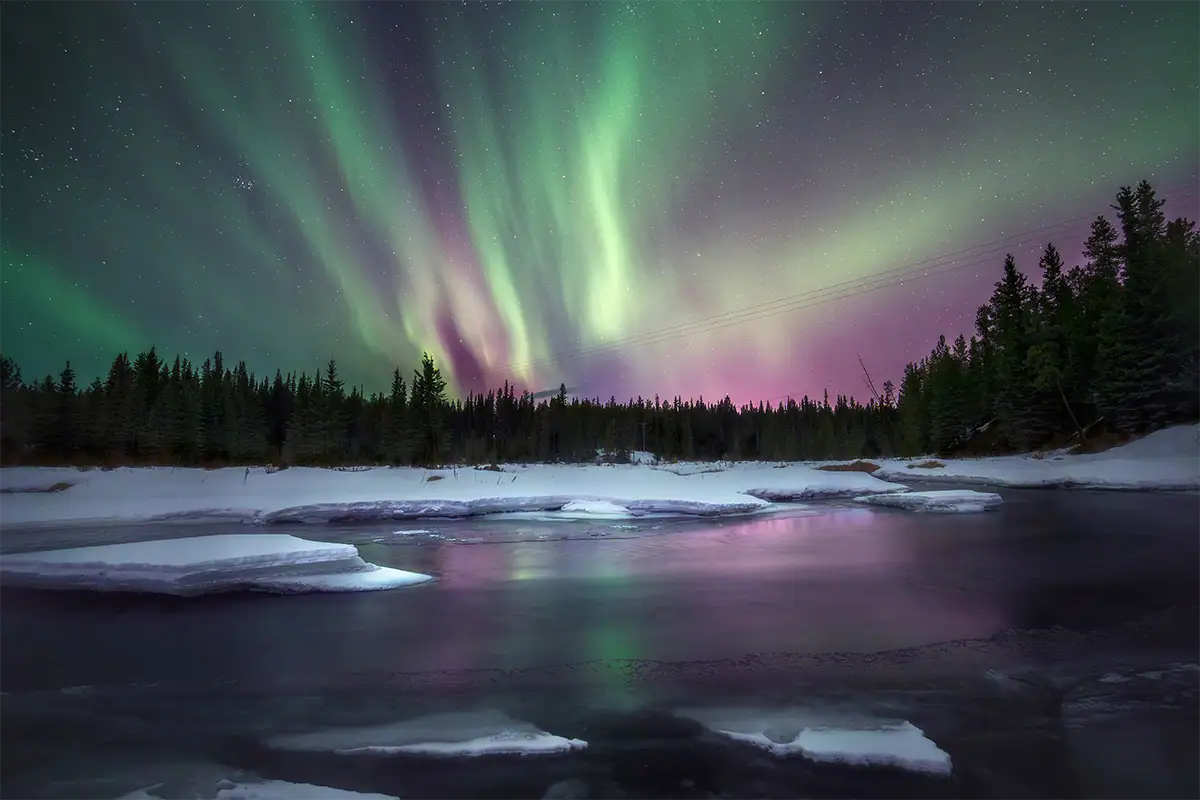
Wide angle lenses excel when the environment is part of the story and you want to show scale, capture an expansive scene, or place a subject within a larger context. Use them from sweeping mountain landscapes to tight city interiors where backing up is not an option.
Landscape Photography
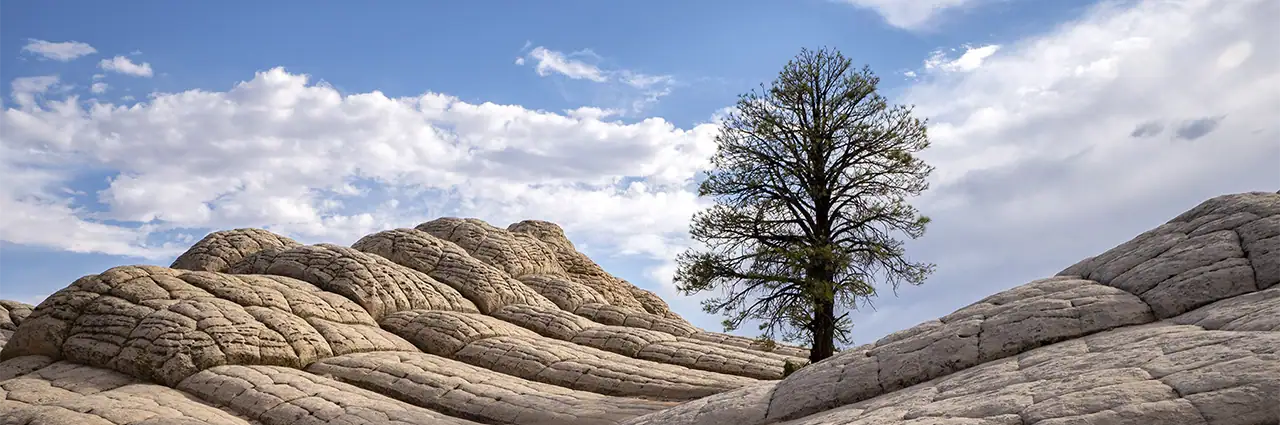
Landscape photography is the natural home of wide angle lenses. A 16–30mm focal length captures the full sweep of a scene while keeping everything from a nearby flower to a distant ridge in sharp focus. Perspective exaggeration also helps turn a foreground rock, flower, stream, or trail into a compositional anchor that pulls the viewer into the frame.
Practical tip: Get low and close to a foreground element to maximize depth and drama.
Helpful guides:
Astrophotography and Night Sky
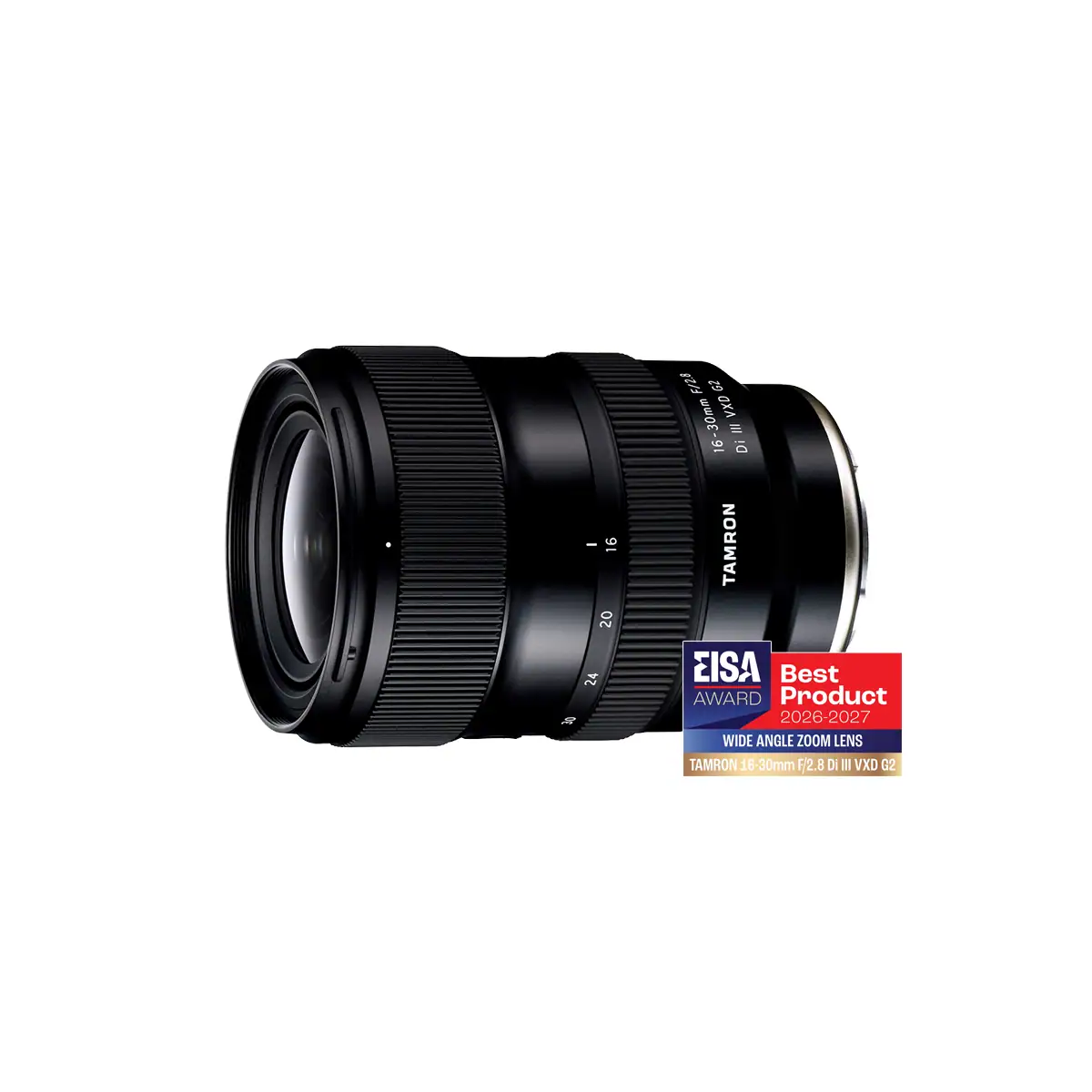
For astrophotography, wide angle lenses are the standard choice. A focal length between 14mm and 24mm captures a broad swath of the night sky, while a fast aperture like F2.8 maximizes light gathering in dark conditions. Lenses like the Tamron 16-30mm F/2.8 Di III VXD G2 pair ultra-wide coverage with a constant F2.8 aperture, making them practical for Milky Way, star trail, night landscape, and low-light travel work. The 16-30mm G2 is a full-frame ultra wide-angle zoom for Sony E and Nikon Z with compact design, fast and accurate autofocus, and compatible with TAMRON Lens Utility for astro-focus lock features and more.
Helpful guide: A Beginner’s Guide to Night Sky Photography
Architecture and Interior Photography
Wide angle lenses are essential for architectural and interior photography because they fit more into the frame without requiring the photographer to step back — often impossible indoors or in tight urban spaces. A 16-30mm range covers most rooms, facades, and city scenes with enough width to show context. The trade-off is that vertical lines can converge when the camera is tilted upward, creating a keystone effect.
To manage that, keep the camera level whenever possible and correct any remaining distortion in post-processing.
Helpful guide: The Niche of Architectural Photography
Street and Environmental Portraiture
Wide angle lenses suit street and environmental portraiture when the setting is as important as the subject. Shooting at 24-35mm from a natural distance places the subject within their environment while keeping enough scene visible to tell the full story — a chef in a kitchen, a musician on a corner, or a traveler in a busy market. The key is distance: avoid using ultra-wide focal lengths close to a person’s face because perspective exaggeration can distort features in unflattering ways.
When to Use a Telephoto Lens
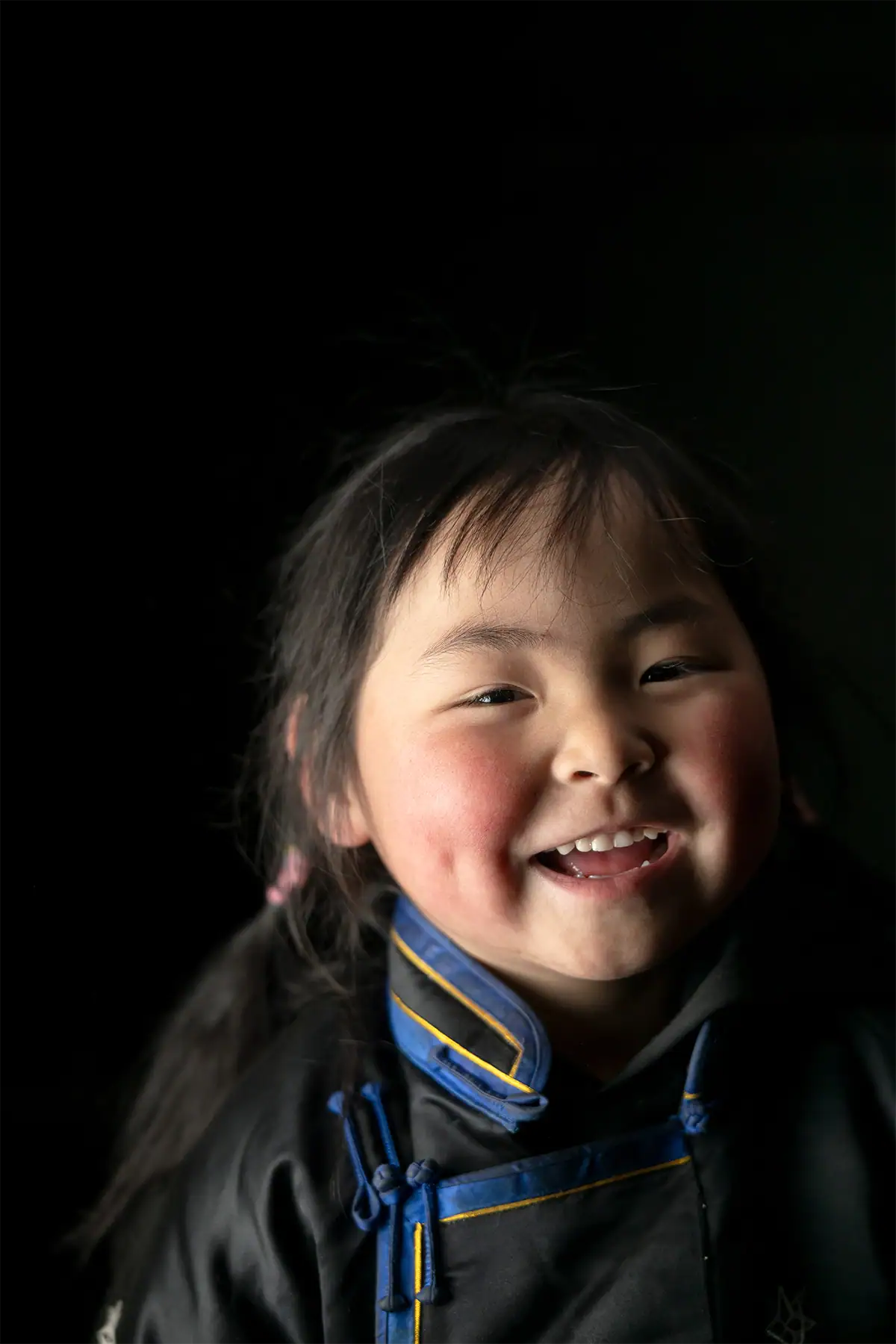
You should use a telephoto lens when physical distance separates you from your subject or when background isolation is the creative priority. Use them when you need reach, compression, or smooth bokeh — from a bird on a branch 40 meters away to a portrait subject in front of a busy street.
Portrait Photography
Telephoto lenses flatter portrait subjects by reducing perspective distortion. Shooting from a greater distance with 85-135mm minimizes the exaggeration of features closest to the camera, such as the nose, chin, or forehead. The resulting shallow depth of field blurs backgrounds into smooth bokeh, keeping attention on the subject.
The Tamron 70-180mm F/2.8 Di III VC VXD G2 is a practical portrait and event option because it provides a bright constant F2.8 aperture, VC image stabilization, and a compact 180mm telephoto end compared with bulkier 70-200mm lenses.
Wildlife and Bird Photography
Wildlife and bird photography require telephoto reach that wide angle lenses simply cannot provide. Focal lengths of 150-600mm allow photographers to fill the frame with a subject that is dozens of meters away without disturbing natural behavior. Fast autofocus and effective image stabilization matter as much as focal length because birds and animals rarely stay still.
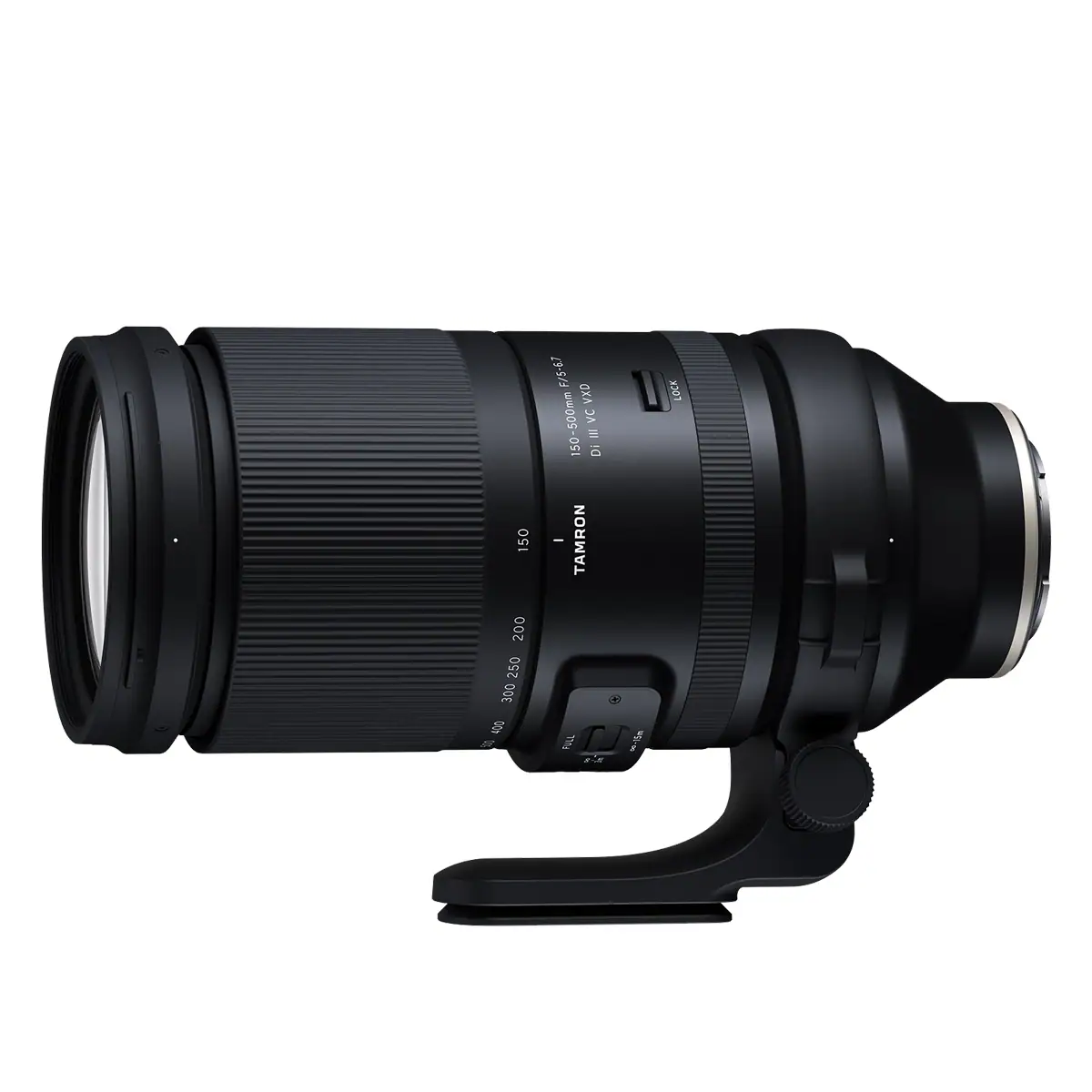
The Tamron 150-500mm F/5-6.7 Di III VC VXD is designed for Sony E, Nikon Z, and Fujifilm X mirrorless cameras, and is very compact at just 8.3 inches long and 60.8 ounces (for the Sony version), with VC image stabilization for handheld ultra-telephoto shooting.
Helpful guide: Creative Bird Photography Techniques: 5 Approaches to Photographing Birds
Sports and Action Photography
Sports photography demands telephoto reach to capture action from the stands or sidelines, plus fast autofocus to track unpredictable movement. A lens in the 70-200mm range covers many indoor and outdoor sports situations, delivering reach, background separation, and enough light for fast shutter speeds. For large outdoor venues like football, soccer, baseball, motorsports, and track, 300mm and above is often preferred.
Current Tamron telephoto lenses with VXD linear motor technology are designed for fast, precise autofocus tracking, which is especially valuable when the subject is moving toward, away from, or across the frame. The 70-180mm F2.8 G2 includes VC image stabilization and VXD autofocus while maintaining a compact design.
Helpful guides:
Wedding and Event Photography
Wedding and event photographers rely on telephoto zoom lenses — most often the 70-200mm F2.8 range — because they provide reach for ceremony moments, background separation for portraits, and enough aperture for low-light reception shooting. A telephoto lens lets the photographer stay unobtrusive while still filling the frame with emotion, expression, and detail. Image stabilization is also valuable in dim venues where fast shutter speeds are not always possible.
Helpful guide: Editorial Documentary-Style Wedding Photography Guide
How to Choose Between Wide Angle and Telephoto for Your Style
The easiest way to choose between wide angle and telephoto is to start with what you shoot most often. This is also the most practical way to resolve wide angle vs telephoto lens decision fatigue: begin with the subject, not the spec sheet.
*lenses listed above are full-frame
If your work spans both wide scenes and distant subjects, you do not have to choose immediately. An all-in-one zoom can bridge the gap, giving you wide-to-telephoto coverage in a single lens while you learn which focal lengths you use most.
The simplest rule: If you need to show where, go wide. If you need to show what, go telephoto. When you need both, an all-in-one zoom is worth a serious look.
Helpful guides:
Tamron Wide Angle Lenses Worth Knowing
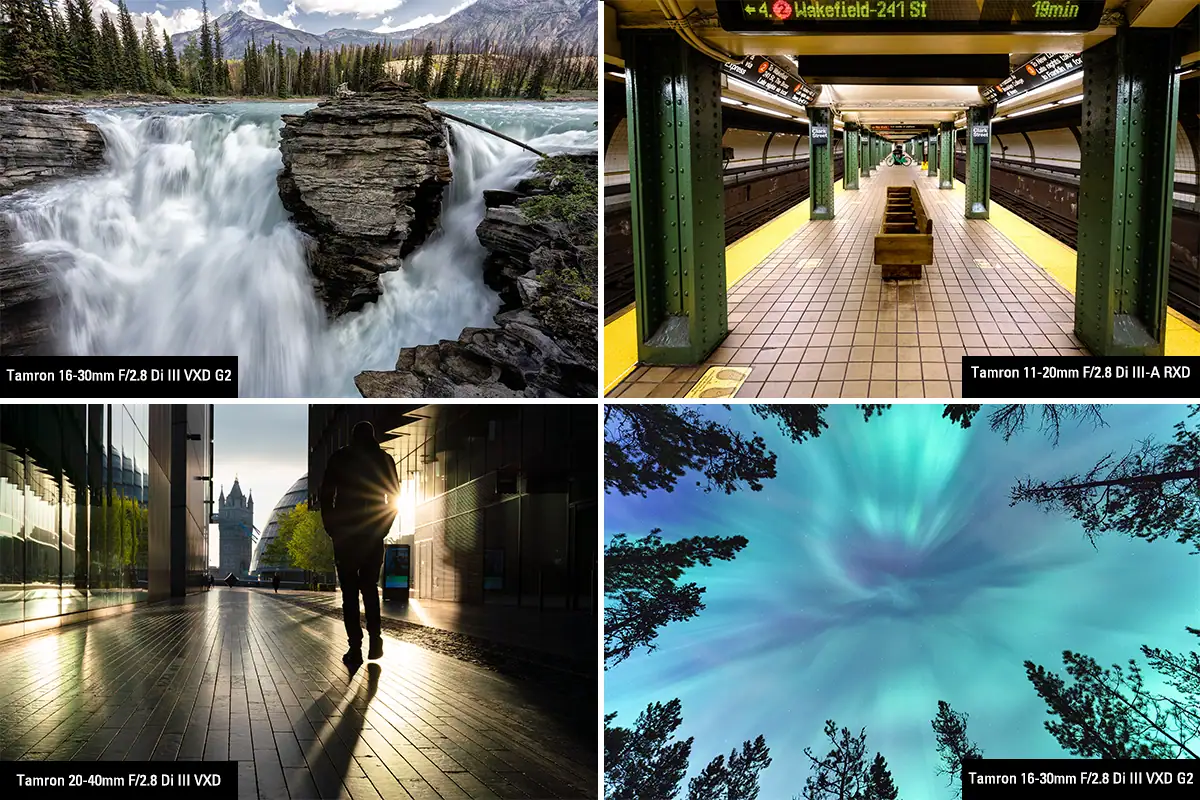
Once you know that wide angle fits your style, the next step is choosing the right level of width, speed, and portability. These Tamron options cover full-frame and APS-C shooters with different needs.
- The Tamron 16-30mm F/2.8 Di III VXD G2 is the best fit for full-frame mirrorless shooters who want an updated ultra-wide zoom with a practical everyday range. It expands beyond the earlier 17-28mm range while maintaining a compact design, and it includes improved autofocus performance, TAMRON Lens Utility compatibility, and strong image quality for landscape, astro, and architectural work. Barrel distortion is not really an issue with this lens. While some barrel distortion can be expected with certain ultra-wide lenses, it is typically easy to correct in-camera or in post-processing when needed.
- The Tamron 20-40mm F/2.8 Di III VXD remains a strong choice for Sony E-mount shooters who prioritize compact size and everyday carry at just 3.4 inches long and 365g, with a 67mm filter size. Its VXD autofocus is fast and quite. And LD/XLD glass elements to help control aberrations. The trade-off is its shorter zoom range compared with the 16-30mm G2.
- The Tamron 11-20mm F/2.8 Di III-A RXD is the APS-C option for photographers who want ultra-wide coverage without moving to full frame. It’s a compact, lightweight F2.8 ultra wide-angle zoom for Sony E, Fujifilm X, and Canon RF APS-C mirrorless cameras, with a range equivalent to 16.5-30mm on Sony E and Fujifilm X, and 17.6-32mm on Canon RF. It is ideal for APS-C landscapes, travel, video, interiors, and everyday ultra-wide creativity.
Explore Tamron’s wide-angle lenses: Wide-Angle Zoom Lenses
Tamron Telephoto Lenses Worth Knowing
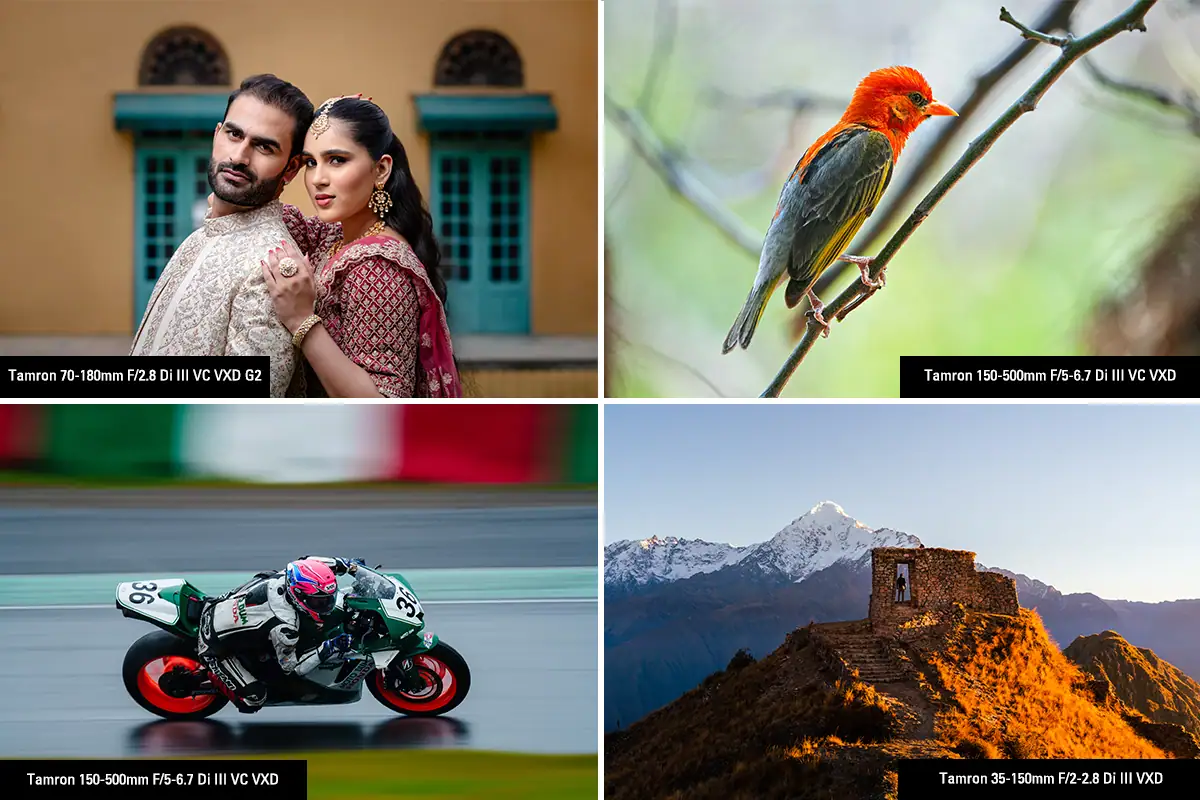
If your work is more about people, wildlife, action, or distant details, these telephoto and telephoto-leaning Tamron lenses connect directly to the use cases above. For anyone comparing telephoto vs wide angle lens options, these lenses show where telephoto reach becomes the stronger creative tool.
- The Tamron 25-200mm F/2.8-5.6 Di III VXD G2 is a practical travel zoom for full-frame Sony E-mount shooters featuring a fast F2.8 aperture at 28mm. It’s a compact, lightweight all-in-one zoom at 4.8” in length and weighing only 20.3oz.
- The Tamron 18-300mm F/3.5-6.3 Di III-A VC VXD is built for APS-C mirrorless shooters who want maximum range in one compact package. It covers a 16.6x zoom ratio, moving from wide-angle to super-telephoto without a lens change.
Still deciding? If you’re torn between wide angle and telephoto, an all-in-one zoom lets you experience both before committing to dedicated glass. Start here, then specialize as your photography develops.
Explore Tamron’s all-in-one options: All-In-One Zoom Lenses
Final Thoughts: Choosing the Right Lens for the Story You Want to Tell
The choice between a wide angle lens and a telephoto lens is really a choice between two different ways of seeing. Wide angle lenses help you capture space, scale, and context — the full sweep of a landscape, the feeling of standing inside a room, or the relationship between a subject and their environment. Telephoto lenses help you isolate, magnify, and simplify — bringing distant subjects closer, compressing backgrounds, and drawing attention exactly where you want it.
For many photographers, the best lens is not permanently one or the other. It depends on the story in front of you. Choose wide angle when the scene matters. Choose telephoto when the subject matters. And if you are still discovering your style, an all-in-one zoom can be a smart way to explore both perspectives before investing in more specialized lenses.
Where to Buy Tamron Lenses
Learn more about Tamron lenses at an authorized Tamron dealer near you or shop directly at the official TAMRON Store.
Frequently Asked Questions
What is the main difference between a wide angle and telephoto lens?
Wide angle lenses, usually 35mm or shorter on full-frame cameras, capture a broad field of view and emphasize depth. Telephoto lenses, usually 80mm or longer, magnify distant subjects and narrow the angle of view. Wide angle shows more of the scene; telephoto reaches farther into it. The right choice depends entirely on what you are shooting.
Can I use a wide angle lens for portraits?
You can use a wide angle lens for portraits, especially environmental portraits where the setting matters. However, most portrait photographers prefer telephoto lenses because wide angle lenses exaggerate perspective when used close to a subject’s face. Features closest to the camera, such as the nose or chin, can appear disproportionately large. A focal length around 85-135mm is usually more flattering for headshots and close portraits.
What does telephoto compression mean?
Telephoto compression is the visual effect that makes the background appear closer to the subject than it actually is. It happens because telephoto focal lengths allow the photographer to shoot from farther away while still filling the frame. From that distance, the relative size difference between near and far elements appears smaller, so foreground and background look more stacked and layered.
Why do wide angle lenses cause distortion?
Wide angle lenses exaggerate perspective. Objects near the camera appear larger relative to distant objects, and straight lines near the edges of the frame can appear to bow outward because of barrel distortion. This is a function of optics at short focal lengths, not simply a defect. To reduce the effect, step farther back, use a more moderate wide angle like 28-35mm, keep the camera level, and apply lens corrections in post-processing.
What focal length is best for wildlife photography?
The 150-600mm range is most commonly used for wildlife and bird photography because it provides enough reach to fill the frame with subjects that are far away. This lets you photograph animals without disturbing natural behavior. Lenses like the Tamron 150-500mm F/5-6.7 Di III VC VXD are designed specifically for this type of work, with long reach and image stabilization to support handheld shooting at telephoto focal lengths.
What is the best all-in-one zoom lens for travel?
For full-frame Sony E-mount photographers, the Tamron 25-200mm F/2.8-5.6 Di III VXD is one of the most practical travel zooms because it covers wide angle through telephoto in one compact body and starts at F2.8 at the wide end. For APS-C mirrorless cameras, the Tamron 18-300mm F/3.5-6.3 Di III-A VC VXD offers a 16.6x zoom range that covers everything from wide landscapes to distant details.
How do I avoid blurry shots with a telephoto lens?
At longer focal lengths, camera shake is magnified, so blurry images are more likely. Use a shutter speed of at least 1/focal length, such as 1/200s at 200mm, and go faster for moving subjects. Enable image stabilization if your lens has it, use good handholding technique, and confirm focus before pressing the shutter for stationary subjects. For sports and wildlife, combine fast shutter speeds with continuous autofocus tracking.
About the Author
 Stacie Errera is Vice President of Marketing and Communications for Tamron Americas, where she has been with Tamron for more than 36 years. She is also a photography educator who teaches new camera users how to better understand their cameras and photography basics. She leads weekend photography workshops for women. Read Stacie’s full bio >>