 Instant Savings
 Rebate Claims
 Support
 Find a Dealer

Learn what camera lenses are, how they work, and how to choose the right lens type for your photography goals.
For many photographers and hybrid creators, the camera body often receives the most attention. The lens, however, plays the most critical role in shaping image quality, perspective, and the overall look of an image. From focal length and aperture to optical design and stabilization, lenses shape how a scene is framed, how light reaches the sensor, and how subjects appear in the final image.
With so many options available across different camera systems, understanding the types of camera lenses and how they behave can feel complicated at first. Each lens type is designed to create a different field of view, level of magnification, and sense of depth. Learning how these lens categories work makes it easier to choose equipment that supports your creative goals and practical shooting needs.
This guide explains the fundamentals of camera lenses, breaks down the different types of lenses photographers commonly use, and provides practical guidance for choosing the right lens type based on how you want to frame and capture your subjects.
Professional’s Thoughts on Lens Choice

As Ian Plant, Tamron Ambassador, educator, and acclaimed landscape and travel photographer, often emphasizes: “One of the principal ways that a photographer transforms the reality of the scene or subject is through lens choice. Different lenses are used in profoundly different ways, so understanding different types of lenses is necessary to improve your craft. No matter what lens you use, you need to figure out how that lens differs from other lenses, and most importantly, what kinds of subjects or photographic approaches work best with that particular lens.
For photographers, lenses are our windows to the world. Used properly, they are more than just functional tools. Rather, they are expressive instruments that allow us to artistically bend, distort, and shape the reality around us, empowering us to share our creative vision with others.”
A camera lens does more than determine how wide or close a scene appears. It influences light transmission, depth of field, motion control, and overall optical performance. By understanding how lenses work and how key concepts like focal length, aperture, and stabilization interact, photographers can better match their equipment to their creative goals and shooting environments.
What You’ll Learn In This Guide
In this guide, you’ll learn how camera lenses work, the main types of camera lenses photographers use, and how to choose the right lens type based on your framing goals and shooting needs.
Table of Contents
- What Is a Camera Lens?
- How Do Camera Lenses Work?
- What Are the Parts of a Camera Lens?
- What Are the Different Types of Camera Lenses?
- How to Choose the Right Type of Camera Lens
- Which Tamron Lens Will Meet Your Needs?
- Final Thoughts: Choosing the Right Camera Lens Starts with Understanding Lens Types
- Frequently Asked Questions About the Different Types of Camera Lenses
What Is a Camera Lens?

A camera lens gathers and focuses light onto the camera sensor so the camera can capture an image. The lens plays a major role in how a photo looks.
Different lenses change:
- Perspective: How wide or tight a scene appears.
- Light capture: How well the camera performs in low light.
- Depth of field: How much of the image stays in focus
- Rendering style: The overall look of the image, including background blur.
Understanding these basics makes it easier to choose the right lens for different photography situations.
How Do Camera Lenses Work?
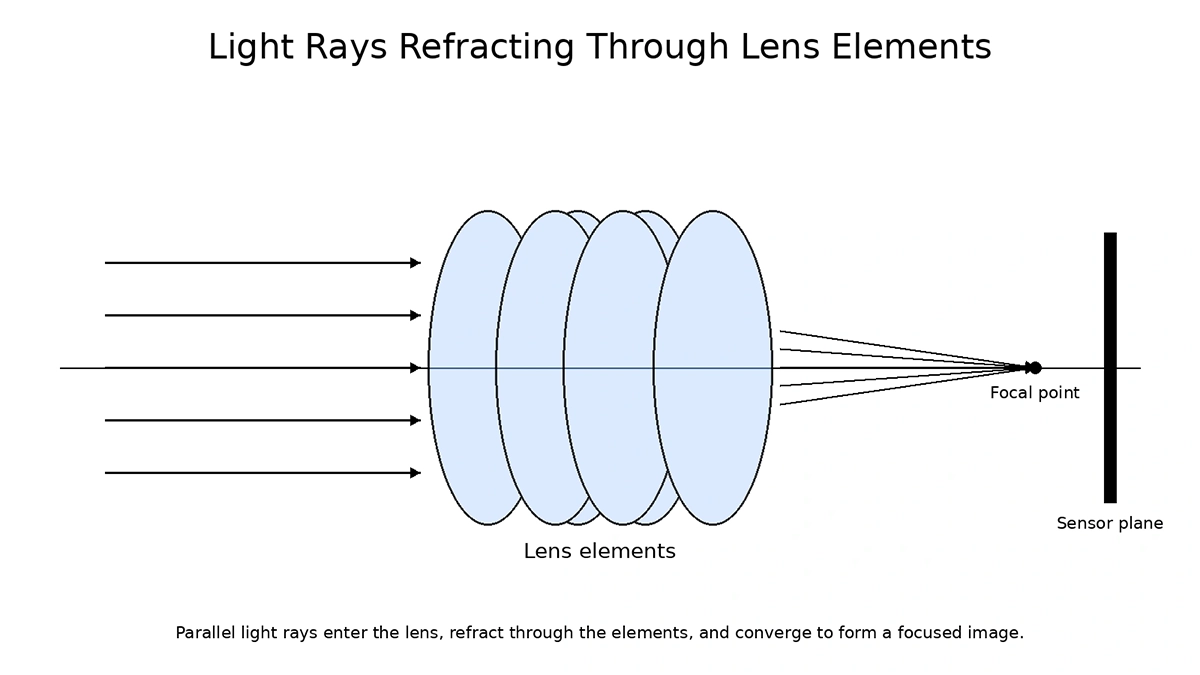
Camera lenses work by bending and directing light through a series of precision-engineered glass elements so that the light converges on the camera’s sensor. When light rays are properly focused, the sensor records a sharp image.
In simple terms, the lens uses refraction to shape incoming light, focusing groups to lock sharpness on a subject, and an aperture diaphragm to control both light and depth of field. These settings work together with shutter speed and ISO to determine exposure and image brightness. On zoom lenses, moving optical groups also change focal length, altering magnification and angle of view.
These core mechanics are why the same scene can look dramatically different depending on the lens you use.
What Are the Parts of a Camera Lens?
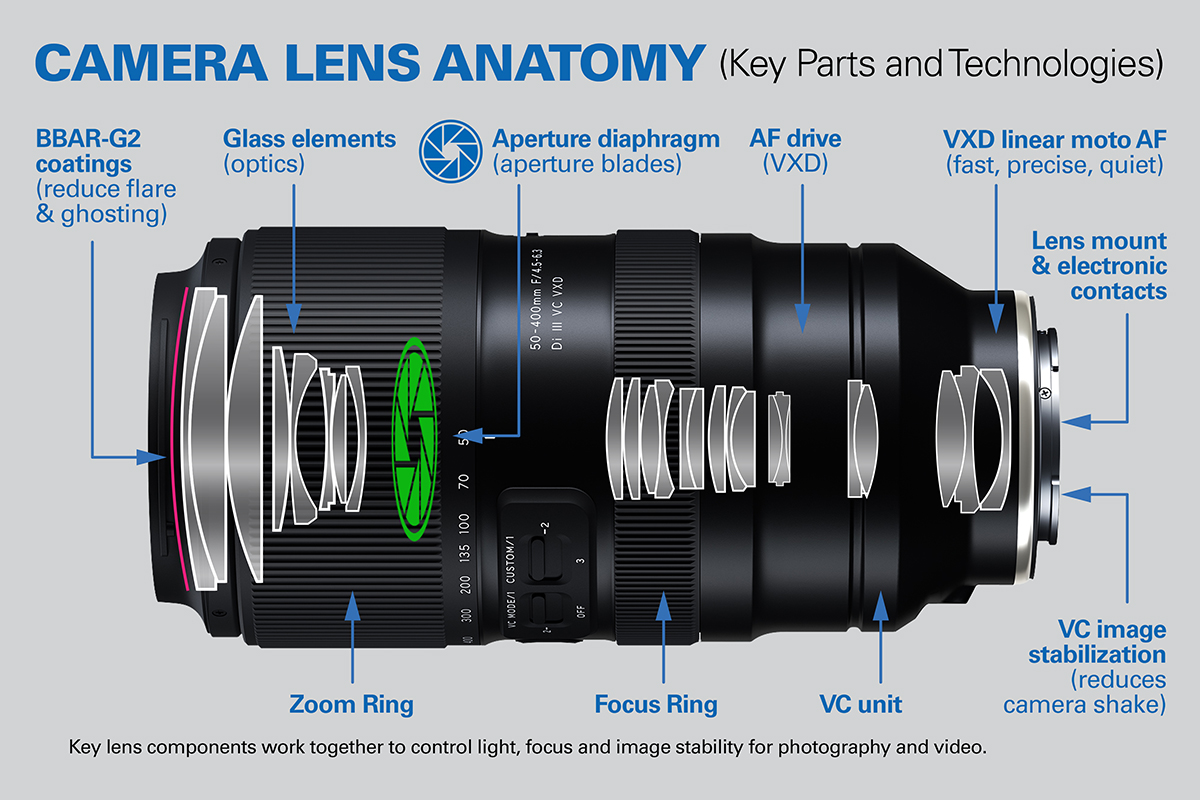
The main parts of a camera lens include the glass elements, aperture, focus and zoom rings, autofocus motor, image stabilization, and the lens mount that connects it to the camera. Together, these components control how light enters the camera, how the image is framed, and how sharp the final photo appears.
Glass elements focus light onto the camera sensor, while the aperture controls how much light enters the lens and how much of the image stays in focus. Focus and zoom rings help you adjust framing and focus, and autofocus systems handle those adjustments automatically when needed.
Many modern lenses also include image stabilization to reduce blur when shooting handheld.
What are the Different Types of Camera Lenses?
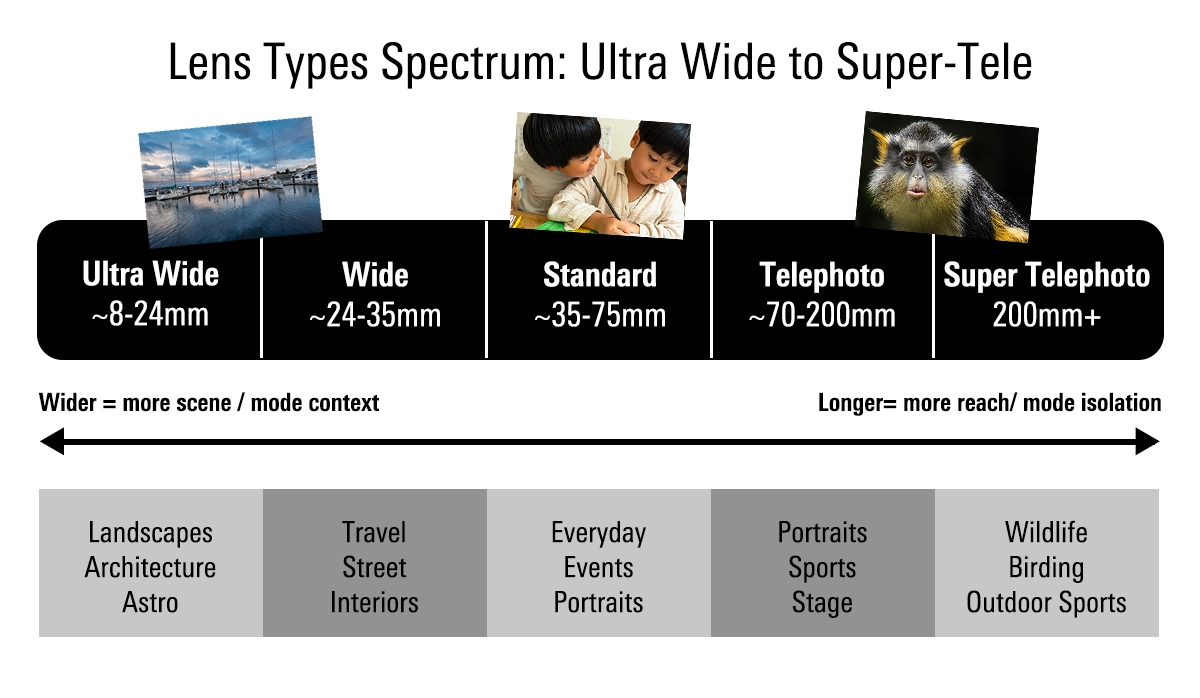
Camera lenses come in several main types, including ultra wide-angle, wide-angle, standard, telephoto, super-telephoto, macro, and specialty lenses. Each type creates a different field of view and visual style, which is why understanding lens categories makes choosing the right lens much easier.
Below is a practical overview of the most common camera lens types, what they’re used for, and the trade-offs to consider.
Ultra Wide-Angle Lenses

- Focal range: ~8-24mm
- Use cases: Landscapes, architecture, travel, astrophotography, hybrid photo/video
- Pros: Expansive field of view, dramatic perspective, strong foreground emphasis
- Cons: Can introduce distortion or stretched edges if subjects are too close
Ultra wide-angle lenses are designed to capture expansive scenes in a single frame. They are popular for landscapes and architecture where you want to show scale or include more of the surrounding environment.
This lens type also exaggerates perspective, making nearby objects appear larger while background elements feel farther away. When used carefully, this effect can create strong depth and leading lines in a composition.
Tamron option examples:
- For APS-C cameras: Tamron 11-20mm F/2.8 Di III-A RXD – excellent for landscapes and interiors with consistent brightness.
- For full-frame cameras: Tamron 16-30mm F/2.8 Di III VXD G2 – ideal for travel, wide landscapes, astrophotography and hybrid shooting.
Wide-Angle Lenses
- Focal range: ~24-35mm
- Use cases: Street, landscapes, events
- Pros: Natural wide perspective
- Cons: Not ideal for tight portraits or distant subjects
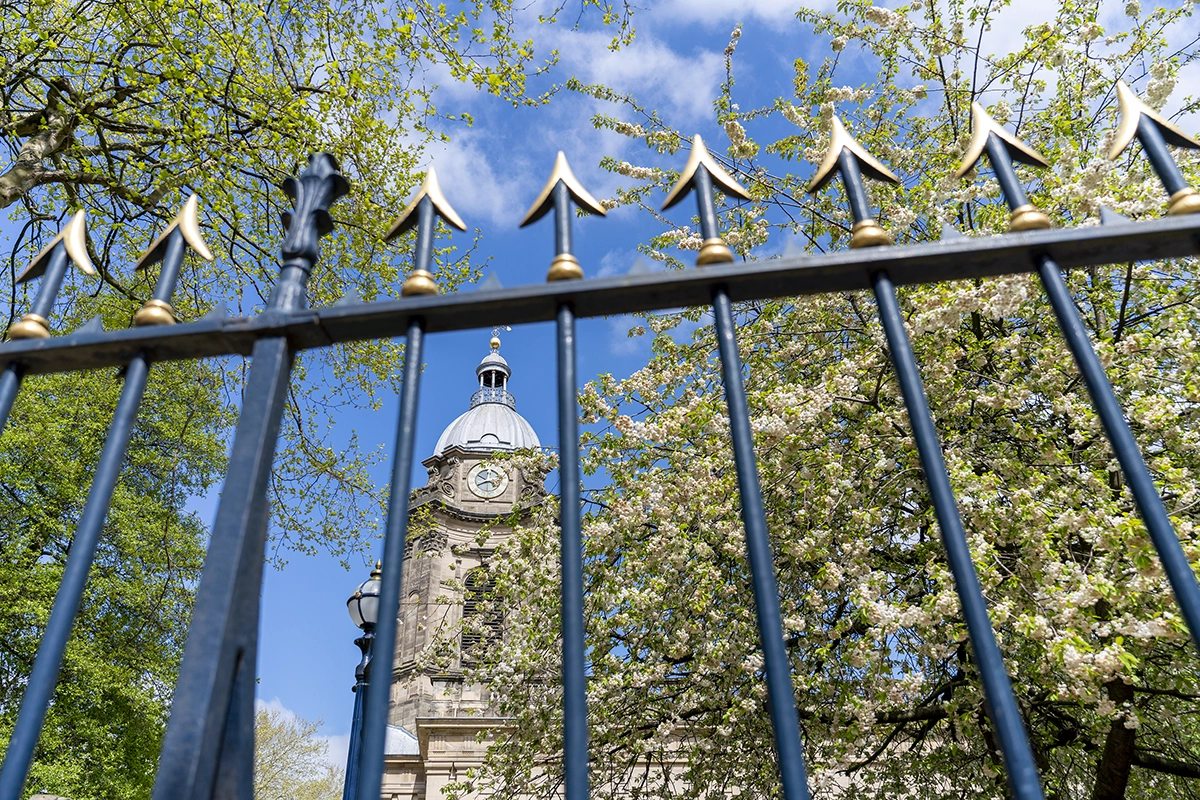
Wide-angle lenses capture more of the surrounding environment while maintaining a relatively natural perspective. They are commonly used for travel, street photography, and situations where showing context around a subject helps tell the story of the scene.
Tamron option example: Tamron 20-40mm F2.8 – versatile for travel, events, and environmental portraits.
Standard Lenses

- Focal range: ~35-75mm
- Use cases: Everyday, portraits, events, street, travel
- Pros: Natural perspective, flexible framing, strong general-purpose range
- Cons: Less reach for distant subjects
Standard lenses cover focal lengths that feel natural and versatile. This range works well for everyday photography, from group photos and street scenes to portraits and event coverage.
Because of their balanced field of view, standard lenses are often the easiest starting point for photographers who want one lens that works across many situations.
Tamron option examples:
- For APS-C cameras: Tamron 17-70mm F/2.8 Di III-A VC RXD – strong one-lens solution with stabilization.
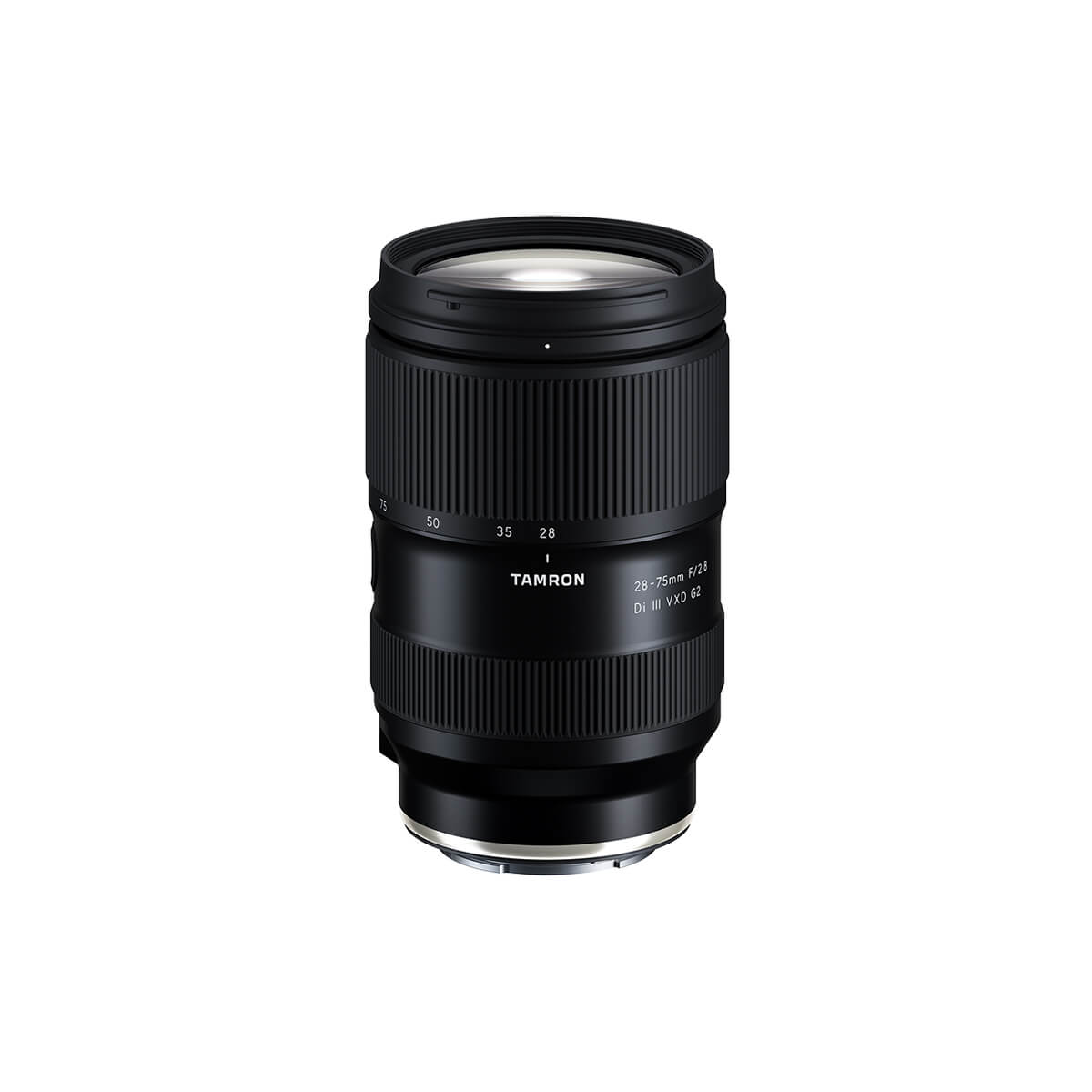
- For full-frame cameras: Tamron 28-75mm F/2.8 Di III VXD G2 – versatile everyday zoom for portraits, travel, and events.
Telephoto Lenses
- Focal range: ~70-200mm
- Use cases: Portraits, events, sports, stage performances
- Pros: Strong subject isolation, flattering compression, clean backgrounds
- Cons: Narrower field of view; requires more working distance
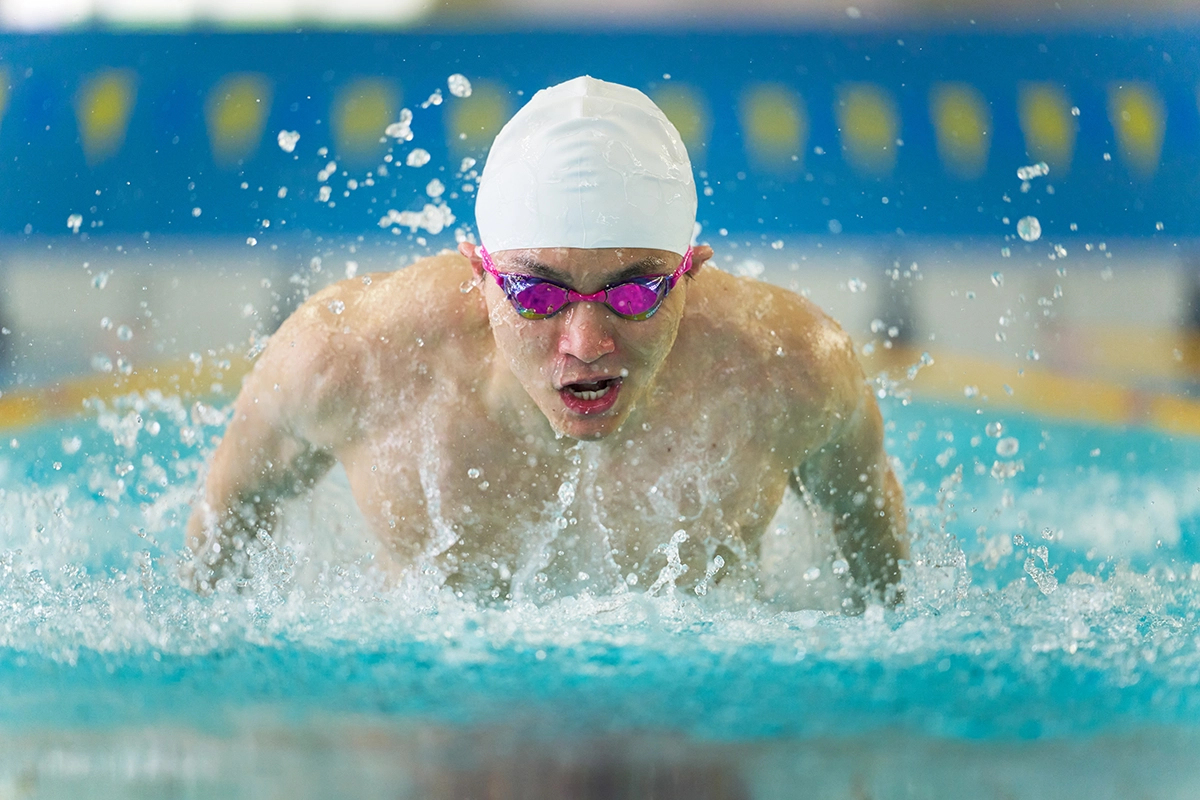
Telephoto lenses allow photographers to frame subjects tightly from a distance. This makes them useful for portraits, events, and sports where getting physically closer may not be possible.
Longer focal lengths also compress perspective, which can make backgrounds appear smoother and help isolate a subject from distracting elements in the scene.
Tamron option example: Tamron 70-180mm F2.8 VC VXD G2 – a strong telephoto zoom for portraits and action.
Super-Telephoto Lenses

- Focal range: ~200mm+
- Use cases: Wildlife, birding, outdoor sports, distant action
- Pros: Long reach, tight framing, strong subject separation
- Cons: Can be heavier, more sensitive to camera shake and heat haze
Super-telephoto lenses are designed for photographing subjects that are far away. They are commonly used for wildlife, bird photography, and outdoor sports where physical distance is unavoidable.
Because small movements are amplified at long focal lengths, stabilization and steady shooting technique become especially important when using these lenses.
Tamron option example: Tamron 150-500mm F/5–6.7 Di III VC VXD – long reach with stabilization for handheld shooting.
All-in-One Zooms

- Focal range: ~18-300mm (varies by model/system)
- Use cases: Travel, walkaround shooting, family moments, casual video
- Pros: Maximum versatility, fewer lens changes, simplified kit
- Cons: Optical compromises compared to specialized lenses
All-in-one zooms are designed for convenience, covering a wide range of focal lengths in a single lens. They are especially popular for travel and everyday photography because they reduce the need to switch lenses.
The trade-off is that all-in-one lenses typically prioritize versatility over specialized optical performance.
Tamron option examples:
- For APS-C cameras: Tamron 18-300mm F/3.5–6.3 Di III-A VC VXD – versatile travel range with stabilization.
- For full-frame cameras: Tamron 25-200mm F/2.8–5.6 Di III VXD G2 – wide-to-tele flexibility in one lens with a fast aperture at the wide end.
Macro Lenses

- Use cases: Close-up detail, product photography, food photography, nature
- Pros: True 1:1 magnification, fine detail rendering, creative close-focus looks
- Cons: Narrow field of view, depth of field becomes very thin up close
Macro lenses are designed for close-up photography, allowing photographers to capture small subjects with high detail. True macro lenses can achieve 1:1 magnification, meaning the subject can appear life-size on the camera sensor.
These lenses are often used for nature, product photography, and other situations where fine textures and detail are important.
Tamron option example: Tamron 90mm F/2.8 Di III VXD 1:1 Macro – built for close-up detail and creative control.
Fisheye Lenses
- Focal range: ~8-16mm
- Use cases: Creative effects, action sports, experimental perspectives
- Pros: Extremely wide view, dramatic curvature
- Cons: Strong distortion, but part of the look
Fisheye lenses are specialty lenses that intentionally curve straight lines and exaggerate perspective. They’re a creative tool rather than an everyday choice, but they can produce dynamic results for action sports, skate photography, and stylized compositions.
Tilt-Shift Lenses
- Use cases: Architecture, product photography, perspective correction
- Pros: Control perspective and plane of focus
- Cons: Specialized workflow, often manual focus, higher learning curve
Tilt-shift lenses allow photographers to correct perspective distortion (keeping vertical lines straight in architecture) and to creatively control the plane of focus. They’re widely used for professional architectural work and studio product photography.
How to Choose the Right Type of Camera Lens
Choosing the right lens starts with understanding how you want your images to look and how you plan to frame your subjects. Each lens type creates a different field of view, level of subject isolation, and sense of depth. By identifying how much of the scene you want to include and how close you need to appear to your subject, you can narrow your choice to the lens category that best fits your goals.
Below are practical considerations to help guide your decision.
How much of the scene do you want to include?
If you want to capture expansive scenes, interiors, or strong foreground-to-background depth, an ultra wide-angle or wide-angle lens is typically the best fit. These lens types include more of the environment in the frame and can emphasize leading lines and spatial relationships.
If you prefer a natural-looking perspective that works well for everyday photography, a standard lens offers balanced framing that feels familiar and versatile.
If you want a tighter composition without physically moving closer to your subject, a telephoto or super-telephoto lens narrows the field of view and increases subject isolation.
How far away is your subject?
Subject distance plays an important role in lens selection.
For subjects that are close to moderately far away, wide-angle and standard lenses are often practical choices.
For subjects that are farther away, such as concerts or sports, telephoto lenses provide tighter framing and clearer subject emphasis.
For very distant subjects, including wildlife or small details far from your position, a super-telephoto lens provides the reach needed to fill the frame.
Do you want convenience or specialization?
Some photographers prefer one lens that covers multiple focal lengths. All-in-one zoom lenses are designed to provide wide-to-telephoto coverage in a single lens, reducing the need to switch lenses throughout the day.
Others prefer a more specialized lens type that prioritizes a specific perspective or visual style. Choosing a dedicated ultra wide-angle, telephoto, or macro lens often provides performance advantages for that particular category.
Are you interested in close-up details?
If you plan to photograph small subjects or fine textures at close distances, a macro lens is designed specifically for that purpose. True macro lenses offer high magnification and allow you to focus close enough to reproduce subjects at life size on the sensor.
Prime or Zoom?
Once you have identified the lens type that fits your needs, you can decide whether a prime or zoom lens best supports your workflow.
Prime lenses have a fixed focal length and are often chosen for their simplicity and wide maximum apertures.
Zoom lenses offer a range of focal lengths within one lens, allowing you to reframe quickly without changing your position or switching lenses.
By first identifying the lens category that supports your framing goals and then choosing between prime and zoom, you can select equipment that aligns with both your creative intent and practical shooting needs.
Which Tamron Lens Will Meet Your Needs?
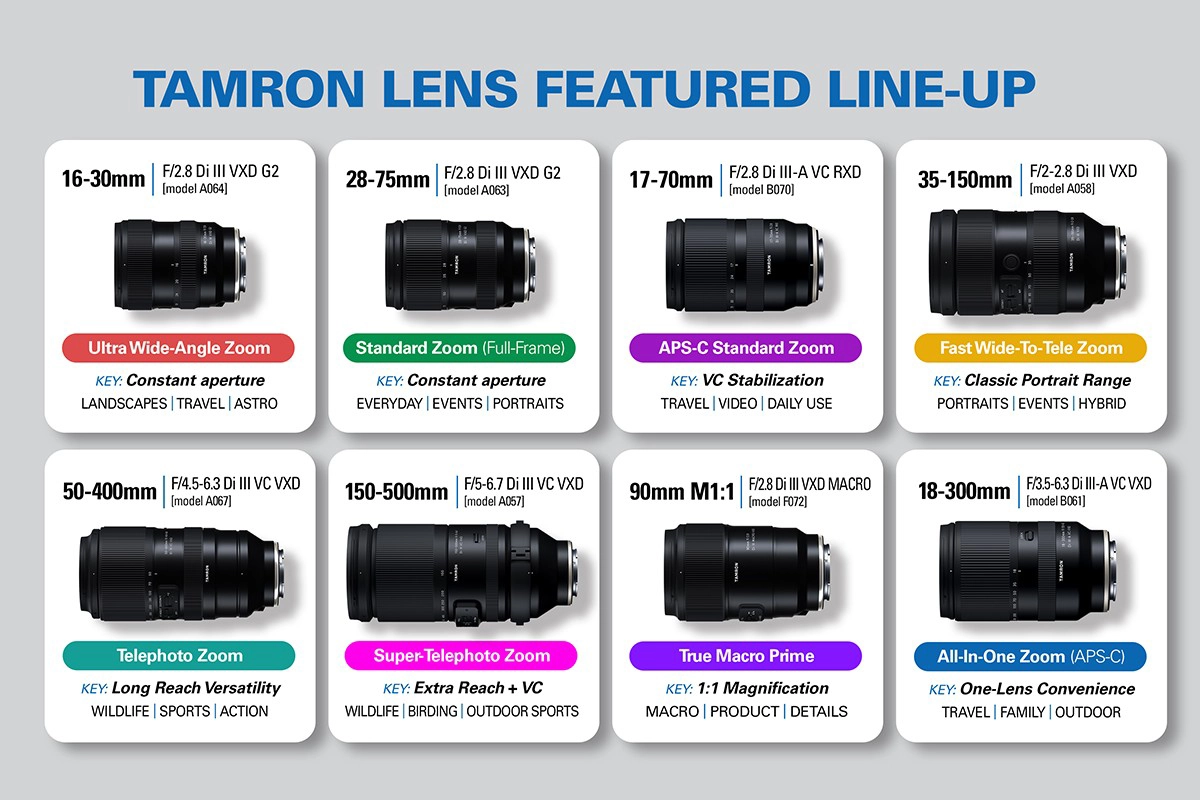
Tamron offers lenses across the major camera lens types, from ultra wide-angle and standard zooms to telephoto, super-telephoto, all-in-one, and macro options. After learning what each lens type is designed to do, the next step is selecting a lens that matches the field of view, reach, and handling you want in real-world shooting.
Below are Tamron lens recommendations organized by lens type.
Ultra Wide-Angle Lens Options

Tamron 16-30mm F/2.8 Di III VXD G2
A fast ultra wide-angle zoom designed for expansive framing in tight spaces and dramatic foreground-to-background depth.
Quick view:
- Ultra wide-angle range for immersive composition
- Constant maximum aperture for exposure consistency
- Strong option for hybrid photo and video workflows
Tamron 11-20mm F/2.8 Di III-A RXD (APS-C)
A bright APS-C ultra wide-angle zoom with consistent exposure and a compact setup.
Quick view:
- Ultra wide-angle coverage on APS-C
- Constant maximum aperture
- Useful for interiors and wide scene coverage
Wide-Angle Lens Options
Tamron 20-40mm F/2.8 Di III VXD
A wide-angle zoom that bridges wide framing and everyday composition in a compact range.
Quick view:
- Wide-to-standard coverage in one lens
- Constant maximum aperture
- Flexible option for walkaround shooting
Tamron 17-50mm F/4 Di III VXD
A lightweight wide-to-standard zoom designed for photographers who want a practical range in a compact build.
Quick view:
- Wide-angle framing with added versatility
- Consistent aperture behavior
- Strong option for portability focused kits
Standard Lens Options

Tamron 28-75mm F/2.8 Di III VXD G2
A standard zoom that covers everyday focal lengths through tighter framing, with consistent exposure across the zoom range.
Quick view:
- Standard zoom range for general-purpose shooting
- Constant maximum aperture for depth of field control
- Designed for fast-paced shooting and consistent results
Tamron 17-70mm F/2.8 Di III-A VC RXD (APS-C)
A constant-aperture APS-C standard zoom with stabilization support for handheld work.
Quick view:
- Standard zoom range optimized for APS-C
- Constant maximum aperture
- Stabilization support for handheld shooting and video
Tamron 35-100mm F/2.8 Di III VXD
A constant-aperture ultra compact standard zoom for candid portraiture and travel.
Quick view:
- Ultra compact design
- Constant maximum aperture
- Wide to medium telephoto range
Telephoto Lens Options

Tamron 70-180mm F/2.8 Di III VC VXD G2
A bright telephoto zoom built for tight framing and strong subject separation with a flexible range.
Quick view:
- Telephoto zoom range for tighter composition
- Bright maximum aperture for low light and background blur
- Fast, responsive autofocus performance
Tamron 70-300mm F/4.5-6.3 Di III RXD
A lightweight telephoto zoom that provides additional reach in a compact format.
Quick view:
- Extended telephoto reach
- Portable handling
- Practical option when weight and size matter
Super-Telephoto Lens Options

Tamron 150-500mm F/5-6.7 Di III VC VXD
A super-telephoto zoom designed for long-distance framing with stabilization support for handheld shooting.
Quick view:
- Long reach for distant subjects
- VC image stabilization support
- Designed for tracking and long-range detail
Tamron 50-400mm F/4.5-6.3 Di III VC VXD
A wide-range telephoto zoom that spans mid-telephoto through long reach in a single lens.
Quick view:
- Flexible reach for varied subject distance
- VC stabilization support
- Versatile long-range framing without switching lenses
All-in-One Zoom Lens Options

Tamron 18-300mm F/3.5-6.3 Di III-A VC VXD (APS-C)
An all-in-one zoom designed to cover wide scenes through long reach in one lens for APS-C systems.
Quick view:
- All-in-one range for wide-to-telephoto coverage
- VC stabilization support for handheld shooting
- Reduces lens changes across a wide variety of scenes
Tamron 25-200mm F/2.8-5.6 Di III VXD G2
A full-frame all-in-one zoom that balances wide coverage and reach with a bright wide end.
Quick view:
- Wide-to-telephoto coverage in one lens
- Bright aperture at the wide end
- Flexible framing with fewer lens changes
Tamron 28-300mm F/4-7.1 Di III VC VXD
A full-frame all-in-one zoom built for maximum range in a single-lens setup.
Quick view:
- Full-frame all-in-one range for broad versatility
- VC stabilization support for handheld shooting
- Convenient single-lens solution when range matters most
<H3>Macro Lens Options

Tamron 90mm F/2.8 Di III VXD 1:1 Macro
A true 1:1 macro lens designed for high magnification and fine detail rendering at close distances.
Quick view:
- True 1:1 macro magnification
- Comfortable working distance for close-up subjects
- Built for detail, texture, and precision focus
Tamron 35mm F/2.8 Di III OSD M1:2
A compact lens with 1:2 macro capability for close-up creativity in a smaller focal length.
Quick view:
- Close focusing for detail work
- Compact and lightweight handling
- Useful for everyday shooting with added close-up flexibility
Final Thoughts: Choosing the Right Camera Lens Starts
Understanding the different types of camera lenses helps photographers choose equipment that supports how they want to frame and capture their subjects. Once you understand how focal length, field of view, aperture, and lens design influence your images, it becomes much easier to select lenses that match your creative goals and practical shooting needs.
Each lens type offers a different perspective and capability. Ultra wide-angle lenses capture expansive scenes, standard lenses provide balanced everyday framing, telephoto lenses allow tighter composition from a distance, and macro lenses reveal fine detail at close range. Knowing when to use each lens type gives you more control over how your images look and how effectively you can capture the moment.
As you build or refine your lens kit, focus on choosing lenses that support the way you most often shoot. By understanding lens behavior and selecting equipment intentionally, you can work more efficiently in the field and achieve more consistent results.
Explore Tamron’s range of mirrorless lenses to find options that match the lens types covered in this guide and support the way you want to photograph the world.
Where to Buy Tamron Lenses
Learn more about Tamron lenses at an authorized Tamron dealer near you or shop directly at the official TAMRON Store.
Frequently Asked Questions About the Different Types of Camera Lenses
What are the main types of camera lenses?
The main types of camera lenses include ultra wide-angle, wide-angle, standard, telephoto, super-telephoto, macro, and specialty lenses. Each type is designed to capture a different field of view and support different photography goals.
How do I know what focal length I need?
Start with what you photograph most often. Wide focal lengths work best for landscapes, travel, and interiors, while longer focal lengths are better for portraits, wildlife, and sports. Zoom lenses are a flexible option if you want multiple focal lengths in one lens.
What’s the difference between a prime lens and a zoom lens?
A prime lens has one fixed focal length, while a zoom lens covers a range of focal lengths. Primes often prioritize simplicity and creative depth of field control, while zooms are popular for versatility and fast-paced shooting situations.
Is a bigger aperture always better?
Not always. A wider aperture can help in low light and create stronger background blur, but smaller apertures are often better for landscapes and scenes where you want more of the image in focus. The best aperture depends on your subject and creative intent.
Do I need image stabilization in my lens?
Image stabilization is most helpful for handheld shooting in low light, at longer focal lengths, or when recording video. It reduces blur from camera shake, but it won’t freeze fast-moving subjects—shutter speed is still the key for action.
What lens should beginners start with?
A standard zoom is often the easiest starting point because it covers wide-to-portrait focal lengths and works well for everyday subjects like travel, family, and street photography.
Can I use full-frame lenses on APS-C cameras?
Yes. Full-frame lenses generally work on APS-C cameras, but the field of view will look tighter because of crop factor.
Can I use APS-C lenses on a full-frame camera?
Sometimes, but APS-C lenses may not cover the full sensor area, which can cause vignetting or force the camera into crop mode depending on the system.
What does “macro” mean on a camera lens?
A true macro lens is designed for close focusing and high magnification. Many dedicated macro lenses offer 1:1 magnification for life-size detail capture.
What matters more: the camera body or the lens?
Both matter, but the lens has a major impact on sharpness, background blur, low-light flexibility, and overall rendering. Upgrading your lens is often one of the most noticeable improvements you can make.
 English
  Spanish
  French
  Portuguese