 Instant Savings
 Rebate Claims
 Support
 Find a Dealer
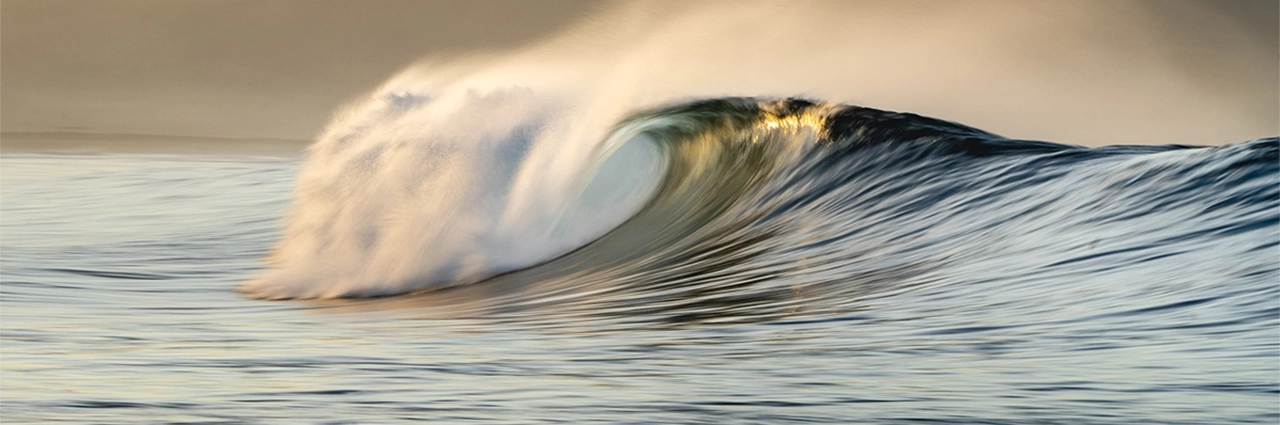
Call me bias, but I think ocean photography, especially wave photography, is the most meditative and beautiful genre of photography. Each wave is different — the colors, the saturation, and the form of every wave is unique. Which makes photographing waves, well, fun.
Wave photography is a form of ocean photography that includes everything from surf photography and wave portraits to wide coastal seascape photography.
Many of my favorite wave photos come from slowing down, watching the ocean, and waiting for the moment when light, shape, and motion all come together. These wave photography tips are based on seven years of experience photographing waves across 11 different oceans and seas.
So, in this article I will teach you how to photograph waves based on the lessons I have learned after years of shooting along coastlines around the world.
By Guest Contributor Dalton Johnson
What You’ll Learn In This Article:
- The camera gear you need to photograph waves
- The difference between photographing surfing waves vs seascapes
- Making waves look different with a slower shutter speed
- In water vs from land wave photography
- What makes a good wave photograph
What Is Wave Photography?
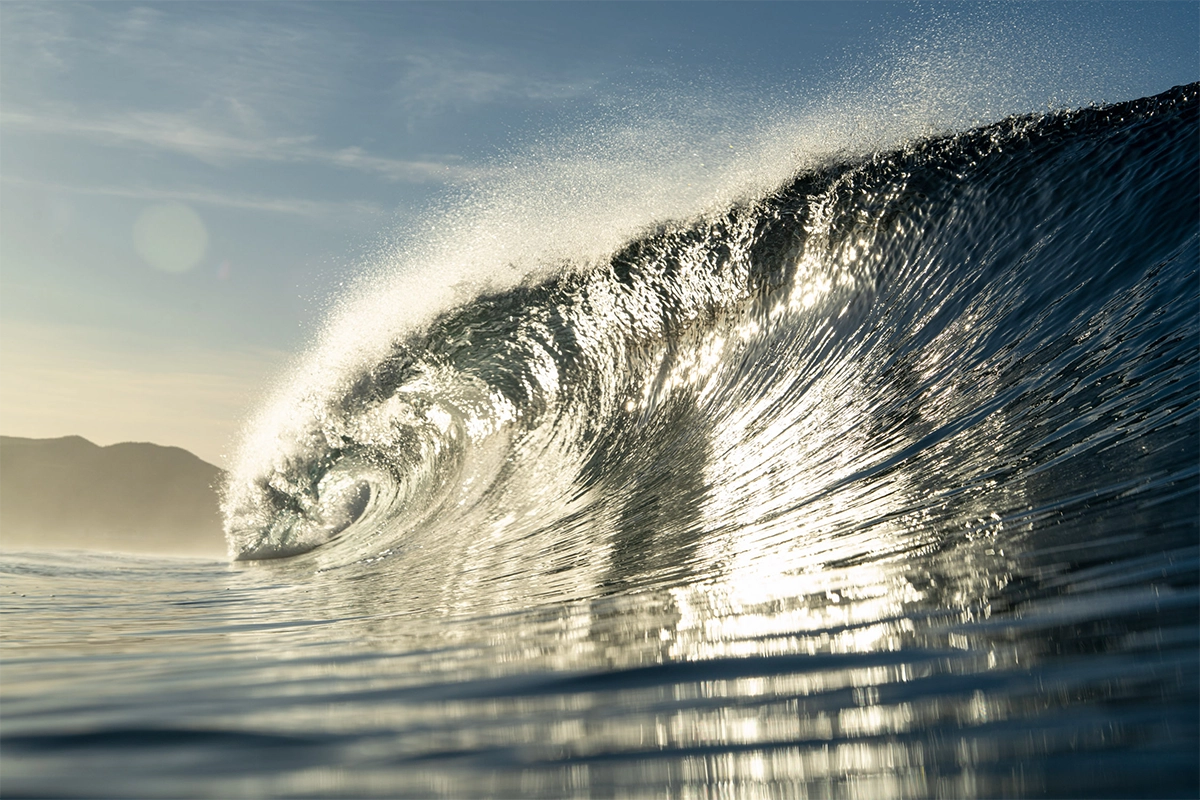
Wave photography is the art of capturing the movement, power, and texture of ocean waves through a camera lens. It can include sharp action shots of crashing surf, dreamy long exposures of coastal waves, or surf photography featuring riders inside a barrel.
Whether you shoot from the beach or in the water, wave photography is all about timing, light, and storytelling.
TIP 1: The Camera Gear You Need
When you are a beginner wave photographer keep your kit simple; one or two lenses, camera, tripod, and water housing. If you have too much gear, you’ll spend more time fiddling with it than you will using your camera gear.
Here’s my suggestion for a beginner ocean photographer interested in surf photography or seascapes. Underwater photography has a different kit list.
Your Wave Photography Gear Checklist
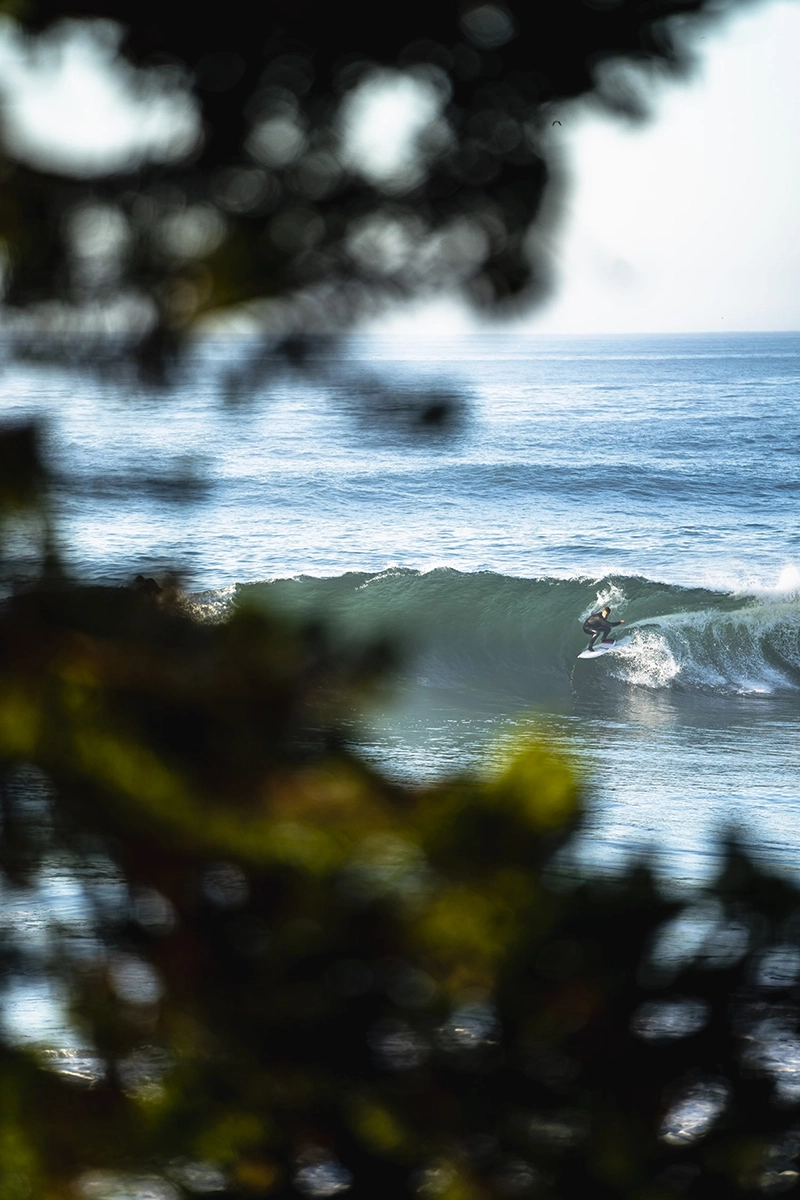
From Land:
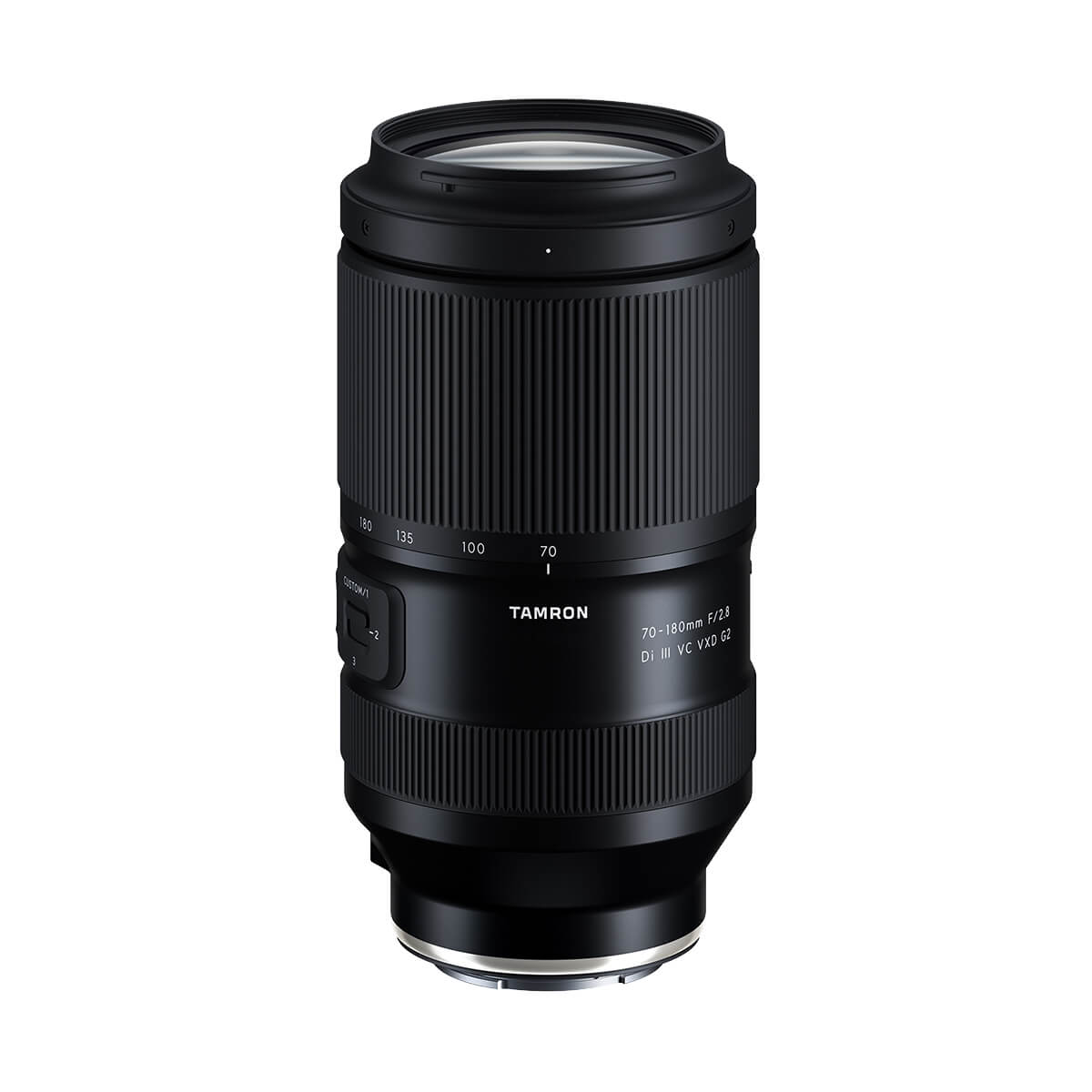
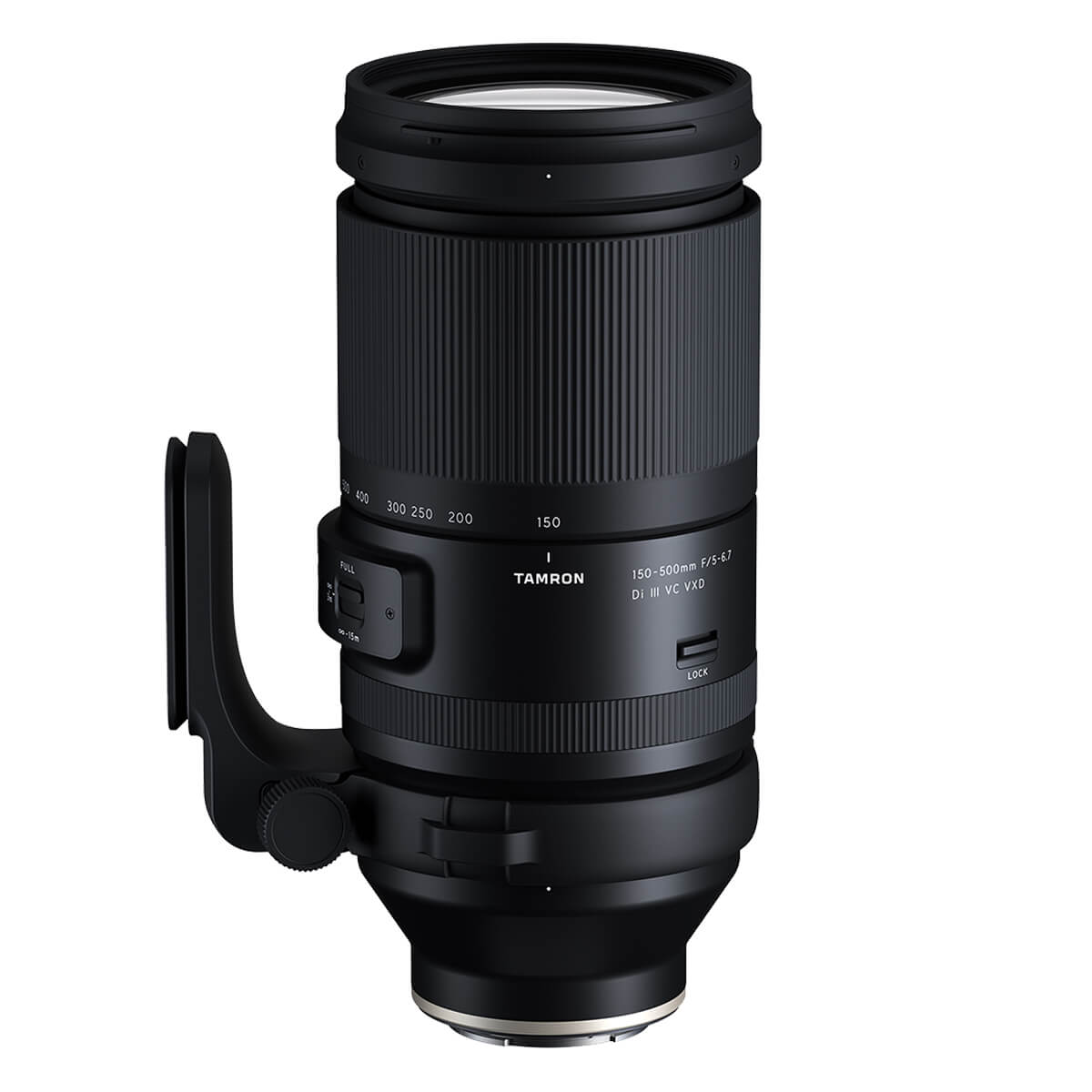
- Long Telephoto Lens like the Tamron 70-180mm F/2.8 Di III VC G2 or Tamron 150-500m F/5-6.7 Di III VC VXD for wave portraits
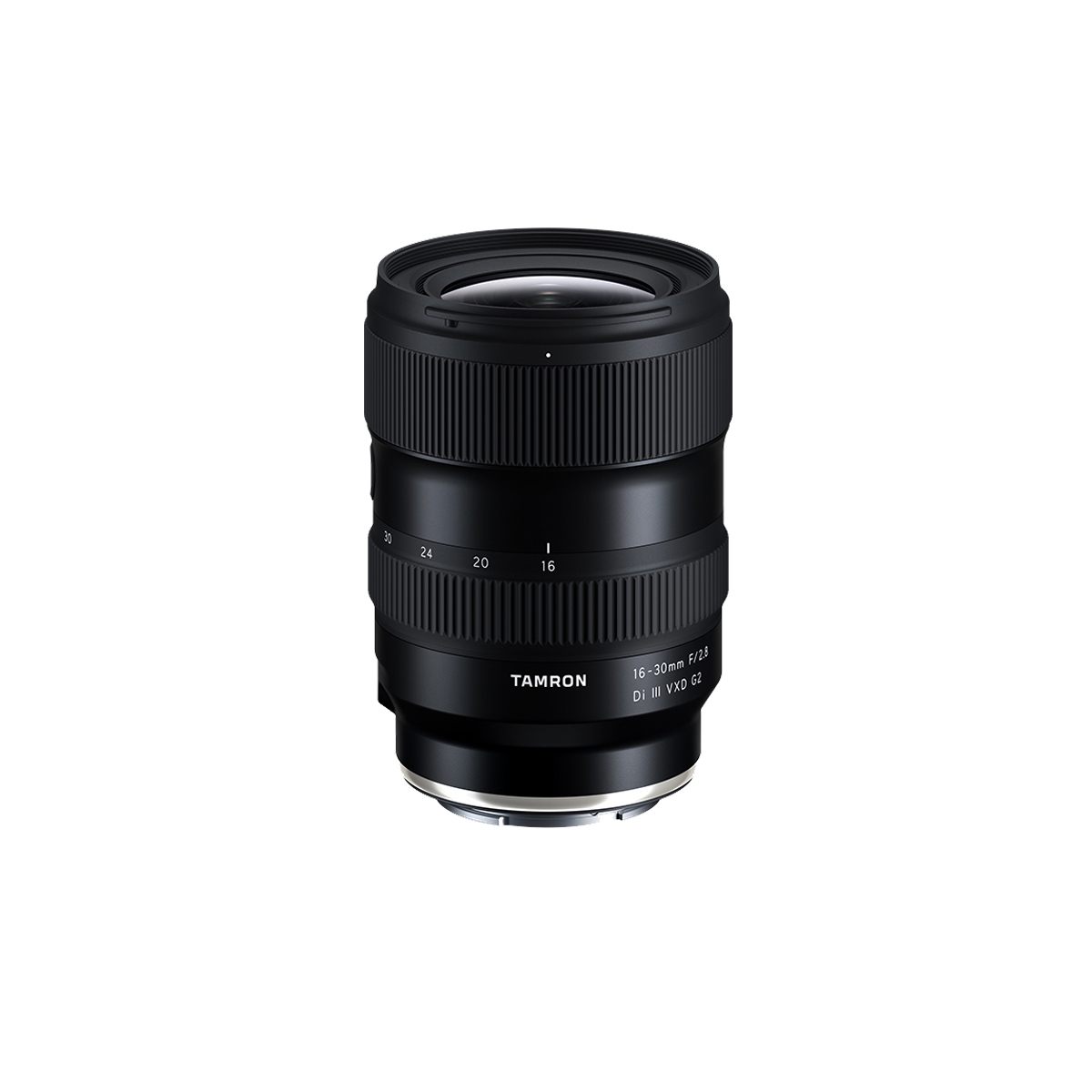
- Wide-Angle Lens like the Tamron 16-30m F/2.8 Di III VXD G2 for seascapes
- Tripod
In Water:
- Ultra Wide-Angle Lens; like the Tamron 16-30mm F/2.8 Di III VXD G2
- Neutral Density Filter or Circular Polarizer
- Waterproof housing for your camera and lens
In my opinion, the best lens for wave photography is the Tamron 16-30mm Di III VXD G2.
Once you have this gear, get shooting and photograph a lot. When I say a lot, I mean, take hundreds of images each time you go out. Play, make mistakes, and learn what you like and don’t like. Since you are photographing on digital, put in the repetitions!
TIP 2: Photographing Surfing Waves VS Seascapes
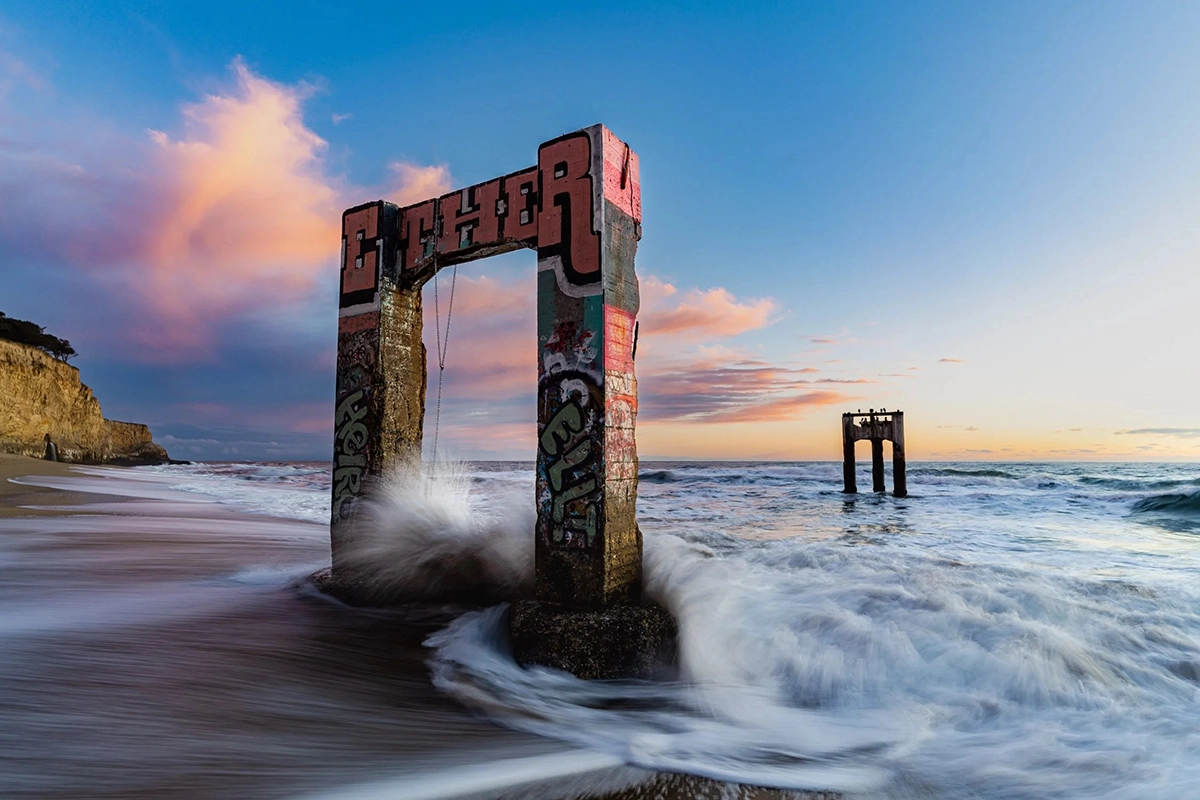
There is a large difference between photographing surfing waves over seascapes, but I didn’t know that starting out. In fact, I put both disciplines of wave photography in the same group, but they are strikingly different.
Here’s the difference:
Surfing waves are about:
- Shape, like ramps or barrels
- Energy and movement
- The dream of riding the wave
Surfing waves don’t need to have a surfer, but the wave should at least look ridable. Meaning the waves should have a shape like a ramp, or a barrel, because the surfing world is looking to day dream about riding the wave you are photographing.
Seascapes are about:
- Coastline and atmosphere
- Light, mood, and composition
- The larger landscape story
Seascapes are landscape photographs of the coastline. These coastal wave photographs can have surfing waves in them, but they are not needed. The whole goal of seascape photographs is to show off the coastal landscape many humans love.
Composition Tips for Wave Photography
- Use foreground elements for depth in seascapes
- Leave negative space to emphasize wave scale
- Watch how wave lines lead the viewer’s eye
- Time the frame just before or after the wave breaks
While this difference is small, the intention behind the images are drastically different. Which only matters when you start sharing your work to help you find an audience who will enjoy your photography.
TIP 3: The Camera Settings For Wave Photography

If you’re wondering what camera settings are best for wave photography, it all comes down to shutter speed.
Wave photography lands on a spectrum from sharp to silky smooth, which is created by your shutter speed.
Wave Photography Settings Cheat Sheet
- Freeze motion: 1/1250 sec or faster
- Soft blur: 1/100–1/60 sec
- Long exposure: 1 second or longer with an ND filter
- ISO: Keep as low as possible
- Aperture: Adjust for exposure and depth
Camera Modes and Focus Tips for Wave Photography
- Use continuous autofocus to track moving waves and surfers
- Enable burst mode to capture the exact moment a wave breaks
- Shutter priority works well for fast-changing wave conditions
- Switch to manual mode for consistent exposures in golden hour light
On the sharp end of the spectrum, you will be using a shutter speed of 1/1250 or faster. Yes, you can use 1/800 for a sharp image, but fast waves will still blur at that speed.
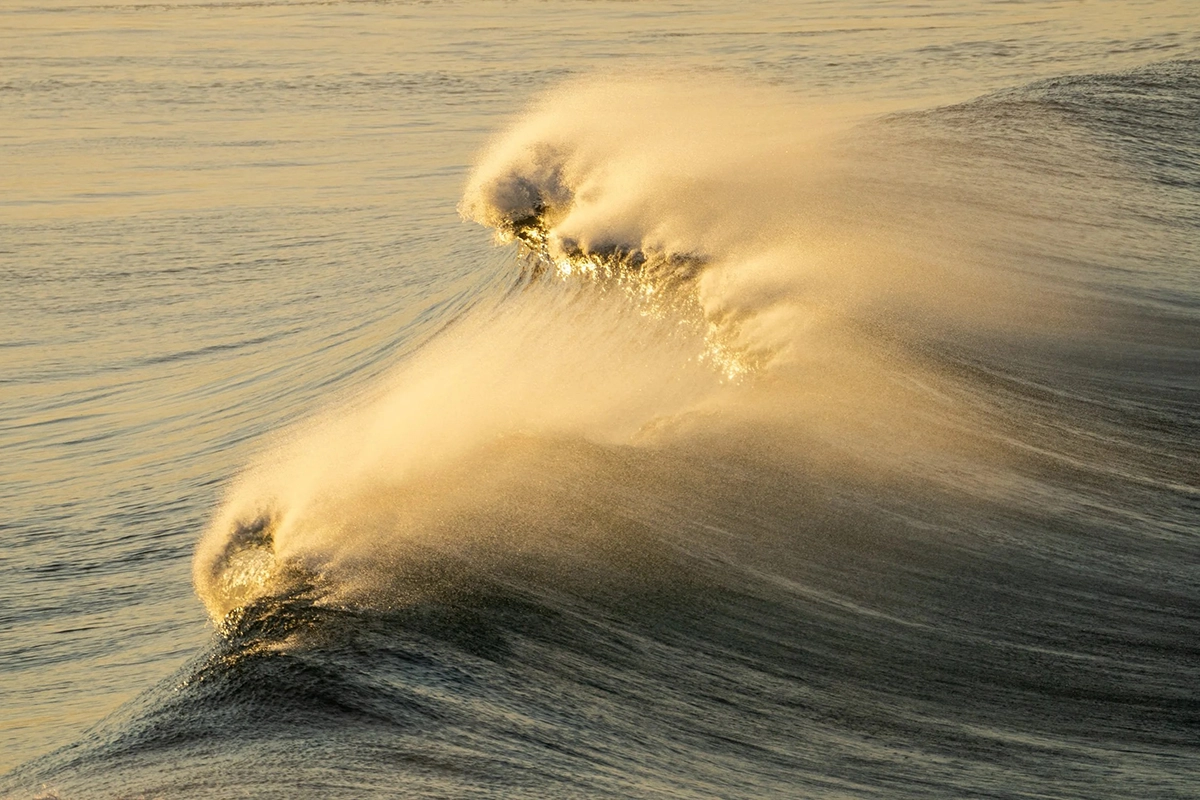
On the other side of the spectrum, the silky smooth side, you will slow your shutter speed down to 1/100 of a second or slower. I often use the 1/60 and pan. An example of a slower shutter speed wave photograph is above.
Your f-stop and ISO don’t matter as much, so adjust them accordingly to properly expose your image.
Pro Tip: Bring a neutral density filter so you can use slower shutter speeds even in bright daylight.
TIP 4: Photographing Waves From Land VS In The Water
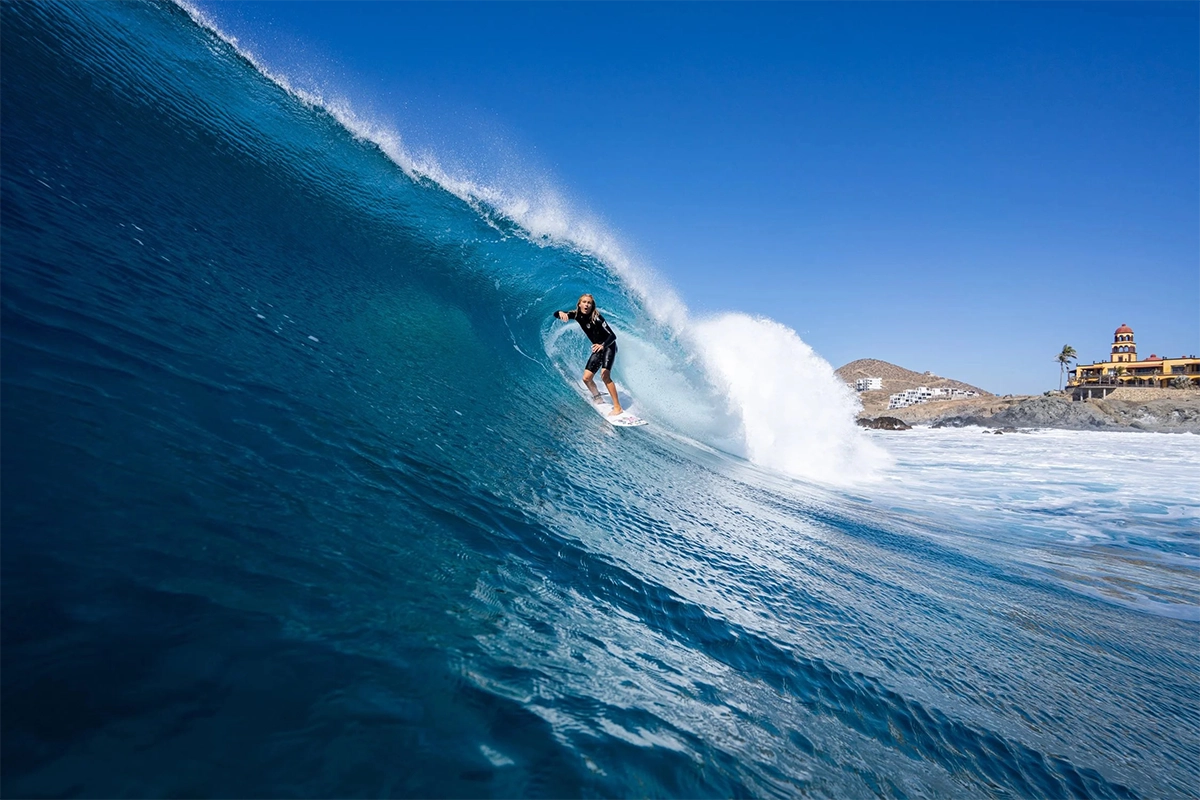
The first and most important factor to consider is your ability to swim. If you are not a good swimmer, please do not photograph in the water. The ocean is a dangerous place and in water photography can be very dangerous!
With the disclaimer out of the way, the biggest difference between in water and land photography has to do with your positioning and what you can capture.
Photographing waves from land is best for:
- Sunrise and sunset light
- Long exposures using a tripod
- Safe wave portraits
From the land, photographing waves is very safe and “easy”. You walk up, set up a tripod, and snap.
Photographing waves in the water is best for:
- Surf action up close
- Barrel perspectives
- Midday light inside the wave
In water photography is great for surf photography and portraits of a wave. You are up close and personal when you are photographing waves from the water.
Wave and Ocean Conditions to Watch For
- Offshore wind helps clean up wave shape
- Incoming tides often produce better wave form
- Storm swells create dramatic crashing waves
- Calm mornings are ideal for wave photography from land
I am not a fan of photographing from the water in low light, meaning early morning and late evening, because the images often turn out muddy. Meanwhile photographs from land taken at this time are beautiful.
So, when I am on a photography trip for waves and surfing, I focus on land photography when the light is low and in the water when the light is high.
TIP 5: Creating Good Wave Photography
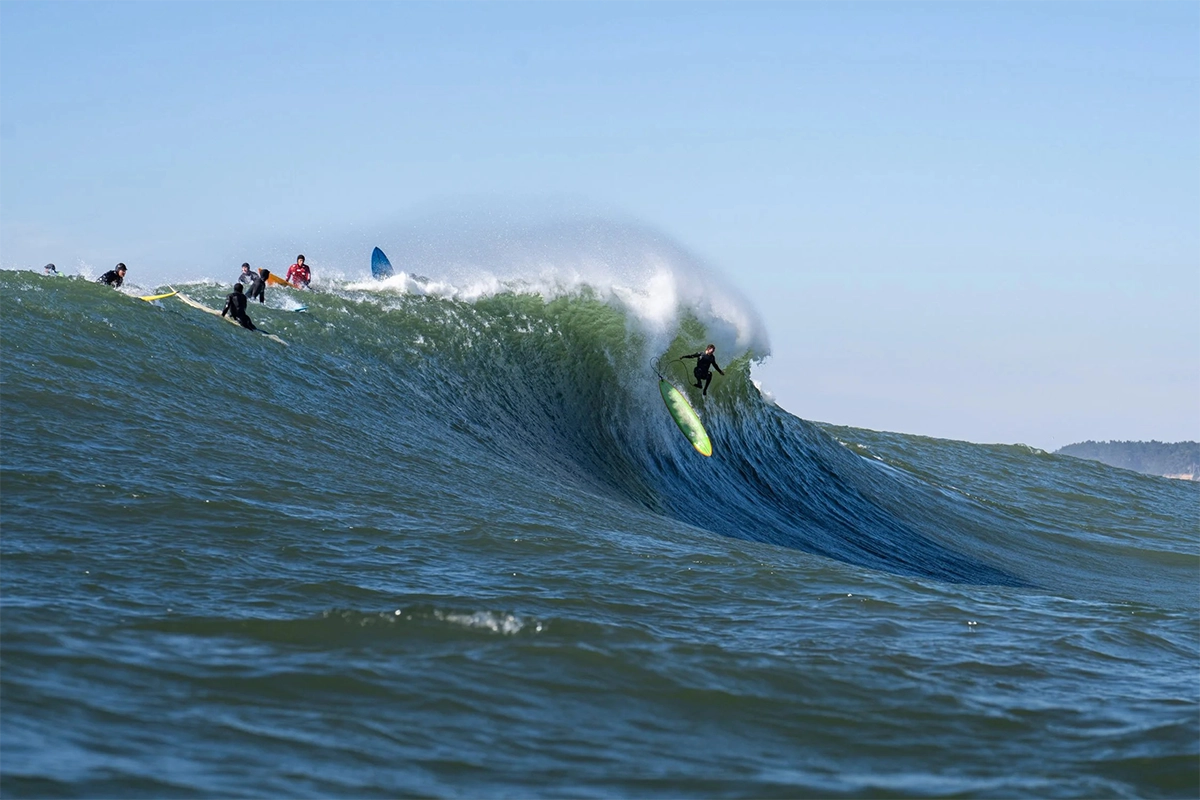
Like all art, “good” is subjective, but there is a dogma that good wave photography will leave the viewer wanting to see more images. To create photographs that people want to see more of consider your ability to tell a story in the image:
- Create tension, like the point of a wave crashing or about to break.
- Create narrative, a surfer taking off on a massive wave or a surfer about to fall
- Create wonder, a dream seascape under a beautiful sunrise, sunset, or the milky way
If you can create this feeling of “wanting to see more” you will have created a “good wave photograph.”
Best Locations for Wave Photography
If you’re looking for the best locations for wave photography, focus on coastlines where waves have shape, texture, and strong light.
Some great places to start include:
- Rocky shorelines with crashing waves
- Surf breaks like Mavericks or Santa Cruz
- Beaches in Baja California
- Coastal cliffs during golden hour
- Any shoreline after a storm swell
Shooting waves at sunrise or sunset during golden hour adds depth, color, and texture that flat midday light often lacks.
The best wave photography location is often the one you can return to again and again.
Conclusion
Regardless of your experience level, if you want to take photographs of waves, you should. This art form is gorgeous, and you get to experience nature at some of its most exhilarating points.
From the water, or the land, wave photography is fun to create and should leave a smile on your face after each session.
Most beginners struggle with timing and patience, but wave photography improves quickly with repetition and observation.
I hope you found this article to be helpful and if you want to connect, send me a DM on Instagram (link below).
People Also Ask About Wave Photography
How do you photograph waves from the beach?
To photograph waves from the beach, use a tripod and a telephoto or mid-range zoom lens to isolate wave shapes and details. Shooting from land allows you to work safely while focusing on timing, composition, and light, especially during sunrise or sunset when waves catch more texture and color.
What camera settings are best for wave photography?
The best camera settings for wave photography depend on the look you want. For sharp, frozen waves, use a fast shutter speed around 1/1250 or faster. For motion blur or silky water, slow your shutter speed to 1/100 of a second or slower and adjust your aperture and ISO to balance exposure.
What shutter speed should I use for crashing waves?
For crashing waves with lots of power and spray, a shutter speed of 1/1250 or faster helps freeze fine details. Slower shutter speeds can work if you want blur and motion, but fast-moving waves will lose sharpness below about 1/800.
What is the best lens for wave photography?
The best lens for wave photography depends on where you’re shooting from. Wide-angle lenses are ideal for seascapes and in-water photography, while telephoto lenses are better for wave portraits and surf photography from the beach.
Is wave photography better at sunrise or sunset?
Wave photography works well at both sunrise and sunset. Early morning and late evening light adds depth, color and texture to waves, especially when shooting from land. Midday light can be better for in-water surf photography when light fills the face of the wave.
How does a polarizer help with wave photography?
A circular polarizer helps reduce glare on the surface of the water, allowing you to see more texture and color in ocean waves. It’s especially useful for wave photography from land during bright conditions.
Do you need a waterproof housing for wave photography?
A waterproof housing is only necessary if you plan to photograph waves from the water. For surf photography or in-water wave shots, a housing protects your camera while allowing you to shoot close to the action.
About Dalton Johnson

Over the last 10 years, Dalton’s creative work has taken him to every continent, above the arctic circle, and below the Antarctic circle. His travels are documented in a free, weekly newsletter called UnBound, which is written for adventure-minded, photography-loving humans who want to read great stories every Wednesday. Website | Instagram
 English
  Spanish
  French
  Portuguese