Instant Savings
 Rebate Claims
 Support
 Find a Dealer

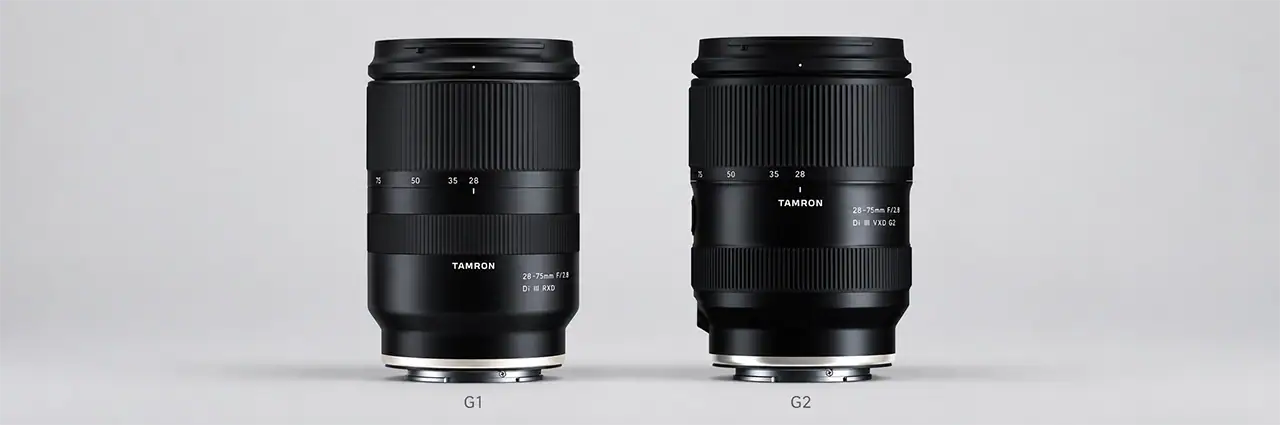
The Tamron 28-75mm G2 upgrades the original G1 with VXD linear-motor autofocus, redesigned optics, and closer focusing. The original RXD model (A036) was available exclusively for Sony E mount and is now discontinued. The Tamron 28-75mm F/2.8 Di III VXD G2 (A063) is available for Sony E and Nikon Z.
Both generations feature a versatile 28-75mm focal range and constant F2.8 maximum aperture for portraits, events, travel, and everyday photography. However, the G2 introduces meaningful improvements in autofocus speed, optical performance, close-up capability, customization, and ergonomics.
Understanding these differences will help existing Sony E-mount owners evaluate an upgrade and new buyers identify the model compatible with their camera.
Table of Contents
- Which Tamron 28-75mm Is Right for You?
- Tamron 28-75mm G1 vs G2: Full Specifications
- What’s the Difference Between VXD and RXD Autofocus?
- What the G2’s Redesigned Optics Add
- How Close Does the Tamron 28-75mm G2 Focus?
- Size, Weight and Handling: What Changed
- Should Current 28-75mm RXD Owners Upgrade?
- Which Tamron 28-75mm Should You Buy?
- Find the Right Tamron Standard Zoom
- Frequently Asked Questions
Which Tamron 28-75mm Is Right for You?
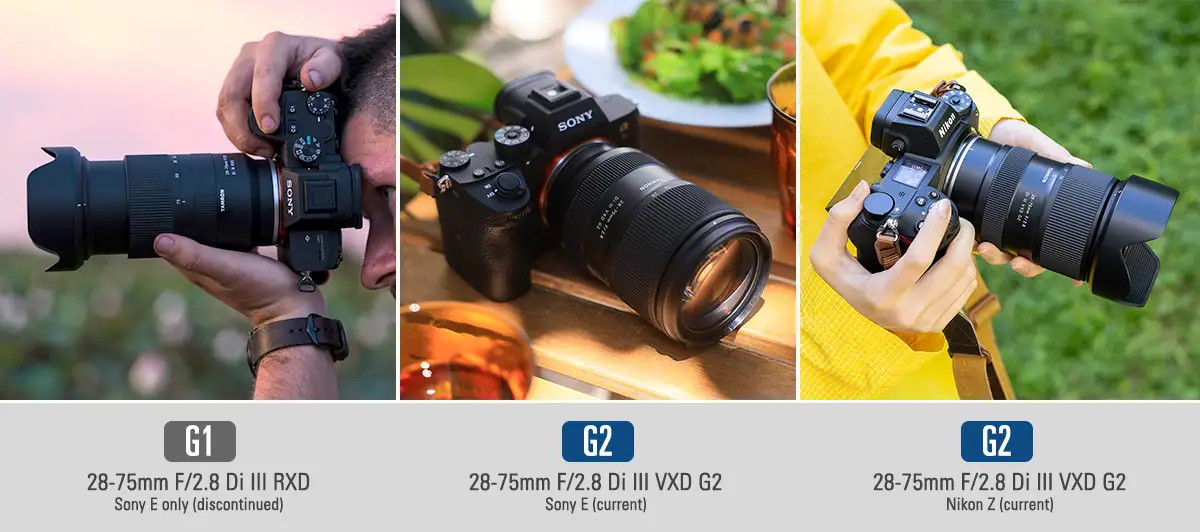
Buy the G2 if you shoot Nikon Z or want a new 28-75mm F2.8 for Sony E, since it’s the only generation still sold new. The original RXD (A036) was Sony E-only and is discontinued. If you already own it, the G2 is worth it if you shoot moving subjects or video.
If You Shoot Nikon Z
The Tamron 28-75mm G2 is the available generation for Nikon Z photographers. Tamron introduced the Nikon Z-mount version on April 18, 2024, bringing the redesigned optical system, VXD autofocus, and close-focusing capabilities to Nikon’s full-frame mirrorless system. There is no native Nikon Z version of the original RXD lens.
The G2 provides a constant F2.8 aperture across the 28-75mm range, making it a flexible standard zoom for travel, portraits, events, and general photography.
If You Shoot Sony E
Sony E photographers can buy the G2 new or find the G1 used, since Tamron discontinued the original RXD model. Choose the G2 for VXD autofocus, closer focusing at 28mm, and Lens Utility controls. Existing G1 owners should upgrade if they shoot moving subjects or video.
For Sony photographers already familiar with the original 28-75mm, the biggest changes involve autofocus responsiveness, optical performance, close focusing, and customizable lens operation.
Tamron 28-75mm G1 vs G2: Full Specifications
The G2 replaces RXD with VXD autofocus, adds two elements (17 in 15 groups versus 15 in 12), focuses closer at 28mm, and adds Lens Utility support and a Nikon Z version. The Sony E G2 is 0.4 oz (10g) lighter. Both share the 28-75mm range, constant F2.8, 67mm filters, F22 minimum aperture, and no VC. The following comparison uses Tamron’s published specifications.
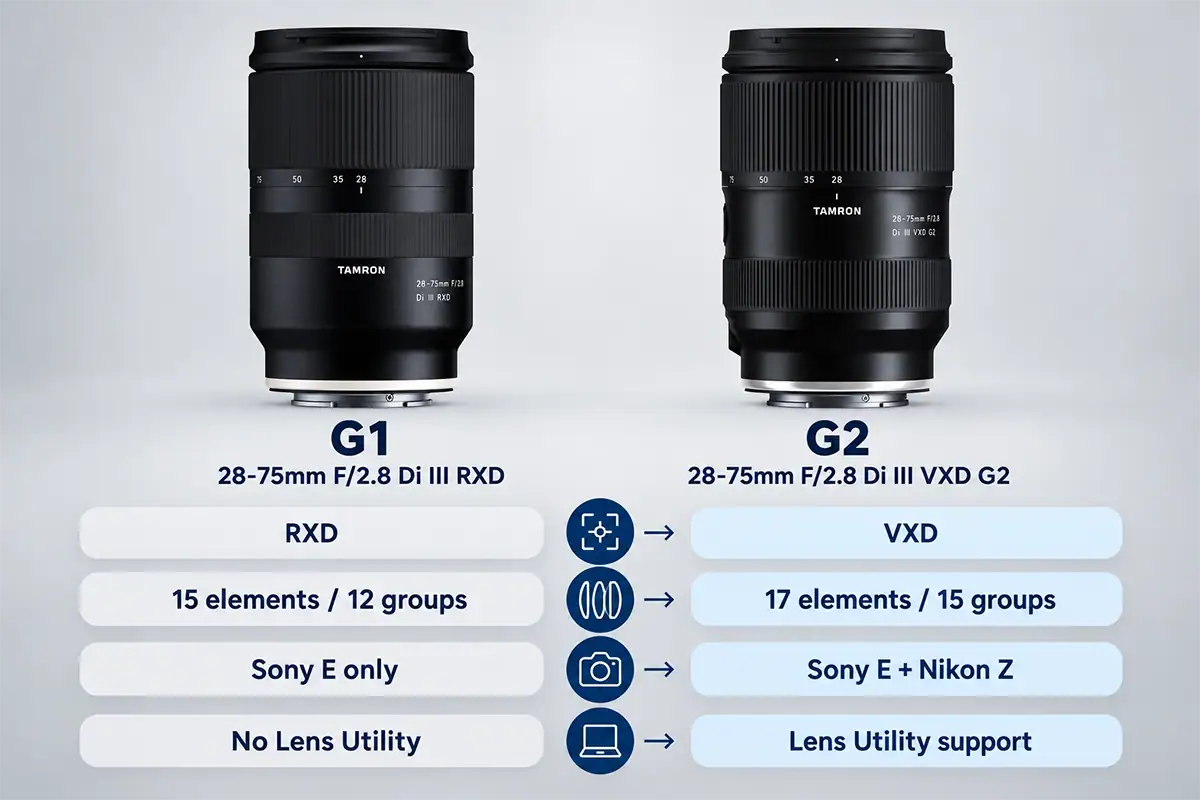
*Specifications note: G2 Nikon Z-mount dimensions are 4.7″ (119.8mm) in length and 19.4 oz (550g) in weight. All other G2 dimensions listed above are based on the Sony E-mount version.
Despite the additional optical elements and updated autofocus mechanism, the G2 retains nearly the same dimensions as the original.
For a broader look at focal lengths and features, explore how the 28-75mm G2 compares to Tamron’s other standard zooms.
What’s the Difference Between VXD and RXD Autofocus?

The primary autofocus difference between the Tamron 28-75mm G1 and G2 is the motor technology. The original lens uses RXD, Tamron’s stepping-drive autofocus system. The G2 introduces VXD, a linear-motor mechanism designed for high-speed, high-precision focusing and responsive subject tracking, making autofocus one of the most significant generational upgrades.
- RXD stands for Rapid eXtra-silent stepping Drive. This autofocus system uses a stepping motor to deliver precise, smooth, and quiet focusing for still photography and video.
- VXD stands for Voice-coil eXtreme-torque Drive. Tamron’s linear-motor focusing mechanism delivers fast, accurate autofocus response, strong tracking performance, and extremely quiet operation.
The VXD system in the 28-75mm G2 provides responsive focusing throughout the lens’s focusing range, from its minimum object distance to infinity. This keeps focus on subjects that change position or move unpredictably.
How Much Faster Is the G2’s Autofocus?
According to Tamron, the 28-75mm G2 delivers autofocus speeds approximately twice as fast as the original 28-75mm G1. This comparison specifically measures the VXD autofocus mechanism against the RXD drive used in Model A036. Actual autofocus behavior also depends on the camera, subject, lighting, and shooting conditions.
The increased responsiveness matters most when photographing subjects that move toward or away from the camera or when using continuous autofocus.
Where the Autofocus Speed Difference Actually Shows
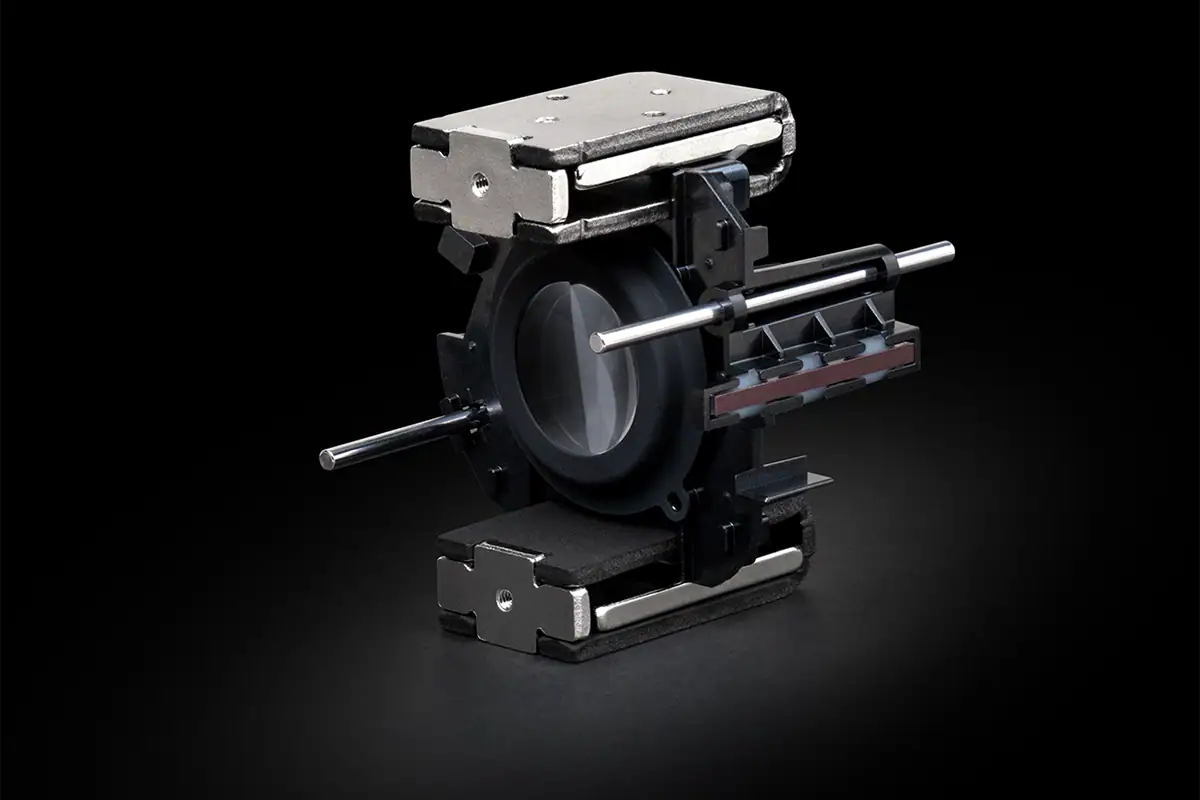
The VXD autofocus advantage becomes most meaningful when subjects are moving and focus needs to adjust continuously. Photographers capturing children playing, active pets, weddings, live events, or run-and-gun video gain the most from faster autofocus response and reliable tracking. For a carefully composed static portrait, the difference is small.
The VXD motor also operates extremely quietly, making it suitable for environments where distracting operational noise should be minimized. For videographers, quiet autofocus is particularly useful when recording dialogue, interviews, or natural ambient sound. Tamron notes that some operational sounds may still be recorded depending on the shooting environment.
What the G2’s Redesigned Optics Add
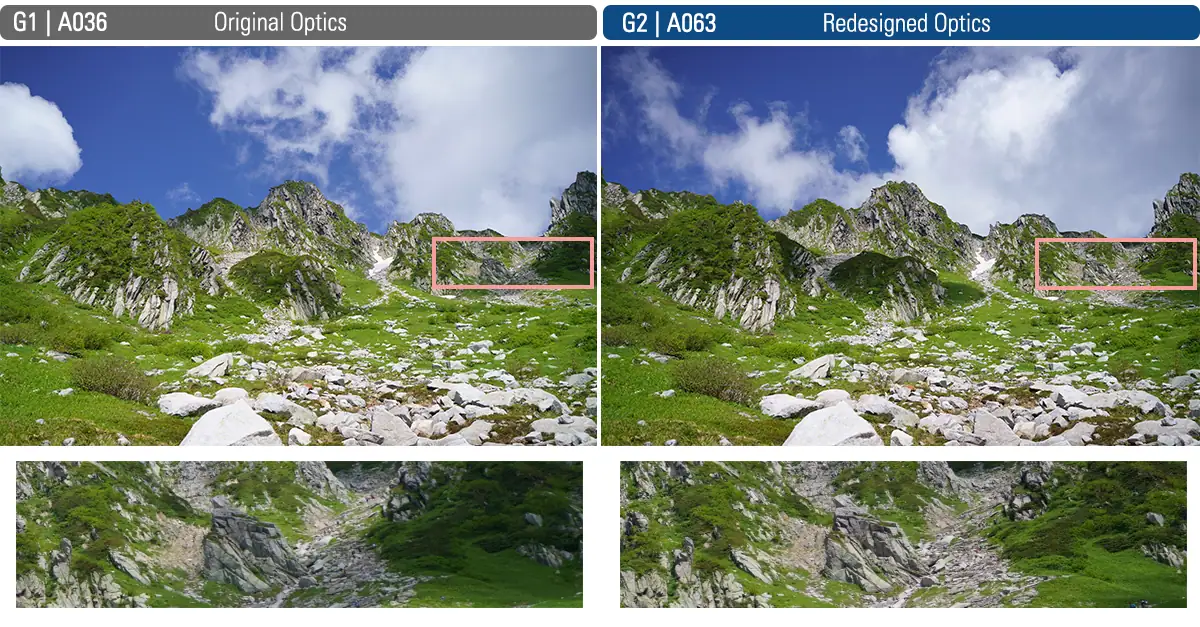
The Tamron 28-75mm G2 features an optical system redesigned from the ground up. Its construction increases from 15 elements in 12 groups in the G1 to 17 elements in 15 groups in the G2. Tamron reports improvements in resolution throughout the zoom range, including edge-to-edge detail, while maintaining beautiful, soft bokeh.
The G2 optical design incorporates:
- Two LD (Low Dispersion) elements: Reduce chromatic aberrations and color fringing.
- Two GM (Glass Molded Aspherical) elements: Correct optical aberrations and improve resolution across the frame.
- BBAR-G2 coating: Tamron’s second-generation Broad-Band Anti-Reflection coating suppresses ghosting and flare, particularly in challenging lighting conditions.
- Nine-blade circular diaphragm: Produces pleasing background blur and rounded out-of-focus highlights.
Tamron reports marked image-quality improvements over the first generation, including higher resolving power at the edges of the frame and across the zoom range.
For portraits, the constant F2.8 aperture separates subjects from distracting backgrounds while preserving fine facial detail. For landscapes, travel, and architectural photography, improved resolving performance supports detailed images throughout the frame.
These optical enhancements also make the G2 well suited to today’s high-resolution full-frame mirrorless cameras, where rendering fine details across the image becomes increasingly important.
How Close Does the Tamron 28-75mm G2 Focus?

The Tamron 28-75mm G2 focuses as close as 7.1″ (0.18m) at 28mm, compared with 7.5″ (0.19m) for the original G1. The G2 also increases maximum wide-angle magnification from 1:2.9 to 1:2.7, allowing photographers to capture small subjects with greater detail and a dramatic wide-angle perspective.
At minimum focus, the G2 provides a working distance of approximately 1.7″ (4.4cm) between the front of the lens and the subject. This differs from minimum object distance, which is measured from the camera’s sensor plane.
At 75mm, the G2 focuses as close as 15″ (0.38m), with a maximum magnification ratio of 1:4.1. The original G1 focuses to 15.4″ (0.39m) at 75mm, with a maximum magnification ratio of 1:4.
These close-focusing capabilities allow photographers to explore:
- Flowers, foliage, and natural textures.
- Food photography and tabletop details.
- Travel souvenirs, handmade objects, and collectibles.
- Creative foreground elements in environmental compositions.
Pro Tip: Use the G2 at 28mm when you want a close-up subject to appear prominent while still including its environment. Switch toward 75mm for tighter framing and a more comfortable working distance.
Although the G2 offers excellent close-up versatility, it is not a dedicated 1:1 macro lens.
Size, Weight and Handling: What Changed
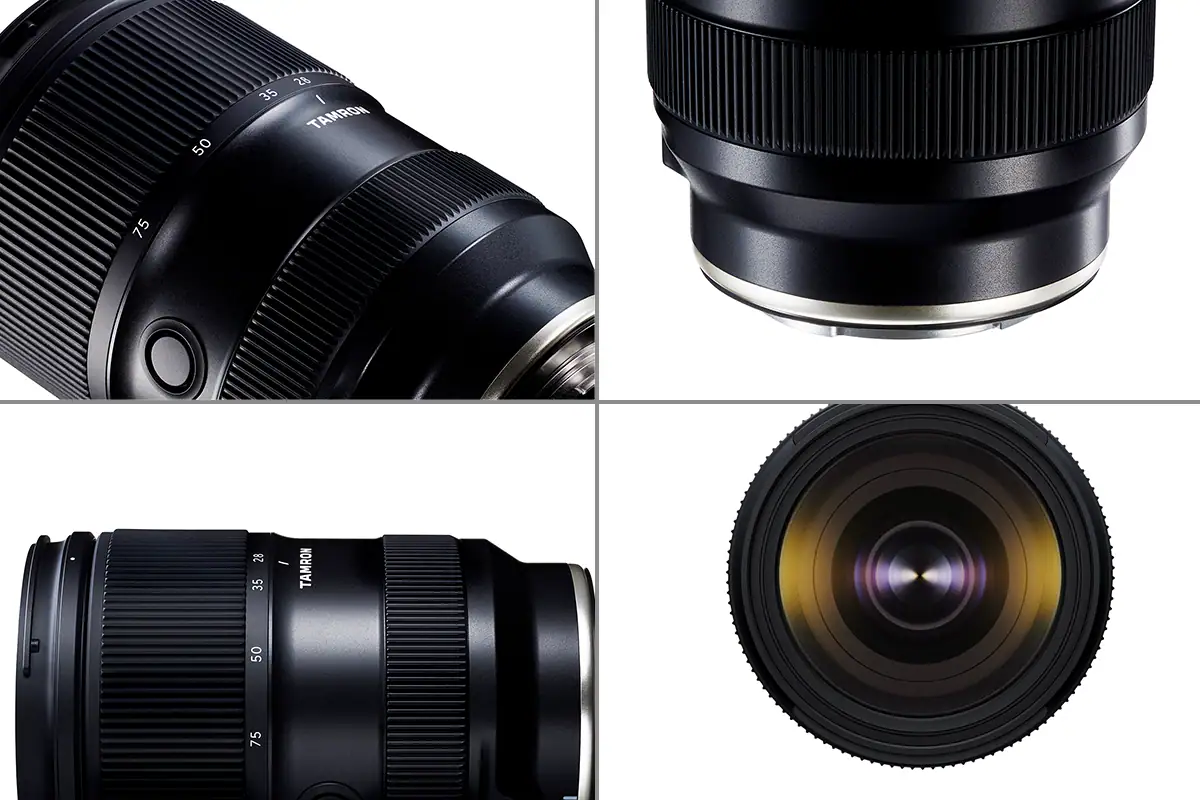
The Tamron 28-75mm G2 retains nearly the same compact dimensions as the original while introducing a redesigned barrel and additional features. The Sony E-mount G2 weighs 19.0 oz (540g), compared with 19.4 oz (550g) for the G1, and measures 4.6″ (117.6mm) long versus 4.6″ (117.8mm) for the original.
The G2 is slightly wider, measuring 2.98″ (75.8mm) in maximum diameter versus 2.87″ (73mm) for the G1.
Beyond these measurements, Tamron refined several aspects of the lens’s handling:
- Redesigned zoom and focus rings: Updated grip textures and adjusted zoom-ring resistance support smoother operation.
- Sculpted barrel profile: Contoured surfaces create a comfortable, secure grip.
- Improved exterior finish: Greater resistance to scratches and fingerprints keeps the barrel looking clean.
- Moisture-Resistant Construction: Seals provide additional protection when photographing outdoors.
- Fluorine Coating: The front element’s protective coating repels moisture, oil, and fingerprints.
- Connector Port: Enables compatibility with TAMRON Lens Utility for supported lens customization and firmware updates.
Through TAMRON Lens Utility, photographers and videographers can customize supported focusing functions, modify manual focus ring behavior, and access additional shooting controls. Available functions vary by lens mount and software version. Firmware updates through the Connector Port require the computer version of the software.
These improvements refine everyday handling without adding meaningful size or weight.
Photographers interested in Tamron’s wider G2 improvements can also explore the Tamron Trinity Lens overview.
Does the G2 Take the Same Filters?
Both generations of the Tamron 28-75mm F2.8 use 67mm filters, so existing circular polarizers, neutral density filters, and compatible front lens caps carry over when upgrading. Tamron also maintains this filter diameter across its G2 F2.8 zoom trinity, making accessories easier to share across lenses.
That trinity consists of the:
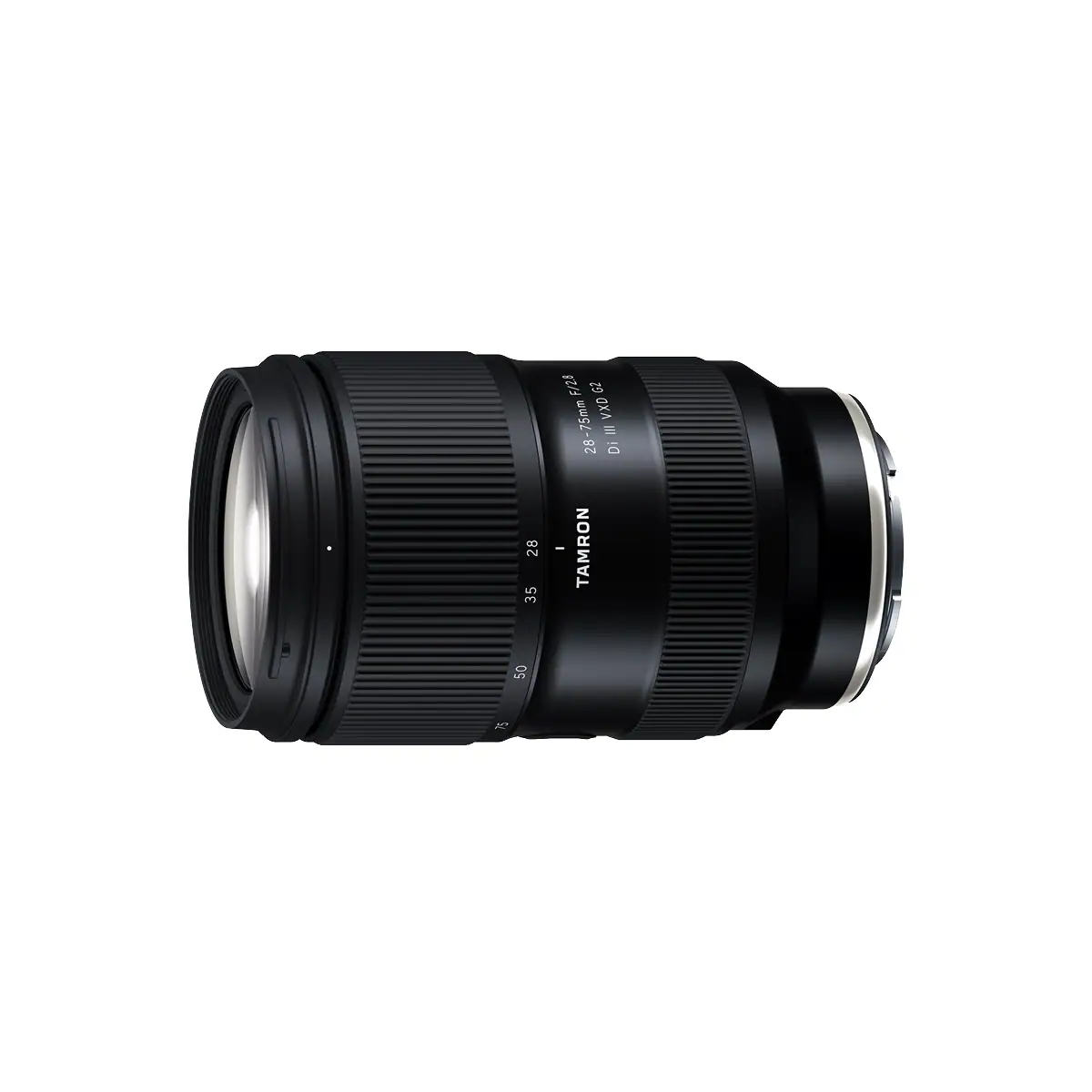
- 28-75mm F/2.8 Di III VXD G2 — The versatile fast-aperture standard zoom with redesigned optics and responsive VXD autofocus.
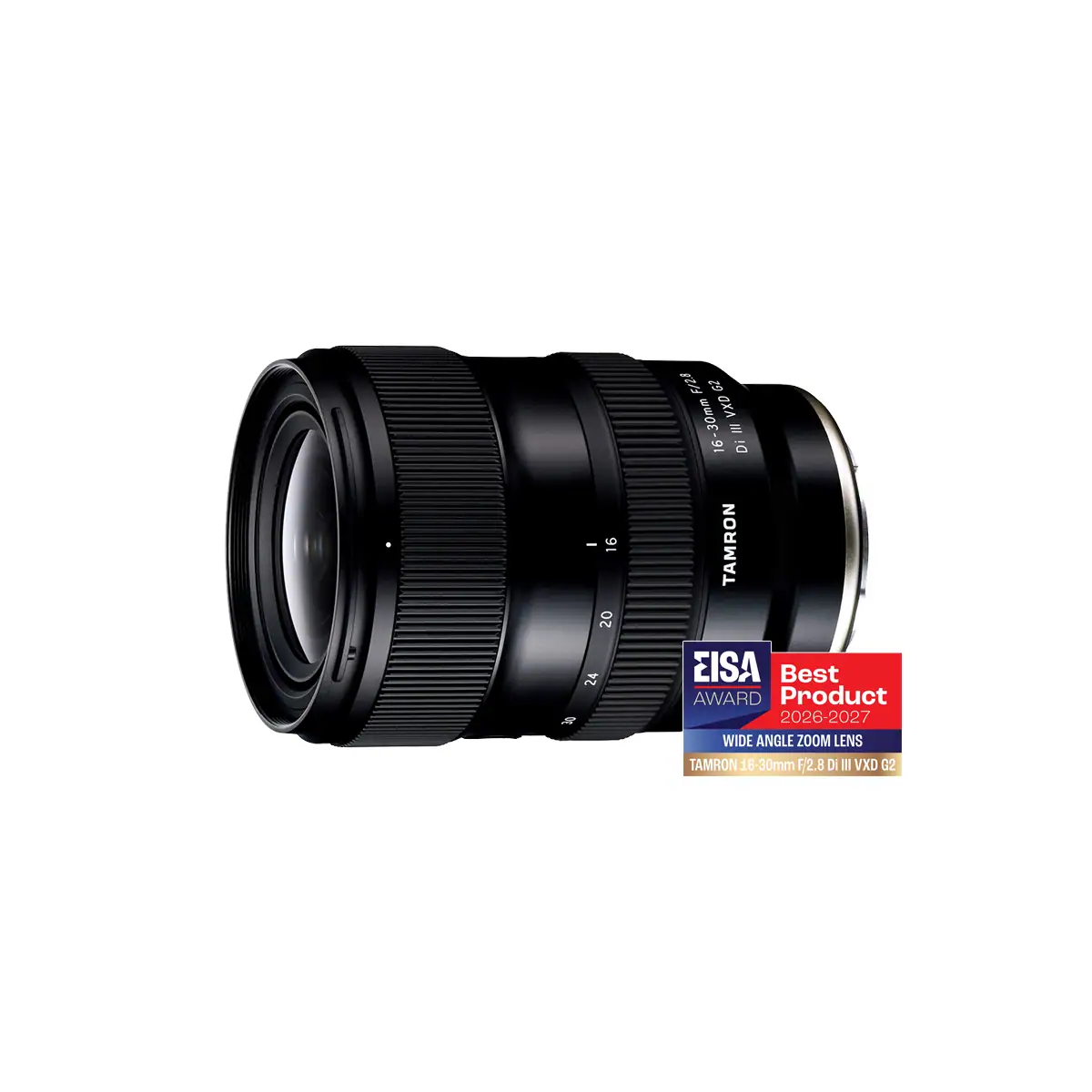
- 16-30mm F/2.8 Di III VXD G2 — The ultra-wide G2 zoom for landscapes, architecture, travel, and astrophotography.
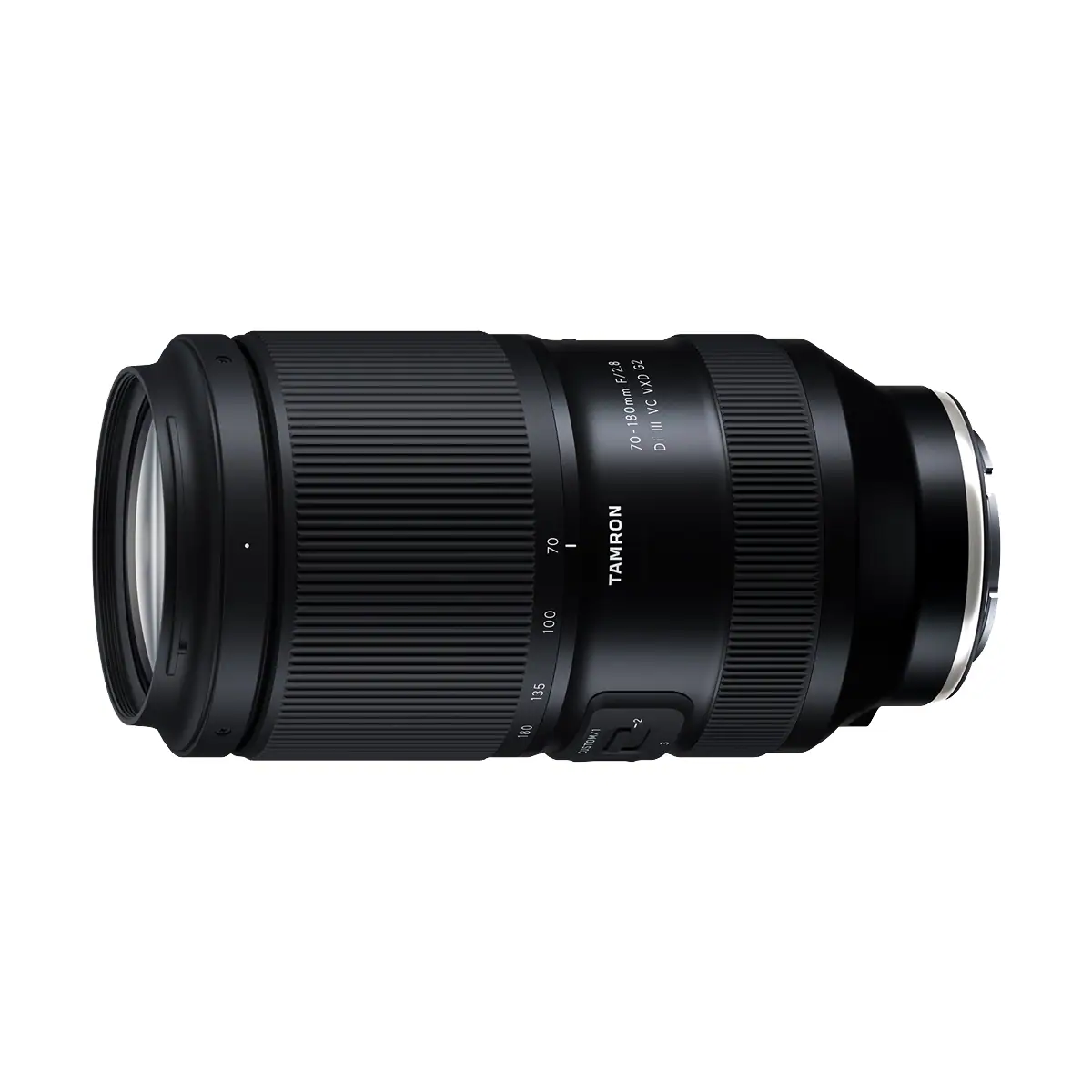
- 70-180mm F/2.8 Di III VC VXD G2 — The compact fast telephoto zoom offering extended reach and VC image stabilization.
Together, they cover 16mm through 180mm with a constant F2.8 maximum aperture. Shared 67mm filters offer additional convenience for photographers building a versatile three-lens kit.
The two 28-75mm generations use different designated lens hoods, so those should be matched to the individual model.
Review G1 versus G2 16-30mm wide-angle comparisons and G1 versus G2 70-180mm telephoto comparisons.
Should Current 28-75mm RXD Owners Upgrade?
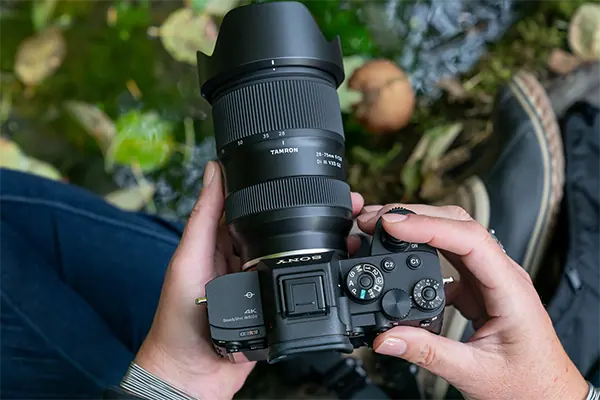
Upgrade if you shoot moving subjects, events, or video, where the G2’s VXD autofocus is about twice as fast as RXD, per Tamron. Upgrade too for Lens Utility controls or closer focusing at 28mm. Keep your RXD if you mostly shoot static subjects and are happy with its image quality, since the range and aperture don’t change.
The specific changes are worth considering individually.
Autofocus Performance
Tamron reports that the G2’s VXD autofocus operates approximately twice as fast as the RXD mechanism in the original A036. Photographers who frequently capture moving subjects may find this improvement particularly relevant.
Optical Performance
The G2’s redesigned construction incorporates 17 elements in 15 groups, including specialized LD and GM elements. Tamron reports improved image resolution throughout the zoom range, particularly at wider apertures and toward the edges of the frame.
Close-Up Capabilities
At 28mm, the G2 focuses to 7.1″ (0.18m) with 1:2.7 magnification. The G1 focuses to 7.5″ (0.19m) with 1:2.9 magnification. The difference expands creative opportunities for close-up wide-angle photography.
Customization and Handling
The G2 introduces the Connector Port for TAMRON Lens Utility, redesigned zoom and focus ring textures, an improved exterior finish, and a contoured barrel of the Toned Profile Design.
Size and Existing Accessories
The Sony E-mount G2 is slightly lighter than its predecessor while maintaining essentially the same length. Both use 67mm filters and compatible front lens caps.
These are the principal changes between the two generations. Which differences matter most depends on how frequently a photographer uses each capability and whether their existing lens already meets their shooting requirements.
Which Tamron 28-75mm Should You Buy?
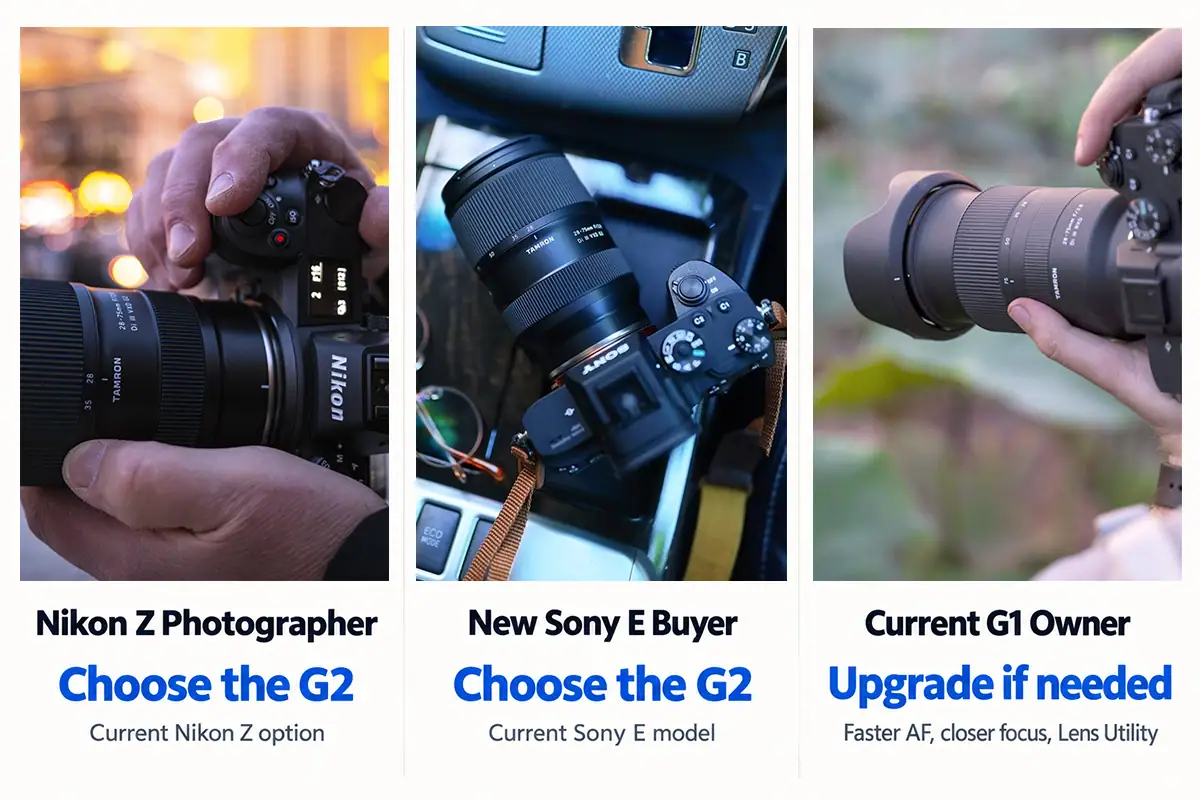
The Tamron 28-75mm G2 is the current option for Nikon Z photographers and Sony E buyers purchasing a new standard zoom. Existing Sony E G1 owners should upgrade if faster autofocus, closer focusing at 28mm, or Lens Utility controls matter for how they shoot.
Both generations cover wide-angle to short-telephoto perspectives while providing the creative flexibility of a constant F2.8 aperture.
The G2 retains the versatility and portability of the original while introducing newer optical, autofocus, and handling technologies.
Find the Right Tamron Standard Zoom
The Tamron 28-75mm F2.8 G2 combines the versatility of a fast standard zoom with updated autofocus, optical performance, close-focusing capabilities, and customizable operation. Now that you know what changed between the G1 and G2, review the complete specifications for your camera mount before making your selection.
Explore the Tamron 28-75mm F/2.8 Di III VXD G2 product page for full specifications, compatibility, and additional sample images.
Where to Buy Tamron Lenses
When you’re ready to purchase, explore the Tamron 28-75mm G2 for Sony E or Nikon Z and find an authorized dealer near you or shop directly at the official TAMRON Store. Buying through Tamron’s authorized dealer network or at the TAMRON Store ensures genuine products, applicable warranty coverage and extra benefits at no charge, and access to authorized service.
Frequently Asked Questions About Tamron 28-75mm G1 vs G2
Is the Tamron 28-75mm G2 sharper than the G1?
Yes. Tamron reports higher resolving power across the frame and throughout the zoom range, including at F2.8 and toward the edges. The G2’s redesigned optics use 17 elements in 15 groups, including two LD and two GM elements, compared with 15 elements in 12 groups in the G1.
Is the Tamron 28-75mm G2 autofocus faster than the G1?
Yes. Tamron states that the VXD linear-motor autofocus system in the G2 operates approximately twice as fast as the RXD autofocus used in the original A036. The manufacturer also highlights improved responsiveness and reliable focus tracking, especially useful for moving subjects and continuous autofocus photography.
Does the Tamron 28-75mm G2 have image stabilization?
No. Neither the original 28-75mm RXD nor the 28-75mm VXD G2 features built-in Tamron VC (Vibration Compensation). Photographers using compatible Sony E or Nikon Z camera bodies with in-body image stabilization can benefit from the camera’s stabilization system instead.
Can I use the Tamron 28-75mm G1 on a Nikon Z camera?
The original Tamron 28-75mm F2.8 Di III RXD (A036) was manufactured exclusively for Sony E mount. Tamron did not produce a native Nikon Z version. Nikon Z photographers looking for Tamron’s 28-75mm standard zoom should select the G2 model specifically designed for Nikon Z mount.
What is the difference between RXD and VXD lenses?
RXD means Rapid eXtra-silent stepping Drive, Tamron’s stepping-motor autofocus technology designed for precise and quiet focusing. VXD means Voice-coil eXtreme-torque Drive, a linear-motor mechanism developed for high-speed, high-precision autofocus and strong subject tracking. Both technologies are used across Tamron’s mirrorless lens lineup.
Does the Tamron 28-75mm G2 support TAMRON Lens Utility?
Yes. The G2 features a Connector Port and compatibility with TAMRON Lens Utility for supported lens customization, focus-related functions, and firmware updates. Available settings vary by camera mount and software version. Lens firmware updates through the Connector Port must be performed using the computer version of TAMRON Lens Utility.
Can I use my G1 filters and lens hood on the G2?
Both generations use 67mm filters, allowing existing compatible filters and front lens caps to be reused. However, Tamron specifies different lens hood models for the two generations: HA036 for the G1 (A036) and HA063 for the G2 (A063).
Is the Tamron 28-75mm G2 good for video?
Yes. The G2 combines a constant F2.8 aperture with quiet, responsive VXD autofocus and compatibility with TAMRON Lens Utility for supported focusing controls. These features make it a practical standard zoom for interviews, events, travel videos, and documentary-style shooting. Operational noise may still be recorded in some environments.
About the Author
 Stacie Errera is Vice President of Marketing and Communications for Tamron Americas, where she has been with Tamron for more than 36 years. She is also a photography educator who teaches new camera users how to better understand their cameras and photography basics. She leads weekend photography workshops for women. Read Stacie’s full bio >>