Instant Savings
 Rebate Claims
 Support
 Find a Dealer
Why Are Cafe Photos So Popular? What Makes a Cafe Photo Stand Out?
Whether you’re searching for the perfect NYC bagel and coffee combo or just looking for that cozy brunch vibe, finding a cafe with the right aesthetic has become part of the experience. Across the U.S., from classic neighborhood diners to modern coffee shops and weekend brunch spots, creators are constantly looking for cafes that look great in photos and offer that perfect “brunch vibe” or coffee shop aesthetic.
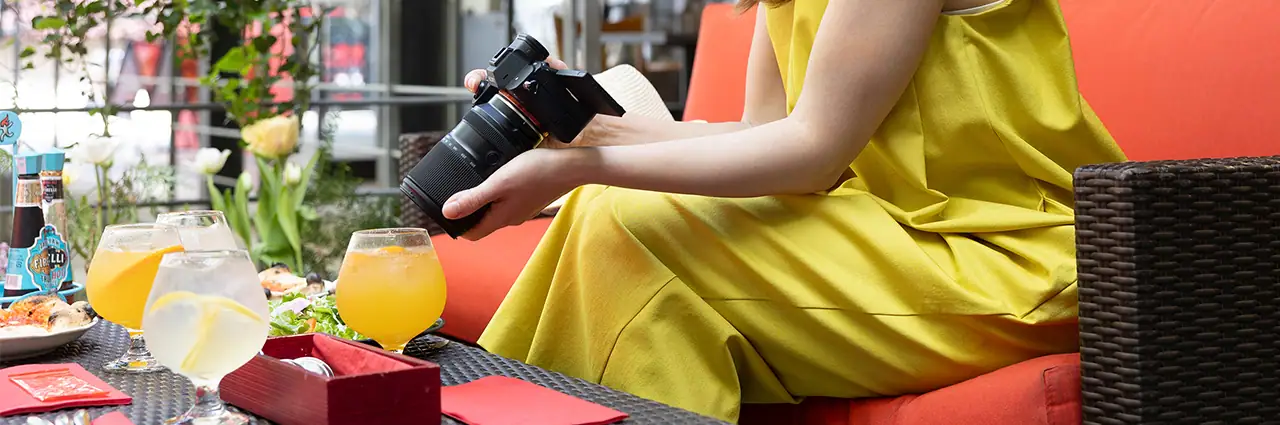
In American cafe culture, it’s not just about the food—it’s about the full scene. The table setup, the natural light coming through the window, and even who you’re with all contribute to a strong, shareable cafe photo. Lifestyle-driven “table shots,” brunch spreads, and coffee shop scenes that reflect a strong coffee shop aesthetic have become especially popular, capturing both the atmosphere and the moment.
Images taken with interchangeable-lens cameras stand out because they can beautifully capture background blur (bokeh), depth, and natural light, creating a more refined look than smartphone photos.
In this guide, we’ll share practical tips on how to use natural light to highlight textures—from a fresh bagel with a schmear to your morning coffee—and how the right lenses can help you achieve soft, creamy background blur that makes your subject stand out. Ready to elevate your cafe photography? Let’s dive in.
The concept of “photogenic” goes beyond appearance—it’s about how light, composition, and color work together to create a mood. A strong cafe photo blends atmosphere, storytelling, and personal style.
Professional photographers often rely on natural light and fast lenses to create high-quality images with soft background blur and strong visual impact.
If you’re new to photography, learning how to take a strong cafe photo—whether it’s a simple coffee shot or a full brunch table—is one of the easiest ways to improve your skills using natural light and simple composition.
What Is a Cafe Photo?
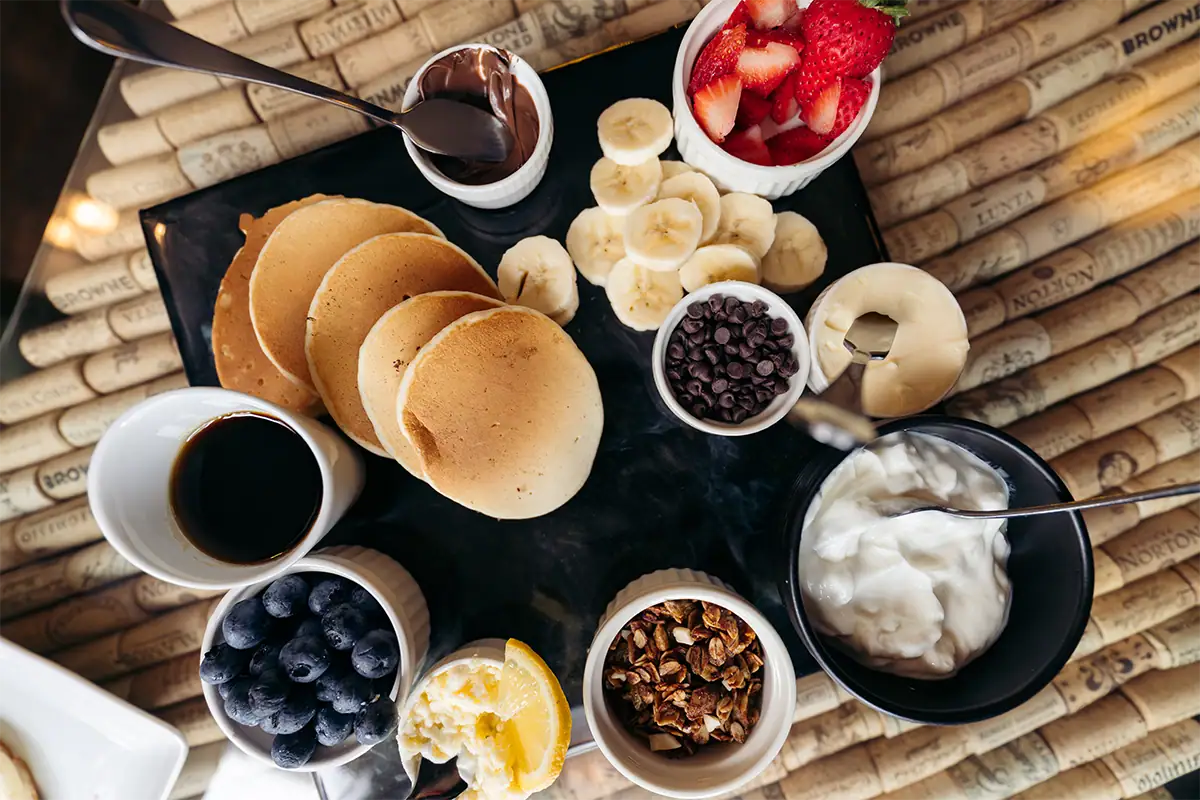
A cafe photo is an image that captures coffee, food, interiors, or lifestyle moments inside a café or coffee shop. It focuses on natural light, composition, and atmosphere to create visually appealing and shareable content, whether you’re photographing a single latte or a full brunch spread.
A cafe photo is best taken using natural light, a wide aperture (F2-F2.8), and simple composition to highlight coffee, food, or atmosphere in a coffee shop setting. For a deeper dive, check out our low light photography tips blog.
Quick Tips for a Better Cafe Photo
- Shoot near windows for soft, natural light
- Use a wide aperture (F2-F2.8) for background blur
- Keep compositions simple and uncluttered
- Try multiple angles (overhead, 45-degree, eye level)
- Adjust white balance for accurate colors
How to Take a Cafe Photo (Step-by-Step)
- Choose a window seat for soft natural light
- Set your aperture between F2 and F2.8 for background blur
- Keep your composition clean and uncluttered
- Shoot from multiple angles (overhead, 45°, eye level)
- Adjust white balance for accurate colors
This simple workflow helps you consistently capture a high-quality cafe photo and coffee shop images, whether you’re shooting a quick coffee stop or a full brunch outing with friends.
Cafe Photo Ideas You Can Try Anywhere
- Capture a coffee cup with soft window light
- Take a 45-degree angle shot of food or drinks
- Shoot overhead flat lays of your table setup
- Focus on small details like spoons or textures
- Include people to create lifestyle cafe photos
- Capture a full brunch spread (bagels, pancakes, coffee) to create strong brunch photos with a natural “table vibe”
- Use background blur to highlight your subject
Basic Tips for Taking a Great Cafe Photo
How to Make the Most of Natural Light
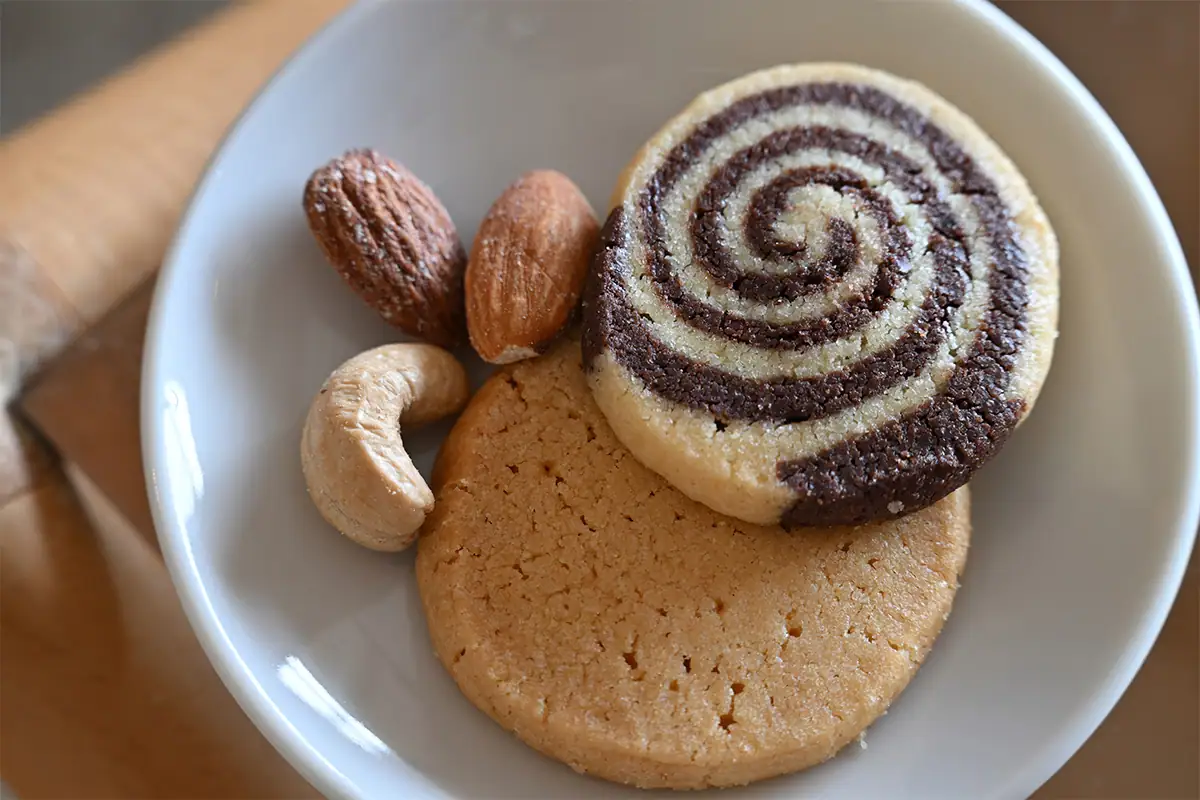
Natural light is the foundation of strong cafe and coffee shop photography and plays a key role in creating a compelling cafe photo. Window seating is ideal because soft light enhances texture and color, making food and drinks look more appealing, especially when photographing brunch favorites like pastries, pancakes, or bagels.
Composition Basics for Cafe Photography

Use composition techniques like the rule of thirds and leading lines to guide the viewer’s eye. Take time to organize the scene. Clean backgrounds ensure the main subject stands out clearly, which helps create stronger coffee shop photos.
Mix wide shots and close-ups to improve storytelling. For example, capturing a full brunch table with bagels, coffee, and shared plates creates a different feeling than isolating a single detail. Thoughtful framing plays a key role in creating visually appealing cafe photos.
Unifying Color Tones and Atmosphere
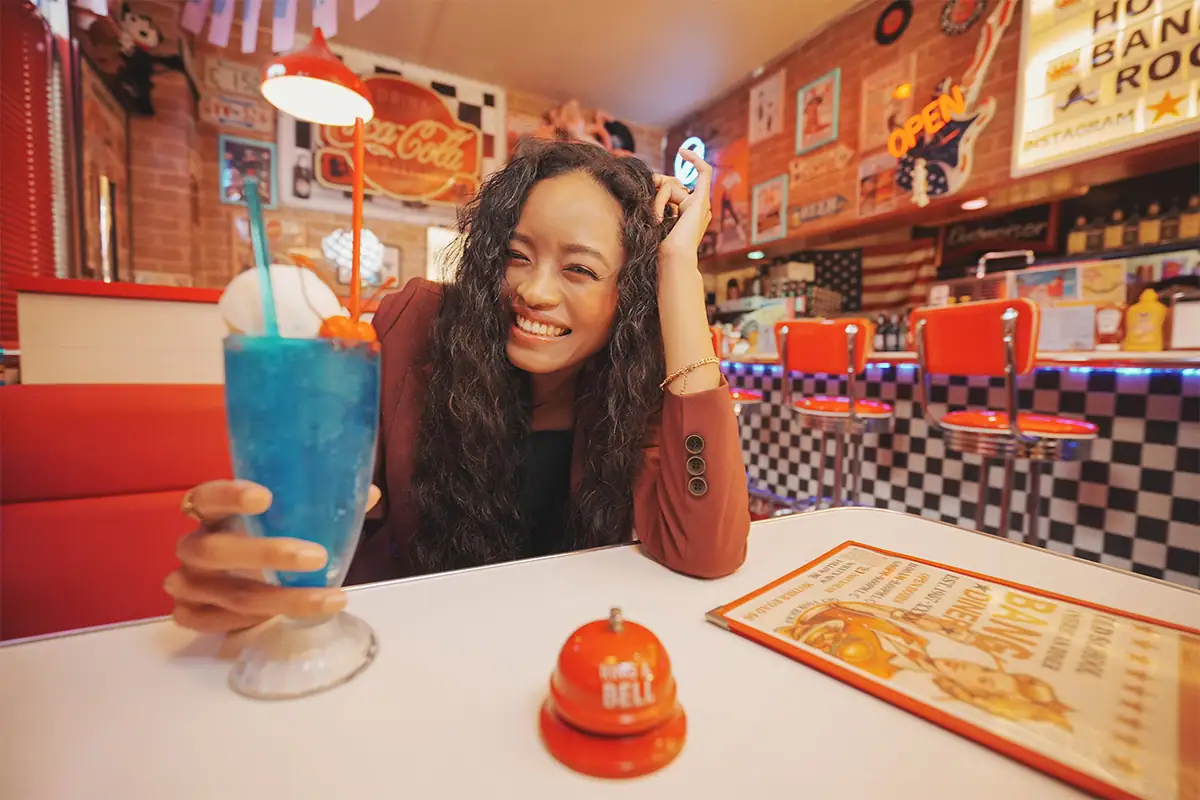
Consistent color tones are key for aesthetic cafe pictures. Match white balance to the environment for a cohesive look. Warm tones often work especially well for brunch scenes, while cooler tones create a clean, modern, and sophisticated impression.
Coffee Shop Photography Tips for Beginners
If you’re wondering how to take a better cafe photo or improve your coffee shop photos as a beginner, start with simple techniques that improve both quality and consistency.
- Sit near natural light sources whenever possible
- Focus on one subject (coffee, pastry, or person)
- Use shallow depth of field to separate the subject
- Avoid cluttered backgrounds
- Shoot multiple angles for variety
These foundational coffee photography tips help create clean, professional-looking images even in small or dimly lit cafes.
Cafe Photography Ideas for Capturing the Space
Choosing the Right Lens for Coffee Shop Photography
A 35mm prime lens, or the 35mm focal length setting on your zoom lens, works well for coffee shop photography, capturing both subject and environment. A 50mm lens provides a natural perspective and soft blur.
- 35mm: Offers a slightly wide-angle view, making it easier to capture the overall space and convey the atmosphere of the cafe interior.
- 50mm: provides a perspective close to natural human vision, allowing you to create a soft background blur while maintaining a realistic sense of depth. Bright prime lenses are particularly useful in dimly lit cafes, as they make it easier to use faster shutter speeds and reduce noise, resulting in cleaner images.
Creating Depth for More Engaging Cafe Photos
Layering elements creates depth and improves storytelling in your cafe photography ideas.
To create a sense of depth in a photograph, compose the scene with a clear foreground, middle ground, and background. For example, place a coffee cup in the foreground, a plate in the middle ground, and the cafe interior in the background to add a strong three-dimensional feel creating a highly-engaging image.
Using Background Blur for Professional Coffee Photography
A wide aperture like F2.8 helps isolate subjects and enhance coffee photography results.
Wider apertures like F2 or F2.8 let you blur the background and draw attention to the main subject. Using wall decorations or lighting elements as a softly blurred background helps create a more atmospheric image that guides the viewer’s eye toward the subject while still preserving a sense of the surrounding space and context.
How to Capture a Coffee Shop Aesthetic in Your Photos
A strong coffee shop aesthetic is what makes a cafe photo feel cohesive, inviting, and shareable. Instead of focusing only on the food or drink, think about the full scene—lighting, textures, colors, and how everything works together.
Look for elements that define the space, such as window light, wooden tables, ceramic cups, or minimalist interiors. Including these details helps create a more immersive image that reflects the atmosphere of the cafe.
To capture a consistent coffee shop aesthetic:
- Use natural light to create soft, flattering tones
- Keep your composition clean and uncluttered
- Match colors between food, tableware, and background
- Include environmental details like menus, plants, or seating
- Shoot slightly wider to show context, not just the subject
By focusing on both the subject and the surrounding environment, you can create cafe photos that feel more like a complete experience rather than just a single moment.
How to Photograph Coffee and Food Like a Pro
Best Angles for Coffee and Food Photography
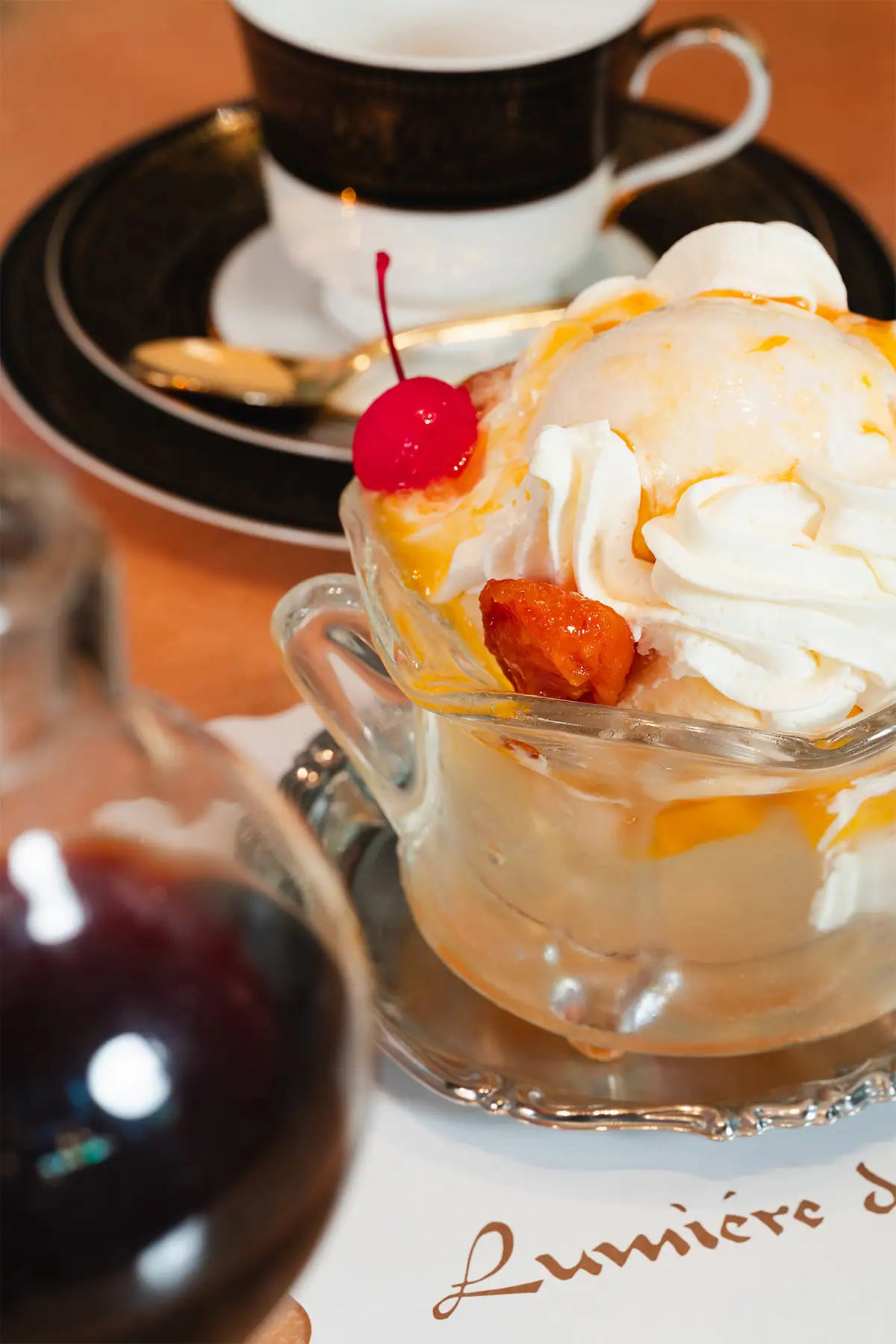
Best angles for a cafe photo:
- Overhead (flat lay)
- 45-degree angle (most natural)
- Eye-level (lifestyle feel)
- Close-up (detail shots)
A 45-degree angle highlights depth and texture, while overhead shots work well for flat lays.
When you want to emphasize the texture and three-dimensional quality of coffee in food photography, a 45-degree angled view is especially effective. Dishes with height, such as pancakes or sandwiches, appear more dimensional when photographed from an angled or side perspective. Circular compositions that make use of the round shape of plates are also highly recommended.
Using Light to Enhance Texture and Detail
Side lighting emphasizes foam, texture, and steam. Slight underexposure helps steam stand out—an effective coffee photography tip.
Setting the aperture closer to wide open and allowing natural light to fall from an angle helps create a strong sense of depth. Backlighting or side lighting is particularly effective when capturing latte foam or rising steam.
Styling Tips for Cafe Photos
Keep styling simple. Minimal props create cleaner, more engaging Instagram coffee photos and shareable cafe photo content that fits a brunch or lifestyle aesthetic.
Adding items such as napkins, spoons, magazines, or small plants to the table helps enhance a cafe-like atmosphere and visual story. The key is not to overdo it. By making use of negative space and aiming for a simple yet intentional arrangement, you can achieve a more refined and sophisticated impression.
How to Take Better Brunch Photos
Brunch photos are a key part of cafe and coffee shop photography, especially in the U.S., where weekend brunch culture is all about presentation, atmosphere, and sharing the full experience.
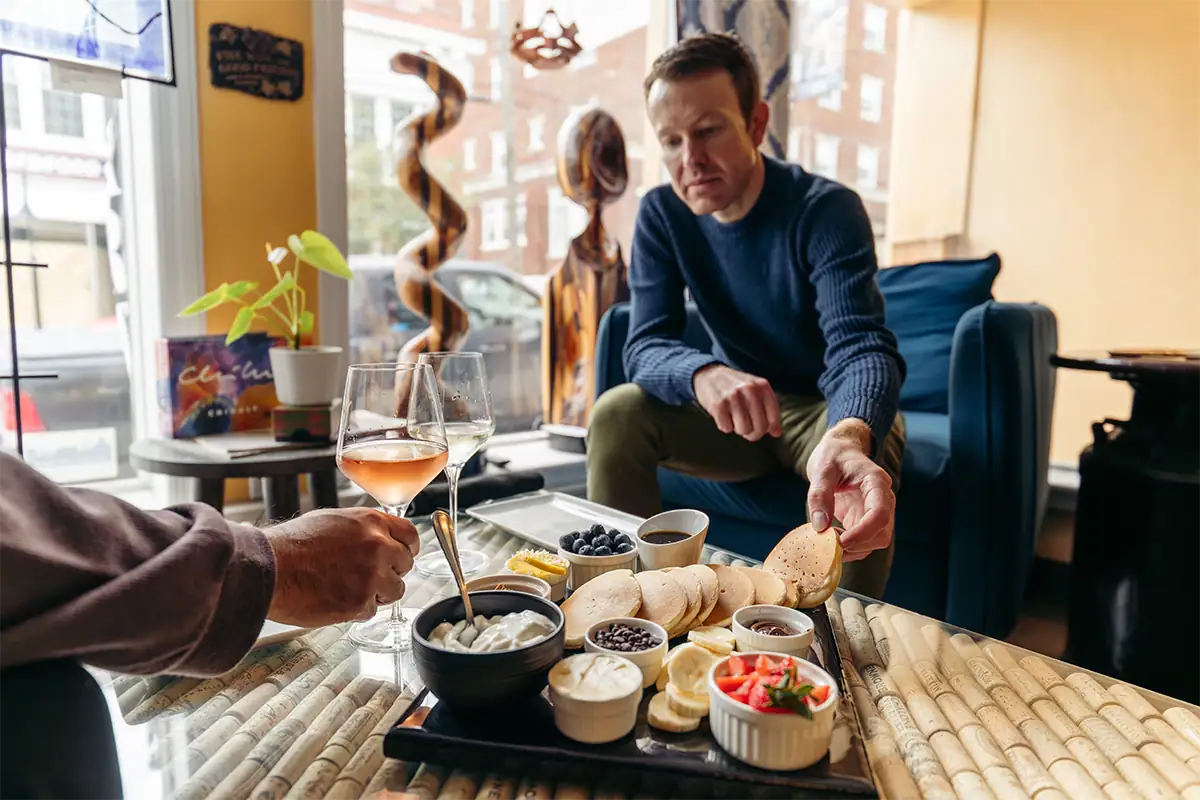
Instead of focusing on a single item, brunch photos often work best when capturing a full table scene that reflects a social, lifestyle-driven cafe experience. This creates a strong “table vibe” that feels natural and inviting.
To take better brunch photos:
- Capture a full table scene with multiple dishes and drinks
- Use overhead or 45-degree angles to show variety and layout
- Include hands or people to create a lifestyle feel
- Use natural window light to keep tones soft and realistic
- Keep styling simple so the food and atmosphere stand out
By focusing on both the food and the overall setting, you can create brunch photos that feel authentic, social, and visually engaging.
Cafe Portrait Photography Tips

Using Natural Light for Lifestyle Cafe Photography
Natural light enhances skin tones and supports relaxed lifestyle cafe photography.
In cafe portrait photography, it is important to harmonize the subject with the atmosphere of the cafe itself. Having your subject sit near a window allows soft natural light to fall on the face, resulting in smoother, more flattering skin tones.
Engaging in light conversation and helping the subject relax makes it easier to capture natural expressions, creating photos that convey a casual, everyday cafe mood.
Balancing the Subject and the Background
Use depth of field to balance subject and environment.
Including elements such as cafe interiors, window light, or houseplants in the background helps the subject blend naturally into the cafe atmosphere. If the background becomes too busy, the main subject can lose impact, so using a wider aperture to softly blur the background is an effective way to keep the viewer’s focus on the person.
Recommended Camera Settings For Cafe Photography
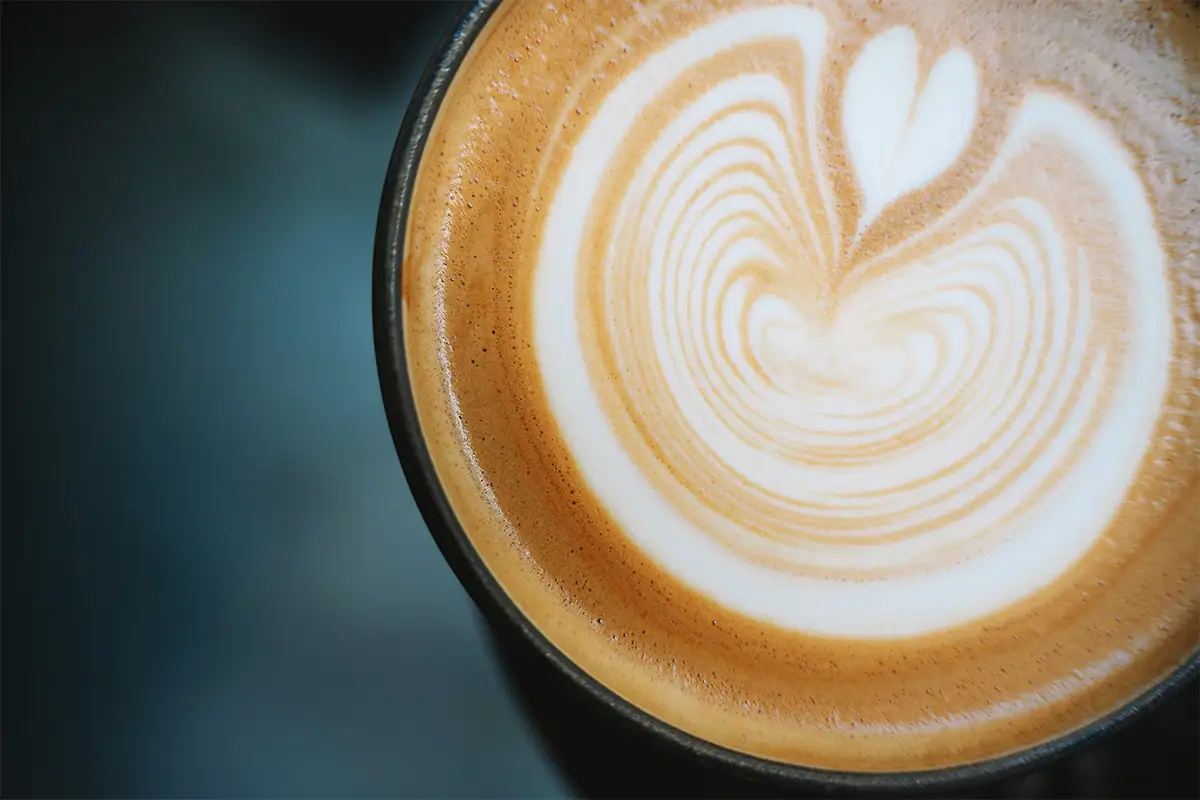
Best camera settings for a cafe photo:
- Aperture: F2–F2.8 for background blur
- ISO: 800–1600 in low light
- Shutter speed: 1/60 or faster
- Mode: Aperture Priority (A/Av)
Aperture Priority Mode for Cafe Photos
Use aperture priority (A/Av) to control depth of field. ISO 800–1600 works well in low-light cafes.
Using aperture-priority mode is especially important for cafe photography. By setting the aperture yourself, you can control the amount of background blur while letting the camera handle exposure automatically.
Keep ISO as low as possible while raising it as needed to prevent camera shake. In darker interiors, increasing the ISO to around 800–1600 helps prevent the shutter speed from becoming too slow, reducing the risk of camera shake or subject blur. Finding the right balance between image quality and stability is key.
White Balance Tips for Indoor Cafe Lighting
Adjust white balance manually to improve food photography cafe images.
Because indoor lighting in cafes is often warm-toned, relying solely on auto white balance can sometimes result in images with an overly reddish cast. Selecting presets such as Fluorescent or Tungsten, or adjusting the Kelvin (K) value manually, helps bring the colors closer to your intended look.
What Is the Best Camera for Cafe Photography?
The best camera for cafe photography is an interchangeable-lens camera with strong low-light performance and fast lenses. Mirrorless cameras paired with F2 or F2.8 lenses allow you to capture sharp images with soft background blur, even in dim coffee shops.
Best Times for Cafe Photography
The best time for cafe photos and coffee shop photography is between 10 AM and 1 PM, when natural light is soft and stable—perfect for capturing brunch scenes and mid-morning cafe visits.
Window-side seating is ideal whenever possible. Check whether there is enough space to shoot comfortably and whether backlighting is too strong. Choosing seats with careful attention to how light enters the space helps ensure consistently successful results.
Photography Etiquette And Precautions In Cafes
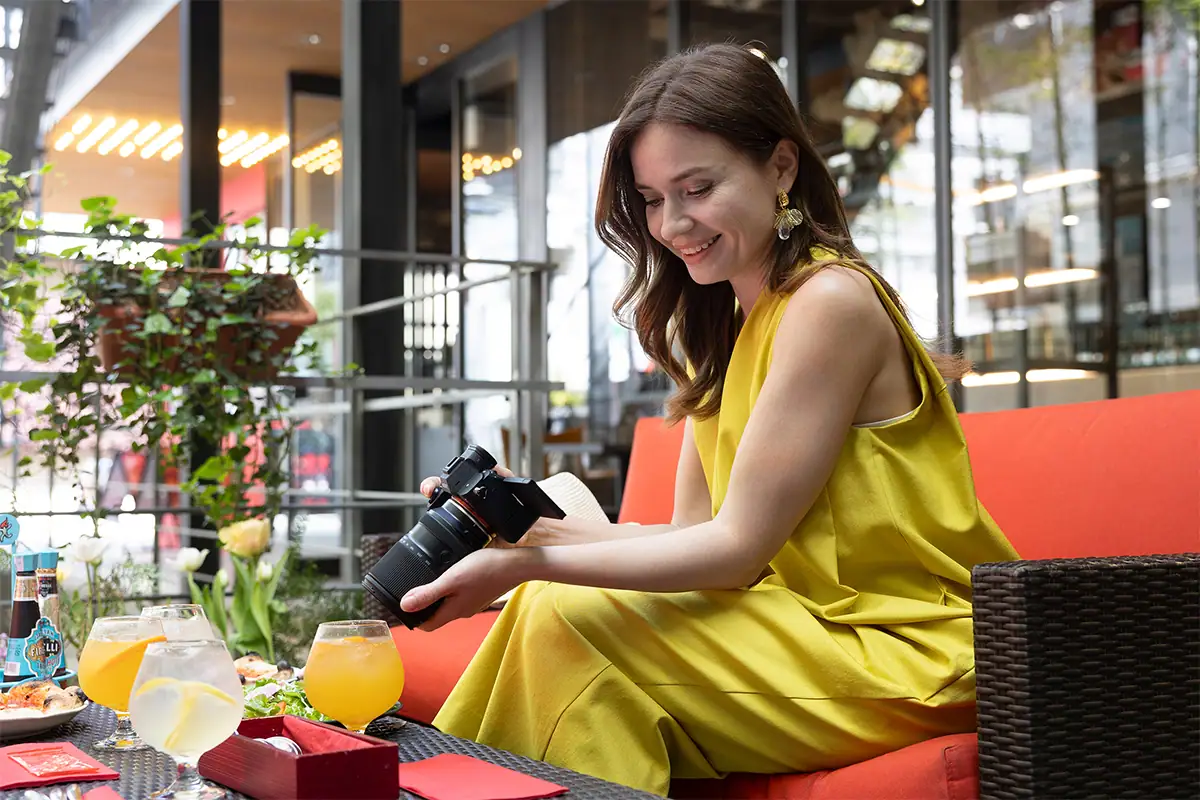
Always ask permission and avoid disrupting the space and customers when capturing coffee shop photos.
Avoid using tripods, bringing in large pieces of equipment, or occupying a table for extended periods of time. When posting photos on social media or blogs, it is also good practice to credit the cafe by name and to avoid excessive editing that could misrepresent the space.
Common Mistakes in Cafe and Coffee Shop Photography
- Shooting in harsh overhead lighting instead of natural light
- Cluttered compositions with too many objects
- Incorrect white balance causing unnatural colors
- Not using shallow depth of field for subject separation
- Ignoring distracting backgrounds
Recommended Tamron Lenses For Cafe Photography
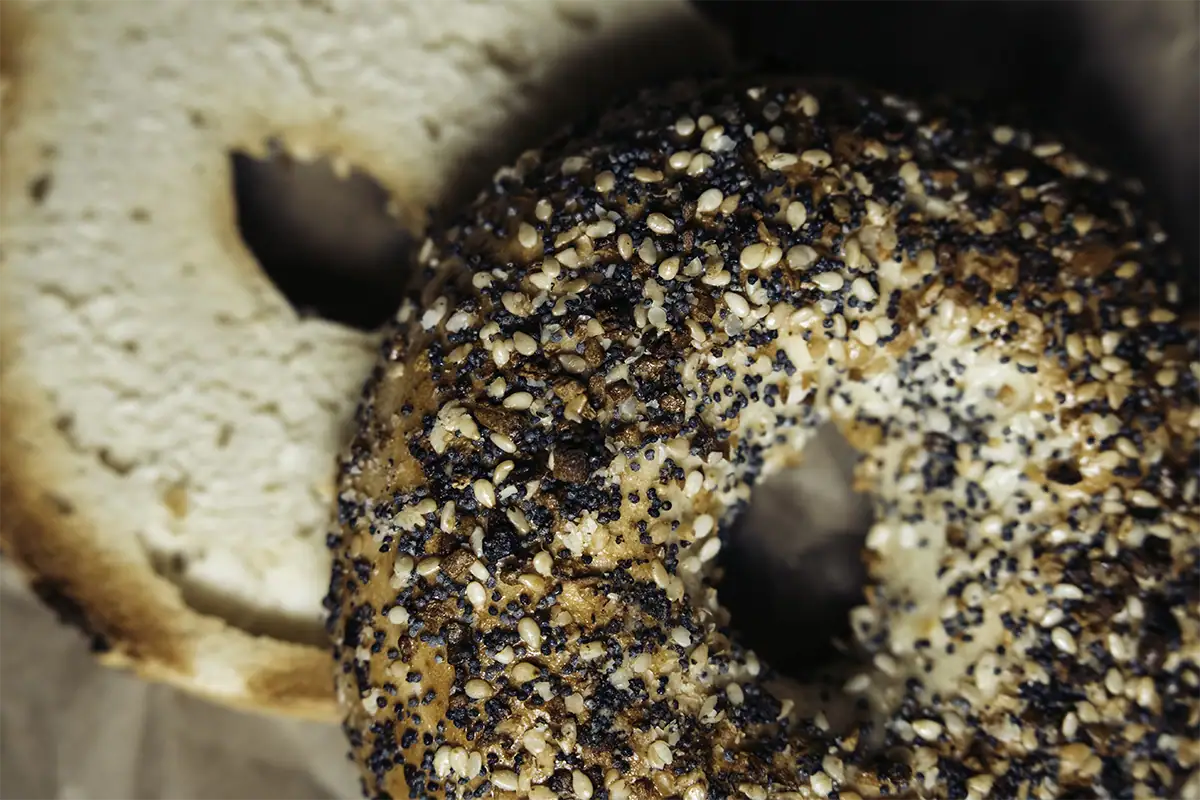
Cafe photography involves capturing a wide variety of subjects, from the overall atmosphere of the space to beautifully presented drinks, food, desserts, portraits, and small details. Different scenes may call for different types of lenses, including all-in-one zooms, standard zooms, wide-angle zooms, telephoto lenses, and primes.
The following Tamron lenses are lightweight, compact, and designed to deliver excellent image quality for a range of cafe photography situations.
All-In-One Zoom Lenses
- Tamron 25-200mm F2.8-5.6 Di III VXD G2 (A075) – A versatile fast aperture full-frame all-in-one zoom ideal for capturing both wide cafe scenes and detailed coffee shots with its half-size macro capabilities without changing lenses.
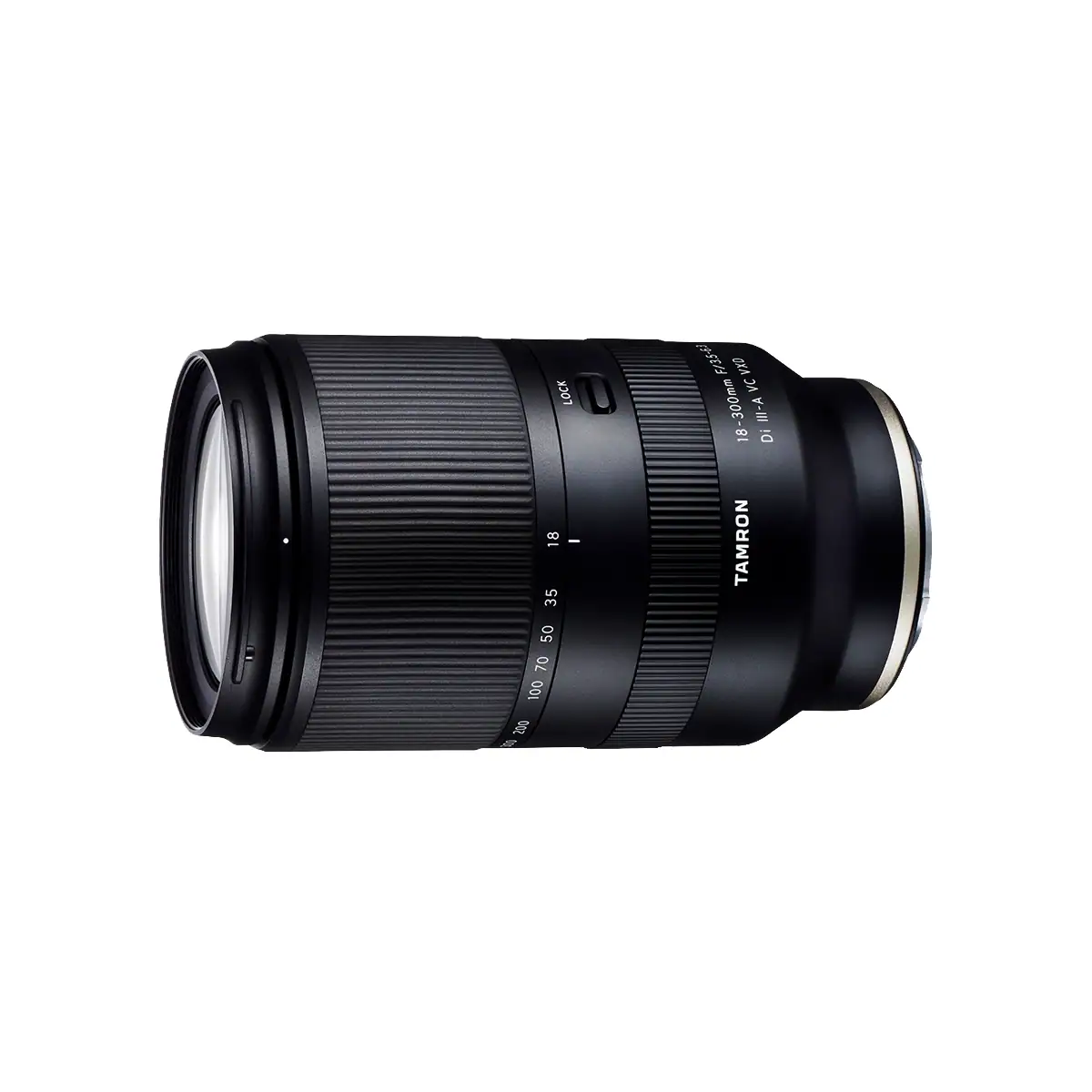
- Tamron 18-300mm F3.5-6.3 Di III-A VC VXD (B061) – A flexible travel zoom for APS-C cameras perfect for cafe photography, portraits, and capturing moments on the go.
Wide-Angle Lenses
- Tamron 16-30mm F2.8 Di III VXD G2 (A064) – A full-frame wide-angle zoom ideal for capturing cafe interiors, atmosphere, and environmental storytelling.
- Tamron 11-20mm F2.8 Di III-A RXD (B060) – Perfect for tight cafe spaces and dramatic wide-angle compositions for APS-C cameras.
Standard Lenses
- Tamron 17-70mm F/2.8 Di III-A VC RXD (B070) – A versatile F2.8 standard zoom for APS-C cameras, ideal for cafe interiors, food, drinks, portraits, and candid lifestyle photography.
- Tamron 35-100mm F/2.8 Di III VXD (A078) – A compact, fast standard zoom ideal for cafe portraits, plated food, drinks, and detailed compositions.
- Tamron 28-75mm F/2.8 Di III VXD G2 (A063) – A versatile standard zoom well suited for cafe interiors, food, drinks, portraits, and candid lifestyle moments.
Telephoto Lenses
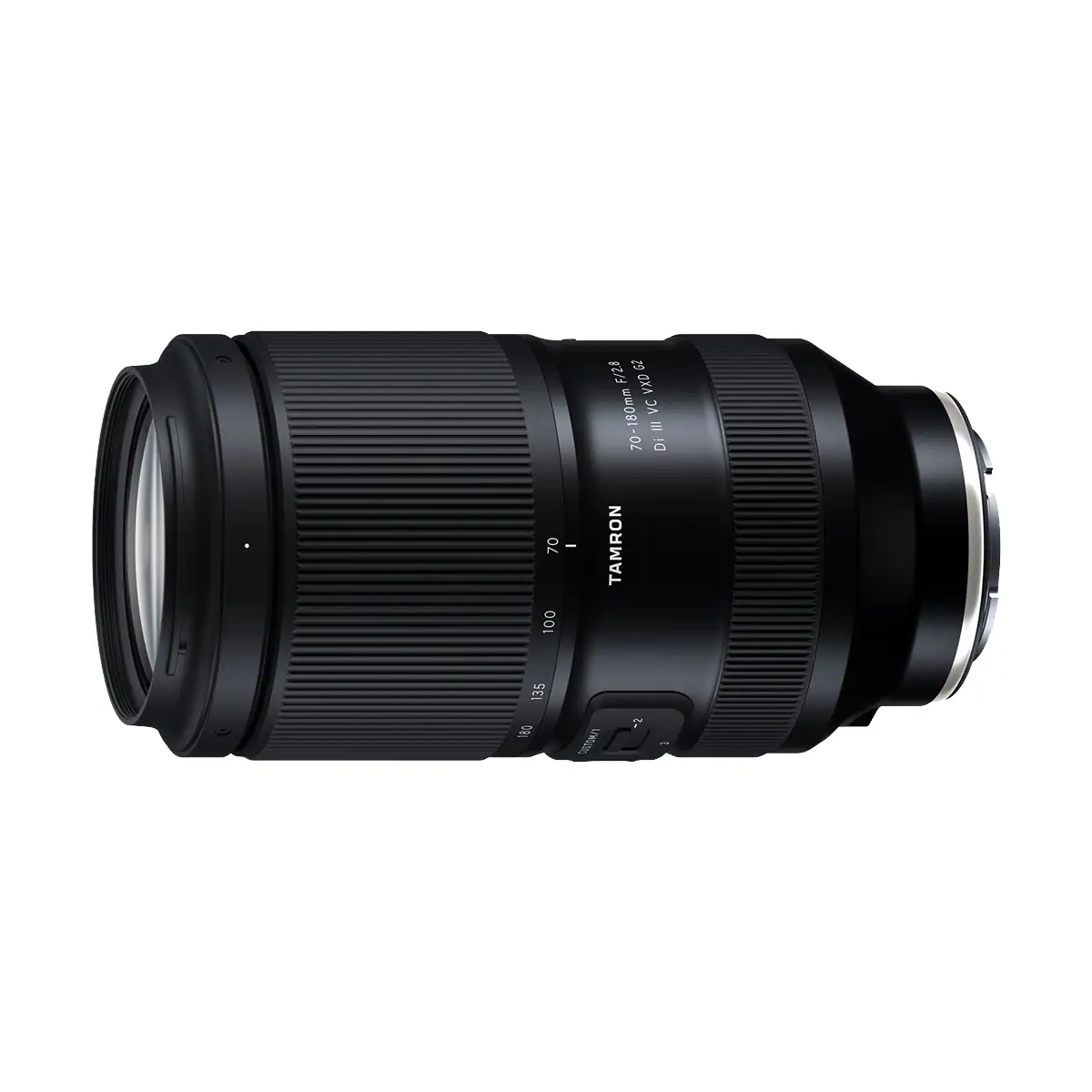
- Tamron 70-180mm F2.8 Di III VXD G2 (A065) – Great for isolating subjects and creating soft background blur in cafe portraits and detail shots.
Prime Lenses
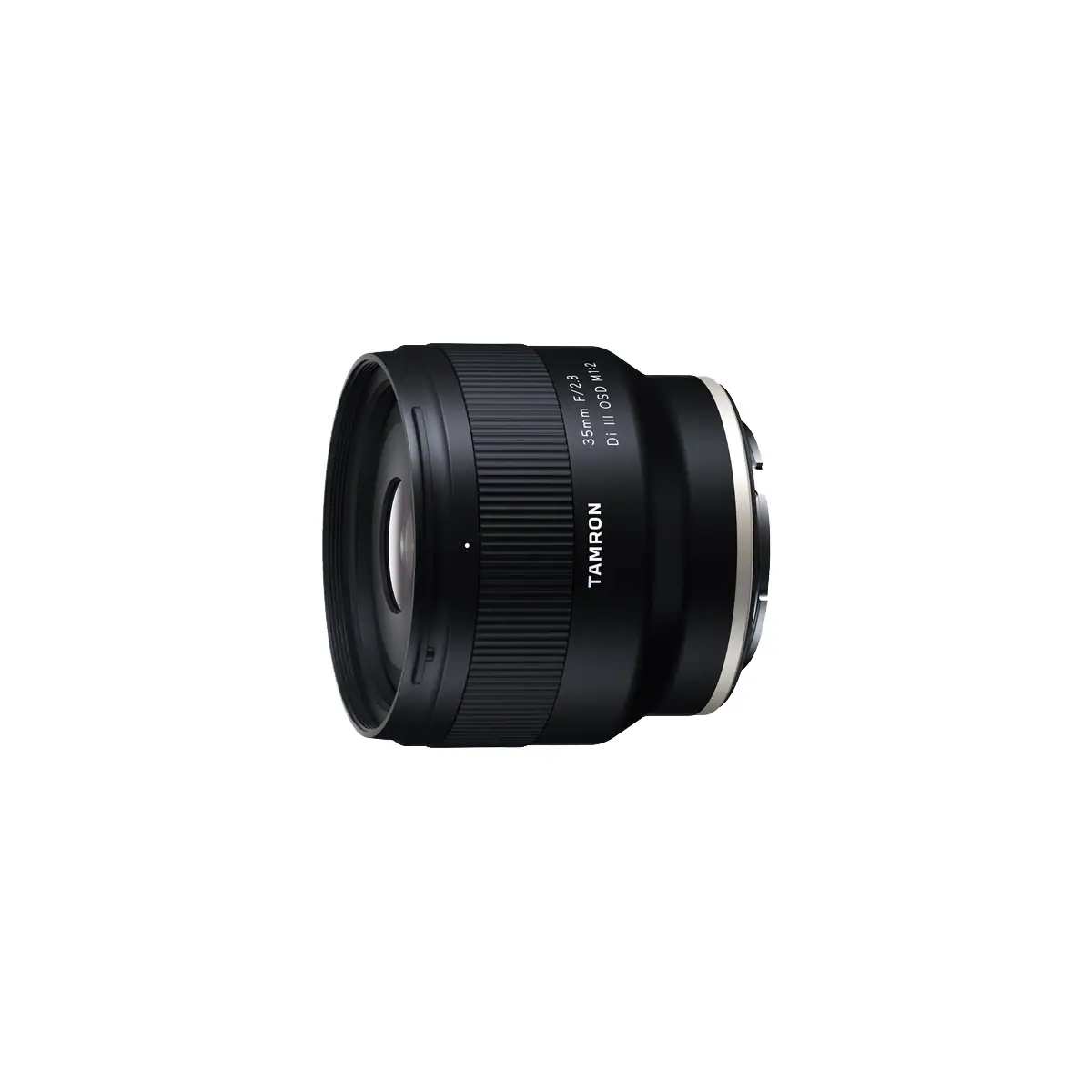
- Tamron 35mm F2.8 Di III OSD M1:2 (F053) – A compact prime lens ideal for natural-looking cafe photos and everyday photography.
- Tamron 90mm F2.8 Di III MACRO VXD (F072) – Perfect for close-up coffee and food photography with sharp detail and beautiful background blur.
Key Takeaways for Better Cafe Photos
- Use natural light whenever possible
- Keep compositions simple and intentional
- Use wide apertures for background blur
- Focus on storytelling and atmosphere
- Choose lenses that match your scene
Conclusion: Elevate Your Cafe and Coffee Photography
In short, a great cafe photo and strong coffee shop photography come down to lighting, composition, and lens choice. With the right techniques, everyday cafe scenes—from quick coffee stops to full brunch outings—can reflect a strong coffee shop aesthetic and become compelling visual stories.
By taking advantage of the expressive power of an interchangeable-lens camera, everyday cafe scenes can be transformed into truly special photographs.
Where to Buy Tamron Lenses
Learn more about Tamron lenses at an authorized Tamron dealer near you or shop directly at the official Tamron Store.
People Also Ask About Cafe Photography
What is the best camera setting for a cafe photo?
Aperture priority with a wide aperture (F2-F2.8) is ideal.
How do you take aesthetic cafe pictures?
Use natural light, clean composition, and cohesive colors.
What lens is best for cafe photography?
A lens with a 35mm or 50mm focal length works best for coffee shop photography.
How do you photograph coffee so it looks good?
Use side lighting, shallow depth of field, and a 45-degree angle.
When is the best time to take cafe or brunch photos?
Late morning to early afternoon provides the best light, especially for brunch photography.
How do you take good coffee shop photos with a camera?
Use natural light, a wide aperture, and simple compositions to highlight your subject.
About the Author
 Stacie Errera is Vice President of Marketing and Communications for Tamron Americas, where she has been with Tamron for more than 36 years. She is also a photography educator who teaches new camera users how to better understand their cameras and photography basics. She leads weekend photography workshops for women. Read Stacie’s full bio >>