Instant Savings
 Rebate Claims
 Support
 Find a Dealer
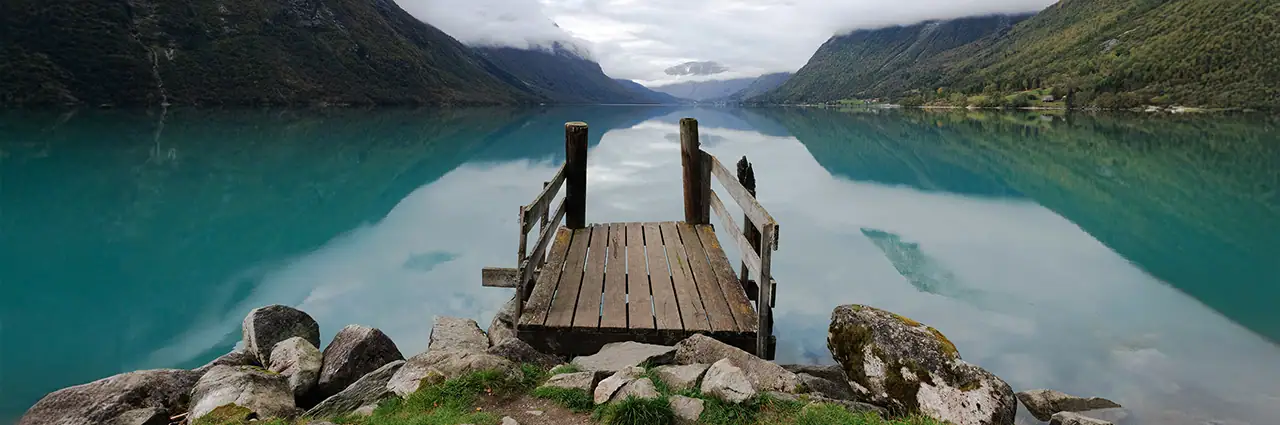
Choosing the right lens can make a major difference in landscape photography, shaping how you frame a scene, control perspective, and capture fine detail across the image. For Canon RF mount cameras, Tamron offers versatile lens options designed to support a wide range of landscape photography needs, from expansive scenic views to compressed telephoto compositions. These Tamron Canon RF lenses are designed for APS-C mirrorless cameras, giving photographers flexible choices for travel, nature, and outdoor photography.
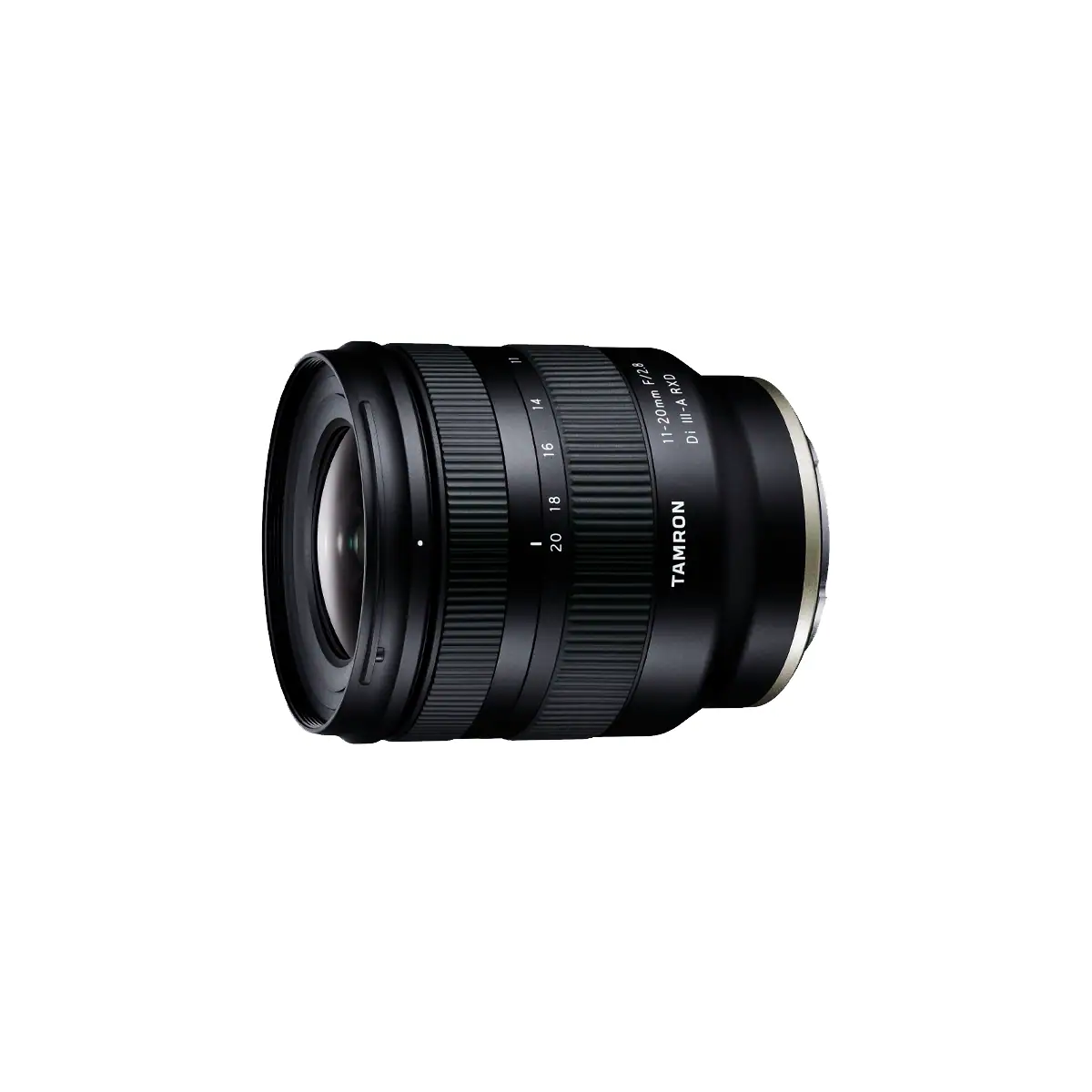
- The Tamron 11-20mm F/2.8 Di III-A RXD offers an ultra-wide field of view with a fast constant F2.8 aperture, making it a great option for dramatic landscape scenes, night skies, interiors, and astrophotography.
- The Tamron 16-50mm F2.8 A combines a wide 16mm starting focal length with a fast constant F2.8 aperture in an exceptionally compact, lightweight design. It is an excellent choice for landscapes, travel, hiking, and everyday photography when portability matters.
- The Tamron 17-70mm F/2.8 Di III-A VC RXD combines a versatile standard zoom range with a fast constant F2.8 aperture and built-in image stabilization, making it well suited for landscapes, travel, woodland scenes, and low-light photography.
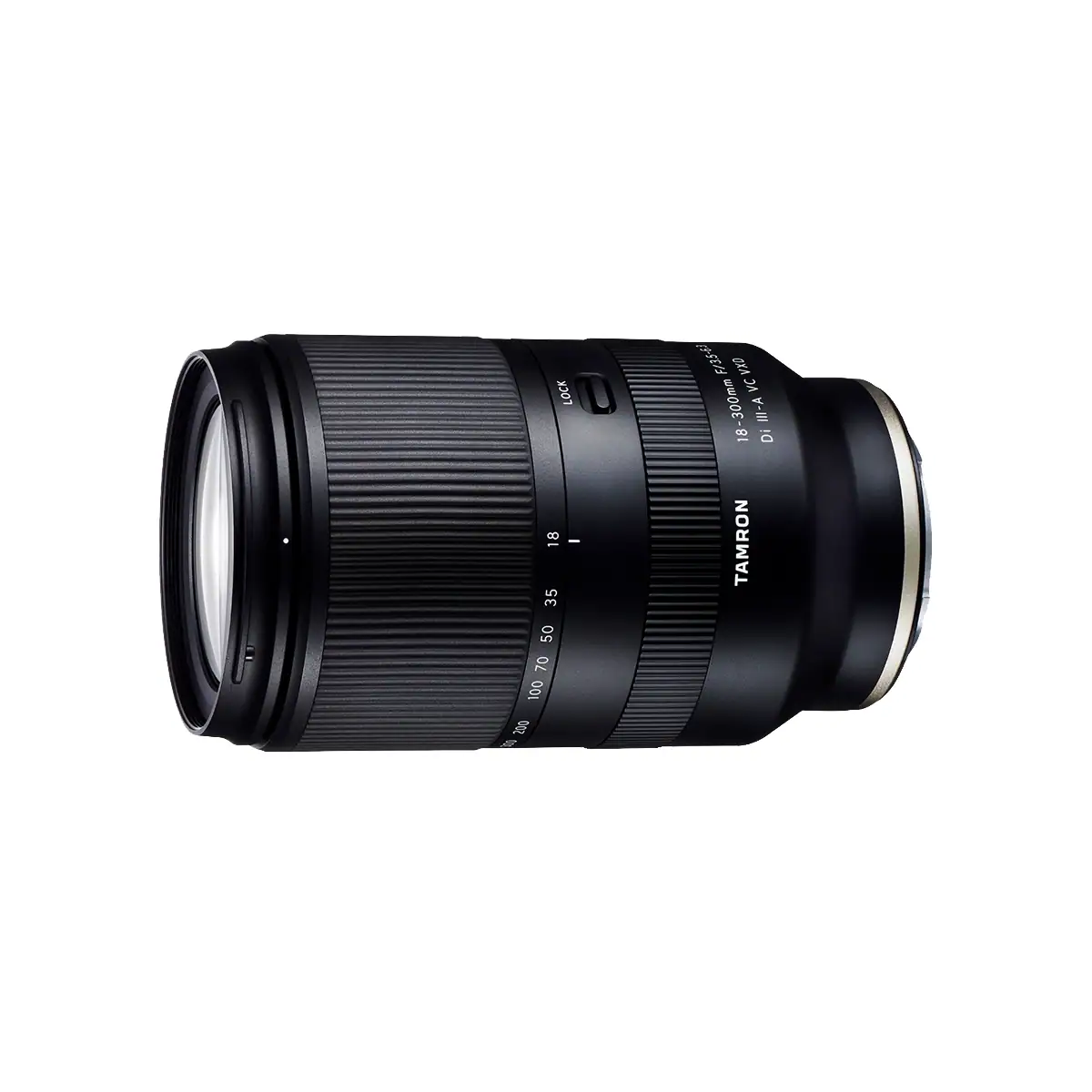
- The Tamron 18-300mm F/3.5-6.3 Di III-A VC VXD provides an expansive all-in-one zoom range, covering everything from wide-angle landscapes to super-telephoto reach for distant subjects. It is a strong choice for photographers who want one lens for landscapes, travel, nature, and more.
A Quick Look at Tamron’s Best Canon RF Lenses for Landscape Photography
Tamron 11-20mm F/2.8 Di III-A RXD
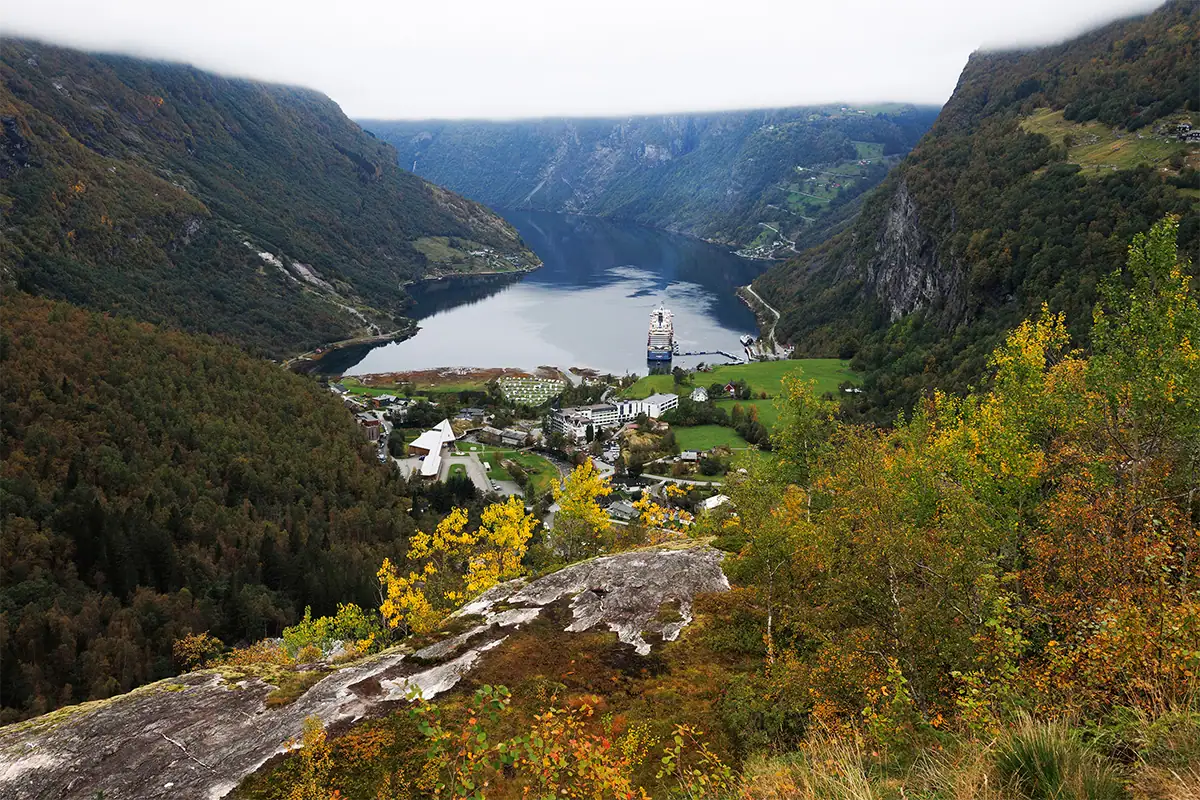
For photographers who want to emphasize scale, depth, and dramatic foregrounds, the Tamron 11-20mm F/2.8 Di III-A RXD is a powerful ultra-wide-angle zoom for APS-C mirrorless cameras. Its 17.6–32mm full-frame-equivalent range on Canon RF APS-C cameras is well suited for expansive landscapes, coastlines, mountain views, cityscapes, and architectural scenes where a wider perspective helps tell the story. Photographers can use foreground rocks, flowers, and leading lines to add depth and visual interest, a technique explored in our guide to wide-angle zoom lenses.
The fast constant F2.8 aperture provides added creative control and makes this lens especially useful for low-light landscape work, including sunrise, sunset, and astrophotography. Its compact build makes it easy to carry on hikes or travel shoots, while the RXD autofocus motor delivers quiet, reliable focusing for both still photography and video. For Canon RF mount photographers looking to capture bold wide-angle compositions, this lens is an excellent choice.
Shop for the Tamron 11-20mm F/2.8 Di III-A RXD
Tamron 16-50mm F2.8 A
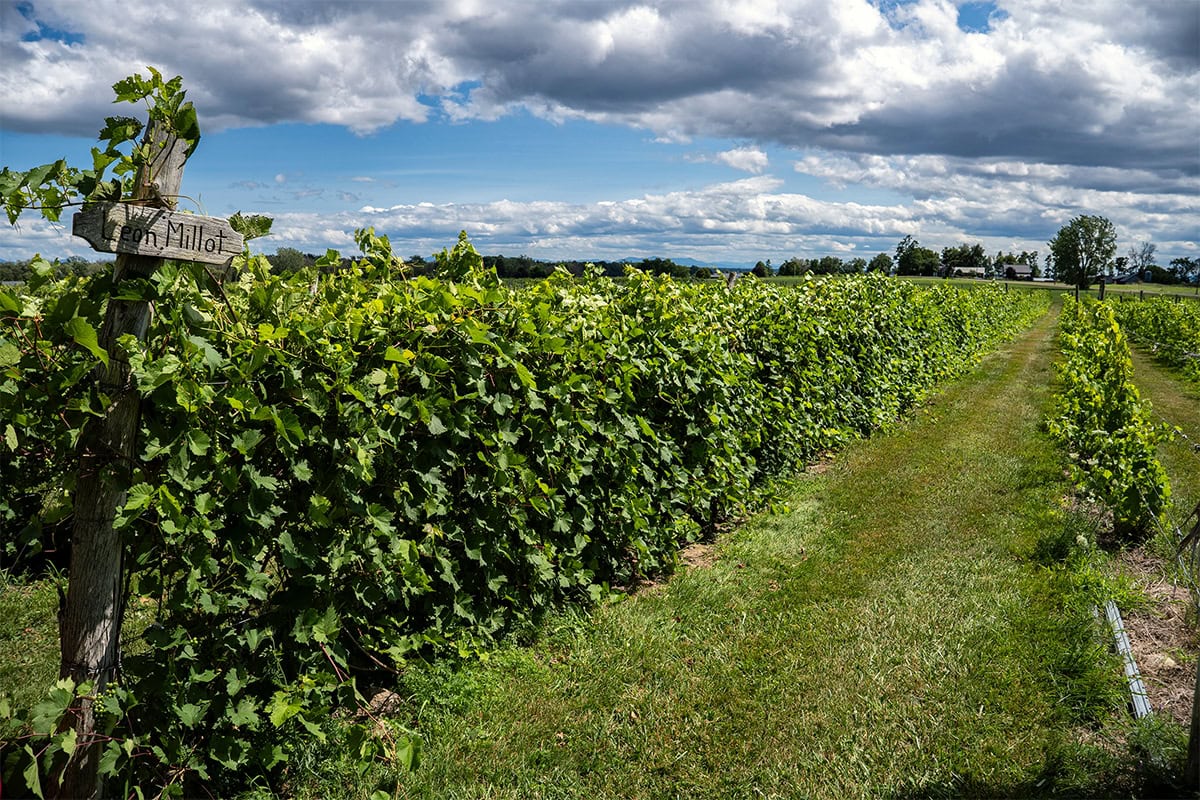
The Tamron 16-50mm F2.8 A (Model B091) is an exceptionally compact and lightweight standard zoom designed for APS-C mirrorless cameras. With a 25.6–80mm full-frame-equivalent range on Canon RF APS-C cameras, it starts at a wider 16mm focal length than many conventional standard zooms, making it ideal for expansive landscapes, mountain scenery, coastlines, and travel photography. The versatile range also allows photographers to move from broad scenic compositions to more focused views of natural details without changing lenses.
Its fast constant F2.8 aperture provides excellent flexibility when photographing sunrise, sunset, shaded forests, and other low-light landscapes. The advanced VXD linear motor delivers fast, precise, and quiet autofocus, while the optical design provides high image quality in a remarkably portable package. Weighing just 10.8oz (305g) in the Canon RF version, the 16-50mm is an excellent choice for landscape photographers who want to travel light without sacrificing a bright aperture or versatile zoom coverage. For photographers looking to maximize image quality in changing light, our guide to landscape photography camera settings offers helpful tips for balancing aperture, ISO, and shutter speed.
Shop for the Tamron 16-50mm F2.8 A
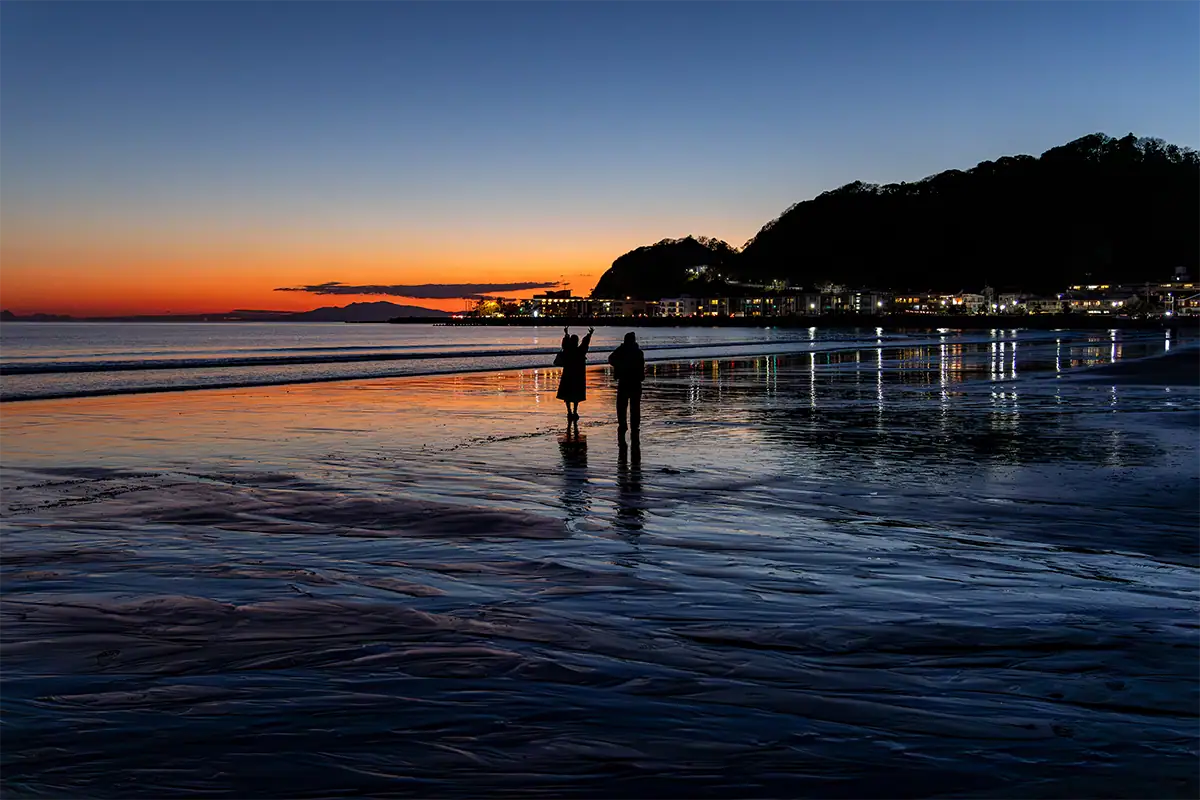
Tamron 18-300mm F/3.5-6.3 Di III-A VC VXD
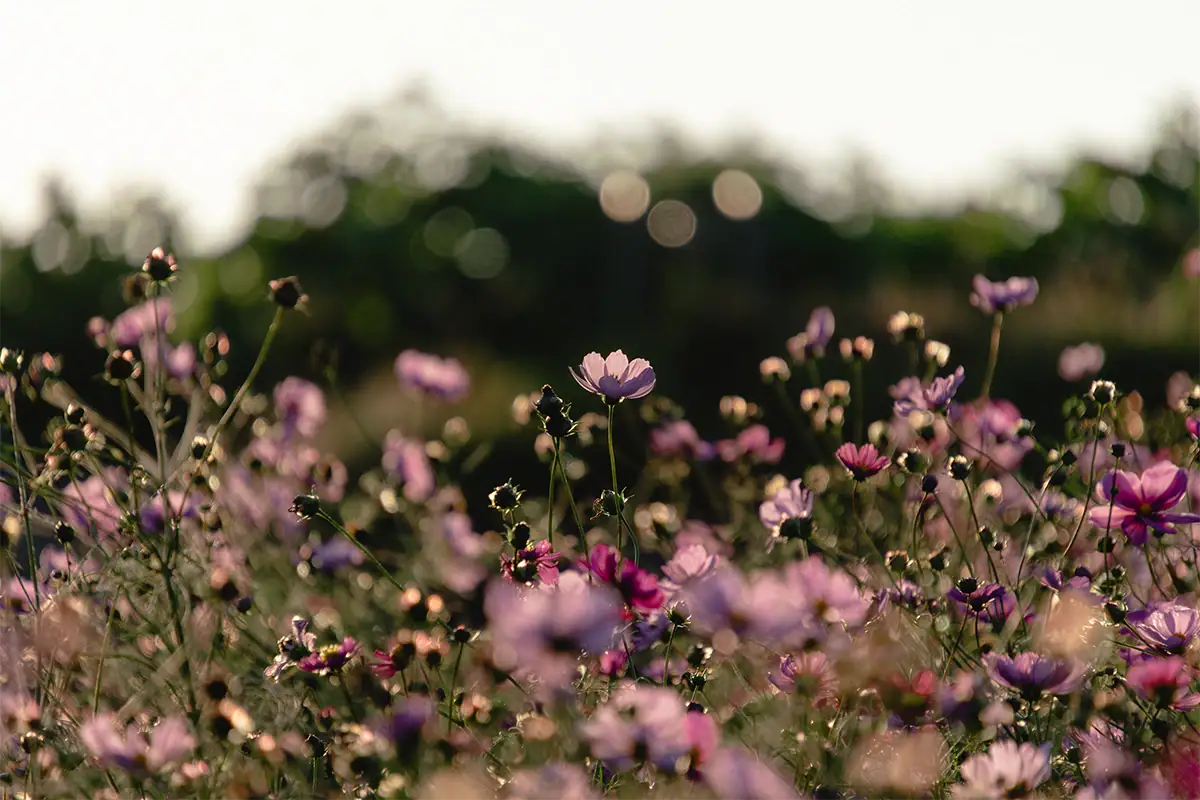
For photographers who want one lens that can cover nearly every scene, the Tamron 18-300mm for APS-C mirrorless cameras delivers an impressive 16.6x zoom ratio. Its range extends from a 28.8mm full-frame-equivalent wide-angle view to a 480mm full-frame-equivalent super-telephoto reach on Canon RF APS-C cameras, giving landscape photographers the flexibility to capture broad vistas, distant ridgelines, wildlife, and close-up details without switching lenses. The extended telephoto range is especially useful for isolating distant landscape features and creating layered compositions that emphasize patterns, textures, and atmospheric perspective.
The VXD linear motor provides fast, accurate autofocus performance, while Tamron’s VC image stabilization helps reduce camera shake when shooting handheld, especially at longer focal lengths or in challenging light. With its compact and lightweight design for such an expansive zoom range, this lens is an excellent travel-friendly option for Canon RF mount photographers who want outstanding versatility, strong image quality, and extended reach in one convenient lens.
Shop for the Tamron 18-300mm F/3.5-6.3 Di III-A VC VXD
Which Tamron Canon RF Lens Is Best for Your Landscape Photography?
The best Canon RF landscape lens depends on the types of scenes you photograph and how much equipment you want to carry. Each of Tamron’s APS-C zoom lenses offers different advantages:
- For ultra-wide landscapes and astrophotography: Choose the 11-20mm F/2.8 for dramatic foregrounds, expansive skies, and creative wide-angle compositions.
- For lightweight travel and everyday landscapes: Choose the 16-50mm F2.8 A for its wider-than-typical standard zoom coverage, bright aperture, and exceptionally compact design.
- For versatile landscape photography with stabilization: Choose the 17-70mm F/2.8 VC for its extended standard zoom range, constant F2.8 aperture, and built-in VC image stabilization.
- For maximum reach and all-in-one convenience: Choose the 18-300mm VC for its expansive zoom range, allowing you to photograph wide scenes, distant landscape details, and wildlife without changing lenses.
For photographers who prioritize wide-angle coverage and a lightweight kit, the 16-50mm F2.8 A offers a compelling balance of portability and performance. The 17-70mm F2.8 provides additional telephoto reach and VC stabilization, while the 11-20mm F2.8 and 18-300mm serve photographers who want either more dramatic wide-angle perspectives or significantly longer telephoto reach.
See More of Tamron’s Best Canon RF Lenses for Landscape and Other Photography Genres
Tamron lenses are known for combining advanced optical engineering, practical portability, and creative versatility. Designed to deliver high image quality, useful focal ranges, and reliable performance, these lenses give landscape photographers the flexibility to capture everything from wide-open scenery to distant natural details.
Whether you are photographing mountain ranges, forests, coastlines, night skies, or travel destinations, choosing the right lens helps you make the most of every scene. Explore the complete selection of Tamron lenses for Canon RF mount to find the best fit for your photography style and creative goals.
Where to Buy Tamron Lenses
Learn more about Tamron lenses at an authorized Tamron dealer near you or visit the TAMRON Store to explore available Canon RF mount lenses.
Frequently Asked Questions About Canon RF Lenses for Landscape Photography
What is the best Canon RF mount lens for landscape photography?
The best lens depends on the type of landscape photography you enjoy. The Tamron 11-20mm F2.8 is ideal for ultra-wide landscapes and dramatic perspectives. The 16-50mm F2.8 A offers compact, lightweight versatility for travel and everyday landscapes, while the 17-70mm F2.8 VC provides additional reach and image stabilization. For photographers who want both wide-angle coverage and extended telephoto reach, the 18-300mm VC is an excellent all-in-one option.
Is the Tamron 16-50mm F2.8 A good for landscape photography?
Yes. The Tamron 16-50mm F2.8 A is an excellent landscape photography lens for Canon RF APS-C cameras. Its wide 16mm starting focal length is useful for capturing mountains, coastlines, and expansive scenery, while its constant F2.8 aperture supports low-light photography. Its compact, lightweight design also makes it ideal for hiking and travel.
Should I choose the Tamron 16-50mm or 17-70mm for Canon RF landscape photography?
Choose the 16-50mm F2.8 A if you prioritize a wider starting focal length, smaller size, and lighter weight. Choose the 17-70mm F2.8 VC if you prefer greater telephoto reach and built-in image stabilization for handheld photography. Both offer a constant F2.8 aperture, making them versatile choices for changing landscape lighting conditions.
Is an ultra-wide-angle lens better for landscape photography?
An ultra-wide-angle lens is especially useful for capturing expansive scenes, dramatic skies, and prominent foreground elements. The Tamron 11-20mm F2.8 is ideal for these compositions. However, standard and telephoto zoom lenses can be equally effective for landscape photography when you want to isolate details, simplify a busy scene, or emphasize distant layers.
Is F2.8 a good aperture for landscape photography?
Yes. A constant F2.8 aperture is particularly useful for sunrise, sunset, night skies, and other low-light situations. For daylight landscapes where front-to-back sharpness is important, photographers often use smaller apertures such as f/8 or f/11. The flexibility of an F2.8 zoom makes it suitable for both low-light creativity and traditional landscape photography.
Do I need image stabilization for landscape photography?
Image stabilization is helpful when photographing landscapes handheld, especially in low light or when using longer focal lengths. The Tamron 17-70mm F2.8 VC and 18-300mm VC include Tamron’s Vibration Compensation technology to help reduce camera shake. Photographers using a tripod for long exposures may not need lens stabilization, depending on their equipment and shooting conditions.