Explore the Versatility of Travel Photography with Tamron Image Master, David Akoubian
Travel often comes with limitations—whether it’s the gear you can bring, the weight of your bag, or the unpredictability of the environment.
Text & Images: David Akoubian
Share Article
Travel often comes with limitations—whether it’s the gear you can bring, the weight of your bag, or the unpredictability of the environment. That’s where an All-in-One lens serves you perfectly. By covering a wide range of focal lengths in a single compact solution, you don’t need to switch lenses as often, helping you travel lighter, shoot faster, and stay focused on capturing the moment—not juggling your gear.
Tip 1: Capture the Moment Without Disruption
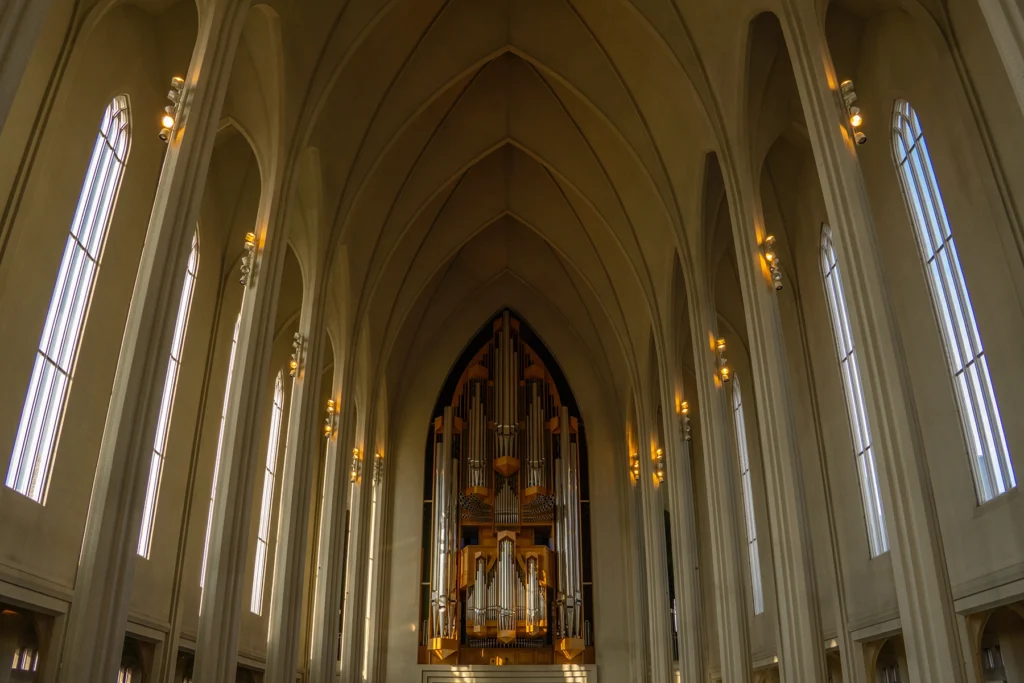
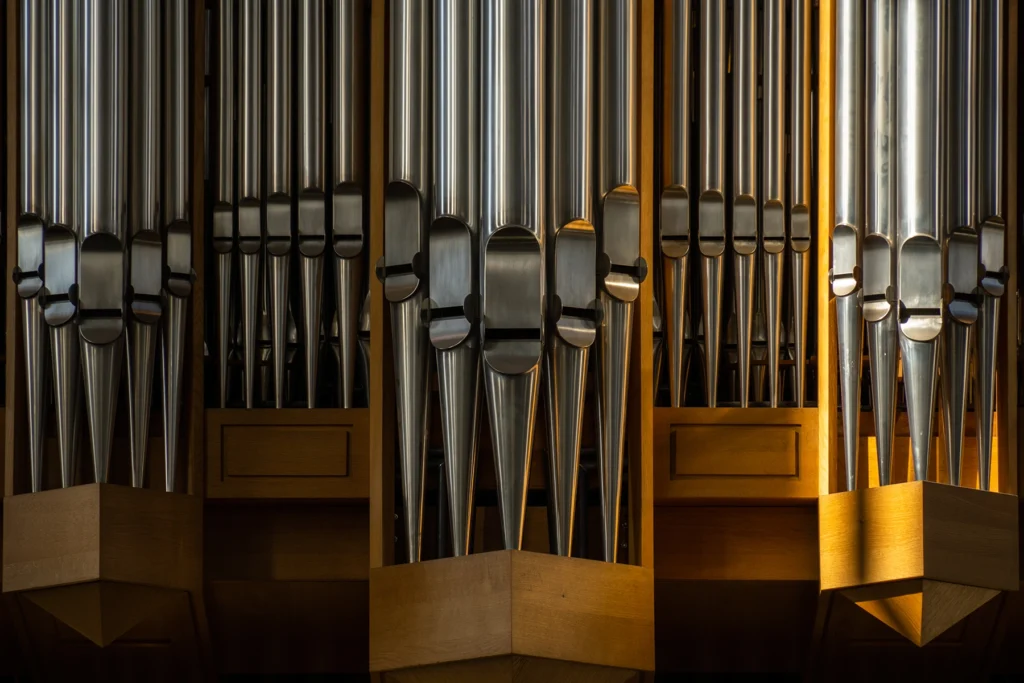
While traveling in Iceland, I wanted to capture the beauty of the organ pipes in Hallgrímskirkja without distracting the organist or visitors. I started with a wide shot at 18mm, carefully cropping above the people, then zoomed in to 300mm to highlight the light on the pipes. Both images were taken at f/8 to balance depth of field and shutter speed for handheld shooting—1/125s for the wide shot and 1/60s for the zoomed-in version, using the camera’s stabilization. To remain discreet, I also enabled the Sony a6600’s electronic shutter.
18-300mm (18mm), F8.0, 1/125 sec., ISO 400
18-300mm (300mm), F8.0, 1/60sec., ISO 200
Tip 2: Compose Creatively with a Single Lens
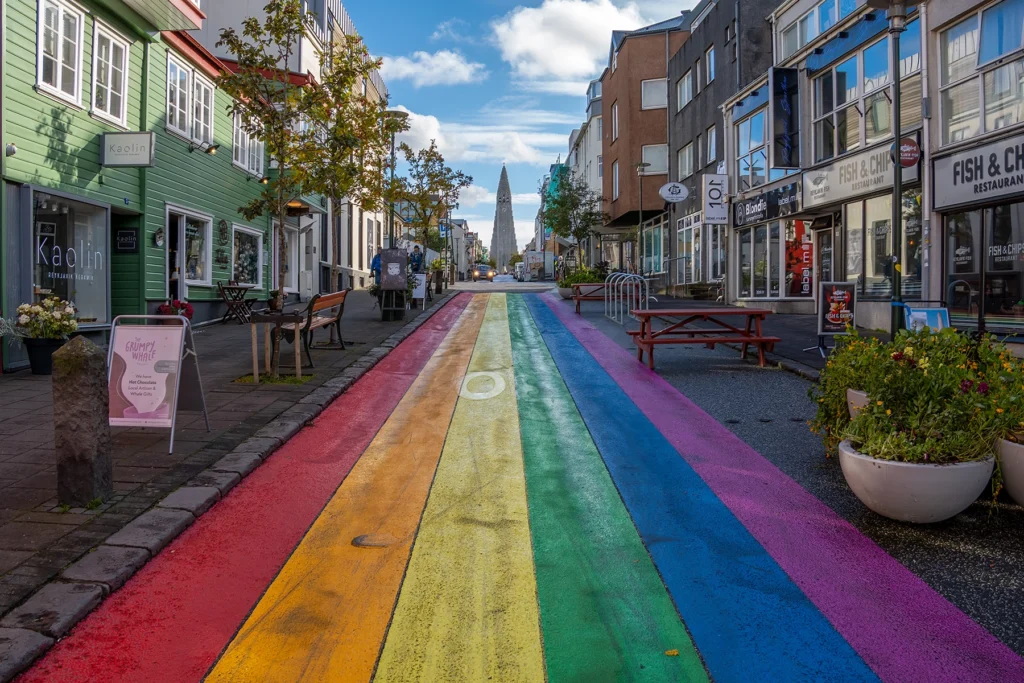
While walking the streets of Reykjavik, I came across the vibrant Rainbow Road with hardly any tourists around. I used 18mm to capture the surrounding area and emphasize the strong lines of the rainbow leading to Hallgrímskirkja. In contrast to past visits when crowds forced a tighter crop, the wide view allowed the full scene to shine. I chose f/8 at 1/200s to maintain depth of field while shooting handheld.
18-300mm (18mm), F8.0, 1/200 sec., ISO 200
Tip 3: Get the Perfect Crop In-Camera
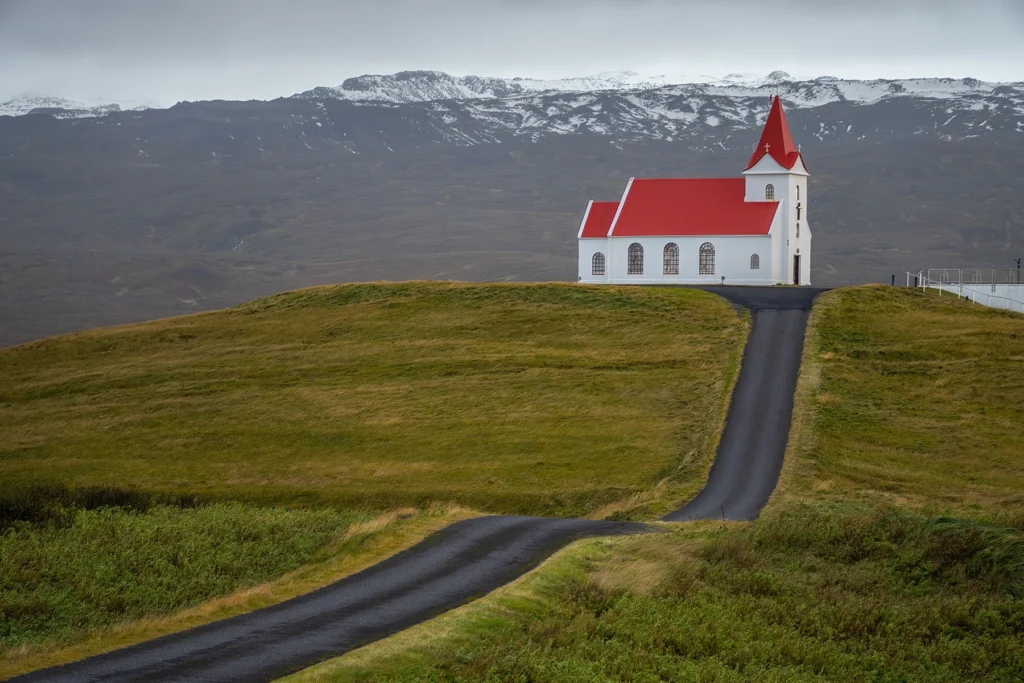
While exploring the Icelandic countryside, I came across a church standing in isolation, offering a striking composition. Using an all-in-one lens, I easily zoomed to 129mm to separate the steeple from the mountain and glacier in the background while keeping the road as a leading line. This flexibility helped me eliminate distractions outside the frame without repositioning. I chose f/5.6 at 1/125s to slightly soften the background and keep the focus on the church without introducing camera shake.
18-300mm (129mm), F5.6, 1/125 sec., ISO 200
Tip 4: Protect Your Sensor—Skip the Lens Swaps
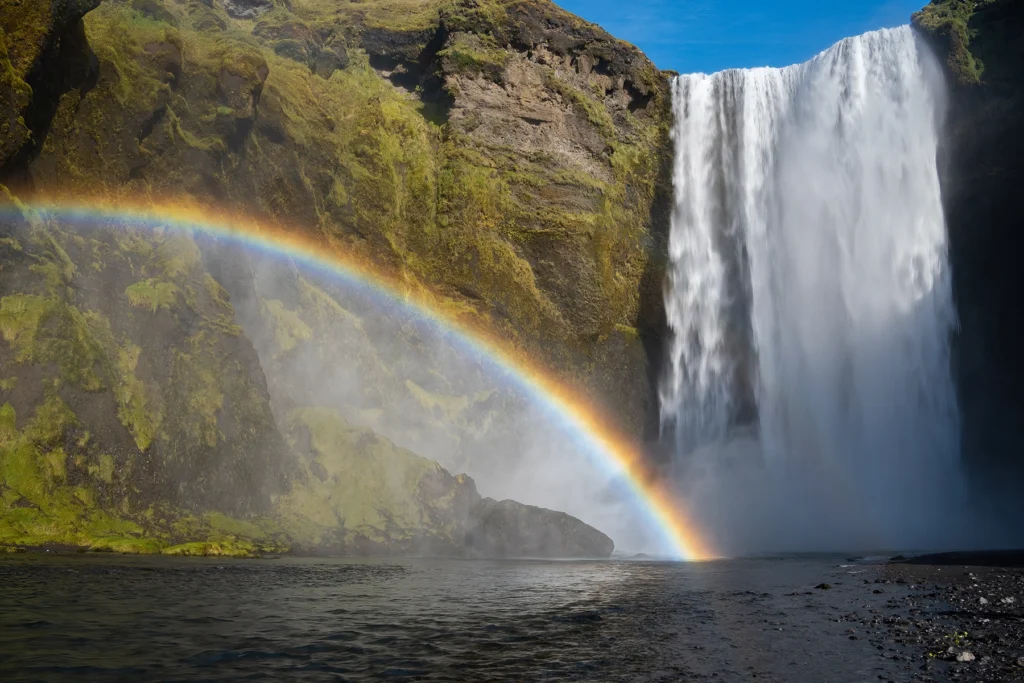
Skogafoss is one of Iceland’s most visited waterfalls, so I moved in close and used 18mm to frame out the crowd while capturing both the waterfall and rainbow. A circular polarizer set to minimal helped bring out the rainbow, and I handheld the shot at 1/15s to blur the water just enough to show motion. The lightweight, weather-sealed lens was ideal for shooting in the mist without needing a tripod or swapping lenses. Not having to change gear in the spray saved my sensor from water spots and kept me shooting without interruption.
18-300mm (18mm), F11, 1/15 sec., ISO 50
Tip 5: Carry Less, Capture More
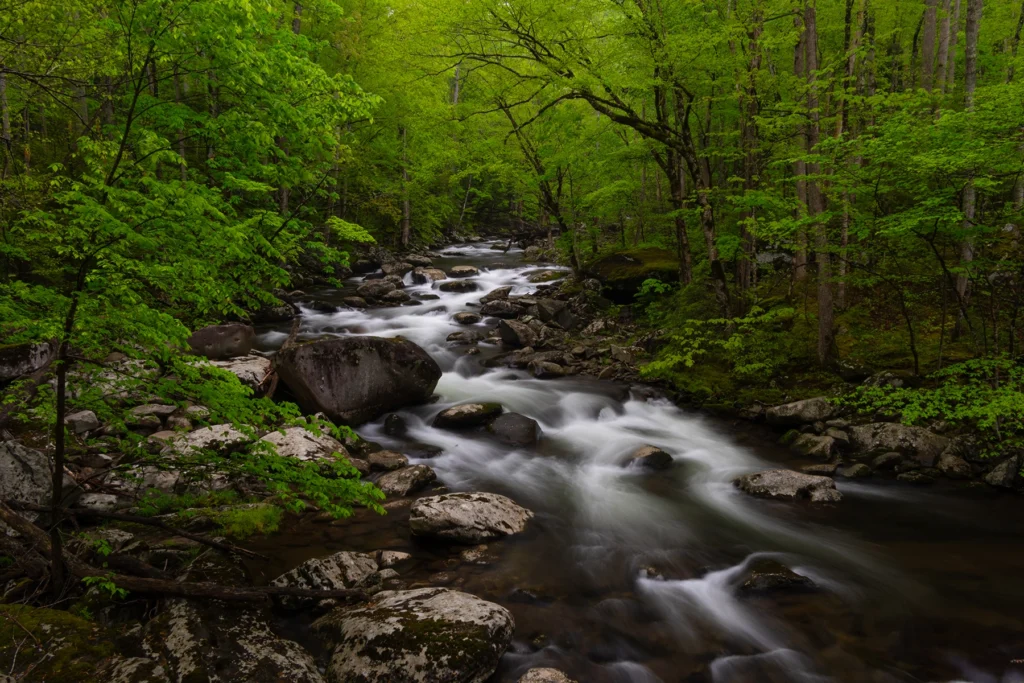
While hiking along a river, I appreciated how a compact, lightweight camera and all-in-one lens gave me the freedom to shoot creatively without being weighed down. I started with an 18mm wide shot of the scene, then zoomed in to capture the intricate details of the cascades—all without changing lenses. My friend, carrying a full bag and swapping lenses multiple times, struggled to keep up with the same range I captured effortlessly. Using a circular polarizer and f/22, I slowed the shutter to 2 seconds to beautifully smooth the water’s flow with the help of a small tripod.
 Instant Savings
 Rebate Claims
 Support
 Find a Dealer