Lowell Wolff puts his own spin on fine-art photography with an infrared setup and his Tamron 17-70mm F2.8 VC zoom lens.
Author: Jenn Gidman Images:Lowell Wolff
Share Article
Lowell Wolff puts his own spin on fine-art photography with an infrared setup and his Tamron 17-70mm F2.8 VC zoom lens.
I began shooting with DSLR cameras with slide film in the late ’70s. While my preferred subjects were based in nature, I was contracted for seven years to do an annual collection of images for our local chamber of commerce. After a 40-year career, I retired, switched to digital mirrorless cameras, and focused on building my photography skills.
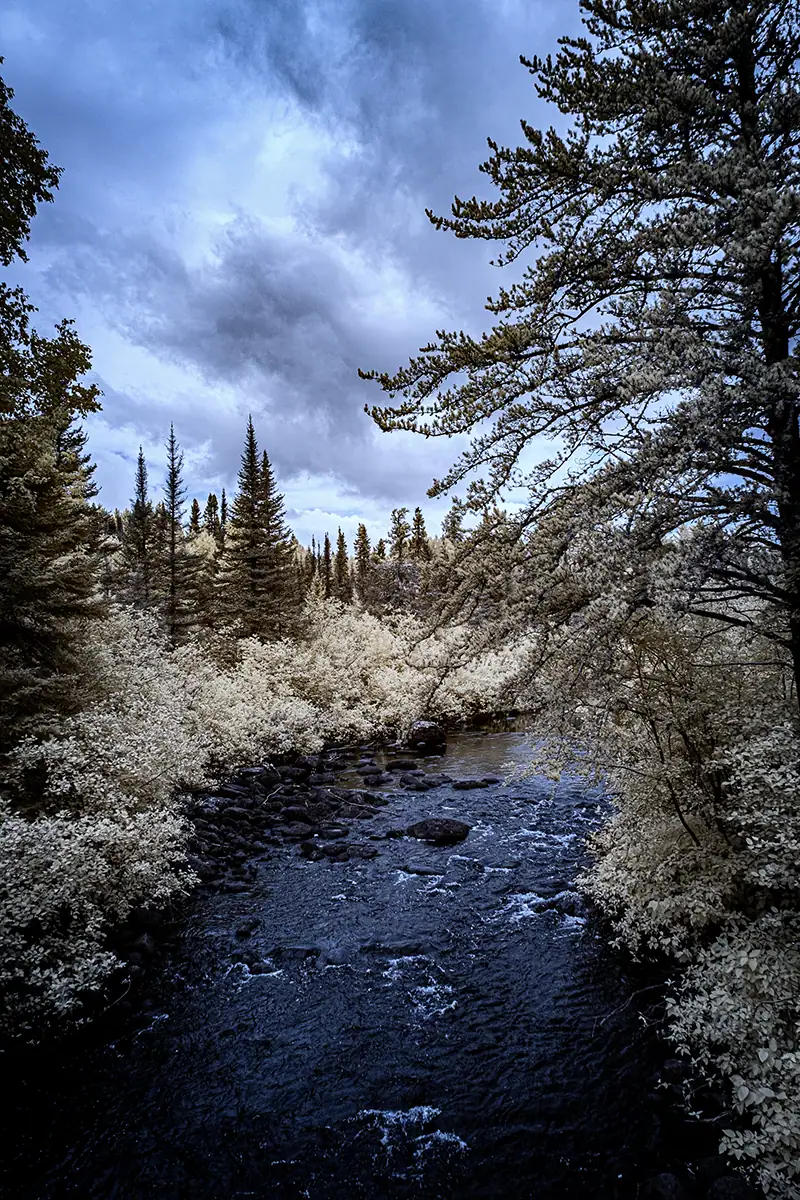
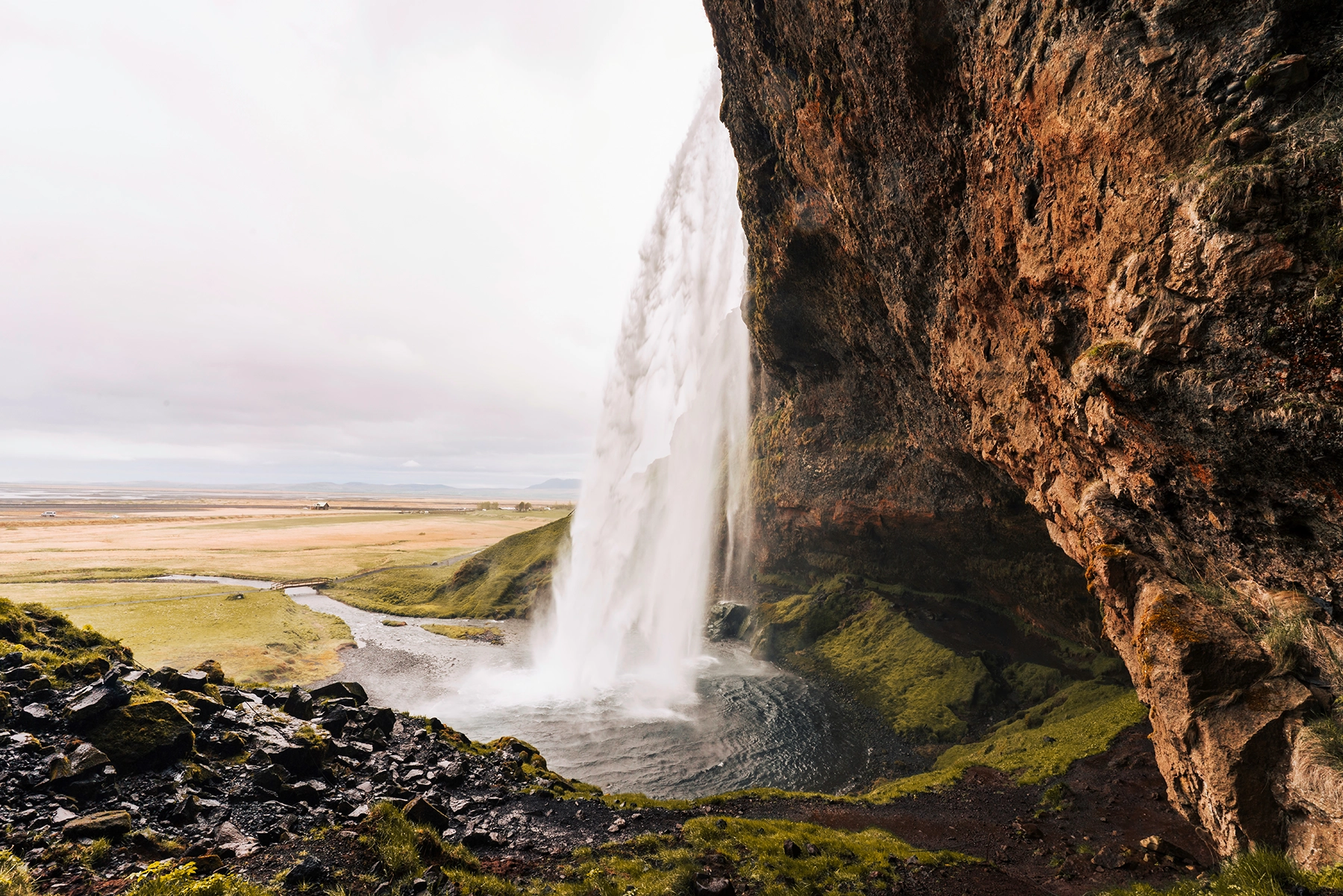
My first vacation was to Minnesota—specifically, the North Shore of Lake Superior. I loved the terrain, the hiking trails, and rivers that feed the dozens of waterfalls between Duluth, Minnesota, and the Canadian border. The area is full of beauty through all four seasons. From that love of nature photography, I continued to explore many other genres of photography, including infrared photography.
17-70mm (17mm), F8, 1/220 sec., ISO 160
I began experimenting with screw-on infrared filters and liked the effects so much that I had a full-spectrum conversion done to my Fujifilm X-T3 mirrorless camera and purchased a group of magnetic infrared filters. I quickly realized that many of my lenses produced hot spots, however—bright centers that were nearly impossible to erase in post-processing.
That’s where the Tamron 17-70mm F/2.8 Di III-A VC RXD standard zoom comes in. My camera bag also includes the Tamron 11-20mm F/2.8 Di III-A RXD ultra-wide-angle lens when I want a wider perspective, and the Tamron 18-300mm Di III-A VC VXD all-in-one zoom when I need more reach, but the 17-70mm F2.8 VC is my go-to lens. It performs without producing hot spots, works well in low light, has an excellent focal range and great macro abilities, and the autofocus works through the infrared filters at all focal ranges. The built-in Vibration Compensation technology is also important, as my camera doesn’t have image stabilization.
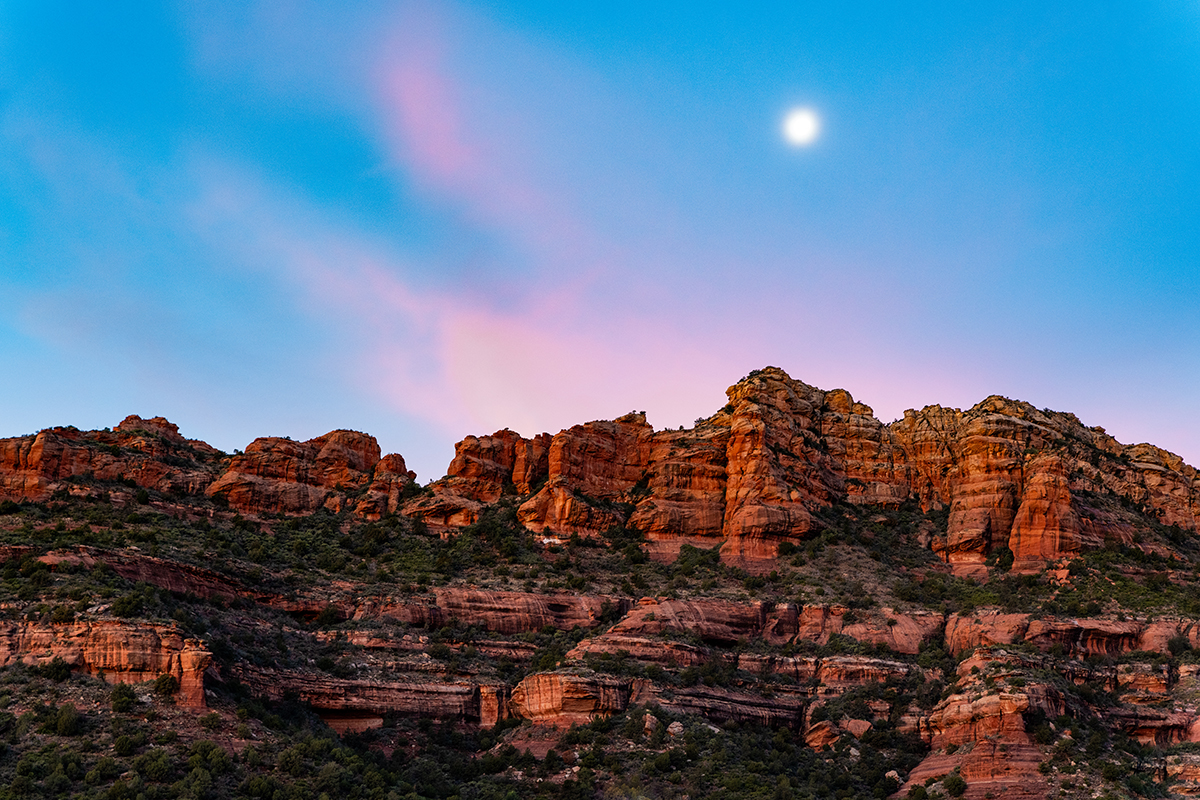
While I love the drama of sunrises and sunsets, one of the benefits of infrared is that you can shoot it in the harshest of light. If I find an appealing spot, I can shoot the sunrise, switch to infrared gear for the midday sun, then switch back again for sunset. Infrared also reveals elements that you may not catch a glimpse of otherwise.
17-70mm (70mm), F8, 1/320 sec., ISO 160
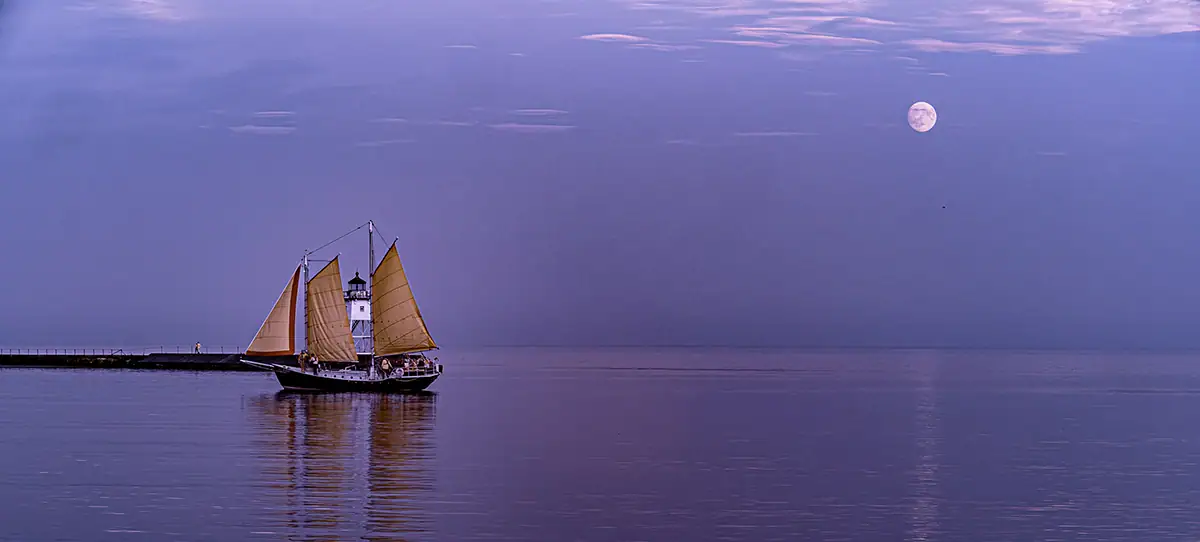
For example, take my image titled “Full Moon,” showing the harbor in Grand Marais, Minnesota, with a lighthouse peeking out from between the sails of the Hjordis schooner as the full moon was rising. I shot this using a 590nm infrared filter. Interestingly enough, the normal camera sitting next to it couldn’t reveal the moon through the thin clouds.
17-70mm (62mm), F8, 1/9 sec., ISO 160
I shoot with artistic intent. When I find an attractive subject, I attempt to highlight the artistic qualities in the composition and enhance them in post-processing. I’ve also internalized a set of artistic principles, based on techniques used by visual artists throughout history, as well as more recent brain scan studies. It allows me to find images intuitively—I know it when I see it. I may not be able to articulate the principles at play until I get to post-production, but they’re always present.
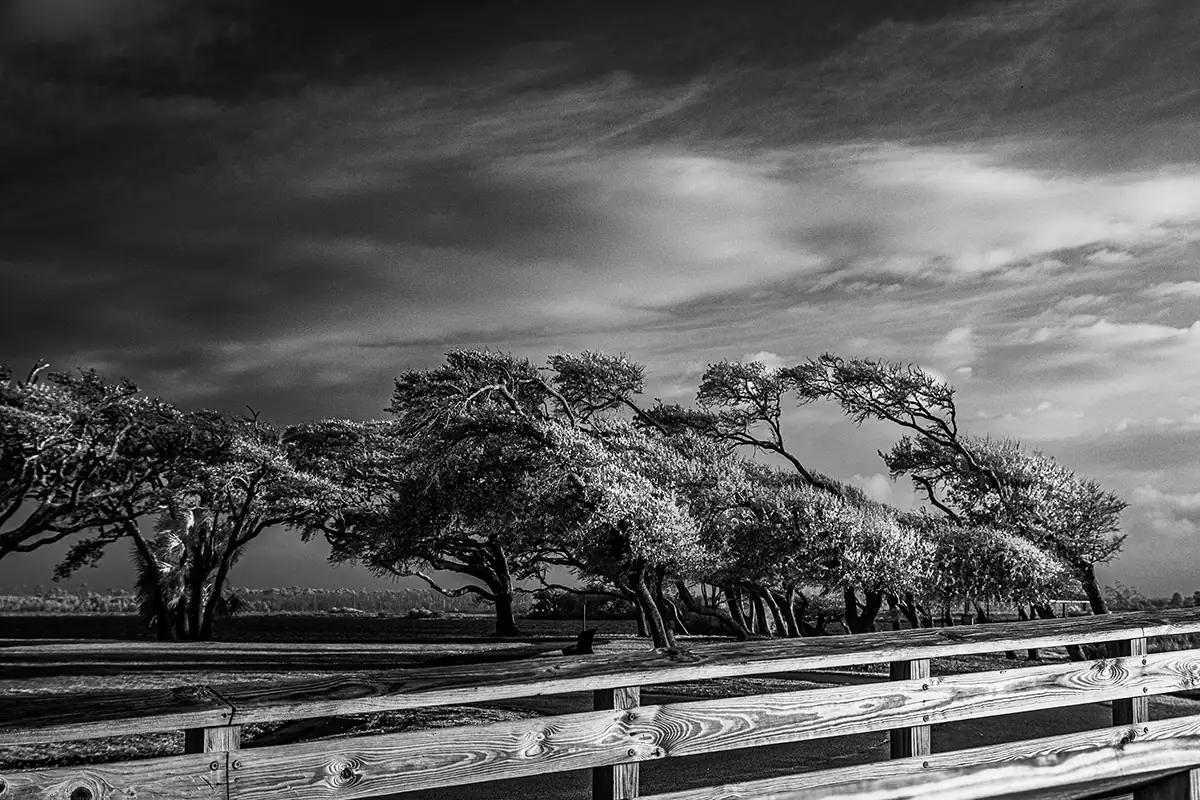
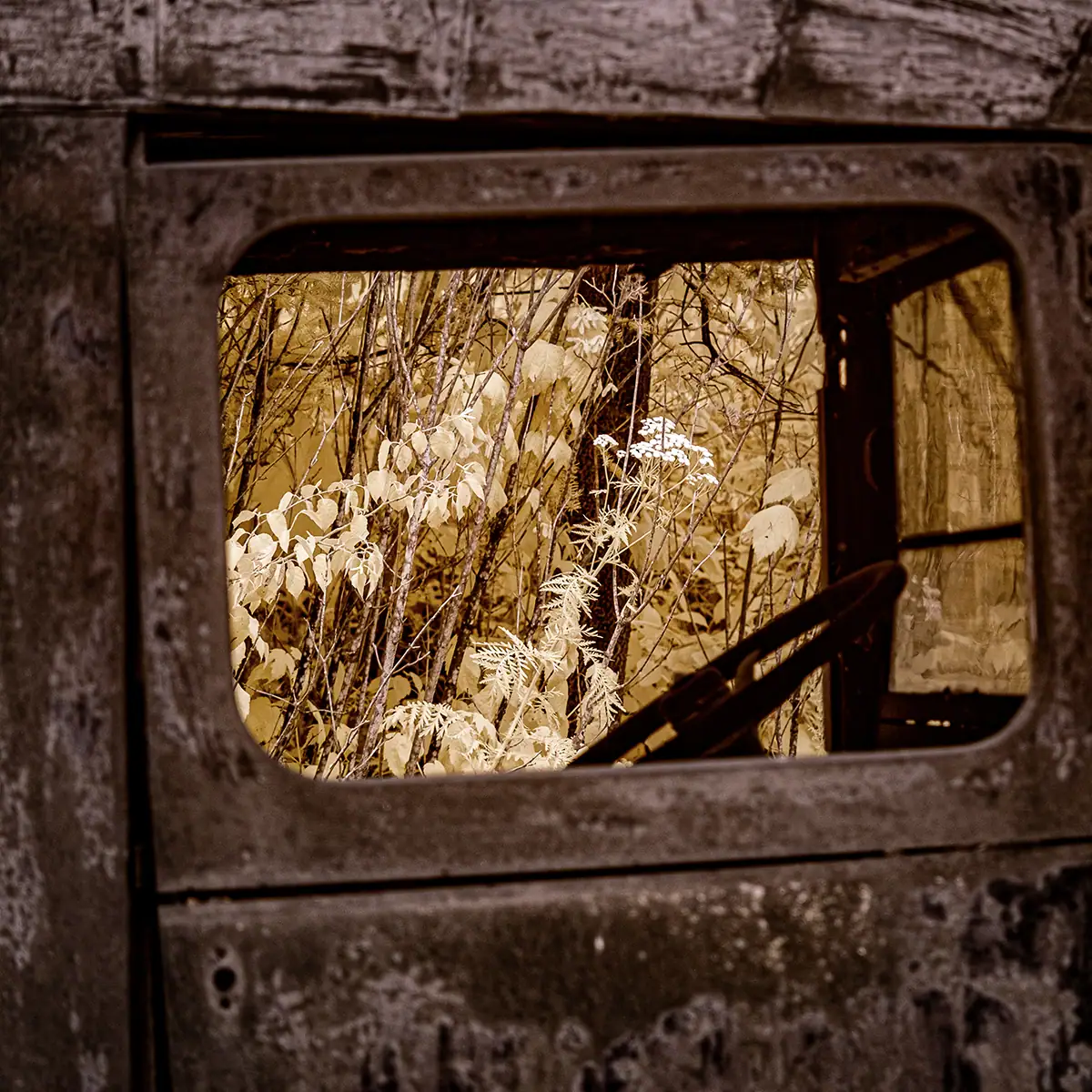
My image “Truck Frame” uses the window of an old truck to frame the fall vegetation using a 665nm infrared filter. “Zigzag,” meanwhile, is a black-and-white image of Southern live oak trees in Alabama’s Gulf State Park, shot using a 720nm infrared filter. I was attracted to the eye movement caused by the scene: the railing taking your eye toward the right, the trees taking your eyes to the left, and the clouds taking them back to the right.
17-70mm (70mm), F4.5, 1/550 sec., ISO 160
17-70mm (33mm), F5, 1/480 sec., ISO 160
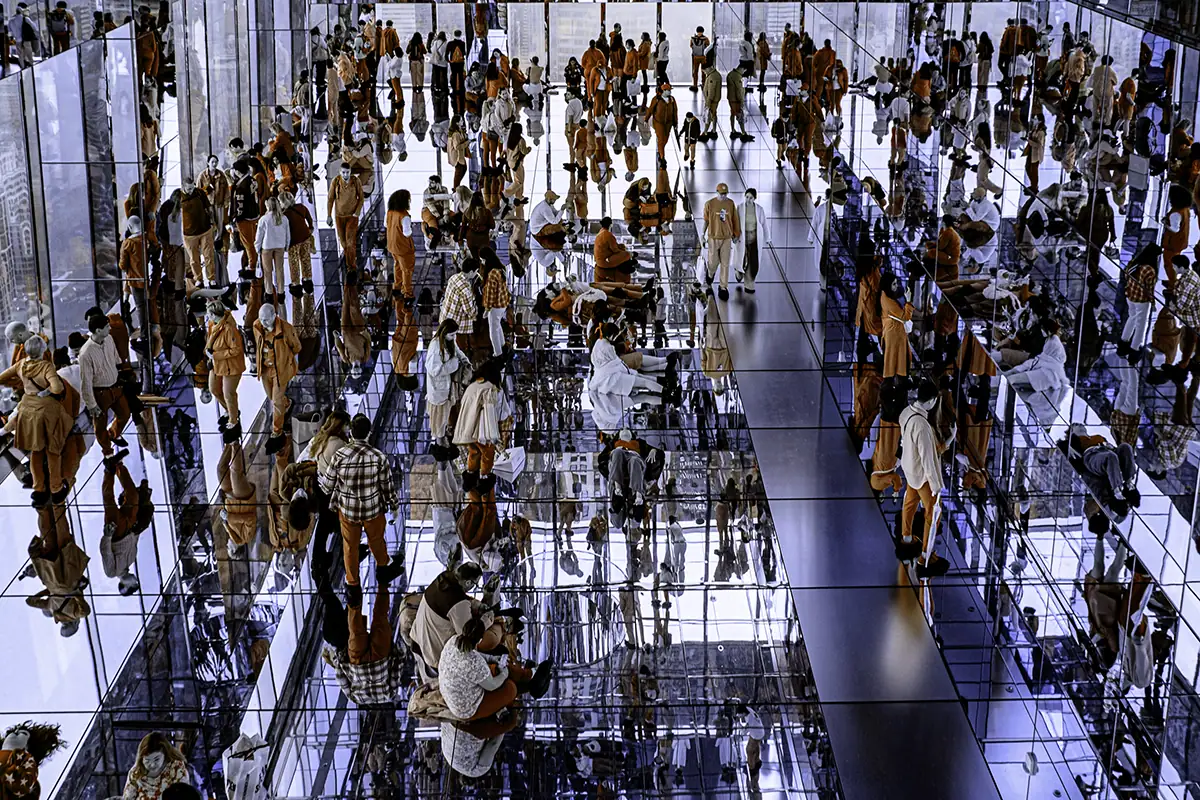
I never used to shoot scenes with people in them, until I spent part of 15 years in the same community in Mexico and grew to love street scenes. Recently, due to some health issues that kept us closer to home, I did a series based on the question, “What would happen if you treated bokeh as the subject of an image?” When I get stuck, as we all do, I remind myself that this craft is a journey—not a destination.
17-70mm (23mm), F4, 1/105 sec., ISO 160
Check out Lowell Wolff’s website to see more of his work.
 Instant Savings
 Rebate Claims
 Support
 Find a Dealer