 Instant Savings
 Rebate Claims
 Support
 Find a Dealer
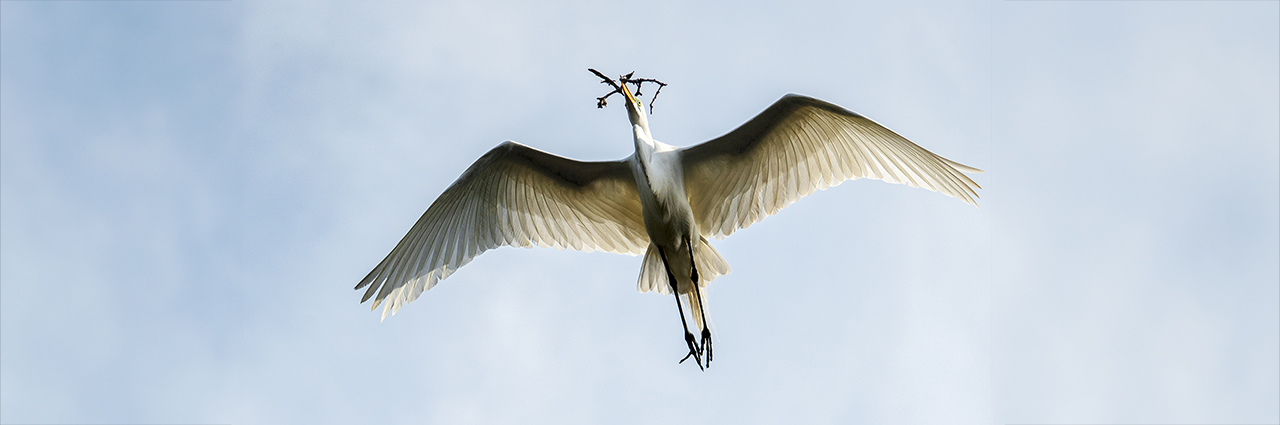
Learning how to photograph birds, especially birds in flight, is both exhilarating and challenging. Capturing their fast and fleeting movement requires skill, patience, and the right techniques.
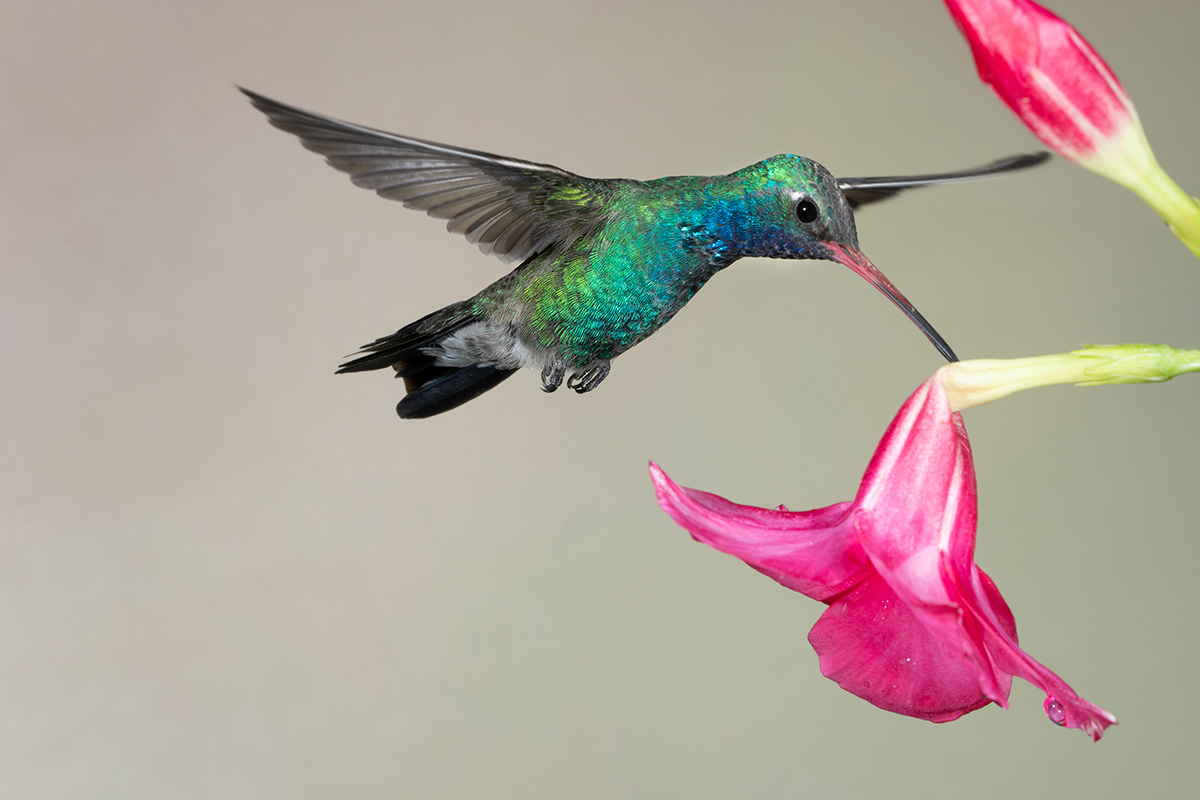
Whether you’re aiming to photograph the descent of a bird onto a lake, the rapidly beating wings of a hummingbird, or the soaring flight of a bald eagle, mastering bird photography takes practice and preparation.
If you’re looking for a broader list of techniques and ideas, explore our guide to bird photography tips (coming soon).
- How to photograph birds in flight step-by-step
- Which camera lenses and settings to use
- How to anticipate bird behavior
- Techniques for capturing sharp images of fast-moving birds
- How to improve consistency in your bird photography
Choosing the Right Camera Lens for Bird Photography
Acquiring an ultra-telephoto camera lens is crucial for photographing birds, especially when shooting birds in flight. A focal length of 400mm or more is recommended, such as Tamron’s 50-400mm or 150-500mm for mirrorless cameras.
If you own a crop-sensor camera, using a full-frame ultra-telephoto lens increases your effective reach, helping you fill the frame with distant subjects.
Recommended Camera Lenses for Mirrorless Cameras
- TAMRON 150-500mm F/5-6.7 Di III VC VXD (Model A057) for Sony E, Fujifilm X and Nikon Z mirrorless cameras offers extended reach, fast autofocus, and stabilization—ideal for tracking birds in flight.
- TAMRON 50-400mm F/4.5-6.3 Di III VC VXD (Model A067) for Sony E and Nikon Z mirrorless cameras provides flexibility for birds at varying distances with strong autofocus performance.
Explore more telephoto lens options in our Wildlife Photography Lens Guide.
Core Camera Setup for Bird Photography

Before focusing on technique, it’s important to establish a reliable camera setup. These foundational settings will help you consistently capture birds in motion.
- Shutter Speed: Start at 1/2000 sec for birds in flight
- Aperture: f/5.6–f/7.1 for subject isolation
- ISO: Auto ISO or adjust based on lighting
- Autofocus Mode: Continuous tracking (AI Servo / AF-C)
- Drive Mode: High-speed burst
These settings provide a strong starting point when learning how to photograph birds in fast-moving situations.
Understanding Bird Behavior Before You ShootWhen learning how to photograph birds, understanding behavior is just as important as camera settings.
Birds often repeat movements—returning to the same perch, circling before landing, or taking off in predictable directions. Observing these patterns allows you to anticipate action and position yourself effectively.
Different bird species behave in predictable ways depending on their environment. Waterfowl often follow consistent flight paths over lakes and marshes, while birds of prey circle before diving. Smaller birds may move erratically but return to the same perches. Recognizing these patterns helps you anticipate action and improve your timing.
This skill becomes even more powerful when combined with tracking techniques—learn more here: how to track animals for wildlife photography.
How to Photograph Birds in Flight: Step-by-Step Techniques
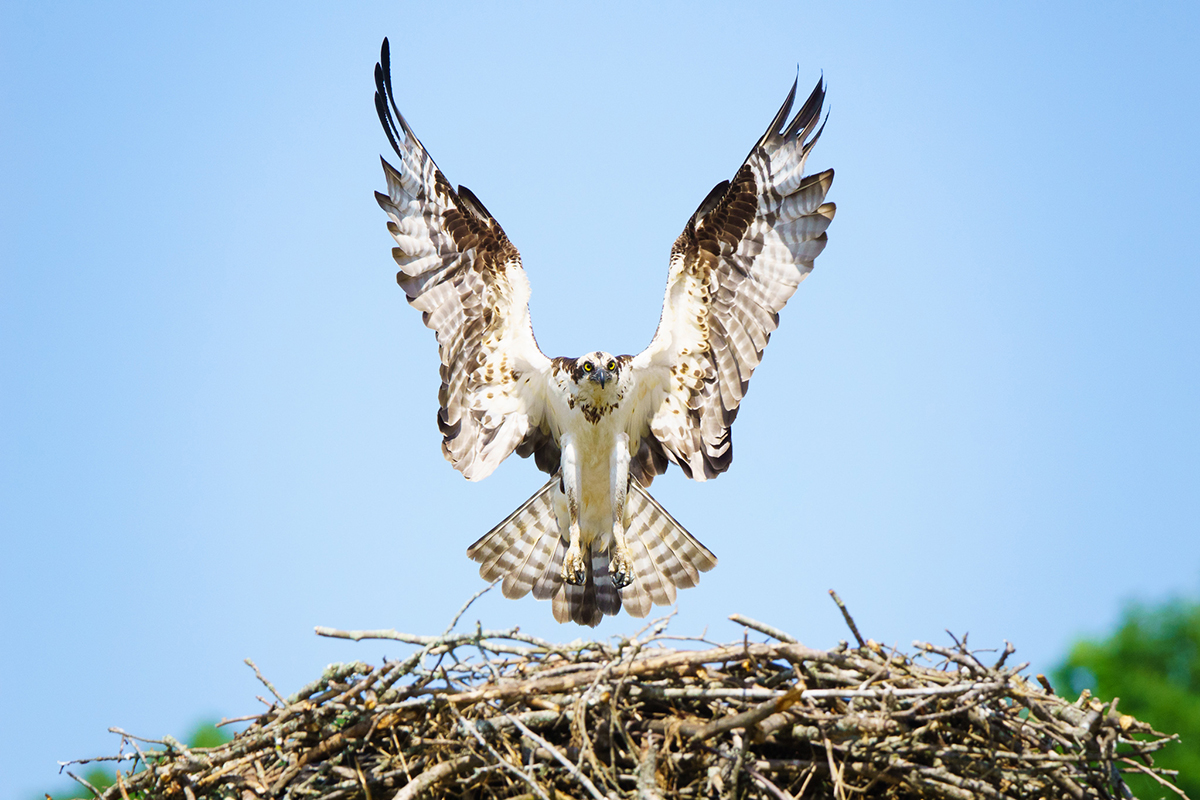
Photographing birds in flight requires coordination between focus, timing, and camera movement. These steps will help you build consistency and improve your results in real-world situations.
Step 1: Lock Focus Early
Start tracking the bird before it enters your ideal composition. Use continuous autofocus and keep your focus point on the bird’s head or upper body.
Photographing birds in flight requires coordination between focus, timing, and camera movement. These steps will help you build consistency and improve your results in real-world situations.
Step 2: Use Fast Shutter Speeds
Maintain a shutter speed of at least 1/2000 sec to freeze motion. Faster birds or erratic movement may require even higher speeds.
If your shutter speed drops too low, motion blur will appear in the wings or body, reducing sharpness. Increasing ISO helps maintain fast shutter speeds in changing light.

Step 3: Follow the Bird with Smooth Panning
Tracking movement smoothly is critical for sharp images.
- Begin following the bird early
- Match your camera movement to the bird’s speed
- Keep the subject centered
- Continue the motion after pressing the shutter
Abrupt movements or stopping too early can introduce blur. Smooth panning helps maintain focus and framing throughout the shot.
Step 4: Use Burst Mode for Better Results
Bird movement is unpredictable, and single shots often miss the ideal moment.
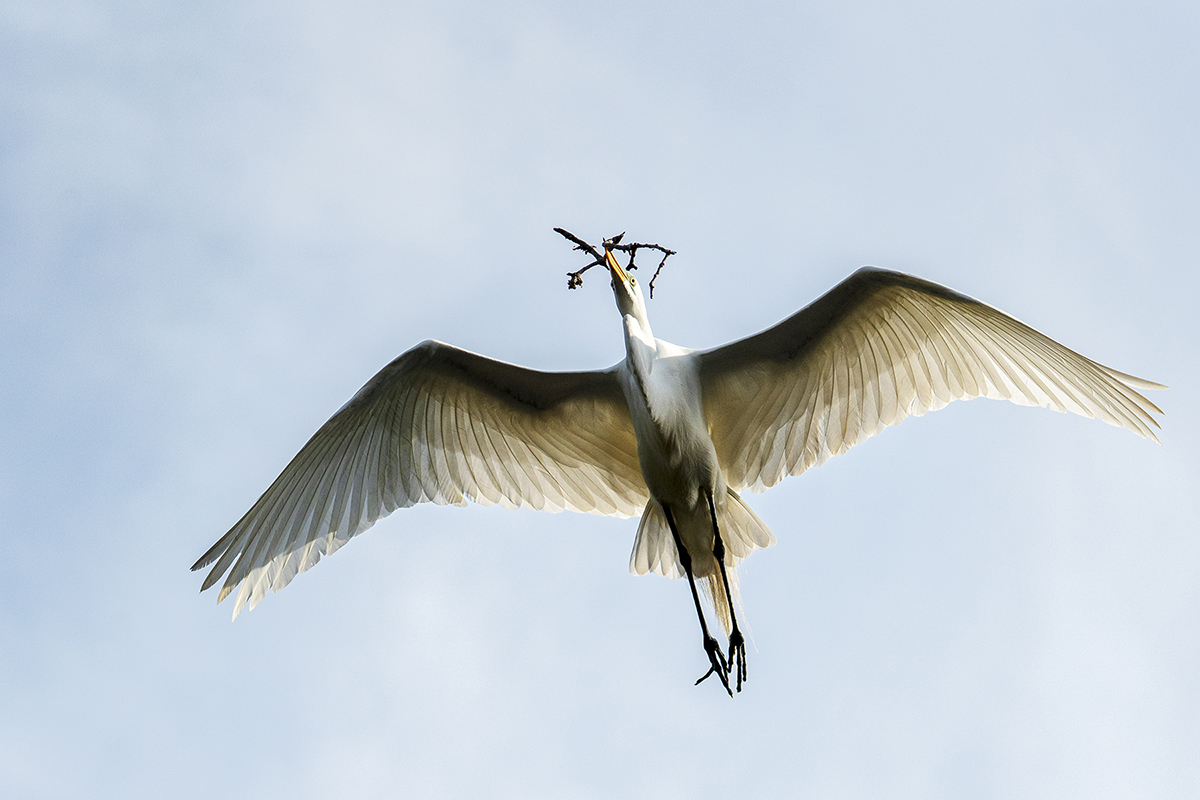
Using high-speed burst mode increases your chances of capturing the perfect wing position, eye contact, or interaction with the environment.
Step 5: Position Yourself for Better Angles
Your position relative to the bird affects both composition and lighting.
- Try to shoot at eye level when possible
- Keep the sun behind you for even lighting
- Anticipate direction of flight
Positioning yourself correctly improves background quality, lighting, and the overall impact of your image.
Managing Exposure in Bird Photography
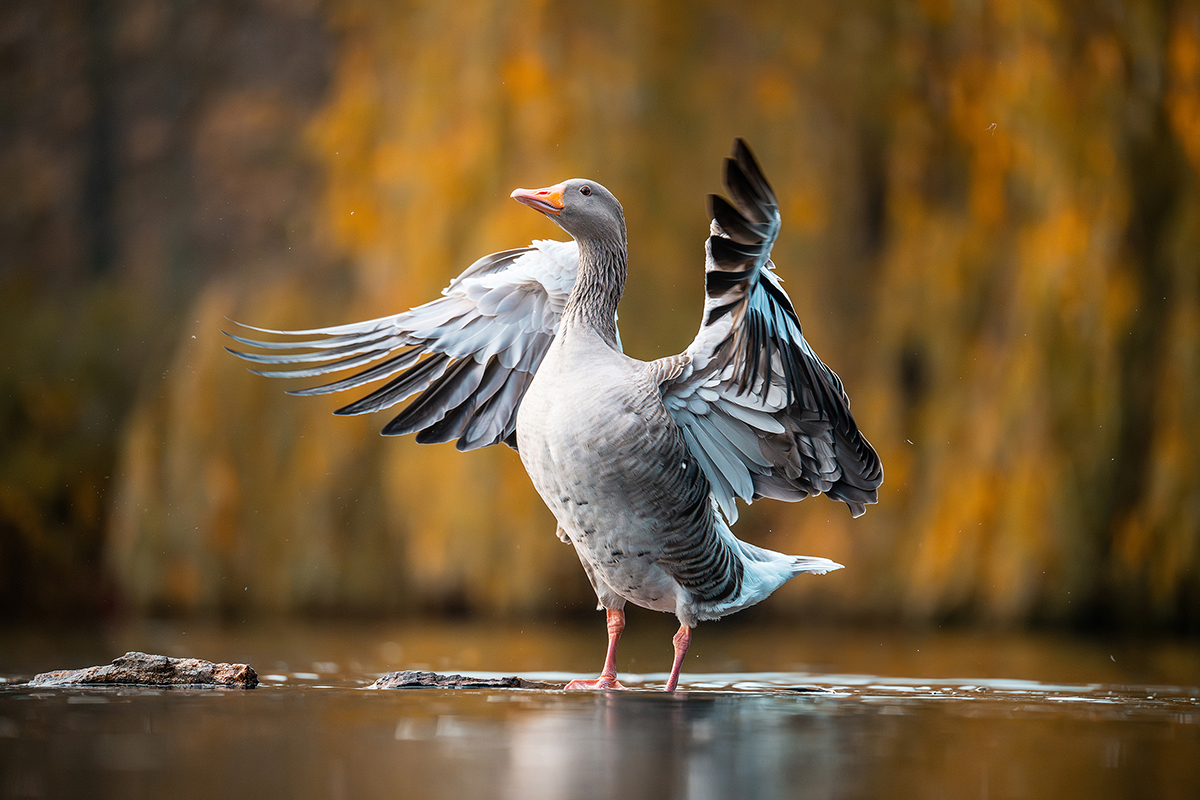
Bright feathers—especially white or reflective surfaces—can easily become overexposed.
- Check your histogram
- Reduce exposure slightly if highlights are clipping
- Shoot in softer or diffused light when possible
Birds with strong contrast (like eagles or gulls) require careful exposure control. Shooting in RAW gives you more flexibility to recover highlights and shadows during editing.
Lighting for Bird Photography
Lighting plays a major role in bird photography.
Soft light during early morning or late afternoon helps reveal feather detail and reduces harsh shadows. Shooting with the sun behind you ensures even exposure and better color.
Backlighting can create dramatic silhouettes or highlight translucent wings, while overcast conditions provide balanced lighting—especially useful for birds with bright or white feathers.
Composition Techniques for Bird Photography
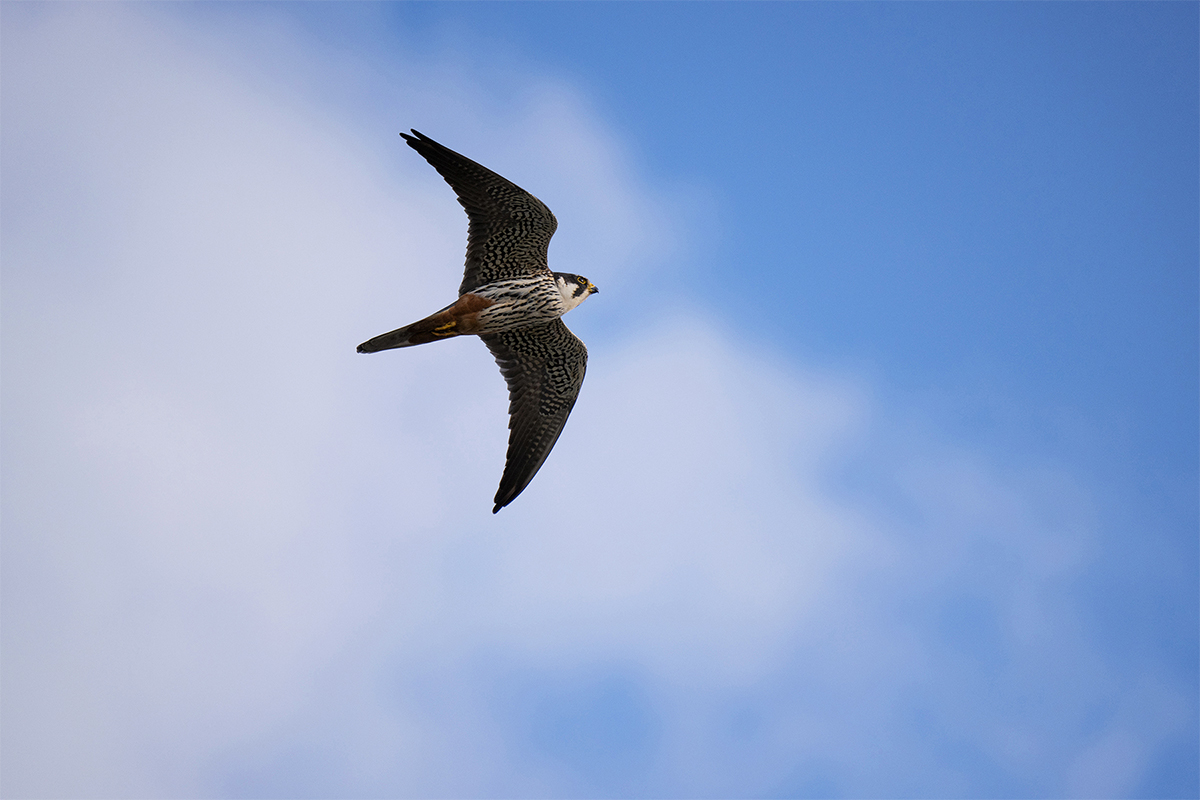
Strong composition helps transform technically sharp images into compelling photographs.
- Avoid cutting off wings or tails
- Leave space in the direction of movement
- Use the rule of thirds for better balance
Building Consistency Through Practice

Bird photography requires patience and repetition.
Focus on capturing:
- Takeoff
- Landing
- Wings fully extended
- Interaction with the environment
Returning to the same location regularly helps you learn bird behavior and improve your consistency over time.
How do you photograph birds effectively?To photograph birds effectively, use a fast shutter speed (1/1000 or faster), continuous autofocus, and a telephoto lens. Track the bird early, focus on the eyes, and use burst mode to capture sharp images. Position yourself with good light and a clean background to improve composition and clarity.
People Also Ask
What is the best camera setting for bird photography?
The best camera settings for bird photography include a fast shutter speed (1/1000–1/2000 or faster), continuous autofocus (AF-C/AI Servo), and burst shooting mode. Adjust ISO as needed to maintain proper exposure while keeping motion sharp.
How do you photograph birds in flight?
To photograph birds in flight, use continuous autofocus, track the subject early, and maintain a fast shutter speed. Smooth panning and burst mode help capture sharp images and better wing positions.
What lens is best for bird photography?
Telephoto lenses in the 150mm to 600mm range are ideal for bird photography. A versatile option like the Tamron 50-400mm F4.5-6.3 Di III VC VXD allows you to capture both distant birds and closer environmental shots.
How do you keep birds in focus while flying?
Use continuous autofocus with subject tracking and keep your focus point on the bird’s head or body. Lock focus early and maintain smooth movement while following the bird to improve accuracy.
Why are my bird photos blurry?
Bird photos are often blurry due to slow shutter speeds, missed focus, or camera shake. Increasing shutter speed, using proper tracking techniques, and stabilizing your camera can significantly improve sharpness.
Master How to Photograph Birds
Learning how to photograph birds takes time, but with the right foundation, you can dramatically improve your results.
By combining camera settings, an understanding of bird behavior, and techniques like panning and burst shooting, you’ll be able to capture birds in motion with greater confidence.
Continue learning with:
Where to Buy Tamron Lenses
Learn about these lenses and more at an authorized Tamron dealer in your area or directly at the TAMRON Store today.
FAQ
What is the best time of day for bird photography?
Early morning and late afternoon are the best times for bird photography. These periods offer softer light, more active wildlife behavior, and better contrast for capturing detail.
Do you need a tripod for bird photography?
A tripod is not always necessary, especially for birds in flight. Many photographers prefer handheld shooting for flexibility, but a monopod or tripod can help when using heavier lenses or shooting stationary subjects.
How close should you get to birds when photographing them?
You should maintain a respectful distance and use a telephoto lens to fill the frame. Getting too close can disturb the bird and alter natural behavior, which affects both ethics and image quality.
What autofocus mode should I use for bird photography?
Use continuous autofocus (AF-C or AI Servo) with tracking enabled. This allows your camera to continuously adjust focus as the bird moves through the frame.
How do you photograph birds without disturbing them?
Move slowly, avoid sudden movements, and observe behavior before shooting. Using longer focal lengths allows you to capture detailed images while keeping a safe and respectful distance.
More Photo Tips | Watch Videos | Learn More About Tamron Lenses | Photo Gallery
 English
  Spanish
  French
  Portuguese