 Instant Savings
 Rebate Claims
 Support
 Find a Dealer


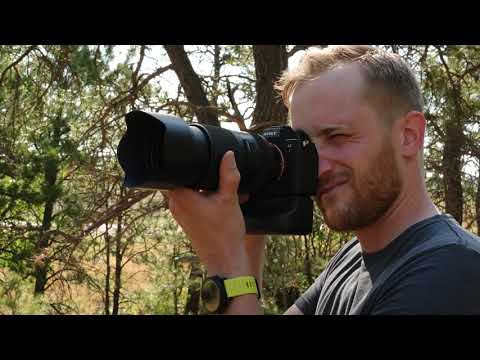
Knowing how to hold a telephoto lens is essential for capturing sharp, blur-free images—especially when shooting handheld without a tripod. In this guide, the camera lens manufacturer experts at Tamron share simple tips to help you improve your handheld photography technique and get clearer long-distance shots.
What You’ll Learn in This Article:
- How to hold a telephoto lens for sharper handheld photos without a tripod
- The best body positioning and hand placement techniques for stability
- Breathing and shutter control methods to reduce camera shake
- Which Tamron telephoto lenses are ideal for handheld shooting with mirrorless cameras
- Simple pro tips to instantly improve your long-distance photography results

TIP 1: Start with a Lightweight, Stabilized Telephoto Lens
When you’re learning how to hold a telephoto zoom handheld, a lighter lens with image stabilization makes every other technique easier. For mirrorless cameras, we recommend the 70-180mm F/2.8 Di III VC VXD G2 (Model A065), 50-400mm F/4.5-6.3 Di III VC VXD (Model A067) or the 150-500mm F5-6.7 Di III VC VXD (Model A057). These mirrorless lenses for full-frame cameras have incredible AF architecture and many other standout features.
The 70-180mm G2 for Sony E-mount is great for hand-held shooting since it’s a compact F/2.8 telephoto zoom lens. Plus, it has VC image stabilization. . And the 150-500mm for Sony E, Nikon Z and Fujifilm X is a super compact ultra-telephoto zoom. And it also provides VC image stabilization for excellent hand-held shooting.
Another great option is the 50-400mm for Sony E and Nikon Z mirrorless. It offers an impressive 8x zoom range in a surprisingly compact body. Ideal for handheld shooting, this image stabilized lens combines versatility with excellent image stabilization. This makes it perfect for capturing anything from moderate telephoto to ultra-telephoto shots without a tripod.
TIP 2: How to Hold a Telephoto Lens Using a Support Triangle
One of the most effective techniques for mastering how to hold a telephoto lens is to angle your body and form a stable base. Stand at a slight angle to your target, then bring your elbows close to your rib cage to create a “support triangle” that helps keep your camera steady. If you’re using a heavier lens, bring the elbow of the arm supporting the lens closer to the center of your body. This alignment between lens, elbow, and wrist gives you greater control. Always support the camera and lens from underneath. And make sure to zoom from the bottom of the lens, not the top, to maintain balance.
TIP 3: Control Your Breathing to Reduce Camera Shake
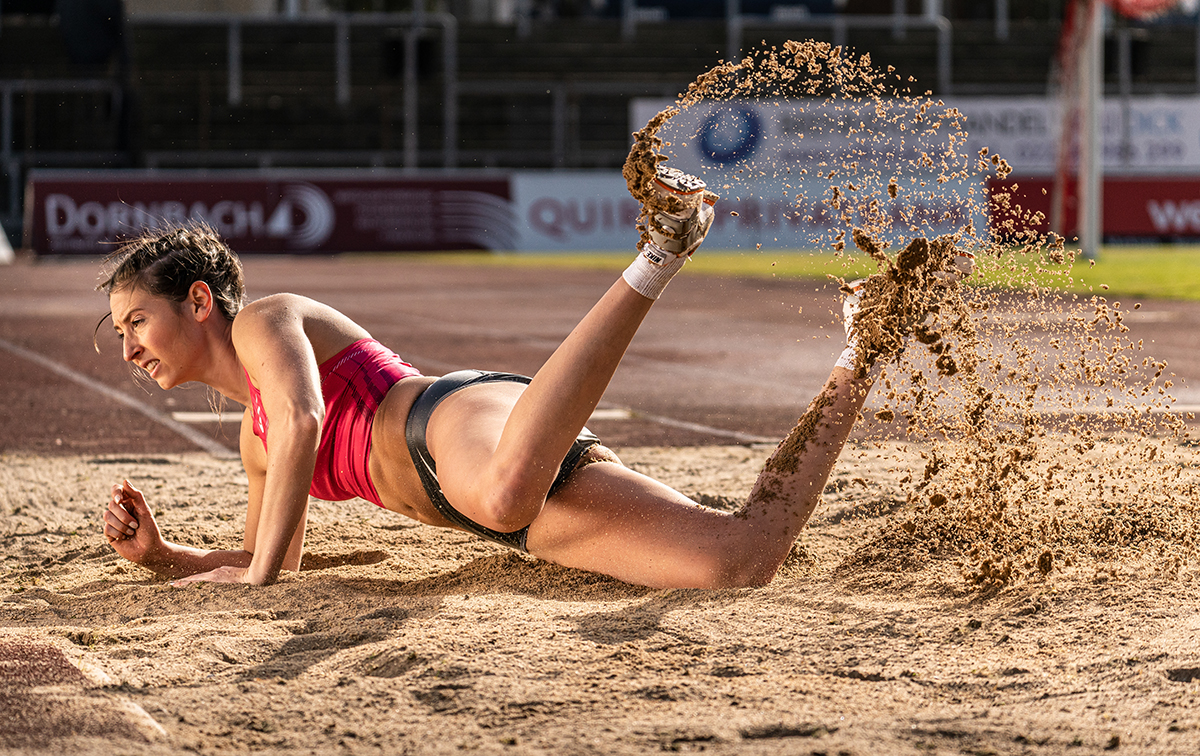
When learning how to hold a telephoto lens properly, controlling your breathing is key. Don’t take deep breaths—instead, take short, shallow breaths as you frame, focus, and press the shutter on your target. Avoid holding your breath, as it can cause subtle quivering and lens shake that may blur your shot.
TIP 4: Press the Shutter Gently and Use a Fast Enough Shutter Speed
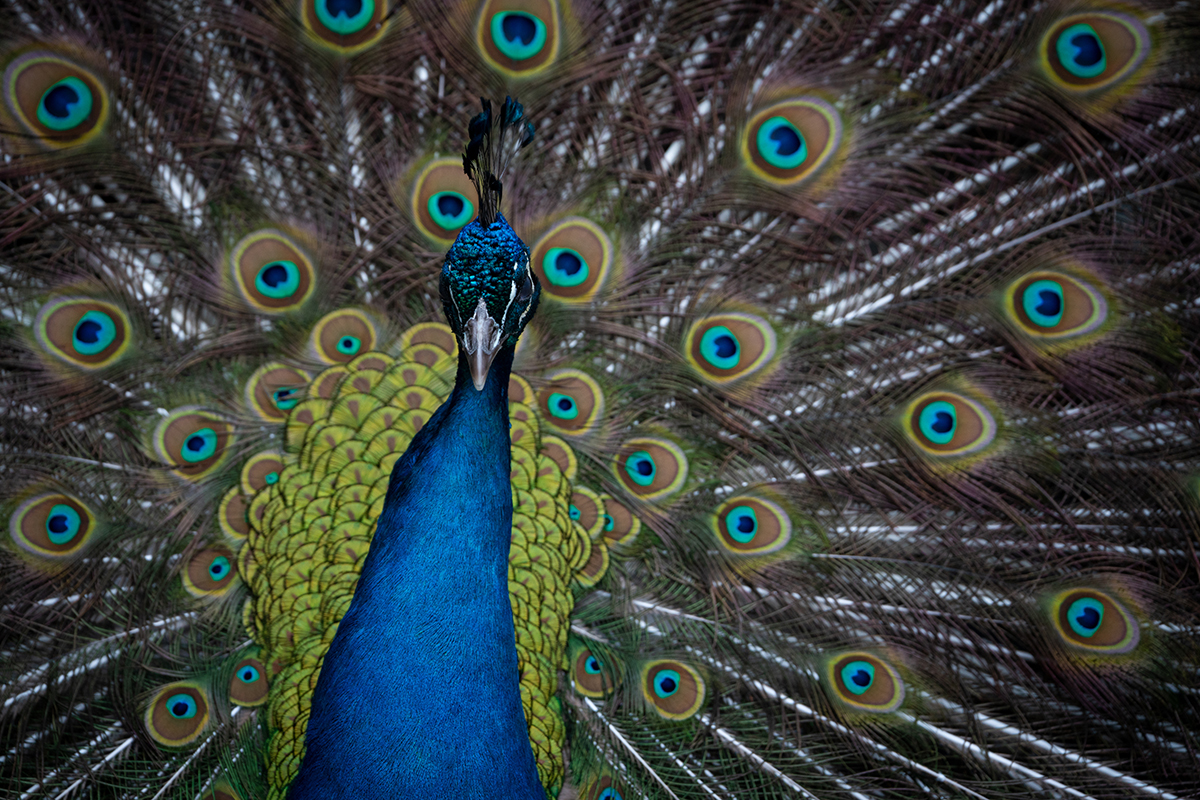
Gently move your finger down on the shutter. Pause halfway to let the image focus and depress the shutter slowly. A fast “jab” can cause the camera or your body to shake, ruining the shot. Pair that gentle press with a fast enough shutter speed. A common starting point is at least 1/focal length, such as 1/500 sec at 500mm. VC stabilization can let you shoot slower than that, while fast-moving subjects need faster speeds.

Find the Right Tamron Telephoto Lens for Handheld Shooting
Ready to upgrade your gear and put these tips into practice? If you’re serious about improving your handheld photography and mastering how to hold a telephoto lens, choosing the right equipment makes all the difference.
Tamron lenses like the 70-180mm F/2.8 G2, 150-500mm, and 50-400mm offer cutting-edge features and exceptional stability, making them ideal for handheld shooting. Visit an authorized Tamron dealer near you, or browse Tamron’s full lineup of telephoto lenses, and experience firsthand how the right lens can help you get sharper, more stunning telephoto shots—no tripod required.