 Instant Savings
 Rebate Claims
 Support
 Find a Dealer
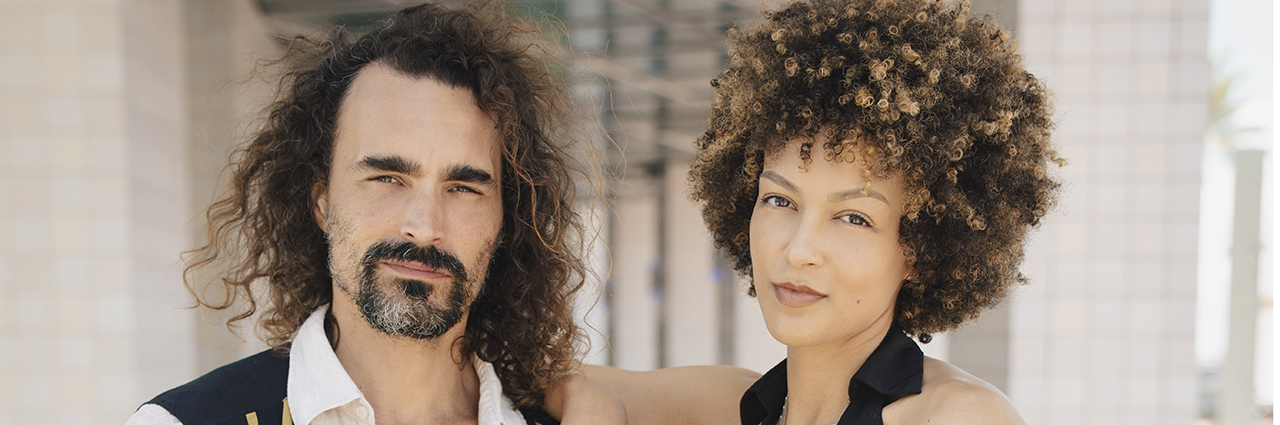
Choosing the best lens for portrait photography can dramatically improve your results. The right focal length creates flattering facial compression, a wide aperture produces soft background blur, and fast autofocus ensures sharp eyes in every frame.
So which Tamron lens is best for portraits?
For most photographers, a zoom lens covering 70–100mm with a constant F2.8 aperture delivers the ideal balance of compression, subject separation, and flexibility. That’s why lenses like the 35-100mm F2.8 Di III VXD and 70-180mm F2.8 G2 are popular choices for portrait sessions, headshots, and lifestyle photography.
In this guide, we’ll break down the best Tamron lenses for portrait photography and help you choose the right focal length for your shooting style.
What You’ll Learn About Choosing the Best Lens for Portrait Photography:
- What focal length is best for portrait photography
- Whether a zoom or prime lens is better for portraits
- How aperture affects background blur and subject separation
- Which Tamron lens is best for headshots, lifestyle portraits, and studio work
- Why the 35-100mm F2.8 is one of the most versatile portrait lenses available
Quick Answer: What Is the Best Tamron Lens for Portrait Photography?
If you want one versatile portrait lens that covers the most-used focal lengths, the Tamron 35-100mm F/2.8 Di III VXD portrait lens is one of the best all-around options.
It spans 35mm for environmental portraits, 50mm for natural perspective, and 85–100mm for flattering headshots — all with a constant F2.8 aperture and fast VXD autofocus.
For photographers who need more reach, the Tamron 70-180mm F2.8 Di III VXD G2 excels for studio headshots. For maximum versatility across events and portraits, the Tamron 35-150mm F/2-2.8 Di III VXD remains a powerful all-in-one solution.
You might ask yourself what type of lens is best for portrait photography? Tamron offers a range of versatile lenses suited to different styles of portrait photography, and understanding which one works best for your vision is essential. In this guide, we’ll explore the best Tamron lenses for portrait photography, with a particular focus on focal length, aperture, and overall performance.
What Focal Length Is Best for Portrait Photography?
Understanding focal length is key to choosing the right portrait lens.
- 35mm–50mm: Best for environmental portraits and storytelling.
- 70mm–100mm: Ideal for natural-looking headshots and half-body portraits.
- 135mm–180mm: Provides stronger compression for tight headshots and professional studio work.
Longer focal lengths reduce facial distortion and create more flattering proportions, which is why many portrait photographers prefer lenses in the 70–135mm range.
Best Zoom Lens for Portrait Photography
Tamron 35-100mm F/2.8 Di III VXD

The 35-100mm F2.8 sits directly in the portrait “sweet spot.”
Why it performs so well:
- Covers the most-used portrait focal lengths
- Constant F2.8 aperture for consistent depth of field
- Compact and lightweight design
- Fast VXD autofocus for accurate eye tracking
- Excellent sharpness across the frame
At 85mm and 100mm, you get flattering compression for headshots. At 35mm, you can include environmental context without switching lenses.
This makes it an efficient, portrait-focused zoom for photographers who want flexibility without unnecessary range.
Learn more about the Tamron 35-100mm F2.8 >>
Tamron 35-150mm F/2-2.8 Di III VXD
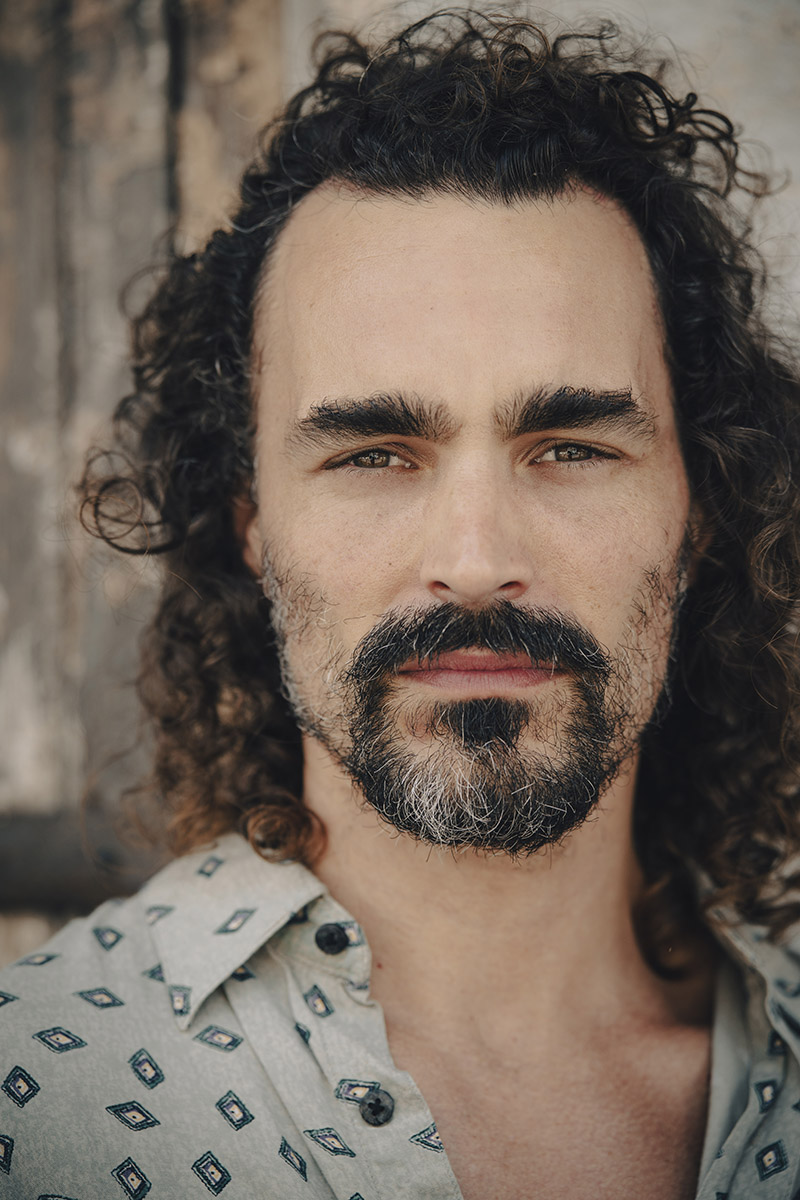
If you want maximum flexibility in a single lens, the 35-150mm F2-2.8 offers extended coverage.
Why photographers choose it:
- Wide F2 aperture at 35mm
- Reaches 150mm for tighter headshots
- Strong subject separation throughout the zoom range
Ideal for portraits and events
Learn about the Tamron 35-150mm F2-2.8 >>
Tamron 28-75mm F/2.8 Di III VXD G2

The 28-75mm F2.8 G2 remains a strong choice for lifestyle and candid portrait photography.
Why it works:
- Flexible midrange coverage
- Lightweight and portable
- Fast, quiet autofocus
- Consistent F2.8 aperture
At 75mm, it delivers natural perspective for portraits while maintaining versatility at the wide end.
Learn more about the Tamron 28-75mm F2.8 G2 >>
Best Telephoto Lens for Headshots
Tamron 70-180mm F/2.8 Di III VXD G2
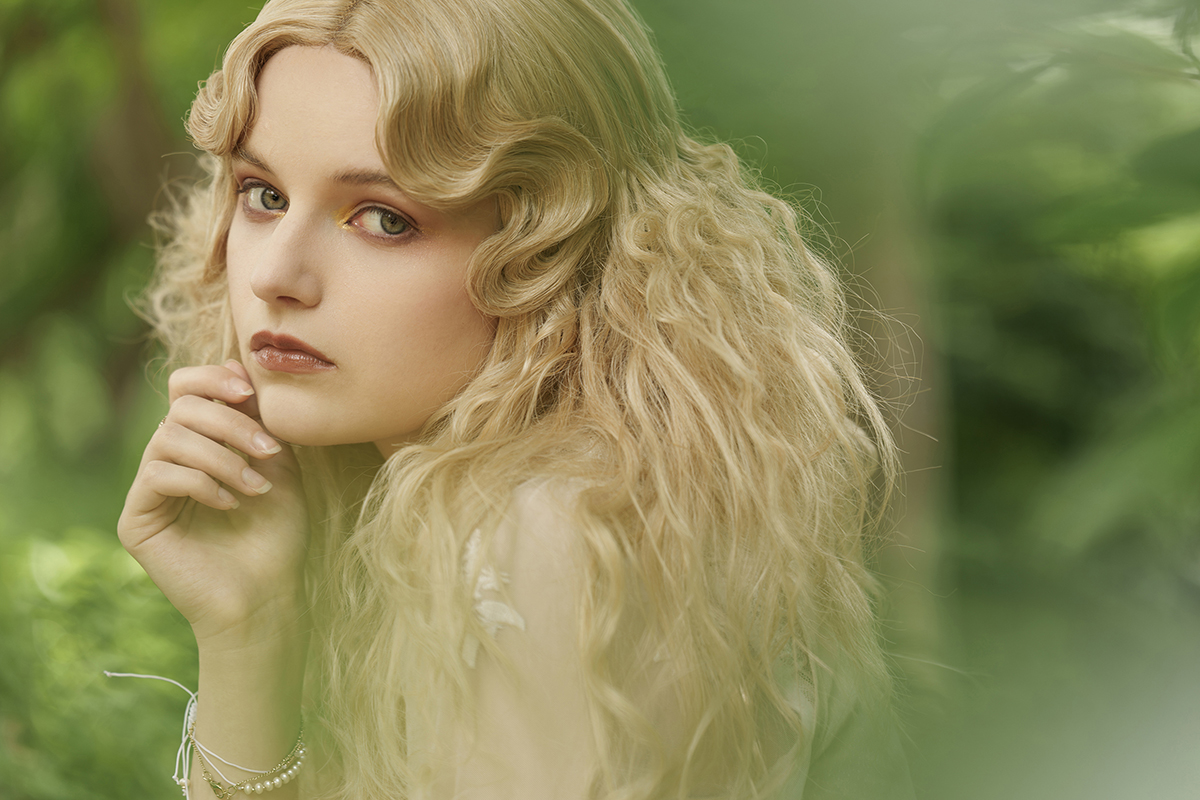
For studio portraiture and professional headshots, longer focal lengths create stronger compression.
The 70-180mm F2.8 G2 delivers:
- Ideal compression at 135–180mm
- Smooth background separation
- Lightweight design compared to traditional 70-200mm lenses
- High-resolution optics suitable for commercial work
For tight headshots, focal lengths above 135mm produce refined facial proportions and clean subject isolation.
Learn about the Tamron 70-180mm F2.8 G2 >>
Best Prime Lens for Portrait Details
Tamron 90mm F/2.8 Di III VXD 1:1 Macro
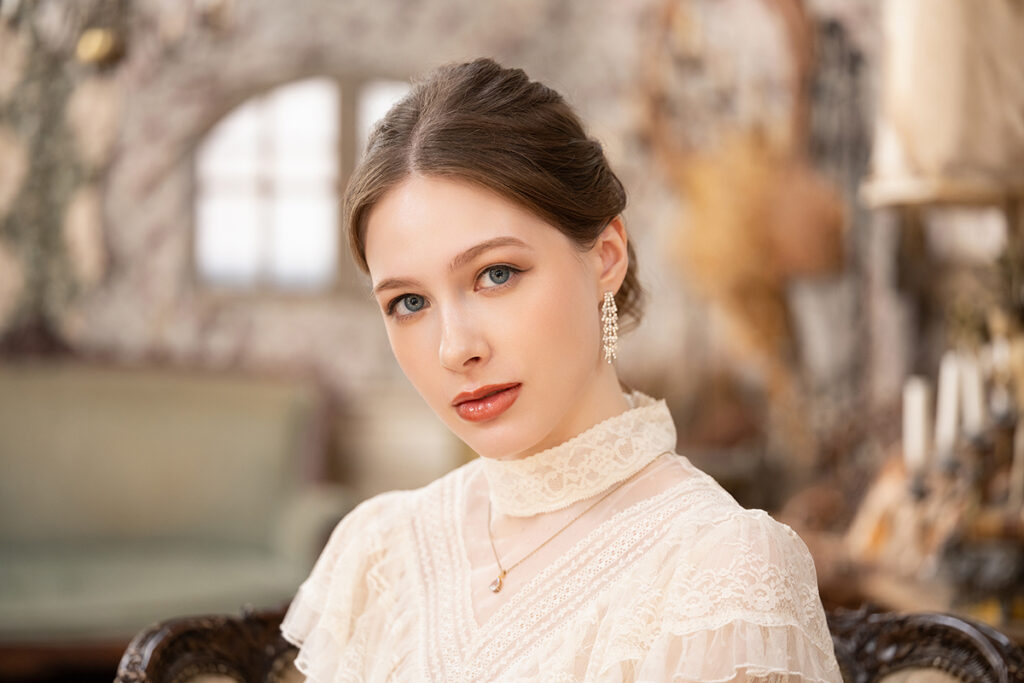
The 90mm F2.8 combines classic portrait perspective with macro versatility.
It provides:
- Natural compression
- Excellent sharpness
- Smooth background rendering
- 1:1 macro capability
This makes it ideal for beauty portraits, detail-driven compositions, and close-up creative work.
Learn about the Tamron 90mm F2.8 >>
Why Aperture Matters for Portrait Photography
A wide aperture like F2.8 helps create shallow depth of field, which:
- Separates your subject from the background
- Produces smooth bokeh
- Improves low-light performance
- Draws attention to the eyes
All of the Tamron portrait lenses featured here offer F2.8 or wider apertures, making them strong performers for background separation and low light performance.
Tamron Portrait Lens Comparison Chart
Choosing the best Tamron lens for portrait photography depends on your preferred focal length, shooting environment, and need for versatility. The chart below compares Tamron’s top portrait lenses by focal range, aperture, and ideal use case.
| Lens | Aperture | Best For | Key Advantage |
|---|---|---|---|
| 35-100mm F/2.8 Di III VXD | Constant F2.8 | All-around portrait photography | Covers 35–100mm “portrait sweet spot” in one compact zoom (Most Versatile) |
| 35-150mm F/2-2.8 Di III VXD | F2–2.8 | Versatile portrait & event photography | Extended reach with bright F2 wide-end aperture |
| 28-75mm F/2.8 Di III VXD G2 | Constant F2.8 | Lifestyle & candid portraits | Lightweight, flexible standard zoom |
| 70-180mm F/2.8 Di III VXD G2 | Constant F2.8 | Studio portraits & headshots | Flattering compression at longer focal lengths |
| 90mm F/2.8 Di III MACRO VXD | F2.8 | Beauty & detail portraits | Classic portrait perspective with macro capability |
How to Choose Between These Portrait Lenses
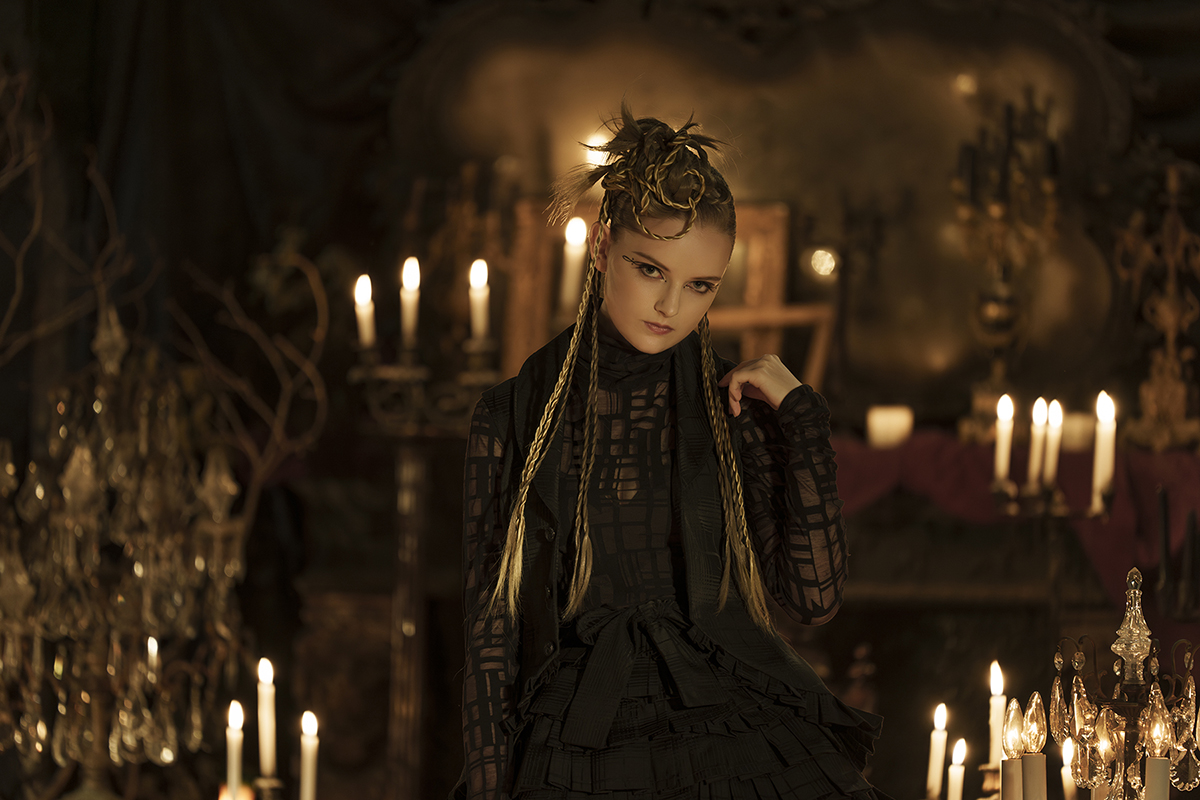
If you want a balanced portrait zoom covering the most-used focal lengths, the 35-100mm F2.8 offers an efficient range specifically suited for portrait work.
If you prioritize maximum flexibility across portraits and events, the 35-150mm F2-2.8 provides broader coverage.
For lightweight lifestyle sessions, the 28-75mm F2.8 G2 delivers portability and versatility.
If your focus is professional headshots, the 70-180mm F2.8 G2 provides stronger compression.
For detail-oriented portraiture, the 90mm F2.8 Macro offers precision and creative flexibility.
People Also Ask About Portrait Lenses
What is the best lens for portrait photography?
A lens between 70mm and 135mm with a wide aperture like F2.8 is considered ideal for portrait photography because it provides flattering compression and strong background separation.
What focal length is most flattering for portraits?
Focal lengths between 85mm and 135mm are often the most flattering because they reduce facial distortion and create natural proportions.
Is F2.8 enough for portrait photography?
Yes. An F2.8 aperture provides strong subject isolation and smooth background blur in most portrait scenarios, especially at focal lengths above 70mm.
Should I use a prime or zoom lens for portraits?
Prime lenses can offer slightly wider apertures, but modern F2.8 zoom lenses provide excellent sharpness and greater framing flexibility during sessions.
Is a 70-200mm lens good for portraits?
Yes. Telephoto lenses like a 70-180mm or 70-200mm are excellent for headshots because they create flattering compression and strong subject separation.
Final Thoughts
The best Tamron lens for portrait photography depends on your shooting style and preferred focal length.
If you want a portrait-focused zoom that covers the most practical focal lengths in one compact design, the 35-100mm F2.8 Di III VXD stands out as one of the most efficient choices available.
Explore Tamron portrait lenses and choose the focal length that fits your creative vision.
Where to Buy Tamron Lenses
Learn more about Tamron lenses at an authorized Tamron dealer near you or shop directly at the official TAMRON Store.
Portrait Photography Lens FAQs
Which Tamron lens is best for headshots?
The 70-180mm F2.8 Di III VXD G2 is ideal for professional headshots because longer focal lengths create flattering facial compression.
Is the 35-100mm F2.8 good for portraits?
Yes. The 35-100mm F2.8 covers the most-used portrait focal lengths and offers consistent F2.8 performance for subject separation.
Do professional photographers use zoom lenses for portraits?
Yes. Modern Tamron zoom lenses deliver excellent sharpness and allow fast framing adjustments during portrait sessions.
What aperture is best for portrait photography?
An aperture between F1.8 and F2.8 is commonly used for portraits because it creates shallow depth of field and background blur.
What is the difference between 85mm and 135mm for portraits?
An 85mm lens provides natural perspective, while 135mm offers stronger compression and tighter framing for headshots.