 Instant Savings
 Rebate Claims
 Support
 Find a Dealer
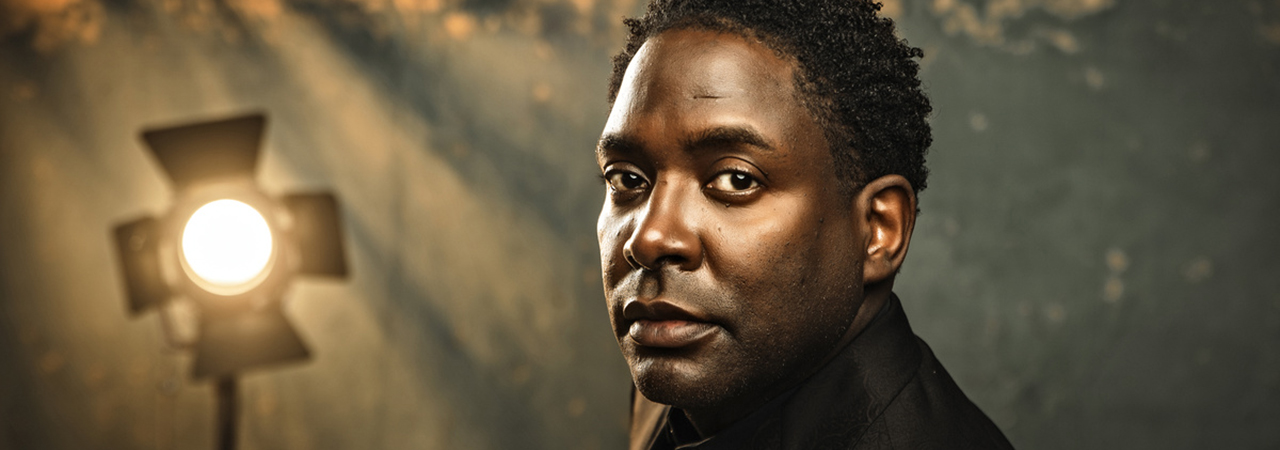
Dramatic portrait lighting is one of the most effective ways to add depth, tension, and visual impact to a portrait. By using light and shadow more intentionally, photographers can turn a simple image into something bolder, moodier, and more expressive.
In portrait photography, dramatic lighting is not just about making a scene darker. It is about shaping the subject with contrast, direction, and controlled highlights and shadows. Whether you are working with one light, practical lights, color gels, or a harder shadow pattern, the goal is to create a portrait that feels deliberate and visually striking. This article builds on our broader portrait photography guide and serves as the practical how-to page for dramatic portrait lighting setups.
In this guide, you will learn:
- What dramatic portrait lighting is
- What tools help create bold portrait lighting effects
- When to use natural light vs. artificial light
- How to use contrast, shadows, and side lighting
- How Jonathan Thorpe approaches dramatic portrait lighting in real shoots
- Common mistakes to avoid when building dramatic lighting setups
What Is Dramatic Portrait Lighting?
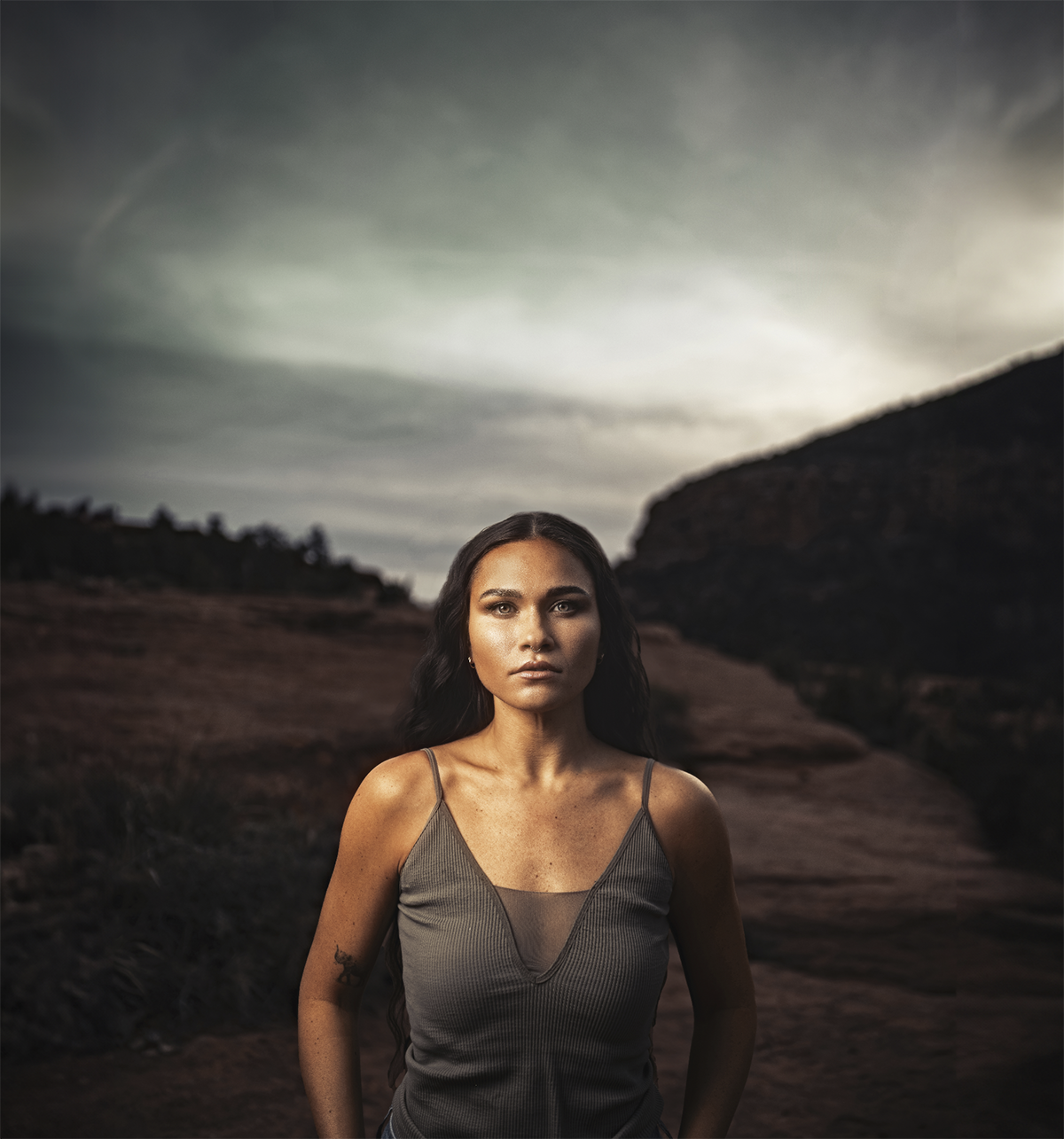
Dramatic portrait lighting uses contrast, direction, and shadow to create more expressive, visually powerful portraits. Instead of lighting the subject evenly, dramatic lighting often emphasizes one side of the face, allows parts of the frame to fall into shadow, or uses harder light to create more shape and separation.
This style works especially well when you want to create:
- cinematic portraits
- bolder editorial looks
- portraits with tension or mystery
- stronger visual depth
- a more stylized, intentional mood
Dramatic portrait lighting can be created with both natural and artificial light, but the key is control. The more intentionally you shape the light, the stronger the final portrait will feel.
Why Dramatic Lighting Works in Portrait Photography
Dramatic lighting in photography starts with understanding how light and shadow change the way a viewer reads a portrait. Soft, even light can feel approachable and flattering, while harder, more directional light can feel more intense, serious, or cinematic.
Dramatic portrait lighting works because it:
- adds dimension to the face and body
- creates visual separation
- strengthens mood
- directs attention more precisely
- gives portraits a more stylized look
If you want to explore the emotional and atmospheric side of light and shadow more deeply, see our guide to how to master mood with lighting and shadows in photography.
Essential Equipment for Dramatic Portrait Lighting
Creating strong dramatic lighting in photography does not always require a large studio setup, but it does help to understand the basic tools that shape light most effectively.
Light sources
These can include:
- flash units
- strobes
- continuous lights
- practical lights already in the scene
- natural light when controlled carefully
Light modifiers
Modifiers help control the intensity, spread, and quality of light. Useful tools include:
- soft boxes
- umbrellas
- reflectors
- grids
- snoots
- barn doors
Color gels
Gels allow you to change the color of your light and create more stylized or cinematic effects.
Flags and gobos
These help block, cut, or shape light more precisely.
Natural Light vs. Artificial Light for Dramatic Portraits
Both natural and artificial light can be used to create dramatic portrait lighting, but they offer different advantages.
Natural light
Natural light can create beautiful contrast and atmosphere, especially when used directionally. It works well when:
- you want a more organic look
- the environment already has mood
- cloud texture, shadows, or backlight add to the frame
Jonathan Thorpe notes that using a higher shutter speed can help deepen skies and backgrounds, increasing contrast and making natural-light portraits feel more cinematic.
Artificial light
Artificial light gives you more precision and repeatability. It works well when:
- you want full control over the scene
- you need to isolate the subject
- the location is too dark or visually flat
- you want a more stylized editorial effect
For most beginner-to-intermediate photographers, artificial light becomes especially useful when you want to repeat a dramatic lighting look consistently.
Beginner-to-Intermediate Dramatic Portrait Lighting Setups
One of the best ways to learn dramatic portrait lighting is to start with a few repeatable setup types. These do not require a full studio. They require understanding direction, contrast, and spill control.
Setup 1: One Light for High Contrast
A single light source can create some of the strongest dramatic portrait effects. This setup works well when you want:
- bold contrast
- a simple lighting pattern
- more control over where the eye goes
- a cinematic or backstage look
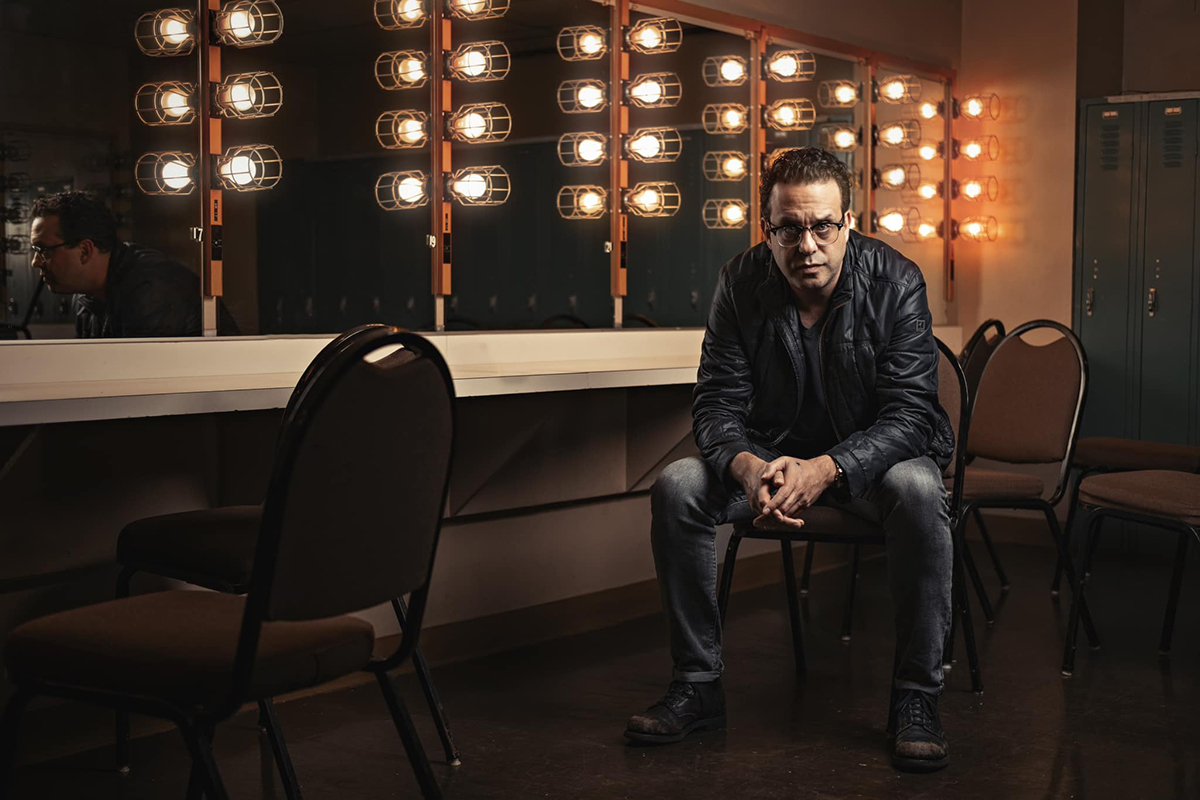
Place one light off to the side of the subject and adjust height and angle until the shadows feel intentional rather than accidental. Jonathan Thorpe’s portrait of Joe DeRosa is a strong example of this approach, where the room stays dark enough to preserve practical bulbs while the key light remains tightly controlled.
Jonathan’s Tip
“A big component in shooting with dramatic lighting is also utilizing practical lights. In this portrait of comedian Joe DeRosa I wanted to make sure I lit it in a way that’s dark enough in the room to keep the bulbs in the shot, while keeping my key light very contained in direction so as to not let it spill around the room.”
Setup 2: Side Lighting for Depth and Shape
Side lighting is one of the most useful dramatic portrait lighting techniques because it adds visible contour and dimension to the face. It can emphasize cheekbones, jawline, texture, and form.
Use side lighting when you want:
- more facial depth
- clearer separation between highlight and shadow
- a bolder portrait structure
- a more realistic, dimensional look
This setup can be done with either a strobe or a directional natural-light source, depending on the location and mood you want.
Setup 3: Hard Light and Shadow Play
Harder light sources create sharper shadow edges, which can make portraits feel more graphic and intense. This is especially effective in gritty locations, industrial spaces, or portraits that need a more serious tone.
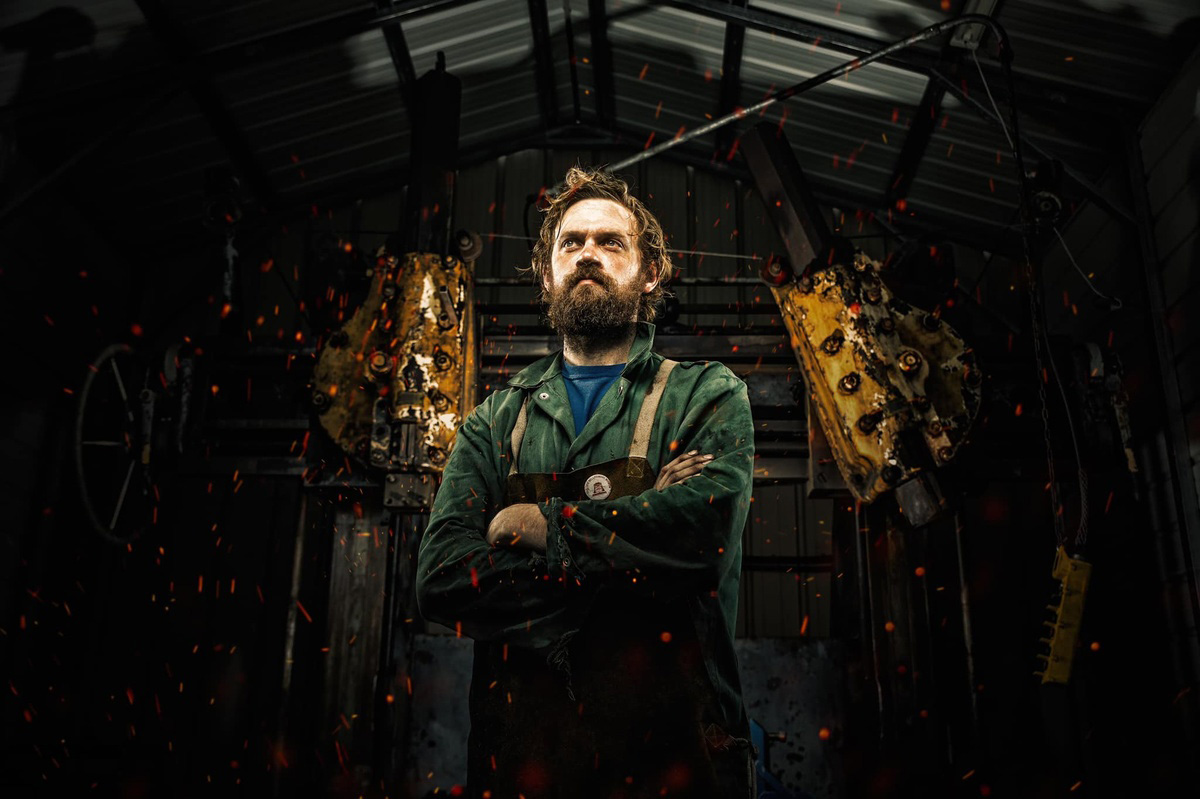
Jonathan Thorpe points to this approach in the bell factory portrait, where both the subject and background are lit with hard light to bring out metal detail and help the subject stand out.
Jonathan’s Tip
“Shooting in an environment that’s gritty and raw like the bell factory we’re shooting in here is a great time to practice more dramatic lighting. By lighting our subject and our background with its own hard lights, it helps pull detail out from all the metal and helps our subject stand out.”
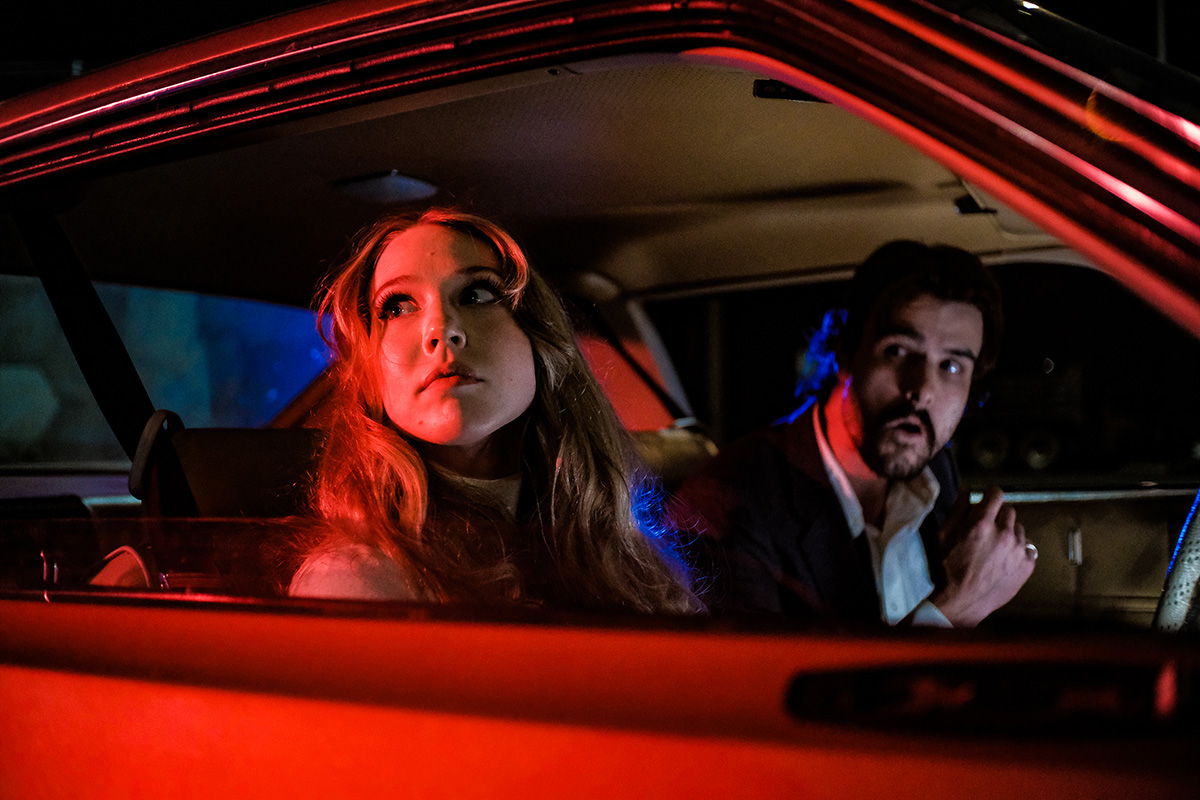
Setup 4: Color Gels for Stylized Mood
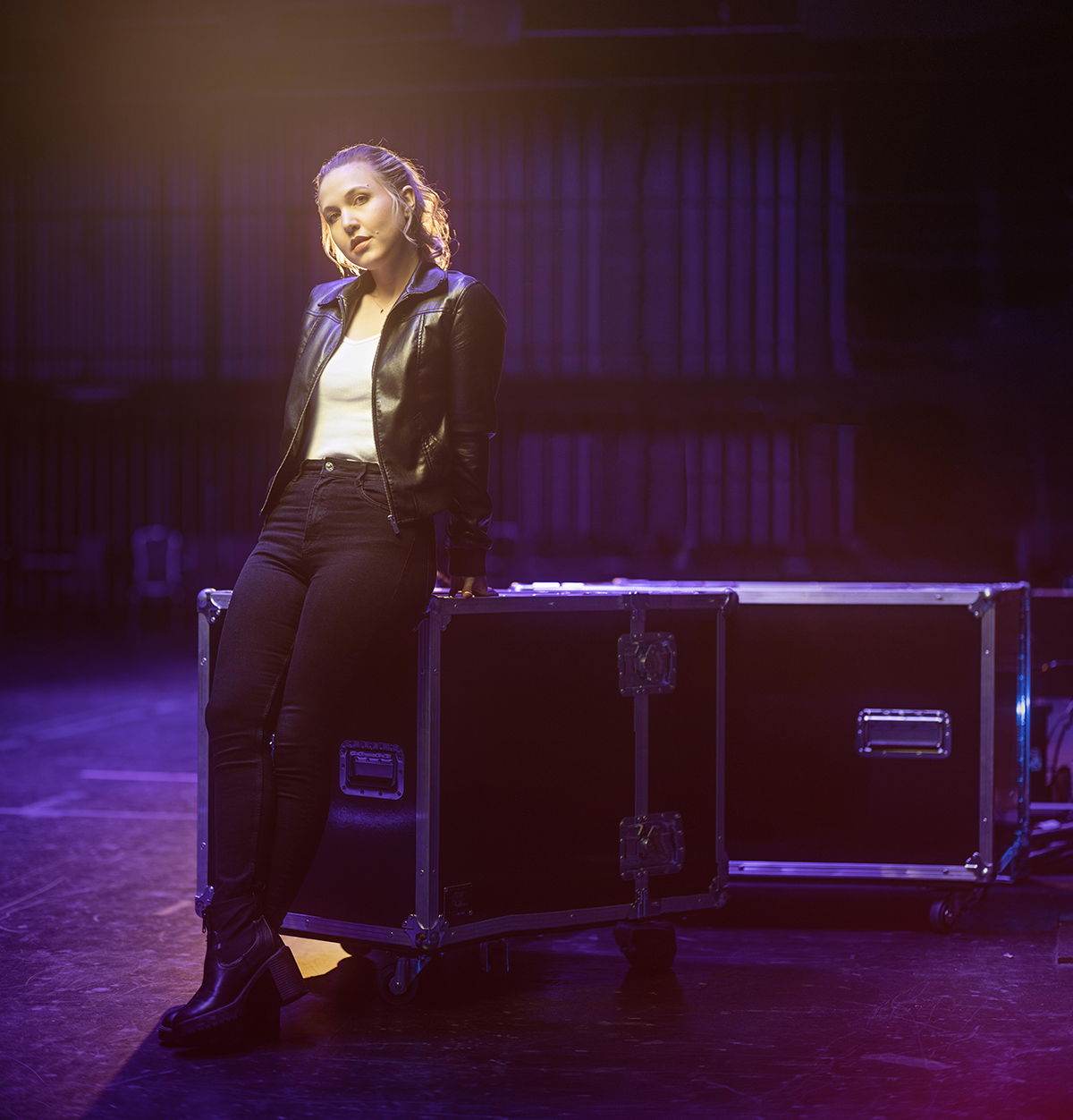
Color gels can add emotional tension, visual separation, and stronger storytelling to dramatic portrait lighting. They work especially well in music, entertainment, backstage, or cinematic portrait settings.
Use color gels when you want:
- stronger visual stylization
- a more theatrical look
- separation between subject and background
- added color contrast in darker environments
Jonathan Thorpe’s portrait of Taylor Tomlinson uses purple gelled light in a backstage setting, combined with a warmer backlight, to help the subject stand out from the surrounding color.
Jonathan’s Tip
“For these images of comedian Taylor Tomlinson, we needed to shoot something to help promote her tour. Shooting backstage gave us the right dark and moody location, and by gelling it purple helped her stand out. Adding a warm backlight up and behind her helped add a touch of color correct to her, again ensuring her to stand out in the sea of color around her.”
Setup 5: Using Practical Lights in the Scene
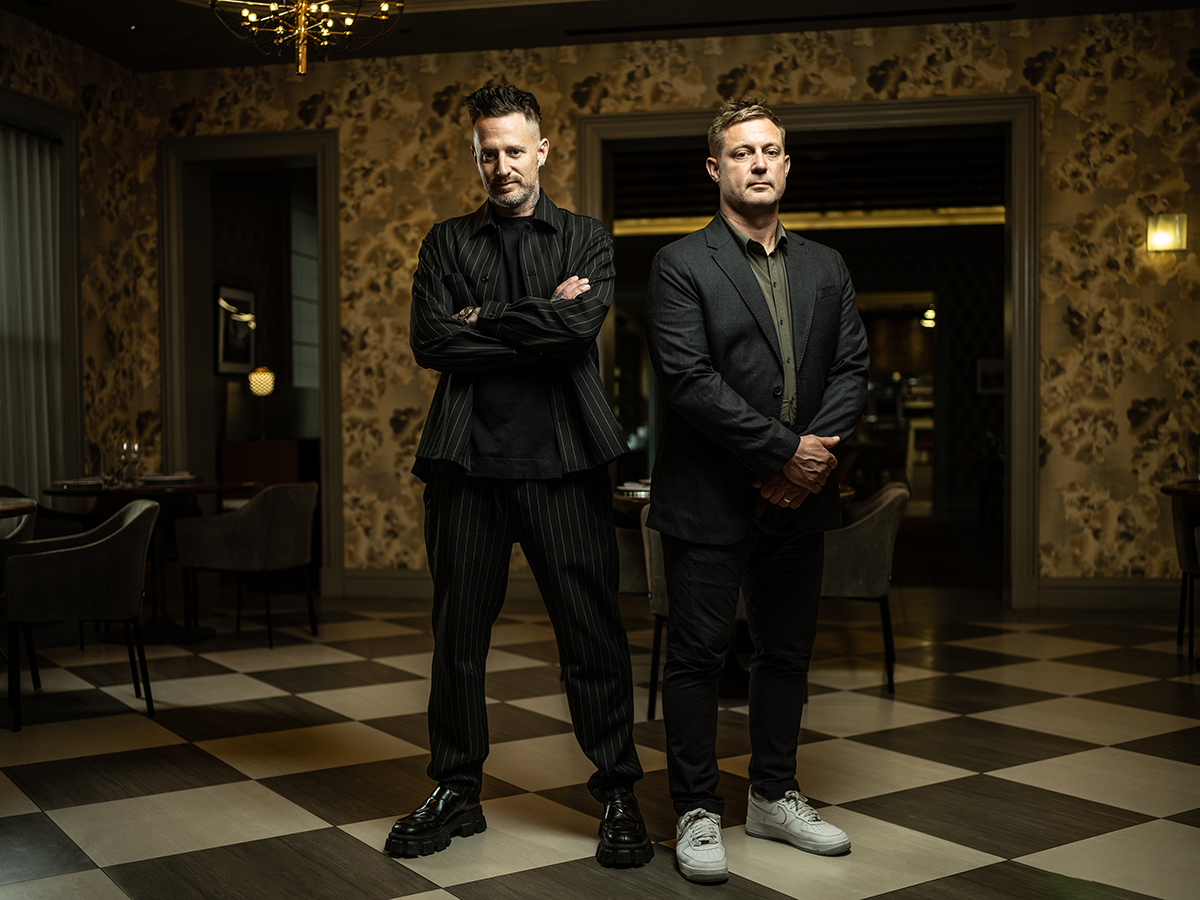
Practical lights such as sconces, bulbs, signage, or lamps can be a major part of a dramatic portrait setup. They help the final image feel grounded in the location while contributing to atmosphere and depth.
To use practical lights effectively:
- keep your exposure dark enough so the practical lights stay visible
- control your key light carefully so it does not wash them out
- use the practicals as part of the composition, not just decoration
Jonathan Thorpe used this idea in his portrait of the Voltaggio brothers, allowing the restaurant sconces to come through while using shutter speed to deepen the background and support the overall tone.
Jonathan’s Tip
“The Voltaggio brothers are world famous chefs and for their portrait I wanted to make an image that felt more like a rockstar than a chef. We shot these in their steakhouse at MGM casino, a restaurant modeled after their childhood home. The choice to keep the images darker and moody was one we made to elevate their image to a more serious place. Using shutter speed to increase the background darkness allowed the sconce lights to come through, helping bring the whole location together with their portrait.”
How to Use Shadows for Emotional Impact
Shadows are not just the absence of light. In dramatic portrait lighting, they are one of the main tools for creating mood.
Shadows can help:
- create mystery
- add tension
- simplify the frame
- emphasize shape
- guide the viewer toward the most important part of the portrait
The more deliberately you place and preserve shadows, the more impact the image can have. This is where dramatic portrait lighting overlaps with mood-driven portrait work, but this page should stay focused on the practical technique of creating those shadows rather than the broader emotional theory behind them. The companion mood-and-shadows article can take readers further into that side of the subject.
Modifiers and Direction: How to Control Your Light
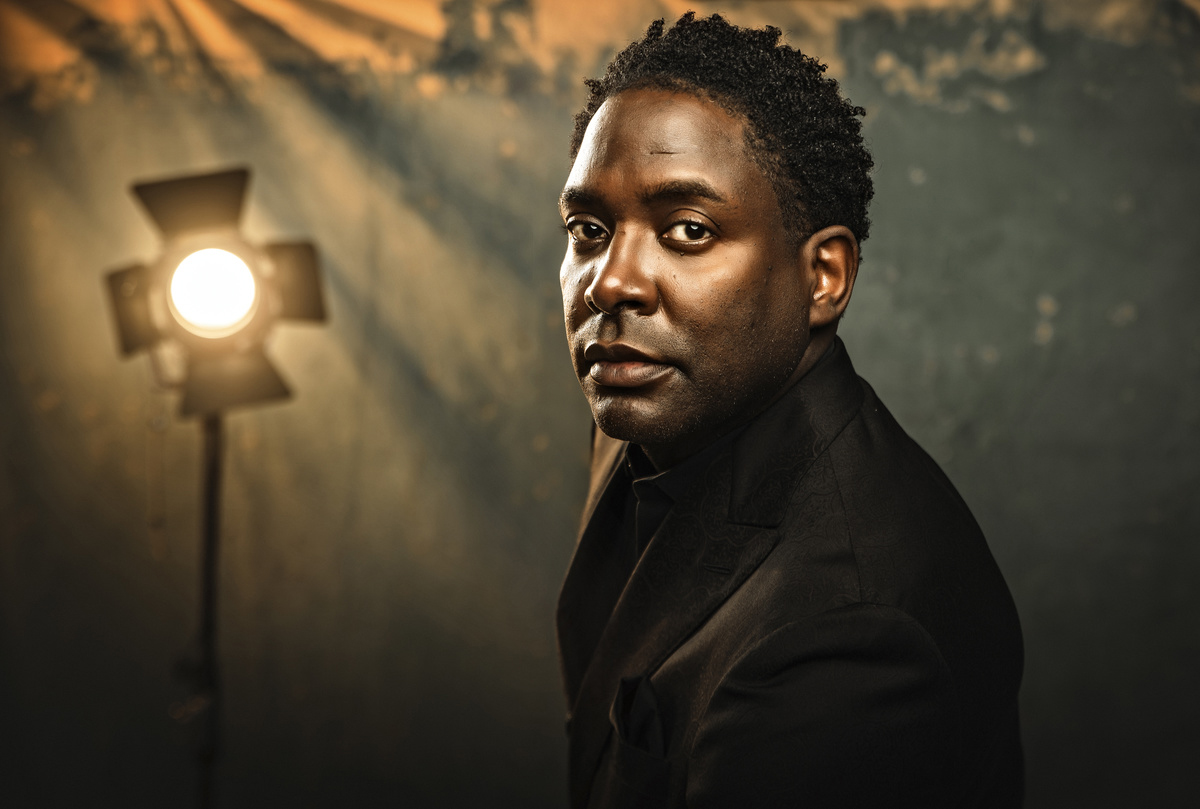
Modifiers help you decide not just how much light reaches the subject, but where it goes and how quickly it falls off.
Useful options include:
- grids for tighter light control
- barn doors for directional shaping
- snoots for spotlight effects
- soft boxes when you want some softness without losing direction
- reflectors when you need subtle fill without flattening the portrait
Jonathan Thorpe specifically notes using a grid to keep the key light from washing out a dramatic background element. That is an important beginner-to-intermediate lesson: dramatic portrait lighting often depends as much on containing spill as it does on adding more light.
Jonathan’s Tip
“The star in this portrait is the old Hollywood style movie light in the background. Similar to the DeRosa photo below, we’re controlling our key light with a grid to ensure we don’t let it wash out the background light.”
Post-Processing for Dramatic Portrait Lighting
Post-processing can strengthen dramatic portrait lighting, but it should support the lighting choices made on set rather than replace them.
Useful adjustments may include:
- increasing contrast carefully
- refining highlight and shadow balance
- darkening distracting areas
- adding a vignette
- enhancing color separation
- controlling exposure for a more focused mood
The strongest dramatic portraits usually begin with a solid lighting setup before editing starts.
Common Mistakes to Avoid
When building dramatic portrait lighting setups, a few mistakes show up often:
- adding too much contrast and losing important detail
- lighting the subject without considering the background
- letting key light spill flatten the scene
- using gels without a clear purpose
- creating mood without maintaining subject separation
- relying on post-processing to create all the drama
Final Thoughts on Dramatic Portrait Lighting
Dramatic portrait lighting is not about making every portrait dark. It is about using light with more intention. When you understand how to control direction, contrast, spill, and shadow, you can create portraits that feel bolder, more dimensional, and more emotionally charged.
Start with one light, learn how different modifiers shape the scene, and pay attention to how the background responds to your exposure choices. The more deliberately you build your lighting setups, the more confident and creative your dramatic portrait work will become.
Where to Buy Tamron Lenses
Learn about Tamron Lenses at an authorized Tamron dealer in your area or visit the TAMRON Store today.
FAQs
Is dramatic portrait lighting the same as moody portrait lighting?
Not exactly. Dramatic portrait lighting is more about setup, direction, contrast, and technique, while moody portrait lighting often focuses more on emotional tone and atmosphere. The two can overlap, but they are not identical.
Can beginners create dramatic portrait lighting?
Yes. Beginners can start with one light, a simple directional setup, and controlled shadows. Dramatic portrait lighting does not require a complex studio to get started.
Should I use hard light or soft light for dramatic portraits?
Both can work. Hard light usually creates stronger shadows and a more graphic look, while soft light can still feel dramatic when used directionally and with careful exposure control.
Do practical lights help dramatic portraits?
Yes. Practical lights can add atmosphere, depth, and realism, especially when your exposure and key light are controlled carefully.
What is dramatic portrait lighting?
Dramatic portrait lighting uses contrast, direction, and shadow to create portraits with more depth, tension, mood, and visual impact.
What lights do I need for dramatic portrait photography?
You can start with one light source, then add modifiers such as grids, reflectors, or gels depending on the look you want. Practical lights in the environment can also play an important role.
Is one light enough for dramatic portraits?
Yes. One light is often enough to create strong dramatic portrait lighting, especially when you control spill and use shadow intentionally.
What is the best modifier for dramatic portrait lighting?
That depends on the effect you want. Grids, snoots, barn doors, and harder light modifiers are especially useful when you want more directional control and stronger shadow patterns.
How do color gels affect portrait lighting?
Color gels change the color of your light and can add mood, contrast, or cinematic tension to a portrait. They are especially useful in darker or more stylized scenes.
About the Author
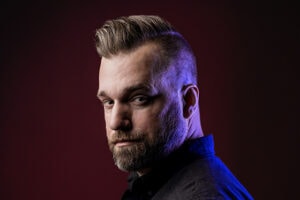
Jonathan Thorpe is a Washington, DC-based commercial photographer, director, and visual storyteller. After leaving a successful career in optometry, he pursued photography full-time, combining his technical expertise with a lifelong appreciation for creativity. Jonathan has worked with multiple Fortune 500 companies, national publications, and celebrity clients, creating commercial, editorial, and portrait photography that blends precision with compelling storytelling. His collaborative approach and passion for visual communication continue to shape his work with brands and creative partners across a wide range of industries. Read Jonathan’s full bio >>