 Instant Savings
 Rebate Claims
 Support
 Find a Dealer
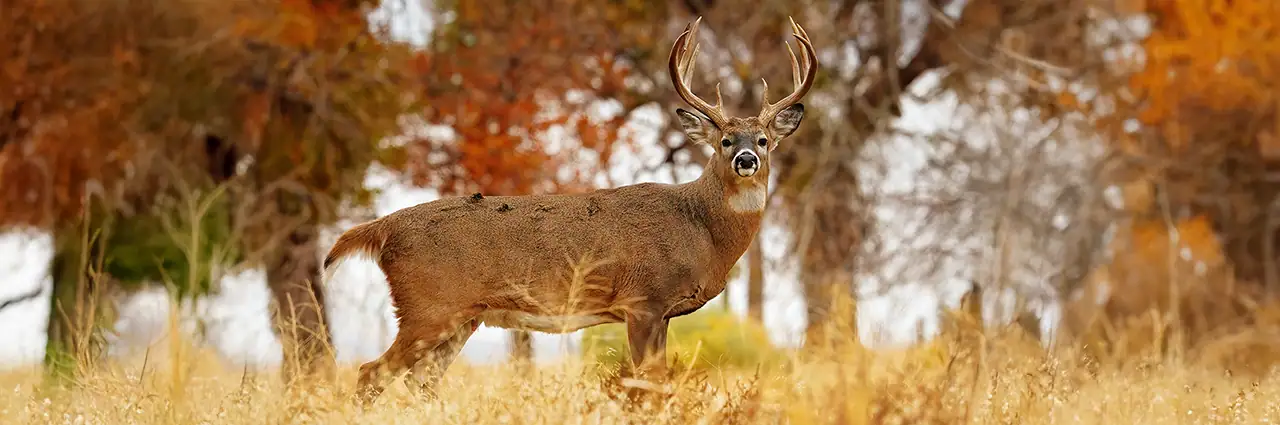
Wildlife photography combines patience, timing, and the right gear to capture animals in their natural environment. Whether you’re photographing birds in your backyard or larger wildlife in remote locations, understanding camera settings, technique, and lens choice is key to getting sharp, compelling images.
In this guide, you’ll learn essential wildlife photography tips, including the best camera settings, how to approach animals, and techniques for capturing action. We’ll also explore how a versatile ultra-telephoto lens like the Tamron 150-500mm F/5-6.7 Di III VC VXD (Model A057) can help you photograph wildlife from a safe distance while maintaining incredible detail.
What You Need to Get Started in Wildlife Photography
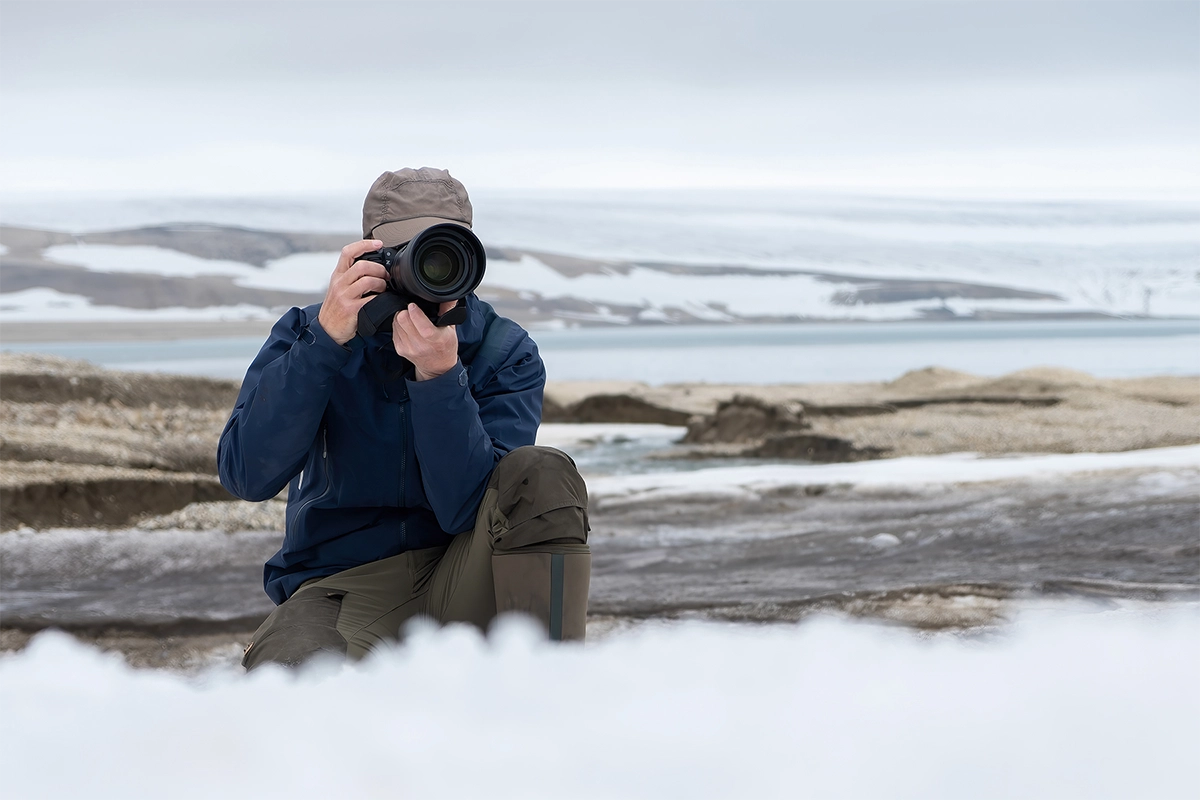
Getting started with wildlife photography doesn’t require the most expensive gear, but having the right setup makes a significant difference in your results.
A camera with fast autofocus and good low-light performance is essential, but the most important tool is a reliable telephoto lens. Wildlife subjects are often distant or easily disturbed, so a longer focal length allows you to capture detailed images without getting too close.
If you’re new to handling longer lenses, learning how to hold a telephoto lens properly can immediately improve your stability and sharpness.
Best Camera Settings for Wildlife Photography (Complete Guide)

Understanding your camera settings is one of the fastest ways to improve your wildlife photography.
Shutter Speed for Wildlife Photography
- Birds in flight: 1/1600–1/2500
- Moving animals: 1/1000 or faster
- Stationary subjects: 1/500 or higher
Fast shutter speeds are essential for freezing motion and maintaining sharp detail.
If you’re specifically interested in photographing birds, check out our dedicated birds in flight photography guide for more advanced techniques.
Aperture for Wildlife Photography
- Use F5–F6.7 for subject isolation
- Use F7.1–F8 for more depth of field
A wider aperture helps separate your subject from the background.
ISO Settings for Wildlife Photography
- Use Auto ISO for flexibility
- Increase ISO to maintain shutter speed
- Keep ISO as low as possible when lighting allows
Keeping ISO settings balanced helps maintain image quality while ensuring proper exposure in changing light.
Autofocus Settings for Animals
- Continuous AF (AF-C) for movement
- Animal or bird eye detection if available
- Tracking modes for unpredictable motion
Using the right autofocus mode improves your ability to capture sharp images of moving wildlife, especially when combined with fast autofocus performance like Tamron’s VXD technology.
10 Essential Wildlife Photography Tips

These practical tips will help you consistently capture sharper, more compelling wildlife images in a variety of situations.
TIP 1: Use a Telephoto Lens to Keep a Safe Distance
Wildlife is easily disturbed, so maintaining distance is critical for both ethical and practical reasons. A telephoto lens allows you to fill the frame without getting too close, helping you capture natural behavior while keeping animals comfortable. Longer focal lengths also improve subject isolation and background blur.
TIP 2: Shoot at Eye Level for Better Connection

Photographing animals at eye level creates a more immersive and engaging image. This perspective helps viewers connect with the subject and often results in cleaner backgrounds. Getting low or adjusting your position can dramatically improve the overall impact of your photos.
TIP 3: Learn Animal Behavior
Understanding how animals move and react allows you to anticipate key moments before they happen. Pay attention to patterns like feeding, movement, or interaction with other animals. This knowledge improves your timing and helps you capture more natural, compelling images.
TIP 4: Use Fast Shutter Speeds for Action
Wildlife rarely stays still, so using a fast shutter speed is essential. For moving animals, start at 1/1000 or faster, and increase it for birds in flight or rapid movement. Faster shutter speeds help freeze motion and ensure your images remain sharp.
TIP 5: Choose Clean Backgrounds

A simple, uncluttered background helps your subject stand out clearly. Look for natural separation between your subject and the background and avoid distractions like branches or bright spots. Using a longer focal length and wider aperture can also improve background blur.
TIP 6: Use Natural Light to Your Advantage
Lighting plays a major role in wildlife photography. Early morning and late afternoon provide softer, warmer light that enhances color and detail. Shooting during these times also increases your chances of encountering active wildlife.
TIP 7: Stabilize Your Camera
Sharp images depend on stability, especially when using long lenses. Proper handholding technique, a monopod, or a tripod can significantly reduce camera shake. For a step-by-step breakdown, see how to hold a telephoto lens properly. Even small improvements in stability can make a noticeable difference in image sharpness.
TIP 8: Use Burst Mode for Better Results
Continuous shooting mode increases your chances of capturing the perfect moment. This is especially useful for action sequences like birds taking flight or animals moving quickly. Shooting multiple frames allows you to select the sharpest and most dynamic image.
TIP 9: Start with Common Animals

You don’t need rare wildlife to create strong images. Practicing with birds, squirrels, or other local animals helps you build skills in tracking, composition, and timing. These subjects provide valuable experience that translates to more challenging situations.
TIP 10: Practice Patience and Timing
Wildlife photography often involves waiting for the right moment. Instead of chasing subjects, spend time observing and letting the scene develop. Patience allows you to capture more natural behavior and better compositions.
Real-World Wildlife Photography Scenarios
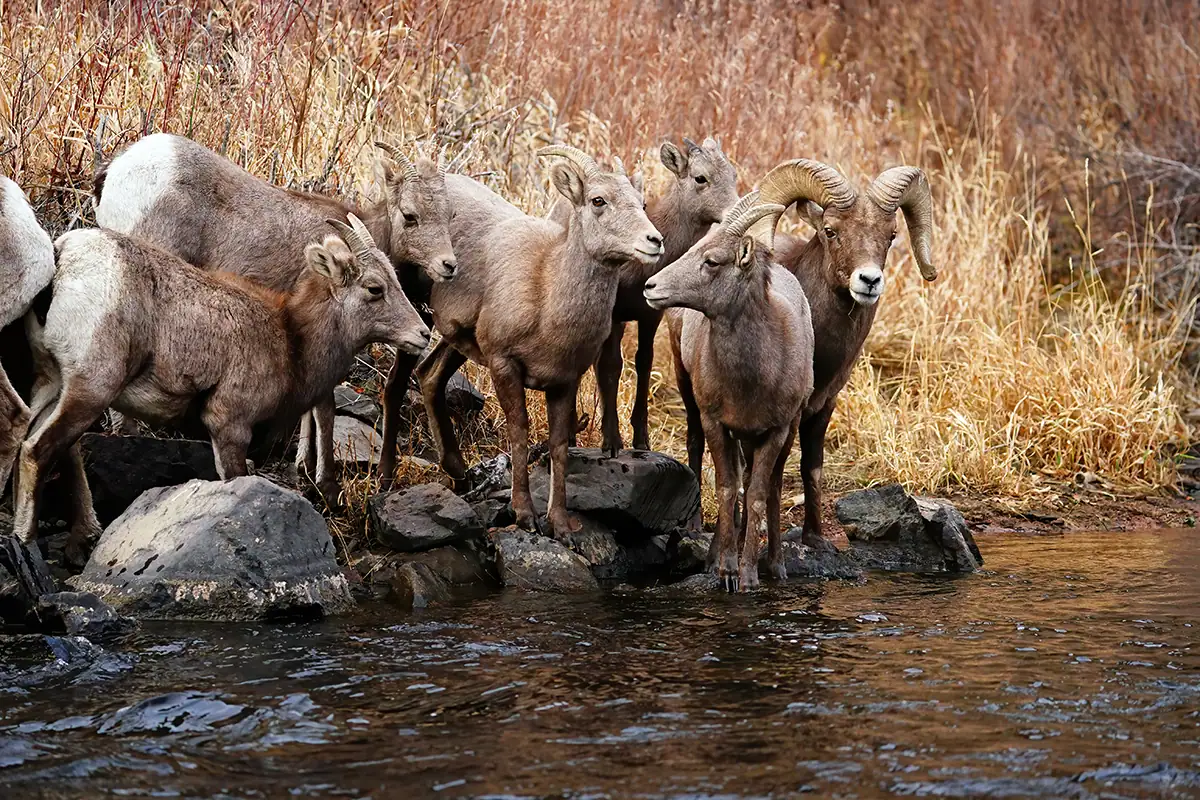
Applying these techniques in real situations helps refine your skills.
Whether you’re photographing birds, mammals, or smaller animals, adapting to your environment is key. In open areas, longer focal lengths help isolate subjects, while lower shooting angles improve perspective.
Seasonal changes also impact opportunities, from active wildlife in spring to dramatic conditions in winter.
Why the Tamron 150-500mm Is Ideal for Wildlife Photography

The Tamron 150-500mm F/5-6.7 Di III VC VXD (Model A057) is designed for versatility and performance in the field.
It offers:
- A flexible zoom range for different subjects
- Fast autofocus for tracking movement
- Lightweight design for handheld shooting
- VC image stabilization for sharper images
With a zoom range of 150–500mm, this lens allows you to photograph distant wildlife while maintaining strong image quality and subject isolation. Its VXD autofocus system delivers fast, precise tracking, making it especially effective for birds and moving animals.
If you’re comparing options, explore more in our guide to the best lens for wildlife photography.
Common Wildlife Photography Mistakes to Avoid
Avoiding these mistakes will improve your results:
- Using shutter speeds that are too slow
- Missing focus on the subject’s eye
- Shooting with distracting backgrounds
- Getting too close to wildlife
- Ignoring lighting conditions
Wildlife Photography Tips for Beginners

If you’re just starting out:
- Practice with local wildlife
- Learn your camera settings
- Focus on light and composition
- Be patient
People Also Ask: Wildlife Photography Questions
What is the best shutter speed for wildlife photography?
A shutter speed of at least 1/1000 is recommended for most wildlife, with faster speeds for birds in flight.
What lens is best for wildlife photography?
Telephoto lenses in the 150–500mm range are ideal for capturing distant subjects with detail.
How do you get sharp wildlife photos?
Use fast shutter speeds, proper autofocus, and stable shooting techniques.
What ISO should I use for wildlife photography?
Use the lowest ISO possible while maintaining proper exposure and shutter speed.
How do you photograph animals without scaring them?
Keep your distance, move slowly, and use a telephoto lens.
Final Thoughts: Improving Your Wildlife Photography
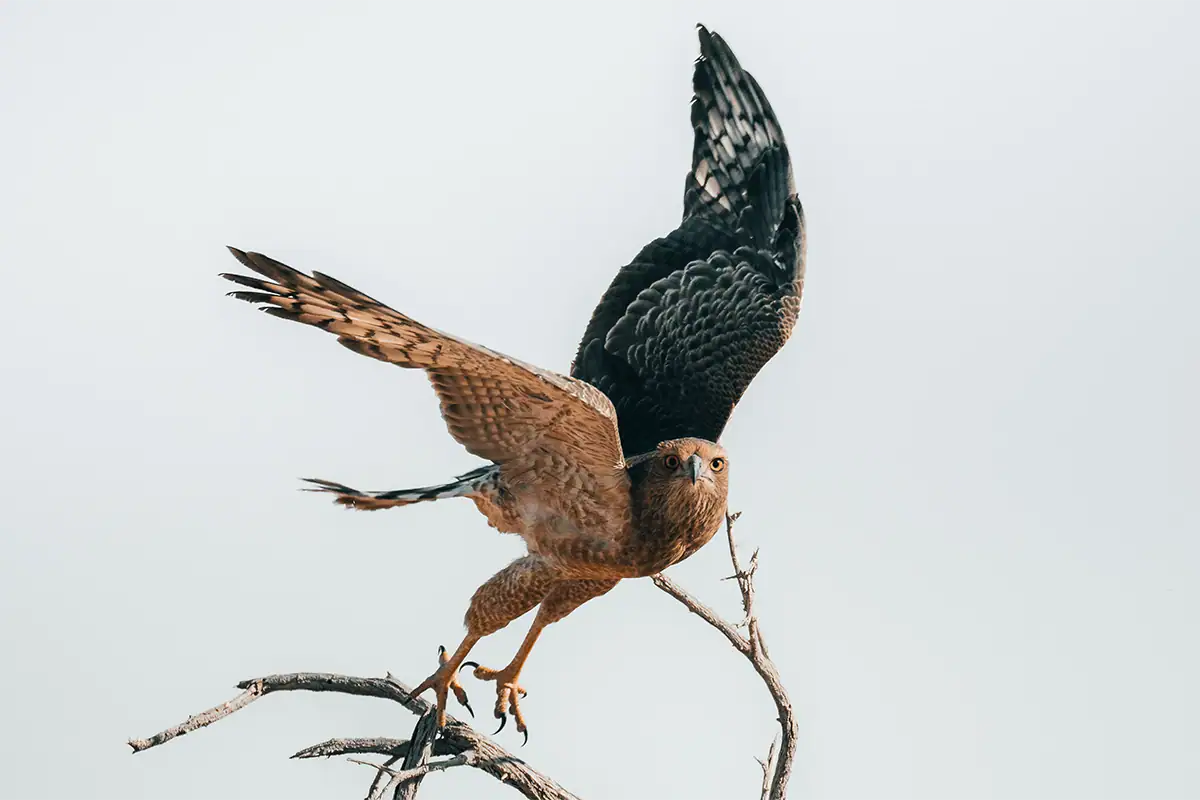
Wildlife photography is a combination of technical skill, patience, and timing. With the right settings, strong fundamentals, and a versatile telephoto lens, you can capture sharp, detailed, and compelling images in any environment.
Where to Buy Tamron Lenses
Ready to upgrade your wildlife photography setup? Explore Tamron lenses designed for performance, portability, and image quality.
Learn more about Tamron lenses at an authorized Tamron dealer near you or shop directly at the official TAMRON Store.
Frequently Asked Questions About Wildlife Photography
What is the best camera for wildlife photography?
A camera with fast autofocus, high burst rates, and strong low-light performance is ideal.
Do I need a tripod for wildlife photography?
Not always. Many photographers shoot handheld, especially with stabilized telephoto lenses.
What focal length is best for wildlife photography?
A range between 300mm and 500mm is ideal for most wildlife scenarios.
How do I photograph birds in flight?
Use fast shutter speeds, continuous autofocus, and tracking modes.
Is wildlife photography good for beginners?
Yes, especially when starting with local wildlife and simple setups.
 English
  Spanish
  French
  Portuguese