Instant Savings
 Rebate Claims
 Support
 Find a Dealer
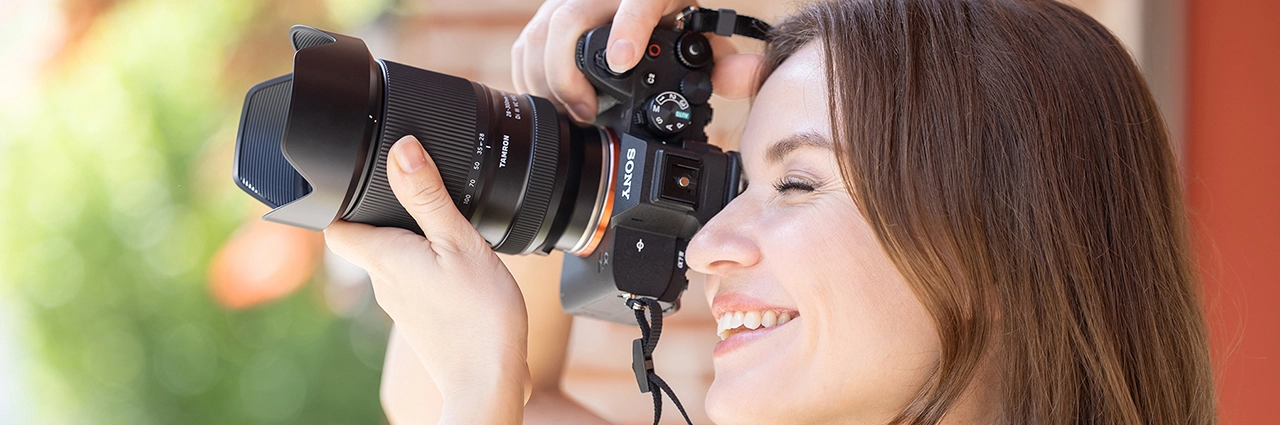
Learn what ISO is, how it affects exposure and image noise, and how to use it confidently in different photography situations.
For many photographers, ISO is the least intuitive camera setting to understand. While aperture and shutter speed have clear physical effects, ISO can feel abstract — something that simply makes photos brighter or noisier without an obvious explanation of why. Yet ISO plays a critical role in exposure, image quality, and a photographer’s ability to shoot in challenging lighting conditions.
New photographers often hear conflicting advice about their ISO camera settings. Some are told to “always keep ISO low,” while others are encouraged to raise ISO freely to avoid blur. Without a clear framework, it’s difficult to understand what ISO is in photography, when to adjust it, and how it works alongside aperture and shutter speed.
ISO is more than a brightness control. It influences how a camera sensor responds to light, how much detail is preserved in an image, and how visible image noise becomes as lighting conditions change. Understanding ISO helps photographers make informed decisions — whether shooting in bright daylight, dim interiors, or fast-moving scenes.
In this guide, you’ll learn what ISO is in photography, how it works within the exposure triangle, how ISO values affect brightness and image noise, and how to choose the right ISO settings for different photography styles. This ISO photography guide is designed to help you balance image quality and shooting flexibility in real-world situations.
Table of Contents
- What Is ISO in Photography?
- What Does ISO Stand For — and What Does It Mean for Cameras?
- What Is ISO in the Exposure Triangle?
- How Does ISO Affect the Brightness of an Image?
- What Are ISO Values for Cameras and What Do They Mean?
- What Is Base ISO and Why Is It Important?
- What Is Image Noise and How Does ISO Affect It?
- When to Use Low ISO
- When to Use High ISO
- Best ISO for Different Photography Styles
- How to Adjust ISO on a Camera
- What Is Auto ISO and When Should You Use It?
- Film ISO vs. Digital ISO
- Can You Fix High ISO Noise in Editing?
- Common ISO Mistakes Beginners Make
- People Also Ask About ISO in Photography
- Key Takeaways: How to Think About ISO
What Is ISO in Photography?
ISO in photography is a camera setting that controls how sensitive the image sensor is to light, determining how bright or dark a photo appears.
ISO is a camera setting, not a physical component. For beginners wondering what is ISO on a camera, it helps to think of ISO as a sensitivity control. A lower ISO makes the sensor less sensitive to light, while a higher ISO increases sensitivity, allowing brighter images in darker conditions.
ISO works alongside aperture and shutter speed, giving photographers flexibility when lighting or subject movement changes. Understanding ISO and shutter speed together is essential for consistent exposure and sharp images.
What Does ISO Stand For — and What Does It Mean for Cameras?
ISO stands for the International Organization for Standardization, and in photography it refers to a standardized system used to measure a camera sensor’s sensitivity to light.
Camera manufacturers follow internationally recognized ISO imaging standards so that ISO values behave consistently across different camera systems. This standardization ensures predictable exposure behavior and helps photographers better understand how ISO camera settings behave across brands and models.
International Organization for Standardization (ISO) standardizes sensitivity measurement, while the Camera & Imaging Products Association (CIPA) helps standardize camera industry testing and reporting, which supports consistent exposure and performance expectations in photography.
What Is ISO in the Exposure Triangle?
ISO is one of the essential photography basics every shooter should understand. In the exposure triangle, ISO controls how sensitive the camera sensor is to light, balancing with aperture and shutter speed to achieve proper exposure.
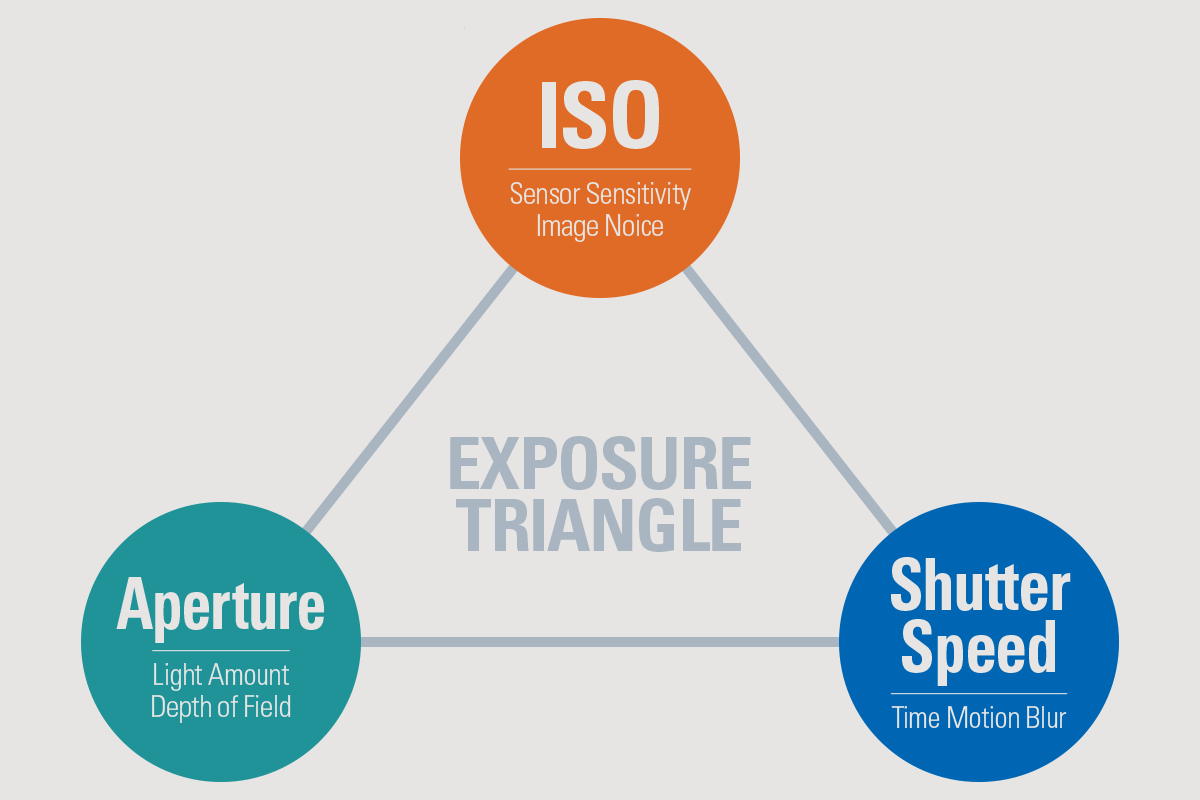
The exposure triangle — also known as the ISO exposure triangle — is a core photography concept built around three controls:
- Aperture, which determines how much light enters the lens
- Shutter speed, which controls how long light reaches the sensor
- ISO, which controls how strongly that light signal is amplified
Raising ISO allows faster shutter speeds or smaller apertures in low light, while lowering ISO favors cleaner images with more detail. Every ISO adjustment involves balancing light, motion, and image quality.
Understanding this balance is foundational photography knowledge and directly supports lens selection decisions discussed in the Ultimate Camera Lens Type Guide.
How Does ISO Affect the Brightness of an Image?
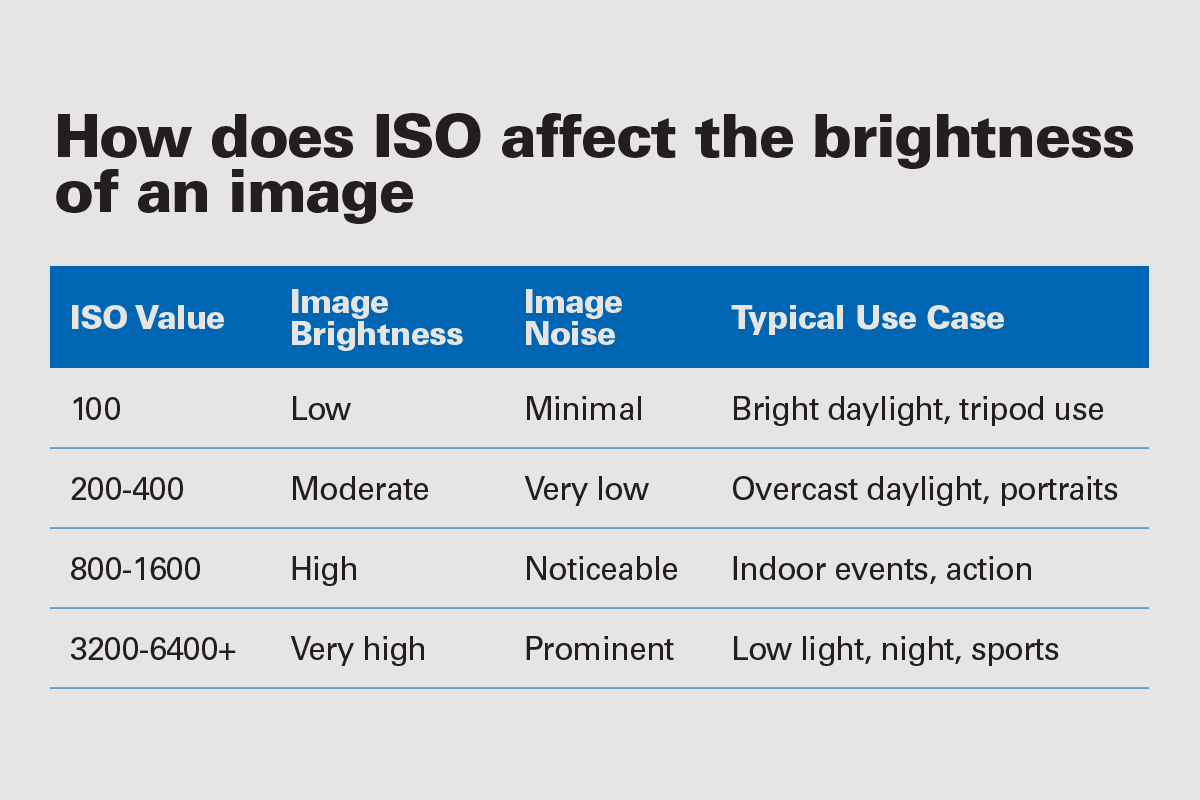
Increasing ISO makes an image brighter by amplifying the sensor’s signal, while lowering ISO keeps images darker but cleaner.
ISO does not change how much light enters the lens. Instead, it determines how the camera processes that light after it reaches the sensor, which directly influences ISO noise levels as sensitivity increases.
What Are ISO Values for Cameras and What Do They Mean?
ISO values like 100, 200, 400, 800, 1600, and 3200 indicate how sensitive the camera sensor is to light, with each higher value doubling image brightness while increasing noise.
Each step up the ISO scale represents a one-stop increase in sensitivity. For example, ISO 3200 allows shooting in much darker environments but introduces more visible noise. Modern cameras offer extended ISO ranges well beyond even ISO 6400, though usable image quality depends on sensor performance and shooting conditions.
Understanding the relationship between ISO values and image quality helps photographers choose the right camera ISO value for each situation.
What Is Base ISO and Why Is It Important?
Base ISO is the lowest native ISO setting on a camera, and it is important because it provides the best possible image quality with the least noise and widest dynamic range.
If you’ve ever wondered what is ISO sensitivity at its cleanest level, base ISO is the answer. At base ISO, the camera sensor performs most efficiently, preserving fine detail and smooth tonal transitions.
Whenever lighting conditions allow, base ISO is the preferred starting point — especially for landscape, architecture, and studio photography.
What Is Image Noise and How Does ISO Affect It?
Image noise is the visible grain or speckled texture in a photo, and increasing ISO makes it more noticeable by amplifying the sensor’s signal along with unwanted interference.
High ISO noise often appears in shadow areas and low-light images. While noise can sometimes be acceptable, photographers often balance ISO with stabilization tools like image stabilization or faster lenses.
When to Use Low ISO
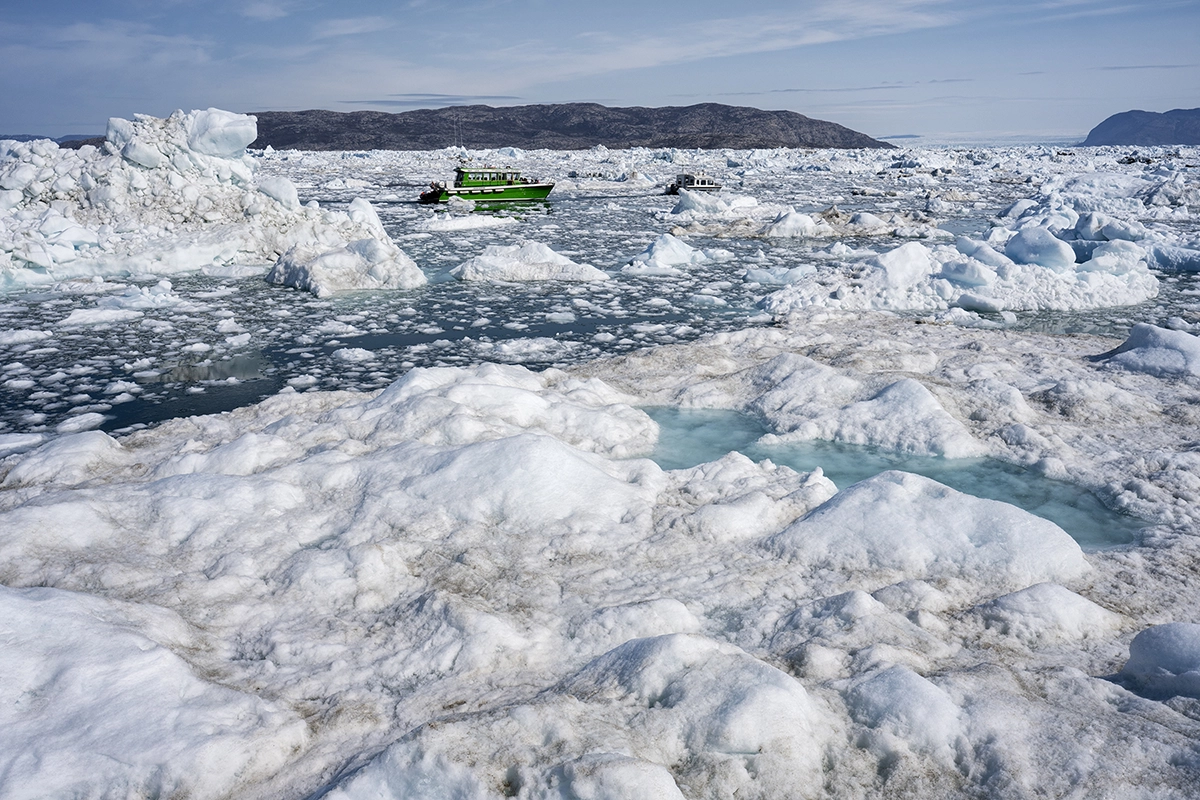
Low ISO should be used in bright lighting conditions or when the camera is stable to achieve maximum image quality and minimal noise.
Low ISO works best when:
- Shooting outdoors in daylight
- Using a tripod
- Photographing stationary subjects
- Prioritizing detail and dynamic range
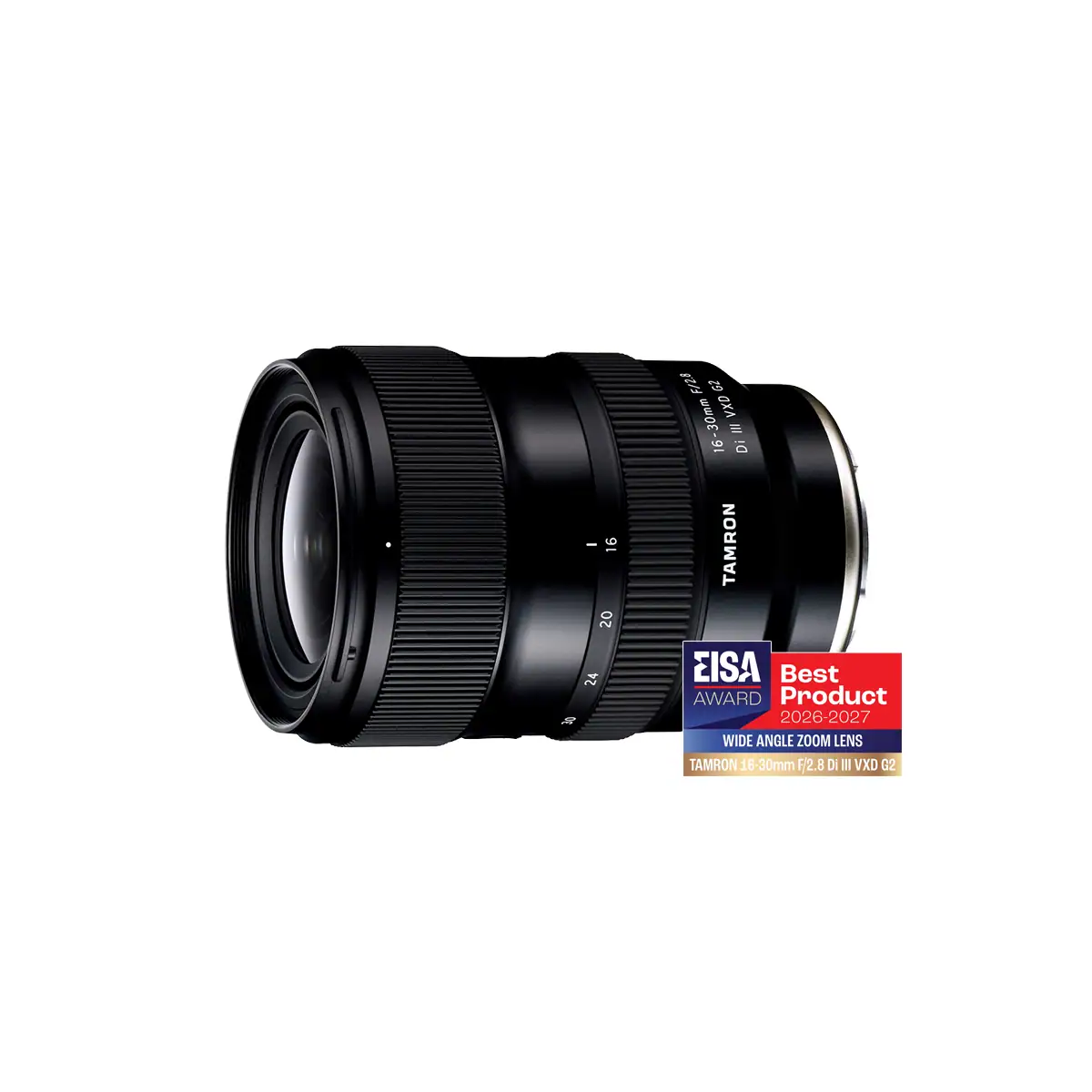
This approach is common in landscape photography, especially when using wide-angle lenses like the Tamron 16-30mm F/2.8 Di III VXD G2 discussed in this guide to focal lengths.
When to Use High ISO
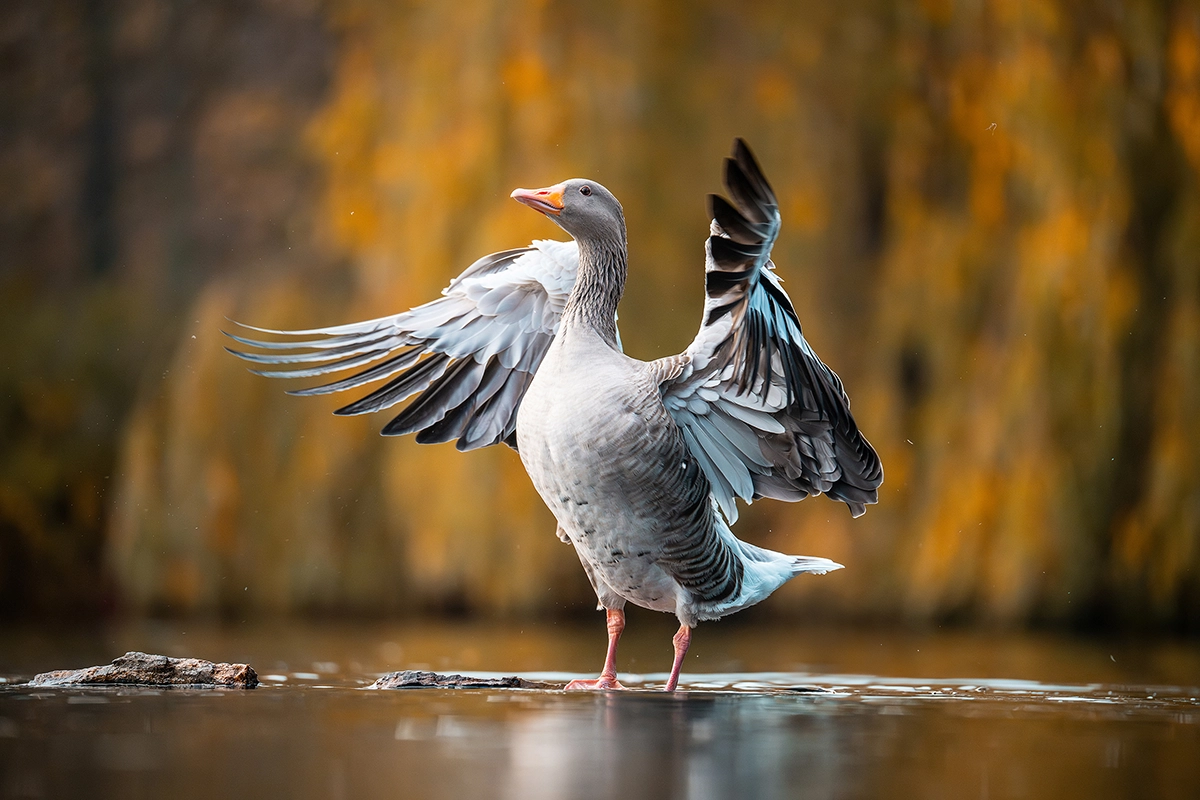
High ISO should be used in low-light situations or when faster shutter speeds are needed to freeze motion.
High ISO is often necessary when photographing:
- Indoor events
- Wildlife and sports
- Action with telephoto lenses
Lens choice plays an important role in how far ISO needs to be pushed in these situations. Lenses with wider maximum apertures allow more light to reach the sensor, while optical image stabilization helps maintain sharpness at slower shutter speeds.
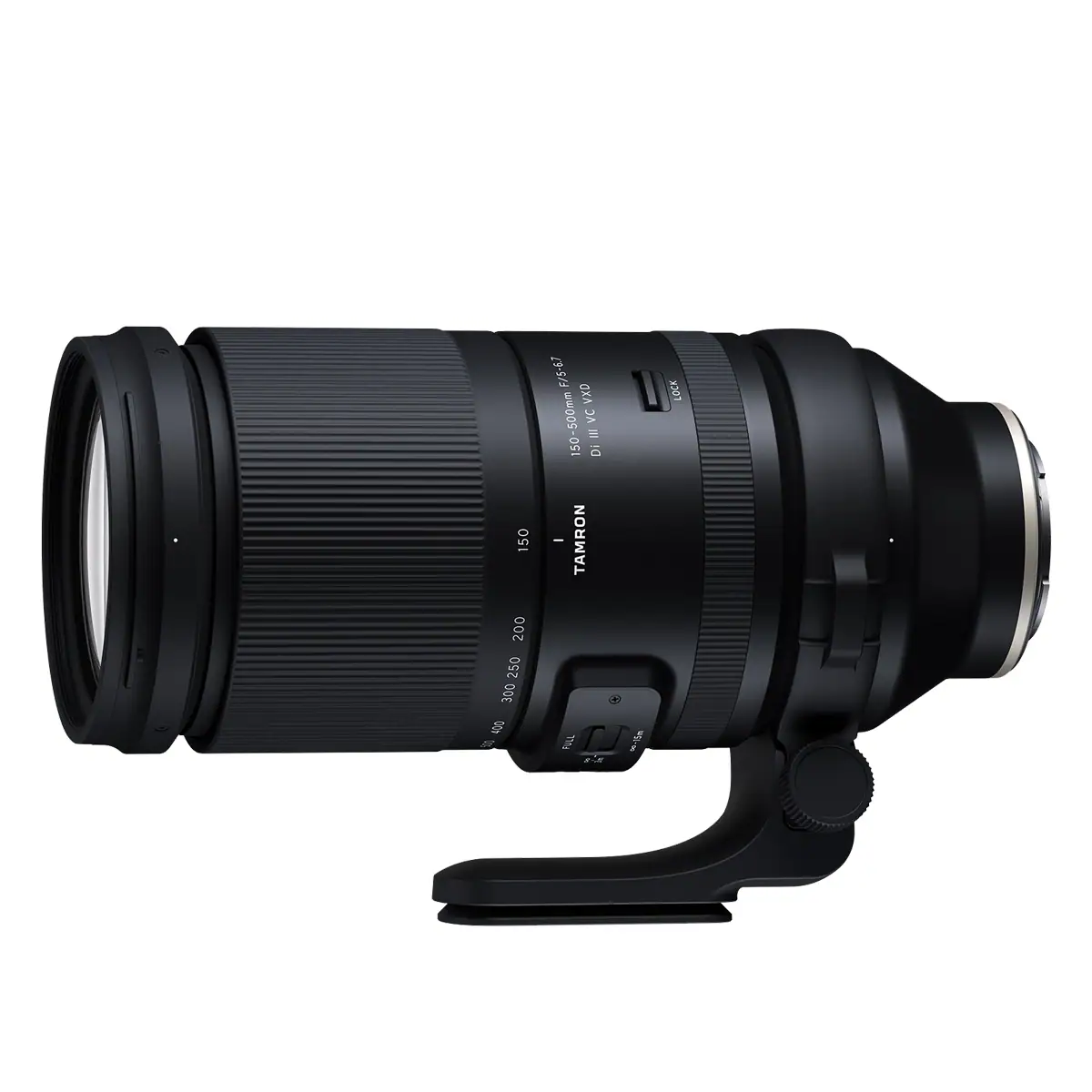
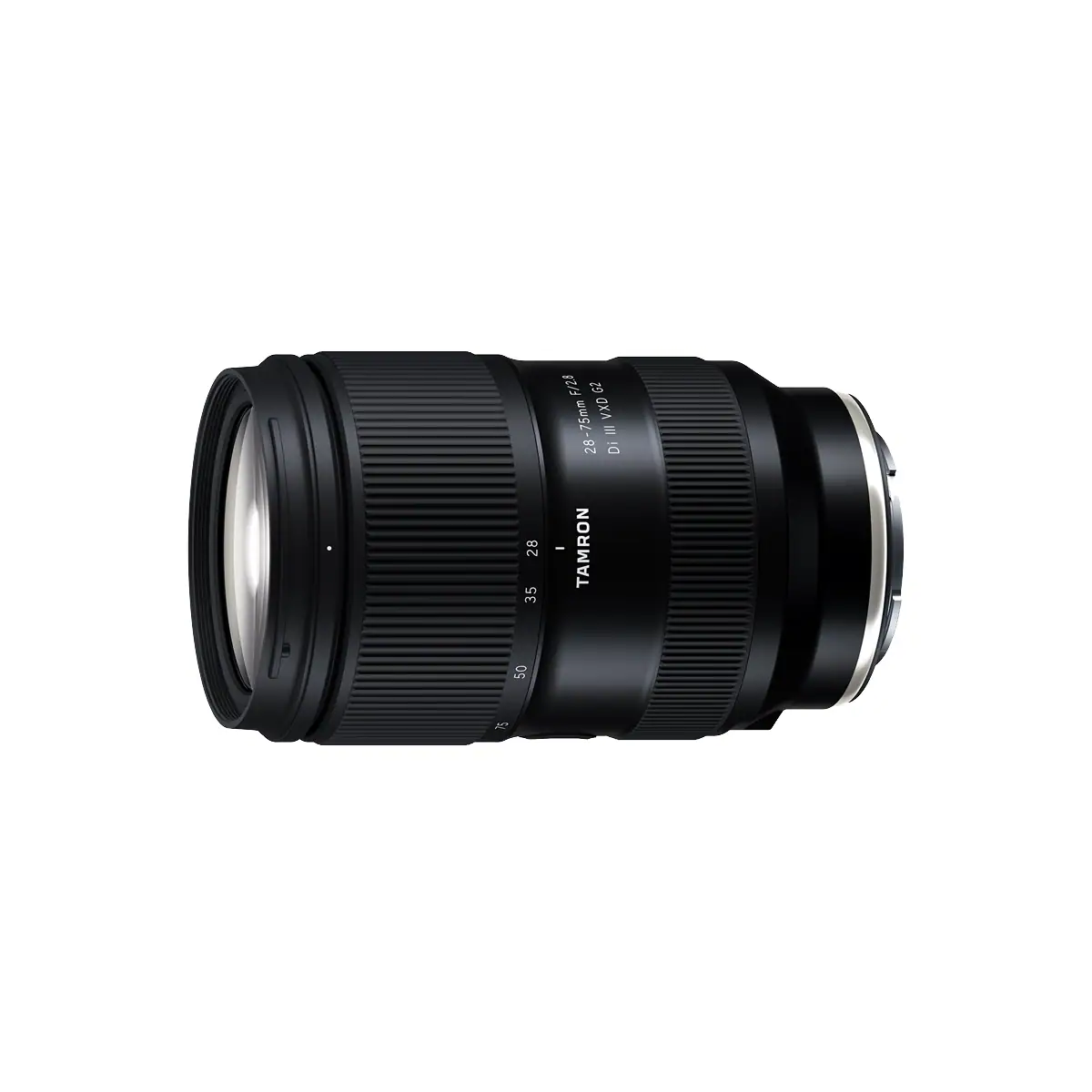
For example, a standard zoom like the Tamron 28–75mm F2.8 G2 can help keep ISO lower when shooting in dim indoor environments, while stabilized telephoto lenses such as the Tamron 150–500mm F5–6.7 VC make it easier to manage ISO when photographing fast-moving subjects at longer focal lengths.
In many cases, a slightly noisier image is preferable to motion blur or missed focus.
Best ISO for Different Photography Styles
The best ISO for photography depends on lighting conditions and subject movement, not fixed rules.
- Landscape photography: Typically low ISO to preserve detail and dynamic range. When shooting landscapes at low ISO, wide-angle lenses like the Tamron 17–50mm F4 are commonly paired with tripods to maintain image quality in controlled lighting.
- Portrait photography: Low to moderate ISO depending on available light, subject movement, and lens aperture.
- Indoor or event photography: Moderate to high ISO to maintain handheld shutter speeds under changing light.
- Sports and wildlife photography: Higher ISO values—especially important for ISO for sports photography—are often required to support fast shutter speeds with longer lenses. In these scenarios, lenses such as the Tamron 50–400mm F4.5–6.3 VC or Tamron 150–500mm F5–6.7 VC frequently rely on higher ISO, especially in overcast or shaded conditions.
- Night and astrophotography: High ISO is commonly used , and choosing the right ISO for astrophotography helps capture faint light sources. Fast wide-angle lenses like the Tamron 16–30mm F2.8 G2 help gather more light, allowing photographers to balance ISO, shutter speed, and star movement more effectively.
ISO often changes within a single shoot as lighting and subjects evolve.
Sensor size also influences usable ISO ranges, making it helpful to understand camera formats when choosing both cameras and lenses.
How to Adjust ISO on a Camera
ISO is changed using a camera’s menu, control dial, or dedicated ISO button when shooting outside of fully automatic modes.
While controls vary by camera model, most systems allow ISO to be adjusted quickly once photographers move beyond full auto shooting.
What Is Auto ISO and When Should You Use It?
Auto ISO is a camera feature that automatically adjusts ISO to maintain proper exposure based on lighting conditions.
If you’re unsure when to use Auto ISO, it works best when lighting changes rapidly or when photographers want to prioritize shutter speed or aperture without manually adjusting ISO.
Auto ISO is often paired with aperture priority mode when learning how a lens behaves in changing light. This approach works especially well with versatile zoom lenses such as the Tamron 25–200mm F2.8–5.6 G2, where focal length, aperture, and lighting conditions may shift quickly within a single shoot.
Film ISO vs. Digital ISO
Film ISO vs digital ISO works very differently. Film ISO is fixed by the film stock, while digital ISO can be adjusted for every shot on a digital camera.
Digital ISO provides far greater flexibility, allowing photographers to adapt instantly to changing light without changing film.
Can You Fix High ISO Noise in Editing?
High ISO noise can be reduced in editing, but it cannot be completely removed without affecting image detail.
Noise reduction software works best when images are properly exposed and captured in RAW format, which provides more flexibility when reducing noise during post-processing. Excessive noise reduction can soften detail, making good ISO choices at capture time important.
Common ISO Mistakes Beginners Make
A common ISO mistake beginners make is avoiding higher ISO settings even when they are necessary to prevent blur or underexposure.
Other common mistakes include:
- Forgetting to lower ISO after shooting in low light
- Relying entirely on Auto ISO without understanding exposure trade-offs
- Ignoring lens capabilities that could reduce the need for high ISO
Mistakes are part of learning, and experimentation builds confidence.
Key Takeaways: How to Think About ISO
ISO is a flexible decision-making tool that helps balance light, motion, image quality, and lens capability in real-world shooting conditions.
Understanding what ISO is in photography is less about memorizing numbers and more about recognizing when lighting conditions, subject movement, and lens performance need to work together. When ISO is used intentionally, photographers gain confidence and control across a wide range of photography styles.
Explore Tamron Lenses
Learn more about Tamron lenses at an authorized Tamron dealer near you or shop directly at the official TAMRON Store.
People Also Ask About ISO in Photography
What is ISO on a camera used for?
ISO controls how sensitive a camera’s sensor is to light, helping photographers adjust exposure in different lighting conditions.
Is higher ISO always bad?
Higher ISO increases noise, but it is often necessary and preferable to motion blur or missed shots.
What ISO should beginners use?
Beginners should start with low ISO in bright conditions and raise it only when lighting or subject movement requires it.
Does ISO affect image quality?
Yes, ISO affects noise and dynamic range, which influence overall image quality.
Should I use Auto ISO or manual ISO?
Auto ISO is helpful in changing light, while manual ISO offers more control in consistent lighting.