 Instant Savings
 Rebate Claims
 Support
 Find a Dealer
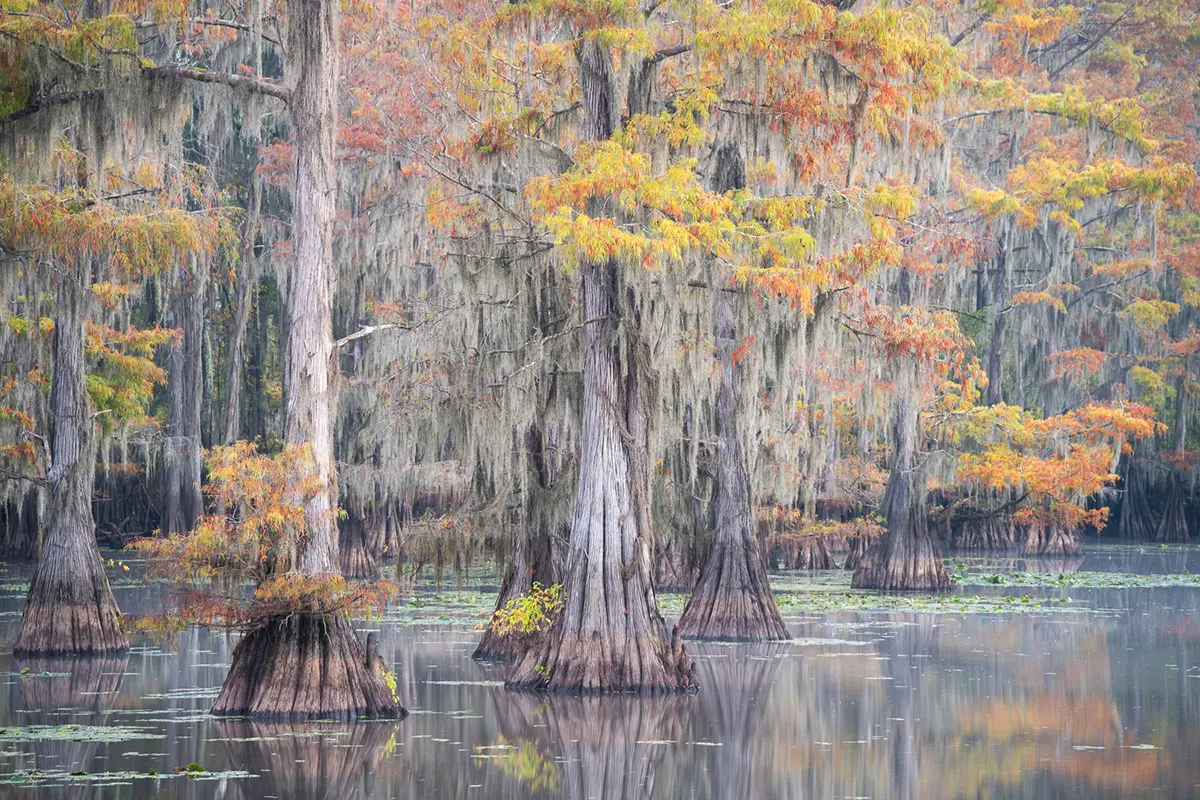
Favorite Tips for Capturing Fall Photos
Autumn is full of color and atmosphere, and Alyce Bender’s tips help you capture it at its best.
Author & Images: Alyce Bender
Share Article
Autumn is full of color and atmosphere, and Alyce Bender’s tips help you capture it at its best. From staying steady in low light and embracing stormy skies to using contrast, highlighting wildlife, and experimenting with creative techniques like ICM, she shows how to make the most of the season. With a wide range of Tamron lenses, you’ll have the versatility to bring both technical precision and artistic vision to your fall photography.
Tip 1: Stability is Key for Low Light
In low light—such as just before dawn or under overcast skies—a tripod is essential for keeping images sharp and preserving maximum detail and depth of field. Watch for even slight breezes that can move foliage during longer exposures and adjust your shutter speed and ISO as needed to balance depth of field with potential noise. Using a remote release or your camera’s self-timer will further reduce vibration, ensuring crisp results. Don’t forget to turn off image stabilization when your camera is locked on the tripod, as it can sometimes introduce blur.
Tip 2: Making the Best of Bad Weather
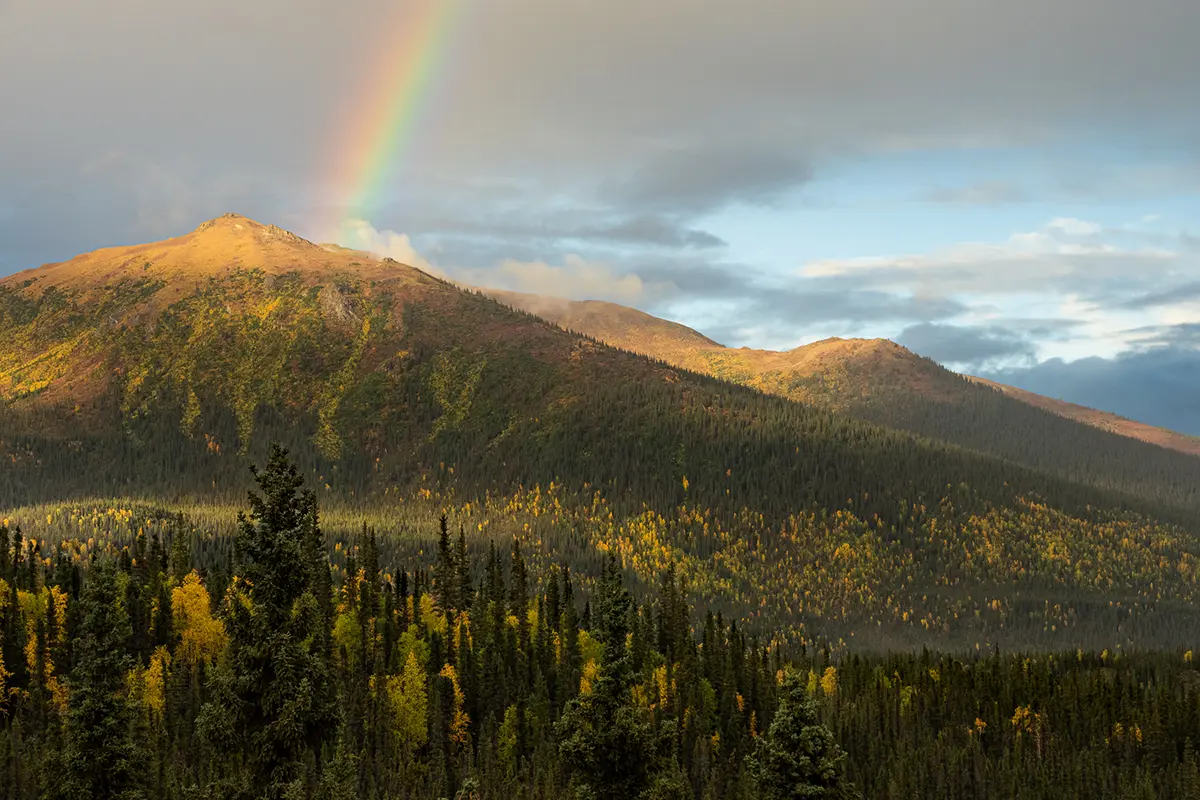
Although autumn storms can quickly dull or strip away seasonal color, they also create opportunities to capture dramatic, atmospheric scenes. Passing showers, especially when paired with a quality polarizer, can intensify saturation and bring new vibrancy to otherwise muted tones—adding extra depth and impact to your fall images. Low, brooding clouds can provide the perfect backdrop for bold foliage, while breaks in the storm may offer fleeting moments of magical light. Don’t be afraid to work the edges of a storm front, where contrast between dark skies and illuminated trees can be most striking. Keeping a weather-sealed lens or rain cover handy will ensure you and your gear are ready to make the most of these fleeting, powerful conditions.
Tip 3: Contrast and Compression for Visual Impact
Enhance the visual drama of your fall images by contrasting bright foliage against shadowed areas or evergreen backdrops. A telephoto lens can help compress the scene, isolating intimate compositions that emphasize this striking seasonal interplay. This technique not only highlights the brilliance of the season’s colors but also simplifies busy scenes, allowing strong shapes and tonal differences to shine through. Look for pockets of light that spotlight individual trees or branches, and experiment with both vertical and horizontal framing to see which best accentuates the contrast. These subtle choices can transform a simple patch of forest into a powerful, story-driven image.
Tip 4 Using Fall Elements to Enrich Wildlife Shots
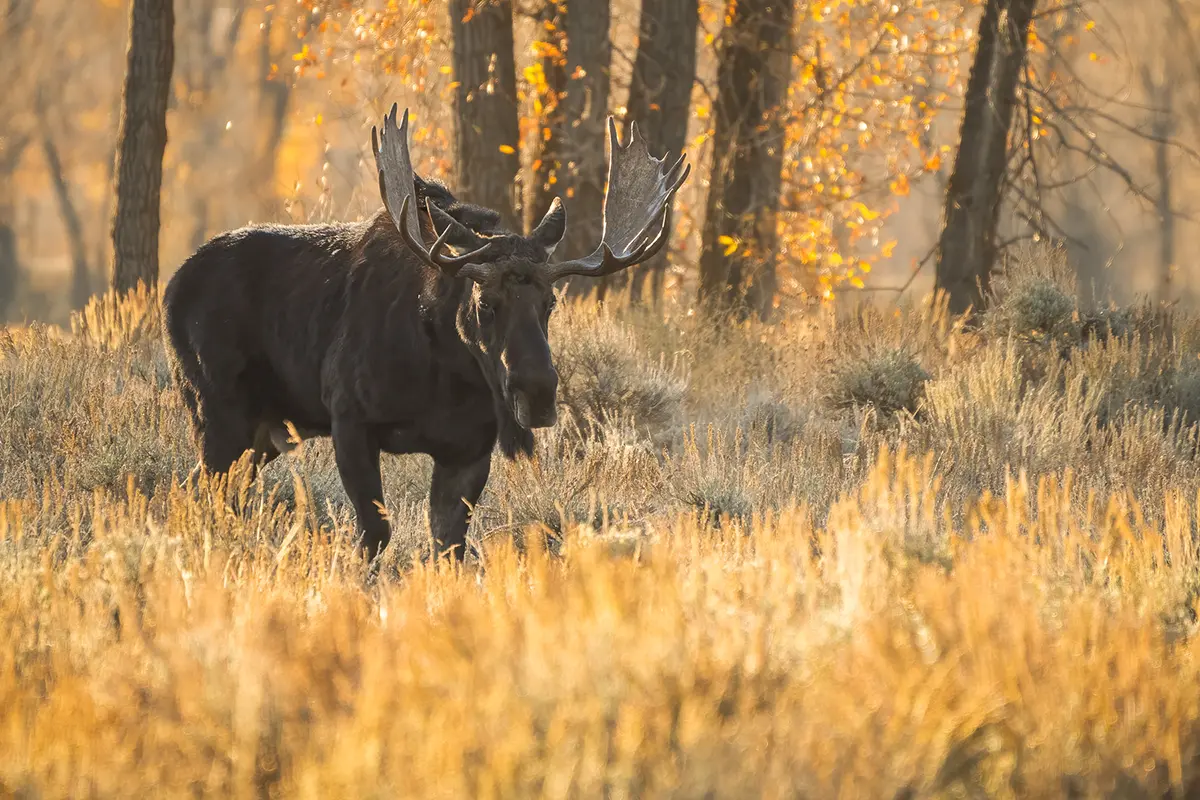
Autumn brings a surge of wildlife activity—squirrels caching nuts, moose and deer in the peak of rut, and flocks of birds on migration. Incorporating fall foliage into your compositions, whether in the foreground or background, not only adds vibrant color but also anchors these behaviors in a clear seasonal context, giving viewers a richer story when they revisit your images. Pay attention to how animals interact with their environment—such as a squirrel darting among fallen leaves or a bull moose framed by golden aspens—as these details reinforce the sense of time and place. Using wider apertures can help separate the subject while still keeping the warm hues recognizable, while a tighter depth of field can merge animal and environment into one cohesive seasonal scene. These choices not only document behavior but also evoke the essence of autumn for your audience.
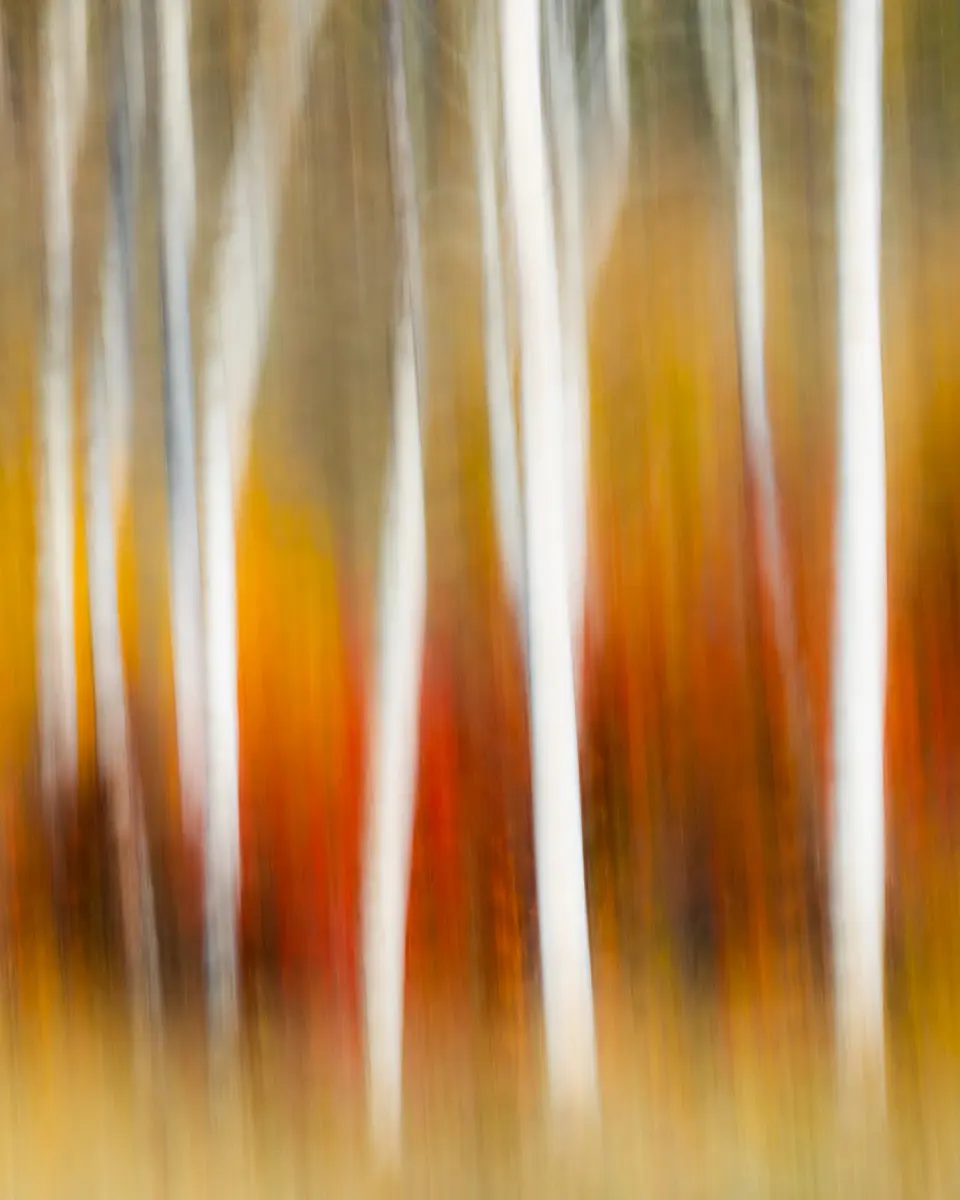
Tip 5: Shake Things Up and Get Creative with ICM
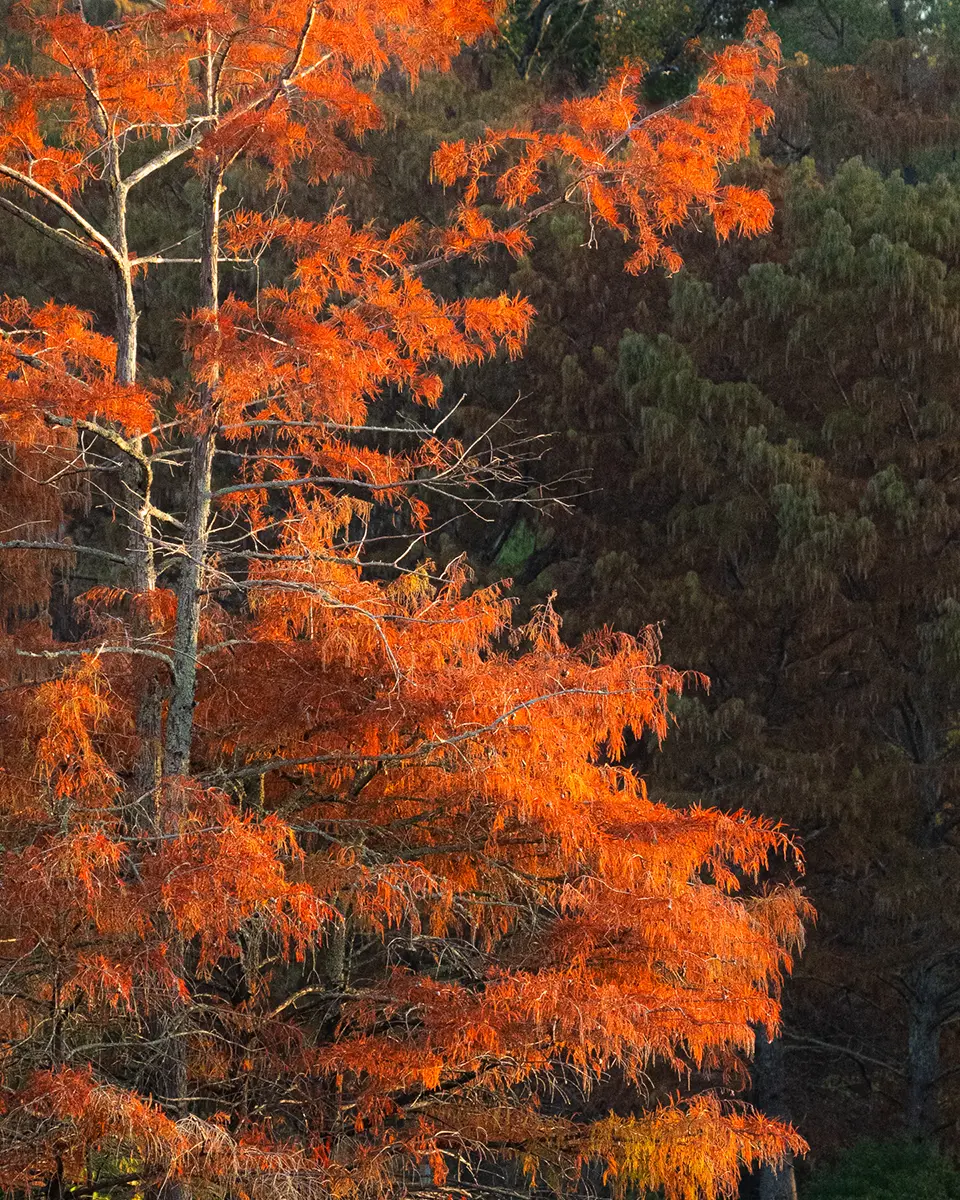
Autumn is the perfect season to experiment with creative techniques like Intentional Camera Movement (ICM). Begin with a telephoto lens and a subject with strong structure framed by rich fall colors. Use exposures between 1/25 and ½ second, practice different movements, and shoot plenty of frames—embracing the process as much as the results. Remember, the physical speed of your movement matters just as much as shutter speed: for silky smooth blends, you’ll need to move the camera faster than most people initially expect. The key is to let go of perfection and enjoy how the season’s palette transforms into painterly strokes.
 English
  Spanish
  French
  Portuguese