Six Ways to Tell Stronger Safari Stories with the Tamron 25-200mm
Safari photography is about more than documenting wildlife sightings—it’s about capturing the relationships between animals, their environment, and the fleeting moments that make each encounter unique.
Author & Images: Alyce Bender
Share Article
Safari photography is about more than documenting wildlife sightings—it’s about capturing the relationships between animals, their environment, and the fleeting moments that make each encounter unique. Using the versatile TAMRON 25-200mm F/2.8-5.6 Di III VXD G2, Alyce Bender focuses on creating images that convey a sense of place, behavior, and atmosphere. These six tips highlight practical ways to move beyond simple wildlife portraits and craft more compelling visual stories from the field.
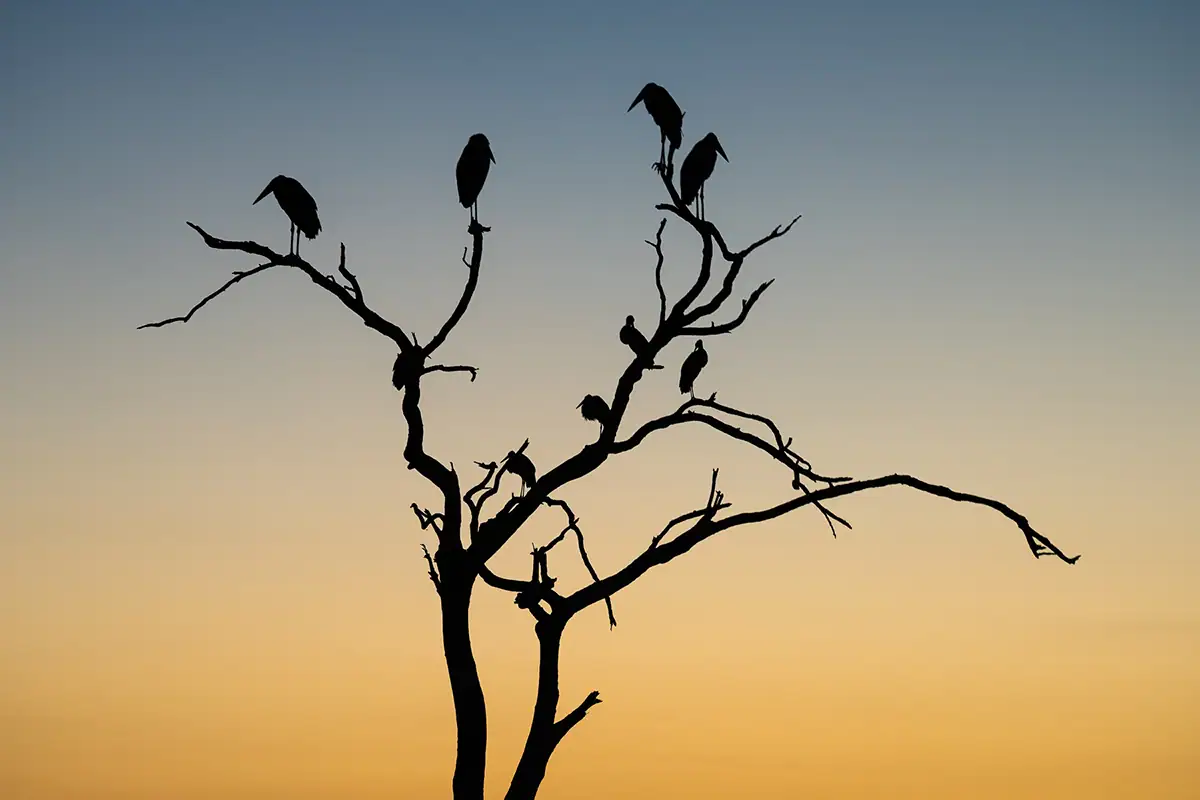
25-200mm (139mm), F5.6, 1/50 sec., ISO 400
TIP 1: Use Early Morning Light for Shape, Mood, and Silhouettes
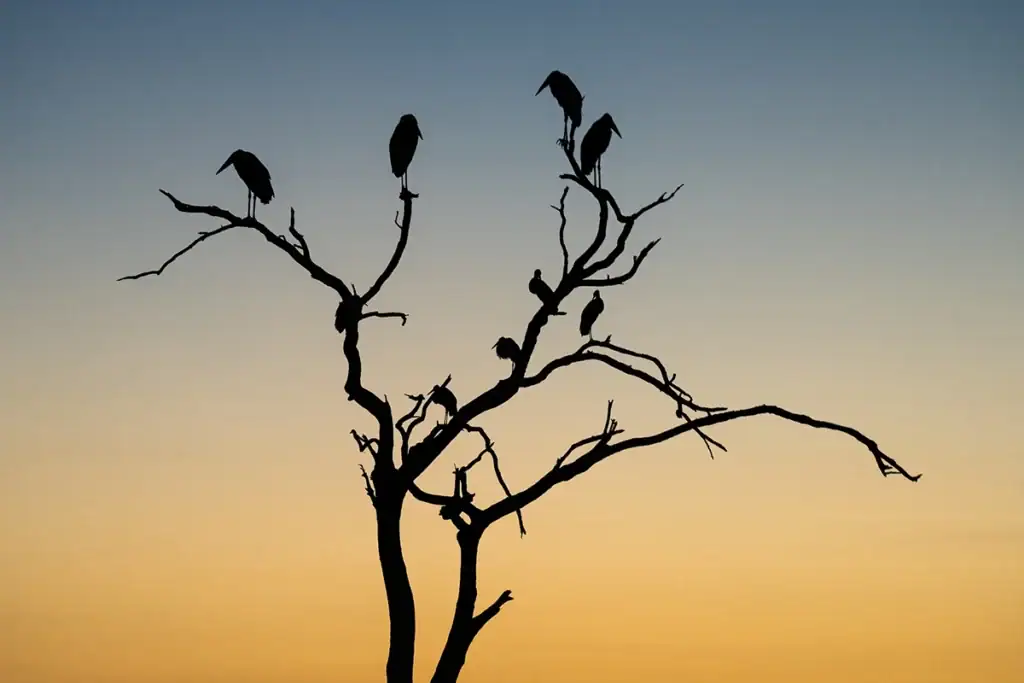
On safari, the first hour of light is often where the quiet magic lives, especially when animals are just waking up and moving through that low, warm glow. With a lens like the Tamron 25-200mm, I have the flexibility to shift quickly from wider sunrise scenes to tighter silhouettes before the light changes. Look for rim light along a zebra’s mane, steam rising from damp grass, or the clean outline of storks roosting against a glowing sky. Not every wildlife image needs detail in the animal; sometimes the shape, atmosphere, and silhouette say more than a fully lit portrait ever could.
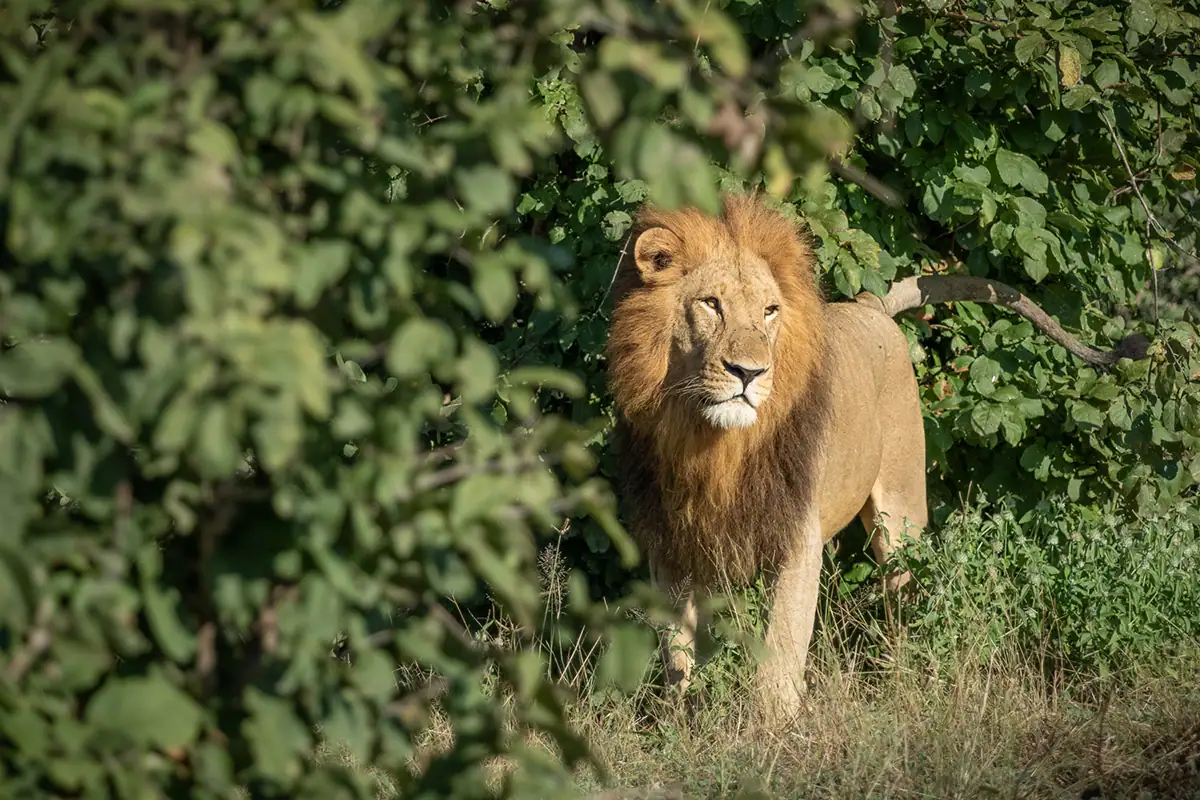
25-200mm (200mm), F5.6 1/1600 sec., ISO 500
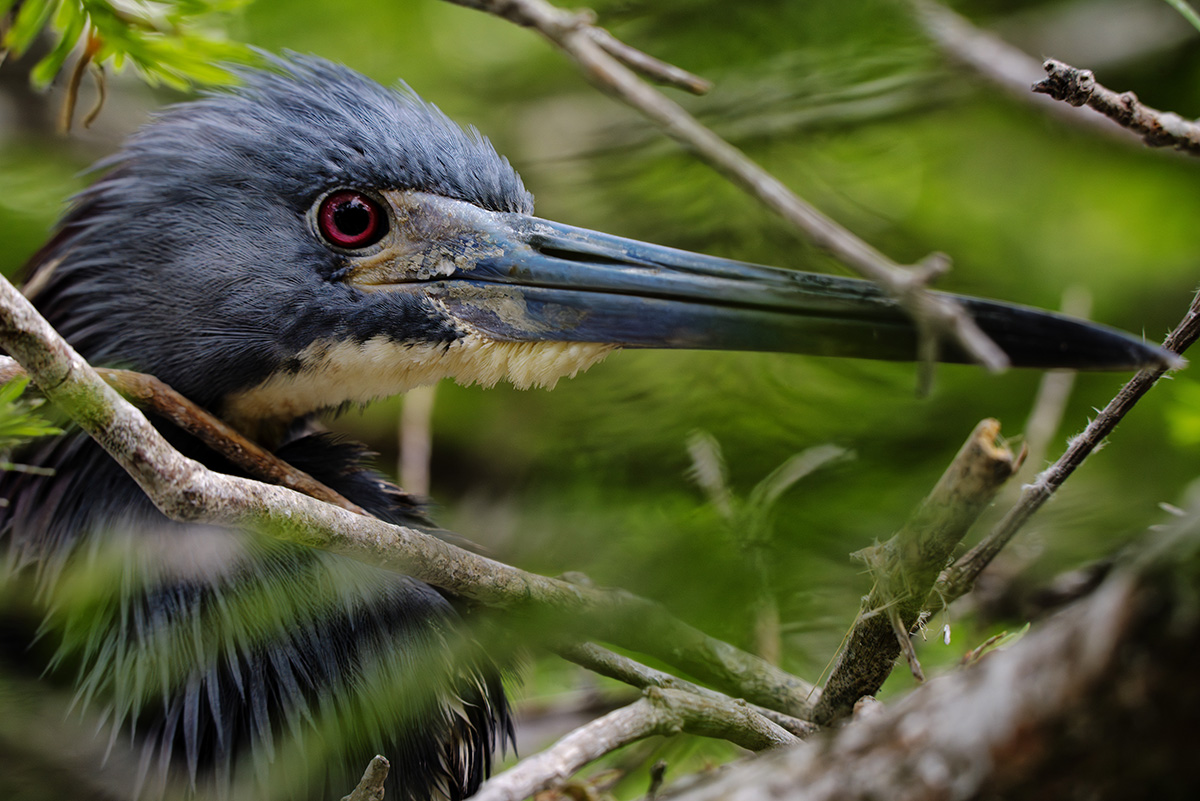
TIP 2: Use Foreground Elements to Build Depth
Safari landscapes can be visually busy, but that does not mean they need to feel flat. Grasses, branches, termite mounds, flowers, or even out-of-focus herd members can be used as foreground elements to create depth and a stronger sense of place. With the Tamron 25-200mm, try shooting through vegetation or placing a soft foreground layer along the bottom of the frame rather than always fighting for a perfectly clear view. So long as the subject remains readable, those layers can make the viewer feel tucked into the scene rather than simply observing it from a distance.
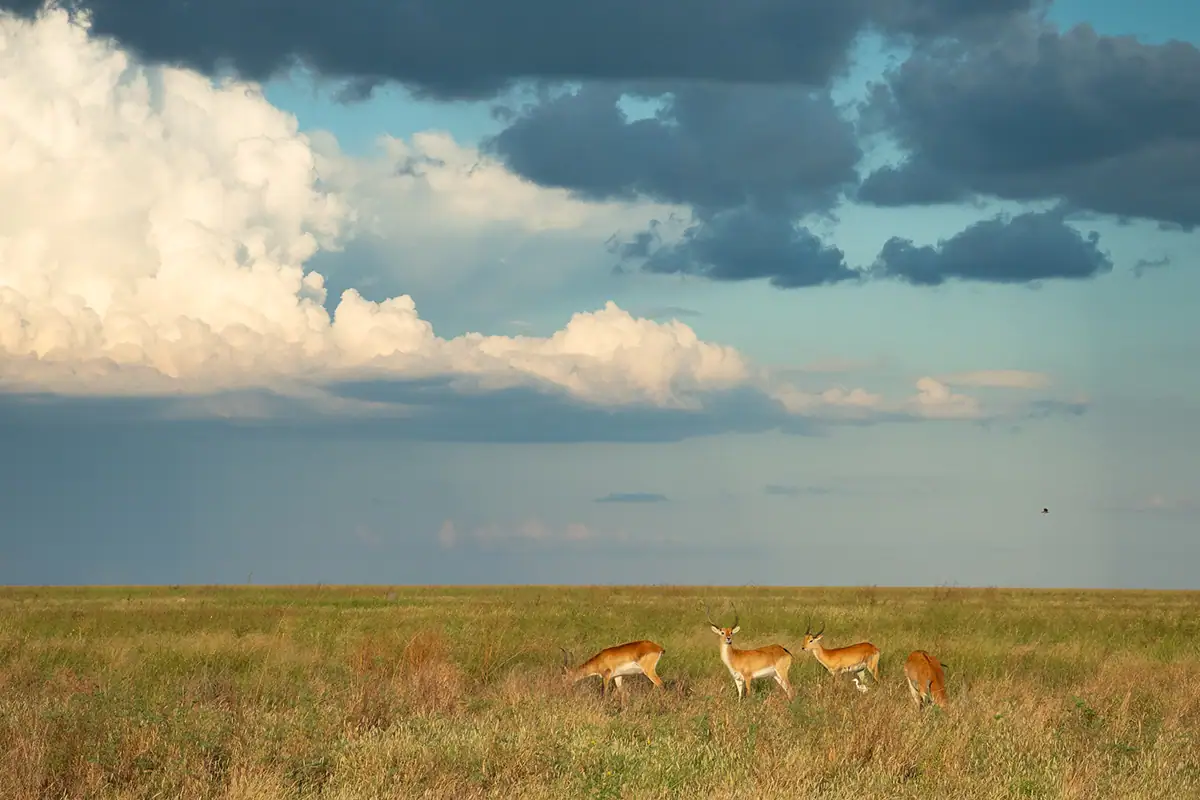
25-200mm (87mm), F11, 1/800 sec., ISO 640
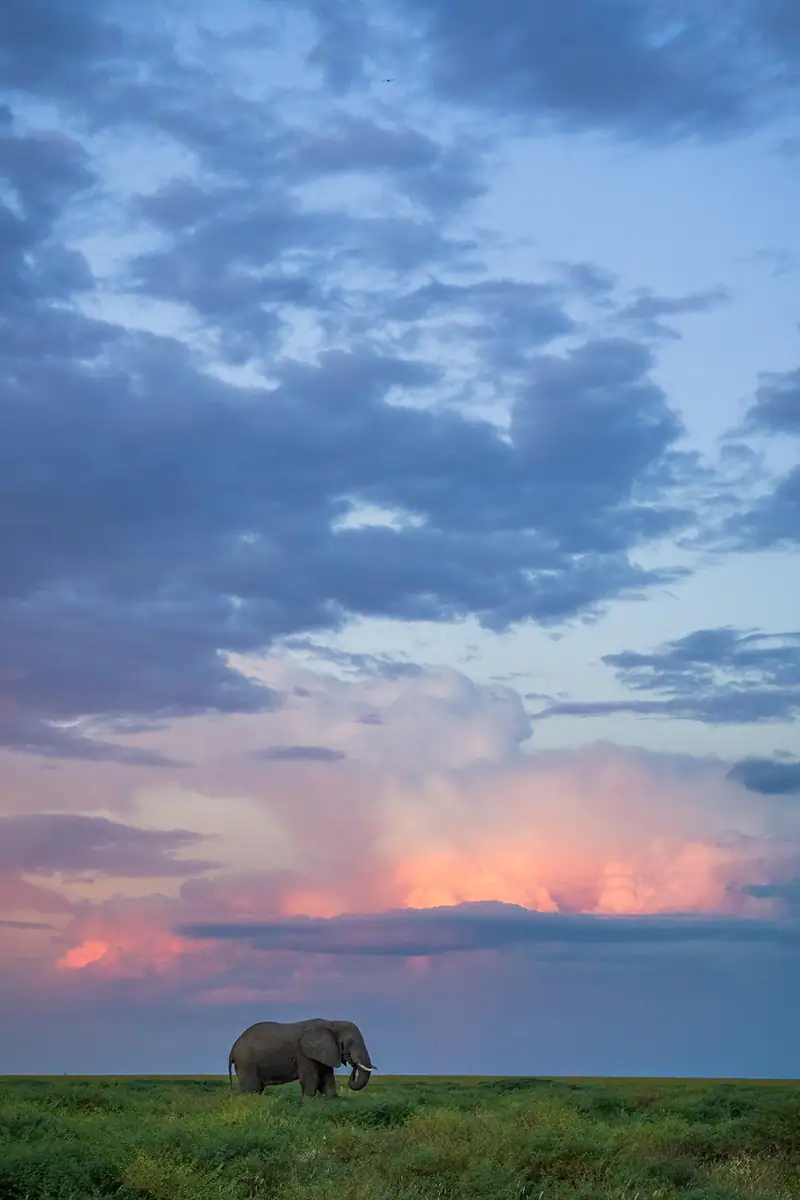
TIP 3: Go Wide and Let the Environment Speak
It is easy on safari to get pulled into the idea that closer is always better, but sometimes the story is not the animal alone. A small band of red lechwe crossing an open plain beneath storm clouds, elephants moving through mopane woodland, or antelope standing small beneath an enormous sky can say far more about the experience than another tight portrait. The wide end of the Tamron 25-200mm is especially useful for showing habitat, weather, scale, and the relationship between wildlife and landscape. The better naturalist you are, the better nature photographer you will be—and that includes paying attention to where the animal lives, not just what it is.
25-200mm (200mm), F16, 1/1000 sec., ISO 800
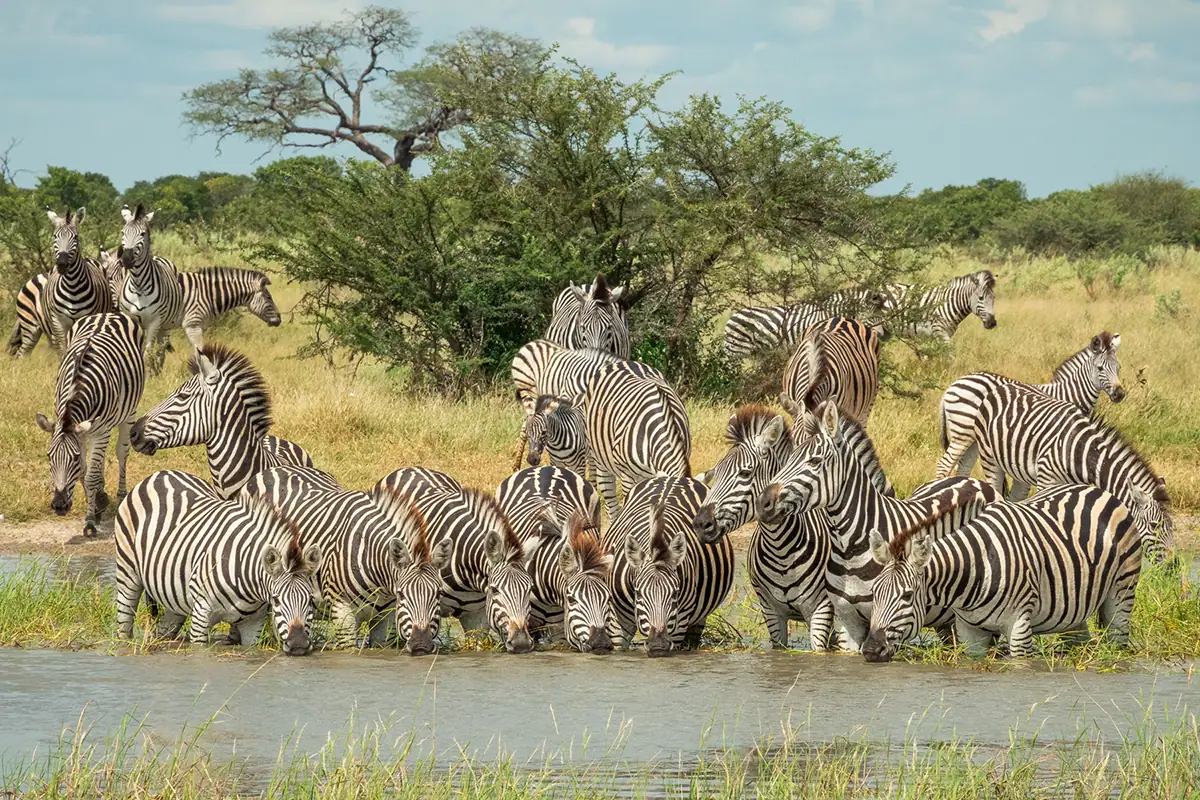
TIP 4: Photograph Herds as Living Stories
Single-animal portraits can be beautiful, but they can also start to feel a bit sterile when every frame is one clean subject against one clean background. Herds offer rhythm, repetition, behavior, and relationship, which are all much harder to fake and often more interesting to revisit later. Use the mid-range of the 25-200mm to look for patterns in movement, calves tucked between adults, dust trails, mirrored body positions, or one individual breaking the flow just enough to create tension. Instead of asking, “Which animal is the subject?” ask, “What is the herd doing, and how can I show that?”
25-200mm (200mm), F6.3, 1/1250 sec., ISO 500
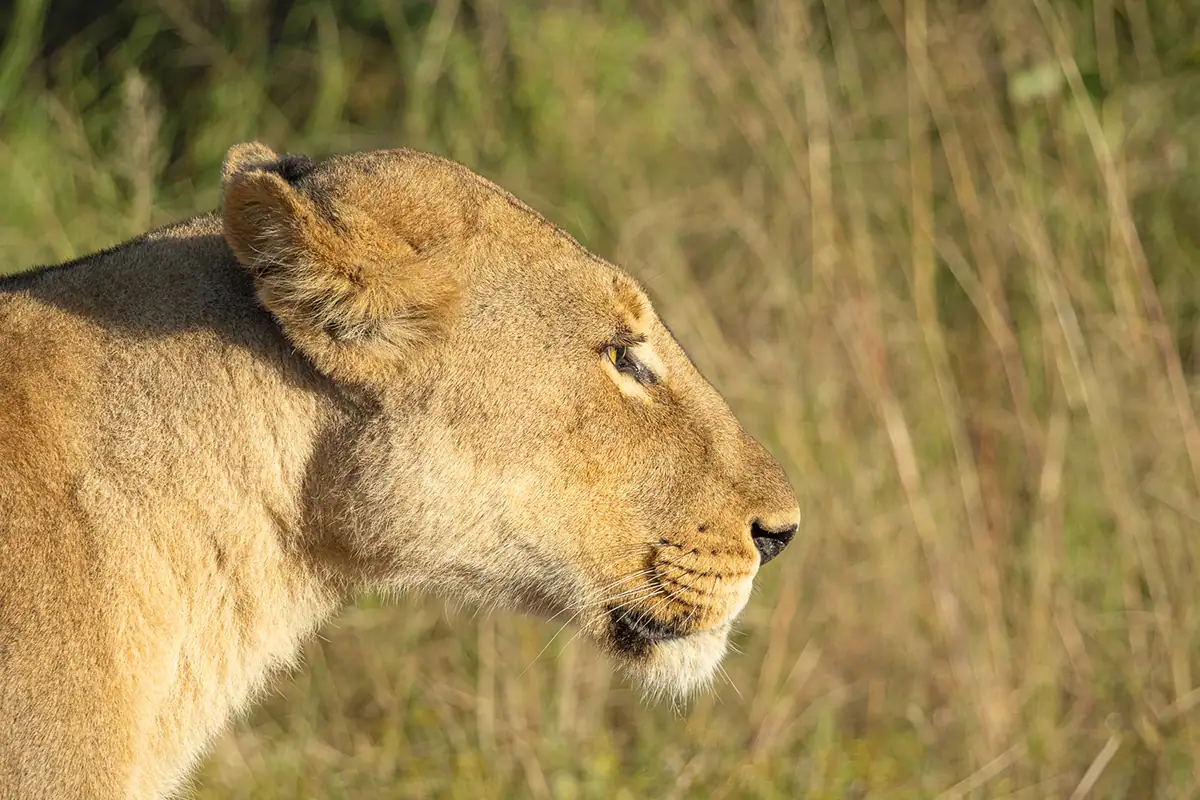
TIP 5: Get Tight for Expressions and Small Behavioral Cues
While environmental storytelling matters, there are also moments when getting tight is exactly the right choice. At 200mm, the Tamron 25-200mm gives you enough reach to isolate expressions, eye contact, ear position, raised brows, curled trunks, yawns, grooming, and those small gestures that reveal personality or behavior. These images work best when they are not just tight for the sake of being tight, but when the close framing helps the viewer notice something meaningful. Watch for the in-between moments, because a sideways glance, a twitching ear, or a young animal’s uncertain expression can often carry more story than a perfectly posed portrait.
25-200mm (57mm), F8, 1/320 sec., ISO 3200
TIP 6: Consider Shoulder or Green Season for Drama
Blue skies and dry grass have their place, but shoulder and green season can bring a completely different level of visual interest to safari photography. Storm clouds, fresh vegetation, dramatic light breaks, and more atmospheric skies can turn even common sightings into layered, memorable images. A versatile lens like the Tamron 25-200mm is helpful in these conditions because the scene can change quickly from wide, storm-lit landscapes to wildlife behavior unfolding right beside the vehicle. Safari is always thrilling but traveling when the weather has more personality often gives us even more options photographically.
 Instant Savings
 Rebate Claims
 Support
 Find a Dealer