The Poetry of Place

Paul Ostrum breathes fine-art life into his landscape, nature, and wildlife photos with his Tamron all-in-one 35-150mm zoom.

Author: Jenn Gidman

Images: Paul Ostrum

Share Article

Paul Ostrum breathes fine-art life into his landscape, nature, and wildlife photos with his Tamron all-in-one 35-150mm zoom.

For Paul Ostrum, photography has long been a natural extension of his life outdoors. He grew up in northern Wisconsin surrounded by forests and lakes, then ended up spending more than three decades working for the US Forest Service, a career that kept him close to the natural world that continues to inspire his work today.

“My folks gave me a camera so I wouldn’t grab my dad’s ‘good’ ones,” Paul says. “In high school, I covered events for the local paper, and even after I joined the Forest Service, I kept my camera close by. It wasn’t until later in life that I made photography my full-time pursuit, but now I’m enjoying life and the place my photography has in it.”

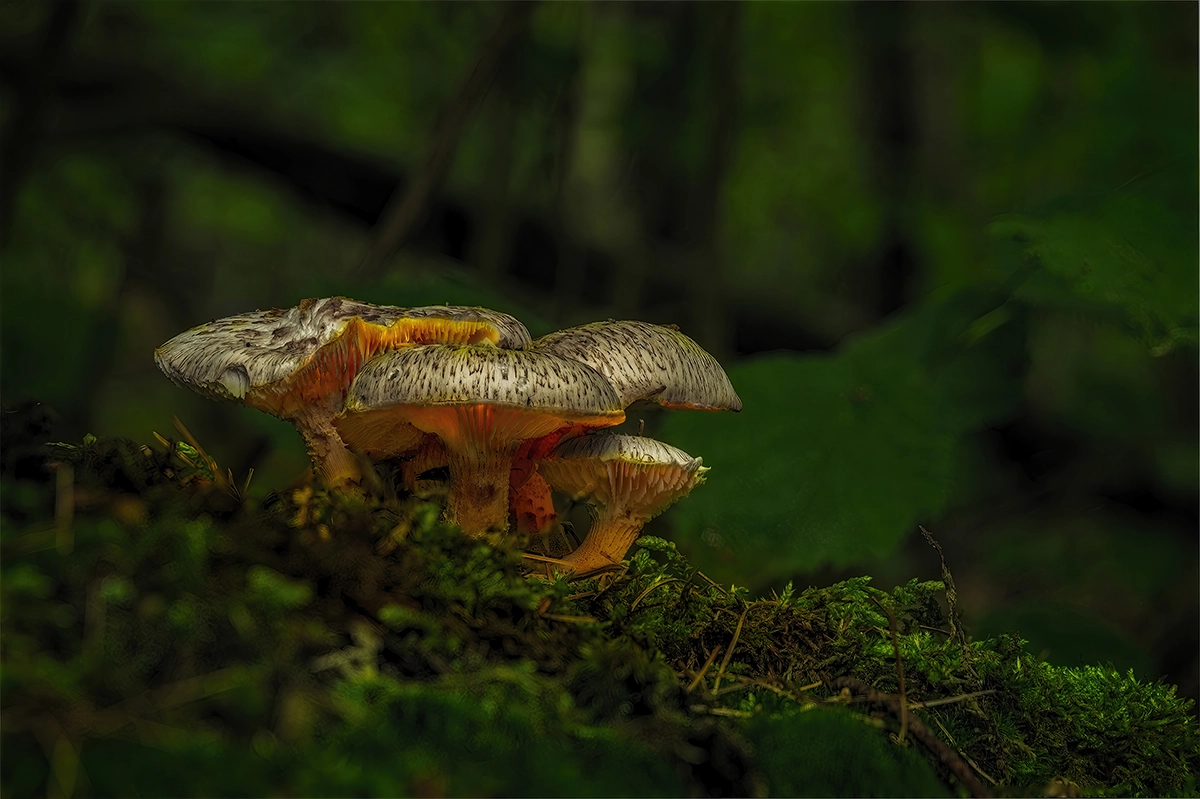
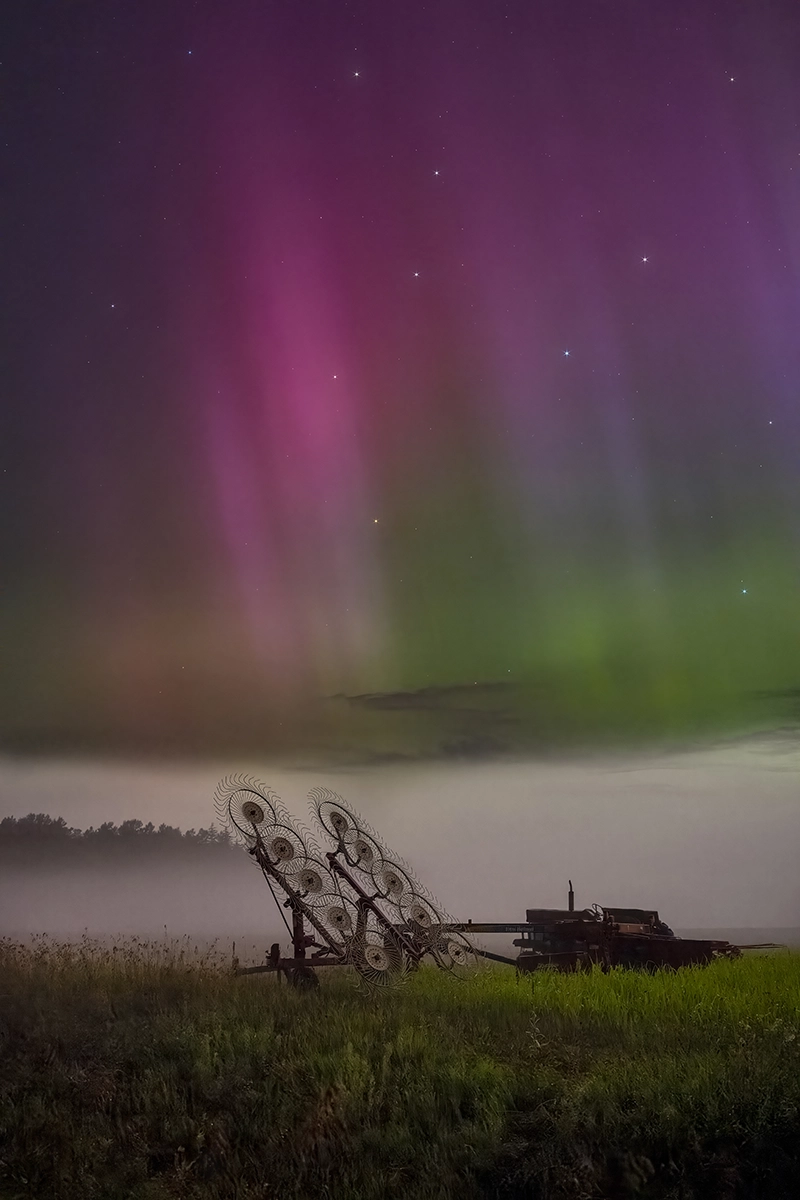
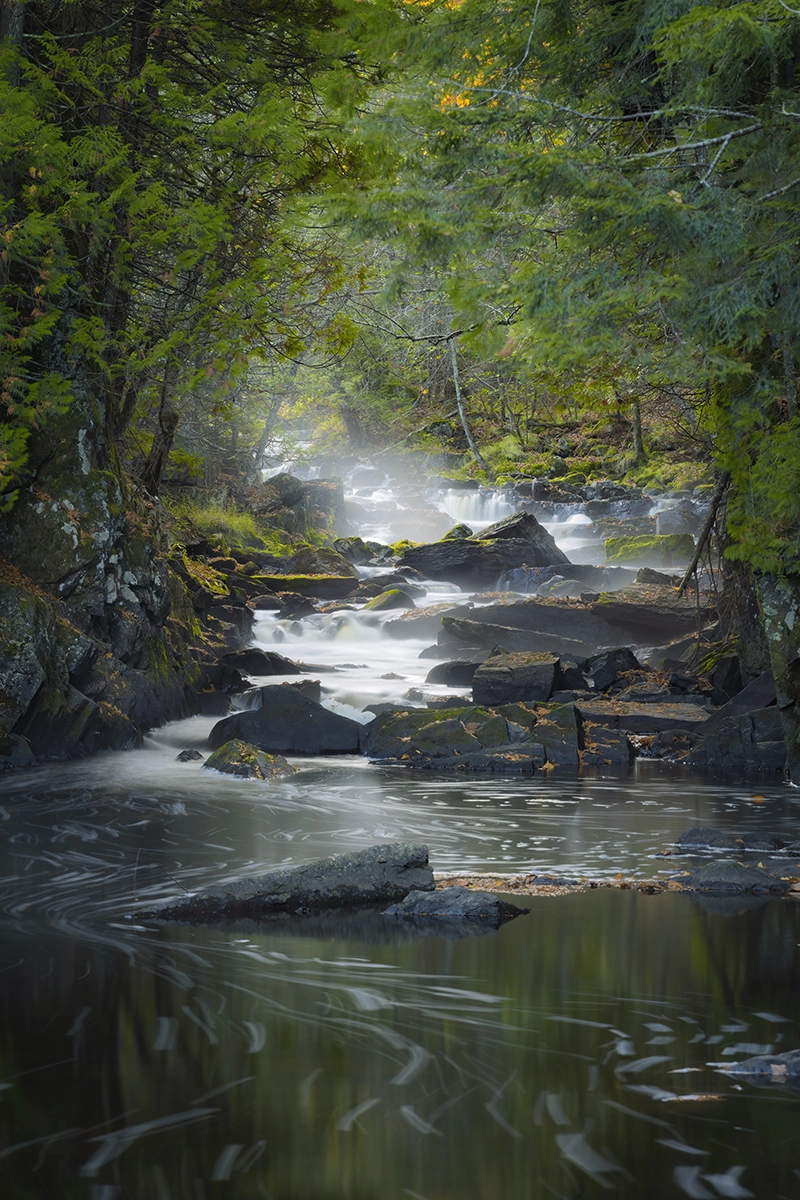
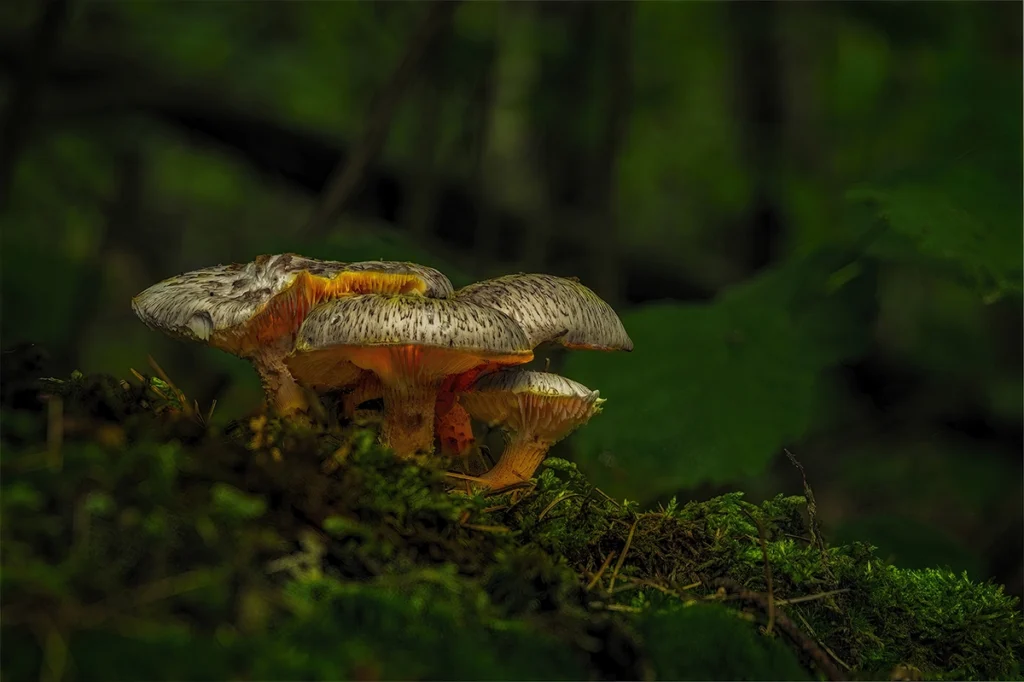
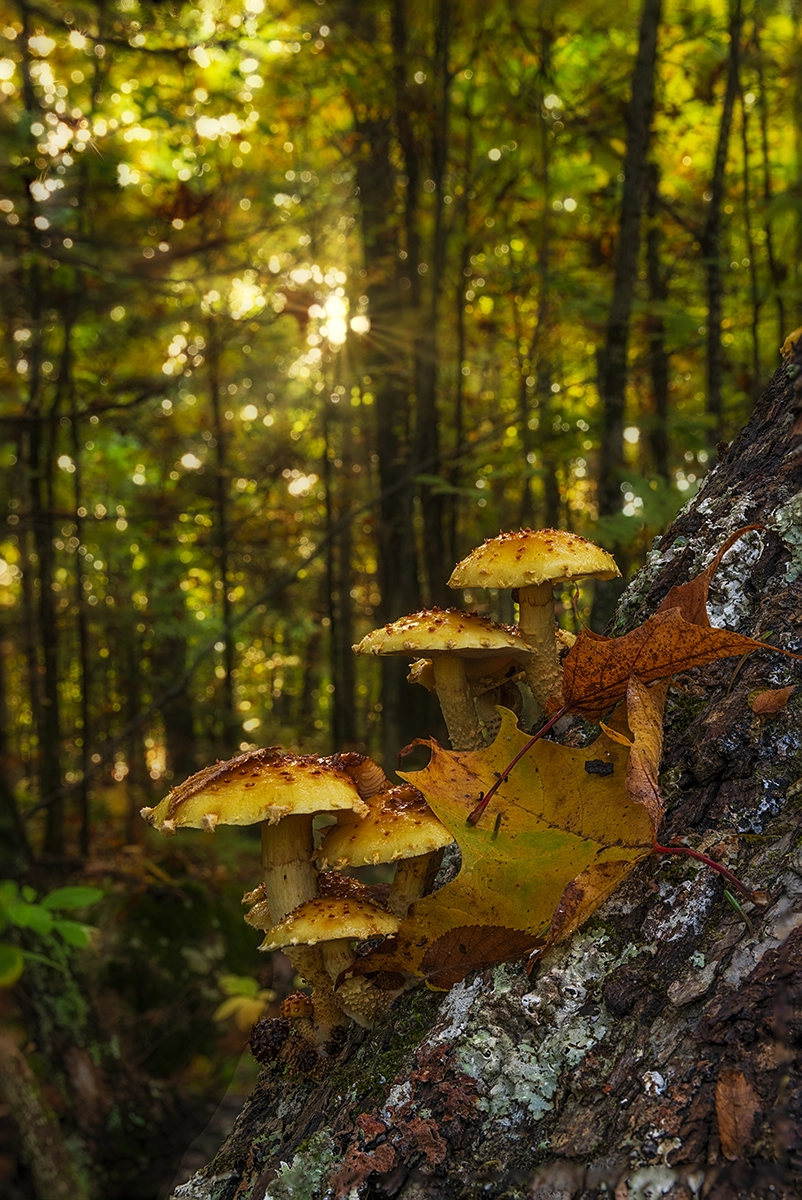
Paul’s photographic vision blends a fine-art sensibility with a documentarian’s reverence for place. His portfolio showcases such subjects as waterfalls hidden deep in the Northwoods’ forests, the mesmerizing glow of the northern lights, and delicate mushrooms resting on foliage-strewn logs. “Some people think there’s nothing to photograph in Wisconsin but cow pastures,” he says. “I always tell them: You just have to get out of the car and look.”

35-150mm (112mm), F9.5, 1/10 sec., ISO 320

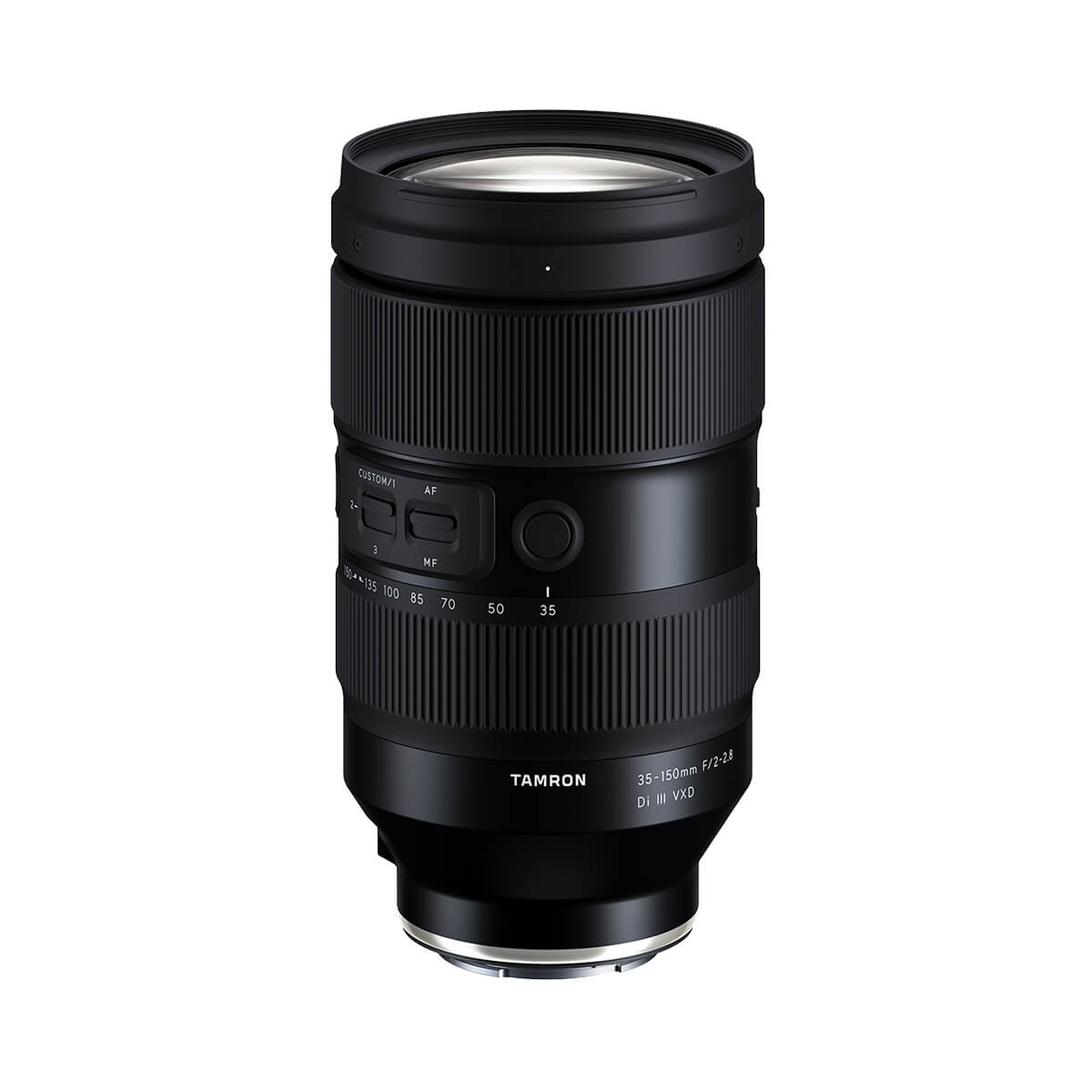
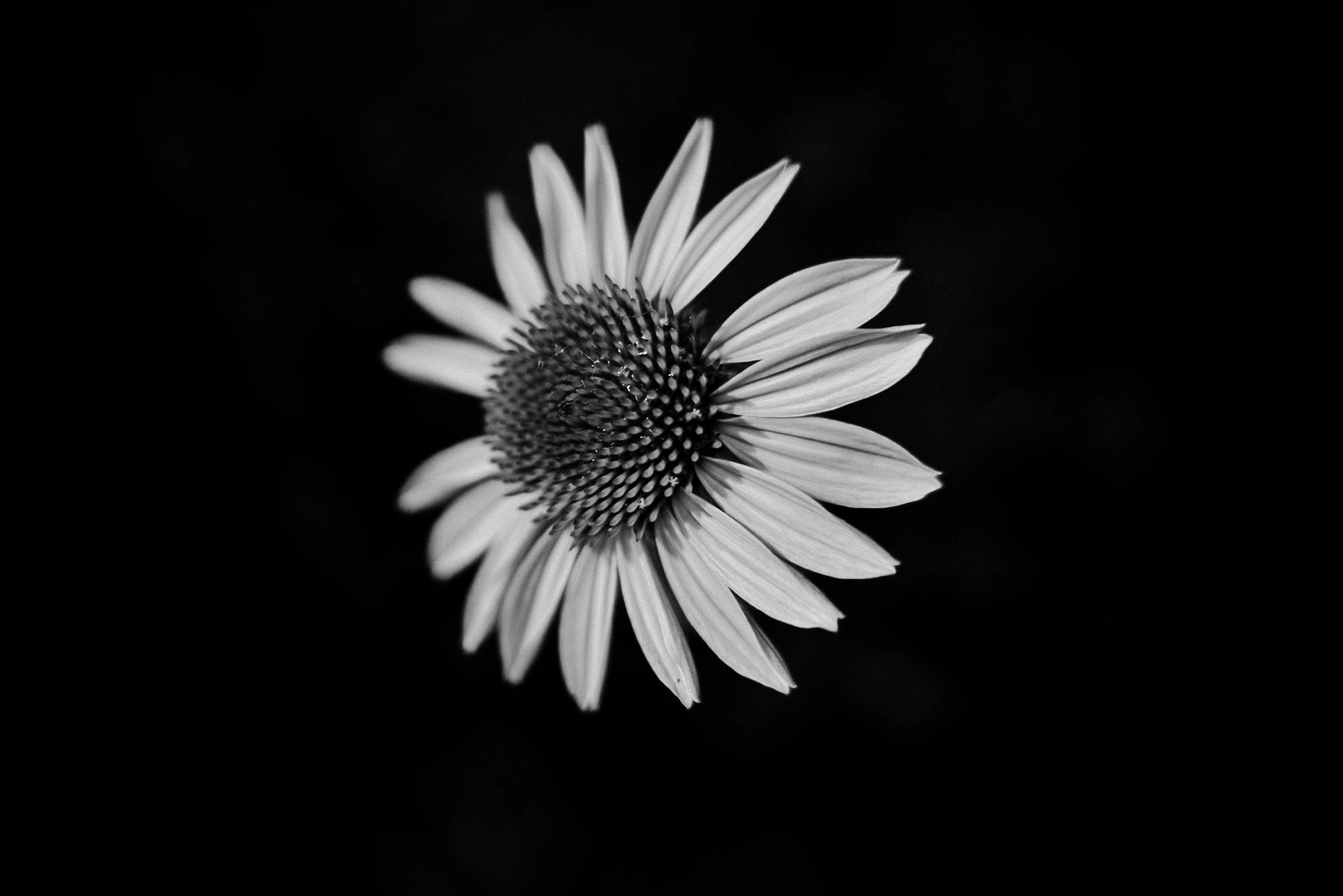
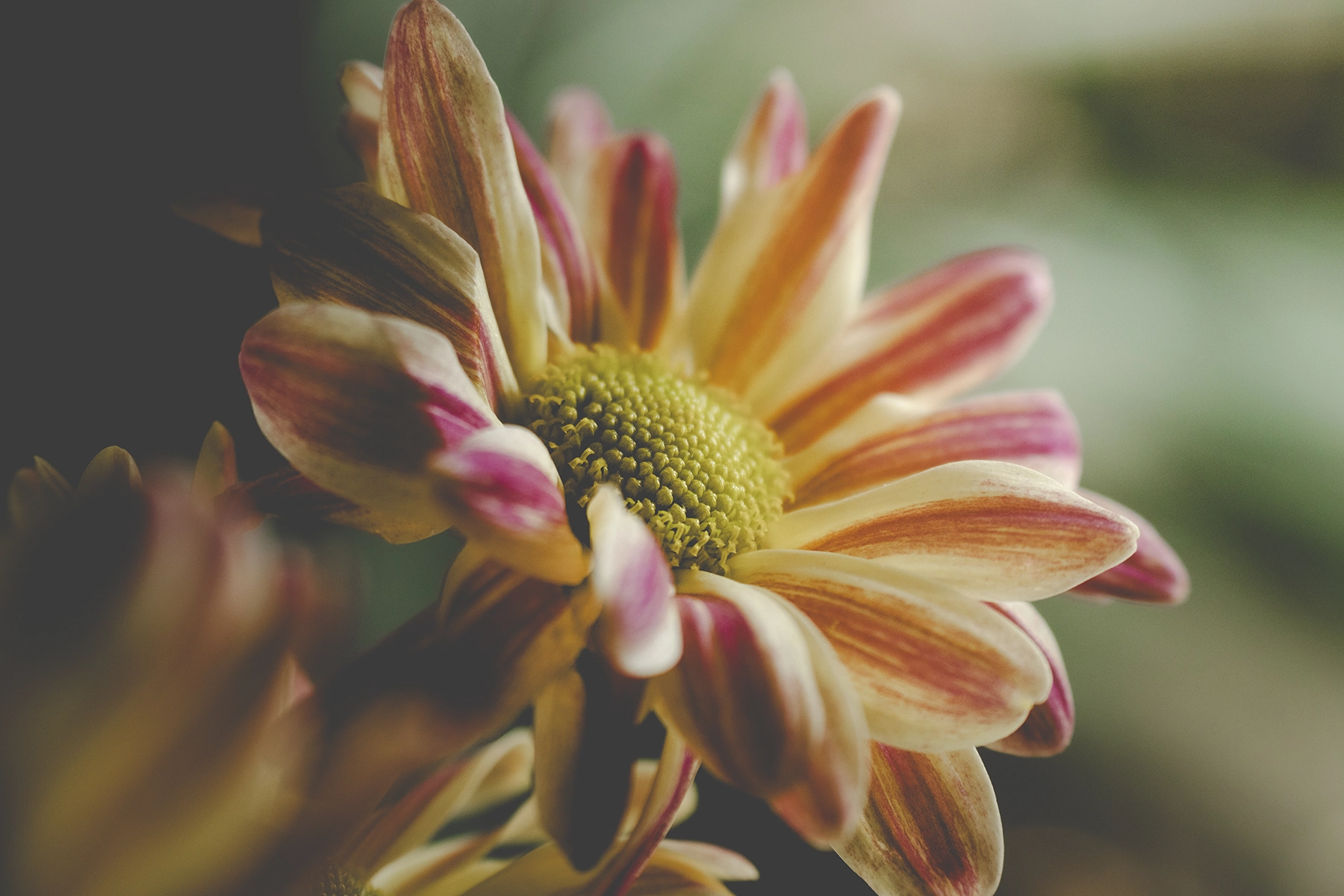
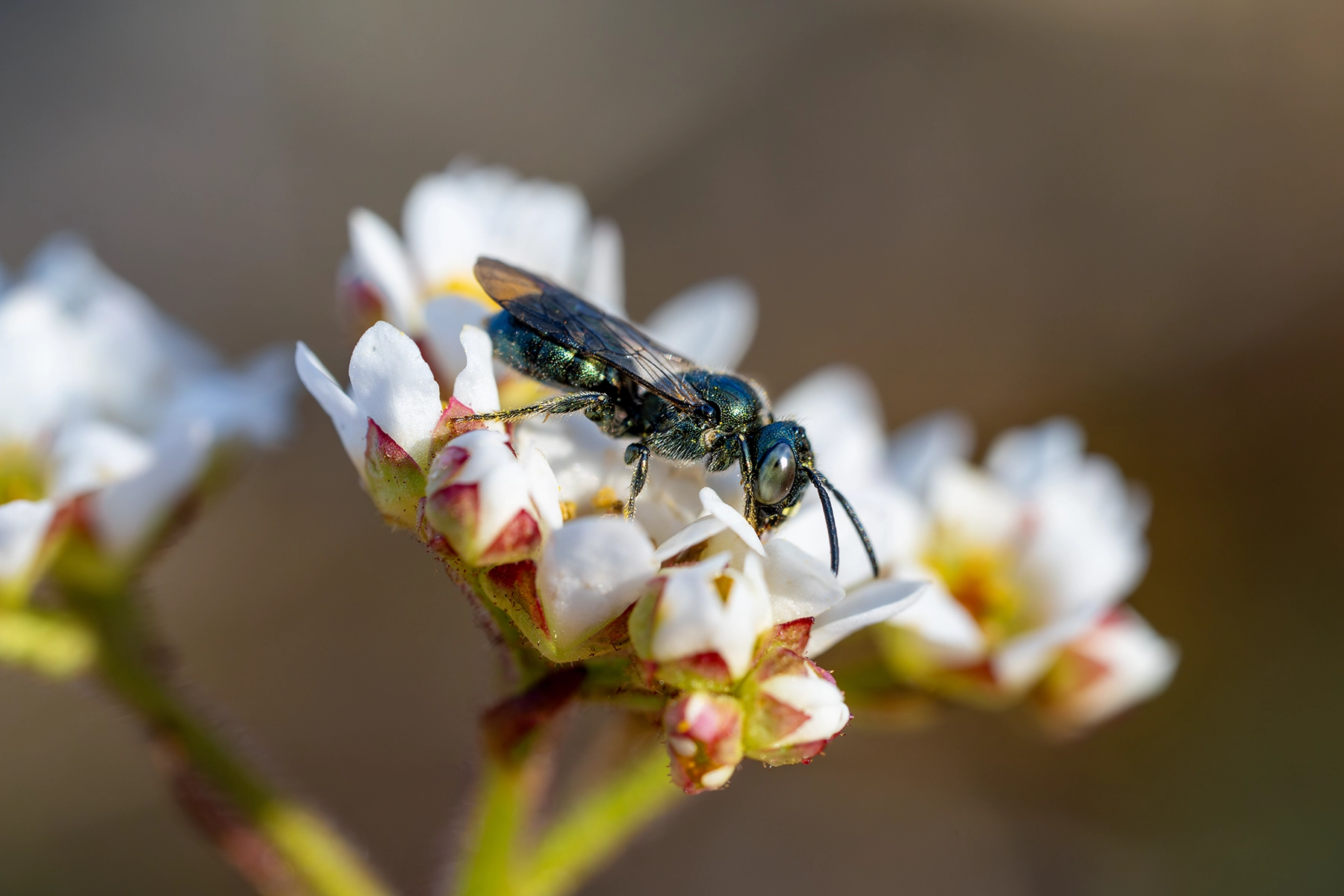
To capture that subtle natural beauty, Paul taps into his Tamron 35-150mm all-in-one zoom. The 35-150mm’s versatility, fast aperture, and sharpness make it a perfect match for his mix of artistic landscapes, wildlife, and close-up nature work. “I have a bunch of lenses, but the 35-150mm zoom really impresses me,” he says. “It’s incredibly sharp, and I’ve even started using it more often for my night photography—it captures beautiful detail and color.”

35-150mm (35mm), F3.3, 1.0 sec., ISO 6400

PAUL’S QUICK TIPS

Use the 35-150mm’s versatility to your advantage.

With this one lens, I don’t have to haul around a bag full of primes anymore. I’m always out and about—I don’t like to be stuck in the house—so if I’m out photographing waterfalls after the sun comes up and then stumble upon some mushrooms or wildflowers later in the day, I can handle all of that with this one lens. I can start off wide at 35mm to capture a full scene of a foggy morning on the river, then zoom in to 150mm to isolate a patch of light hitting a mossy rock.

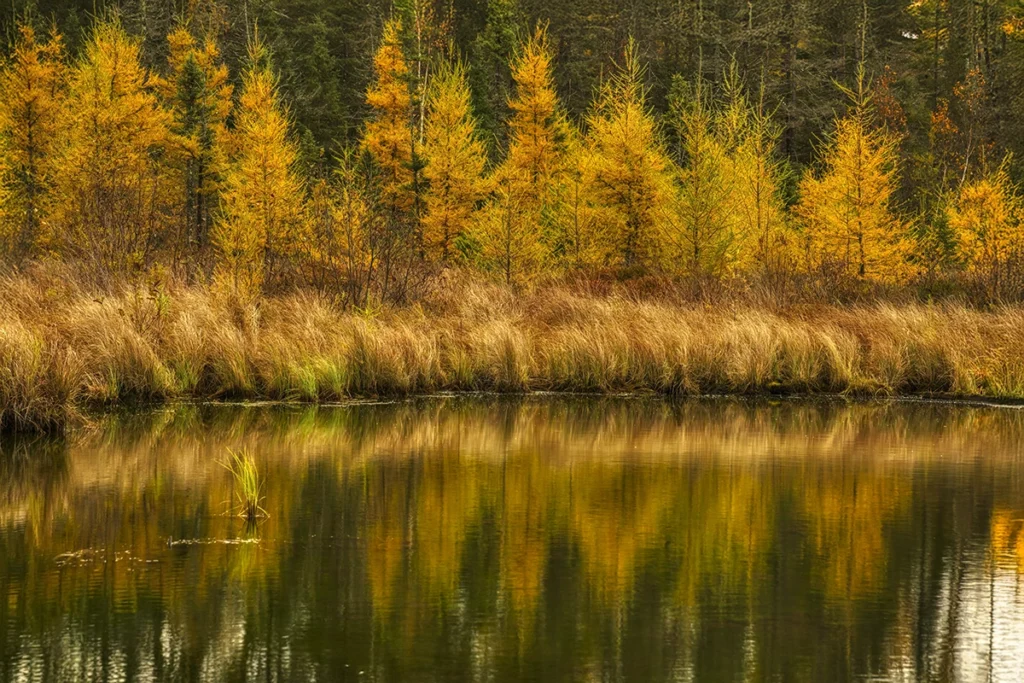
35-150mm (122mm), F13, 6.0 sec., ISO 160
35-150mm (150mm), F11, 1/30 sec., ISO 200

‘See the light.’

That’s what a National Geographic photographer once told me. I’m definitely a morning person—I’d rather be an hour early than a minute late—but I’ve learned that great light can happen anytime. Golden hour is, of course, a wonderful time to shoot, but sometimes the best images can happen when you least expect it, like in the middle of the day.

35-150mm (125mm), F19, 1/4 sec., ISO 800

This past summer, I photographed monarch butterflies feeding on wild bergamot in what most people would call bad light—harsh midday sun. It was hot, and I almost didn’t go out, but the light was diffused just enough, and the photos turned out beautifully.

Not every shoot has to be a far-flung production.

Travel photos are amazing, but you can also seek inspiration close to home. I live out in the country, so I photograph a lot right in my own backyard. I’ve set up bird feeders and natural perches, and I simply sit in a small chair blind to wait for some feathered friends to show up. I’ve even had bobcats, deer, and a coyote wander through.

Put your own spin on Mother Nature.

For me, a compelling picture is all about color, contrast, and finding the right balance of all the elements in your frame. I loosely use traditional photographic guidelines, like the rule of thirds and leading lines, but I don’t get too hung up on them, either. Most important to me is making an image my own. If I’m in a popular spot that’s been photographed many times by others, I always see if there’s a different angle I can use, or maybe a different time of year that doesn’t get as much attention.

35-150mm (72mm), F19, 1/3 sec., ISO 500

Be an eager photographer, and learner.

Don’t be afraid to ask questions of other photographers, especially those who specialize in the type of photography you want to do. YouTube and local camera clubs are great resources. I encourage newcomers not to be afraid to shoot in RAW, and I have a longtime saying that has served me well: Arrive early, slow down, and stay late!

To see more of Paul Ostrum’s work, check out his website and Instagram.

Featured Lenses

Tamron 35-150mm F/2-2.8 Di III VXD

Compatible Mount: Nikon Z, Sony E
Di III: For full-frame mirrorless cameras

Related Articles

Colored acrylic ink drops in water.

Alpine Adventures in Macro

Backyard Bugs

Paradise in Bloom

Shopping Cart
Scroll to Top