 Instant Savings
 Rebate Claims
 Support
 Find a Dealer

Searching for the best telephoto lens for wildlife? Whether you shoot on Sony E, Nikon Z, or Fujifilm X-mount, the Tamron 150–500mm is a top choice for birding and wildlife thanks to its speed, reach, and portability. Legacy options like the Tamron 150–600mm G2 still matter for context, but this guide helps you choose the best telephoto lens for wildlife for today’s mirrorless systems.
Wildlife photography is one of the most challenging yet rewarding genres—and your lens choice can make or break the shot. Whether you’re photographing distant birds, shy mammals, or unpredictable action, using a high-performance ultra-telephoto wildlife lens is essential. While the Tamron 150–600mm G2 became a favorite among wildlife shooters for years (and remains respected in many 150–600 wildlife photography lens reviews), today’s photographers—especially Sony E-mount, Nikon Z mount, and Fujifilm X-mount users—look toward newer options like the Tamron 150–500mm as their next go-to telephoto solution. This guide will help you understand what makes a great wildlife lens, what has changed since the 150–600 era, and how to choose the best telephoto lens for wildlife in today’s mirrorless-focused world.
Legacy Note: Tamron 150–600mm G2 Discontinuation
The beloved Tamron 150–600mm G2 (SP 150–600mm F/5–6.3 Di VC USD G2) has been officially discontinued. Although it remains widely referenced in Tamron 150–600mm G2 wildlife discussions, its role today is primarily as a legacy ultra-telephoto DSLR lens. Modern mirrorless shooters often choose the Tamron 150–500mm for comparable reach, faster performance, and native support for Sony E-mount, Nikon Z mount, and Fujifilm X-mount* systems (*mount availability varies by model).
In This Article, You Will Learn:
- What defines the best telephoto lens for wildlife today
- Why reach, speed, stabilization, and autofocus matter more than ever
- Essential features wildlife shooters need for birds, mammals, and fast action
- How to choose the right telephoto lens for bird photography across Sony, Nikon, and Fujifilm systems
- Tips for maximizing image quality using ultra-telephoto focal lengths
Why Wildlife Photography Demands the Best Gear

Distance, Speed & Unpredictability
Wildlife subjects rarely stay still, forcing photographers to work from afar while reacting quickly to movement or changing light.
Why Stabilization Matters
At ultra-telephoto focal lengths, even the slightest shake can soften an image. Strong stabilization allows for handheld shooting in natural habitats where tripods aren’t always practical.
How Telephoto Reach Shapes Composition
Longer focal lengths allow wildlife photographers to keep a respectful distance while still capturing detailed portraits, behaviors, and action moments.
The Evolution of Ultra-Telephoto Wildlife Lenses

From DSLR Icons Like the 150–600mm G2…
The Tamron 150–600mm G2 was beloved for its reach, stabilization, and optical performance—especially among bird and mammal photographers.
…To Modern Mirrorless Solutions Like the 150–500mm
Today’s mirrorless cameras demand faster autofocus, more compact lenses, and stronger stabilization systems—all strengths of the Tamron 150–500mm.
Both sit in the same ultra-telephoto wildlife lens category, but the 150–500mm brings performance upgrades that reflect how wildlife photography has evolved.
Tamron 150–500mm: Today’s Go-To Wildlife and Birding Lens

Autofocus Speed for Fast Wildlife
Designed for modern mirrorless bodies, the 150–500mm VC offers lightning-fast AF tracking ideal for birds in flight and fast-moving animals.
Vibration Compensation for Handheld Stability
VC technology reduces blur at long focal lengths, essential for wildlife photography telephoto work. For most Sony E, Nikon Z, and Fujifilm X-mount users, this makes the 150–500mm VC the best modern upgrade.
Sharpness Across the Zoom Range
The 150–500mm delivers crisp detail from frame to frame—critical when photographing feathers, fur, or distant subjects.
Advanced Coatings and Weather Protection
BBAR-G2 coatings, moisture-resistant construction, and protective elements ensure clarity and reliability in outdoor environments.
VXD Linear Motor Autofocus for Fast, Accurate Wildlife Tracking
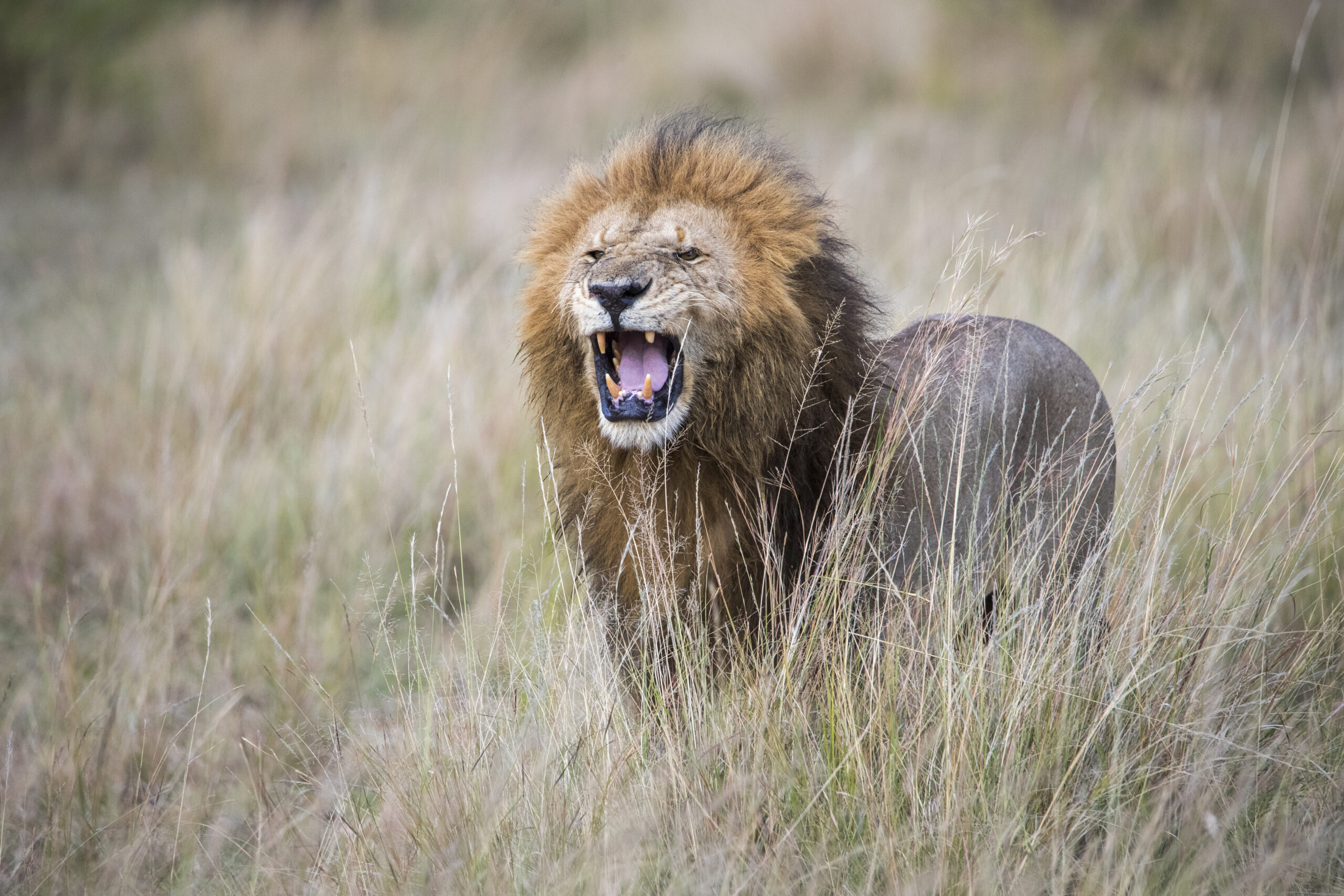
The Tamron 150–500mm features a VXD (Voice-coil eXtreme-torque Drive) linear motor, engineered specifically for fast-moving wildlife and bird photography. Wildlife photographers often deal with sudden flight, unpredictable direction changes, and moment-to-moment subject movement. The VXD system delivers:
Lightning-Fast AF Acquisition
The VXD motor locks onto subjects quickly—even small, erratic birds—making it ideal for telephoto lens for bird photography scenarios.
High Tracking Accuracy for Birds in Flight
The linear motor maintains stable focus even as subjects like birds in flight move rapidly across the frame, a crucial advantage when photographing birds on Sony E-mount, Nikon Z mount, or Fujifilm X-mount systems.
Quiet, Smooth Operation
Because wildlife photographers often work in close proximity to sensitive or skittish animals, silent focusing ensures minimal disturbance in the field.
Powerful VC Image Stabilization for Ultra-Telephoto Clarity
The Tamron 150–500mm is equipped with advanced VC (Vibration Compensation) image stabilization—one of the most crucial features in any ultra-telephoto wildlife lens. When shooting at long focal lengths, even slight hand movement can introduce blur. Tamron’s VC system helps wildlife photographers achieve crisp, handheld results in challenging conditions.
Multiple VC Modes for Real-World Wildlife Conditions
- VC Mode 1: Balanced stabilization for general wildlife shooting
- VC Mode 2: Optimized for panning—perfect for birds in flight or running animals
- VC Mode 3: Prioritizes viewfinder stability to help nail sharp shots at slow shutter speeds
Sharper Images in Low Light
Early morning and dusk are prime times for wildlife. VC allows handheld shooting at slower shutter speeds, preserving detail without needing a tripod.
Essential for Birding and Safari Photography
Whether tracking a soaring hawk or shooting handheld from a safari vehicle, strong stabilization is key to delivering publishable wildlife images.
Conclusion: Choosing the Best Telephoto Lens for Wildlife Photography
Wildlife photography demands patience, timing, and equipment capable of performing in unpredictable conditions. While the Tamron 150–600mm G2 remains a respected legacy option for DSLR shooters, modern wildlife photographers using Sony E, Nikon Z, or Fujifilm X-mount systems will find the Tamron 150–500mm to be the best telephoto lens for wildlife today.
Its fast autofocus, powerful stabilization, and manageable size ensure you’re ready when that elusive bird lands or a rare animal steps into view, making the Tamron 150–500mm the best telephoto lens for wildlife for modern mirrorless photographers..
Where to Buy Tamron Lenses
There’s a lot more to like about Tamron 150-500mm F/5-6.7 Di III VC VXD ultra-telephoto zoom lens. Learn more about it at an authorized Tamron dealer near you or shop directly at the official TAMRON Store.
People Also Ask (PAA)
1. What is the best telephoto lens for wildlife photography?
The Tamron 150–500mm F/5-6.7 Di III VC VXD is a top choice for modern mirrorless systems due to its reach, speed, and stabilization.
2. Is the 150–600mm still good for wildlife photography?
Yes. The Tamron 150–600mm G2 is still strong for DSLR users, even though it is now discontinued.
3. What focal length is best for bird photography?
Most bird photographers choose 400–600mm, making 150–500mm lenses ideal.
4. Do I need image stabilization for wildlife photography?
Absolutely—stabilization helps produce sharper images at long focal lengths.
5. Is a 150–500mm lens good for safari photography?
Yes, it’s versatile, lightweight, and offers enough reach for distant wildlife.
FAQs
1. Which is better: the Tamron 150–500mm or the 150–600mm G2?
For mirrorless shooters, the Tamron 150–500mm F/5-6.7 Di III VC VXD is the superior option. DSLR users still benefit from the 150–600mm G2.
2. Is the Tamron 150–600mm G2 discontinued?
Yes, and it is now considered a legacy wildlife lens.
3. Is the 150–500mm good for bird photography?
Yes—it’s excellent for birds in flight, perched birds, and long-distance tracking.
4. What features matter most in a wildlife lens?
Long reach, fast AF, stabilization, optical sharpness, and weather-resistant construction.
5. Do I need an ultra-telephoto lens for wildlife?
Not strictly—but it dramatically increases your ability to capture sharp, detailed wildlife images safely and effectively.
 English
  Spanish
  French
  Portuguese