Instant Savings
 Rebate Claims
 Support
 Find a Dealer

A comprehensive explanation for the question “what is aperture” including example settings and the relationship between aperture, shutter speed, and ISO

For many photographers, aperture in photography is one of the most visually powerful camera settings, but also one of the most misunderstood. While it is often associated with background blur or “bokeh,” aperture plays a much broader role in shaping how a photograph looks and feels. It directly affects how much light enters the camera, how much of a scene appears in focus, and how a subject stands out from its surroundings.
Aperture can be confusing at first, especially because its numbers seem counterintuitive. Smaller f-numbers create a wider opening, while larger f-numbers produce a smaller opening, which often trips up beginners. When advice about depth of field, lens speed, and exposure balance is added, it becomes difficult to know which aperture setting to choose in real-world shooting situations.
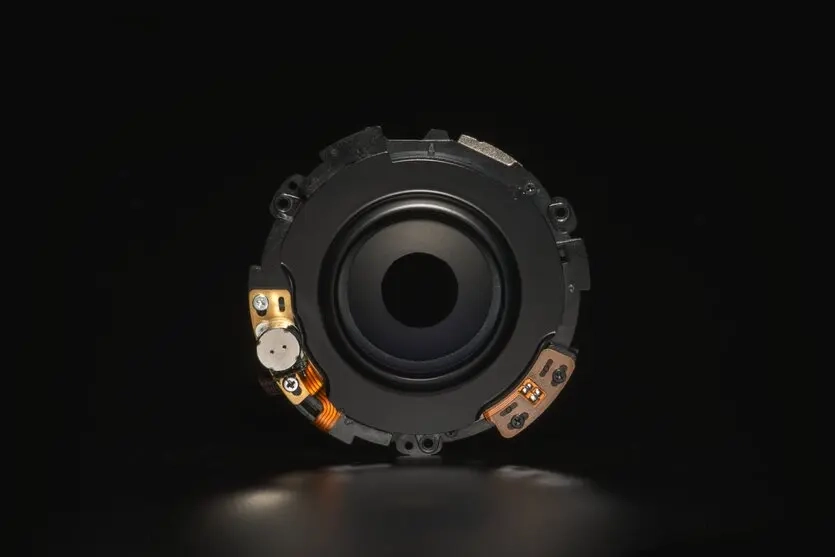
Aperture is more than a creative blur control. It influences exposure, depth of field, and how flexible a photographer can be in different lighting conditions. Understanding how aperture works and how it interacts with shutter speed and ISO helps photographers make deliberate choices, whether capturing portraits with soft backgrounds, landscapes with edge-to-edge sharpness, or fast-moving subjects in challenging light.
Photography educator and author Bryan Peterson, known for Understanding Exposure, frequently emphasizes that mastering aperture is essential because it influences both exposure and visual storytelling—two foundational elements of effective photography.
What You’ll Learn In This Guide:
In this guide, you will learn what aperture is, how the F number in photography is calculated, how aperture works inside a camera lens, how it affects exposure and depth of field, and how to choose the right aperture settings for different photography scenarios, with practical guidance to help you use aperture in photography confidently in real-world shooting situations.
What is Aperture (F-numbers)?
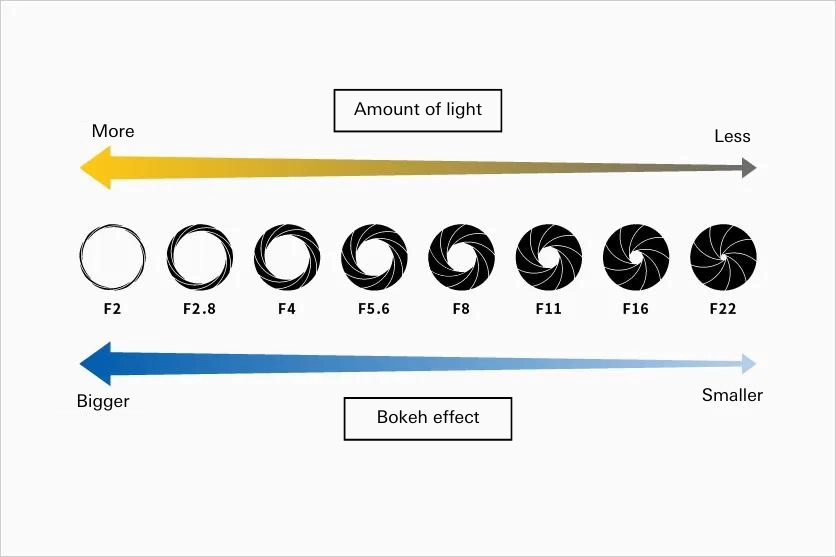
Aperture is the adjustable opening inside a camera lens that controls how much light passes through the lens, and it is described using f-numbers, also called F-numbers or aperture values. In still photography, aperture opens and closes to precisely adjust the amount of light that passes through the lens. The size of this opening is expressed using f-numbers, which are also referred to as F-numbers or aperture values.
The F-number (F) in photography is calculated by dividing the focal length of a lens (f) by its effective aperture diameter (D). Therefore, F-number can be expressed as F=f/D.
If the figure becomes small, it is the same as saying that the effective aperture (D) of a lens is large. As a result, the amount of light passing through the lens increases. For this reason, the larger the F figure becomes, the less light passes through the lens.
In addition, the design of the aperture diaphragm affects the appearance of bokeh in an image. Lenses with a multi-blade diaphragm can produce a more circular aperture shape, which helps create smoother, more natural-looking bokeh, especially around small point light sources such as streetlights. Tamron lenses use carefully designed multi-blade diaphragms to support circular bokeh and pleasing out-of-focus highlights.
Why is F-number Important?
F-number is important because it describes a lens’s light-gathering ability and directly influences exposure flexibility, depth of field, and background blur in a photograph.
For example, when shooting in dark environments or at night, choosing a lens with a smaller F-number makes it easier to gather more light. This added light allows photographers to use faster shutter speeds to reduce camera shake or lower ISO settings to maintain image quality.
When a larger F-number is used, less light enters the lens, which may require slower shutter speeds or higher ISO settings. These adjustments can increase the risk of camera shake or image noise, making aperture choice an important part of exposure control.
What is the Maximum Aperture of a Lens?
The maximum, or wide-open, aperture refers to the lowest F-number a lens can be set to when its aperture is fully open.
A larger maximum aperture allows more light to enter the lens, making it easier to shoot in low-light conditions and create a shallow depth of field. This light-gathering ability is especially useful when photographing fast-moving subjects or working in dim environments.
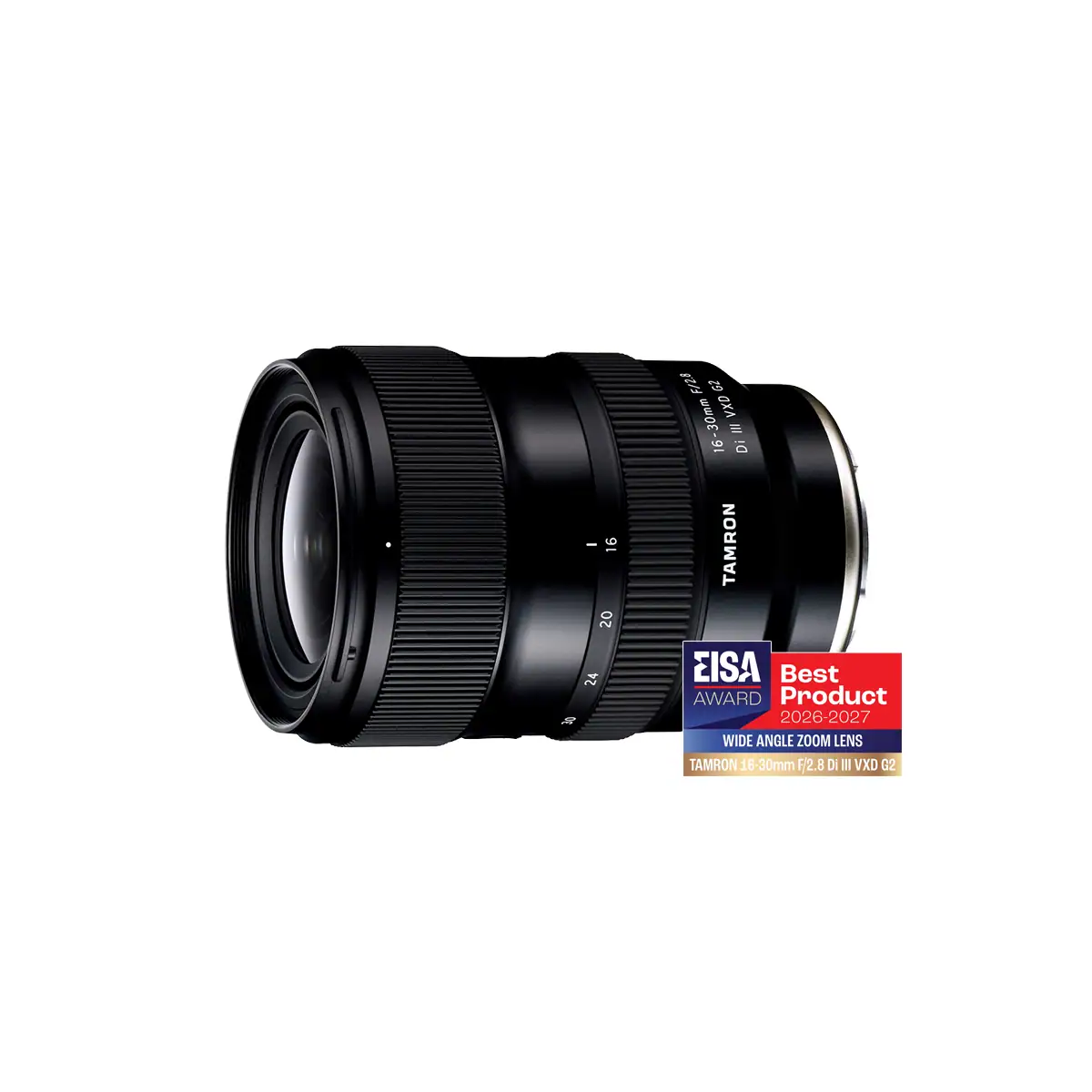
Tamron’s Sony E and Nikon Z G2 trinity lenses each offer an f/2.8 maximum aperture:
- 16-30mm F/2.8 Di III VXD G2 (Model A064)
- 28-75mm F/2.8 Di III VXD G2 (Model A063)
- 70-180mm F/2.8 Di III VC VXD G2 (Model A065).
How Does Aperture Work?
Aperture works by opening and closing a diaphragm inside the lens, adjusting the size of the opening that allows light to pass through to the camera sensor. It is a mechanical component built into the lens itself—not the camera body—and the maximum aperture size is determined by the lens’s optical and physical design.
Aperture functions much like the pupil of a human eye. In bright conditions, the diaphragm blades contract to create a smaller opening, limiting the amount of light entering the lens. Think of it like squinting. In low-light situations, those blades expand to allow more light through. Just like your pupils become very large in a dark room. This opening is formed by overlapping metal blades that move in precise increments, controlled electronically or mechanically when you change aperture settings on the camera.
How is Aperture Measured?

Aperture is measured using f-numbers, also called f-stops, which represent the ratio of a lens’s focal length to the diameter of its aperture opening.
An f-number in photography is written as f/2, f/2.8 f/4, f/8, etc. and it describes how wide the aperture is relative to the lens’s focal length—not the absolute size of the opening. For example, a 50mm lens set to f/2 has an aperture opening that is 25mm wide, while at f/4 the opening is 12.5mm. Because f-numbers are ratios, the same f-stop on different lenses allows a proportional amount of light to reach the sensor, regardless of focal length.
Each full f-stop change either doubles or halves the amount of light entering the lens.
- Moving from f/4 to f/2 lets in twice as much light,
- while moving from f/4 to f/8 cuts the light in half.
This standardized measurement system allows photographers to predict exposure changes reliably.
According to photography educator Cambridge in Colour, a widely cited educational resource, understanding f-numbers is essential because they provide a consistent way to balance aperture with shutter speed and ISO when controlling exposure and depth of field.
What Does Aperture Control In Photography?
Understanding aperture is one of the core photography fundamentals. Aperture controls how much light enters the camera, the depth of field in an image, and the appearance of background blur, often referred to as bokeh.
First, aperture directly regulates exposure by determining the volume of light reaching the camera sensor.
- A wider aperture allows more light to enter, which is especially useful in low-light conditions,
- while a narrower aperture restricts light, helping prevent overexposure in bright environments.
Because aperture works in tandem with shutter speed and ISO, adjusting it often requires balancing the other exposure settings.
Aperture also plays a key role in shaping the visual character of an image.
- Depth of field determines how much of the scene appears sharp from foreground to background,
- while bokeh describes the quality and smoothness of out-of-focus areas.
Photography educator Michael Freeman, author of The Photographer’s Eye, explains that aperture is one of the most powerful creative tools available to photographers because it influences both technical exposure and how viewers visually engage with a subject.
What Difference Can a F-Number Make?
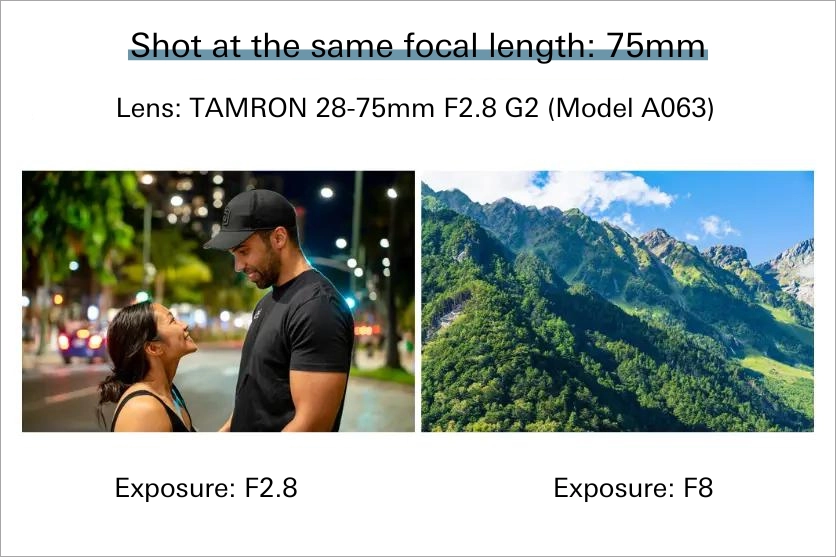
Changing the F-number can dramatically alter the look and mood of a photograph. Smaller F-numbers create stronger background blur, while larger F-numbers keep more of the scene in focus.
This effect occurs because changing the F-number alters the depth of field, or how much of the image appears sharp. By adjusting aperture, photographers can choose whether to isolate a subject with a blurred background or keep most of the scene in focus.
Using a smaller F-number produces a shallow depth of field that emphasizes specific subjects while softening the background. Understanding how different F-numbers affect an image allows photographers to control visual emphasis and guide the viewer’s attention.
How Does Aperture Affect Depth of Field?
A wider aperture (lower f-number) creates a shallow depth of field, while a smaller aperture (higher f-number) increases how much of the scene appears in focus.
- Using a wide aperture limits sharp focus to a narrow area, causing backgrounds or foregrounds to blur more quickly. This makes it easier to visually separate a subject from its surroundings, which is why wide apertures are commonly used for portraits or detail-focused images.
- A smaller aperture expands the zone of sharpness, keeping more of the scene in focus from front to back. This is useful for situations where clarity across the frame is important, such as landscapes, architecture, or group photos, where multiple elements need to appear sharp at the same time.
F-Number, Shutter Speed, and ISO
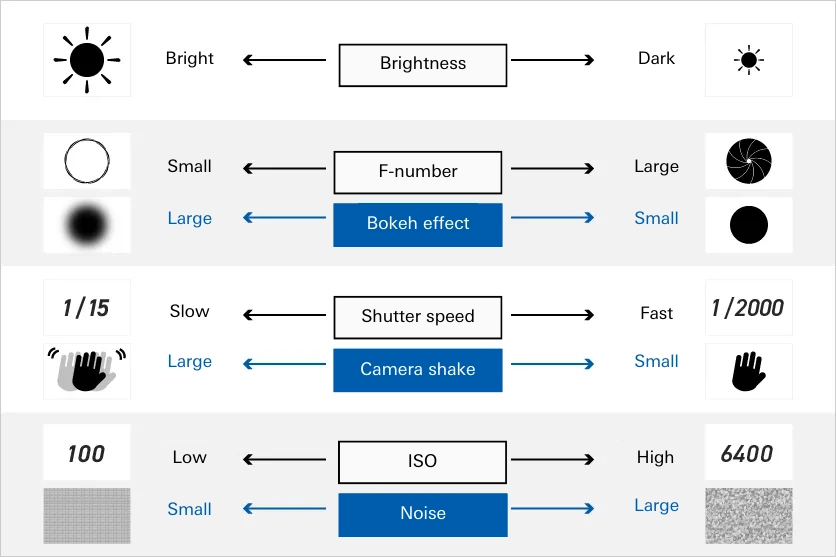
Aperture, shutter speed, and ISO work together to control exposure, and changing the F-number directly affects how shutter speed and ISO must be adjusted.
- When a smaller F-number is selected, more light reaches the sensor. This allows photographers to use faster shutter speeds or lower ISO settings, which helps reduce camera shake and minimize image noise. A wider aperture can also increase background blur, helping the subject stand out.
- When a larger F-number is used, less light enters the lens, which may require slower shutter speeds, higher ISO settings, or both to maintain proper exposure. Slower shutter speeds can increase the risk of camera shake, while higher ISO values can introduce image noise, making it important to balance these settings carefully.
What is “Aperture Priority” Mode
Aperture Priority mode is a camera shooting mode in which the photographer selects the F-number, and the camera automatically adjusts the shutter speed to maintain proper exposure. This mode allows photographers to focus on controlling depth of field and background blur while the camera handles shutter speed adjustments automatically.
In Aperture Priority mode, using a larger F-number typically results in slower shutter speeds, while smaller F-numbers allow faster shutter speeds. Because slower shutter speeds can increase the risk of camera shake, it is important to monitor shutter speed and adjust aperture or ISO when needed.
What is a Lens With a Fixed Maximum Aperture (Constant F-Number)?
With many zoom lenses, the maximum aperture changes as the focal length moves from the wide end (zoomed-out) to the telephoto end (zoomed-in). Normally, the more you zoom in (go telephoto) the F-number value will become larger. But for lenses with a fixed maximum aperture (constant F-number), the maximum aperture is kept the same throughout the zoom range.
The greatest advantage of these lenses is that it is much easier to adjust shutter speed and ISO. As the shutter speed does not change when the lens is zoomed in or out and the same amount of light can be maintained even when shooting at the telephoto end, it is possible to capture clear images utilizing bokeh effects without having to increase ISO.
These fixed maximum aperture (constant F-number) lenses flexibly adapt to shooting conditions and allow you to capture consistent images. That’s why they are often favored by professional photographers and advanced users.
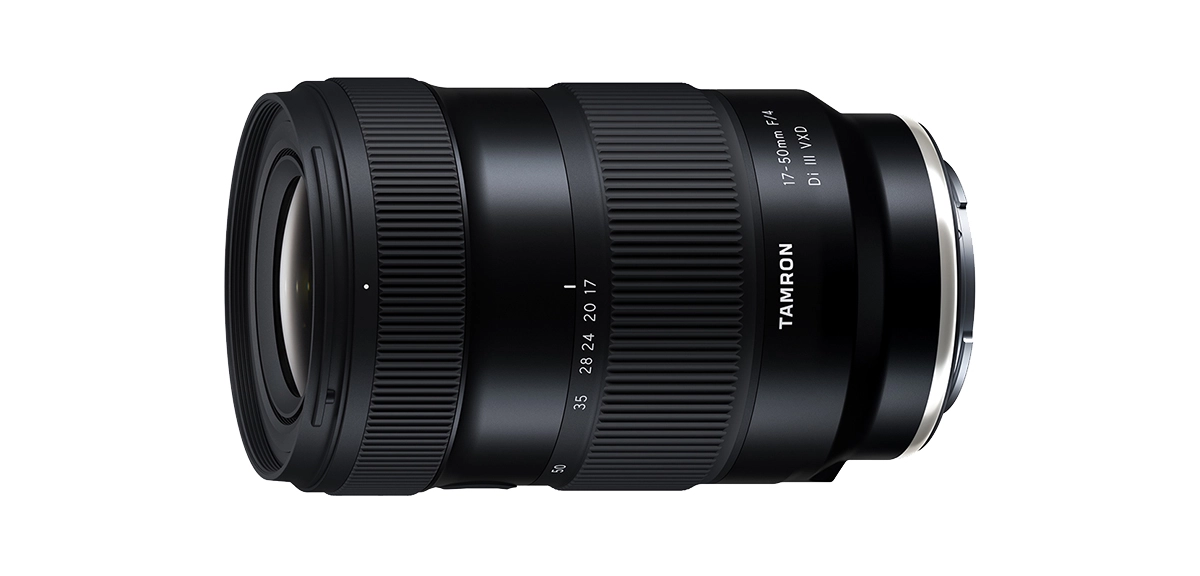
For example, consider the Tamron 17-50mm F4:
Choosing the Best F-Number for the Scene and the Recommended Lenses
Because photographs can look very different depending on the subject, environment, and shooting conditions, there is no single F-number that works for every situation. By considering where you are shooting and what you want to emphasize in advance, you can choose an aperture setting with confidence.
For example, selecting a smaller F-number helps emphasize a subject by creating stronger background blur. In contrast, using a larger F-number keeps more of the scene in focus, which is often desirable for landscapes and wide-view compositions.
Below are examples of recommended F-number settings for different types of photography, along with lenses suited to each shooting scenario.
Best Aperture for Portraits

In portrait photography, a wide aperture is often used to make the subject stand out by creating a soft blur in the foreground and background.
Common aperture choices for portraits include f/2.8 on standard zoom lenses and around f/1.4 on prime lenses. Using an aperture close to a lens’s maximum opening enhances background blur and helps isolate the subject.
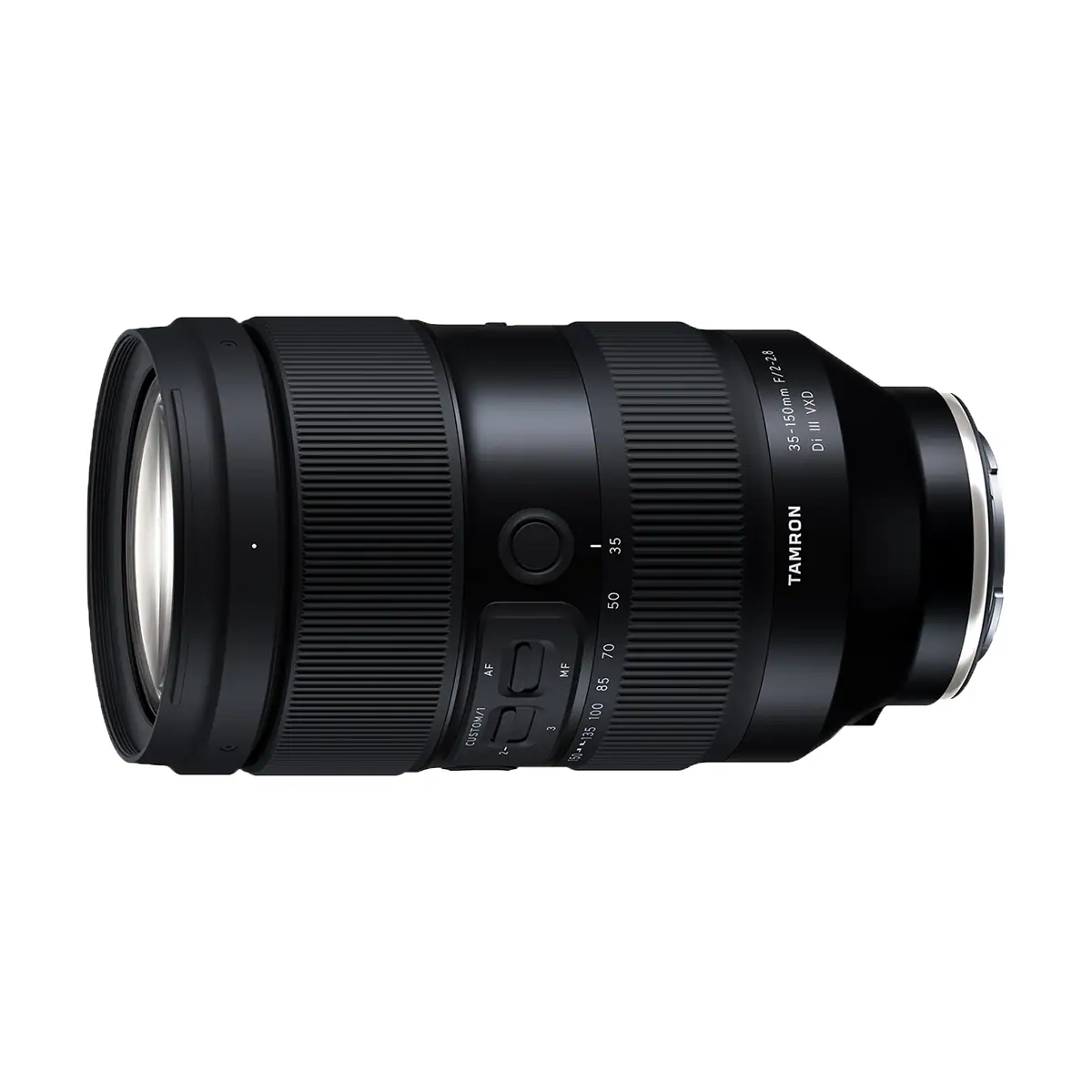
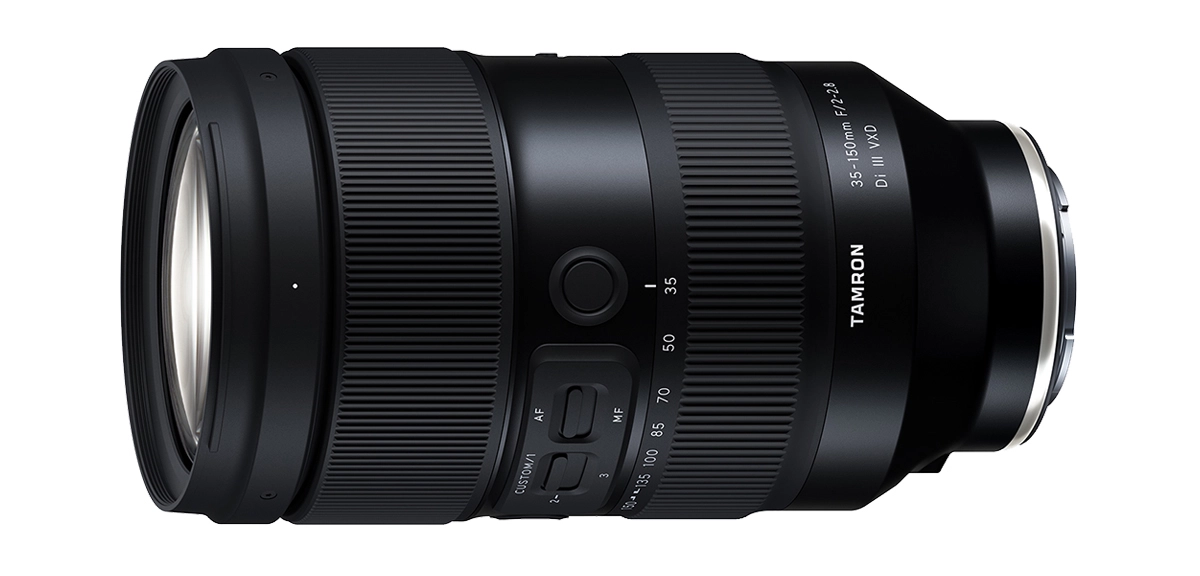
Lens choice also plays an important role in portrait photography. For example, the Tamron 35-150mm F2-2.8 (Model A058) covers a wide range of focal lengths while offering wide maximum apertures of f/2 at the wide end and f/2.8 at the telephoto end.
A wide maximum aperture also makes it easier to use faster shutter speeds or lower ISO settings while maintaining proper exposure, helping preserve image quality in a variety of lighting conditions.
Best Aperture for Landscape Photography
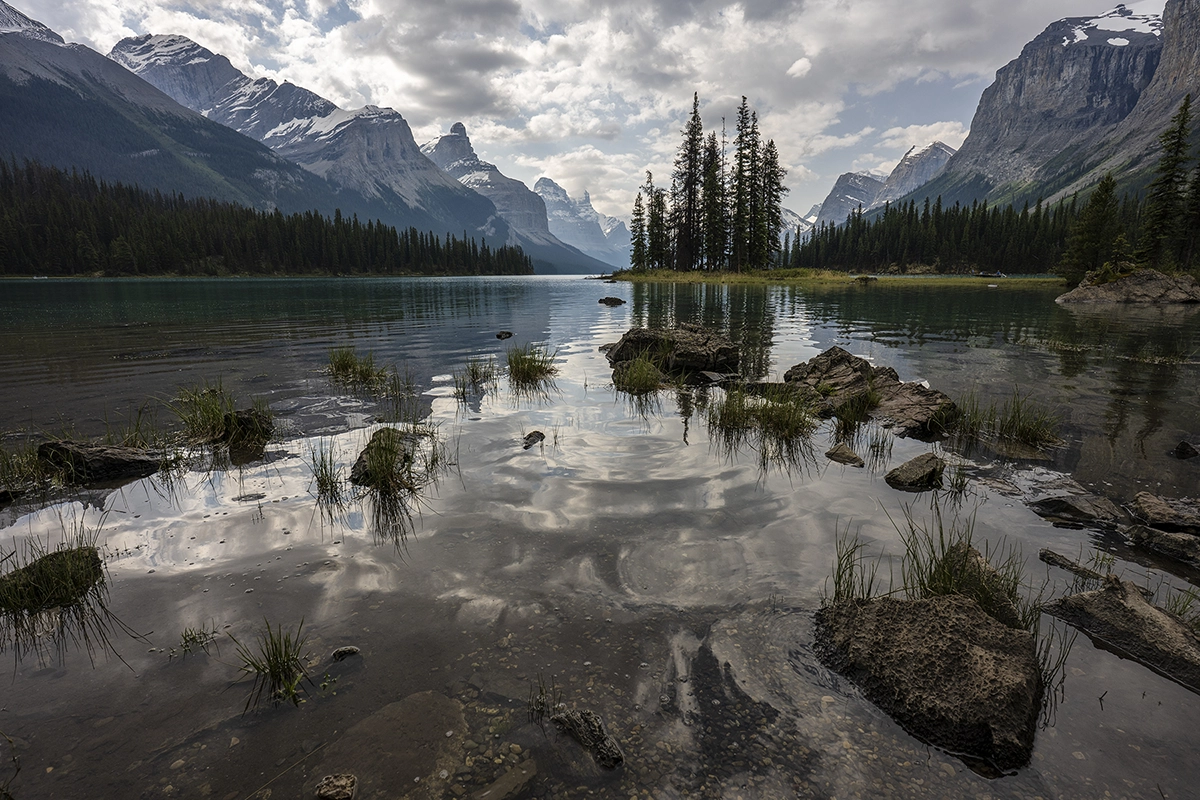
In landscape photography, a smaller aperture is commonly used to keep as much of the scene in focus as possible. To increase depth of field and maintain sharpness from the foreground to the background, F-numbers between f/8 and f/11 are often recommended.
However, stopping down too far can reduce image sharpness due to diffraction. As a general guideline, image detail may begin to soften at F-numbers smaller than f/16, so using a slightly wider aperture can help preserve sharpness.

Best Aperture for Night Views
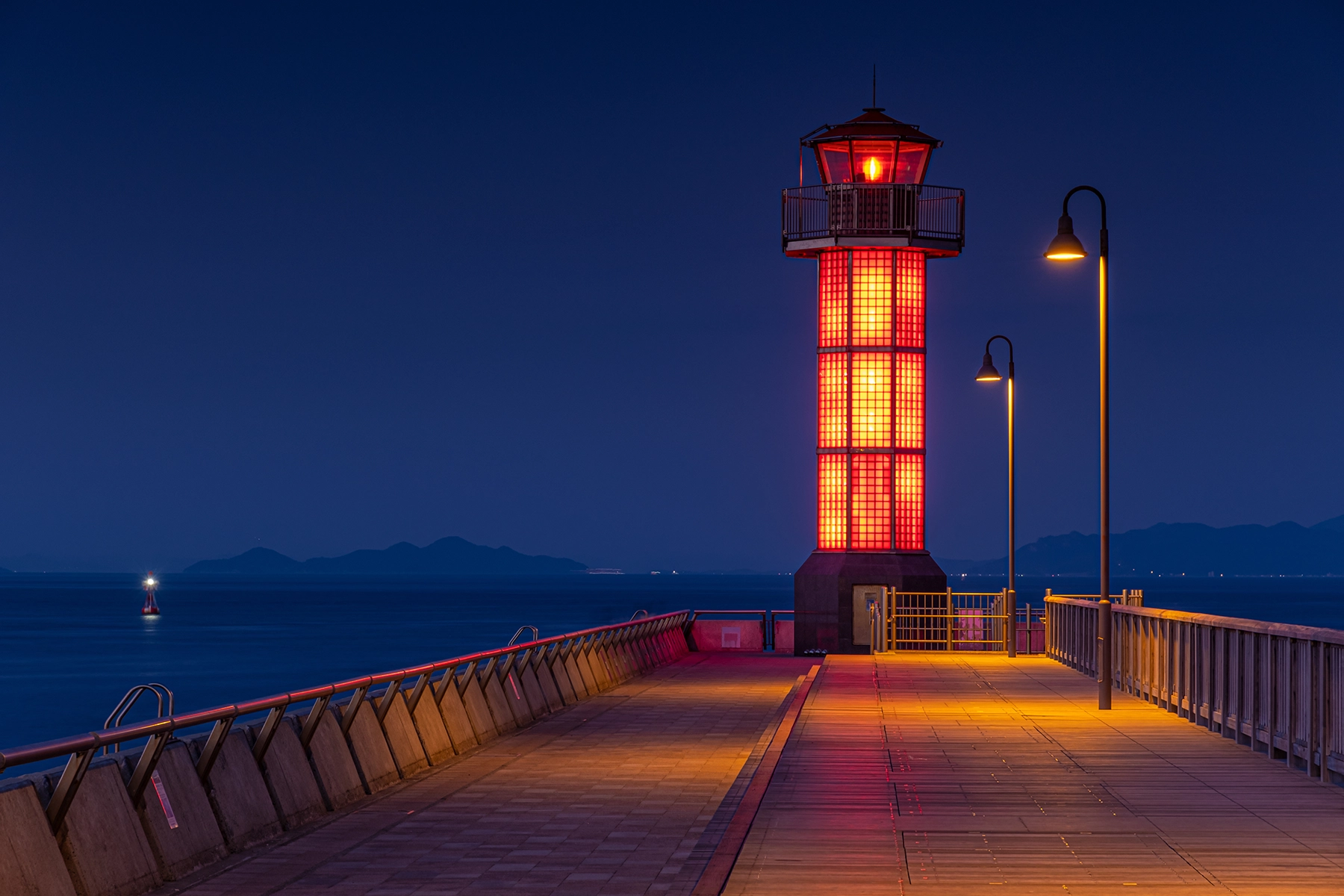
In night photography, a smaller aperture is often used to preserve detail across the scene, especially when capturing cityscapes, architecture, or illuminated landmarks. F-numbers between f/8 and f/11 are commonly chosen to maintain depth of field and image clarity.
Because less light reaches the sensor at smaller apertures, night photography often requires slower shutter speeds, higher ISO settings, or both. Using a tripod helps reduce camera shake during long exposures, while careful ISO selection helps manage image noise.
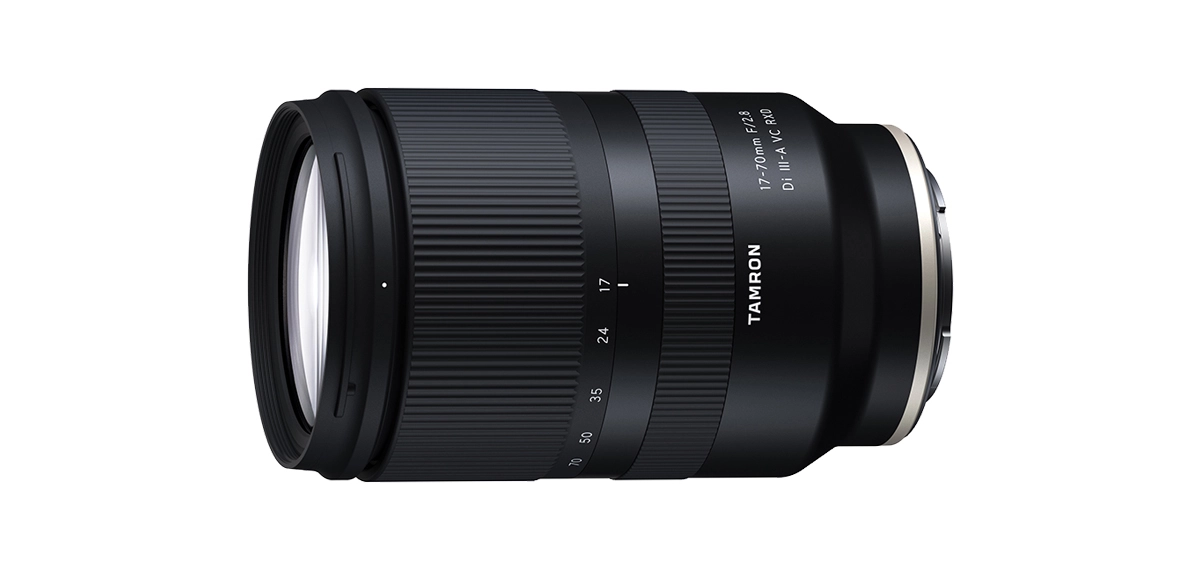
Best Aperture for Astrophotography

In astrophotography, wide apertures are commonly used to capture as much starlight as possible. F-numbers close to a lens’s maximum aperture, such as f/2 to f/2.8, are often chosen to record faint stars and the Milky Way clearly.
Because astrophotography often involves long exposures, shutter speed and ISO must be balanced carefully to avoid star movement caused by the Earth’s rotation. Exposure times are typically limited to prevent stars from appearing as trails, making aperture choice especially important.
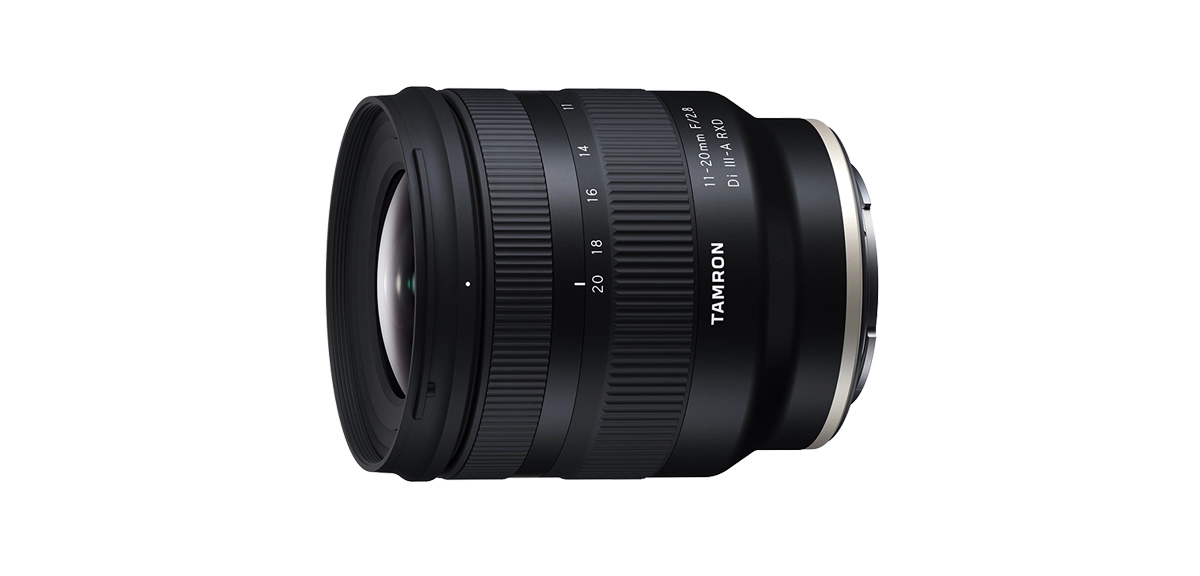
Best Aperture for Sports Events

Sports photography often involves fast-moving subjects and changing distances, making it important to balance motion control with sufficient depth of field.
To keep subjects sharp while maintaining enough depth of field, slightly stopped-down apertures such as f/4 to f/8 are commonly used for sports photography. This aperture range helps keep moving subjects and surrounding action in focus.
Because sports often involve rapid movement, faster shutter speeds are needed to freeze action. Using a slightly higher ISO can help achieve these speeds while maintaining proper exposure, especially when shooting with stopped-down apertures.