 Instant Savings
 Rebate Claims
 Support
 Find a Dealer
Want to learn how to tell a story through photography? You’re in the right place. In a world overflowing with images, crafting a compelling visual storytelling narrative sets your work apart, connecting with audiences on a deeper level.
While a single image is powerful, I find stories told across multiple frames resonate even more, whether for social media, a blog, website, or even an exhibit.
Over time, I’ve learned to be more intentional with every photo selection when sharing my work. In this post, I’ll break down the different ways I use as few as three photos create impactful storytelling photography and strengthen my visual narrative photography approach.
By Guest Contributor Seth Macey
What You’ll Learn In This Article:
- How to build a visual narrative using as little as three images, with examples from my own projects
- How to create a compelling visual storytelling sequence, no matter your subject or genre
- Techniques for selecting and ordering your images for maximum impact in narrative photography
- How choosing different lenses can naturally enhance your storytelling through images
- How to complement your images with text to create a more powerful narrative
Why I Like Using Three Photos
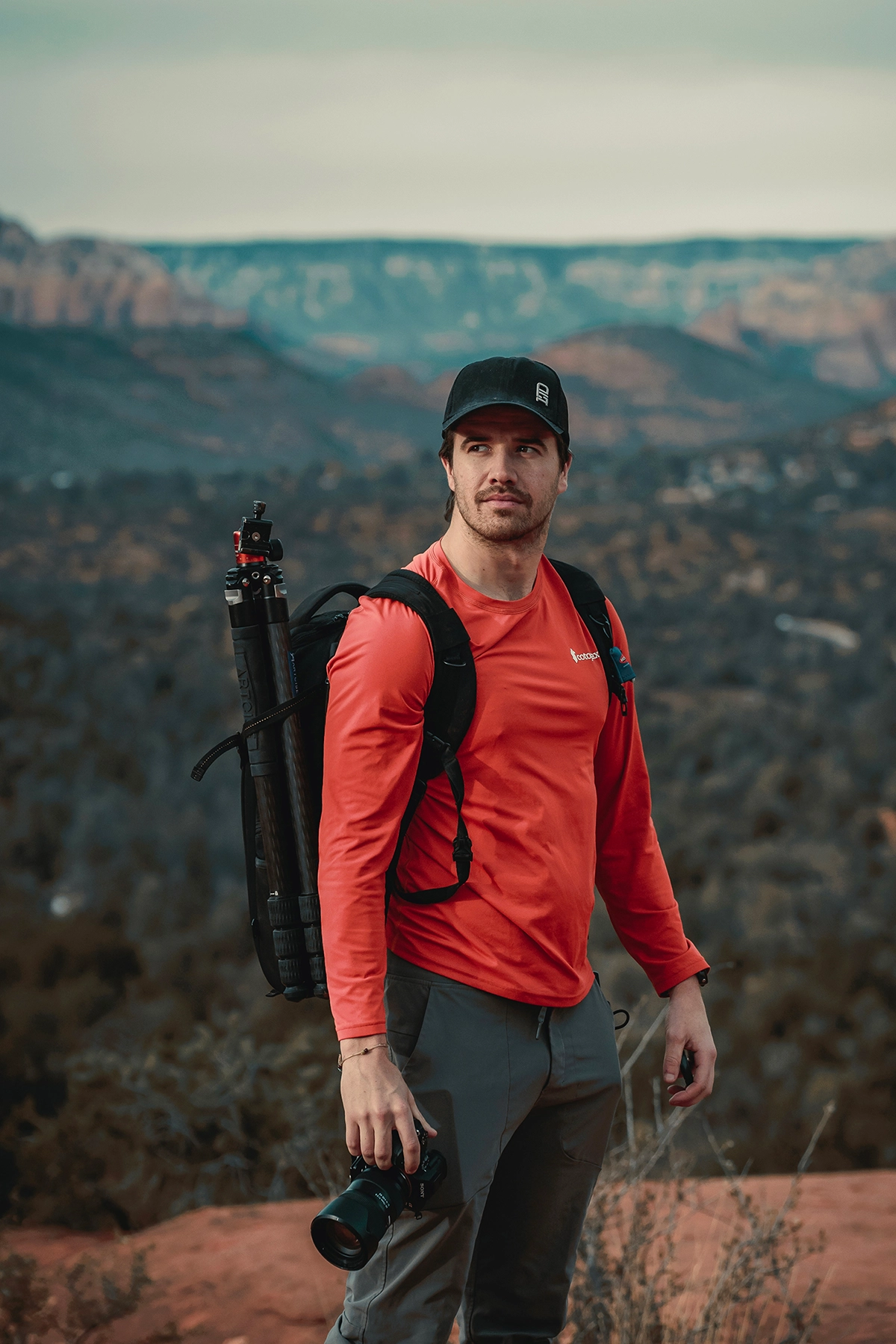
A single photo speaks volumes, but I’ve found that a three-image sequence truly invites viewers into a storytelling photography experience. This approachable method succinctly structures your story with a beginning, middle, and end, keeping the focus tight and engaging.
Limiting narratives to three images forces thoughtful selection for maximum impact, whether for an Instagram carousel, blog, or prints. For me, it’s about crafting pictures that tell a story without words and leaving a lasting impression.
Telling a compelling visual story in just three images also gives you a strong foundation to expand upon. You can easily add more complementary photos to your sequence and build out your photo essay when you have three solid shots to start.
TIP 1: Use Protagonist, Antagonist, and Place to Tell a Story
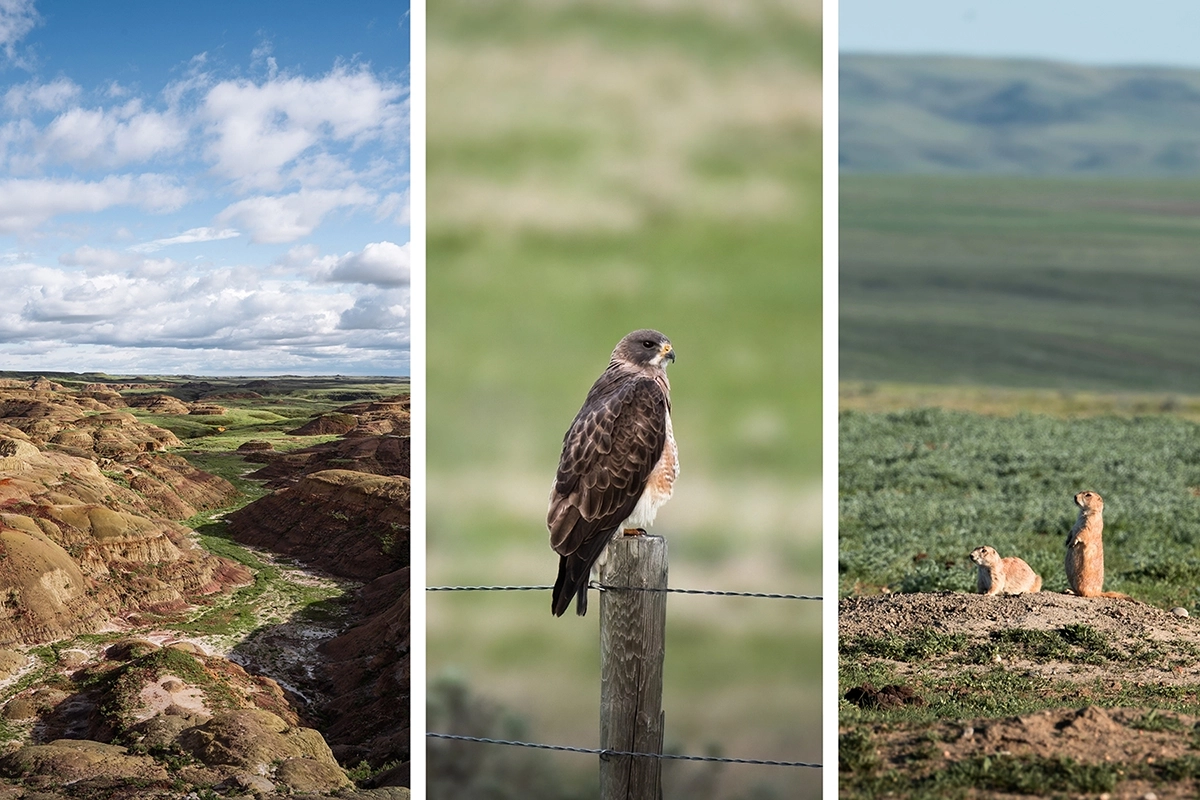
One of my favorite approaches for more narrative storytelling is using the relationship between protagonist, antagonist, and the environment to build a story. Photography that tells a story is often about context and progression. You can mix up the order in a way that makes sense to you, like I did in the example from the three images above:
- Environment: First, I show the sweeping prairie to give a sense of place and scale.
- Predator: Next, I capture the threat: a Swainson’s Hawk with its beak pointing right.
- Prey: I finish with prairie dogs on high alert outside their dens looking left in the direction of the middle image of the hawk.
This concept isn’t limited to wildlife photography. For example, at a boxing match you could structure a storytelling photography series like this:
- Underdog: An intense portrait of the underdog fighter, full of nerves.
- Arena: A wide or overhead shot of the ring with the crowd.
- Reigning Champion: The undefeated champion, poised.
This format helps guide the viewer’s emotions and creates tension—hallmarks of strong storytelling through images. This storytelling photography idea works well in any photography genre, anywhere you aim to create drama and connect with your audience.
TIP 2: Mix Genres for Richer Visual Storytelling
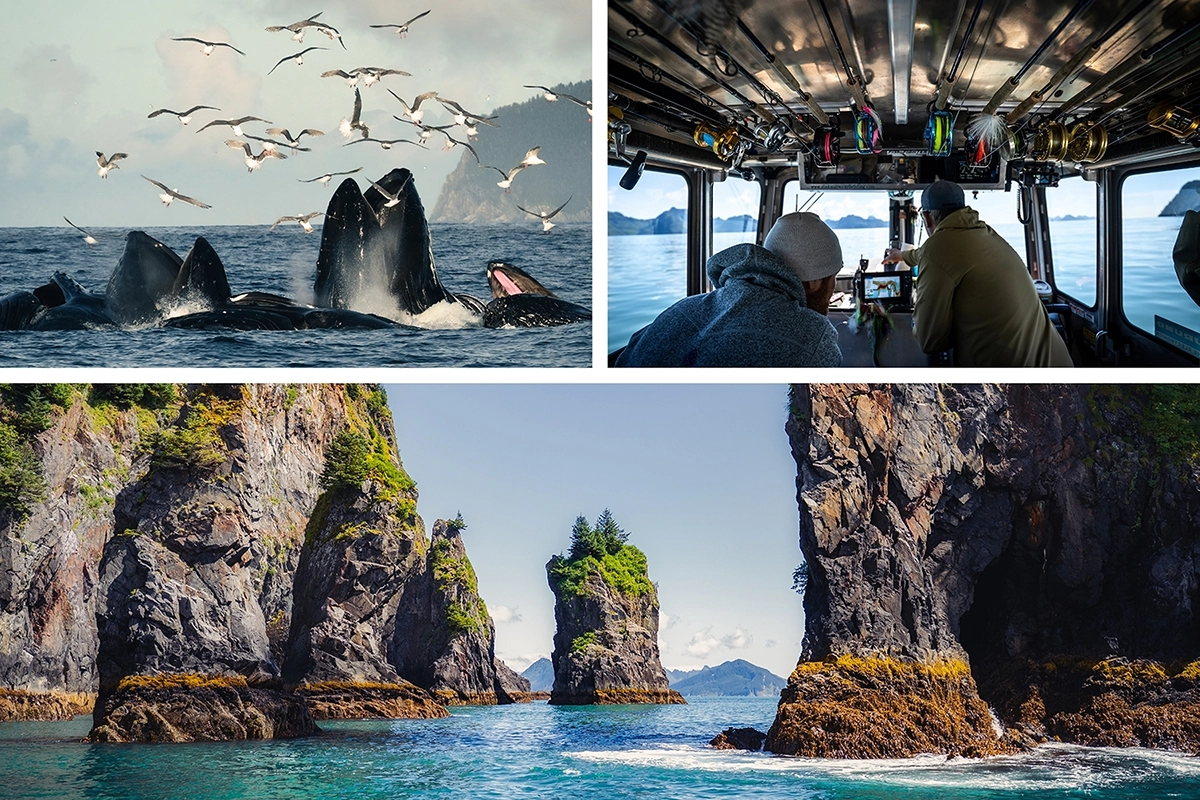
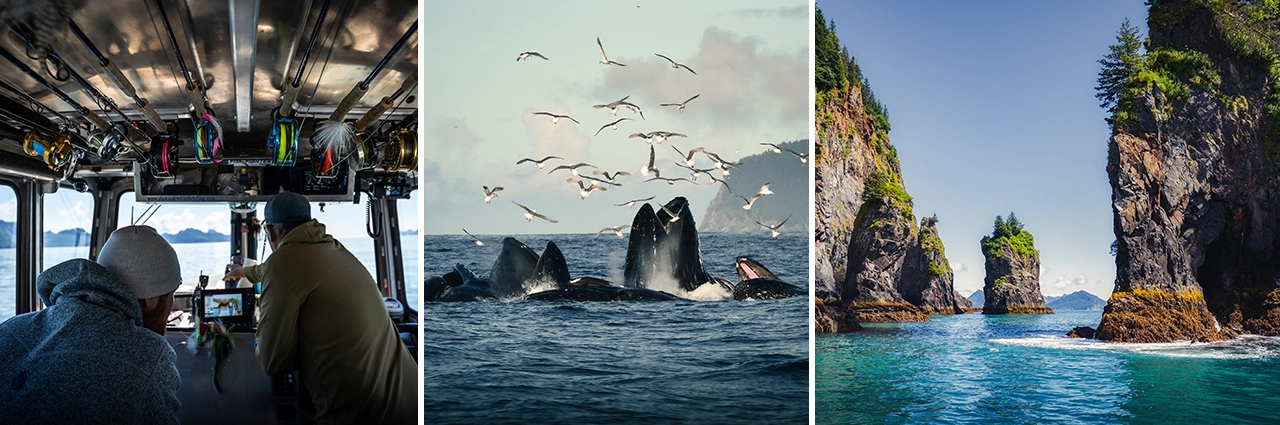
To create a more dynamic visual storytelling photography sequence, I often blend three images from different genres into a single story. On travel assignments, I like to mix lifestyle, wildlife, and landscape shots to build a visual narrative with depth.
Here’s how I used this technique on a whale-watching trip in Alaska as seen in the images above:
- Wildlife: The first shot is of humpback whales lunge feeding, an energetic moment.
- Lifestyle: I capture the inside of the boat charter, giving viewers a sense of the vessel I was on.
- Landscape: I zoom out to show the raw coastline and open water, adding context and a sense of place.
Try combining images from different genres and you’ll see your stories grow deeper and more interesting.
Pro Tip:
Switching up lenses between shots adds visual variety and keeps your sequence fresh. Different lenses have their own unique characteristics that naturally create different looks that can help aid in visual storytelling.
For example:
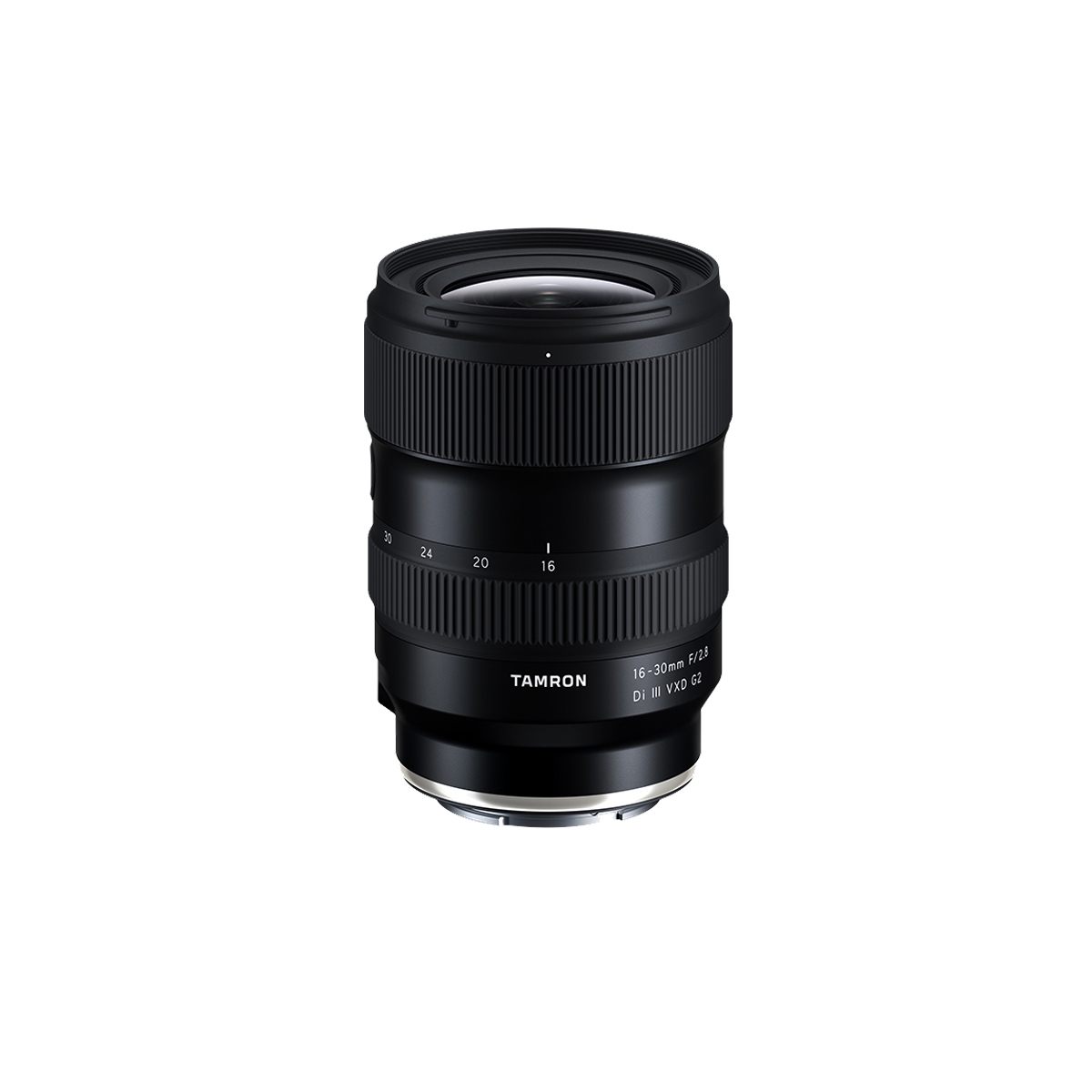
- Wide-angle lenses like the Tamron 16-30mm F/2.8 Di III VXD G2 can immerse the viewer in the environment
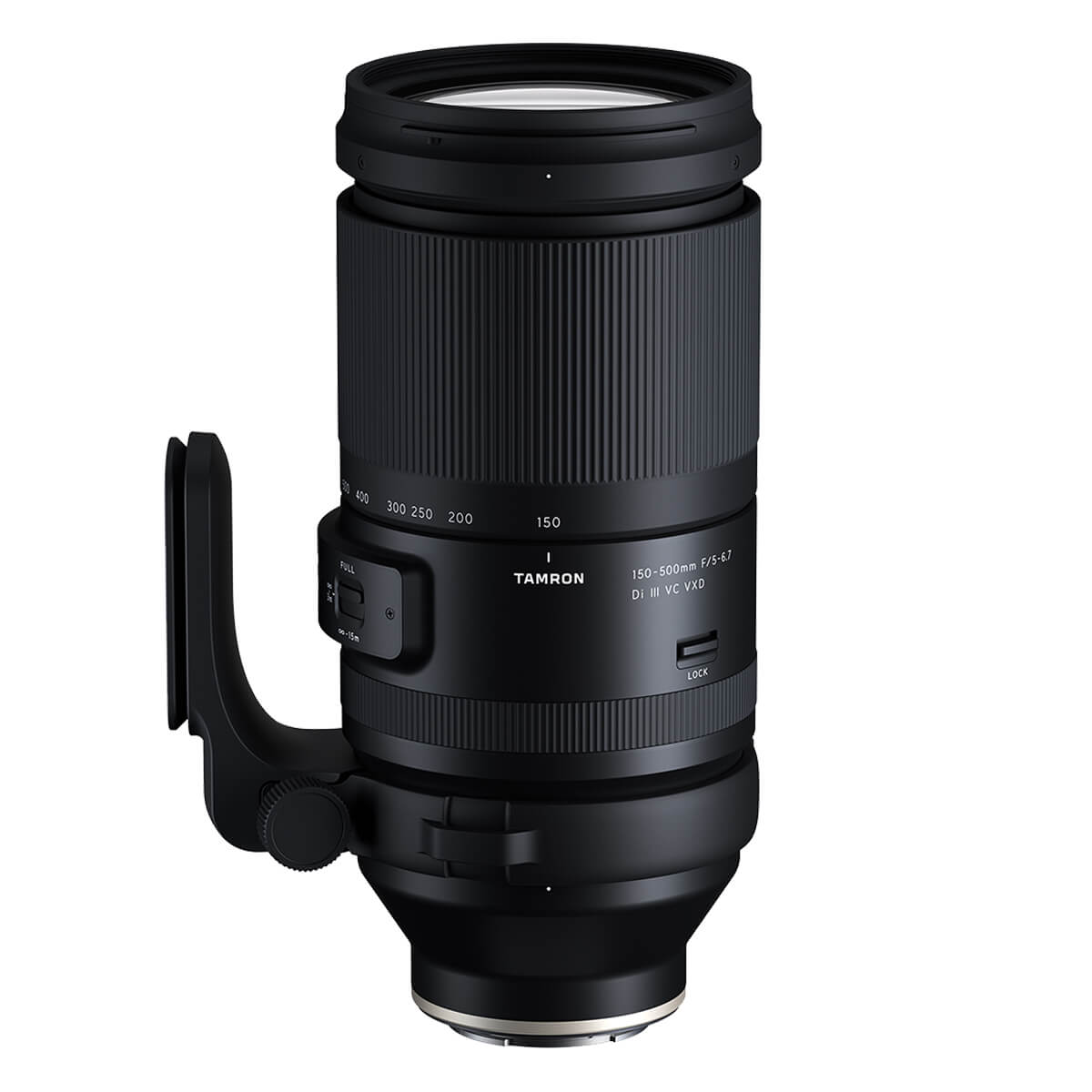
- Telephoto lenses like the Tamron 150-500mm F/5-6.7 Di III VC VXD can isolate subjects for a more dramatic effect.
Using a mix of lenses enhances your storytelling photography and keeps your audience engaged.
TIP 3: Use the “Wide, Medium, Tight” Sequence or Its Inverse

The “wide, medium, tight” method is a classic narrative photography technique borrowed from filmmaking that works for any subject and genre.
Sometimes, reversing the order of the sequence (tight, medium, wide) creates more intrigue and suspense. In the image series above I chose the “tight to wide” sequence for a product reveal.
- Tight: I zeroed in on a specific detail, in this case the bike’s gears.
- Medium: I zoom out to frame the bike from the back, highlighting more details while keeping some elements hidden.
- Wide: I pull back to reveal more of the bike with a rider.
The order you choose shapes the way the narrative unfolds. Experiment with both approaches to build suspense and expand context. This flexibility is key in storytelling photography examples that resonate.
Try Different Lenses to Enhance Your Story
Lens variety enhances how you express your photo narrative.
- The Tamron 90mm F/2.8 Di III VXD 1:1 Macro lens is perfect for detailed shots.
- The Tamron 35-150mm F/2-2.8 Di III VXD lens offers shallow depth versatility.
- For wide shots, the Tamron 16-30mm F/2.8 Di III VXD G2 is ideal.
Pro Tip:
To push the example above even further, imagine adding 4th and 5th shots that continue to pull back, revealing an even broader context.
TIP 4: Focus on One Subject in Different Environments
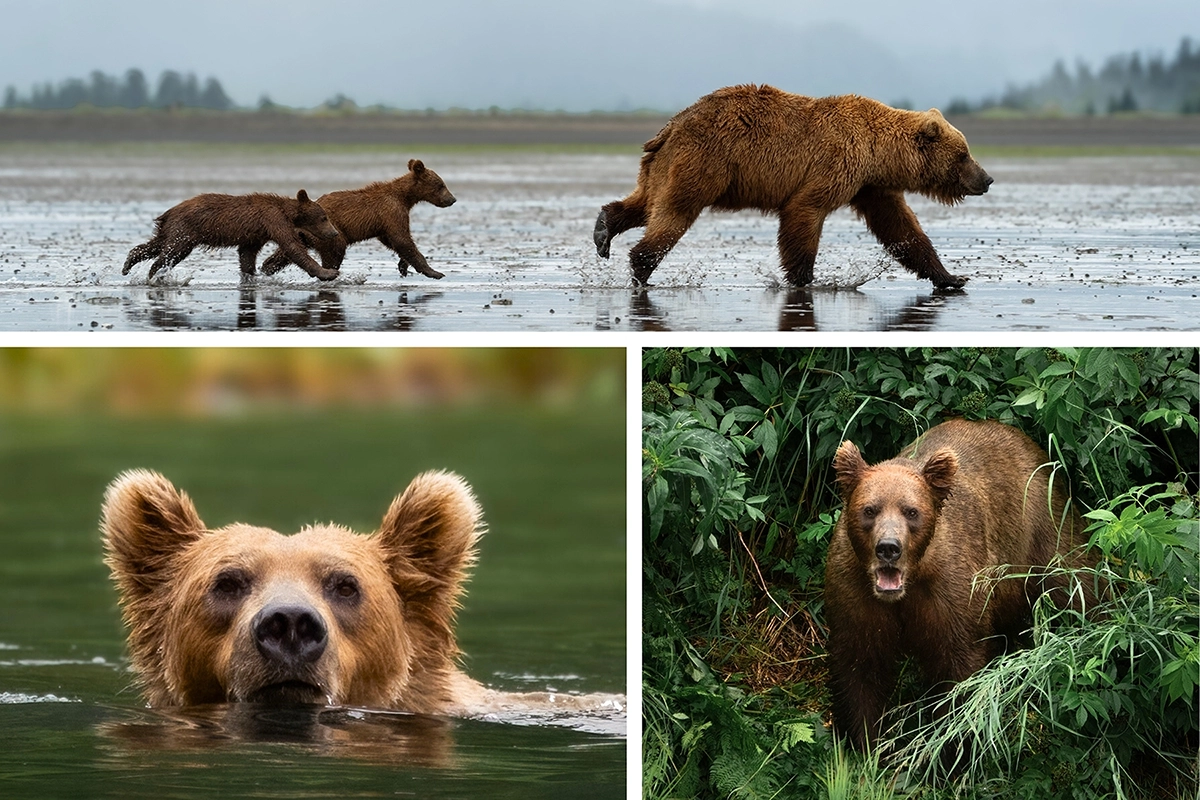
Some of my favorite visual storytelling projects show the same subject in across different settings. This narrative photography technique highlights change, resilience, or journey.
Examples:
- Wildlife: A brown bear swimming, then in a forest looking aggressive, and finally running with cubs on the coast. Three images, one story about its diverse life.
- Automotive: A truck in the desert, then mud, then snow, proving its capability in any condition.
- Product: Walkie-talkies being used by kids playing, then on a construction site, and finally by hikers, demonstrating their range of utility.
Each set builds cohesion—a story told through variation and perspective.
Bonus Tips for Enhancing Your Visual Storytelling
Combine the Different Approaches Above

Some of the most impactful storytelling photography series merge techniques—mixing genres, angles, and focal lengths.
For instance, with my glacier and seal images:
- Harbor seals resting on floating glacial ice (wildlife).
- Abstract glacial patterns (tight shot).
- Full glacier (wide shot).
By merging multiple techniques, you keep your viewers curious and emotionally connected.
Support Your Storytelling With Text

A brief caption or written explanation enhances meaning and context. Simple descriptions in blogs or captions provide location, background, or personal reflection without overshadowing the images.
- Context: Describe setting or environment.
- Purpose: Explain what inspired the sequence.
- Emotion: Convey mood or tone.
Let your words complement your images—together, they create photography that tells a story effectively.
Conclusion: Bringing Your Visual Storytelling to Life
Narrative photography and visual storytelling is all about sharing genuine experiences. By experimenting with different shots and sequences, you can create powerful storytelling photography examples that resonate.
Explore more photo essay ideas or learn how to tell a story through photography by experimenting with lenses and composition. I hope these tips inspire your next visual storytelling project.
Learn more about Tamron lenses at an authorized Tamron dealer near you or shop directly at the official TAMRON Store.
About Seth Macey
Seth Macey is a wildlife and landscape photographer based in Ontario, Canada. Seth spends most of his time behind the lens immersed in nature, learning the land, researching, and tracking animal subjects. He is also the co-host of the Photographer Mindset Podcast, sharing ways in which listeners can build their mental fortitude, develop out-of-the-box thinking strategies, and work efficiently towards their own versions of success in photography. Website | Instagram
Frequently Asked Questions About Visual Storytelling
1. What is visual storytelling in photography?
Visual storytelling is the art of using images to convey emotion, narrative, or message without relying on words. It’s about capturing a sequence or moment that connects with viewers emotionally.
2. How can I tell a story through photography?
Start by planning your sequence—choose subjects, settings, and compositions that build emotion and context. Use techniques like wide-medium-tight framing or contrasting perspectives to guide the viewer.
3. What is a photo essay and how does it relate to visual storytelling?
A photo essay is a series of images that explore a theme or narrative. It’s one of the most effective forms of storytelling through images, helping photographers express depth, change, or emotion over time.
4. What lenses are best for storytelling photography?
For storytelling photography, mix focal lengths for variety. Try wide angles like the Tamron 16-30mm F/2.8 Di III VXD G2 for immersive shots, and telephotos like the Tamron 150-500mm for emotional isolation.
5. Can visual storytelling work on social media?
Absolutely. Visual storytelling photography thrives on platforms like Instagram, where a carousel or three-image series can form a mini photo essay example that captivates audiences.
6. How do I create a photo narrative that connects with people?
Focus on emotion and flow. Ensure each image contributes to the story arc—beginning, middle, and end. Balance consistency in tone with diversity in framing for a cohesive photo narrative.
7. What are some photo essay ideas for beginners?
Start with topics close to home: morning routines, street life, or local nature. These make great photo essay ideas for practicing visual storytelling while developing observation skills.
8. What is narrative photography compared to documentary photography?
Narrative photography emphasizes story structure and creative interpretation, while documentary photography focuses more on truth and fact. Both can overlap in strong storytelling through images.
 English
  Spanish
  French
  Portuguese