 Instant Savings
 Rebate Claims
 Support
 Find a Dealer

Choosing the right travel lens can make or break your photography experience. Whether you’re exploring a city, hiking through national parks, or documenting a once-in-a-lifetime adventure, your lens determines what you can capture — and how easily you can carry your gear.
This travel lens guide will walk you through how to choose the right lens for any trip, based on portability, focal length, shooting style, and creative goals. By understanding these key factors, you can build a travel photography kit that balances flexibility, image quality, and convenience.
What You Will Learn in This Article:
- How to evaluate lens portability and weight for travel
- How focal length affects landscapes, portraits, and street photography
- The difference between prime lenses and zoom lenses for travel
- When to choose an all-in-one travel zoom lens
- How to match your lens choice to your destination and photography style

Step 1: Consider Portability and Weight
The first question in choosing a travel lens is simple: How much do you want to carry?
Travel often means long walking days, airline baggage limits, and unpredictable environments. A compact and lightweight mirrorless travel lens allows you to stay mobile without sacrificing performance.
Many photographers prefer an all-in-one travel lens or superzoom lens because it eliminates the need to carry multiple lenses. Fewer lens changes also reduce the risk of dust entering your camera in outdoor environments.
If you’re building a minimalist travel kit, prioritizing a lightweight travel zoom lens or compact prime lens will improve comfort and flexibility throughout your trip.
Step 2: Understand Focal Length for Travel Photography
Focal length determines how wide or tight your composition will be. Choosing the right range depends on what you plan to photograph.
Wide-Angle (16–35mm Range)
Best for:
- Landscapes
- Architecture
- Cityscapes
- Interiors
- Environmental portraits
Wide-angle lenses capture expansive scenes and emphasize depth — ideal for travel storytelling.
Standard Range (24–70mm Equivalent)
Best for:
- Street photography
- Food photography
- Everyday travel moments
- Cultural documentation
The standard zoom range closely matches natural human perspective, making it extremely versatile.
Telephoto (70mm and Beyond)
Best for:
- Wildlife
- Candid portraits
- Sports and action
- Isolating distant details
Telephoto compression can add impact and subject separation to travel imagery.
For many travelers, a broad-range travel zoom lens that covers wide to telephoto focal lengths provides the greatest flexibility in unpredictable situations.
Step 3: Prime vs. Zoom Lenses for Travel
A major decision when choosing a travel lens is whether to go with a prime or a zoom.
Zoom Lenses: Maximum Flexibility
Zoom lenses allow you to quickly adjust framing without changing lenses. This makes them ideal for dynamic travel environments where moments happen quickly.
They are particularly useful as:
- Walkaround travel lenses
- All-in-one lenses
- Travel zoom lenses for mirrorless cameras
For photographers who want one lens to handle landscapes, portraits, and distant subjects, a versatile zoom is often the most practical solution.
Prime Lenses: Lightweight and Creative
Prime lenses offer a fixed focal length but often provide:
- Wider apertures
- Compact size
- Strong low-light performance
- Shallow depth-of-field control
A compact prime lens can be perfect for night photography, travel vlogging, or creative street photography. Many photographers pair a lightweight prime with a versatile zoom for a balanced kit.
Recommended Travel Lenses for Any Trip
Tamron 25-200mm F2.8-5.6 Di III VXD G2

If you’re looking for a true all-in-one travel zoom lens, the Tamron 25-200mm F2.8-5.6 Di III VXD G2 delivers exceptional versatility in a compact form.
Its focal range covers:
- 25mm wide-angle for landscapes and cityscapes
- Mid-range focal lengths for street and documentary photography
- 200mm telephoto reach for wildlife, portraits, and distant details
The fast F2.8 aperture at the wide end gives you improved low-light performance compared to many traditional superzoom lenses. As a G2 model, it features enhanced autofocus performance and refined optics, making it a strong choice for photographers who want one lens to handle nearly every travel scenario.
For travelers who prefer carrying a single lens without sacrificing image quality, this is an ideal walkaround travel lens.
Tamron 35-100mm F2.8 Di III VXD (Model A078)

For photographers who prioritize consistent aperture performance and subject separation, the Tamron 35-100mm F2.8 Di III VXD offers a powerful yet compact solution.
With a constant F2.8 aperture throughout the zoom range, this fast standard zoom lens is well suited for:
- Travel portraits
- Event photography abroad
- Food and lifestyle photography
- Indoor and low-light environments
Compared to traditional standard lenses, its smaller size makes it easier to pack and carry. When paired with a wide-angle lens like the Tamron 20-40mm F2.8, the 35-100mm F2.8 creates a highly capable fast aperture two-lens travel kit that balances portability and professional-level performance.
Tamron 24mm F2.8 Di III OSD (Model F051)
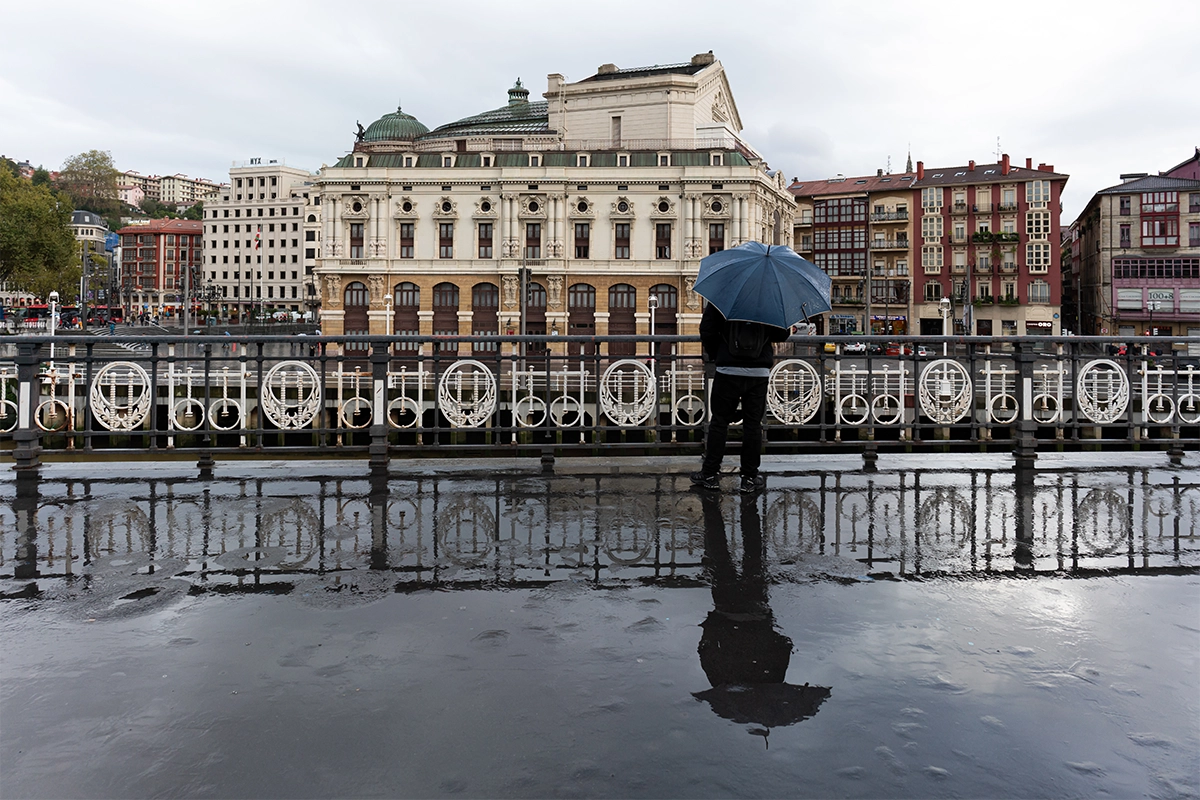
For minimalist travel photography setups, the Tamron 24mm F2.8 Di III OSD provides lightweight portability and sharp image quality.
Its 24mm focal length is ideal for:
- Architecture
- Landscapes
- Environmental portraits
- Travel vlogging
This compact prime lens is easy to carry all day and performs well in low-light conditions thanks to its bright aperture. It also works well as a secondary lens alongside a longer zoom.
Quick Travel Lens Comparison
| Lens | Best For | Why It’s Great for Travel |
|---|---|---|
| Tamron 25-200mm F2.8-5.6 | All-in-one versatility | Wide to telephoto range in one compact lens |
| Tamron 35-100mm F2.8 | Portraits & low light | Constant F2.8 aperture with compact design |
| Tamron 24mm F2.8 | Lightweight wide-angle | Small, portable, ideal for landscapes & vlogging |
How to Match Your Lens to Your Trip
Before choosing your travel lens, ask yourself:
- Will I primarily shoot landscapes or portraits?
- Am I traveling light or packing a full kit?
- Will I be photographing wildlife or distant subjects?
- Do I want one all-in-one lens or a two-lens setup?
-
How important is low-light performance?
Answering these questions will narrow your options and help you build a travel photography kit that matches your creative vision.
People Also Ask About Travel Lenses
What is the best focal length for a travel lens?
The best focal length for a travel lens depends on what you plan to photograph. A versatile range like 25-200mm allows you to capture wide landscapes, street scenes, portraits, and distant subjects without changing lenses. Many travelers prefer an all-in-one zoom that covers wide to telephoto focal lengths for maximum flexibility.
Is a prime or zoom lens better for travel photography?
Zoom lenses are generally better for travel because they offer flexibility and reduce the need to carry multiple lenses. Prime lenses are lighter and often perform better in low light, making them ideal for night photography or creative portraits. Many photographers combine a versatile zoom with a compact prime for a balanced travel kit.
Do I need a wide-angle lens for travel?
A wide-angle lens is helpful for landscapes, architecture, interiors, and environmental portraits. If your zoom lens starts around 24mm or 25mm, you may not need a separate wide-angle lens unless you want ultra-wide perspectives for dramatic compositions.
Is a 25-200mm lens good for travel photography?
Yes. A 25-200mm lens is an excellent travel lens because it covers wide-angle to telephoto focal lengths in one compact design. This range allows photographers to capture landscapes, portraits, wildlife, and street photography without switching lenses, making it ideal for travel convenience.
What is the best lightweight lens for travel?
The best lightweight travel lens balances compact size with versatile focal length coverage. All-in-one zoom lenses and compact F2.8 zoom lenses are popular options because they reduce gear weight while maintaining strong image quality and autofocus performance.
Conclusion: The Best Travel Lens Is the One That Fits Your Journey
There is no single “best travel lens” for everyone — only the right lens for your specific trip.
Whether you choose the versatility of the Tamron 25-200mm F2.8-5.6 Di III VXD G2, the consistent performance of the Tamron 35-100mm F2.8 Di III VXD, or the simplicity of a lightweight prime lens, your ideal travel lens should balance portability, focal range, and creative flexibility.
With the right lens in your bag, you can focus less on changing gear — and more on capturing meaningful travel photography wherever your journey takes you.
Learn about these lenses and more at an authorized Tamron dealer in your area or visit the TAMRON Store today.
Where to Buy Tamron Lenses
Learn about these lenses and more at an authorized Tamron dealer in your area or visit the TAMRON Store today.
 English
  Spanish
  French
  Portuguese