 Instant Savings
 Rebate Claims
 Support
 Find a Dealer

Early morning portrait photography is one of the best ways to create flattering, natural-looking portraits with soft light, lower contrast, and a calmer shooting environment. Shortly before and after sunrise, the light is usually gentler than it is later in the day, which helps skin tones look smoother, shadows feel softer, and expressions read more naturally.
That early window is especially useful for portrait photographers because it gives you more control without requiring heavy gear. You can use the low sun angle for subtle facial shape, work with cleaner backgrounds before locations get crowded, and create portraits that feel bright, calm, and intentional. This article builds on our broader Portrait Photography Guide and focuses specifically on how to use early morning light for soft, flattering portraits. If you want a more mood-driven approach to shadow and depth, see our guide to How to Use Light and Shadow for Moody Portrait Lighting.
In this guide, you’ll learn:
- Why early morning light works so well for portraits
- When to shoot for the softest natural light
- How to position your subject in early morning light
- How to expose for soft highlights and natural skin tones
- When indoor morning window light still works
- Why Tamron fast aperture zooms are useful for early morning portraits
Why Early Morning Light Works So Well for Portraits

Early morning light is often flattering because it is softer, lower in angle, and usually less contrast-heavy than later daylight. That gives portrait photographers more flexibility when working with skin tones, facial features, and subtle expressions.
It is especially useful because it often gives you:
- softer natural light on the face
- lower contrast between highlights and shadows
- more even skin tone rendering
- calmer outdoor conditions
- quieter locations with fewer distractions
When to Shoot for the Best Early Morning Portrait Light
The best early morning portrait light usually happens in two phases.
Before sunrise or just at dawn
This is often the softest, most even natural light of the morning. It works well for:
- gentle skin tones
- low-contrast portraits
- calm mood
- more open framing without harsh shadows
Shortly after sunrise

This is where the light begins to gain shape and direction. It can still be flattering, but it becomes more important to think about where the sun is hitting the face and background.
This phase works well when you want:
- a little more facial contour
- brighter edge light
- soft backlight
- warmer tone
When the light starts getting too direct
Once the sun climbs higher, the light becomes less forgiving. At that point, move into open shade, turn the subject differently, or wrap the session before the light becomes too contrast-heavy.
How to Position Your Subject in Early Morning Light
Light direction matters just as much as timing. Even soft morning light can look flat or overly bright if the subject is placed carelessly.
Front light for clean, flattering portraits
If your subject faces the light, the portrait will usually feel brighter, cleaner, and more open. This can work well for:
- simple portraits
- seniors
- children
- softer expression
Side light for more shape

Side light is especially useful in early morning portrait photography because it adds gentle shape to the face while still keeping the light soft and flattering. As the sun rises, shifting your subject so the light falls from the side can create more depth, contour, and emotional presence without making the portrait feel harsh. This can work well for:
- more facial contour
- half-body portraits
- moodier natural light
- portraits with more dimension
Backlight for glow and separation
Soft backlight in the morning can create beautiful rim light around hair and shoulders, especially when the sun is still low. It can also help separate the subject from the background while keeping the portrait airy and natural. This can work well for:
- glowing hair light
- airy portraits
- soft background separation
- warmer morning tone
Open shade when the light changes too fast
If the sun gets brighter quickly, move into open shade to keep the light flattering while still staying within the early-morning session window. This can work well for:
- softer skin tones
- lower-contrast portraits
- longer sessions after sunrise
- more even exposure
How to Expose for Soft Highlights and Natural Skin Tones

Early morning light is softer than midday light, but it can still create bright highlight areas on the face, hair, or shoulders. If you let the camera brighten the whole frame too much, those highlights can lose detail and the portrait can start to feel flat.
A simple approach is to expose with the brightest part of the subject in mind first. This helps preserve detail in the skin while still letting the softer shadow areas add shape and depth.
A good working approach:
- watch the brightest part of the face first
- preserve highlight detail in skin
- let deeper shadow areas stay slightly darker if needed
- avoid flattening the portrait by overexposing the whole frame
When early light is falling across only part of the face or shoulder, protecting those highlights helps the portrait keep its natural dimension and a more polished, flattering look.
A practical exposure approach
- shoot in manual mode or with careful exposure compensation
- underexpose slightly if the highlights are getting too bright
- review the face, not just the overall frame
- keep skin tones soft and believable
Early Morning Portrait Photography Tips
Early morning portrait sessions move quickly, but they also offer some of the most flattering natural light of the day. The key is to work with that short window intentionally by paying attention to sun angle, background simplicity, location choice, and how much of the environment you include. These early morning portrait photography tips will help you make the most of soft natural light before it changes.
Use the low sun angle for gentle facial shape
One of the best things about early morning portrait photography is the lower sun angle. It adds subtle shape to the face without creating the harsher shadows that midday light often causes.
Work fast while the light stays soft
Early morning light can change quickly, especially once the sun rises above the horizon. A scene that looks beautifully soft and balanced can become brighter and more contrast-heavy within minutes, so it helps to start shooting as soon as the light looks right. Rather than waiting too long for a perfect setup, work steadily while the light is still gentle and flattering.
Keep backgrounds simple
Because early morning light can be soft and low-contrast, cluttered backgrounds stand out more than you might expect. Simpler backgrounds usually help the portrait feel cleaner and more polished.
Use calm locations to your advantage
Morning sessions often benefit from quieter parks, streets, gardens, and outdoor areas before foot traffic increases. This makes it easier to work quickly and helps subjects feel less self-conscious.
Let the environment support the portrait
Early morning often gives you cleaner air, softer color, and a calmer atmosphere. Use that to your advantage by including just enough of the location to support the portrait without overwhelming the subject.
Best Lenses for Early Morning Portrait Photography

Lens choice matters in early morning portrait photography because the light changes quickly and the best shooting window can be short. A useful portrait lens for morning sessions should help you work comfortably in softer light, adapt to changing compositions, and move between environmental portraits and tighter flattering frames without slowing down.
Tamron 35-150mm F/2-2.8 Di III VXD
The Tamron 35-150mm F/2-2.8 Di III VXD is a strong choice for early morning portrait photography because it gives you a wide range of useful portrait focal lengths in a single lens. You can move from wider environmental portraits at 35mm to tighter headshots and more compressed framing at the longer end without changing lenses, which is especially helpful when the light is shifting quickly. Its bright aperture also makes it easier to work in softer morning light while maintaining subject separation and flexibility throughout the session.
This lens is especially useful when you want to:
- photograph environmental portraits and tighter portraits in the same session
- work quickly without changing lenses
- keep strong subject separation in softer morning light
- move easily between outdoor portraits and secondary indoor window-light frames
It is also useful when the session starts outdoors and later moves closer to windows or shaded areas.
Tamron 35-100mm F2.8 Di III VXD
The Tamron 35-100mm F2.8 Di III VXD is a strong option if you want a more compact fast zoom that still covers some of the most useful portrait focal lengths. It works especially well for early morning portrait sessions because it gives you 35mm for environmental context, 50mm for a more natural perspective, and 85mm to 100mm for flattering portrait compression, all in a smaller package. Other recent portrait content in this cluster already positions the 35-100mm as a practical compact portrait zoom that handles environmental portraits through classic portrait framing well.
This lens is especially useful when you want to:
- keep your setup lighter for sunrise sessions
- shoot environmental portraits and tighter half-body portraits in one lens
- work with a constant F2.8 aperture in softer morning light
- maintain flexibility without moving into a larger telephoto option
Tamron 17-70mm F2.8 Di III-A VC RXD
For APS-C photographers, the Tamron 17-70mm F2.8 Di III-A VC RXD is a smart choice for early morning portrait photography because it combines versatility with a constant F2.8 aperture. It can handle wider environmental portraits, natural-looking midrange portrait framing, and tighter compositions in one lightweight lens, making it useful when you want one lens for both portrait sessions and general photography. Internal portrait-lens guidance already frames the 17-70mm as a strong APS-C portrait option for environmental and lifestyle work without giving up creative control over background blur.
This lens is especially useful when you want to:
- photograph sunrise portraits on an APS-C system
- include more of the location in the frame
- travel light during early-morning sessions
- shoot portraits and general lifestyle imagery with one lens
Tamron 70-180mm F/2.8 Di III VC VXD G2
The Tamron 70-180mm F/2.8 Di III VC VXD G2 is a strong fit when you want more flattering compression, cleaner backgrounds, and a little more working distance from your subject. In early morning portrait photography, this can be especially useful once the sun is low enough to create soft directional shape, because the longer focal lengths help isolate the subject and simplify the frame. Recent portrait-lens guidance in this cluster consistently positions the 70-180mm as one of the best options for flattering compression, tighter framing, headshots, and candid or event-style portrait work.
This lens is especially useful when you want to:
- create tighter morning portraits with stronger compression
- simplify distracting backgrounds
- keep a little more distance for natural expression
- photograph headshots or elegant half-body portraits in soft morning light
Which Lens Is Best for Your Morning Portrait Style?
The best lens for early morning portrait photography depends on how you like to work.
- Choose the 35-150mm F/2-2.8 if you want the most flexibility in a single lens.
- Choose the 35-100mm F2.8 if you want a more compact fast zoom that still covers key portrait focal lengths.
- Choose the 17-70mm F2.8 if you shoot APS-C and want one practical lens for environmental and lifestyle portraits.
- Choose the 70-180mm F/2.8 G2 if your style leans toward tighter framing, flattering compression, and cleaner backgrounds.
When Indoor Morning Light Still Works
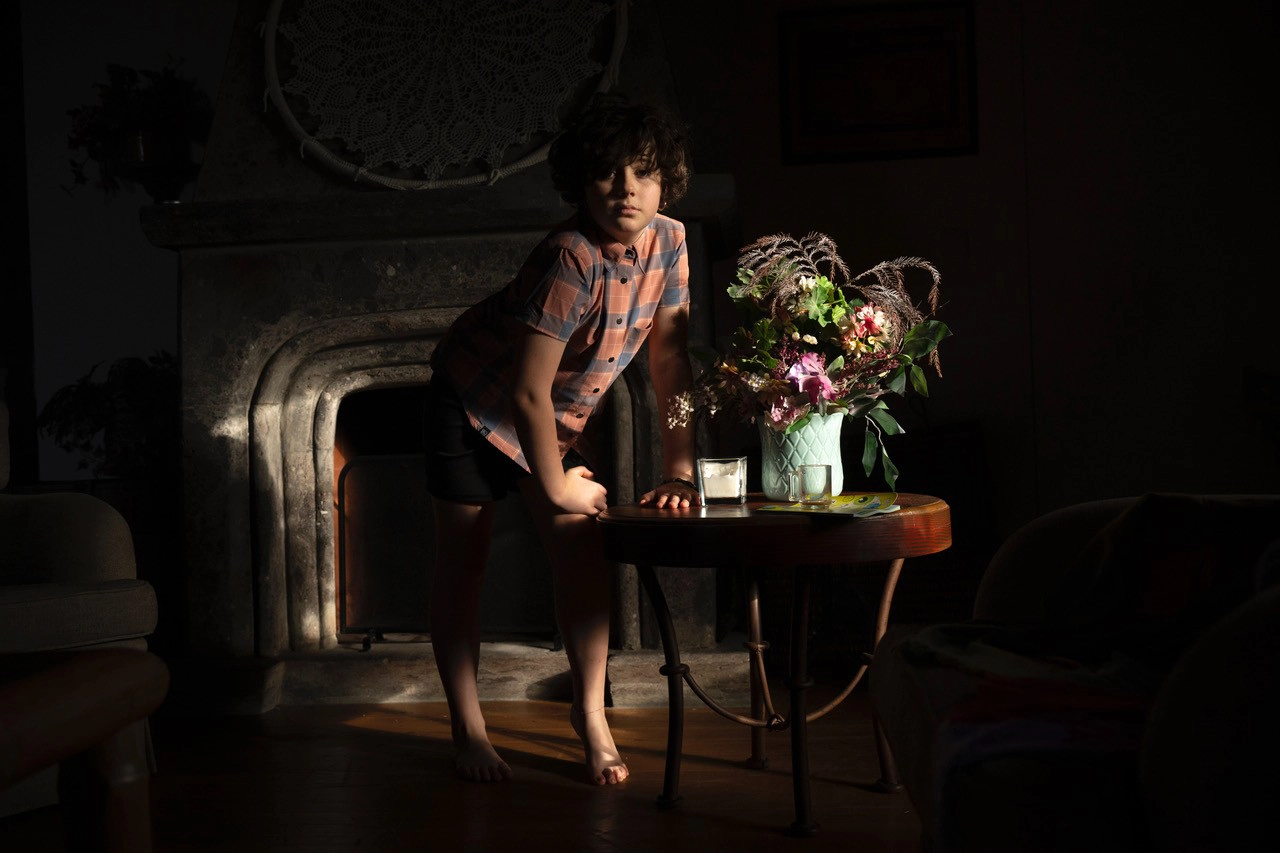
Indoor morning light can still be useful when it carries the same soft, directional quality that makes outdoor morning portraits so flattering. While this article is primarily about early morning portrait photography outdoors, indoor window light can work well as a secondary option once the outdoor light changes or when you want a quieter, more controlled setting. The key is to look for clean window light, manageable contrast, and enough shape in the light to keep the portrait feeling natural rather than flat.
Indoor morning portraits work best when:
- the room gets clean directional window light
- the contrast between inside and outside is still manageable
- you want a quieter, moodier portrait after the outdoor light changes
Windows can help by:
- acting as a framing element
- creating natural edge light
- giving the portrait context and depth
Common Mistakes to Avoid
A few things can weaken early morning portrait photography:
- waiting too long and losing the softest light
- exposing too brightly and flattening skin tones
- ignoring light direction because the light seems gentle
- using cluttered backgrounds in low-contrast scenes
The best results usually come from working simply, quickly, and intentionally.
People Also Ask
What time is best for early morning portrait photography?
The best time is usually just before sunrise through the first part of the hour after sunrise, when the light is still soft and low in angle.
Why is early morning light flattering for portraits?
Early morning light is often flattering because it is softer, lower in contrast, and gentler on skin than stronger daylight later in the day.
Is early morning or golden hour better for portraits?
Both can work well. Early morning often gives calmer locations, cooler air, softer contrast, and a quieter atmosphere, while golden hour tends to be warmer and more glow-driven.
What camera settings work for early morning portraits?
A wide aperture, a shutter speed fast enough for subject movement, and careful exposure for highlights are good starting points. Exact settings depend on available light and the look you want.
Can indoor window light count as early morning portrait photography?
Yes, if the portrait is still being shaped by the same soft, natural morning light that makes early sessions so flattering. Indoor window light works best when it keeps that gentle direction, pleasing contrast, and calm atmosphere.
Final Thoughts on Early Morning Portrait Photography
Early morning portrait photography works so well because it gives photographers a rare combination of soft natural light, flattering contrast, calm locations, and subtle shape across the face. When you work early enough, you can create portraits that feel bright, gentle, and polished without fighting harsh light.
The best approach is to start with the outdoor light first, pay attention to how quickly it changes, and use that short window intentionally. If the morning session later moves indoors, window light can still support the same look, but the main strength of this spoke is the way early morning natural light creates flattering portraits outdoors.
Where to Buy Tamron Lenses
Learn more about Tamron lenses at an authorized Tamron dealer near you or shop directly at the official TAMRON Store.
FAQs
What lens works well for early morning portrait photography?
A flexible wide-aperture zoom such as the Tamron 35-150mm F/2-2.8 Di III VXD works especially well because it lets you move quickly between wider and tighter portrait framing as the light changes.
Should I use direct sun in the early morning?
You can, especially when the sun is still low and soft, but subject placement matters. Side light, backlight, and front light all create different effects.
How do I keep early morning portraits from looking washed out?
Expose carefully for highlights, keep backgrounds simple, and pay attention to where the brightest light is falling on the face.
Is early morning portrait photography good for beginners?
Yes. It is one of the most forgiving natural-light times of day because the light is often softer and easier to manage than later daylight.
 English
  Spanish
  French
  Portuguese