 Instant Savings
 Rebate Claims
 Support
 Find a Dealer
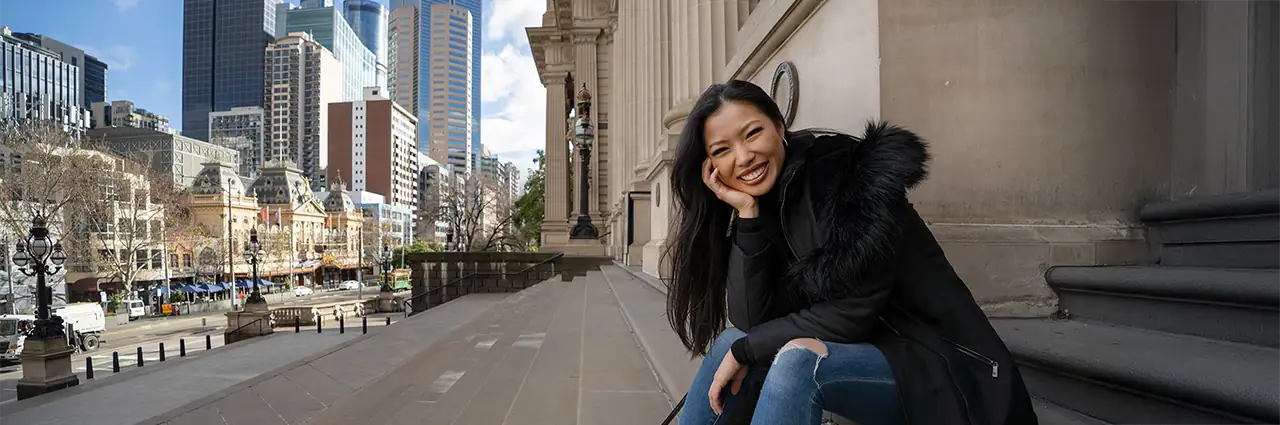
Candid portrait photography is about capturing natural expressions, real interactions, and unposed moments without interrupting the scene. Instead of directing every movement, you observe, anticipate, and photograph people as they respond naturally to their environment, the people around them, and the moment itself.
This style works especially well when you want portraits to feel more relaxed, emotional, and authentic. Whether you are photographing couples, families, seniors, weddings, or lifestyle sessions, candid portrait photography helps create images that feel honest rather than staged. This article builds on our broader Portrait Photography Guide and focuses specifically on how to photograph candid portraits with better timing, subject distance, autofocus settings, and lens choices.
In this guide, you’ll learn:
- What candid portrait photography is
- How to capture natural expressions without over-directing
- Which focal lengths work best for candid portraits
- How subject distance affects the final look
- What camera settings help you react quickly
- Which Tamron lenses support candid portrait photography best
What Is Candid Portrait Photography?
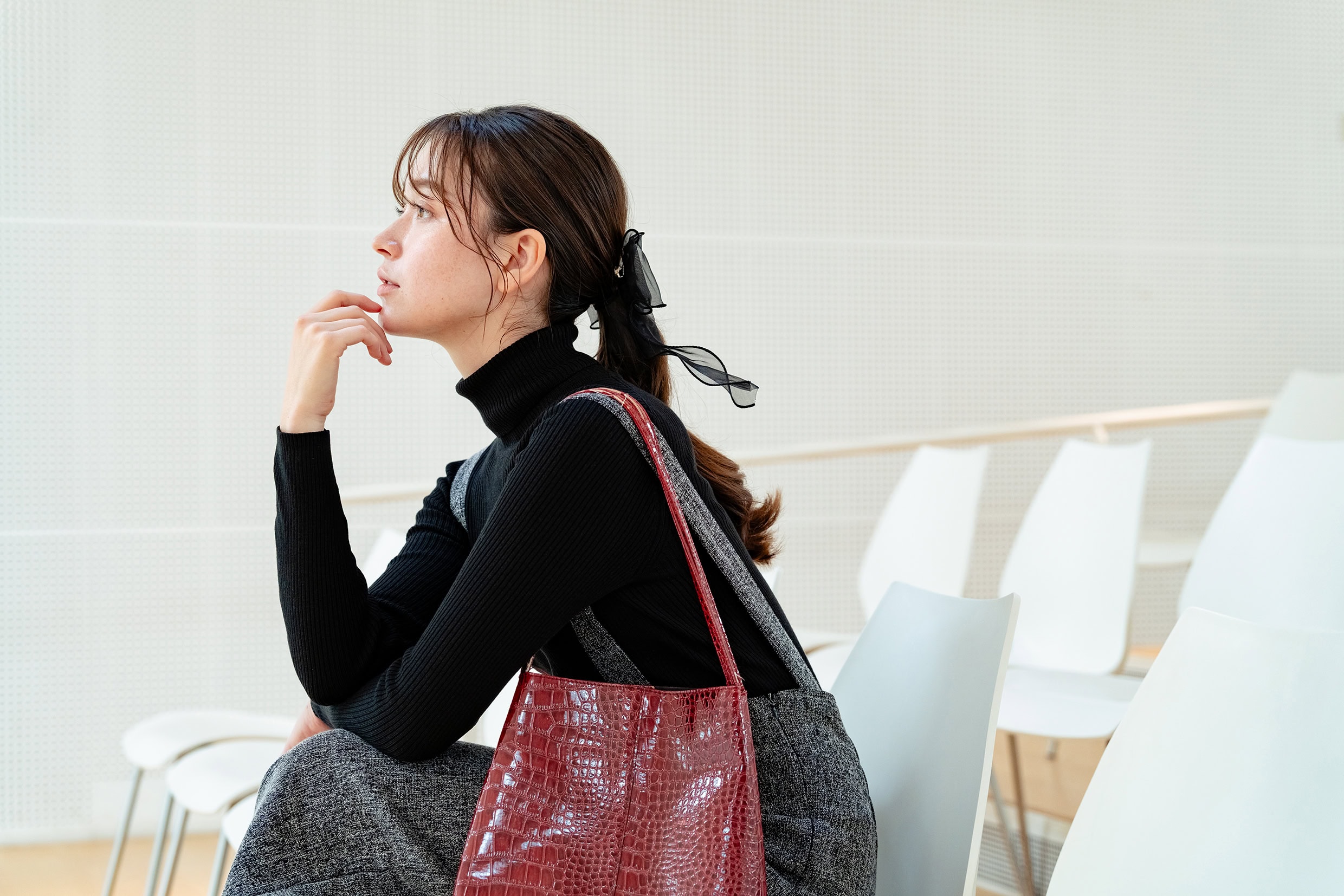
Candid portrait photography focuses on photographing people naturally without asking them to hold a pose or maintain a fixed expression. Rather than building the image around formal direction, you create space for the subject to move, interact, and respond naturally.
This style is often used in:
- lifestyle portrait photography
- family portrait sessions
- senior portraits
- wedding portrait coverage
- documentary-style portraits
- travel and everyday portrait storytelling
The goal is not to avoid all direction. It is to reduce obvious posing so the portrait feels more real, relaxed, and emotionally connected.
Why Candid Portraits Feel More Natural
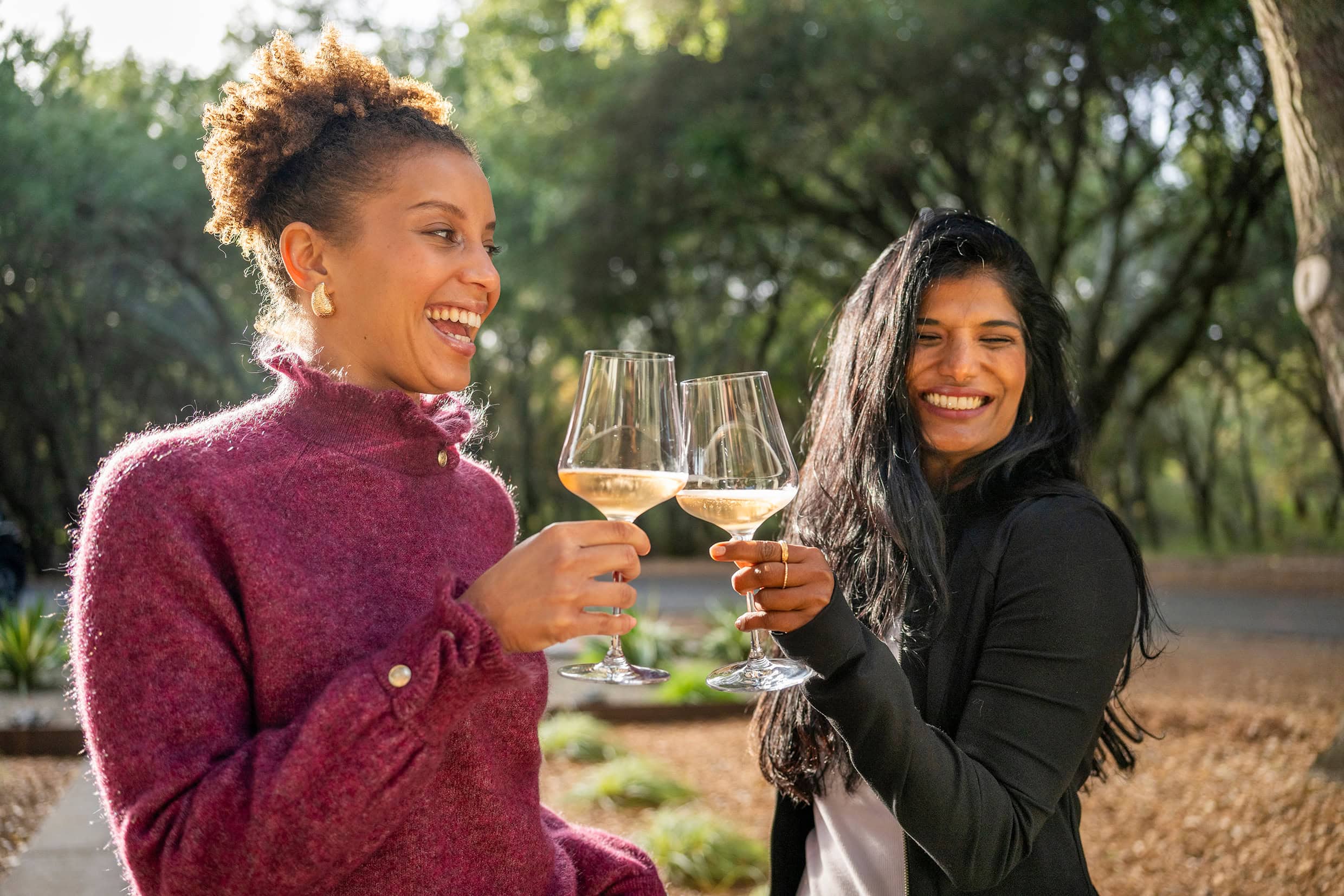
Candid portraits often feel more authentic because they preserve small expressions and gestures that posed images can miss. A quick smile, a glance away from the camera, a laugh between family members, or a quiet moment of thought can all create stronger emotional connection than a more formal pose.
Candid portrait photography works especially well when you want to:
- capture genuine emotion
- show personality more naturally
- photograph people who feel stiff in front of the camera
- create more storytelling-focused portraits
- mix portrait structure with real interaction
Candid vs. Posed Portraits
Posed portraits and candid portraits both have value, but they create different results.
- Posed portraits are built around direction, composition, and control. They are useful when you want a polished, intentional look.
- Candid portraits are built around timing, observation, and natural interaction. They are useful when you want the subject to look less aware of the camera and more emotionally present in the moment.
Many strong portrait sessions combine both. You might begin with lightly directed portraits, then let the subject move, talk, walk, or interact more freely so the candid moments can happen naturally.
How to Capture Better Candid Portraits
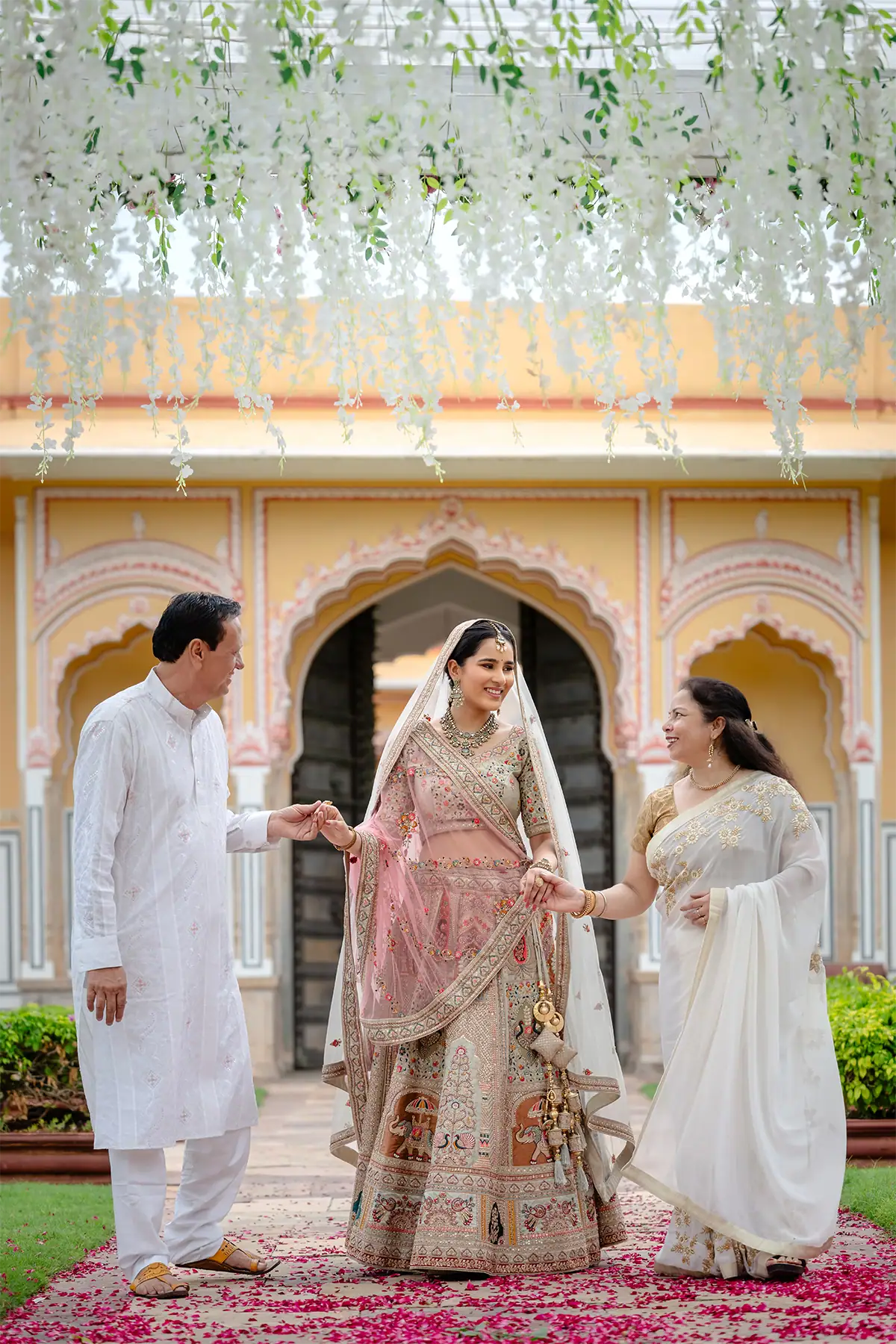
Observe before you shoot
One of the most important parts of candid portrait photography is learning to watch before reacting. Real expressions often happen just before or after a subject becomes aware of the camera.
Pay attention to:
- conversation shifts
- eye contact between subjects
- subtle gestures
- changes in expression
- laughter, pauses, or movement
The better you get at anticipating these small changes, the more natural your portraits will feel.
Give light direction, not rigid posing
Candid portrait photography does not mean saying nothing. It often works better when you give the subject something to do rather than telling them exactly how to stand.
Try cues like:
- walk slowly toward the light
- look at each other, not at me
- talk to each other for a second
- fix your jacket
- brush hair away from your face
- look out the window
This keeps the portrait feeling natural while still giving you enough structure to capture flattering moments.
Stay ready for the transition moments
Some of the strongest candid portraits happen between actions rather than during them. The moment after laughter, the split second before someone looks back, or a brief pause during movement often feels the most genuine.
Shoot through the transition, not just the obvious peak.
Use short bursts, not constant spray
Burst mode can help in candid portrait photography but using it too heavily can make editing harder and cause you to miss the flow of the moment. Short, intentional bursts are usually more effective than holding the shutter down constantly.
Subject Distance Matters in Candid Portrait Photography
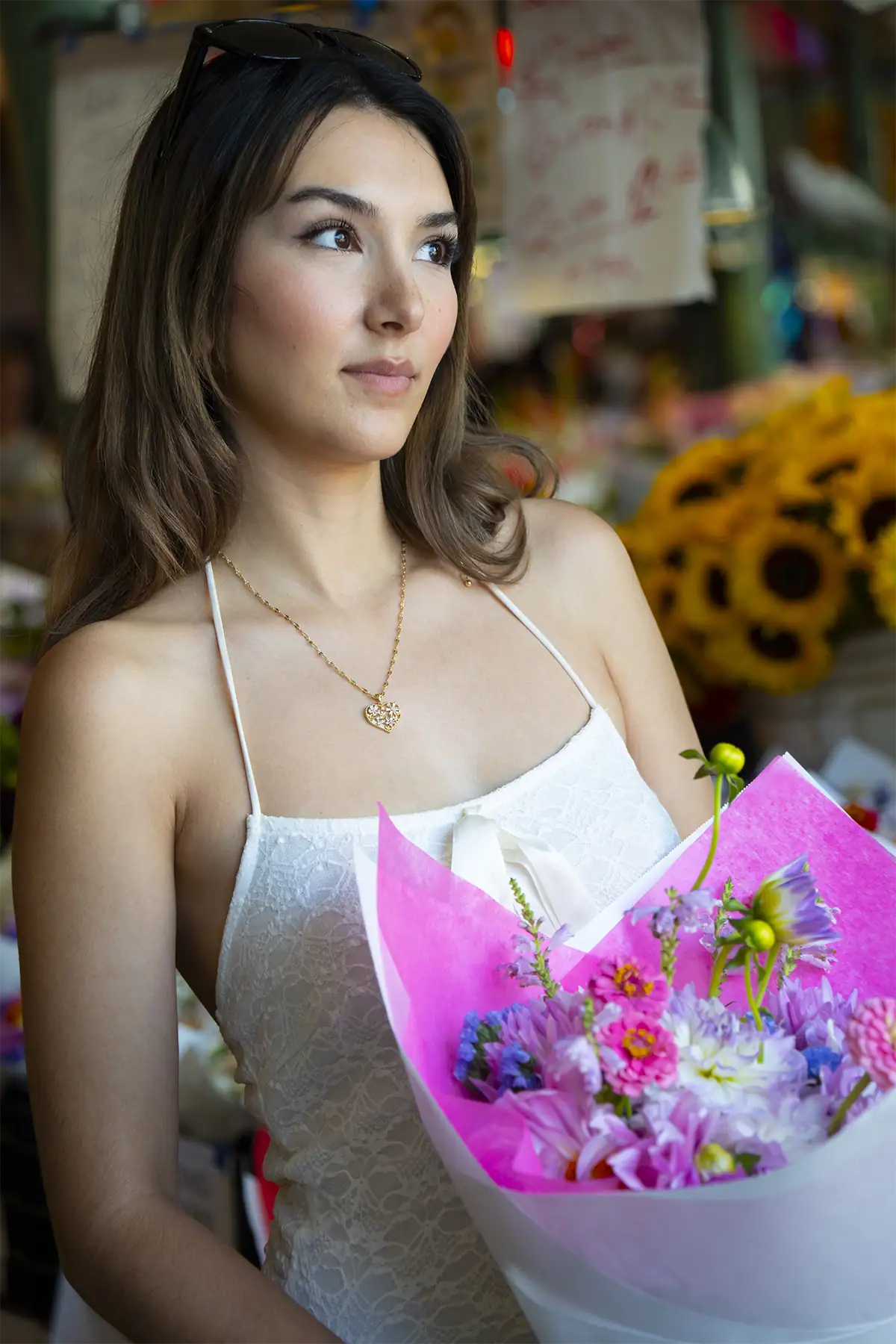
Distance changes how candid a portrait feels. If you stand too close, subjects may become camera-aware. If you stand too far back, the portrait may lose intimacy.
Closer distance for connection
Working closer can create a more intimate portrait, especially with wider focal lengths, but it only works well if the subject is comfortable with your presence.
More distance for natural behavior
Stepping back often helps subjects relax and behave more naturally. This is especially useful during weddings, family sessions, and senior portraits when you want genuine expressions without interrupting the scene.
Match distance to the moment
If the subject is moving, interacting, or laughing naturally, a little more distance often helps. If the moment is quieter and more intimate, moving in carefully can create a stronger emotional portrait.
Best Focal Lengths for Candid Portrait Photography
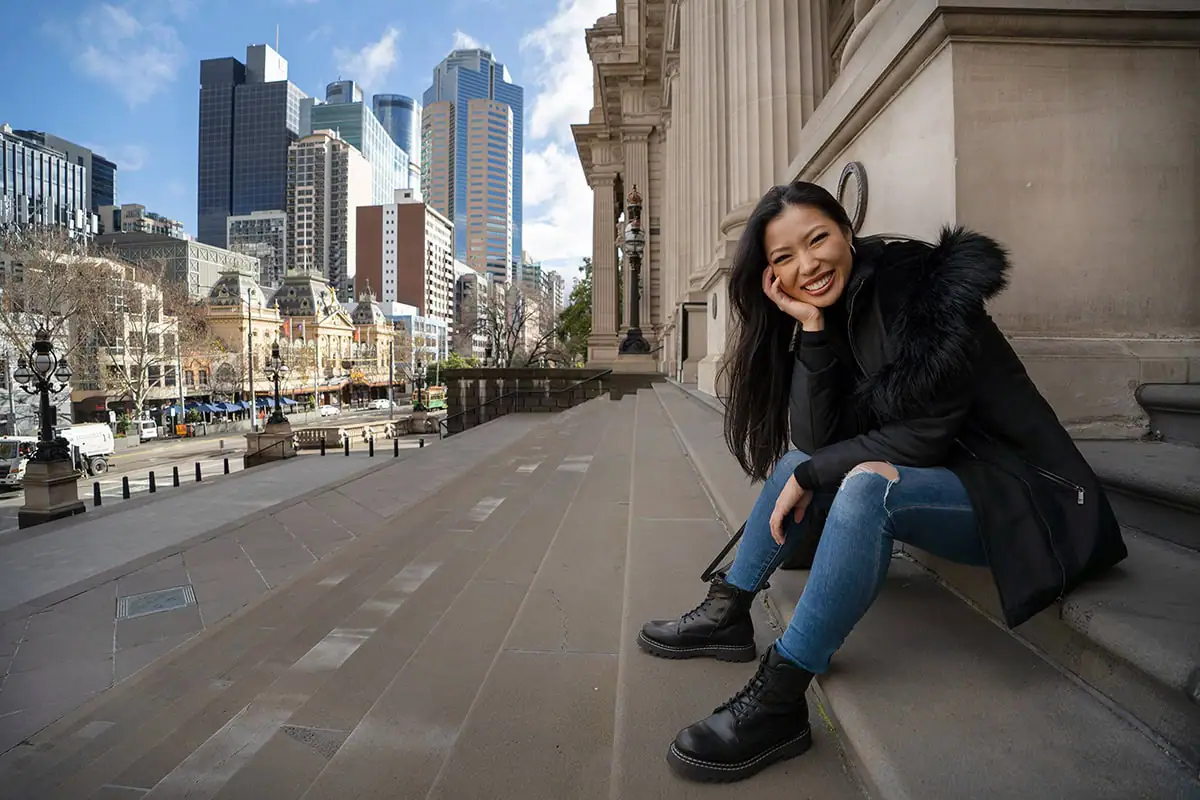
Focal length plays a major role in how candid portraits look and how easily you can capture them without disrupting the moment.
35mm to 50mm
This range works well for environmental candid portraits and lifestyle storytelling. It helps include more of the setting while still keeping the subject prominent.
Best for:
- couples in context
- family interactions
- travel and lifestyle portraits
- storytelling frames with visible surroundings
85mm to 100mm
This range is one of the best options for candid portrait photography because it gives flattering compression while allowing a little more working distance.
Best for:
- natural-looking individual portraits
- seniors
- quiet emotional moments
- more discreet portrait capture
135mm to 180mm
Longer focal lengths are useful when you want to stay farther away and let moments unfold without drawing attention to the camera.
Best for:
- ceremonies
- emotional reactions
- event portraits
- candid moments where distance helps preserve authenticity
Best Camera Settings for Candid Portrait Photography
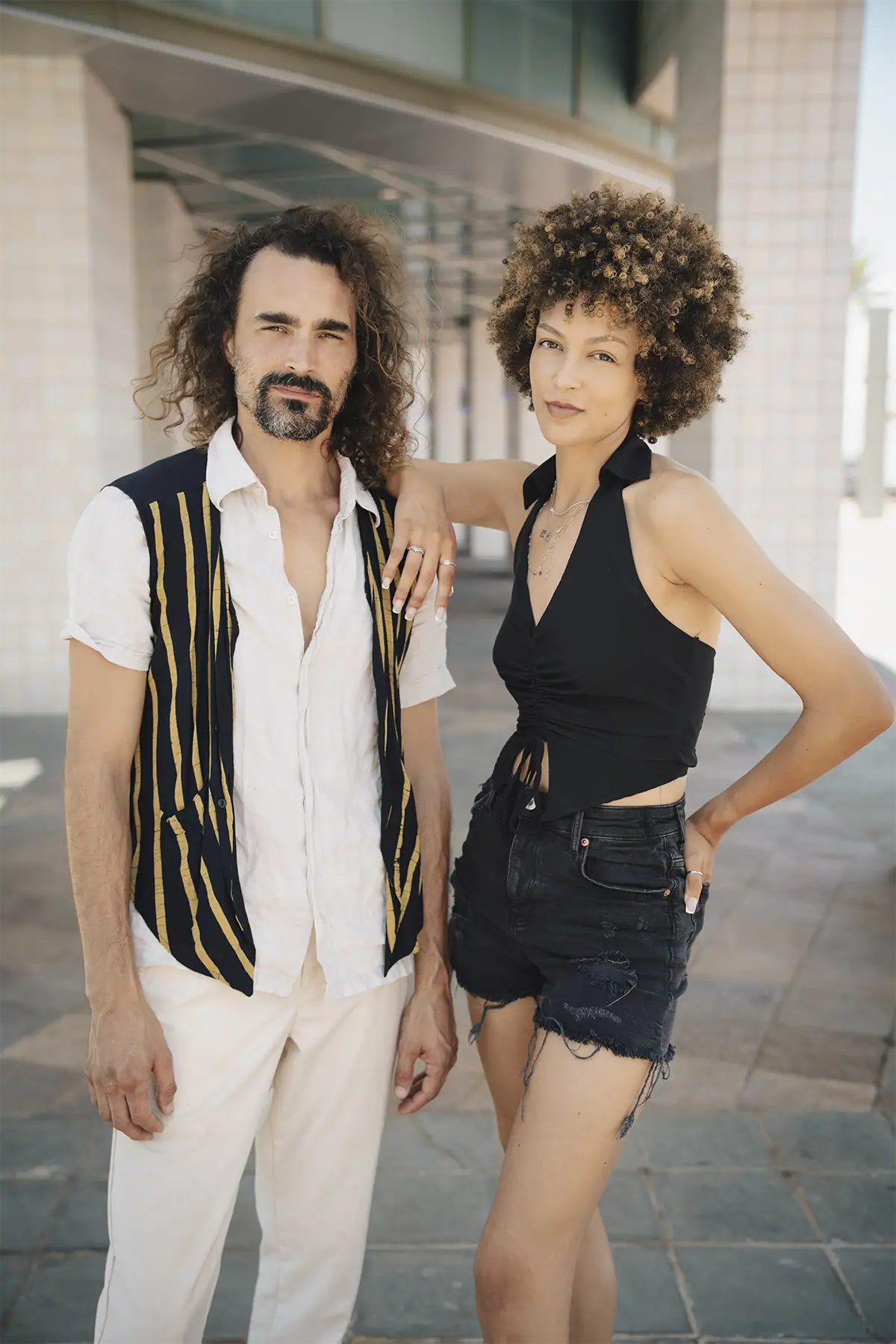
Candid portraits happen quickly, so your settings need to help you react fast.
Use a wide enough aperture for separation
An aperture around F2.8 to F4 often works well because it separates the subject from the background while still leaving enough room for slight movement and expression changes.
Keep shutter speed fast enough for movement
Aim for around 1/250 sec. or faster when photographing moving subjects, laughter, gestures, or walking portraits. Faster shutter speeds help preserve fleeting expressions.
Raise ISO when needed
In candid portrait photography, a sharp image with real emotion is usually better than a cleaner file with motion blur. Raise ISO when needed to maintain shutter speed.
Use continuous autofocus
Set your camera to AF-C or continuous autofocus so the camera can keep tracking movement as your subject shifts naturally.
Turn on Eye AF when available
Eye AF is especially useful in candid portrait photography because subjects often turn, move, or glance away unpredictably.
Autofocus Tips for Candid Portraits
To improve your keeper rate, these candid portrait photography techniques help you stay responsive without disrupting the moment:
- use continuous autofocus
- enable Eye AF when possible
- choose tracking modes that follow subject movement
- avoid recomposing too slowly
- pre-focus when you can predict where the moment will happen
The goal is to stay responsive without making the camera operation feel disruptive.
Best Tamron Lenses for Candid Portrait Photography
If you are still narrowing down focal lengths more broadly, our Portrait Photography Guide gives a wider overview of portrait types and lens choices. For candid-specific work, these Tamron lenses are especially useful.
Tamron 35-150mm F/2-2.8 Di III VXD (Model A058)
The Tamron 35-150mm F/2-2.8 Di III VXD is one of the most versatile choices for candid portrait photography because it covers wide environmental frames through tighter emotional portraits in one lens.
This makes it especially useful for:
- weddings
- family sessions
- senior portraits
- lifestyle shoots
- changing environments where you need to reframe quickly
Its bright aperture also helps in lower light and supports strong background separation.
Tamron 35-100mm F2.8 Di III VXD
The Tamron 35-100mm F2.8 Di III VXD is an excellent focal range for candid portrait photography because it spans some of the most useful portrait lengths without becoming bulky.
It works well when you want:
- 35mm for context
- 50mm for a natural perspective
- 85mm to 100mm for flattering compression
- a compact lens for longer portrait sessions
This is one of the strongest one-lens choices for natural expressions and unposed portrait work.
Tamron 70-180mm F/2.8 Di III VXD (Model A065)
The Tamron 70-180mm F/2.8 Di III VXD is especially effective when you want to stay more discreet and capture emotion from a respectful distance.
It is a strong fit for:
- ceremonies
- emotional reactions
- events
- moments where stepping back helps preserve authenticity
Tamron 50-300mm F/4.5-6.3 Di III VXD (Model A069)
The Tamron 50-300mm F/4.5-6.3 Di III VXD works well when you need extra reach in active environments, especially for documentary-style portrait moments where you do not want to interrupt the scene.
Tamron 25-200mm F2.8-5.6 Di III VXD G2 (Model A075)
The Tamron 25-200mm F2.8-5.6 Di III VXD G2 is a flexible all-in-one option for travel, family, and everyday lifestyle portrait work when the scene changes quickly and you need broad focal coverage.
Candid Portrait Photography for Seniors, Families, and Events
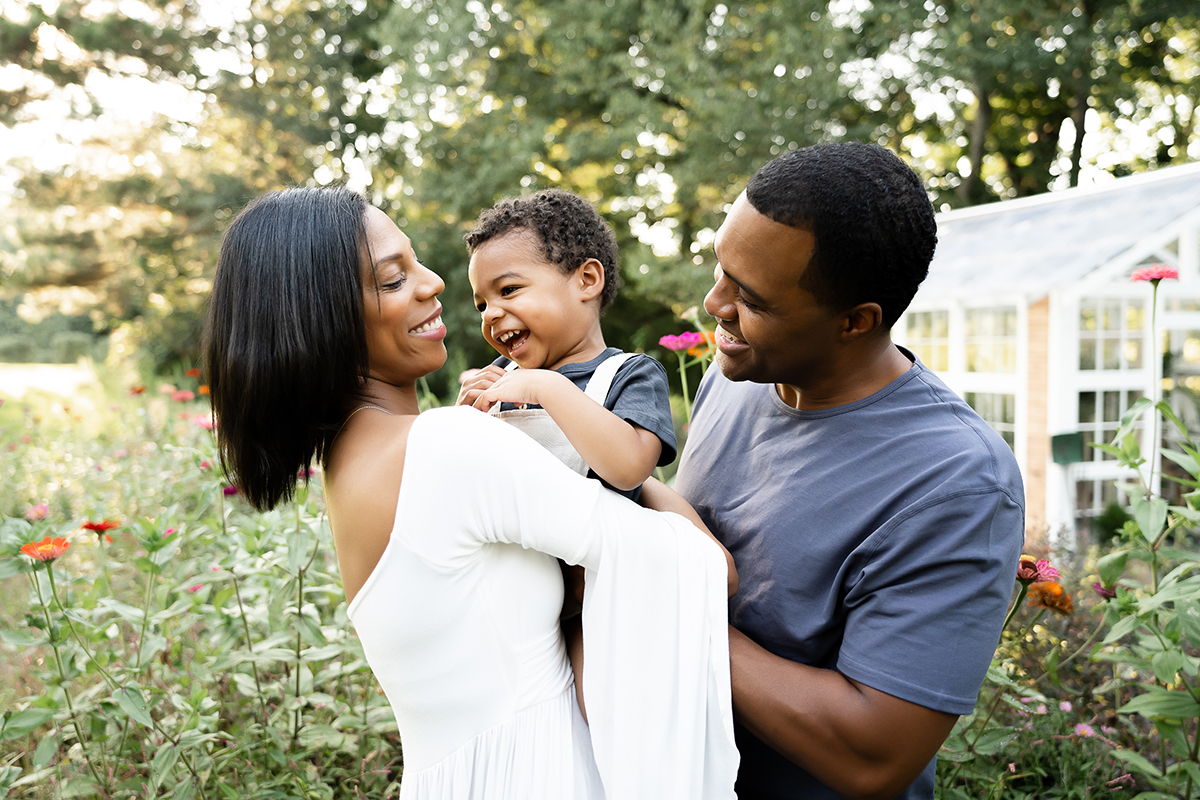
Candid portrait photography can overlap naturally with lifestyle and documentary work, but for this portrait spoke, the best use cases are the ones most directly tied to portrait sessions.
Senior portraits
Candid senior portraits often work best when you let the subject move naturally, walk, adjust clothing, laugh between poses, or look away from the camera. If you want more senior-specific ideas, see our guide to senior portrait photography tips.
Family portrait sessions
With families, candid portraits often come from interaction rather than direction. Encourage movement, conversation, and connection rather than asking everyone to stay still too long.
Weddings and events
During weddings and events, candid portrait photography works best when you stay alert to reactions, quiet exchanges, and moments between formal parts of the day.
How to Edit Candid Portraits Without Losing Authenticity
Editing should support the honesty of the moment rather than overpower it.
Focus on:
- refining exposure
- preserving natural skin tones
- keeping contrast believable
- cropping for stronger emotion
- removing distractions only when necessary
Avoid over-processing expressions or color in a way that makes the moment feel less real.
Final Thoughts on Candid Portrait Photography

Candid portrait photography works best when you combine timing, observation, and the right focal length with a portrait-focused eye for expression and connection. The goal is not simply to photograph people without posing them. The goal is to create portraits that feel alive, natural, and emotionally true.
Start by watching how your subjects interact, give them just enough direction to stay comfortable, and choose focal lengths that let you stay responsive without interrupting the scene. The more naturally you work, the more honest and expressive your candid portraits will become.
FAQs
What settings should I use for candid portrait photography?
Apertures around F2.8 to F4, shutter speeds around 1/250 sec. or faster, continuous autofocus, and Eye AF are strong starting points for candid portrait photography.
Is 35mm or 85mm better for candid portraits?
Both work well. 35mm is stronger for environmental candid portraits, while 85mm is stronger for flattering individual portraits and more discreet subject distance.
Can candid portraits still be directed?
Yes. Light direction and simple prompts can help create stronger candid portraits without making them feel posed.
What makes a candid portrait feel natural?
Natural expression, relaxed body language, believable timing, and minimal interruption all help a candid portrait feel more authentic.
What is candid portrait photography?
Candid portrait photography captures people naturally without obvious posing, focusing on real emotion, interaction, and authentic expression.
What lens is best for candid portraits?
A versatile zoom such as the Tamron 35-100mm F2.8 or 35-150mm F/2-2.8 is especially useful because it lets you shift between environmental and tighter portrait framing quickly.
What focal length is best for candid portrait photography?
Focal lengths from 35mm to 100mm are especially useful for candid portraits, while 85mm to 180mm works well when you want more distance and flattering compression.
How do you take natural-looking candid portraits?
Observe first, use continuous autofocus, keep direction minimal, and photograph people while they are moving or interacting naturally rather than holding a pose.
Is candid portrait photography better than posed portrait photography?
Neither is better in every situation. Candid portrait photography emphasizes authenticity, while posed portrait photography gives you more control. Many portrait sessions benefit from a mix of both.
Where to Buy Tamron Lenses
Learn more about Tamron lenses at an authorized Tamron dealer near you or shop directly at the official TAMRON Store.