 Instant Savings
 Rebate Claims
 Support
 Find a Dealer
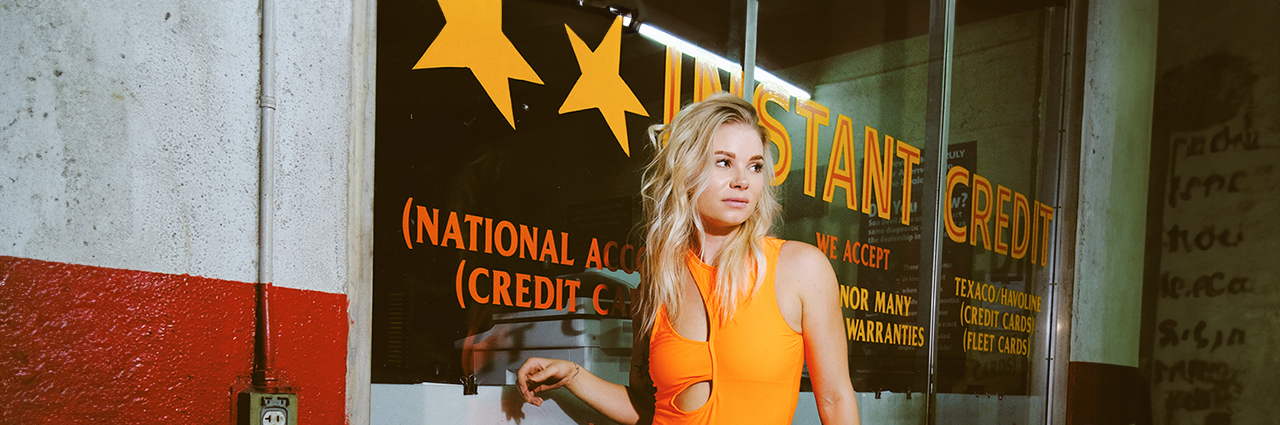
Lighting is not just about making a subject visible. It is one of the strongest creative tools in portrait photography because it shapes how the subject is perceived. Light can soften a face, sharpen structure, deepen emotion, or make a portrait feel more cinematic and expressive.
Portrait lighting techniques become especially powerful when your goal is not just a flattering image, but a portrait with presence. The way you use hard light, ambient balance, color, and direction can help reveal a subject’s personality, mood, and visual identity. This article builds on our broader Portrait Photography Guide and focuses specifically on how to use portrait lighting techniques to add character and mood
Tamron Ambassador Nader Abushhab shares his creative approach to portrait lighting, using Tamron lenses to bring out the essence of every subject.
In this guide, you’ll learn:
- How to use hard light to emphasize facial structure and detail
- How to balance ambient light for natural or dramatic effects
- How to color grade in-camera with gels and white balance
- How light temperature influences tone and mood
- How Tamron lenses support more expressive portrait work
Why Lighting Matters: Shaping Character in Portraits

When you want a portrait to feel memorable, lighting is often the deciding factor. It affects how facial features are rendered, where the viewer’s eye goes, how much texture is visible, and what emotional tone the portrait carries.
Many photographers first learn to use large soft light sources because they flatter subjects. That advice is useful, but it is only one approach. Character-rich portraiture often benefits from more deliberate choices. Sometimes soft light is right. Other times, harder light, stronger shadow, or more directional falloff helps the portrait feel more distinctive and more alive.
How to Use Light to Add Character and Mood in Portraits
Light becomes more expressive when you stop thinking of it as only a technical setting and start using it as part of the portrait’s story. The way you shape, soften, direct, or color light can change how a subject feels in the frame, whether the portrait reads as bold, quiet, intimate, or dramatic.
These portrait lighting techniques will help you use light more intentionally so it supports both the subject’s features and the mood you want the image to convey.
TIP 1: Use Hard Light to Sculpt Character and Detail
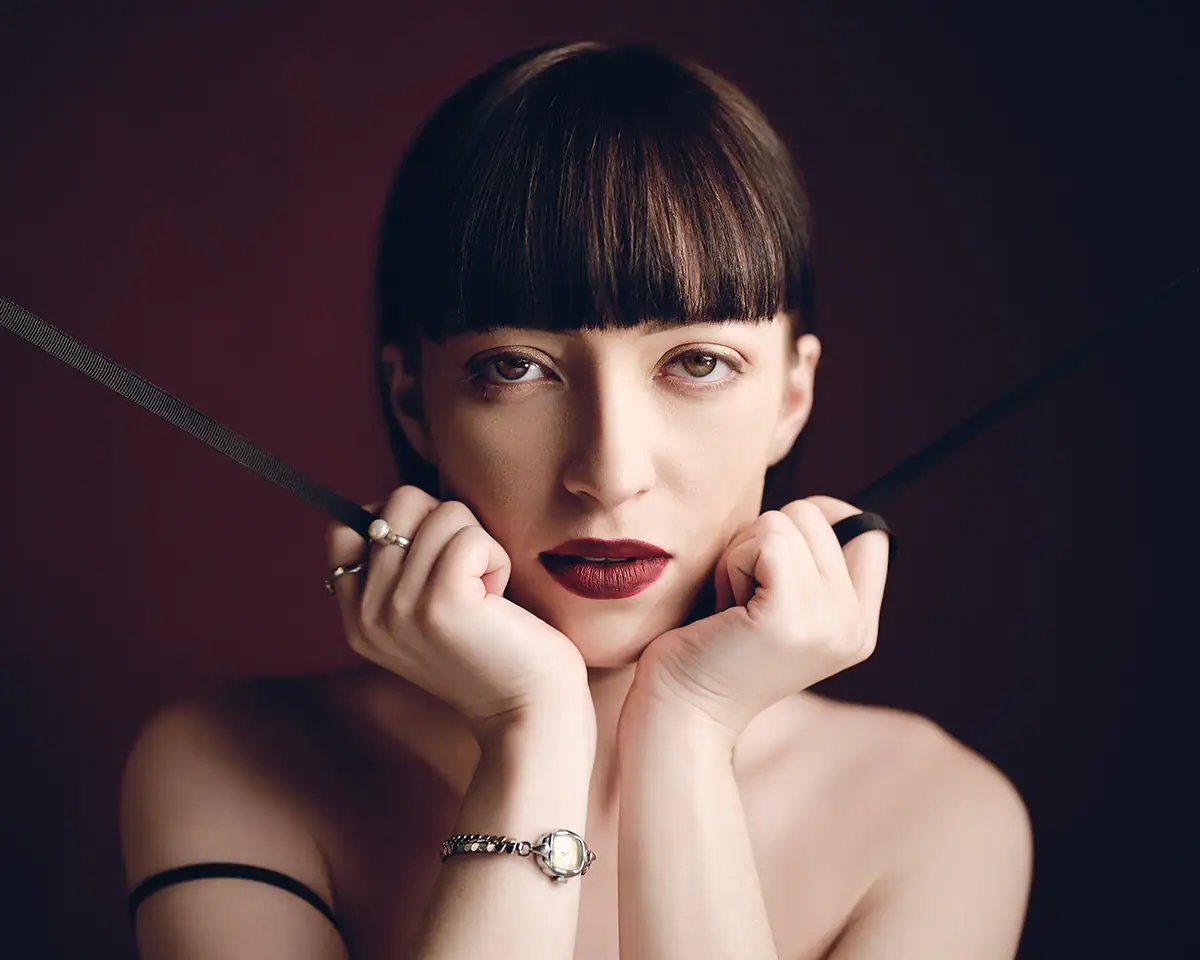
Hard light can be one of the most effective portrait lighting techniques when you want to bring out structure, texture, and stronger visual presence. Unlike broad soft light, hard light creates crisper shadow edges and more visible contrast across the face.
That makes it useful for:
- emphasizing cheekbones and jawlines
- revealing skin texture or styling detail
- creating editorial or fashion-forward portraits
- giving a portrait more tension or boldness
If you are new to using hard light, start simple. Use a bare strobe or smaller modifier and place it at an angle instead of directly in front of the subject. Then watch how the shadow placement changes the feel of the portrait.
Try this:
- place the light slightly off to one side
- move it higher or lower to change facial structure
- keep the background darker if you want the subject to stand out more strongly
Do not avoid hard light just because soft light is more common. Used intentionally, it can make a portrait feel more sculpted and more full of character.
TIP 2: Balance Ambient Light for Natural or Stylized Results
One of the most useful portrait lighting techniques is learning how to balance your added light with the light already present in the scene. Ambient light determines how the location feels. Your key light determines how the subject feels. The balance between the two decides whether the portrait looks realistic, dramatic, airy, or stylized.
A simple working method is:
- expose for the ambient light first
- decide how bright or dark you want the background
- then add your key light to shape the subject
This gives you more control over whether the environment feels:
- natural and believable
- moodier and more focused
- brighter and more open
- darker and more dramatic
A neutral balance preserves the realism of the space. Underexposing ambient light increases drama and makes the subject stand out. Overexposing ambient light can create a lighter, more ethereal look.
TIP 3: Use Color Temperature to Influence Mood
Color temperature has a major effect on how a portrait feels, even when the lighting setup itself is simple. Warmer tones tend to feel more inviting, nostalgic, or intimate. Cooler tones can feel more restrained, modern, or emotionally distant.
Warm lighting often works well when you want:
- softness
- closeness
- comfort
- glow
Cooler lighting often works well when you want:
- restraint
- tension
- mood
- a more cinematic edge
The key is not to make everything obviously warm or cool. It is to make the temperature choice support the subject and the story.
TIP 4: Color Grade In-Camera for Mood and Expression

You do not always need to wait until post-processing to shape the color mood of a portrait. Gels and white balance choices can help you build that visual tone in-camera.
Option A: Use gels
Adding a colored gel to a background or fill light can introduce atmosphere without overpowering the subject. This works especially well when the subject remains primarily neutral and the color lives more in the surrounding light or shadow areas.
Option B: Use white balance creatively
If your camera is set for flash or daylight balance, the surrounding ambient light can shift warmer or cooler on its own.
For example:
- tungsten or candlelight can go warm and golden
- shade or blue hour can shift cooler and moodier
- mixed light can create visual tension if handled carefully
The goal is not just to create color. It is to create color that supports expression and character.
How Light Quality Changes Character
Light quality influences how the subject feels in the final portrait.
Soft light
Soft light usually creates:
- smoother transitions
- gentler rendering
- lower contrast
- a more intimate or reflective feel
Hard light
Hard light usually creates:
- stronger structure
- sharper shadows
- more visible detail
- more visual edge and intensity
Neither is always better. The strongest portrait lighting techniques match the quality of light to the subject’s features, styling, and mood.
How Light Direction Changes the Portrait

Direction matters just as much as quality. Even with the same light source, moving it changes the personality of the image.
- Front lighting: Front lighting reduces visible shadow and tends to feel cleaner, flatter, and more open.
- Side lighting: Side lighting adds contour and depth, which is why it often works so well for portraits with more character.
- Short lighting: Short lighting keeps more of the face in shadow from the camera’s perspective. It can make a subject look more sculpted and moodier.
- Broad lighting: Broad lighting usually feels more open and less dramatic, which can still be useful, but it is often less effective when your goal is stronger character.
Match the Lighting Style to the Subject
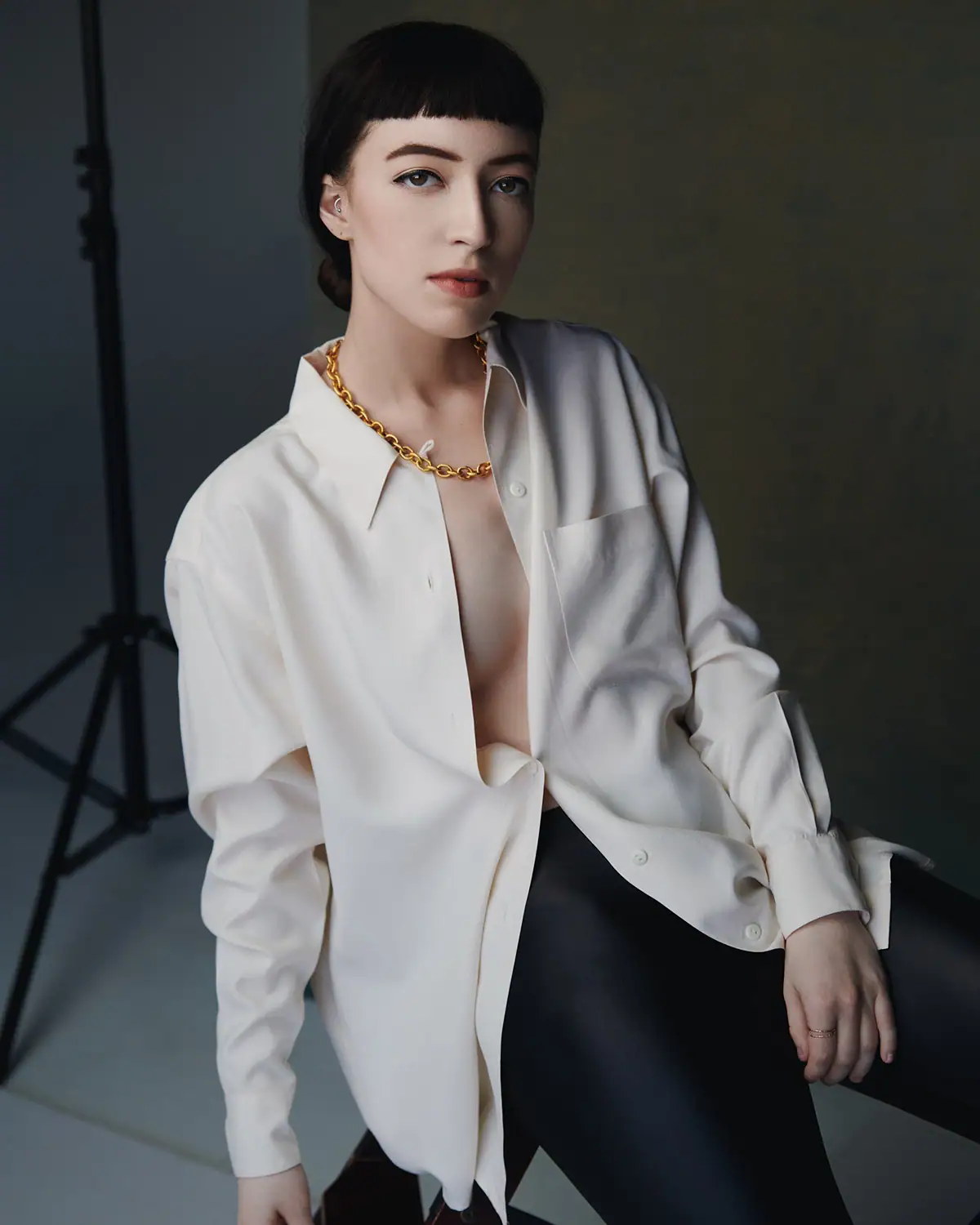
One of the best ways to make portrait lighting techniques feel purposeful is to choose the light style based on the subject, not just the setup.
Use harder light when:
- the subject has strong features
- texture or styling adds to the portrait
- you want more visual strength or tension
Use softer light when:
- the portrait should feel intimate
- the mood is quieter or gentler
- subtle expression matters more than graphic shadow
Use warmer tones when:
- the portrait should feel inviting or nostalgic
Use cooler tones when:
- you want a more distant, modern, or cinematic feel
When light matches the person, the portrait feels more intentional.
Enhancing Character With Tamron Lenses
Lighting and lens choice work together. A good portrait lens helps support the perspective, compression, and detail that your lighting is creating.
Tamron 35-150mm F/2-2.8 Di III VXD
This lens is especially useful when you want to move from environmental framing to tighter expressive portraits without changing lenses. It works well for creative portrait sessions where you want both flexibility and strong subject separation.
Tamron 90mm F/2.8 Di III VXD Macro
A 90mm perspective is ideal when you want flattering compression, refined facial rendering, and the option to emphasize detail. It works especially well for expressive portraits where small details matter.
Tamron 70-180mm F/2.8 Di III VC VXD G2
This focal range is useful when you want stronger compression, clean subject isolation, and a more polished portrait feel. It can be especially effective when lighting and background control are both important.
If you want more setup-specific ideas using hard light, modifiers, gels, and controlled dramatic effects, see our guide to Dramatic Portrait Lighting Techniques for Bold, Creative Photos.
Common Mistakes to Avoid
When using portrait lighting techniques for character, a few mistakes show up often:
- using hard light without considering facial angle
- flattening the portrait with light that is too broad
- adding gels with no emotional purpose
- letting ambient and key light conflict
- choosing dramatic lighting that overwhelms the subject instead of supporting them
The strongest portraits do not just look stylized. They look intentional.
People Also Ask
What is the best lighting for portraits with character?
The best lighting depends on the subject and mood, but hard directional light often works well when you want to emphasize facial structure, texture, and stronger emotional presence.
Is hard light good for portrait photography?
Yes. Hard light can be excellent for portrait photography when used intentionally. It creates crisp shadows, stronger contrast, and more sculpted facial rendering.
How do you make portraits feel more expressive?
Use lighting direction, contrast, and color temperature to support the subject’s personality and mood. Expression, styling, and lens choice also contribute.
Should portrait lighting always be soft?
No. Soft light is flattering, but harder light can reveal more character, structure, and visual tension.
Do gels work in portrait photography?
Yes. Gels can add mood and visual separation, especially when used subtly on background or fill light while keeping the main subject more neutral.
Final Thoughts on Portrait Lighting Techniques That Add Character and Mood

Portrait lighting techniques for character are about making intentional choices that support the subject’s presence, not just their appearance. Hard light, ambient balance, color temperature, and directional control all help shape how a portrait feels and what it communicates.
If you want portraits to feel more expressive, do not think only in terms of flattering light. Think in terms of what the subject’s features, mood, styling, and environment are asking the light to do. When lighting supports those elements well, the portrait becomes more than well lit. It becomes memorable.
Where to Buy Tamron Lenses
Learn more about Tamron lenses at an authorized Tamron dealer near you or shop directly at the official TAMRON Store.
FAQs
Can hard light make portraits look better?
Yes. Hard light can create more visual structure, texture, and intensity when it fits the subject and concept.
What is the easiest way to color grade in-camera?
Using gels or setting white balance intentionally around the scene’s ambient light are two of the simplest ways to shape color in-camera.
Is ambient light important if I use flash?
Yes. Ambient light determines how the environment looks and strongly affects whether the final portrait feels natural or stylized.
Which Tamron lens is best for expressive portraits?
It depends on the framing you want, but the 35-150mm F/2-2.8 and 90mm F/2.8 are especially strong options for expressive portrait work.
 English
  Spanish
  French
  Portuguese