 Instant Savings
 Rebate Claims
 Support
 Find a Dealer
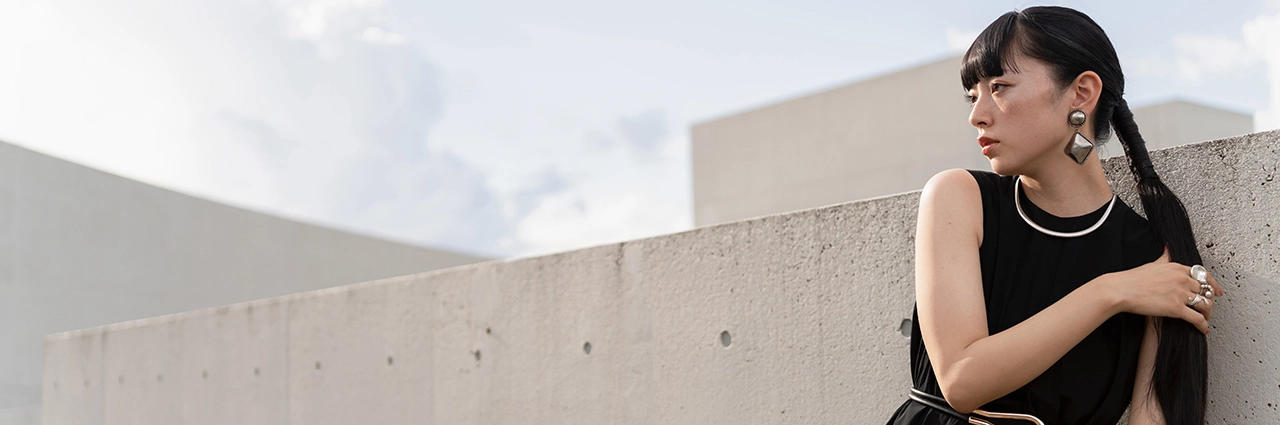
Choosing the best wide aperture lens for portrait photography can completely change how your images look and feel. The right lens helps you separate your subject from the background, work in lower light, and create portraits with more depth, softness, and control.
A wide aperture lens lets in more light and gives you more flexibility over depth of field. That makes it easier to create background blur, emphasize facial features, and guide the viewer’s eye exactly where you want it. Whether you are shooting headshots, environmental portraits, candid moments, or creative close-ups, lens choice has a direct impact on the final image. This article builds on our broader portrait photography guide (coming soon) and focuses specifically on how to choose the right portrait lens for your style.
In this guide, you’ll learn:
- Why wide apertures matter in portrait photography
- How aperture affects background blur and subject isolation
- Which focal lengths work best for different portrait styles
- Whether a zoom or prime lens makes more sense for your needs
- Which Tamron lenses are strong choices for portrait photographers
Why Wide Aperture Matters in Portrait Photography
Aperture refers to the opening in the lens that controls how much light enters the camera. It is measured in f-stops, and lower f-stop numbers indicate a wider aperture. In portrait photography, wide apertures are often used to create a shallower depth of field, which keeps the subject sharp while softening the background. That combination helps direct attention to expression, eyes, and detail.
A wide aperture can help portrait photographers:
- create stronger subject separation
- reduce background distractions
- work in low-light settings
- achieve a softer, more dimensional look
- maintain faster shutter speeds indoors or at golden hour
For example, if you are photographing a single subject and want the background to fade away, a lens with a wide maximum aperture gives you more creative control. If you want to include more of the environment in focus, you can always stop down. That flexibility is what makes a wide aperture lens so valuable for portrait work.
How Aperture Affects Subject Isolation and Background Blur
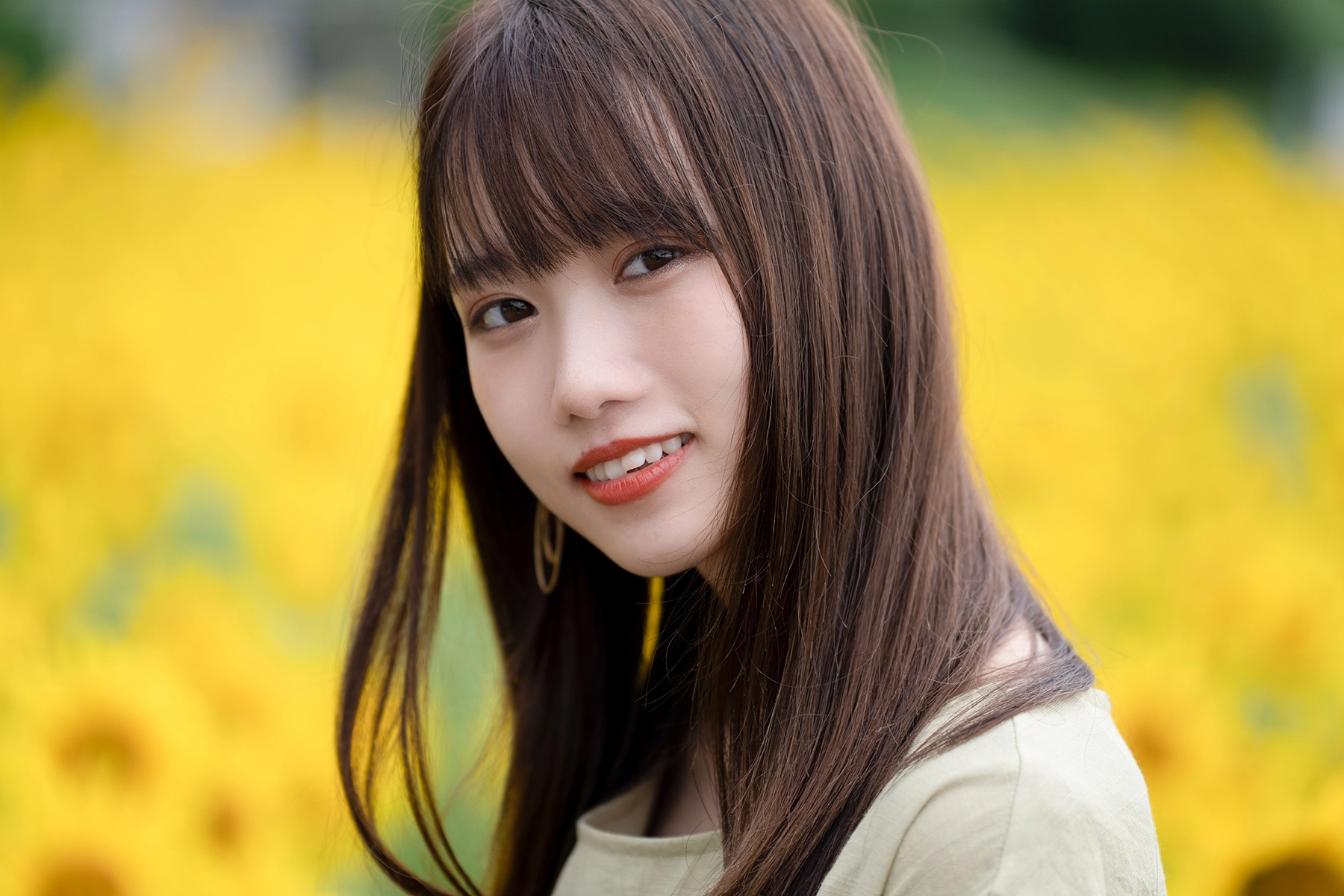
One of the biggest reasons photographers use a wide aperture lens for portraits is subject isolation. With a shallow depth of field, your subject stays crisp while the background becomes softer and less distracting. This effect can make portraits feel cleaner, more intentional, and more polished.
Wide apertures are especially effective for:
- headshots
- half-body portraits
- beauty portraits
- candid portraits
- close-up detail work
That said, not every portrait needs the blurriest possible background. Environmental portraits often benefit from a slightly narrower aperture so the setting still contributes to the story. If that is your style, see our guide to environmental portraits.
Best Aperture Settings for Different Portrait Styles
The best aperture for portrait photography depends on your subject, portrait style, and how much of the scene you want in focus. These starting points can help:
|
Portrait style |
Recommended aperture range |
Why it works |
|
Classic headshots |
F2 to F2.8 |
Creates strong background blur and helps isolate the face and eyes. |
|
Environmental portraits |
F2.8 to F5.6 |
Keeps the subject prominent while allowing more of the surroundings to stay recognizable. |
|
Group portraits |
F4 to F8 |
Increases depth of field so multiple faces stay sharp. |
|
Detail-oriented portraits |
F2.8 to F4 |
Balances subject separation with enough depth of field to hold important facial or styling details in focus. |
These are starting points, not fixed rules. Your ideal aperture will also depend on focal length, subject distance, and how much background detail you want to keep visible.
Zoom vs. Prime Lenses for Portrait Photography
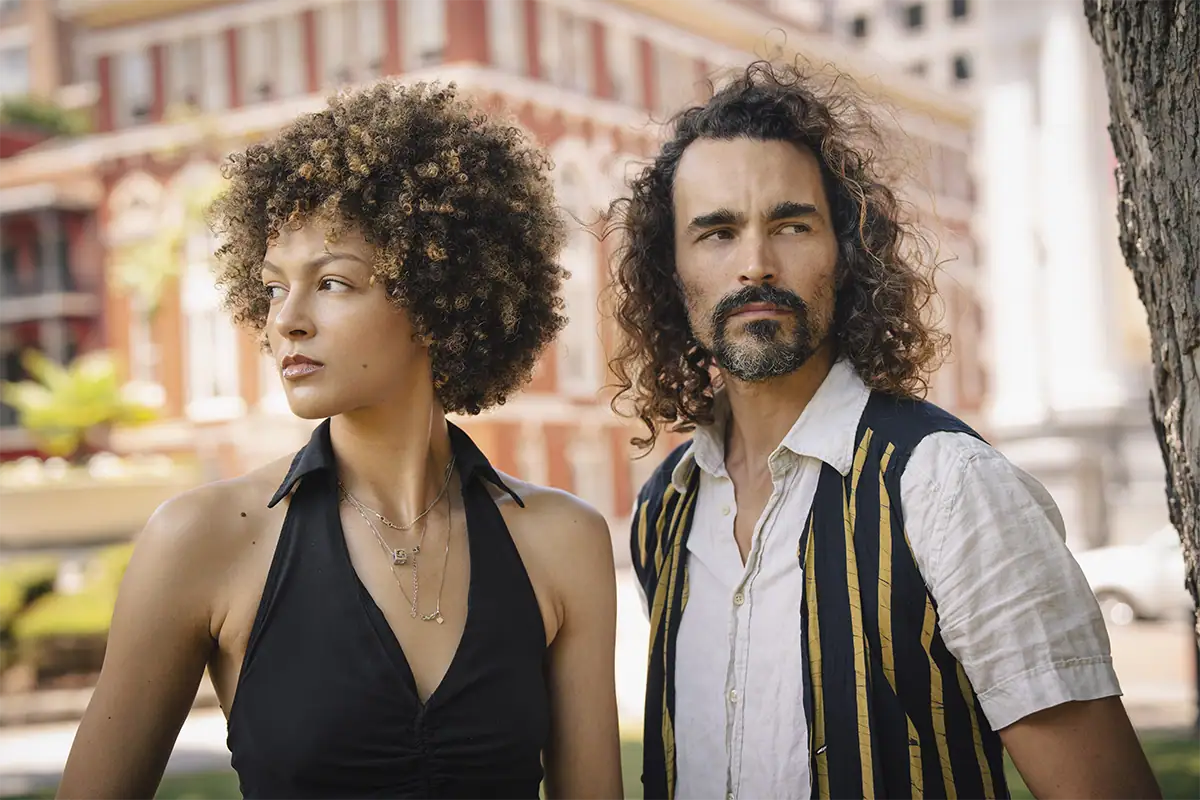
Many photographers ask whether a prime or zoom lens is better for portraits. The answer depends on how you shoot.
Prime lenses are often chosen for simplicity, consistency, and a fixed focal length. Zoom lenses offer more flexibility and are often the more practical choice for portrait photographers who shoot different compositions, locations, or session types.
A zoom lens can make more sense if you:
- move between headshots and full-body portraits often
- shoot in tight spaces
- photograph families, seniors, or events
- want one lens to cover multiple portrait looks
- need to work quickly without changing lenses
That flexibility is one of the main strengths of modern portrait zooms.
What Focal Length Is Best for Portrait Photography?
There is no single perfect focal length for every portrait. The right choice depends on the subject, the look you want, and how much of the environment you want to include.
- 35mm to 50mm: This range is useful for environmental portraits, storytelling portraits, and full-body images. It lets you include context while still keeping the subject prominent.
- 70mm to 105mm: This is a strong range for classic portraits and flattering facial rendering. It works well for head-and-shoulders compositions and is often a favorite for portrait sessions.
- 135mm to 180mm: Longer focal lengths create more compression and stronger background separation. They are especially useful for tight headshots, candid portraits, and event coverage.
If you want one lens that can move across several of these portrait looks, a fast zoom can be the most efficient option.
Best Tamron Wide Aperture Lenses for Portrait Photography
Tamron 35-150mm F/2-2.8 Di III VXD (Model A058)

For photographers who want the most versatility in a single portrait lens, the Tamron 35-150mm F/2-2.8 Di III VXD is the strongest all-in-one choice in this lineup.
This lens covers a highly useful portrait range, from wider environmental compositions at 35mm to flattering tight headshots at 150mm. It allows you to shoot full-body portraits, half-body frames, close headshots, and compressed candid moments without switching lenses. The fast maximum aperture also helps with low-light work and background blur. The current article rightly positions it as a strong option for portrait photographers who want broad focal length coverage in one lens.
Best for:
-
- photographers who want one portrait lens
- environmental portraits and headshots in the same session
- event portrait work
- portrait shooters who value speed and flexibility
Tamron 35-100mm F2.8 Di III VXD (Model A078)

The Tamron 35-100mm F2.8 Di III VXD is a strong choice for portrait photographers who want a more compact fast zoom that still covers some of the most useful portrait focal lengths. With 35mm at the wide end for environmental portraits and 100mm at the long end for tighter framing, it offers a practical range for photographers who want flexibility without moving into a larger telephoto zoom. Its constant F2.8 aperture also makes it well suited to portrait sessions where subject separation and low-light performance both matter.
Best for:
- photographers who want a compact F2.8 portrait zoom
- environmental portraits through classic portrait framing
- everyday portrait sessions
- photographers who want portability with useful portrait coverage
Tamron 70-180mm F/2.8 Di III VC VXD G2 (Model A065)
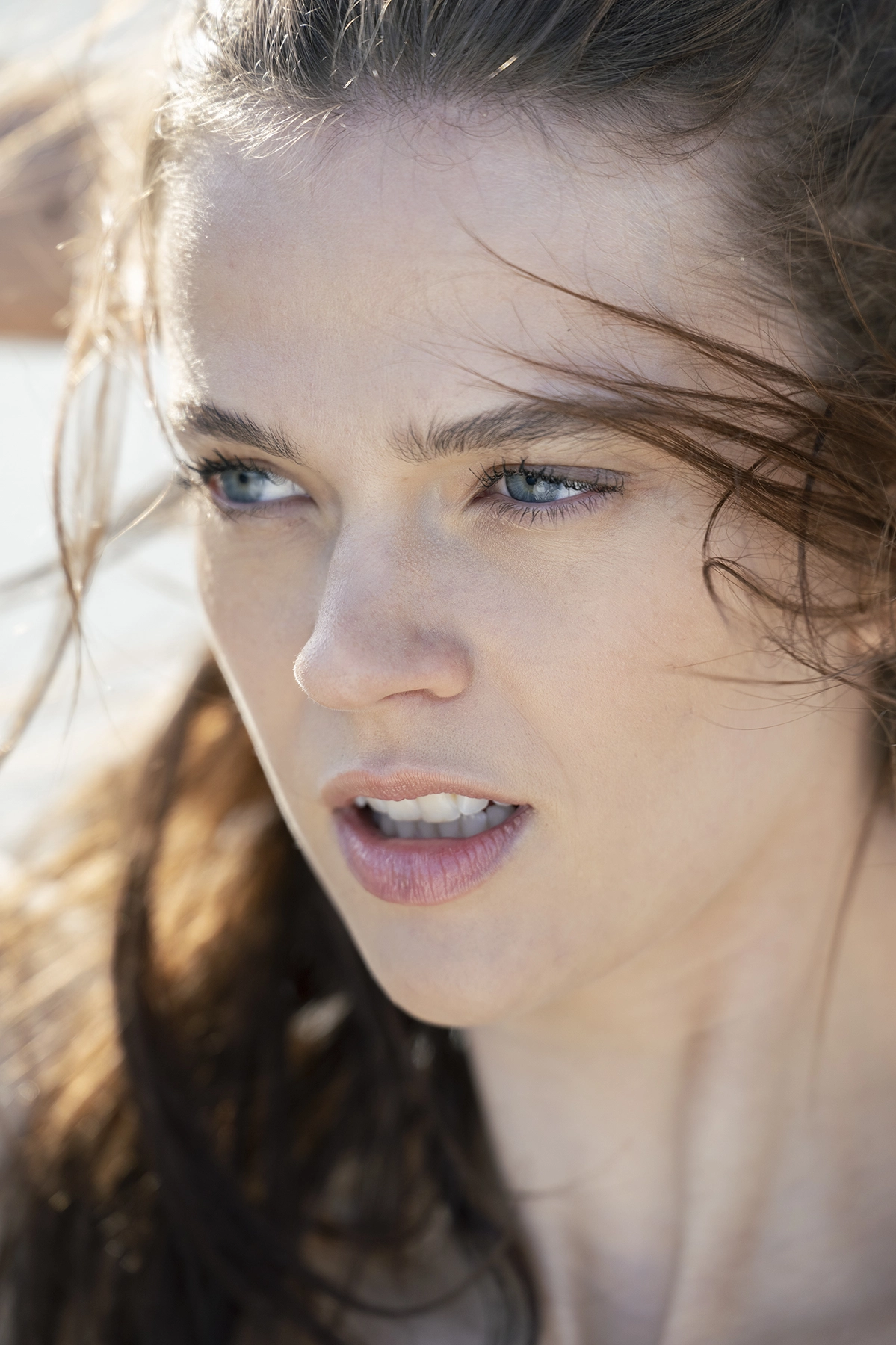
- Best for: Tight headshots, candid portraits, and event photography.
- Why It’s Great: This lens is one of the best telephoto lenses for shooting portraits. It offers a wide focal range, making it perfect for capturing everything from environmental portraits to intimate close-ups. With a constant f/2.8 aperture, it delivers beautiful background blur (bokeh) and performs well in low-light conditions. The lens is also compact and lightweight compared to similar 70-200mm options, making it easier to handle during long shoots.
Tamron 28-75mm F/2.8 Di III VXD G2 (Model A063)

The Tamron 28-75mm F/2.8 Di III VXD G2 is a practical everyday choice for portrait photographers who want a compact standard zoom that still delivers strong subject isolation and flexibility.
This lens works well for lifestyle portraits, environmental portraits, tighter compositions, and mixed-use sessions where you may also be capturing details or wider scenes. The current copy correctly presents it as a versatile all-purpose portrait zoom with fast autofocus and a useful focal range.
Best for:
- photographers who want one everyday portrait zoom
- environmental and lifestyle portrait sessions
- indoor and outdoor portrait work
- content creators who shoot both portraits and general photography
Tamron 90mm F/2.8 Di III VXD (Model F072)

For photographers who want detail, sharpness, and a more specialized portrait look, the Tamron 90mm F/2.8 Di III VXD Macro is an excellent option.
Although it is known as a macro lens, it is also highly effective for portraits. A 90mm focal length is well suited to headshots and beauty work, and the lens is especially useful when you want to highlight fine detail such as eyes, texture, makeup, jewelry, or styling.
Best for:
- beauty portraits
- creative close-up portraits
- editorial detail work
- photographers who want both portrait and macro versatility
How to Choose the Right Portrait Lens for Your Style
The best wide aperture lens for portrait photography depends on how you work and what you shoot most often.
- Choose the 35-150mm F/2-2.8 if you want one lens that can handle nearly every portrait setup from wide to tight.
- Use the 35-100mm F2.8 if you want a more compact zoom that still covers key portrait focal lengths from environmental portraits to tighter head-and-shoulders compositions.
- Select the 70-180mm F/2.8 G2 if you shoot headshots, events, or candid portraits and want flattering compression.
- Choose the 28-75mm F/2.8 G2 if you want an everyday zoom that balances portrait work with general-purpose shooting.
- Use the 90mm F/2.8 Macro if you focus on beauty, detail-rich portraits, or creative close-ups.
If you are still narrowing your options, our full portrait photography guide (coming soon) can help you compare portrait types, lighting approaches, and lens choices in a broader way.
Focusing Tips When Shooting at Wide Apertures

Wide apertures create a shallow depth of field, which means focus becomes more critical. Even a small shift can move the sharpest point away from the eyes.
To improve accuracy:
- focus on the eye closest to the camera
- use single-point autofocus for controlled portraits
- consider manual focus for detail-oriented close-ups
- keep shutter speed high enough to avoid motion blur
- use a tripod when working at longer focal lengths or in lower light
The current draft’s focus section is useful and worth keeping in revised form, especially the emphasis on careful focus placement, manual focus when needed, and tripod support for stability.
Low-Light Portrait Photography and Wide Aperture Lenses
A wide aperture lens also helps when light levels drop. Because the lens allows more light to reach the sensor, you can often maintain a lower ISO or a faster shutter speed than you could with a slower lens. The current article already highlights this low-light advantage clearly.
This matters in portrait photography when you are shooting:
- indoors with window light
- in the early morning
- near sunset
- at events
- in available light rather than with strobes
People Also Ask
What is the best aperture for portrait photography?
A wide aperture is often preferred for portraits because it helps separate the subject from the background. The best setting depends on the style of portrait, how much of the scene you want in focus, and whether you are photographing one person or a group.
What focal length is best for portraits?
Portrait photographers often use focal lengths from around 70mm to 135mm for flattering subject rendering, but wider focal lengths can also work well for environmental portraits and storytelling compositions.
Is a zoom lens or prime lens better for portrait photography?
Both can work well. A prime lens offers simplicity and a fixed perspective, while a zoom lens gives more flexibility during portrait sessions, especially when you want to switch quickly between full-body portraits, headshots, and candid frames.
Do I need F2.8 for portrait photography?
You do not always need F2.8, but a lens with a wide maximum aperture gives you more creative control over subject isolation, low-light performance, and background blur.
Is the 35-150mm a good lens for portraits?
Yes. A lens that covers 35mm through 150mm gives portrait photographers the flexibility to shoot environmental portraits, classic portraits, and tight headshots in one session without changing lenses.
Final Thoughts on Choosing the Best Wide Aperture Lens for Portrait Photography
The best portrait lens is the one that supports your shooting style, gives you the focal length range you need, and lets you create the depth, blur, and subject emphasis you want. A wide aperture lens gives portrait photographers more control over both light and background separation, which is why it remains one of the most important considerations when choosing portrait gear.
If you want the most flexible single-lens solution, the Tamron 35-150mm F/2-2.8 Di III VXD stands out. If you want a more compact zoom that still covers key portrait focal lengths, the Tamron 35-100mm F2.8 Di III VXD is a strong choice. If you prefer stronger compression for headshots and candid portraits, the Tamron 70-180mm F/2.8 Di III VC VXD G2 is a strong fit. If you want a compact all-purpose option, the Tamron 28-75mm F/2.8 Di III VXD G2 is an easy choice. And if your work leans toward beauty, creative close-ups, or detail-rich portraiture, the Tamron 90mm F/2.8 Di III VXD Macro brings a different kind of precision.
No single portrait lens is right for every photographer, but the right choice becomes much clearer once you know how you like to shoot. Start with your most common portrait style, then choose the focal length range and maximum aperture that give you the framing, background separation, and flexibility you need to work with confidence.
Where to Buy Tamron Lenses
Learn more about the best lens for portrait photography at an authorized Tamron dealer near you or shop directly at the official TAMRON Store.
FAQs
Which Tamron lens is best for portrait photography overall?
For overall versatility, the Tamron 35-150mm F/2-2.8 Di III VXD is the strongest all-in-one portrait option in this group because it covers wide, normal, and telephoto portrait compositions in one lens. This recommendation is consistent with the original article’s positioning of that lens as a do-it-all portrait zoom.
Is the Tamron 70-180mm F2.8 G2 good for headshots?
Yes. It is especially well suited to headshots, candid portraits, and event work because the telephoto range gives flattering compression and strong subject-background separation.
Is the Tamron 35-100mm F2.8 a good lens for portrait photography?
Yes. The Tamron 35-100mm F2.8 Di III VXD is a strong option for portrait photographers who want a compact zoom that still covers key portrait focal lengths. It works well for environmental portraits, classic portrait framing, and everyday sessions where portability and flexibility both matter.
Can I use the Tamron 28-75mm F2.8 G2 for portraits?
Yes. It is a strong option for photographers who want one compact lens for portraits and general photography, especially for environmental portraits and flexible everyday use.
Is the Tamron 90mm Macro a good portrait lens?
Yes. Even though it is a macro lens, the 90mm focal length and F2.8 aperture make it a strong choice for beauty portraits, artistic close-ups, and detail-focused portrait work.
 English
  Spanish
  French
  Portuguese