 Instant Savings
 Rebate Claims
 Support
 Find a Dealer
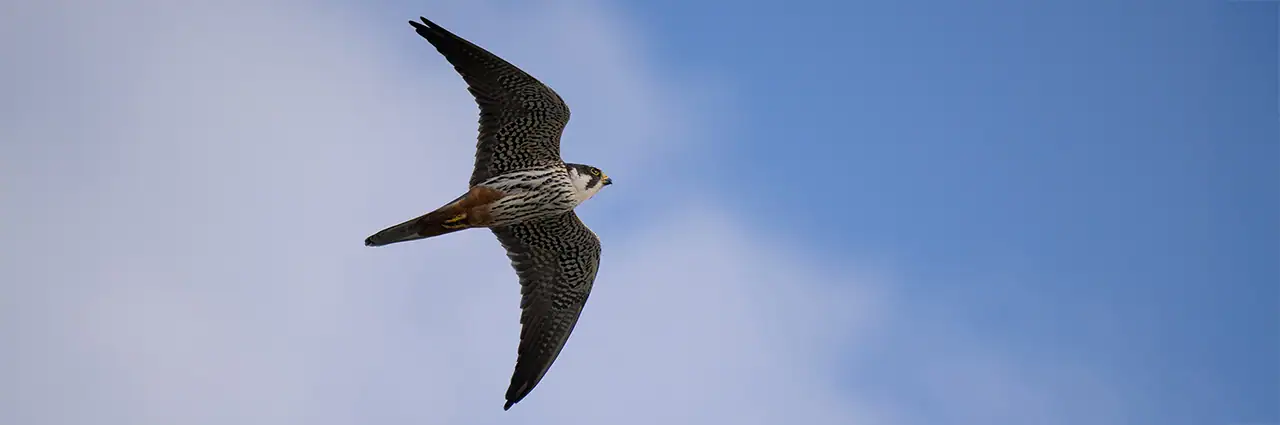
Bird photography is one of the most rewarding yet challenging types of wildlife photography. Whether you’re capturing fast-moving birds in flight or still subjects perched on branches, success depends on using the right bird photography tips, camera settings, and techniques.
For a complete overview of gear and focal lengths, see our guide to the best lens for wildlife photography.
Quick Answer: Best Bird Photography Settings
The best bird photography settings include:
- Shutter speed: 1/1000s or faster (1/2000s+ for birds in flight)
- Aperture: F5.6–F8 for sharpness and background blur
- Autofocus: Continuous AF (AF-C / AI Servo)
- Drive mode: Burst shooting for action
These settings help ensure sharp, well-exposed images whether photographing perched birds or tracking birds in flight.
Essential Bird Photography Tips for Success
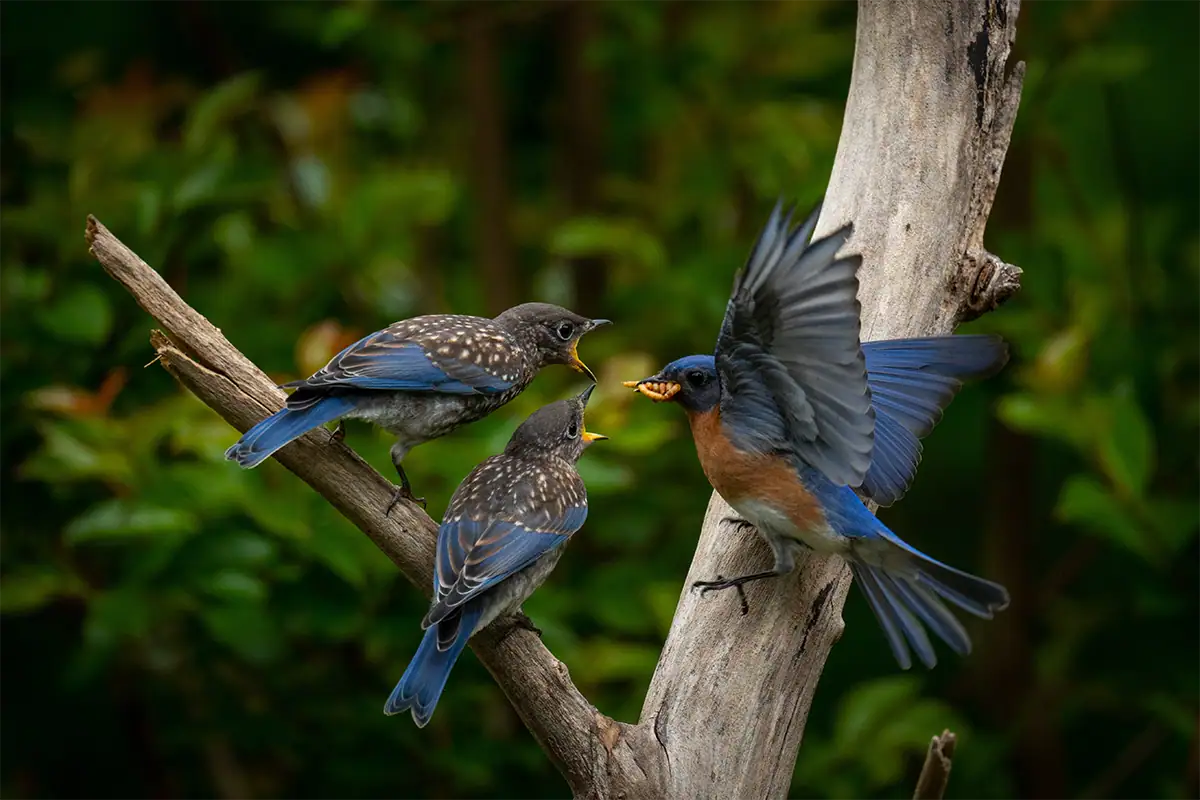
Before adjusting camera settings, strong fundamentals will dramatically improve your results.
- Understand bird behavior: Learning how birds move, feed, and take off helps you anticipate key moments.
- Use natural light effectively: Early morning and late afternoon provide softer light and more active wildlife.
- Choose clean backgrounds: A distant or uncluttered background helps your subject stand out.
- Position yourself at eye level: This creates more engaging and natural-looking images.
Best Camera Settings for Bird Photography (Quick Guide)
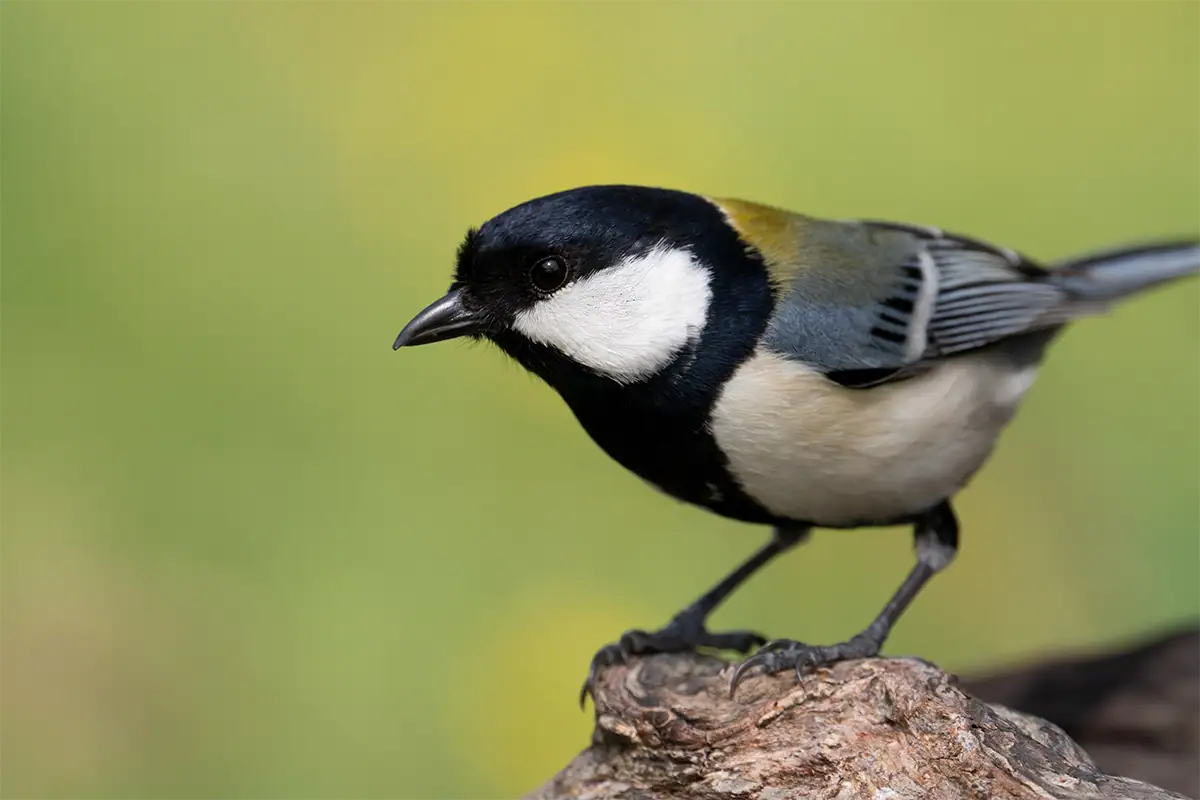
Getting the right camera settings for bird photography is essential for consistent results.
For a deeper breakdown of wildlife settings, see wildlife photography settings and tips.
- Shutter speed for bird photography: Fast shutter speeds prevent motion blur, especially for moving subjects.
- Aperture: Use F5.6-F8 for a balance of sharpness and background separation.
- ISO: Adjust ISO to maintain proper exposure while keeping shutter speeds fast.
These are widely considered the best camera settings for bird photography.
Bird Photography Settings for Birds in Flight
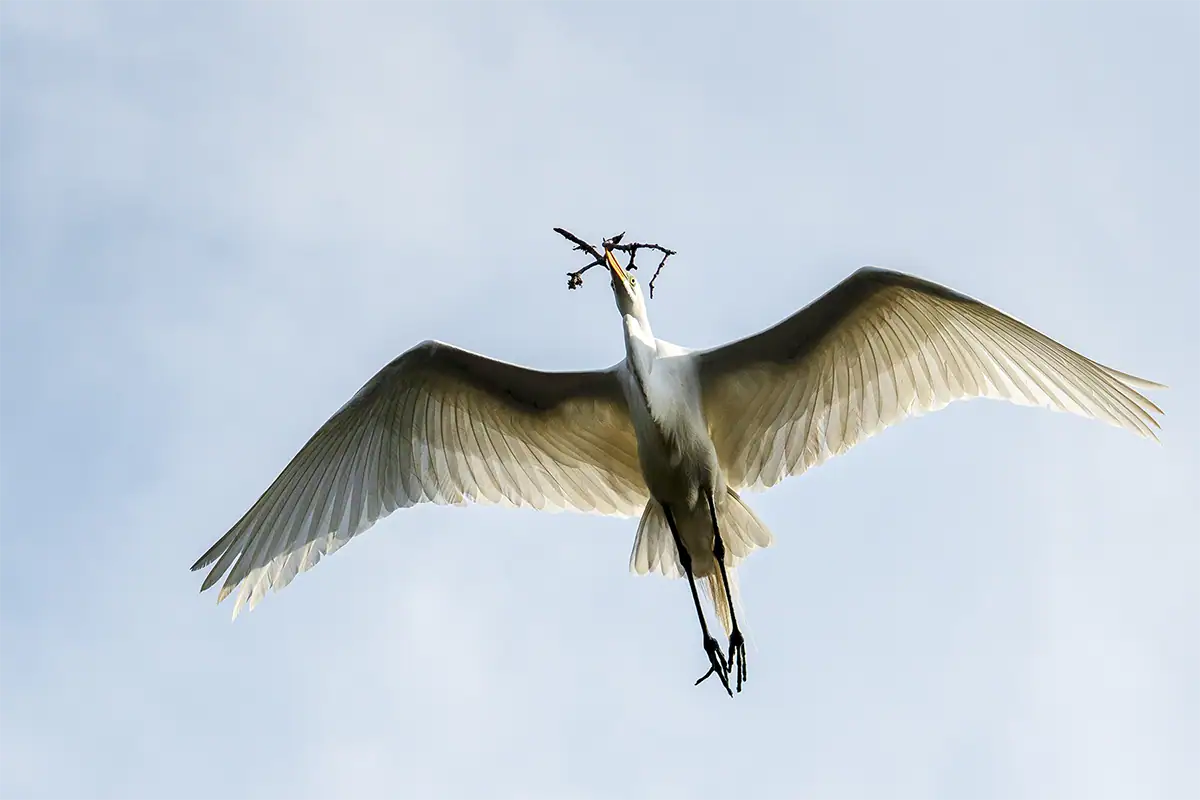
Photographing birds in motion requires speed, accuracy, and proper technique.
- Use fast shutter speeds: Start at 1/2000s or faster to freeze wing movement.
- Continuous autofocus (AF-C / AI Servo): Allows your camera to track moving subjects in real time.
- Burst shooting: Captures multiple frames to improve timing and selection.
When tracking birds in flight, follow these tips:
- Follow the bird smoothly
- Keep focus on the head or upper body
- Anticipate direction and movement
Autofocus Settings for Birds
- Use zone or subject tracking autofocus
- Enable eye detection when available
- Adjust tracking sensitivity for erratic movement
These settings are critical for improving bird in flight photography tips and accuracy.
Tips for Photographing Perched Birds
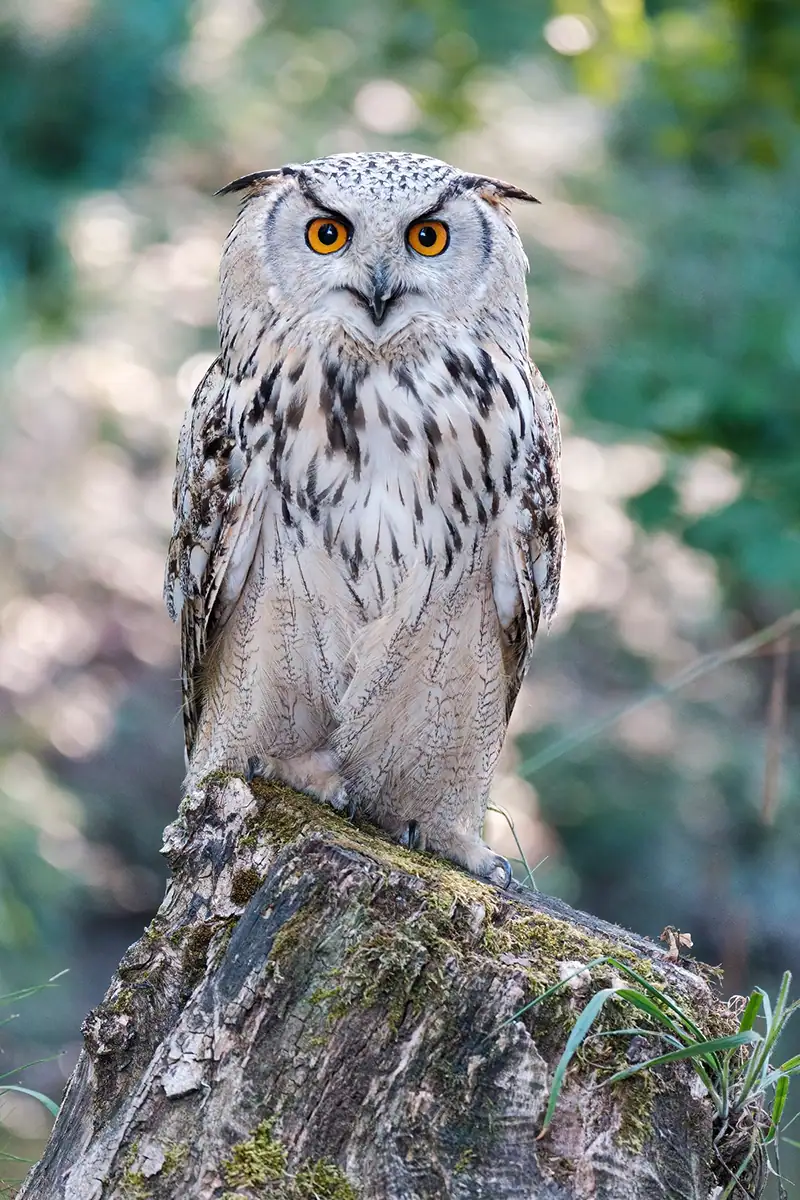
Perched birds allow for more controlled and creative compositions.
If you’re just getting started, read our bird photography for beginners.
- Use moderate shutter speeds: Around 1/500s–1/1000s is usually sufficient.
- Focus on composition: Use branches, framing, and natural elements to enhance your shot.
- Control depth of field: A wider aperture creates separation between subject and background.
- Look for behavior: Capture moments like feeding, preening, or interaction.
- Photograph birds close to home: If you enjoy photographing songbirds and feeder visitors in your own yard, explore our tips on how to photograph backyard birds at home.
These techniques are essential when learning how to photograph perched birds and birds on branches.
Choosing the Best Lens for Bird Photography
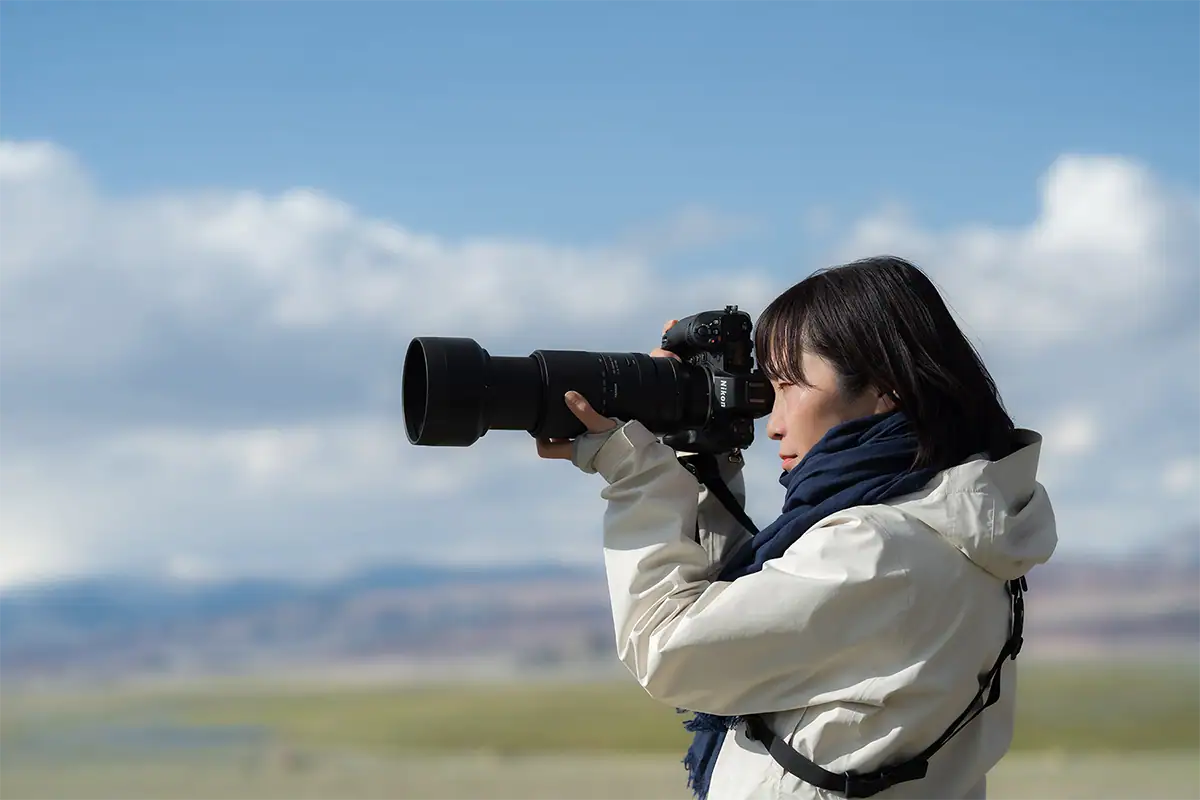
A quality lens is one of the most important tools for bird photography.
- Use a telephoto lens
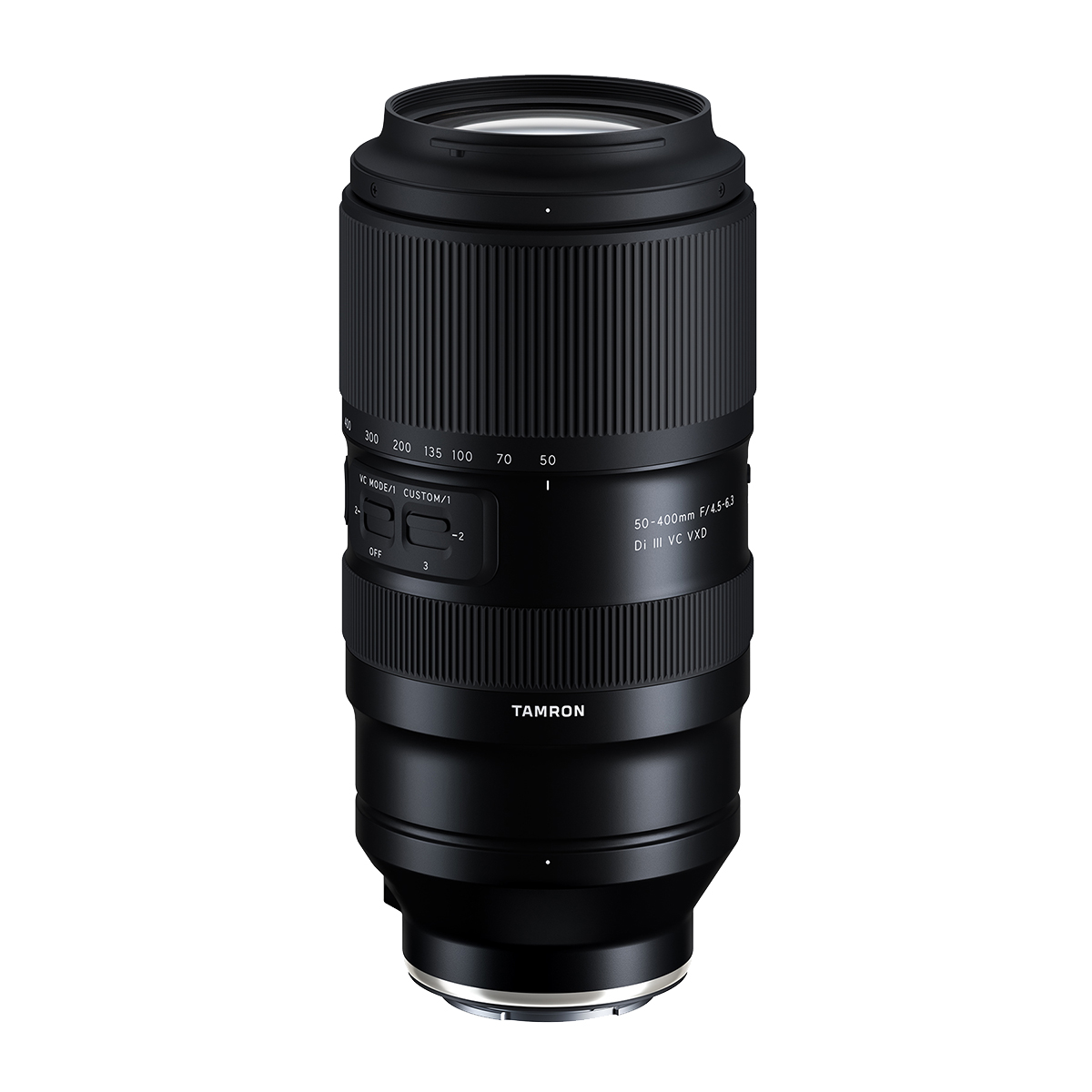
- 50–400mm for versatility
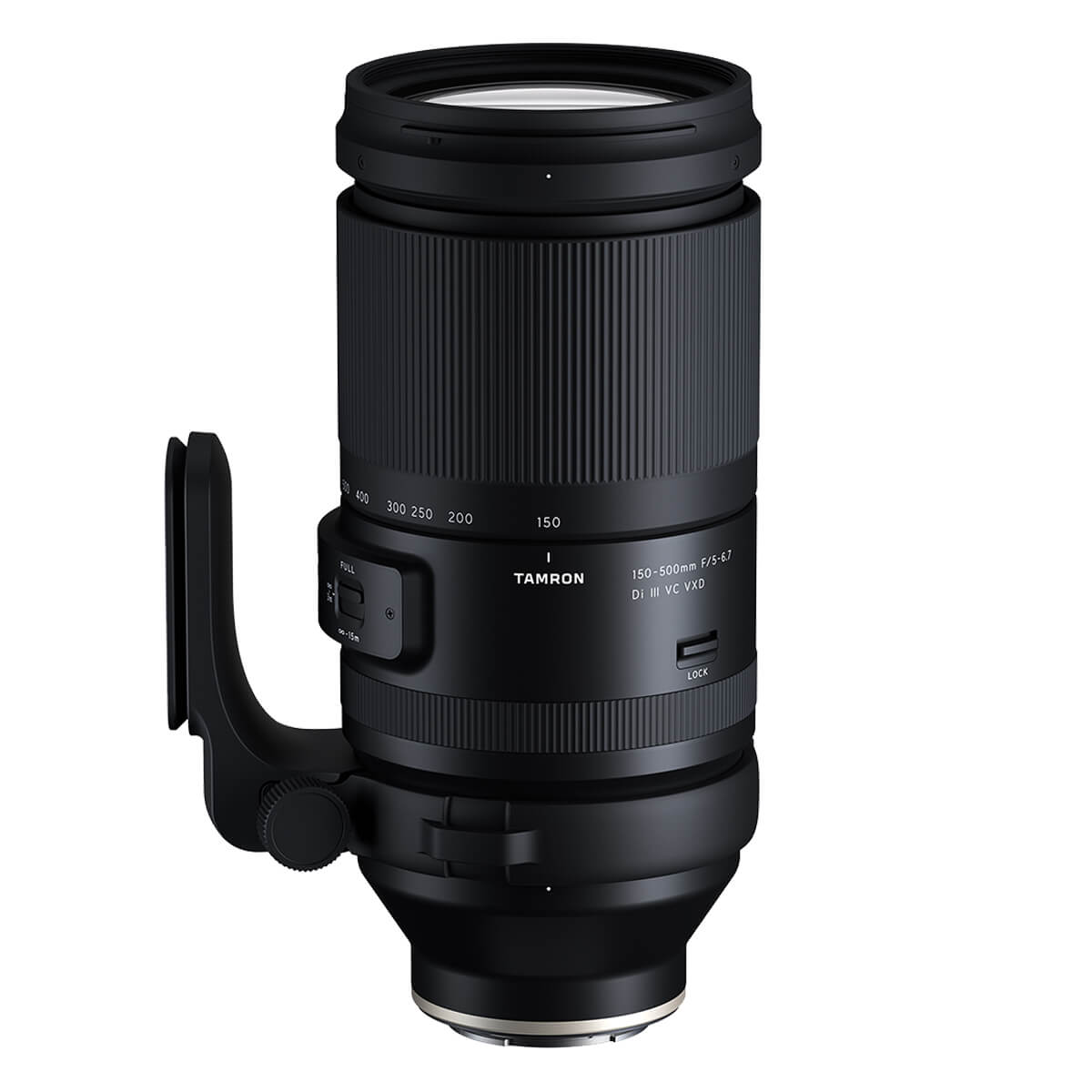
- 150–500mm for extended reach
- Balance reach and portability: Longer lenses offer more reach but can be heavier.
- Fast autofocus performance: Critical for tracking moving birds effectively.
Recommended Lenses for Bird Photography
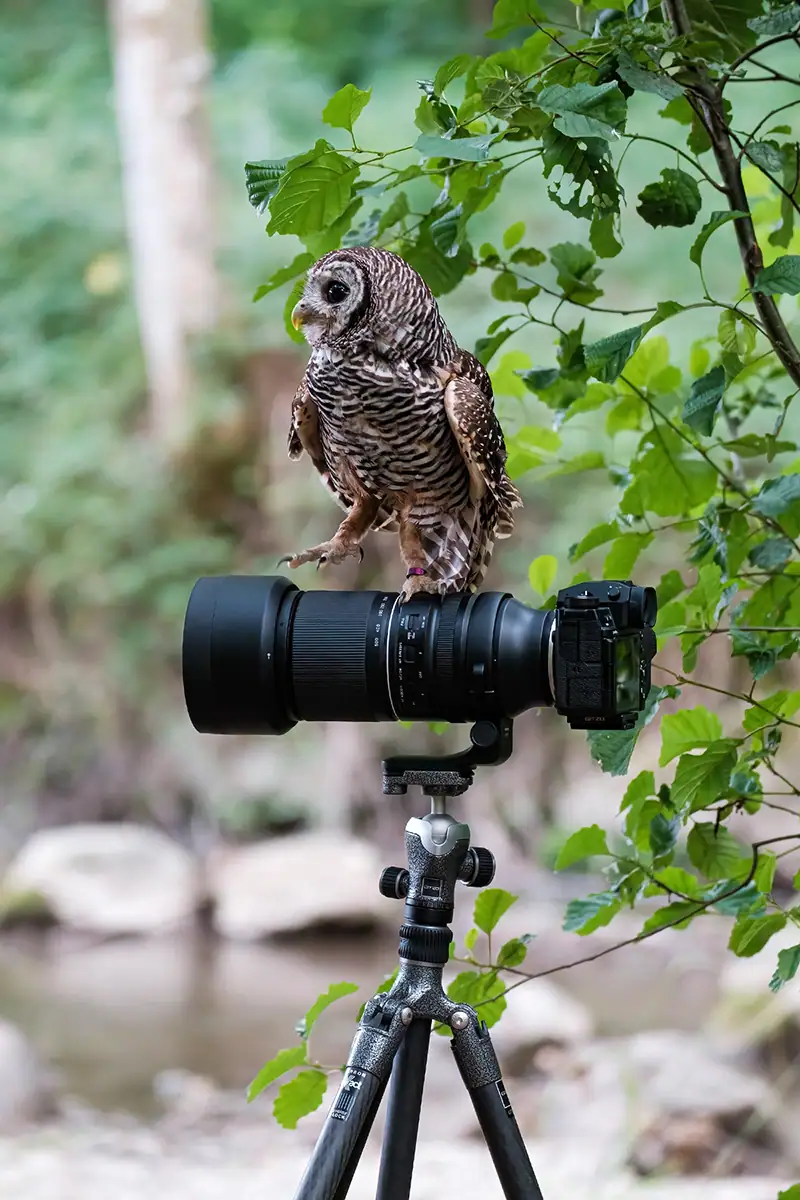
Choosing the right lens can make a significant difference in your bird photography results. Whether you’re photographing birds in flight or perched subjects, a telephoto zoom lens provides the reach, speed, and flexibility needed for sharp, detailed images.
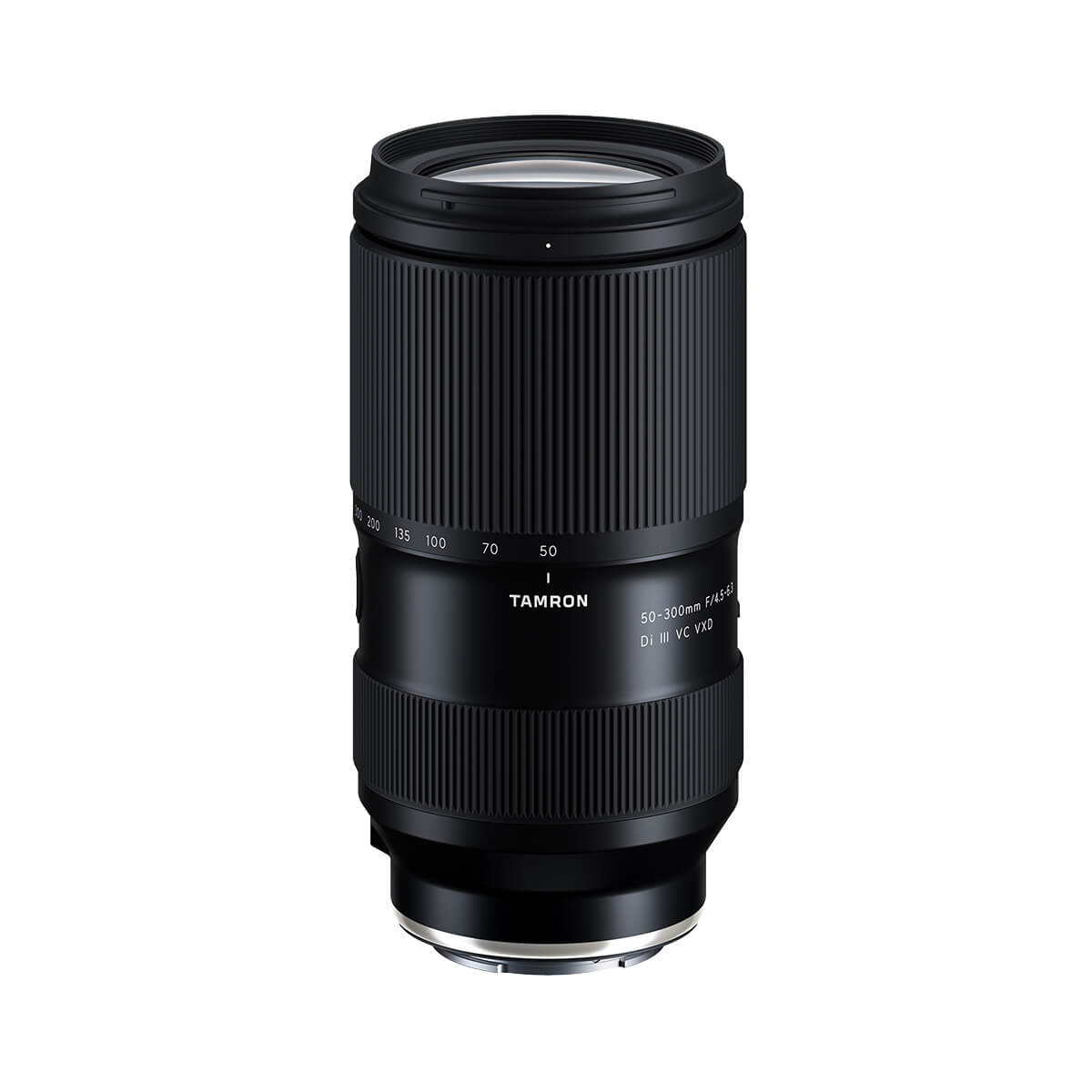
For most photographers, a focal range between 100–500mm offers the best balance of versatility, portability, and performance.
Versatile Zoom for Travel and Birding
A lens in the 50–400mm range is ideal if you want flexibility across different bird photography situations.
This type of lens works well for:
- Birds at varying distances
- Travel and walkaround wildlife photography
- Situations where you need flexibility without changing lenses
It allows you to quickly reframe your shot without switching lenses, which is especially useful when birds move unpredictably.
Explore a versatile option like the Tamron 50-400mm F4.5-6.3 Di III VC VXD.
Maximum Reach for Birds in Flight
If you’re photographing smaller or more distant birds, a longer focal length becomes essential.
A 150–500mm lens is well suited for:
- Birds in flight
- Small or distant subjects
- Situations where subject isolation is critical
This range gives you the reach needed to capture detail without disturbing wildlife.
Learn more about the Tamron 150-500mm F/5-6.7 Di III VC VXD or see how this lens performs in real-world shooting: 150-500mm wildlife photography tips and performance
Browse Telephoto Lens Options
To compare focal lengths and find the right lens for your needs:
- Browse telephoto zoom lenses
- Explore wildlife photography lenses
Bird Photography Tips for Beginners
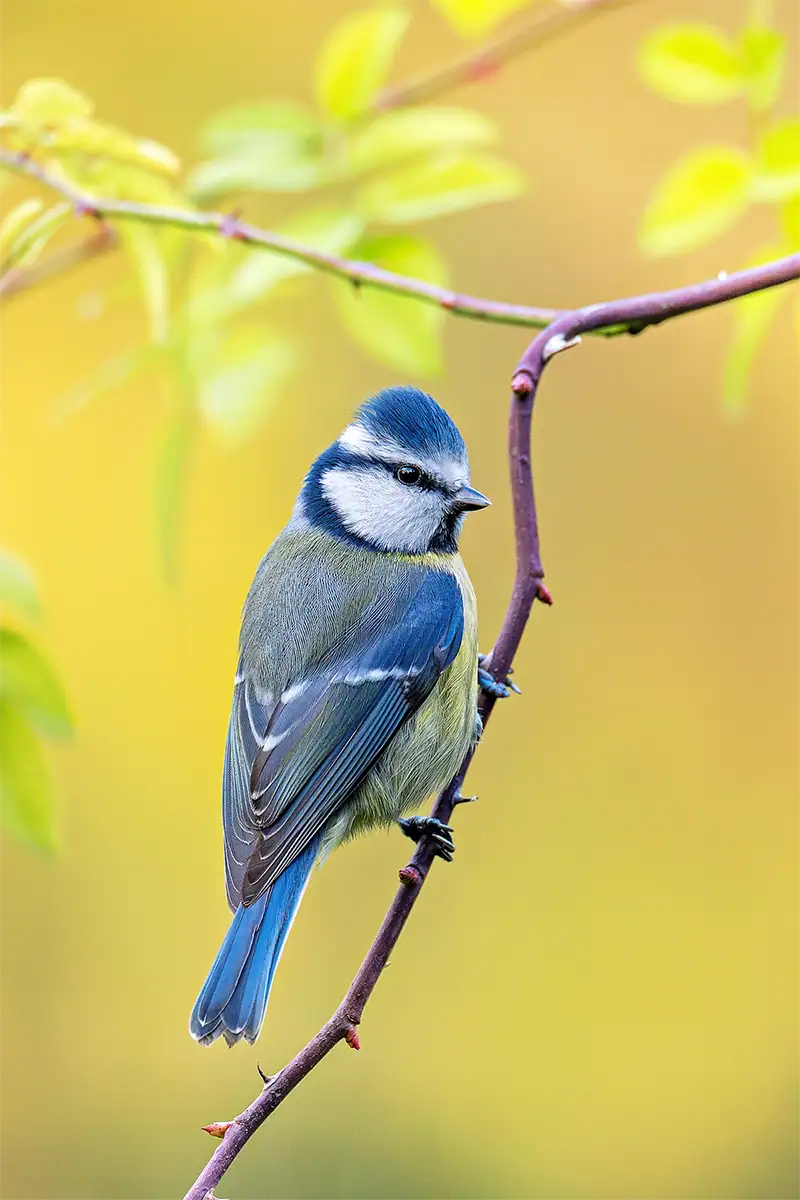
If you’re new to bird photography:
- Start with perched birds: They’re easier to photograph and help build confidence.
- Practice tracking birds in motion: Even slow movement improves your skills.
- Keep settings simple: Focus on shutter speed and autofocus first.
- Be patient: Great bird photography takes time and repetition.
These are essential bird photography tips for beginners. Expand your approach with 5 creative approaches to photographing birds.
Common Bird Photography Mistakes to Avoid
Avoid these common issues:
- Using a shutter speed that’s too slow
- Incorrect autofocus mode
- Distracting or busy backgrounds
- Not anticipating movement
People Also Ask About Bird Photography Tips
What is the best shutter speed for bird photography?
A shutter speed of at least 1/1000s is recommended, with 1/2000s or faster for birds in flight.
What lens is best for bird photography?
A telephoto lens between 100–500mm is ideal for capturing detailed images from a distance.
How do you photograph birds in flight?
Use continuous autofocus, fast shutter speeds, and burst shooting while tracking the bird’s movement.
What are the best settings for bird photography?
Use fast shutter speeds, moderate aperture (F5.6–F8), and adjust ISO for proper exposure.
How do you photograph small birds on branches?
Use a fast shutter speed, focus on eye-level composition, and isolate the subject with a blurred background.
Conclusion
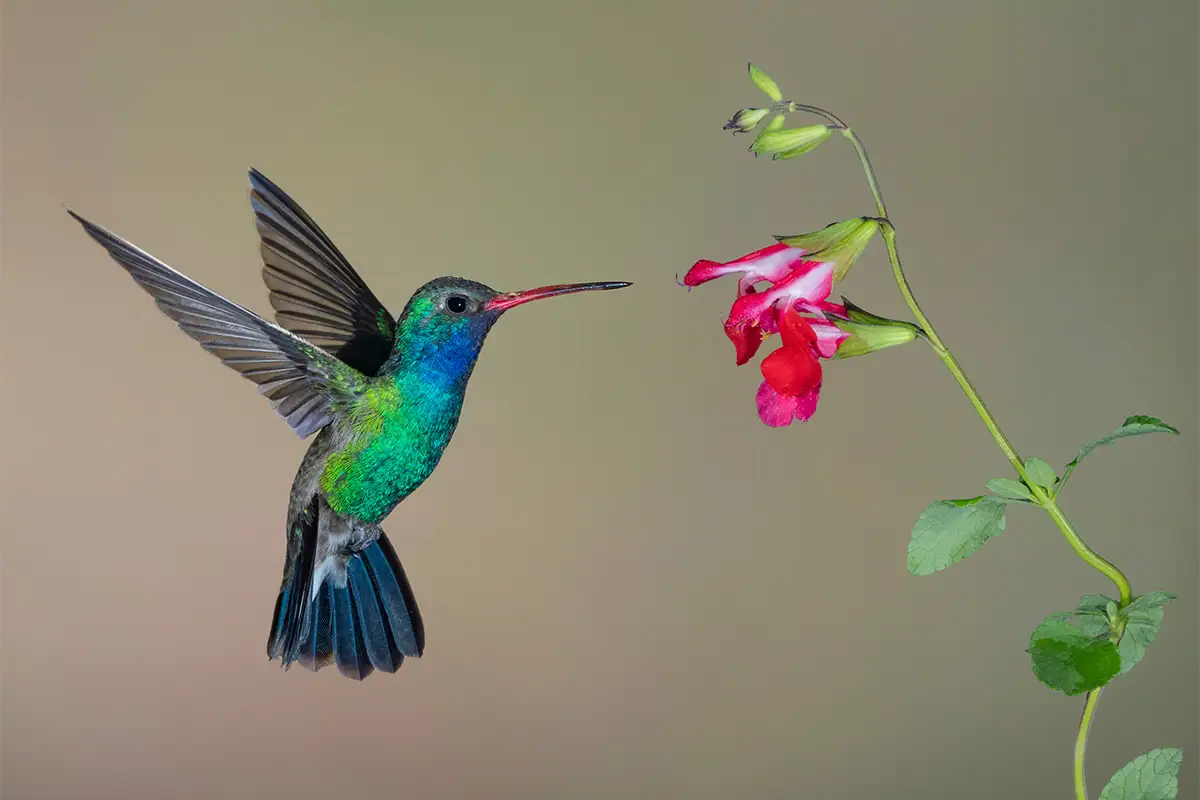
Bird photography requires a combination of technical skill, patience, and observation. Whether you’re photographing birds in flight or perched subjects, mastering your bird photography settings and refining your technique will help you capture sharper, more dynamic images.
For gear recommendations and lens selection, revisit best lens for wildlife photography.
Where to Buy Tamron Lenses
Learn more about Tamron lenses at an authorized Tamron dealer near you or shop directly at the official TAMRON Store.
 English
  Spanish
  French
  Portuguese