 Instant Savings
 Rebate Claims
 Support
 Find a Dealer
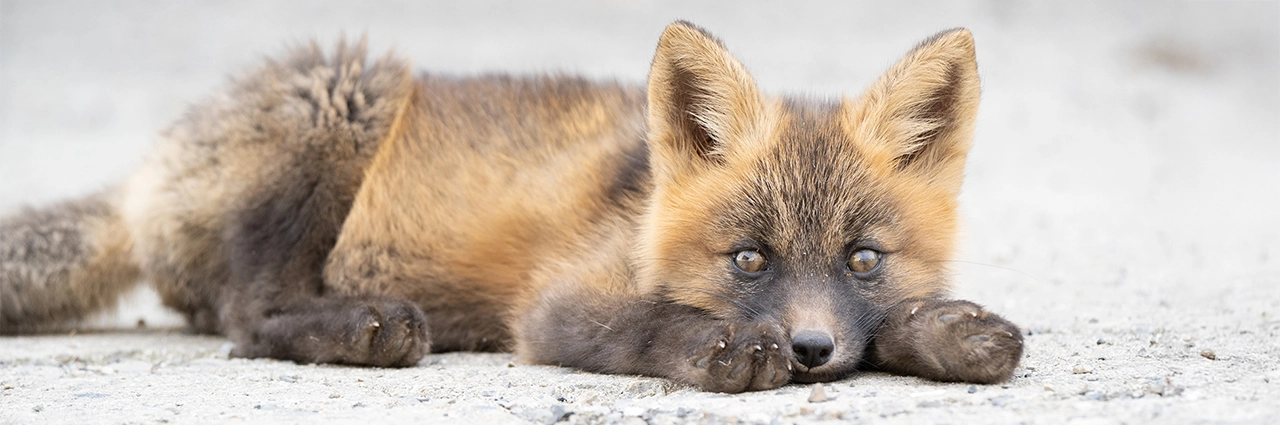
Looking for the best lens for wildlife photography? Whether you’re photographing birds in flight, animals on safari, or wildlife in challenging environments, choosing the right lens is critical. Explore recommended options on our wildlife photography lenses guide.
Wildlife photography requires a combination of reach, fast autofocus, and strong stabilization to capture sharp, detailed images from a distance. But what lens is best for wildlife photography—and how much zoom do you actually need?
In many situations, a telephoto zoom is considered the best zoom lens for wildlife photography because it allows you to adapt quickly to changing distances and subjects.
In this guide, we’ll break down:
- What makes the best camera lens for wildlife photography
- How to choose the right focal length for wildlife photography
- The best lenses for birds, safari, zoo, and more
What Is the Best Lens for Wildlife Photography?
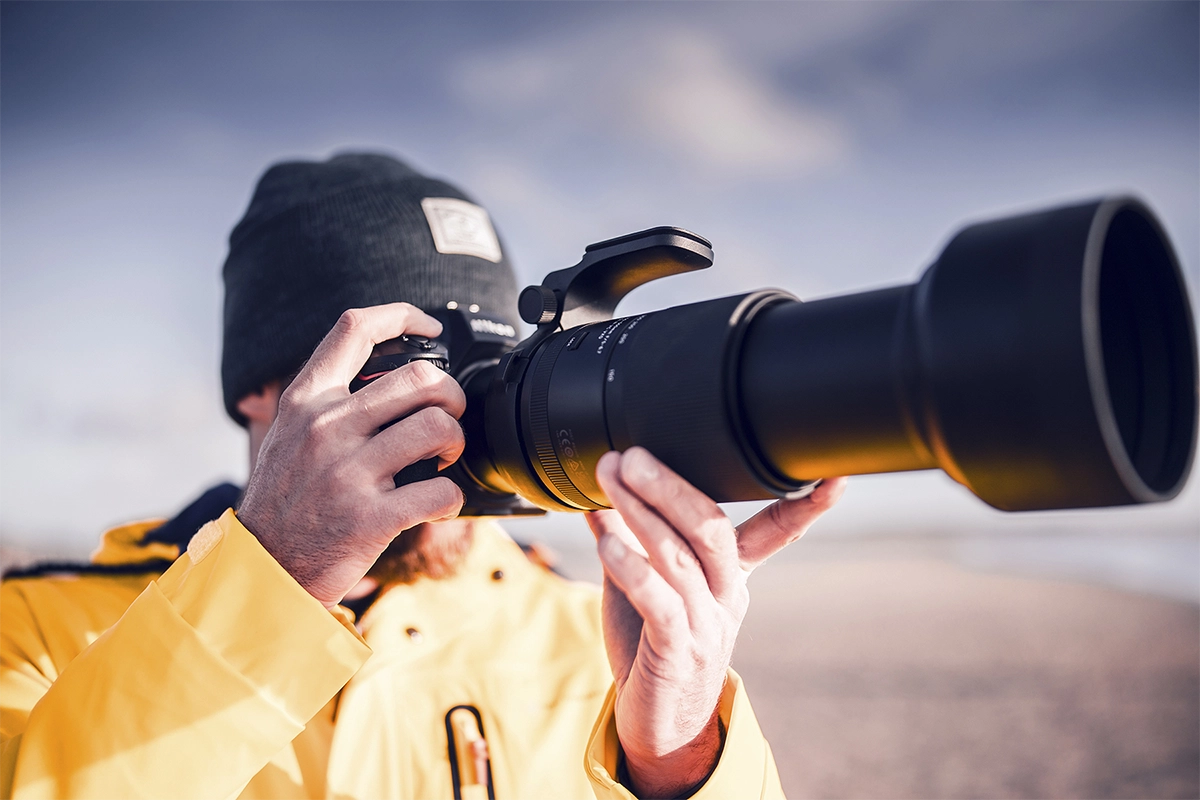
The best lens for wildlife photography typically falls in the telephoto to ultra-telephoto range (300mm–600mm).
Why?
- Wildlife is often far away >> you need reach
- Animals move unpredictably >> you need fast autofocus
- Lighting conditions vary >> you need stabilization
Choosing the best telephoto lens for wildlife depends on how far your subject is and how mobile you need to be in the field.
For most photographers:
- 150–500mm range: best for distant wildlife and birds
- 50–400mm range: more versatile for mixed distances, environmental, and travel
- 500mm+: maximum reach for small or distant subjects
If you’re wondering what lens is best for wildlife photography, the answer often comes down to balancing reach vs portability.
Choosing the Right Focal Length for Wildlife Photography
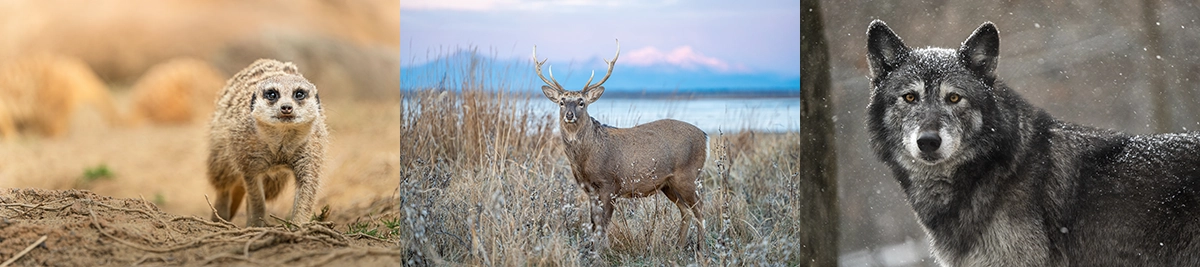
A couple of the most common questions are:
- What focal length for wildlife photography is best?
- Is 400mm enough for wildlife photography?
Understanding focal length helps you choose the best telephoto lens for wildlife photography for your specific shooting style.
50–400mm: Versatility for Travel and Safari
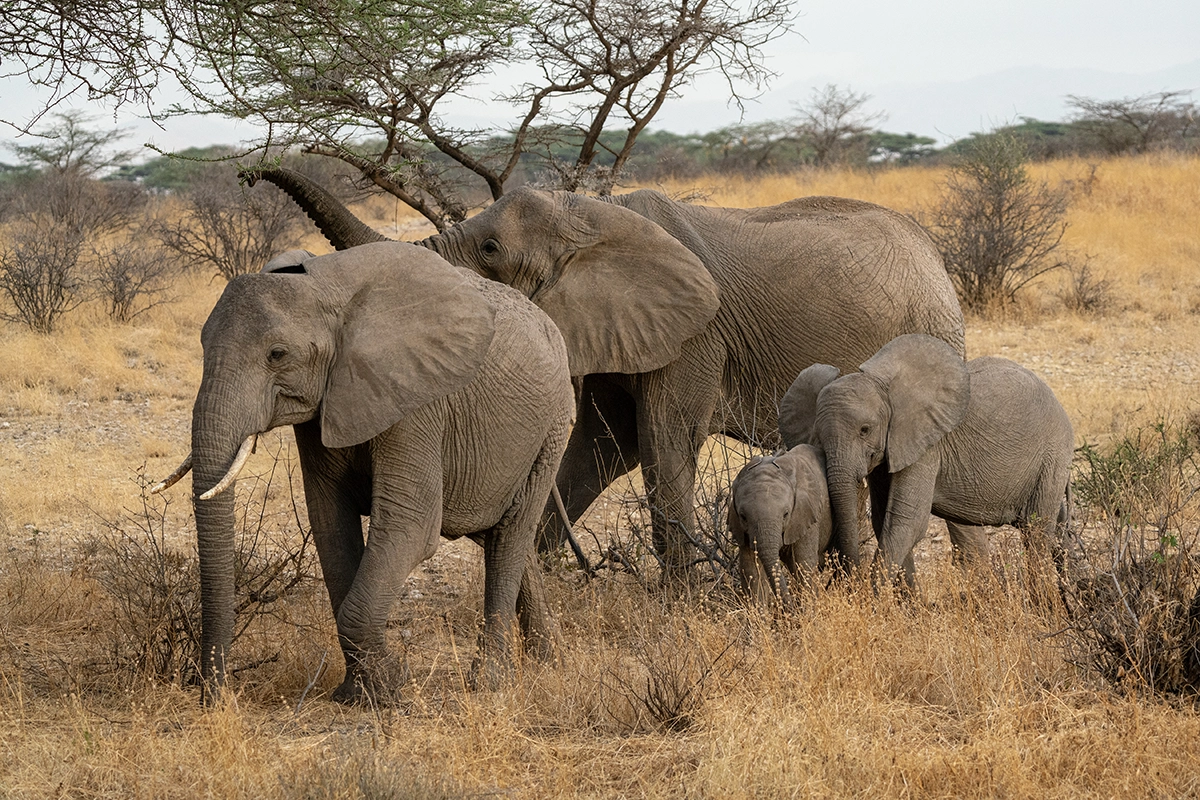
Lenses like the Tamron 50-400mm F4.5-6.3 VC are ideal when:
- You’re shooting from a safari vehicle
- Subjects vary from near to far
- You need one lens for multiple situations
This range allows you to:
- Capture environmental shots at 50mm
- Zoom in for tighter wildlife compositions
This type of lens is an excellent example of a flexible best zoom lens for wildlife option for travel and mixed-use scenarios.
150–500mm: Reach for Wildlife and Birding
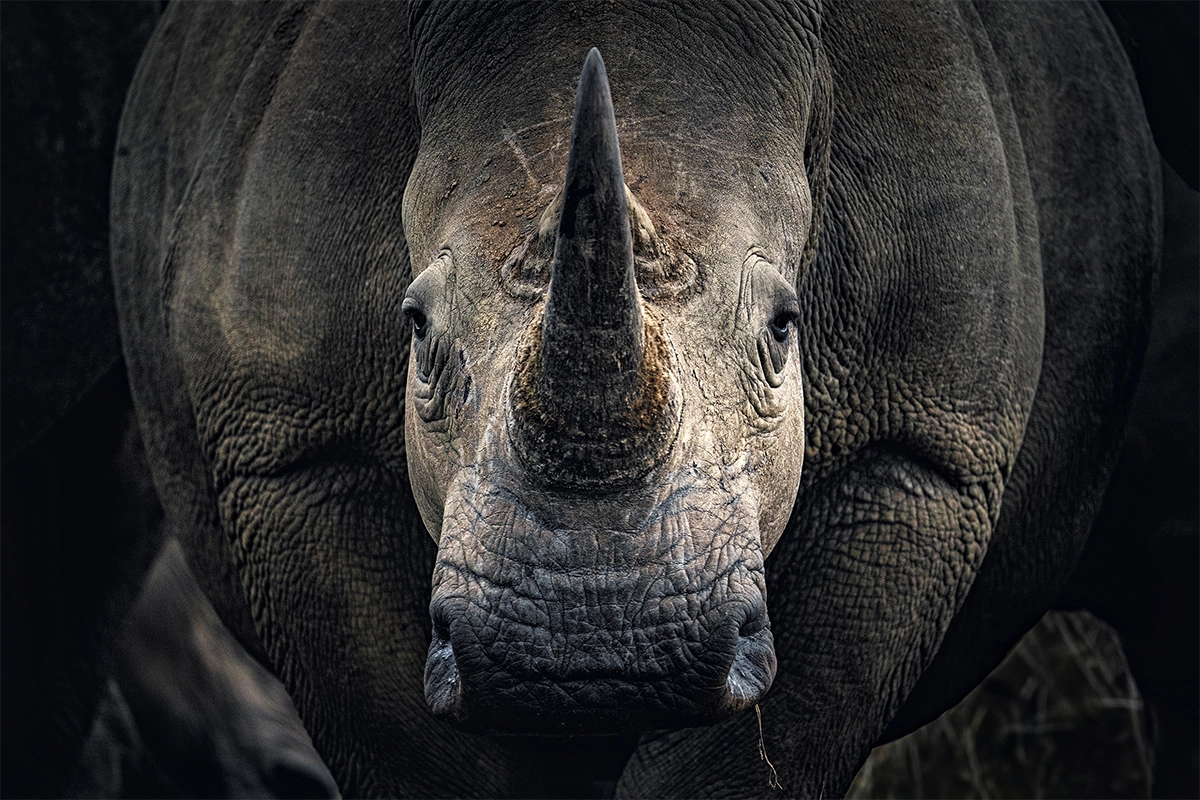
A Tamron 150–500mm F5-6.7 VC lens is better suited for:
- Birds in flight
- Distant wildlife
- Smaller or more cautious animals
This range provides:
- Strong subject isolation
- More detailed close-ups from a distance
This focal range is often considered part of the best telephoto lens for wildlife photography category for serious enthusiasts.
400–600mm and Beyond
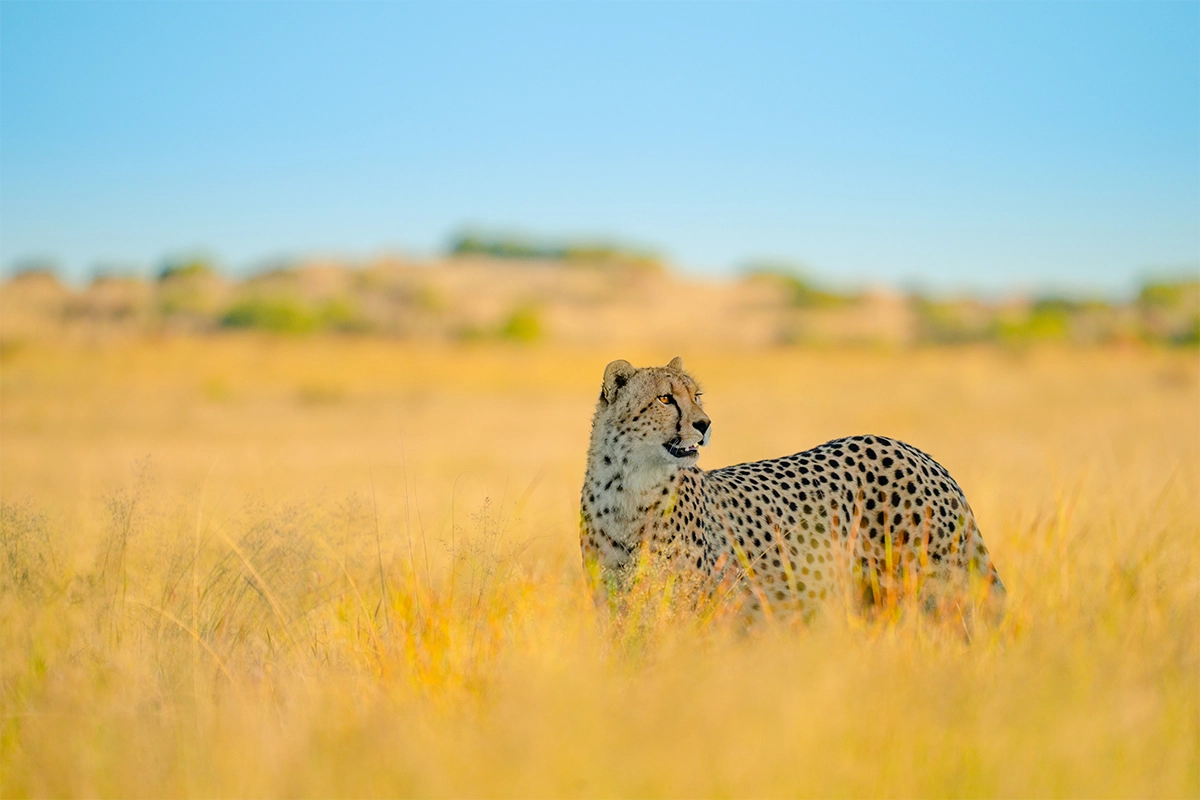
For maximum reach:
- Ideal for small birds and distant subjects
- Often used by specialized wildlife photographers
If you’re asking how much zoom you need for wildlife photography, more reach helps—but comes with trade-offs in size and weight. This is why many photographers ask what focal length is best for wildlife photography before choosing a lens.
Compare options across focal lengths at our telephoto zoom lenses page.
Best Lenses for Bird Photography
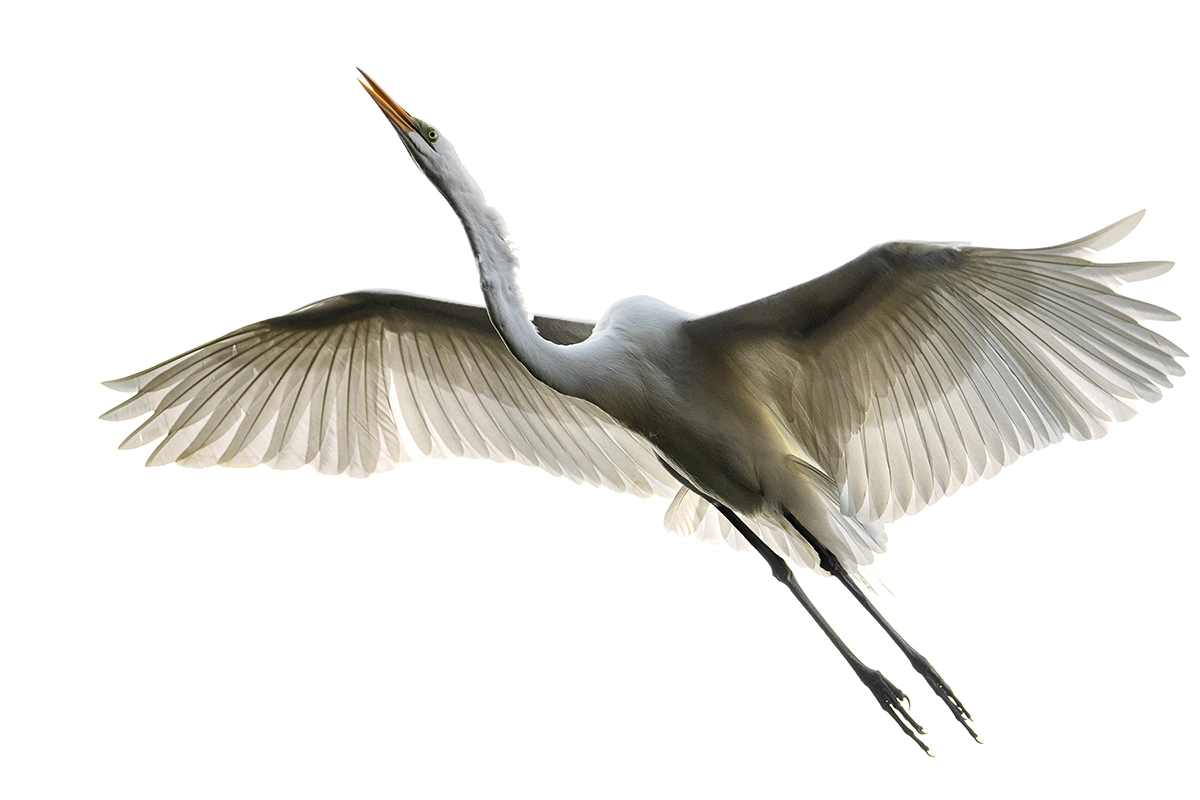
Bird photography is one of the most demanding wildlife genres.
You need:
- Long reach (400mm+)
- Fast autofocus for tracking
- Stabilization for handheld shooting
A Tamron 150–500mm F5-6.7 VC lens is ideal for:
- Birds in flight
- Perched birds
- Small, distant subjects
For techniques and settings, see our Bird Photography Tips: How to Capture Birds in Flight and Perched.
Best Lenses for Safari Photography
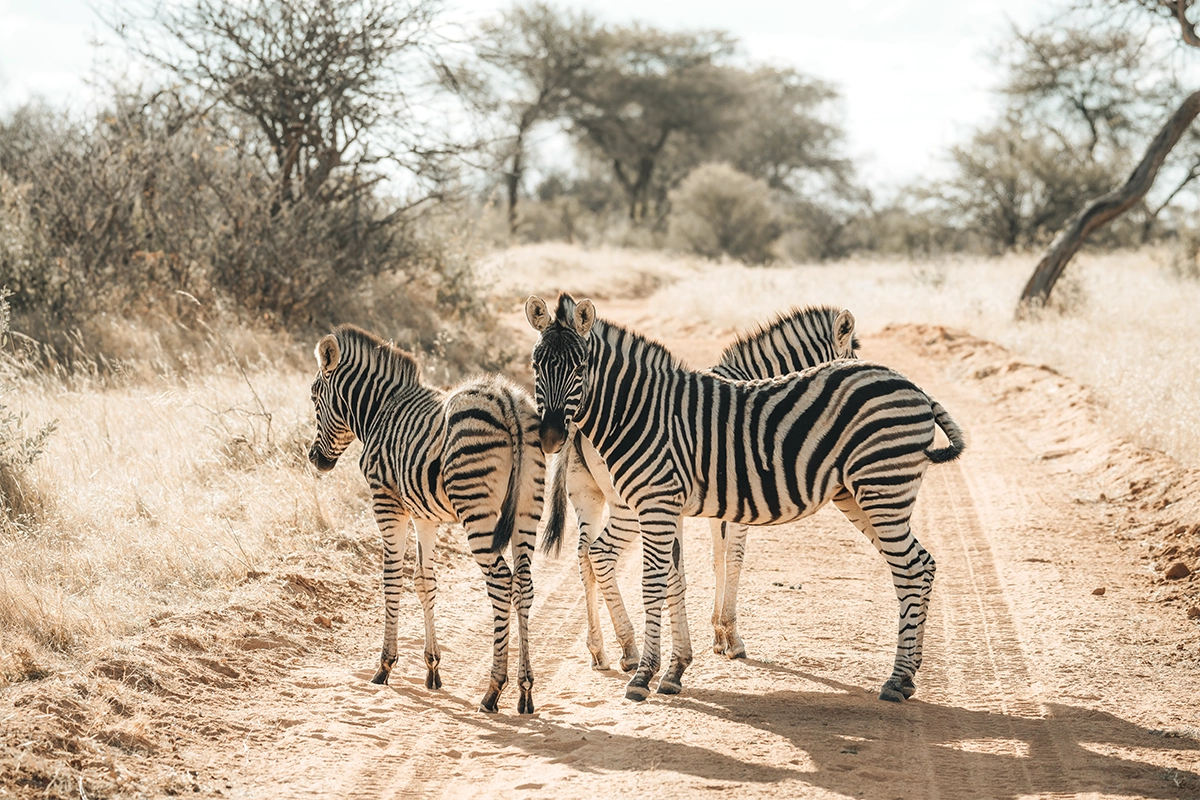
Safari photography introduces unique challenges:
- Shooting from vehicles
- Subjects at unpredictable distances
- Dust and changing light conditions
Explore lens options ideal for travel and wildlife on our wildlife photography lenses.
A Tamron 50–400mm F4.5-6.3 VC lens is often the most practical choice and is frequently recommended as a best zoom lens for wildlife photography option for travel because:
- It covers both wide and telephoto perspectives
- You can quickly adjust framing without switching lenses
- It performs well in fast-changing situations
A 150–500mm lens can complement this when you need extra reach.
Learn more: Safari Photography Tips: Capturing Wildlife on Safari
Best Lenses for Zoo Photography
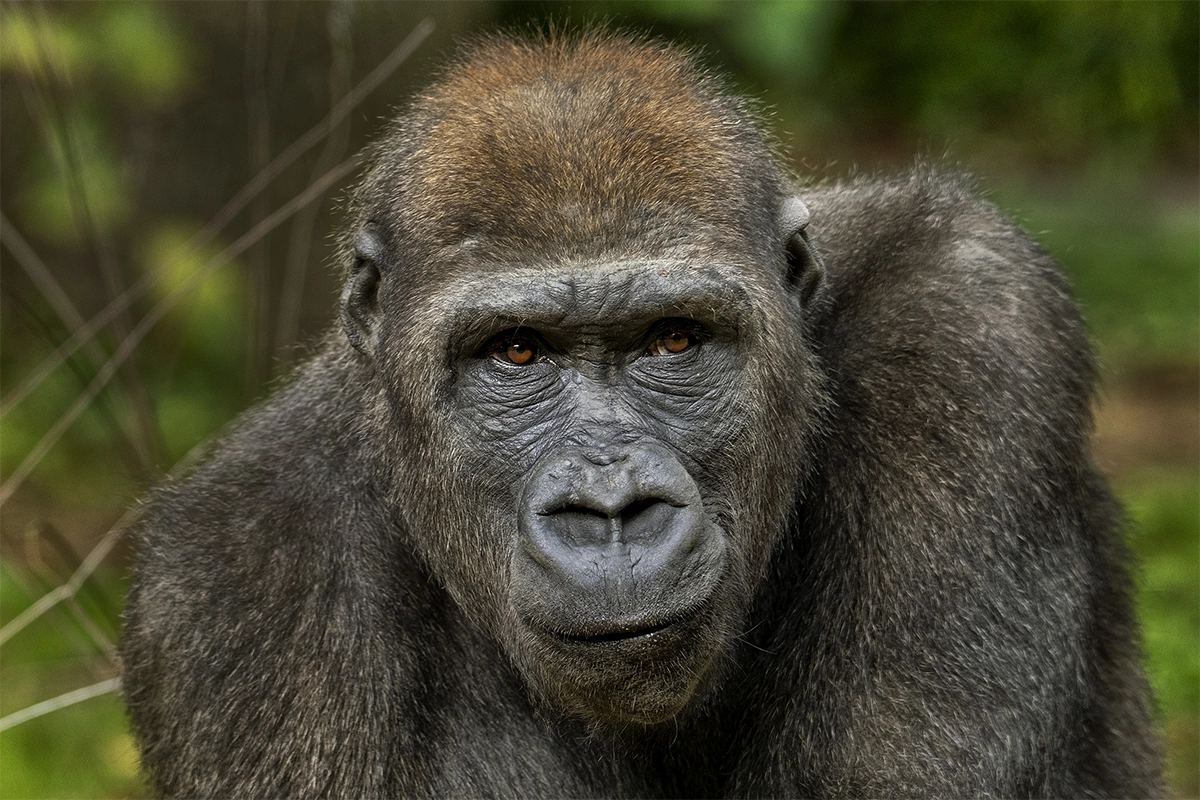
Zoo photography requires a different approach:
- You’re often closer to subjects
- Barriers and glass can interfere
- Composition becomes more important
A 50–400mm lens works well here because:
- You can adjust framing easily
- Shorter focal lengths help in tight spaces
- Longer focal lengths isolate subjects
Read more: Zoo Photography Tips: How to Capture Animals in Controlled Environments
Wildlife Photography in Different Conditions
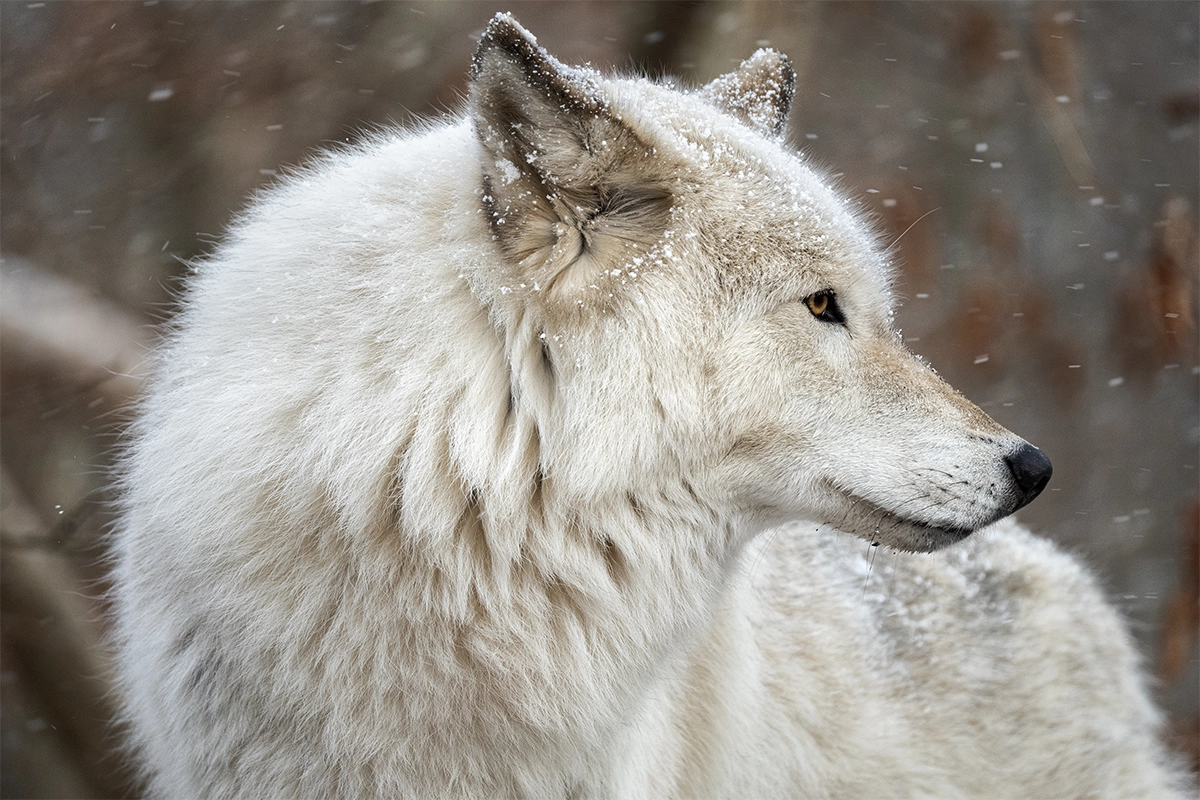
Different environments require different lens strategies.
Winter Wildlife Photography
- Bright snow impacts exposure
- Cold affects gear performance
- Visibility can improve subject contrast
See: Winter Wildlife Photography Tips for Cold Weather Success
Tracking and Finding Wildlife
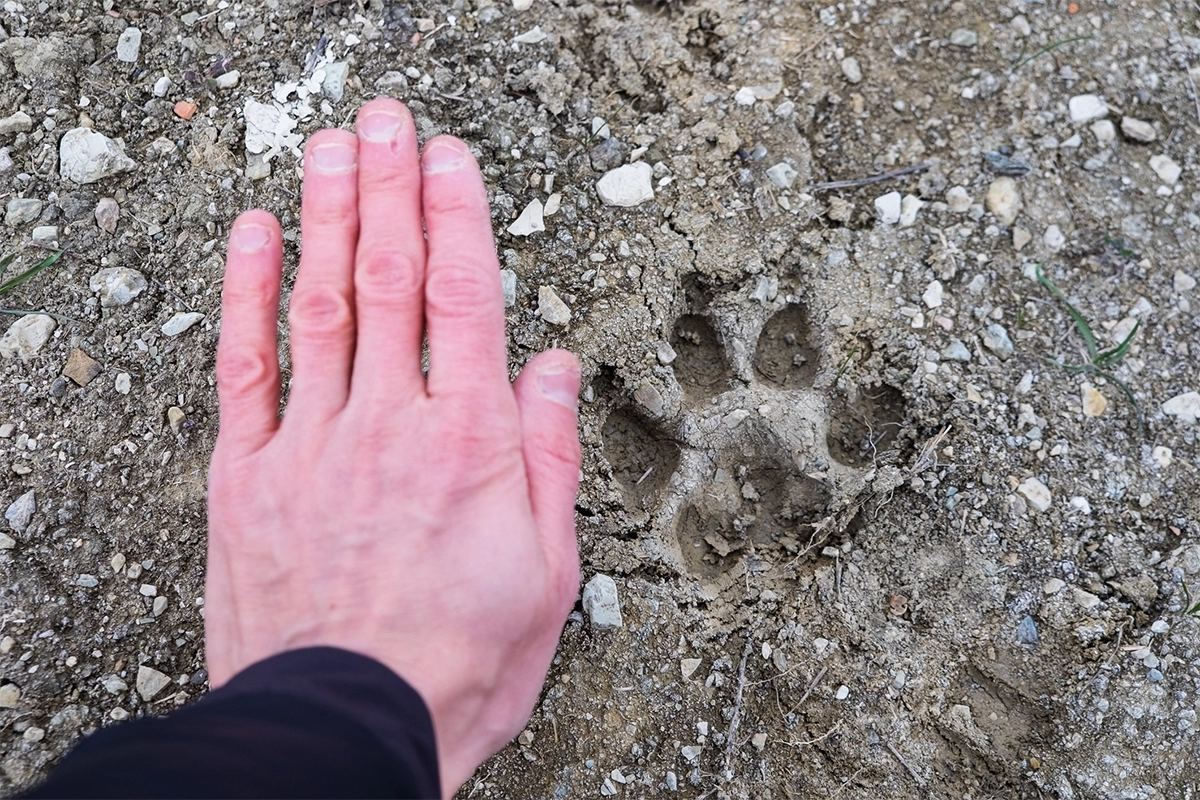
Knowing where to look is just as important as your lens. Learn how in our guide to How to Track Animals for Wildlife Photography.
Camera Settings for Wildlife Photography (Quick Guide)
Choosing the best lens is only part of the equation—your camera settings for wildlife photography matter just as much.
Shutter Speed
- Fast-moving animals: 1/1000s or faster
- Birds in flight: 1/1600s+
Aperture
- f/5.6–f/8 for subject isolation
- Balance sharpness vs light
ISO
- Adjust based on lighting
- Higher ISO is often necessary for action
Autofocus Settings
- Continuous AF (AF-C) for moving subjects
- Tracking modes for wildlife
For a full breakdown, see: Wildlife Photography Tips for Sharper, More Detailed Images
Key Features to Look for in a Wildlife Lens
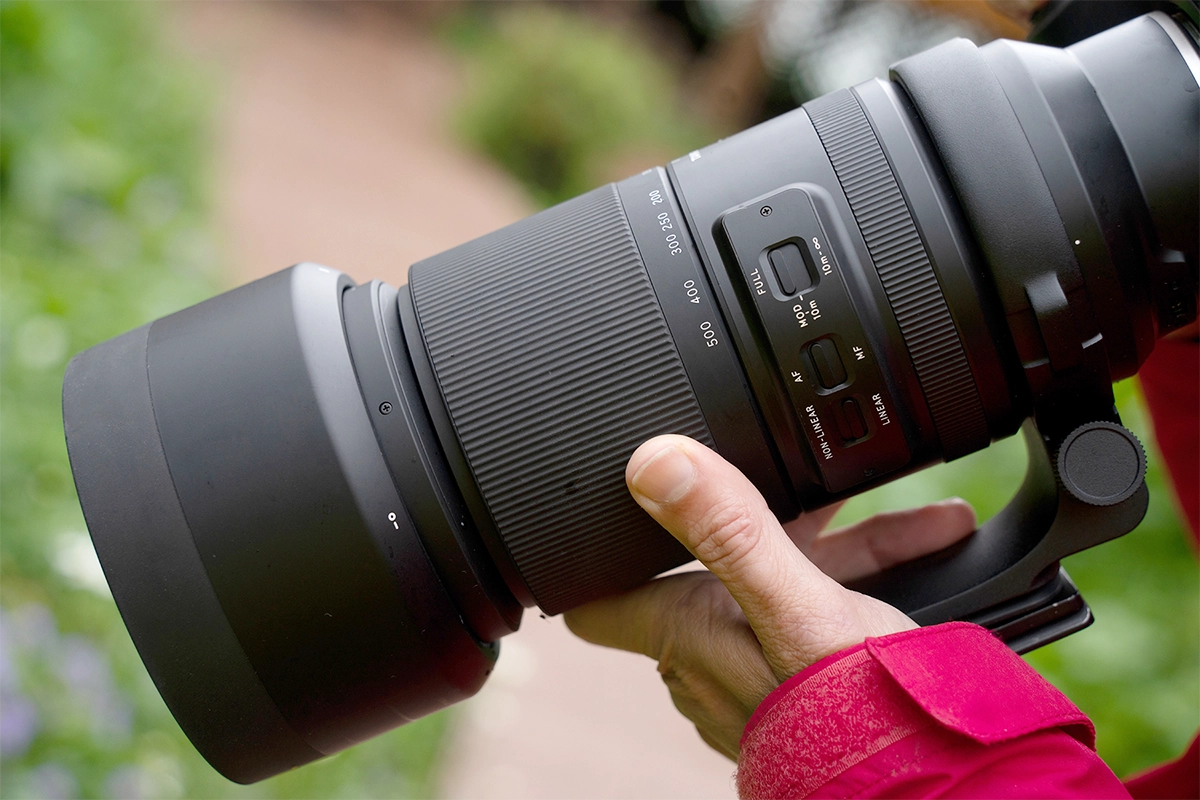
When choosing the best camera lens for wildlife photography, prioritize:
Fast Autofocus
Essential for capturing unpredictable movement
Image Stabilization
Critical for handheld shooting at long focal lengths
Sharpness
Important for capturing detail in fur and feathers
Portability
Balance reach with weight and usability
These features are what define the best telephoto lens for wildlife photography in real-world shooting conditions.
Examples of Versatile Wildlife Lenses
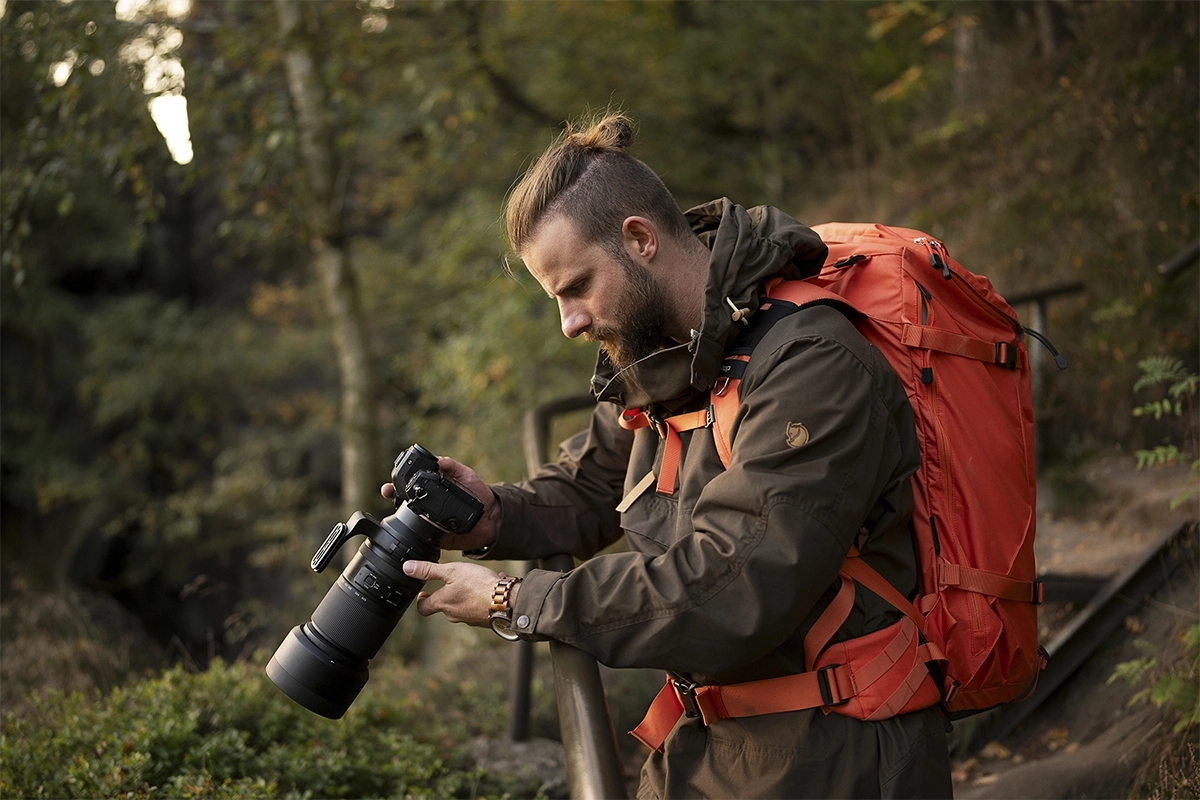
Different wildlife scenarios call for different tools when selecting the best zoom lens for wildlife photography.
- Tamron 50-400mm F4.5-6.3: Ideal for travel, safari, and situations where subjects vary in distance
- Tamron 150-500mm F5-6.7: Best for birding and distant wildlife where reach is critical
These lenses represent two of the most versatile approaches to choosing the best telephoto lens for wildlife photography today—one focused on flexibility, the other on maximum reach.
See more options on our wildlife photography lenses page.
People Also Ask About Wildlife Photography
What focal length is best for wildlife photography?
A focal length between 200mm and 600mm is ideal for wildlife photography. Longer focal lengths allow you to capture distant or skittish animals without disturbing them, while zoom lenses offer flexibility when subjects move closer or farther away.
Are zoom lenses better than prime lenses for wildlife?
Zoom lenses are generally more versatile for wildlife photography because they allow you to quickly adjust framing as animals move. Prime lenses can offer superior sharpness and wider apertures, but they lack flexibility in unpredictable situations.
Do you need image stabilization for wildlife photography?
Yes, image stabilization is highly beneficial, especially when shooting handheld at longer focal lengths. It helps reduce camera shake and improves sharpness in low light or when tracking moving subjects.
What aperture is best for wildlife photography?
Apertures between F4 and F8 are commonly used. Wider apertures like F4 help isolate subjects with a blurred background, while narrower apertures like F8 provide more depth of field when needed for larger animals or environmental context.
How important is autofocus performance in a wildlife lens?
Autofocus performance is critical for wildlife photography. Fast, accurate autofocus helps track moving animals and ensures sharp images, especially when capturing action or unpredictable behavior.
Conclusion: Choosing the Best Lens for Wildlife Photography
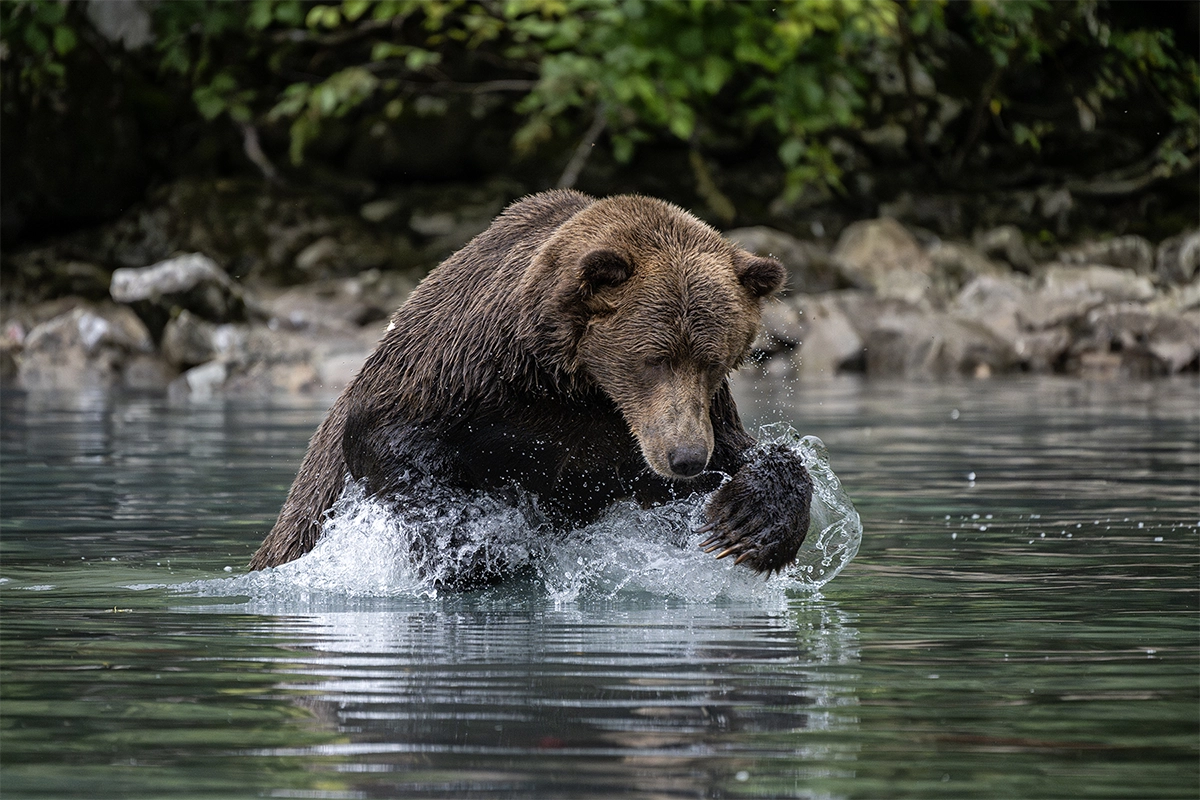
The best lens for wildlife photography depends on your subject, environment, and shooting style.
- Need flexibility? >> 50–400mm
- Need reach? >> 150–500mm
- Need maximum distance? >> 500mm+
Explore all options for wildlife shooting on our wildlife photography lenses page.
Ultimately, finding the best zoom lens for wildlife comes down to how you balance reach, portability, and shooting conditions.
Understanding how focal length, autofocus, and stabilization work together will help you choose the best camera lens for wildlife photography—and capture sharper, more compelling wildlife images.
Where to Buy Tamron Lenses
Learn more about Tamron lenses at an authorized Tamron dealer near you or shop directly at the official TAMRON Store.