Instant Savings
 Rebate Claims
 Support
 Find a Dealer

I’m photographer Junichi Shimizu. I shoot a wide variety of genres, mainly focusing on portraits, but also including commercial work and snapshots.
Born in Tokyo in 1978, I graduated from the Japan Institute of the Moving Image. After gaining experience as a photographer’s assistant, I joined the photography department of a major theme park, where I focused on capturing images for websites and advertisements for theme parks and commercial facilities. Now I work as a freelance photographer, specializing in portrait photography and continuing to work on various projects, including advertising and web media. Follow my work on Instagram.
For this lens review, I shot portraits using the Tamron 20-40mm F/2.8 Di III VXD (Model A062) for Nikon Z mount (the lens is also available for Sony E-mount). In my typical portrait work, I usually rely on focal lengths between 50mm and 180mm to capture subjects with a natural perspective. Therefore, shooting portraits extensively with a standard zoom lens covering an ultra wide-angle 20mm to a standard 40mm was a truly refreshing experience.
I’ll share my hands-on experience with the lens and the images I created to show how this distinctive focal range performed across a variety of portrait situations.
Compact Design and High Resolution for Portrait Photography
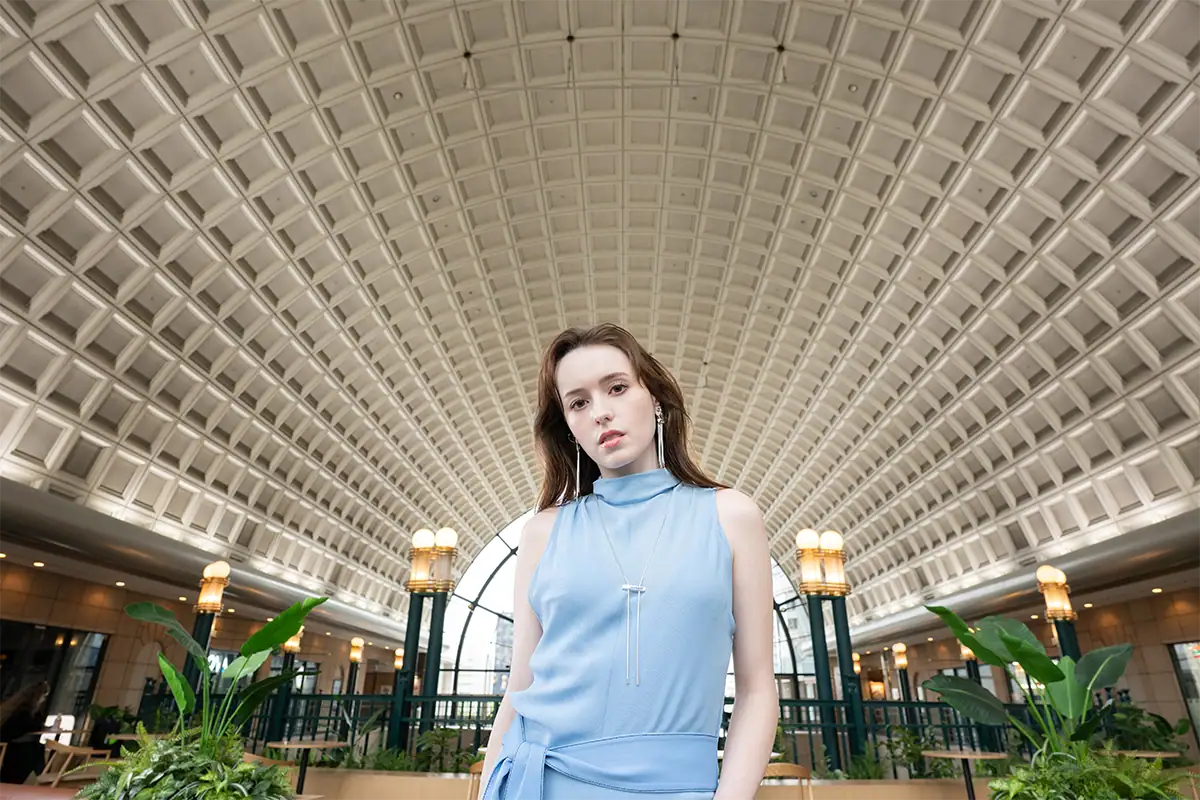
My first impression was defined by its remarkably lightweight and compact design. The moment I attached it to the camera, I was amazed by its nimble, prime-lens-like handling.
To be honest, I initially had doubts about the rendering performance of such a compact zoom lens. However, the moment I checked the actual shots, that impression completely changed. The high resolving power beautifully captures the subject down to the finest detail. With the delicate textures of skin, hair, and background details exquisitely reproduced, I experienced a powerful rendering capability that is hard to imagine from its compact size.
Using Wide-Angle to Capture the Subject and Environment
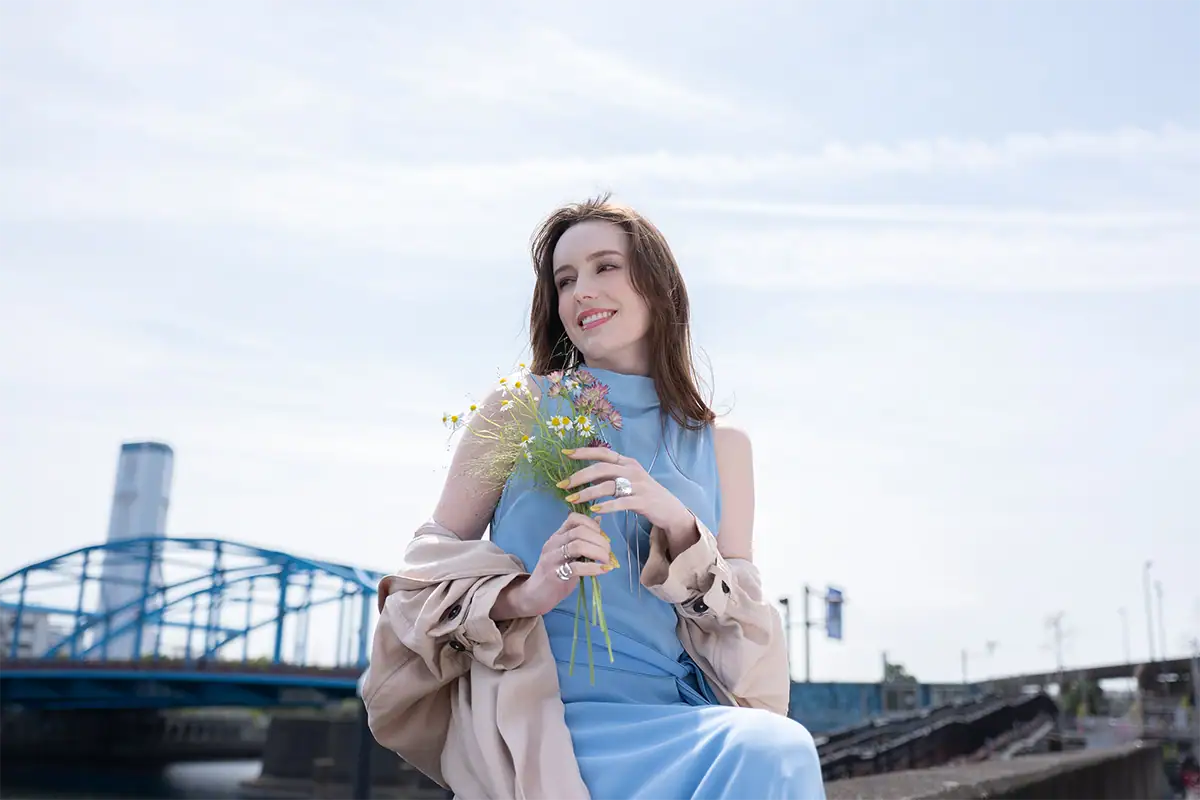
Blessed with mild weather that day, the shoot took advantage of the open, expansive sky. The perspective unique to a wide-angle zoom lens successfully captures the vastness of the landscape and the very atmosphere of the scene.
Rather than focusing solely on meticulous detail, this lens excels at faithfully preserving the overall mood and feeling of being right there in the moment.
Soft and Natural Bokeh for Portraits at 40mm
Around the 40mm focal length, the way the background smoothly melts away is incredibly captivating, beautifully making the subject stand out. The rendering was so impressive that it even sparked conversation on set, with people remarking, “The bokeh is so beautiful, it’s hard to believe it’s coming from a wide-angle zoom.”
Normally, in situations where I want to heavily blur the background, I would switch to a 50mm to 180mm lens — but with this lens, I felt no need to do so.
Subject Separation and Smooth Background Bokeh
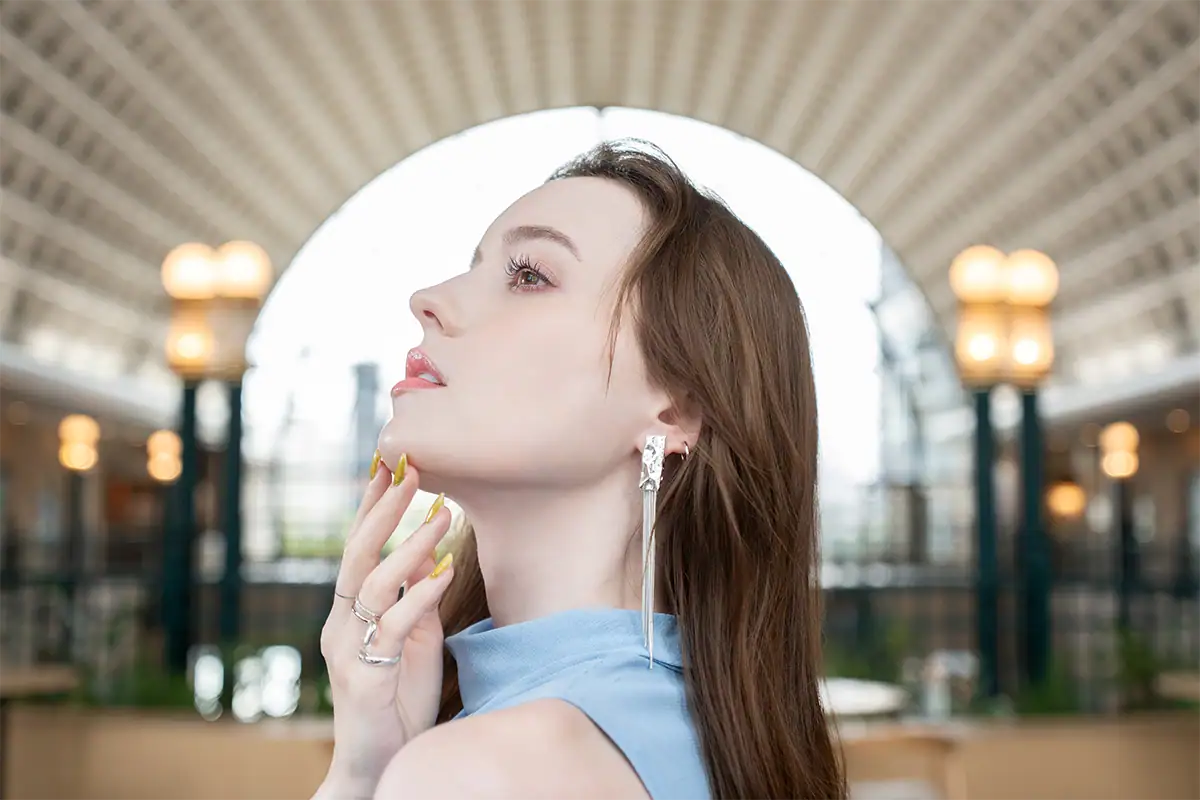
Even in the same location, zooming from 20mm to 40mm and shooting wide open transforms the image completely, making the background melt away so naturally that it feels as if it were taken with a completely different lens.
What is truly remarkable is that while it produces this beautiful bokeh, it does so without compromising the sharpness and resolution of the subject.
Round Bokeh in Backlit Portraits
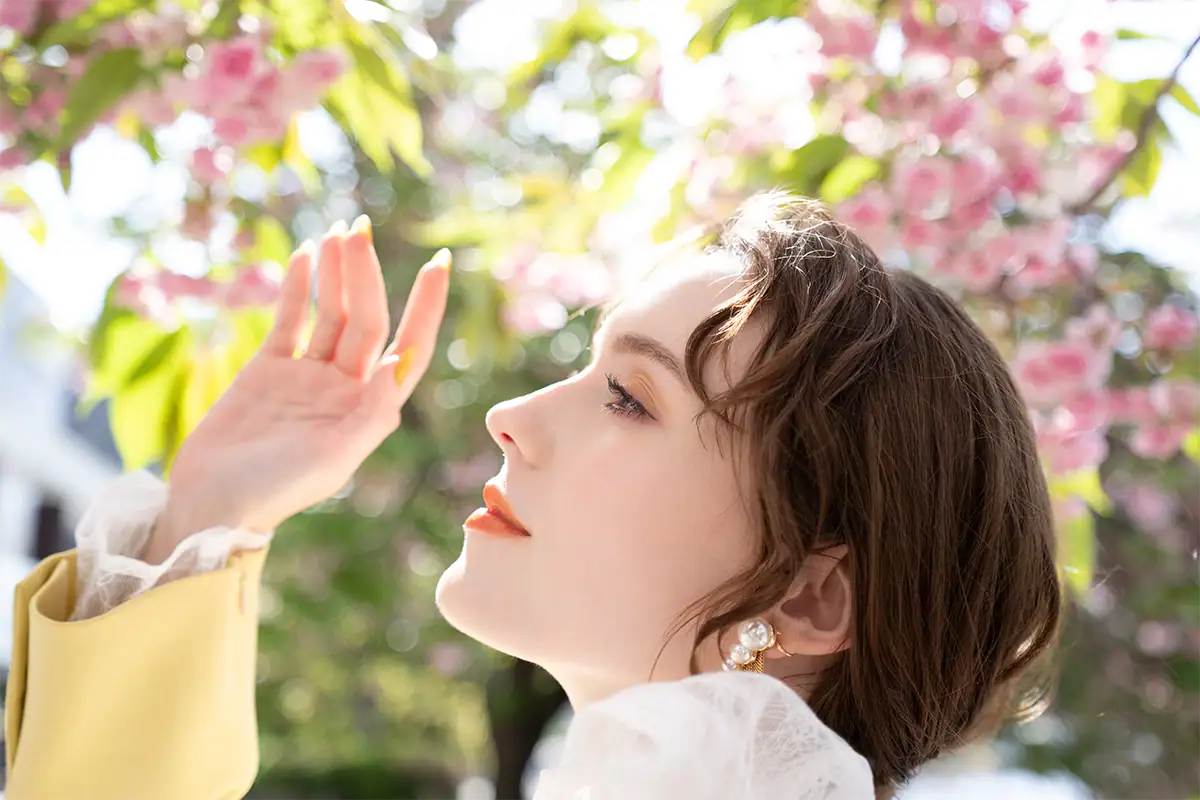
Backlit shooting outdoors, utilizing the sunlight filtering through the trees, is one of my favorite scenarios. This lens rendered the round bokeh beautifully, making the expression of light incredibly captivating.
I found myself completely losing track of time, capturing shot after shot of the exact same scene.
Using Foreground Bokeh to Add Depth
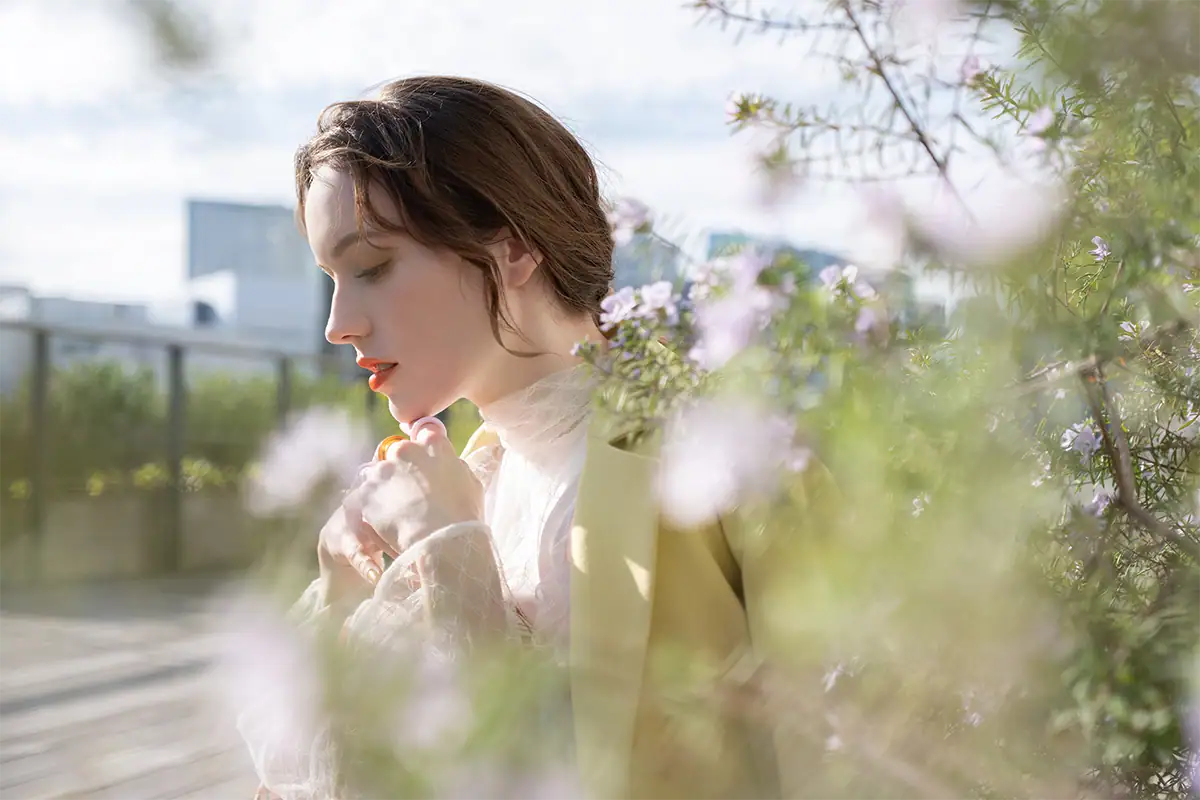
This shot was taken just as the soft evening light illuminated the flowers and grass. By incorporating the vegetation into the foreground, the lens delivered an incredibly smooth foreground bokeh with a wonderfully atmospheric rendering.
Even with such beautiful blur, the texture and fine details of the plants remain sharp and uncompromised, leaving a strong impression of the lens’s exceptional expressive power.
Lightweight and Compact Design for Mobile Portrait Shoots
As mentioned at the beginning, this lens is so compact and lightweight that it’s easy to forget it is a zoom lens. It offers a sense of agility, making it feel as though you are carrying a prime lens.
For someone like me who prioritizes mobility, the lightness of the gear is a powerful asset. Even during long shooting sessions, I rarely felt weighed down, allowing me to naturally stay focused. This heightened focus makes me much more aware of my surroundings — the subtle gestures and expressions of the model, roadside flowers and grass, and the interplay of light and shadow.
Furthermore, the fact that there is no compromise on rendering performance despite its lightweight design is a point that will be highly appreciated across many shooting styles.
Capturing Fleeting Portrait Moments
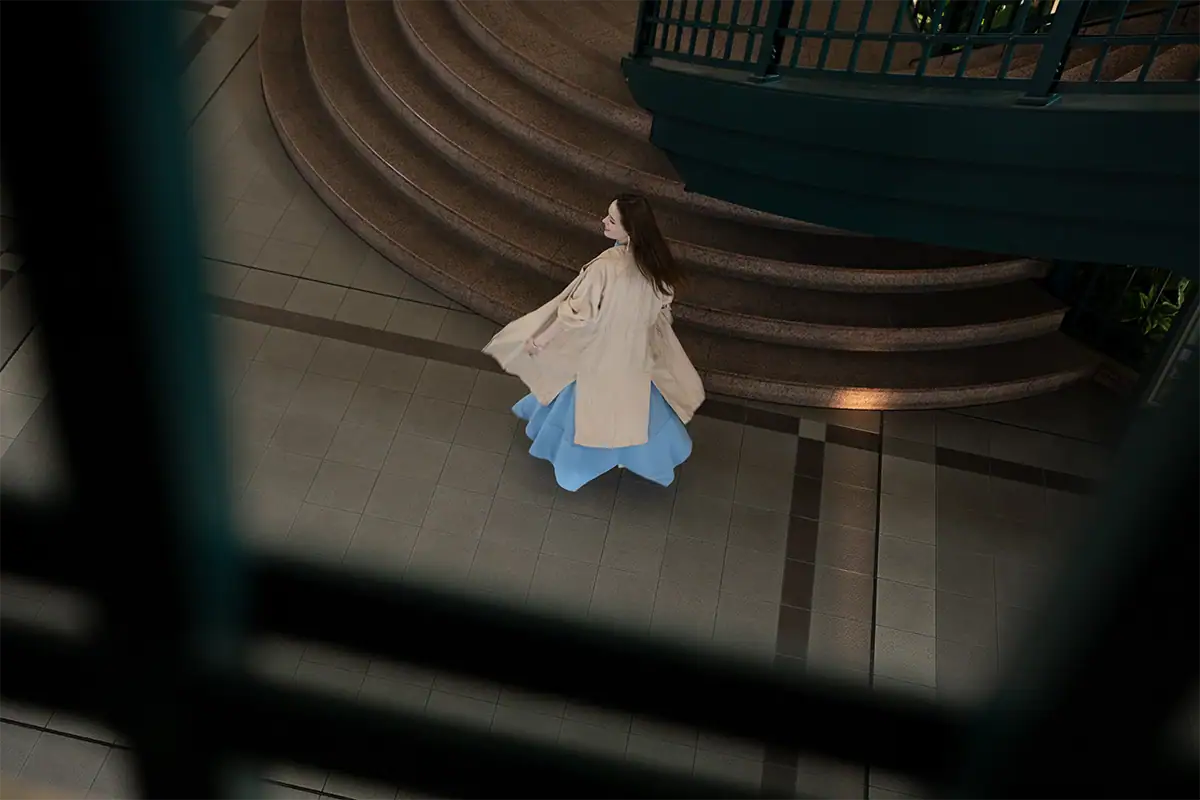
While moving from the second floor to the first, I caught sight of the model through the railing as she walked down ahead of me. The atmosphere of that fleeting moment, captured from a crouching position, left a strong impression.
The railing in the foreground blurs beautifully and evenly, elevating the overall quality of the final image. Using the railing as part of the portrait composition adds depth and helps frame the fleeting moment.
Close-Focus Details Add Another Dimension to Portrait Photography
Wide Macro Photography at the 20mm Wide End
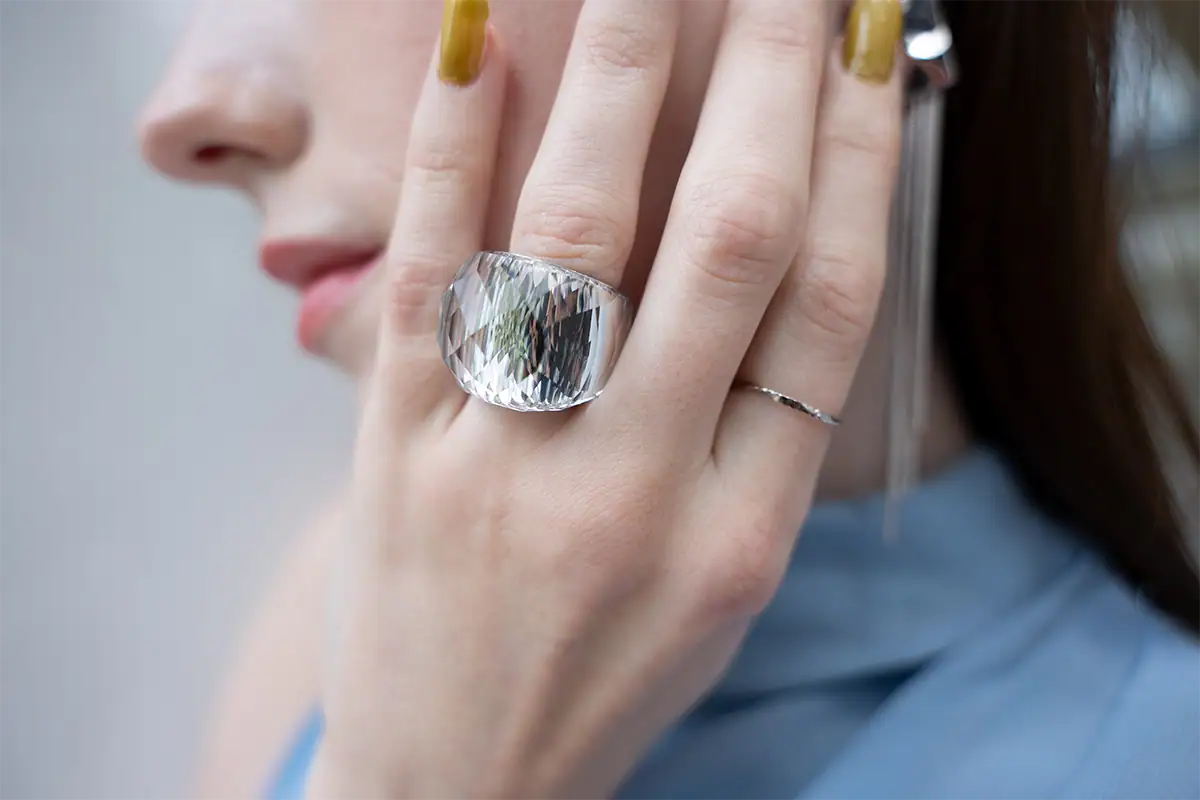
The light streaming through the window reflected beautifully off the ring, prompting me to capture this shot.
At the 20mm wide end, this lens features an MOD (Minimum Object Distance) of 6.7” (0.17m) and a Maximum Magnification Ratio of 1:3.8, allowing for stunning wide macro photography and letting me get surprisingly close to the subject.
It enables you to boldly close in on small objects like jewelry while simultaneously capturing the surrounding space and ambiance, offering a uniquely expressive wide macro experience.
Natural, Candid Portraits
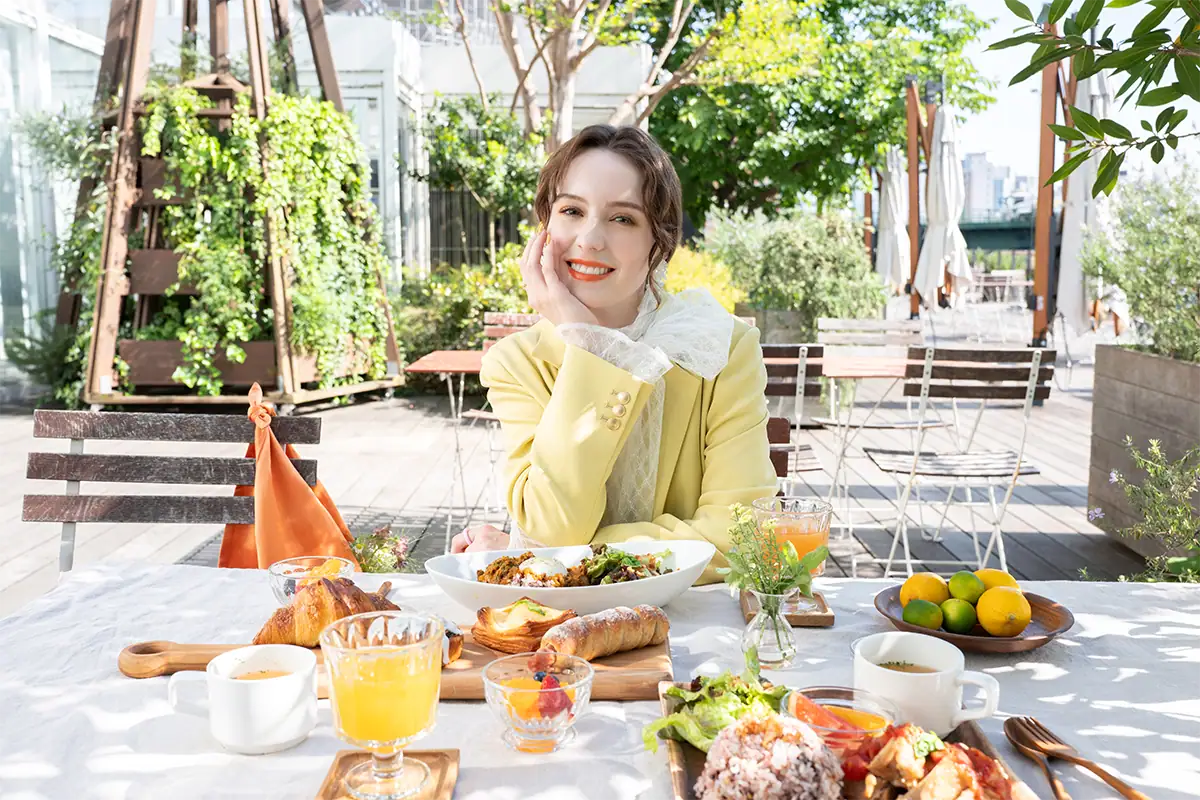
This shot captures a natural, candid expression during a break on a cafe terrace. Because the lens is so lightweight and easy to carry, you can quickly pull it from your bag and effortlessly capture those spontaneous moments.
Whether in daily life or while traveling, this level of ease feels incredibly comfortable. The soft bokeh and delicate rendering — qualities that are difficult to replicate with a smartphone — are part of what makes this lens so enjoyable. Its light weight also makes it perfect for casual selfies with friends and family.
Backlit Portrait Performance with Controlled Ghosting and Flare
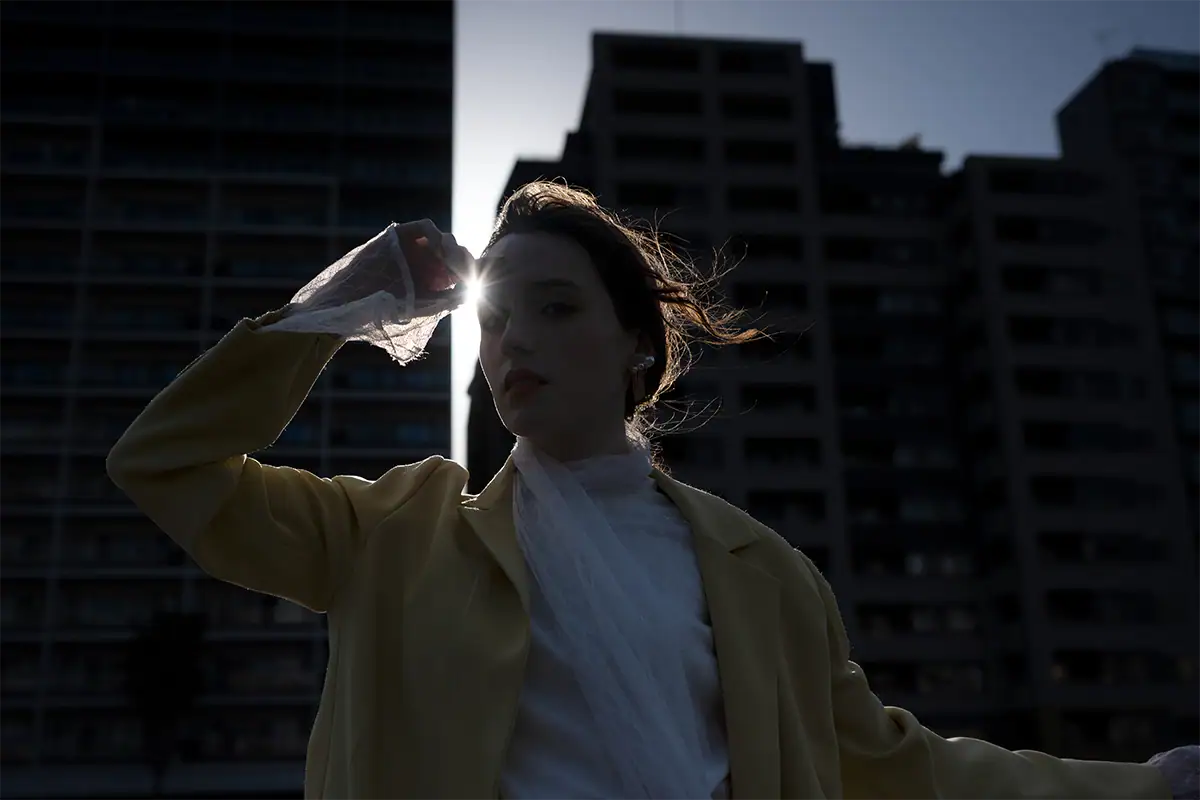
This shot captures the beautiful evening sun setting between the buildings. Even under intense backlight, the lens produced a clear and sharp image entirely free of ghosting and flare.
While intentionally casting the model into shadow, the lens still faithfully captured the fine details. The beautiful contrast between light and shadow creates a striking image with a lingering resonance.
Natural Color and Soft Bokeh for Night Portrait Photography
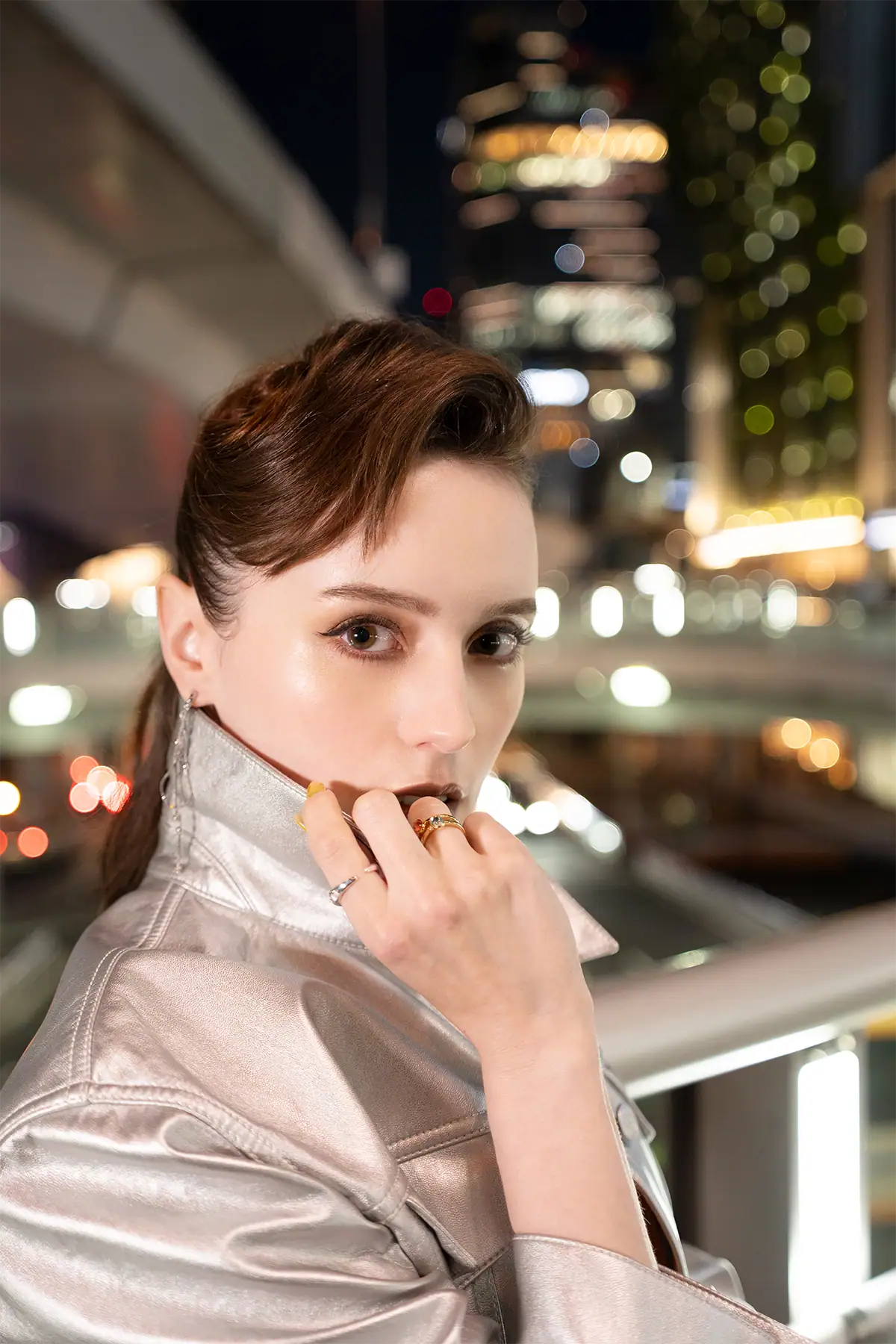
Shifting the location to the nighttime streets completely transformed the atmosphere of the shoot. The colors of the neon signs and streetlights were rendered naturally and distinctively, showcasing the lens’s beautiful color reproduction even in low light.
Furthermore, the soft bokeh — unique to the wide-open F2.8 aperture — remained just as pleasing as during the day, providing peace of mind when shooting in dark conditions. I truly feel this is a versatile lens that excels across a wide range of scenarios, day or night.
Conclusion: Tamron 20-40mm F2.8 for Portrait Photography — Uncompromising Quality, Effortless Portability
The combination of high resolution, natural and beautiful bokeh, and the expansive rendering unique to wide-angle lenses — paired with its wide macro capabilities — makes this a lens that significantly expands your photographic horizons all on its own.
In particular, the ability to capture beautiful portraits with a zoom lens that starts at an ultra wide-angle 20mm completely shattered my preconception that “wide-oriented zooms are strictly for landscapes and architecture.” Having never previously considered using a 20mm-starting zoom lens for portraiture, it led to an encounter with an entirely new form of expression.
The absolute best feature of this lens is that despite its compact and lightweight design, it makes zero compromises on rendering performance. It beautifully solves the classic dilemma: “lightweight lenses lack image quality,” while “high-quality lenses are too heavy.”
In fact, even in my personal life, it completely eliminates those hesitant moments of wondering, “Which lens should I pack today?” or thinking, “It’s too heavy, I’ll just use my smartphone.” Moving forward, I am certain I will find myself effortlessly mounting the Tamron 20-40mm F2.8 for Nikon Z to my camera and heading out much more often.
Where to Buy Tamron Lenses
Learn more about the 20-40mm F2.8 Di III VXD for Sony E and Nikon Z mounts and more Tamron lenses at an authorized Tamron dealer near you or shop directly at the official Tamron Store.
Frequently Asked Questions About the Tamron 20-40mm F2.8 for Portrait Photography
Is the Tamron 20-40mm F2.8 good for portrait photography?
In this review, portrait photographer Junichi Shimizu found that the 20-40mm range opened up a different style of portraiture from the 50mm to 180mm focal lengths he normally uses. The 20mm wide end incorporates more of the environment, while 40mm provides natural subject separation and smooth bokeh.
Can you shoot portraits at 20mm?
Yes. A 20mm perspective can be particularly effective for environmental portraits where the surroundings are an important part of the composition. Shimizu found that the ultra wide-angle perspective could communicate the scale and atmosphere of a location along with the subject.
Can the Tamron 20-40mm F2.8 create background bokeh for portraits?
At around 40mm and F2.8, Shimizu found that the background melted away smoothly while the subject remained sharply rendered. He also used foreground and backlit bokeh to add depth and atmosphere to his portraits.
How close can the Tamron 20-40mm F2.8 focus?
At 20mm, the lens has a minimum object distance of 6.7in. (0.17m) and a maximum magnification ratio of 1:3.8. This allowed Shimizu to photograph small portrait details such as jewelry while incorporating the surrounding space and atmosphere.
Is the Tamron 20-40mm F2.8 suitable for night portraits?
In Shimizu’s nighttime portrait example, the lens maintained natural color reproduction and soft bokeh at 40mm F2.8. He found its rendering remained pleasing in dark conditions as well as during the day.
Why use a wide-angle zoom for portrait photography?
A wide-angle zoom allows the photographer to include more of the environment and use architecture, scenery, foreground elements, and perspective as part of the portrait. In this review, Shimizu found that a 20mm-starting zoom gave him a form of portrait expression he had not previously considered when working primarily with longer focal lengths.