 Instant Savings
 Rebate Claims
 Support
 Find a Dealer
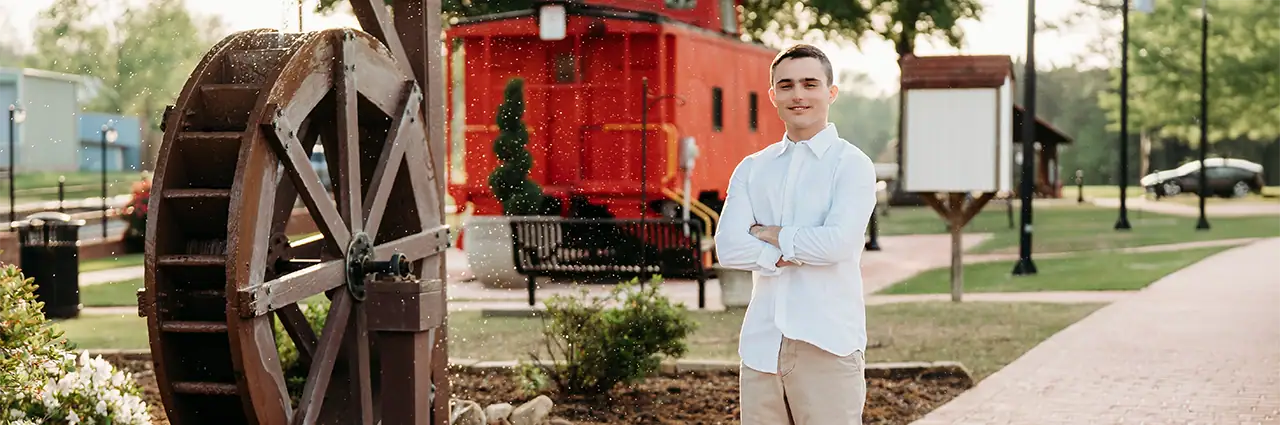
Senior portrait sessions are different from general portrait sessions because they are often a mix of planning, styling, personality, and milestone storytelling. Whether you are photographing your own high school senior or adding senior sessions to your client offerings, the best results usually come from preparing well, choosing the right location and lens, and helping the senior feel comfortable in front of the camera.
Great senior portraits should feel polished, personal, and natural. That means thinking beyond just camera settings. It also means planning outfits, picking a location that fits the senior’s style, mixing posed and candid moments, and using flattering light throughout the session. This article builds on our broader Portrait Photography Guide and focuses specifically on senior portrait photography tips that help create smoother sessions and stronger final images. For more help capturing natural expressions during the session, see our guide to Candid Portrait Photography Tips for Natural Expressions.
In this guide, you’ll learn how to:
- Choose lenses that work well for senior portraits
- Pick locations that feel more personal than a standard park session
- Pose seniors naturally and keep the session moving
- Capture candid moments that feel real
- Use outfits, props, and styling to tell a more personal story
- Work with flattering light outdoors
Why Senior Portrait Sessions Need a Different Approach
Senior portraits are not just about taking flattering images. They are also about capturing a major transition point in a way that feels personal to the student. That is why senior portrait photography works best when the session feels tailored to the individual.
A strong senior session usually includes:
- a clear sense of the senior’s personality
- outfit choices that feel intentional
- locations that add context without overpowering the subject
- a mix of posed and candid images
- lighting that stays soft and flattering
Instead of treating the session like a generic portrait shoot, it helps to think of it as a guided portrait experience with a little more planning built in from the start.
Plan the Session Before You Start Shooting
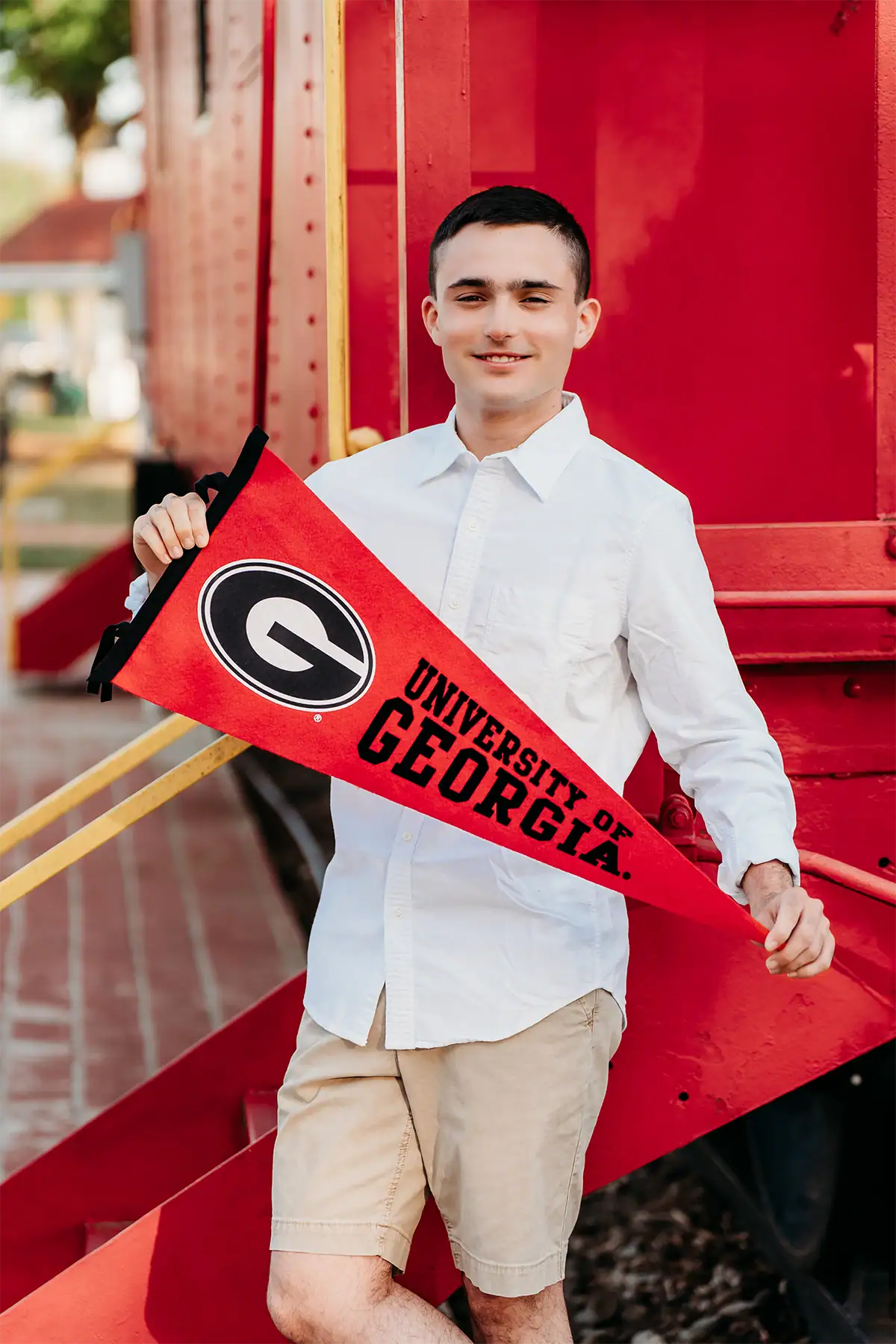
Some of the best senior portrait photography tips happen before the camera even comes out. A little planning can make the session feel smoother and help you create more variety without rushing.
Before the session, talk through:
- outfit options
- props or personal items
- location ideas
- preferred style, such as classic, sporty, urban, natural, or editorial
- whether the senior wants more posed images, more candid images, or a mix of both
This helps avoid confusion on the day of the session and gives the senior more confidence once you begin shooting.
Choose a Lens That Gives You Flexibility
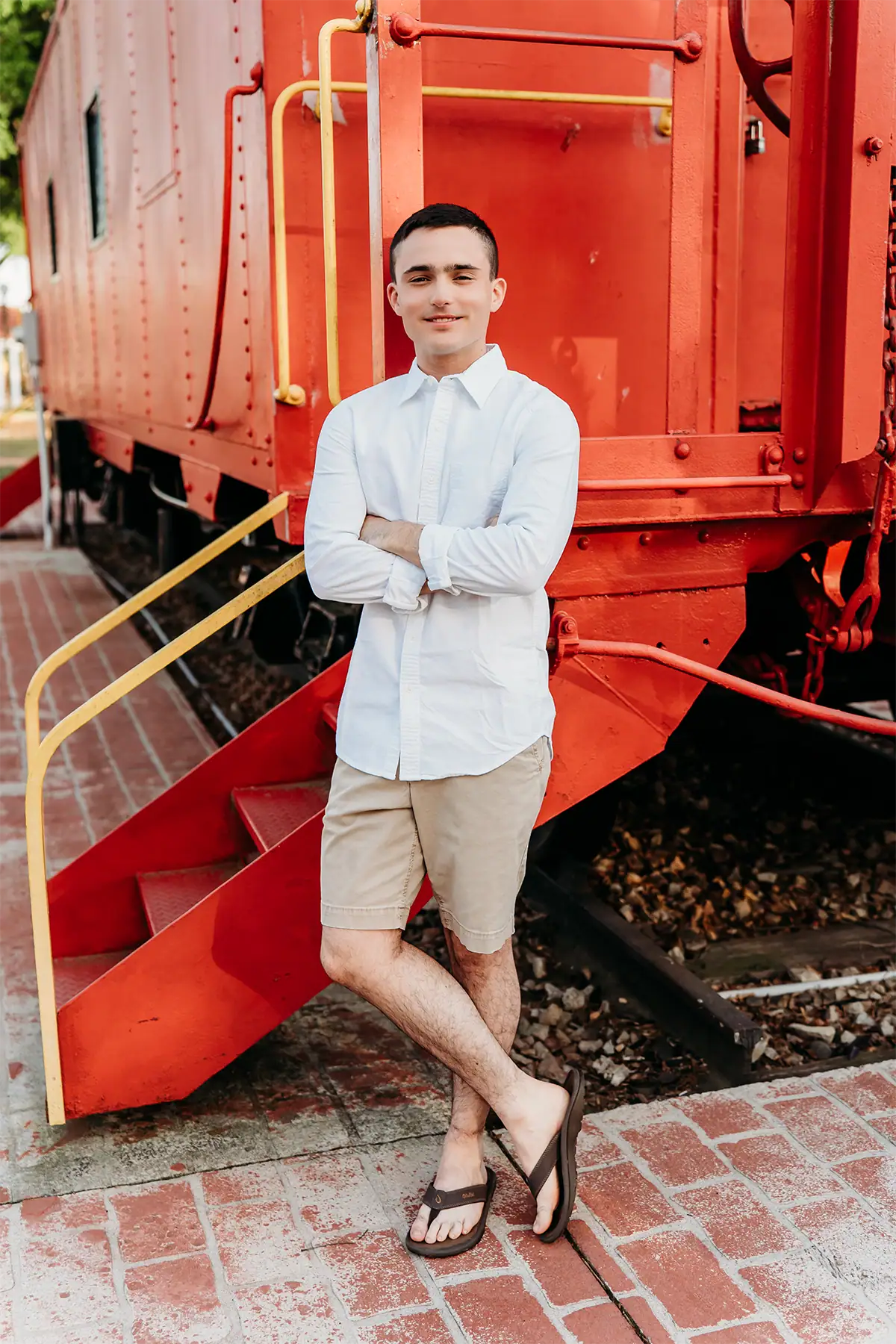
A strong senior portrait session usually includes a mix of tighter portraits, mid-length compositions, and some wider environmental images. That is why lens flexibility matters.
Tamron 35-150mm F/2-2.8 Di III VXD
The Tamron 35-150mm F/2-2.8 Di III VXD is one of the strongest choices for senior portraits because it covers a wide range of useful framing options in one lens. You can move from wider environmental portraits to flattering headshots without changing lenses, which helps the session feel smoother and gives you more variety in less time.
This lens is especially useful when you want to:
- photograph environmental portraits and tighter portraits in the same session
- work quickly without changing lenses
- create strong subject separation
- move easily between posed and candid shots
Tamron 35-100mm F2.8 Di III VXD
The Tamron 35-100mm F2.8 Di III VXD is a strong option if you want a more compact fast zoom that still covers some of the most useful portrait focal lengths. With 35mm at the wide end for environmental portraits and 100mm at the long end for tighter framing, it offers a practical range for senior sessions where you want flexibility without moving into a larger telephoto lens.
This lens is especially useful when you want to:
- keep your setup lighter for longer sessions
- shoot environmental portraits and tighter half-body portraits in one lens
- work with a constant F2.8 aperture
- maintain flexibility with a more compact kit
Tamron 70-180mm F/2.8 Di III VC VXD G2
If your senior portrait style leans toward flattering compression, tighter framing, and cleaner backgrounds, the Tamron 70-180mm F/2.8 Di III VC VXD G2 is one of the best choices. This focal range is especially useful for headshots, polished senior portraits, and more candid moments from a little more distance.
This lens is especially useful when you want to:
- create tighter portraits with flattering compression
- simplify distracting backgrounds
- keep a little more working distance
- photograph headshots or elegant half-body portraits
Which Lens Is Best for Your Senior Portrait Style?
The best lens for senior portraits depends on how you like to work.
- Choose the 35-150mm F/2-2.8 if you want the most versatility in a single lens.
- Choose the 35-100mm F2.8 if you want a more compact fast zoom that still covers key portrait focal lengths.
- Choose the 70-180mm F/2.8 G2 if your style leans toward tighter framing, flattering compression, and cleaner backgrounds.
Think Beyond the Park When Choosing Locations
Good senior portrait locations can include:
- urban alleys with texture
- stairwells or garages
- interesting architecture
- beaches
- athletic fields
- downtown areas
- roadside or small-town spots with character
The best location is usually one that fits the senior’s style rather than one that is simply convenient. A more specific setting often makes the images feel more thoughtful and more memorable.
Help the Senior Pose Naturally
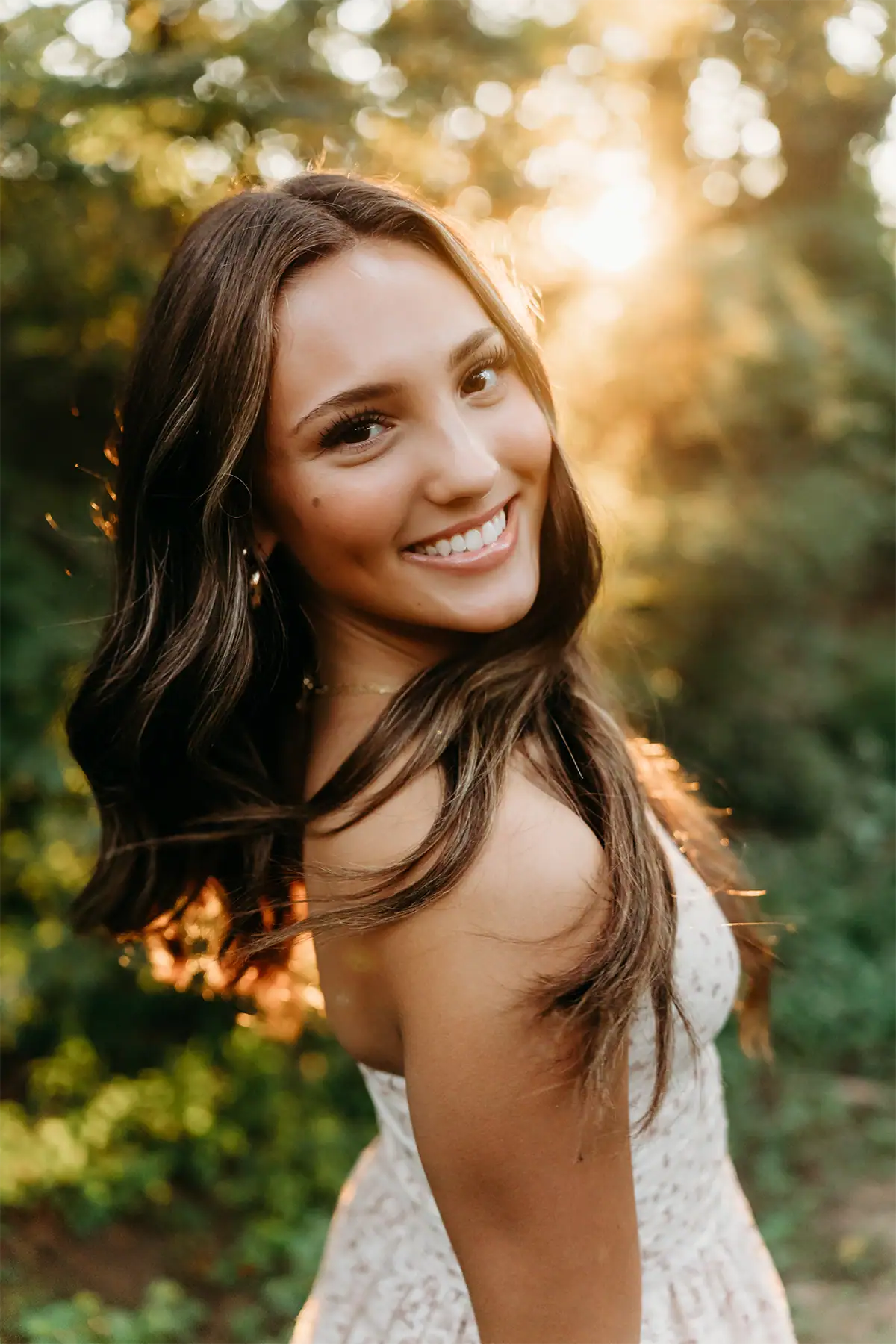
One of the biggest challenges in senior portrait photography is helping the subject look comfortable without feeling stiff or over-directed. Many seniors are not used to being photographed in a dedicated session, so simple posing guidance helps.
Start with:
- relaxed shoulders
- slight movement in the hands
- a natural shift of weight
- seated and standing variations
- looking both at and away from the camera
It also helps to keep the session moving. Rather than locking into one pose for too long, make small adjustments and keep shooting as expressions change.
Capture Candid Moments Alongside Posed Portraits
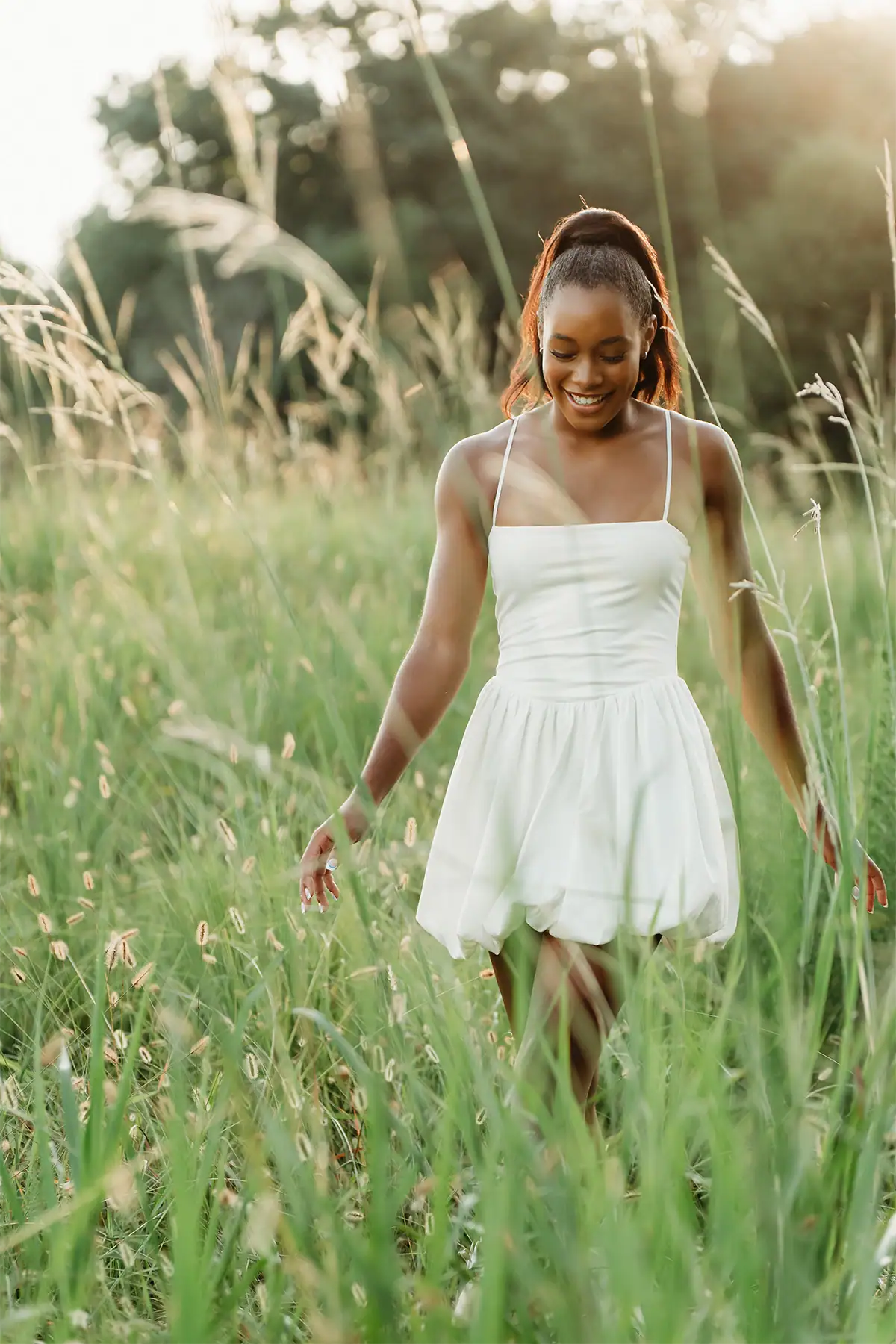
Some of the most memorable senior portraits happen between poses. Once the senior starts relaxing, candid moments often reveal personality more naturally than a fully directed shot.
You can encourage this by:
- talking during the session
- asking the senior to walk, turn, or laugh
- photographing in-between moments
- giving simple prompts rather than constant rigid posing
A good senior gallery usually includes both:
- polished, camera-aware portraits
- natural moments that feel more spontaneous
That balance is what makes the session feel complete.
Use Outfits and Props to Tell a More Personal Story
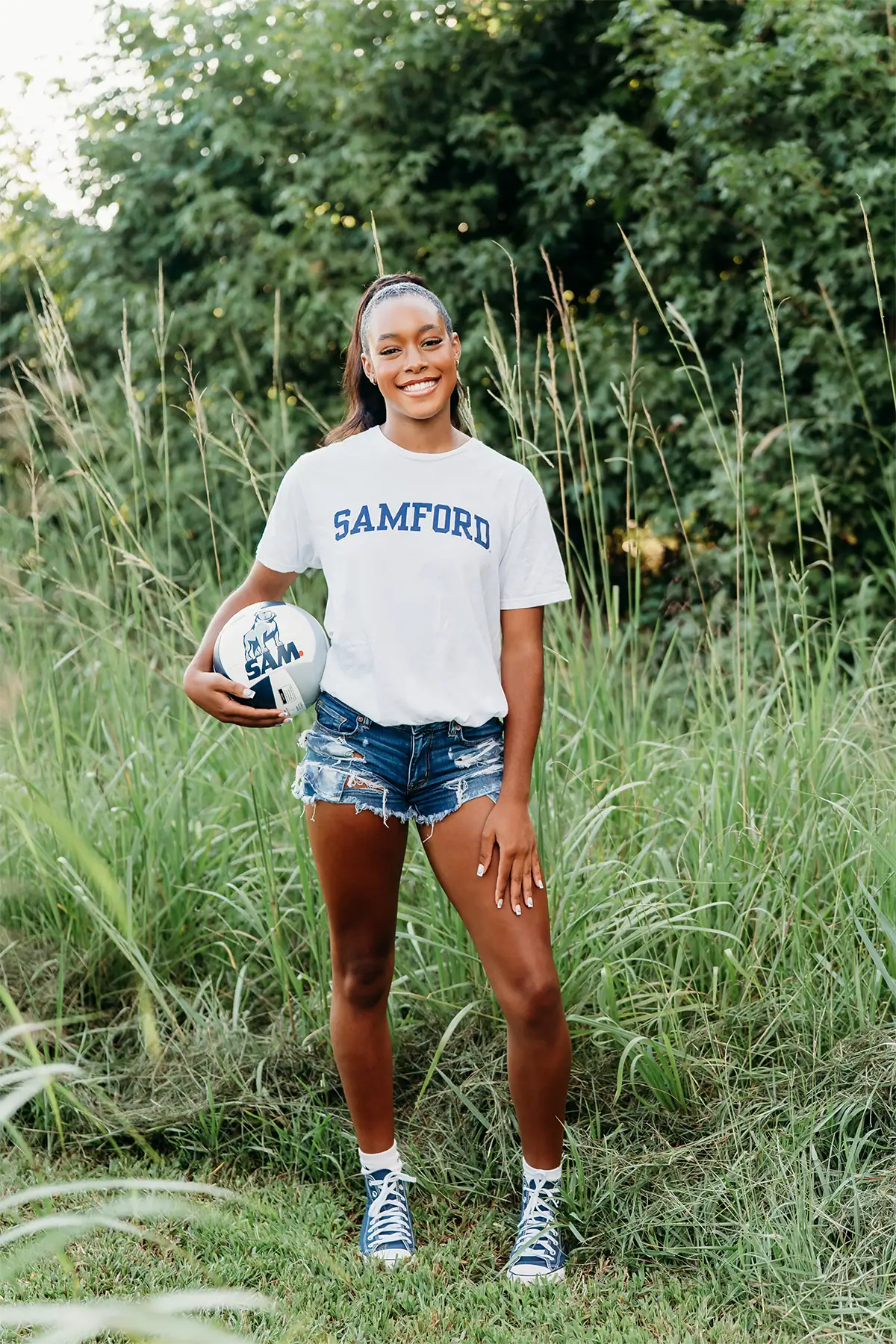
One of the easiest ways to make senior portraits feel more meaningful is to include visual details that reflect who the senior is right now. Clothing, props, and personal items can all help create a session that feels more customized.
This can include:
- sports uniforms or letter jackets
- musical instruments
- books
- graduation items
- hobby-related props
- outfits that reflect the senior’s personal style
Encourage the senior to choose items that feel authentic rather than overly styled. The goal is not to overload the frame, but to include enough personal detail to make the portraits feel specific and memorable.
Use Flattering Light for Better Senior Portraits
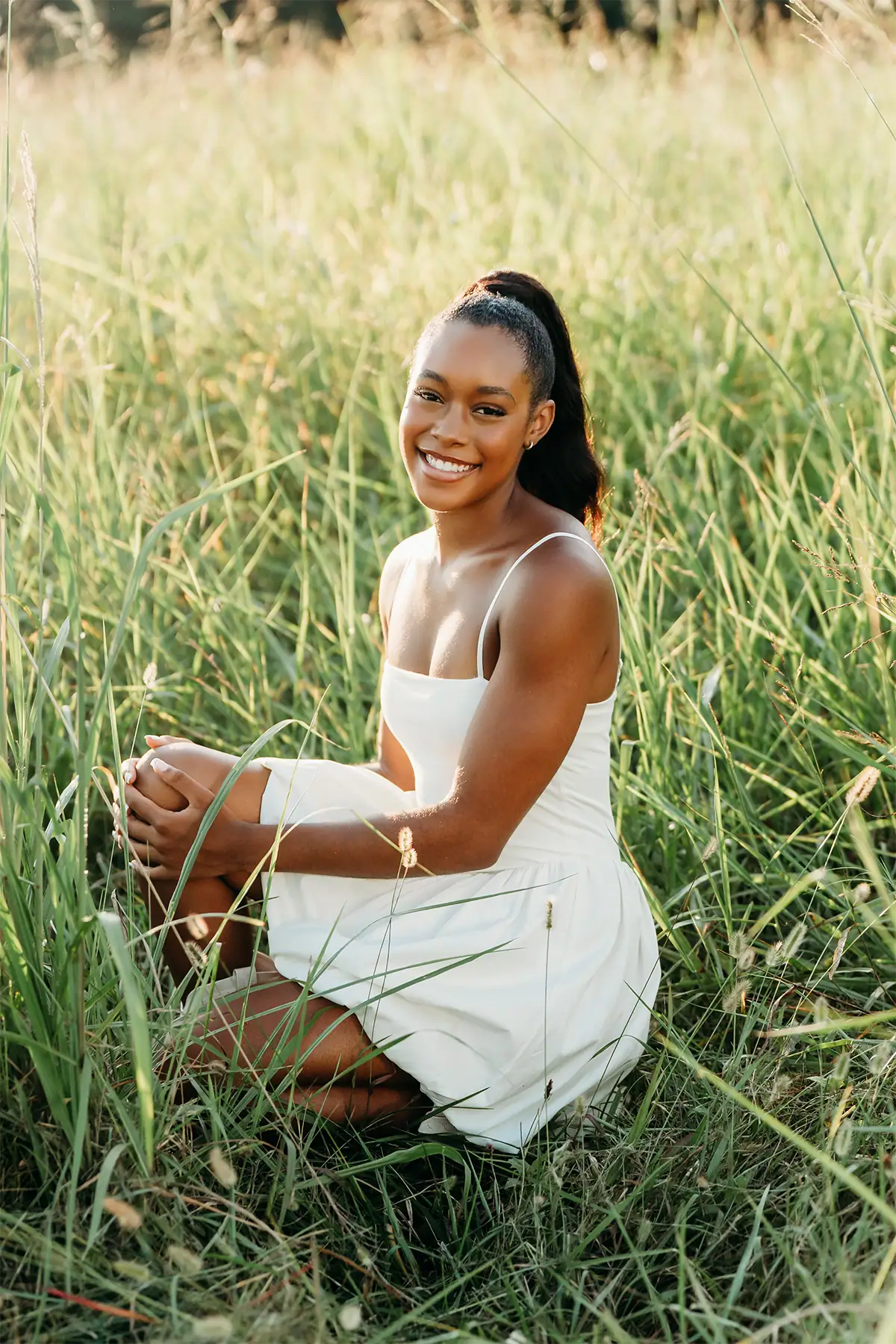
Lighting can quickly change the quality of a senior portrait session. Harsh midday sunlight often creates strong shadows, bright highlights, and uneven skin tones, which is why softer light is usually more flattering.
The most reliable options are:
- overcast light
- open shade
- directional shade near the edge of a building or tree line
- softer light later or earlier in the day
If the day is sunny, avoid placing the senior in direct overhead light whenever possible. Instead, look for:
- shade under trees
- building overhangs
- open garages
- soft directional light near the edge of shade
Keep the Session Moving Smoothly
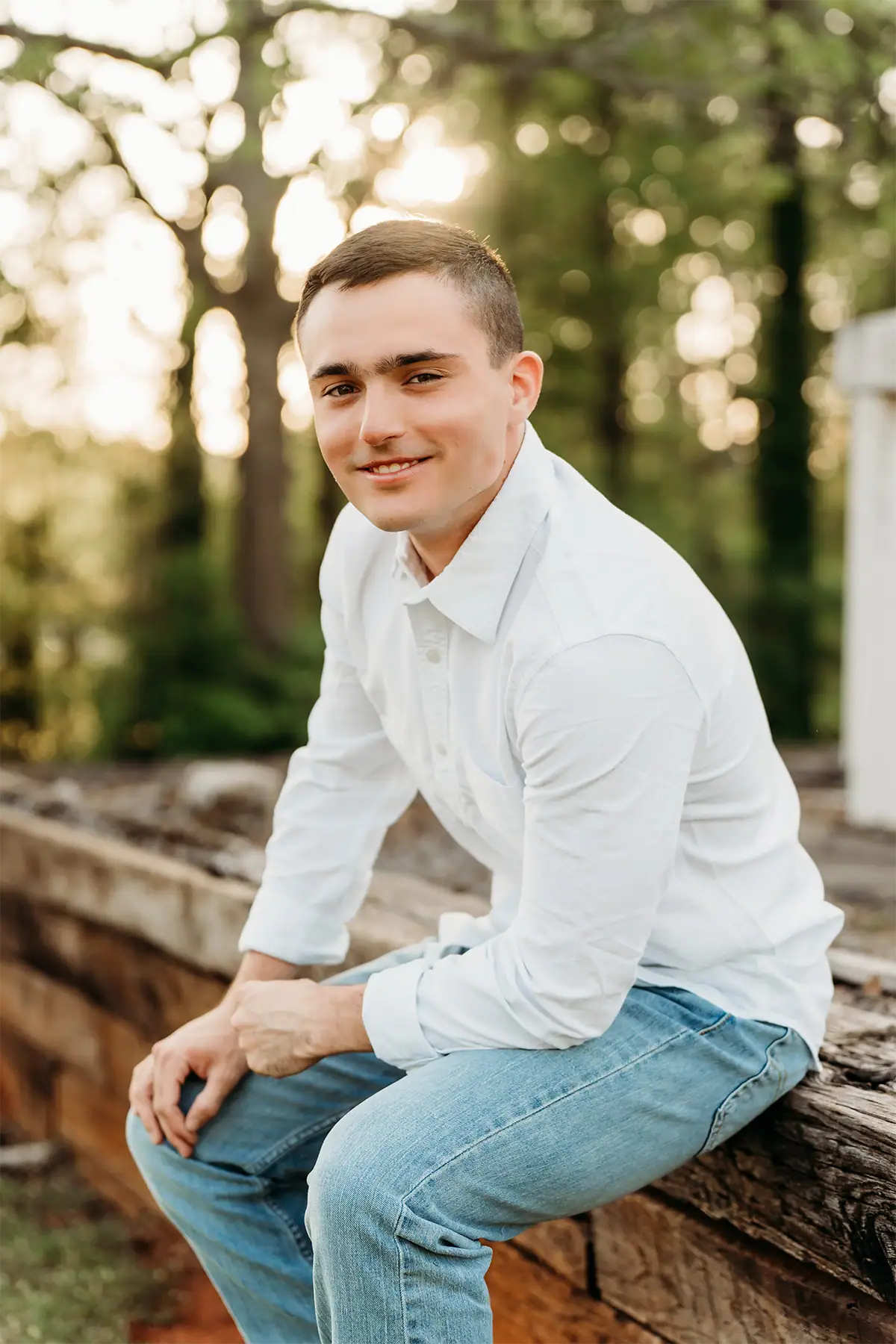
Senior sessions usually go better when the subject never feels like they are standing around waiting for the next instruction. A smoother session often leads to better expressions and more natural images.
To keep the flow strong:
- move between locations with a plan
- alternate between posed and candid moments
- switch from tight portraits to wider images
- vary standing, sitting, and walking shots
- offer simple encouragement throughout the session
The smoother the session feels, the more confident the senior usually becomes.
A Simple Senior Session Formula That Works
If you want a reliable structure, this is a good way to build a session:
- start with easy, straightforward portraits
- move into more natural poses and expression
- change location or angle for variety
- add a few personal items or outfit changes
- finish with looser candid moments once the senior is more relaxed
This helps the session build naturally instead of feeling repetitive.
People Also Ask
What should a senior wear for senior portraits?
Seniors should wear outfits that feel comfortable, polished, and true to their style. It helps to bring a mix of looks, such as one classic outfit and one more casual or personality-driven option.
What lens is best for senior portraits?
A fast all-in-one zoom like a 35-150mm F2-2.8 works especially well as it has all the popular portrait focal lengths in one lens that allows you to shoot fluidly and provides flattering compression, soft background blur, and flexible framing.
What time of day is best for senior portraits?
Softer natural light is usually best, especially in overcast conditions, open shade, or earlier and later parts of the day when sunlight is less harsh.
How do you make senior portraits look natural?
Keep the senior comfortable, mix posed and candid moments, use simple posing guidance, and keep the session moving so expressions stay relaxed.
What props should seniors bring to a portrait session?
Props should reflect the senior’s real interests, achievements, or style, such as sports gear, books, instruments, graduation items, or meaningful personal accessories.
Final Thoughts on Senior Portrait Photography Tips
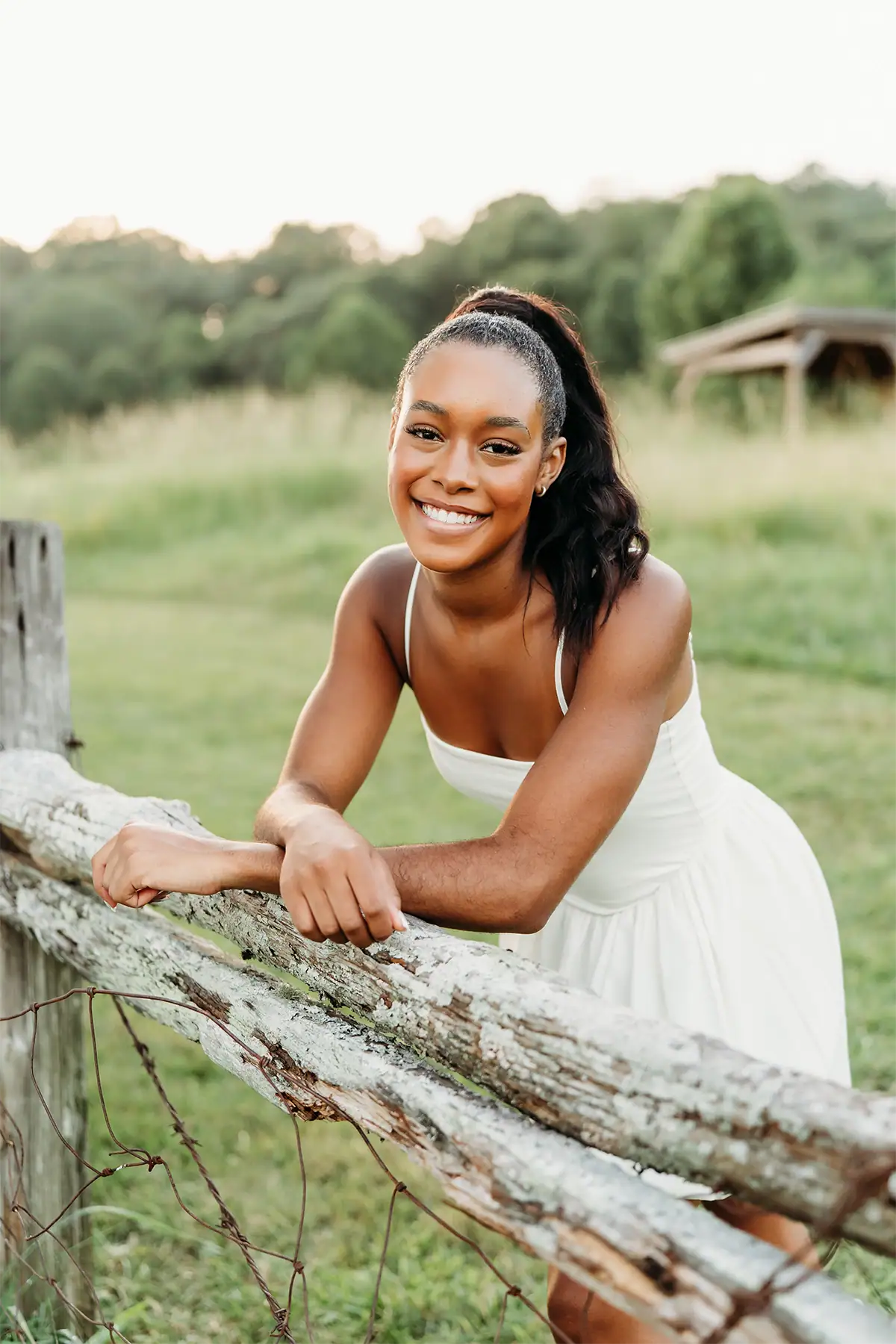
The best senior portrait photography tips are not just about camera gear. They are about helping the session feel organized, relaxed, and personal from beginning to end. With the right lens, a thoughtful location, flattering light, and a good mix of posed and candid images, you can create portraits that feel polished without losing personality.
Senior portraits work best when the images reflect who the student is at this moment in life. When you combine planning, flexibility, and a comfortable session experience, the final gallery becomes more than a set of portraits. It becomes a meaningful record of a milestone.
Where to Buy Tamron Lenses
Learn more about Tamron lenses for your next senior portrait session at an authorized Tamron dealer near you or shop directly at the official TAMRON Store.
FAQs
How many outfits should a senior bring to a portrait session?
Two to three outfits usually work well. This gives enough variety without slowing the session down too much.
Are candid photos important in senior portrait sessions?
Yes. Candid images often help reveal more personality and give the final gallery a more natural balance.
Can I shoot senior portraits in direct sun?
You can, but it is usually less flattering. Softer light in overcast conditions or open shade is often a better choice.
How do I choose the best senior portrait location?
Choose a location that fits the senior’s style, interests, and overall look you want for the session rather than defaulting to a standard park every time.
What makes a senior portrait session feel professional?
Preparation, good communication, flattering light, strong lens choice, and a session flow that keeps the senior relaxed all help the final portraits feel more polished.