Economia instantânea
 Reivindicações de bônus
 Suporte
 Encontre um revendedor
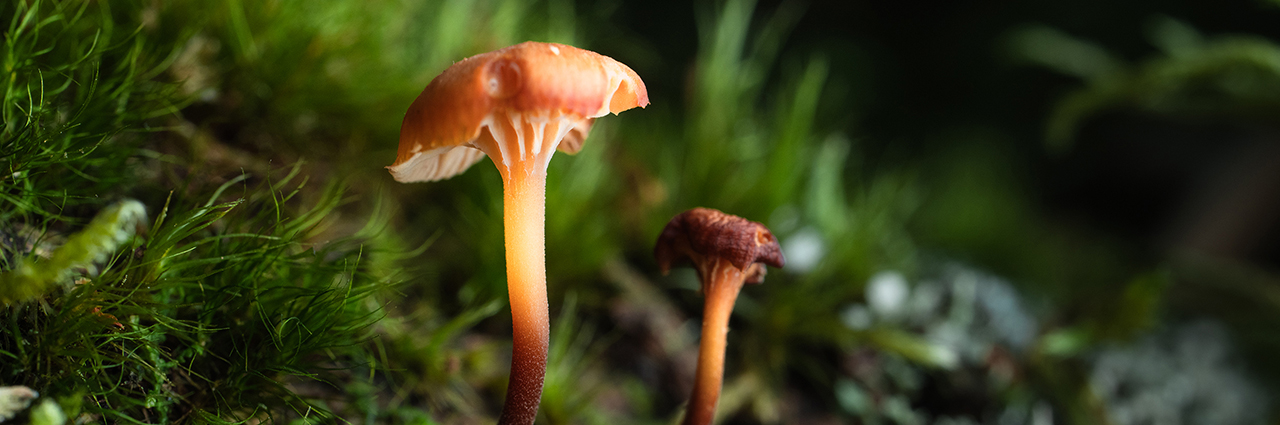
A fotografia macro é um tipo de fotografia em close-up extremo que reproduz um objeto com uma taxa de ampliação de 1:1 ou superior no sensor da câmera. Para criar imagens macro bem-sucedidas, é necessário contar com o equipamento adequado, configurações da câmera cuidadosamente selecionadas e iluminação controlada que revele detalhes finos, minimizando ao mesmo tempo o tremido da câmera, o desfoque e as sombras excessivas.
Os temas de macrofotografia podem ser encontrados em praticamente qualquer lugar, desde insetos e flores até geada, alimentos, joias, selos e pequenos objetos do dia a dia. No entanto, fotografar esses temas com alta ampliação traz desafios que são menos perceptíveis em outros tipos de fotografia. A profundidade de campo torna-se extremamente rasa, pequenos movimentos parecem ampliados, e tanto a câmera quanto o fotógrafo podem projetar sombras sobre o objeto.
Compreender a ampliação, a distância de trabalho, as técnicas de foco, a iluminação e a estabilidade ajudará você a produzir fotografias macro mais nítidas e visualmente atraentes. Este guia explica as técnicas e configurações essenciais que você pode usar para fotografar objetos pequenos com maior precisão e controle criativo.
Índice
- O que é fotografia macro?
- Entendendo as taxas de ampliação e a distância de trabalho
- Equipamentos essenciais para fotografia macro
- Configurações da câmera para fotografia macro: dicas sobre abertura, foco e distância focal
- Técnicas de iluminação e difusão para fotografia macro
- Técnicas de estabilidade e composição para fotos macro mais nítidas
- Videografia macro: capturando o movimento
- Erros comuns na fotografia macro que devem ser evitados
- Explore o Macro Cluster
- Perguntas frequentes sobre fotografia macro: respostas às dúvidas mais comuns
O que é fotografia macro?
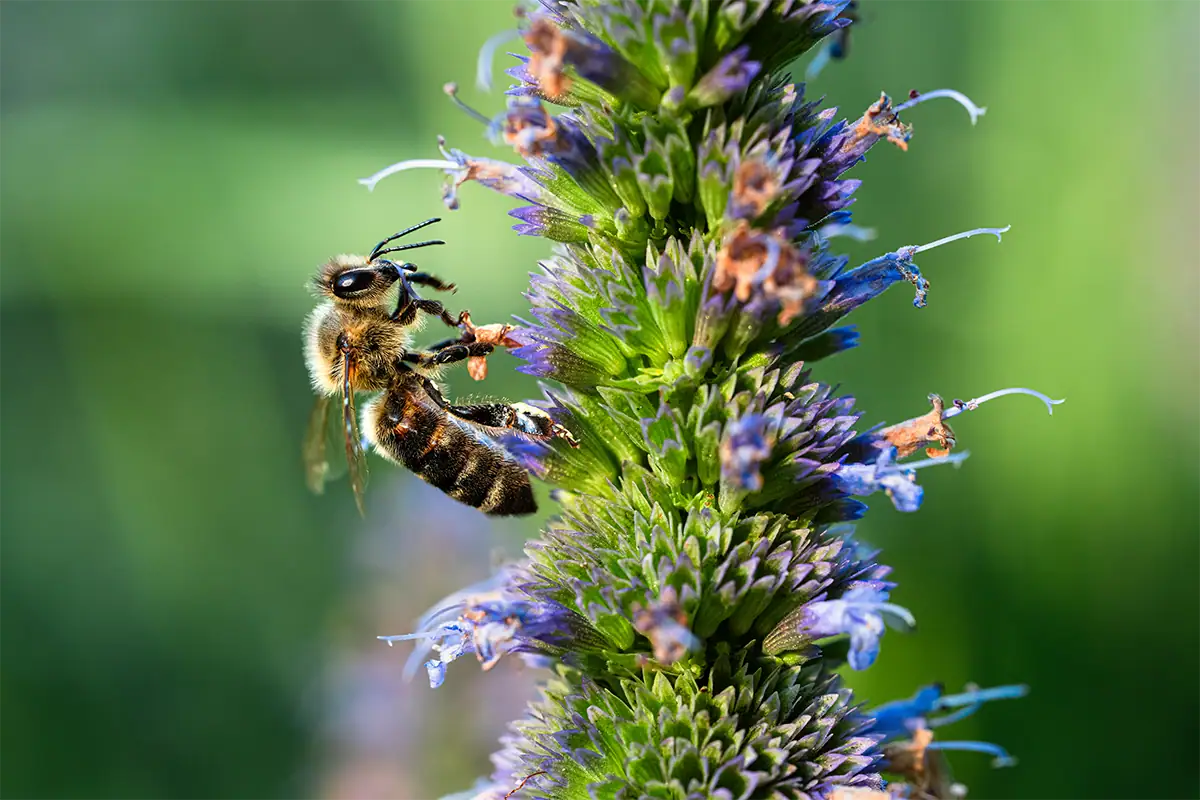
A fotografia macro é a prática de fotografar objetos muito pequenos com alta ampliação, de modo que seus detalhes apareçam em tamanho real ou maiores no sensor da câmera. Tecnicamente, a verdadeira fotografia macro começa com uma taxa de reprodução de 1:1, embora o termo “macro” também seja comumente usado para descrever imagens em close-up que não atingem esse limite.
Em distâncias focais curtas, objetos comuns podem revelar padrões, cores e texturas que são difíceis de perceber a olho nu. A superfície de uma pétala de flor, o olho composto de um inseto, a estrutura cristalina do gelo ou os detalhes gravados em um selo podem se tornar o tema principal de uma imagem.
A fotografia macro não se limita à natureza. Ela também é utilizada para fotografia de produtos, documentação científica, fotografia de alimentos, projetos de belas-artes, joias, itens de coleção e outros temas que exijam a reprodução precisa de pequenos detalhes.
O que se considera “verdadeira” fotografia macro?
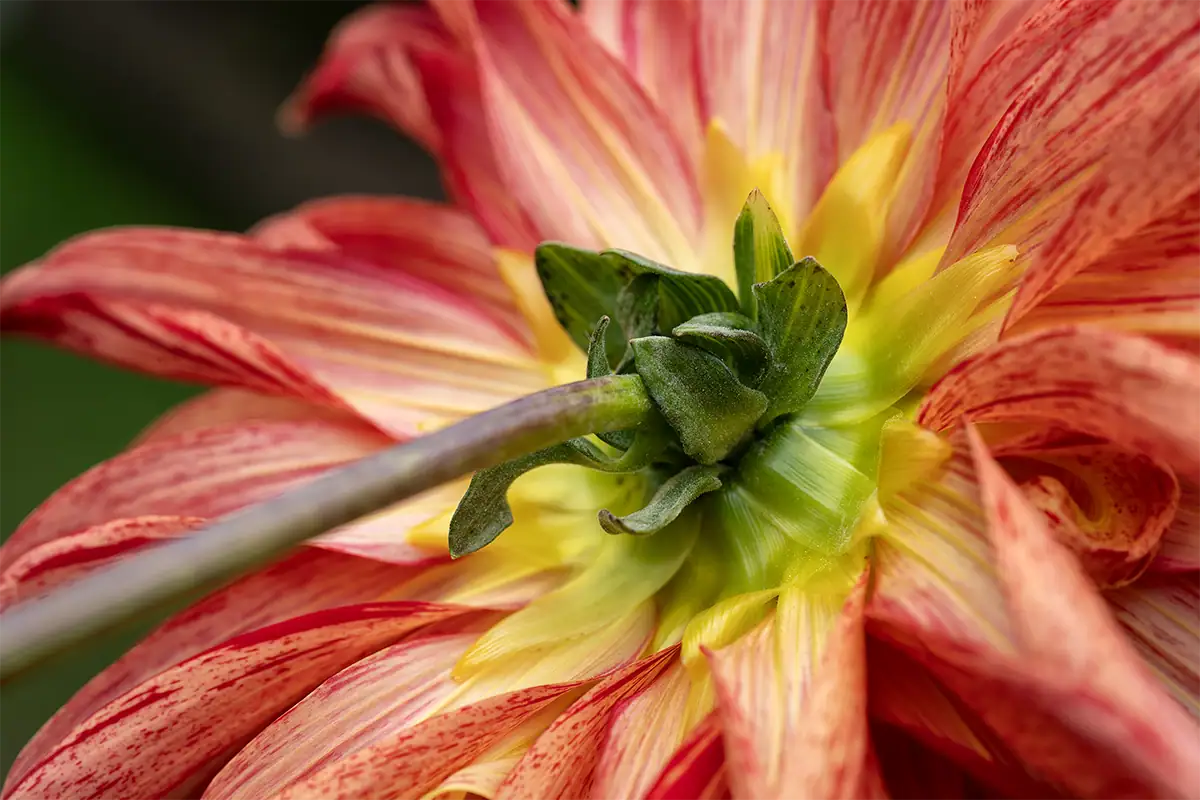
Verdadeiro fotografia macro reproduz um objeto com uma relação de ampliação de 1:1 ou superior no sensor da câmera. Na relação de 1:1, um objeto que mede 10 milímetros na realidade é projetado no sensor com 10 milímetros, permitindo que detalhes extremamente pequenos ocupem uma parte substancial da fotografia final.
A proporção de 1:1 é amplamente aceita como o limite técnico para a verdadeira fotografia macro, pois descreve a relação física real entre o objeto e sua imagem projetada. Ela não se refere ao tamanho com que o objeto aparece no monitor de computador ou na impressão, já que essas exibições podem ampliar qualquer fotografia.
Por exemplo, um pequeno inseto fotografado na escala 1:1 pode ocupar grande parte do sensor, mesmo que o inseto continue minúsculo no mundo real. Quando a fotografia é exibida em uma tela grande, o inseto pode parecer muitas vezes maior do que na realidade.
Algumas lentes e câmeras utilizam o termo “macro” de forma mais ampla para se referir à capacidade de foco próximo, que produz proporções como 1:2 ou 1:3. Essas lentes podem produzir excelentes imagens em close-up, mas, tecnicamente, não alcançam a reprodução em tamanho real.
Saiba mais sobre O que faz com que uma lente seja uma verdadeira lente macro?, incluindo como a distância mínima de foco e a ampliação máxima afetam o desempenho em fotos em close-up.
Fotografia macro x fotografia micro: qual é a diferença?
As termos “fotografia macro” e “fotografia micro” são, por vezes, usados de forma intercambiável, mas tradicionalmente descrevem níveis diferentes de ampliação. A fotografia macro geralmente começa com uma ampliação de 1:1 e pode ser realizada com uma câmera e uma lente macro, enquanto a fotografia micro se refere à captura de imagens de objetos por meio de um microscópio, com ampliações que ultrapassam as capacidades de uma lente macro padrão.
A terminologia pode causar confusão, pois os fabricantes de lentes nem sempre utilizaram as mesmas convenções de nomenclatura. Algumas lentes com foco próximo têm sido tradicionalmente denominadas “Micro”, enquanto outras, que oferecem recursos semelhantes, são chamadas de “Macro”. Nesses casos, o nome não indica necessariamente que seja necessário o uso de um microscópio.
Para a maioria das flores, insetos, joias, detalhes de alimentos, selos, texturas e pequenos produtos, uma lente macro convencional oferece ampliação suficiente. A fotografia com microscópio torna-se necessária quando o objeto ou detalhe é pequeno demais para ser captado com eficácia por uma lente macro, como células, microrganismos ou estruturas microscópicas de materiais.
Entendendo as taxas de ampliação e a distância de trabalho
A taxa de ampliação descreve o tamanho com que o objeto aparece no sensor da câmera, enquanto a distância de trabalho descreve o espaço físico entre a parte frontal da lente e o objeto. Juntas, essas medidas determinam a quantidade de detalhes que você pode capturar, o grau de aproximação com que você pode enquadrar o objeto e a distância mínima a que você deve posicionar a câmera.
Compreender esses dois conceitos é especialmente importante ao fotografar objetos vivos. Uma lente pode oferecer ampliação suficiente, mas, se a câmera for posicionada muito perto, o inseto pode voar para longe, o fotógrafo pode bloquear a luz disponível ou a lente pode interferir na composição pretendida.
O que é a taxa de ampliação e por que ela é importante?
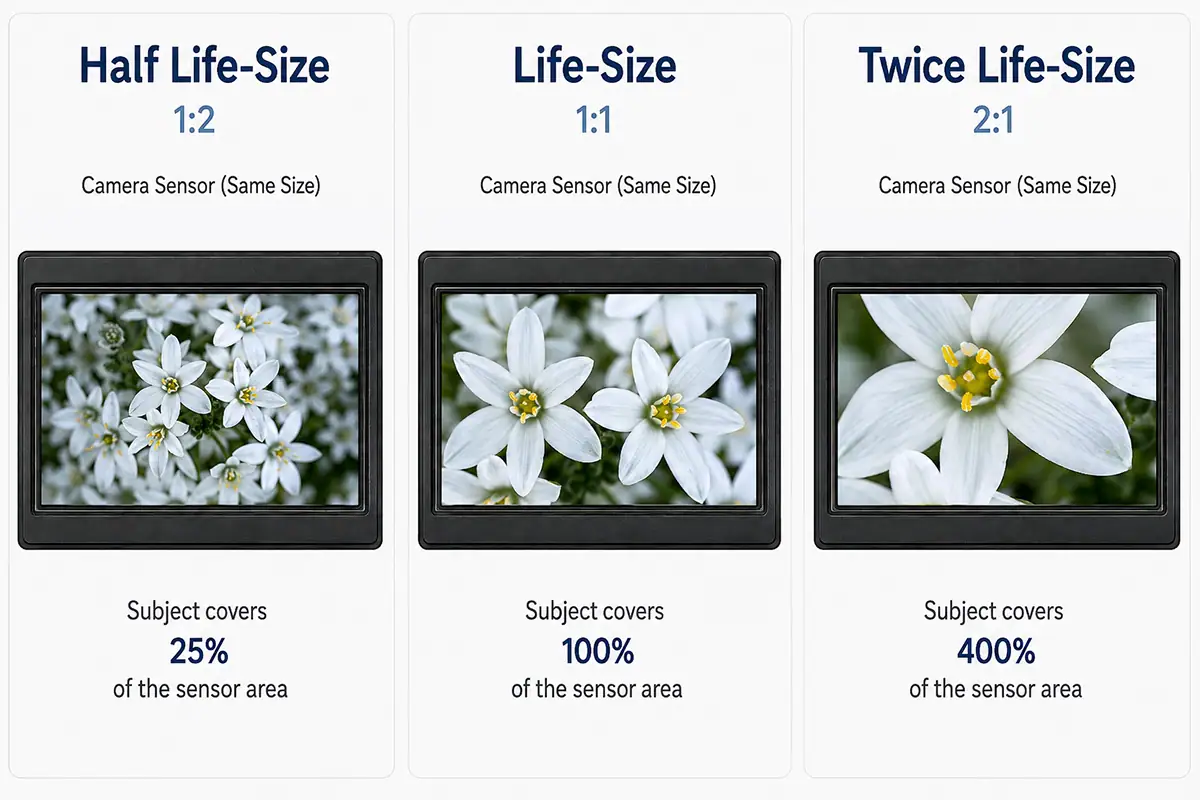
A relação de ampliação compara o tamanho da imagem projetada do objeto no sensor com o tamanho real do objeto. Uma relação de 1:1 registra o objeto em tamanho real, enquanto uma relação de 1:2 o registra com metade do tamanho real. Lentes macro verdadeiras atingem pelo menos 1:1, e lentes especializadas podem atingir 2:1, 5:1 ou mais.
Com ampliação de 1:2, um objeto que mede 10 milímetros projeta uma imagem de 5 milímetros no sensor. Com ampliação de 1:1, o mesmo objeto projeta uma imagem de 10 milímetros. Com ampliação de 2:1, sua imagem projetada mede 20 milímetros, tornando-a maior no sensor do que na realidade.
Uma ampliação maior permite capturar detalhes cada vez mais precisos, mas também intensifica todos os desafios técnicos. A profundidade de campo fica menor, a trepidação da câmera se torna mais visível e movimentos mínimos do objeto podem deslocar o ponto de foco pretendido para fora da área nítida.
Os iniciantes nem sempre precisam começar com a ampliação máxima possível. Começar com uma proporção de 1:2 ou um enquadramento um pouco mais amplo pode facilitar a localização do objeto, o ajuste do foco e a criação de uma composição equilibrada antes de se aproximar.
Por que a distância de trabalho é importante para pessoas nervosas
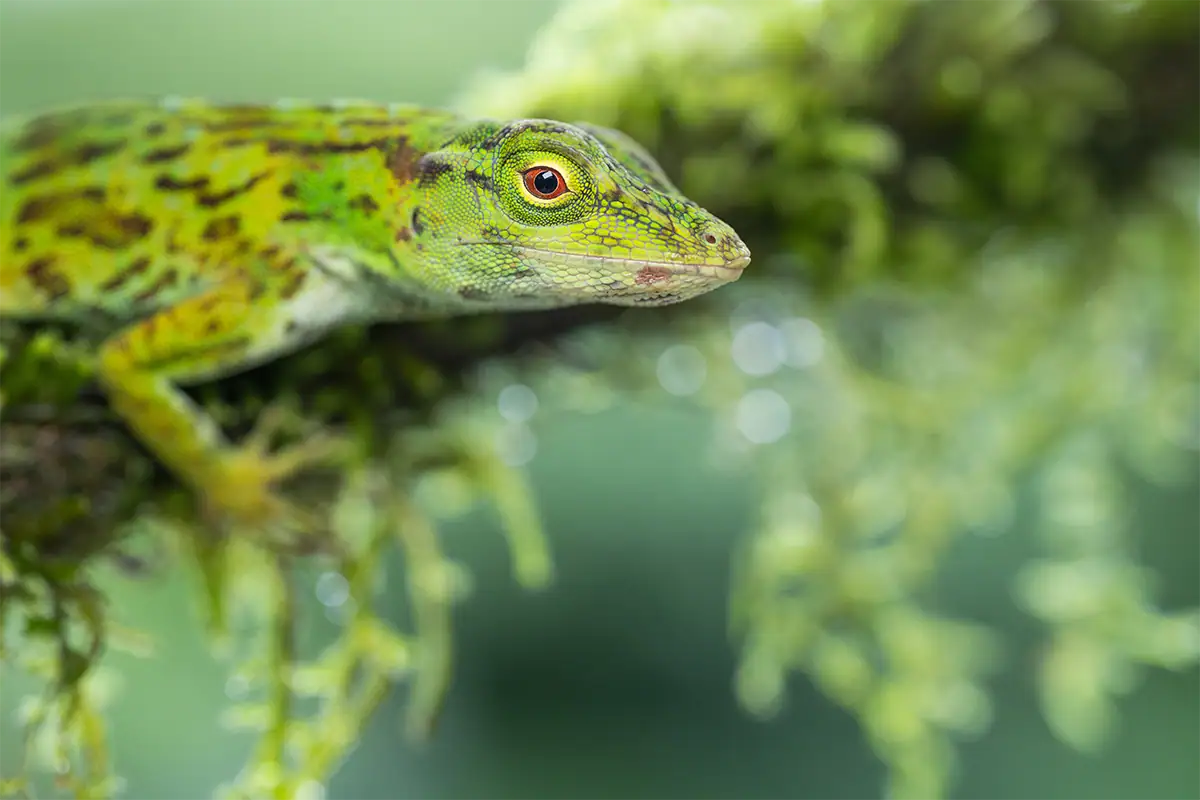
A distância de trabalho é o espaço entre a parte frontal da lente e o objeto na posição de foco mais próxima. Isso é importante porque insetos, pequenos animais e outros objetos que se assustam facilmente costumam exigir mais espaço físico do que uma lente macro de distância focal curta oferece, tornando as distâncias focais mais longas mais fáceis de usar sem perturbá-los.
A distância de trabalho não deve ser confundida com a distância mínima de foco, que geralmente é medida a partir do plano do sensor da câmera, e não a partir da parte frontal da lente. Uma lente pode apresentar uma distância mínima de foco aparentemente generosa, mas deixar muito menos espaço utilizável entre seu elemento frontal e o objeto.
Lentes macro de focagem mais curta, na faixa de 50 a 65 mm, geralmente exigem que o fotógrafo trabalhe mais próximo do objeto. Lentes na faixa de 90 a 105 mm oferecem uma distância mais moderada, enquanto as da faixa de 150 a 200 mm permitem que os fotógrafos fiquem mais distantes de animais e insetos tímidos.
A distância de trabalho adicional também facilita o posicionamento de luzes e difusores sem sobrecarregar o objeto. No entanto, lentes mais longas são geralmente maiores e podem dificultar o enquadramento preciso com a câmera na mão.
Para uma abordagem prática sobre fotografia macro ao ar livre, no campo, leve em consideração como o comportamento do sujeito, o vento, o posicionamento em relação ao fundo e as variações da luz natural afetam o processo de filmagem.
Equipamentos essenciais para fotografia macro
O equipamento essencial para a fotografia macro inclui uma lente com foco próximo ou um acessório de ampliação, um sistema estável de suporte para a câmera e iluminação que possa ser posicionada ou difusa próxima ao objeto. O equipamento ideal depende do objeto, já que flores e produtos permitem um posicionamento próximo, enquanto insetos e outros objetos mais ariscos geralmente exigem uma distância de trabalho maior.
O equipamento não substitui uma boa técnica, mas as ferramentas certas podem facilitar muito o foco, a iluminação e a composição. Antes de escolher o equipamento, leve em consideração se o objeto se move, qual o nível de ampliação necessário, quanto espaço de manobra está disponível e se a foto será tirada em ambiente interno ou externo.
Conheça estes dicas para fotografar com lentes macro para ver mais exemplos de como a posição da lente, a distância de foco, a iluminação e a escolha do objeto influenciam as imagens macro.
Como escolher uma lente macro de acordo com a distância focal
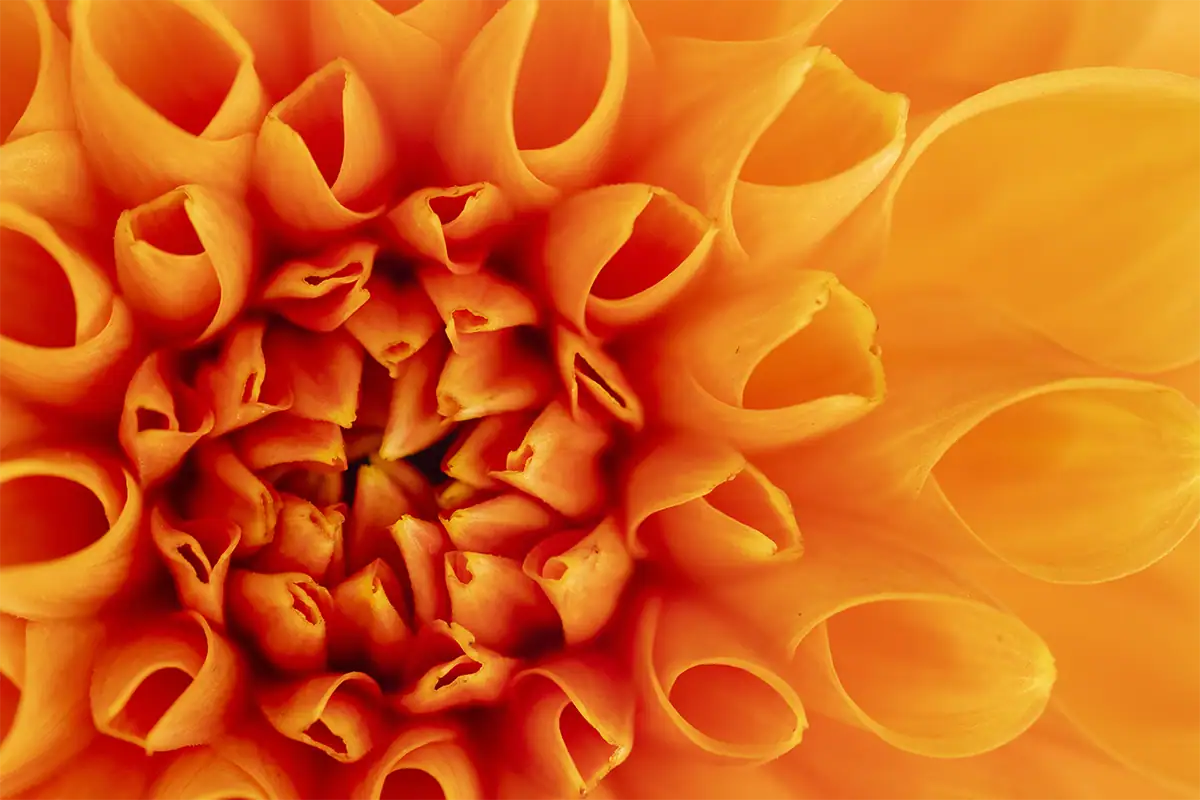
As verdadeiras lentes macro oferecem uma relação de reprodução de 1:1 e, geralmente, se enquadram em três faixas de distância focal: 50 a 65 mm, 90 a 105 mm e 150 a 200 mm. Cada faixa pode proporcionar ampliação em tamanho real, mas a distância focal altera a distância de trabalho, a perspectiva, a aparência do fundo e os temas que são mais fáceis de fotografar com a lente.
Nenhuma das duas opções proporciona automaticamente a mesma distância de trabalho, a mesma experiência de foco ou o mesmo desempenho óptico de uma verdadeira lente macro. No entanto, ambas podem servir como um ponto de partida acessível para aprender composição em close-up, iluminação e controle de foco.
Configurações da câmera para fotografia macro: dicas sobre abertura, foco e distância focal
As configurações eficazes para fotografia macro equilibram a profundidade de campo, a velocidade do obturador e a qualidade da imagem. Comece com valores entre f/8 e f/13, foque manualmente no detalhe mais importante e use pelo menos 1/200s ao fotografar sem tripé. Ajuste o ISO conforme necessário para manter essa velocidade do obturador, especialmente ao fotografar insetos ou objetos que se movem com o vento.
Não existe uma configuração de exposição única que funcione em todas as situações. Um produto estático fotografado com um tripé permite velocidades de obturador mais lentas e valores de ISO mais baixos, enquanto um inseto em movimento pode exigir uma velocidade de obturador mais rápida, luz adicional e um ISO mais alto.
Melhores configurações de abertura para fotografia macro (f/8 a f/13)
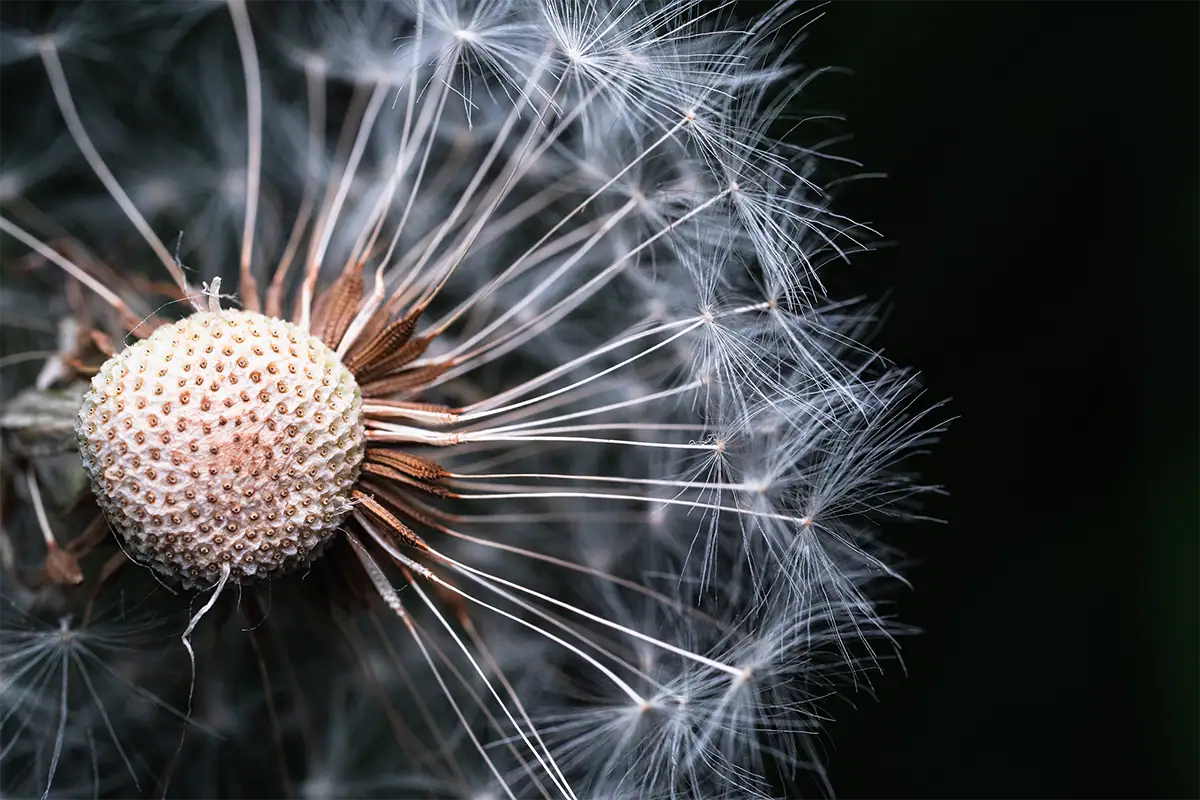
O ponto ideal de abertura para fotografia macro é de f/8 a f/13, o que proporciona um equilíbrio prático entre profundidade de campo e nitidez geral. A focagem próxima produz uma faixa de foco extremamente rasa; portanto, aberturas moderadamente estreitas ajudam a manter uma área maior do objeto nítida, sem introduzir o efeito de difração mais acentuado que pode surgir a partir de f/16.
A profundidade de campo diminui à medida que a ampliação aumenta. Mesmo em f/8 ou f/11, apenas uma faixa estreita de um objeto pequeno pode aparecer nítida ao fotografar na proporção de 1:1 ou próxima a ela.
Sempre que possível, posicione a câmera de forma que o plano do sensor fique paralelo à superfície mais importante do objeto. Por exemplo, ao fotografar uma borboleta com as asas abertas, alinhar a câmera com as asas pode fazer com que uma área maior de ambas as asas fique no plano de foco, sem a necessidade de usar uma abertura extremamente estreita.
Aberturas menores que f/16 podem aumentar a profundidade de campo aparente, mas a difração pode reduzir os detalhes finos em toda a imagem. Quando o objeto exige mais nitidez do que um único quadro pode oferecer, o focus stacking costuma ser a melhor solução.
Veja estes Configurações para fotografia macro na prática para conhecer outras maneiras de equilibrar a abertura, a velocidade do obturador, o ISO e o movimento do objeto.
Foco manual: por que é a melhor opção para fotografias macro
O foco manual costuma superar o foco automático na fotografia macro, pois a profundidade de campo extremamente reduzida em distâncias curtas pode fazer com que os sistemas de foco automático oscilem, alternem entre detalhes concorrentes ou fixem-se no ponto errado. O controle manual permite que o fotógrafo coloque o foco precisamente no olho de um inseto, no centro de uma flor ou na característica marcante de um produto.
O recurso de destaque de foco pode realçar bordas de alto contraste que parecem nítidas, facilitando a identificação do plano de foco aproximado. A visualização ao vivo ampliada oferece ainda mais precisão ao ampliar uma pequena parte do quadro na tela da câmera ou no visor eletrônico.
Alguns sistemas modernos de foco automático apresentam bom desempenho com objetos reconhecíveis e iluminação intensa. O foco automático contínuo também pode ajudar no caso de insetos que se movem lentamente. No entanto, o foco manual continua sendo mais previsível quando a câmera está próxima da distância mínima de foco ou quando o objeto apresenta detalhes sobrepostos.
A técnica de balanço para um foco preciso
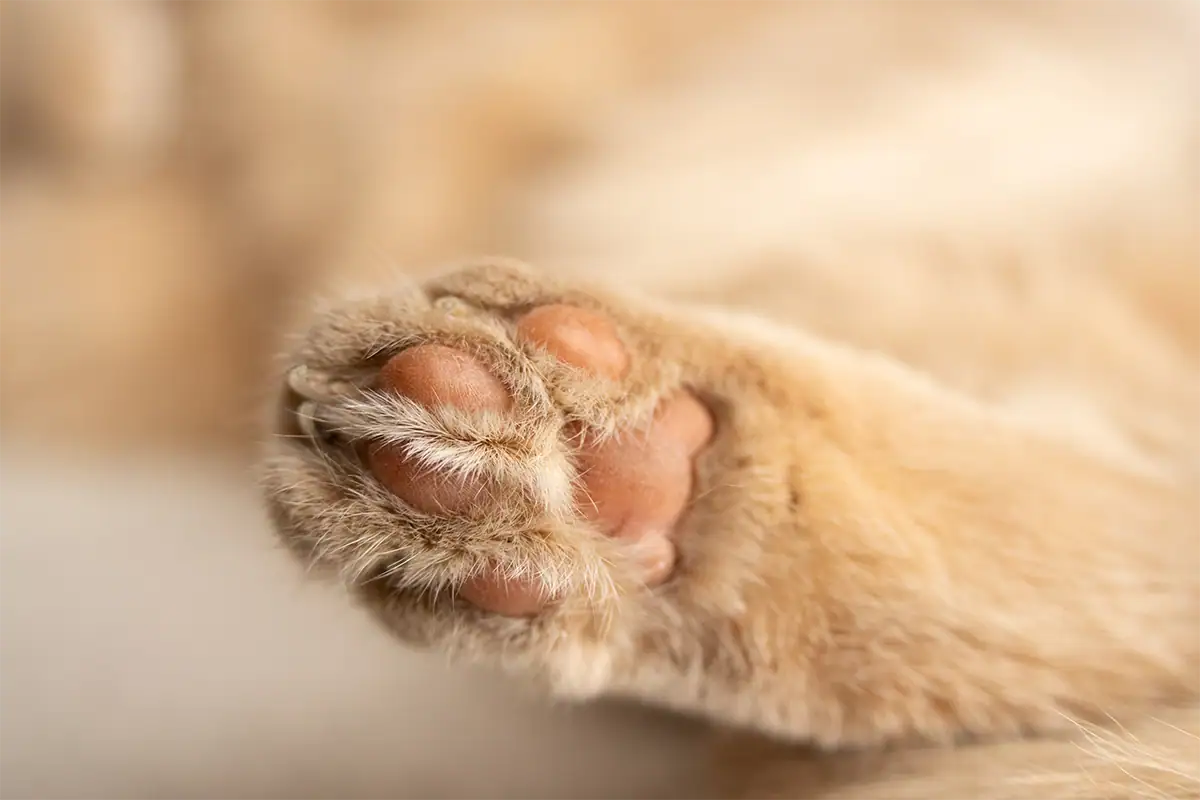
A técnica de balanço consiste em ajustar o foco manualmente e, em seguida, balançar fisicamente o corpo ou a câmera levemente para frente e para trás até que os detalhes do objeto desejado fiquem nítidos. Em vez de girar repetidamente o anel de foco, o fotógrafo move toda a câmera uma distância muito pequena para deslocar o plano de foco através do objeto.
Para usar a técnica de balanço:
- Ajuste a lente para o foco manual.
- Escolha a ampliação ou a distância focal desejada.
- Enquadre o objeto e identifique o detalhe que deve ficar nítido.
- Segure a câmera da forma mais firme possível.
- Balança levemente para a frente e para trás, em vez de girar o anel de foco.
- Observe como o detalhe em questão entra e sai de foco.
- Aperte o botão do obturador quando o detalhe estiver mais nítido.
- Tire várias fotos para aumentar as chances de obter um foco perfeito.
O movimento deve ser extremamente pequeno. Em alta ampliação, deslocar a câmera em apenas alguns milímetros pode mudar o plano de foco do olho de um inseto para sua antena ou da parte da frente para a parte de trás do centro de uma flor.
O disparo em sequência pode tornar a técnica mais eficaz ao fotografar objetos em movimento. Ao mover-se suavemente pelo plano de foco, capture uma sequência curta em vez de se limitar a um único quadro.
Empilhamento de foco para aumentar a profundidade de campo
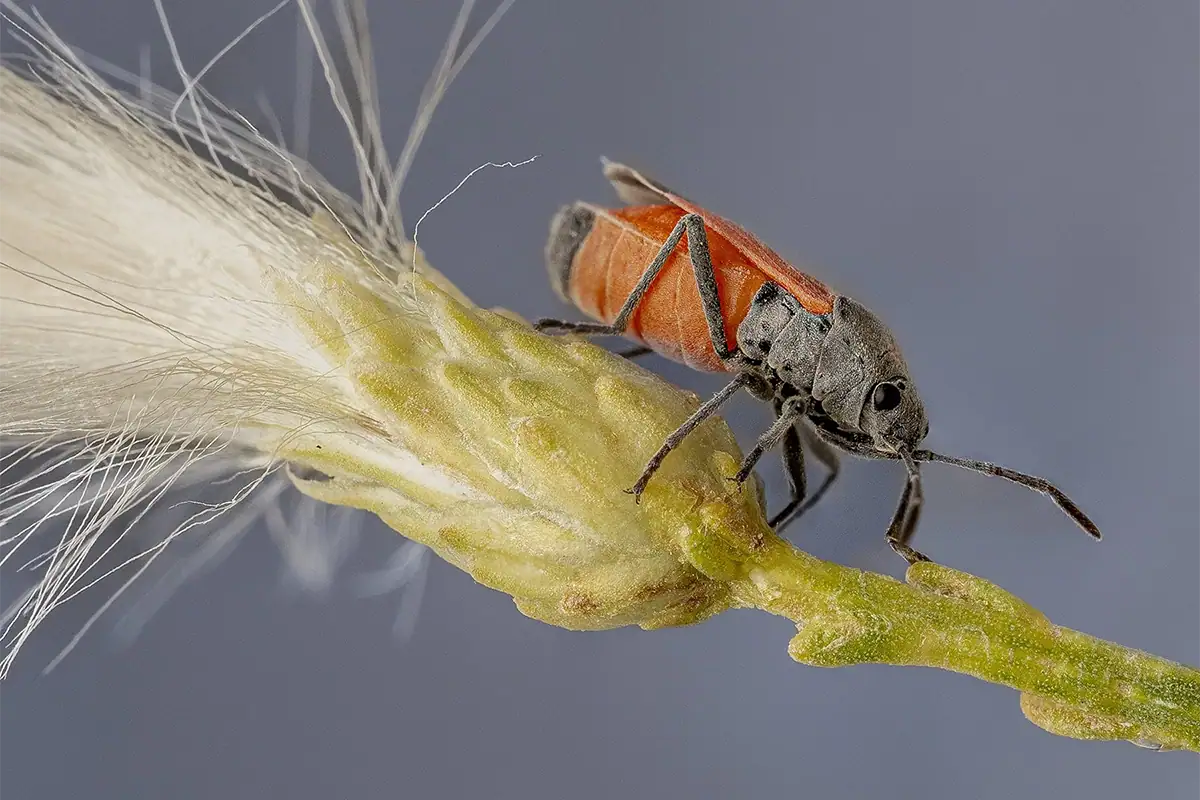
O focus stacking combina várias fotografias do mesmo objeto, capturadas com pontos de foco ligeiramente diferentes. As áreas nítidas desses quadros são combinadas durante o pós-processamento, produzindo uma imagem com profundidade de campo muito maior do que uma única exposição macro pode oferecer com a mesma ampliação e abertura.
Essa técnica é particularmente eficaz para flores, produtos, joias, selos, moedas, alimentos e outros objetos que permanecem completamente imóveis. Um tripé e um trilho de foco podem ajudar a manter um enquadramento consistente enquanto o plano de foco se desloca gradualmente da parte mais próxima do objeto até a mais distante.
O focus stacking é menos prático para insetos em movimento, flores balançadas pelo vento ou cenas em que a iluminação muda entre os quadros. O movimento pode dificultar o alinhamento das imagens individuais e pode criar artefatos visíveis na fusão.
Leia como Sydney Carnevale-Baker ela cria pilhas de foco em suas imagens macro e obtenha uma explicação completa sobre intervalos de captura, trilhos de foco, alinhamento de quadros e combinação de imagens.
Técnicas de iluminação e difusão para fotografia macro
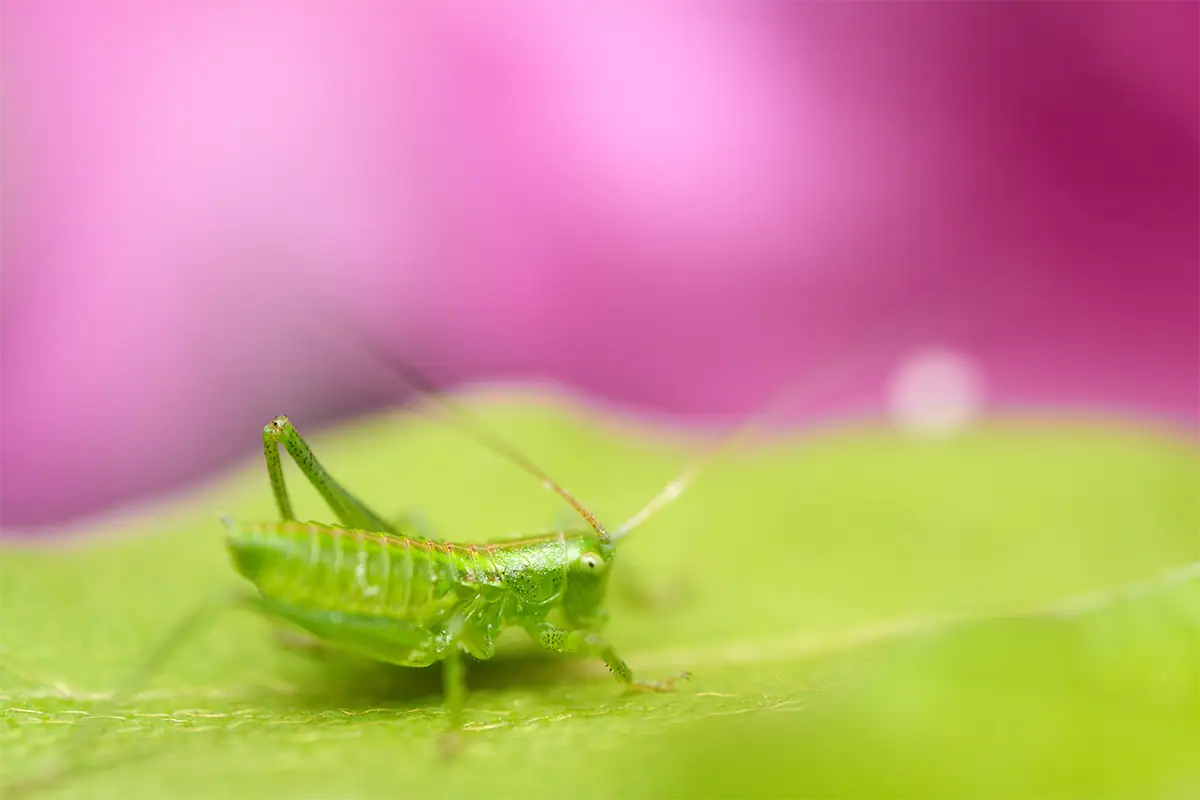
A iluminação para macrofotografia deve ser suave, direcional e próxima o suficiente para iluminar um objeto muito pequeno, sem produzir reflexos intensos ou sombras fechadas. O flash externo com difusor é a solução padrão para congelar o movimento, enquanto a iluminação contínua por LED é mais fácil de visualizar previamente e pode ser eficaz para objetos estáticos, cenas em mesa e vídeo.
Como a lente está posicionada próxima ao objeto, a luz ambiente pode ser bloqueada pela câmera, pela lente, pelo fotógrafo ou por equipamentos próximos. Objetos pequenos também podem ter superfícies reflexivas que criam reflexos que distraem quando iluminados diretamente.
Flash externo e difusores para fotos macro
O flash externo combinado com um difusor é uma configuração padrão de iluminação para fotografia macro, pois proporciona uma luz de preenchimento controlada e congela o movimento sem produzir as sombras duras e planas associadas ao flash embutido direto. Afastar o flash do eixo da câmera cria uma luz mais dimensional, enquanto a difusão suaviza os realces e as transições entre sombras.
Uma pequena softbox, um painel difusor, plástico translúcido, tecido branco, material de espuma ou um difusor macro específico podem espalhar a luz por uma superfície aparente maior. Quanto mais próximo o difusor estiver do objeto, maior e mais suave a luz parecerá em relação a esse objeto.
Posicione o flash ligeiramente acima ou ao lado da lente, em vez de apontá-lo diretamente para a frente. Esse ângulo pode realçar a textura e, ao mesmo tempo, reduzir a iluminação plana. No caso de insetos altamente reflexivos, joias ou produtos polidos, ajuste a luz e o difusor até que os reflexos brilhantes não ocultem mais os detalhes importantes.
A duração do flash também pode ajudar a congelar o movimento de um inseto, de uma flor balançada pelo vento ou de uma câmera segurada com as mãos que esteja ligeiramente instável. A exposição do ambiente ao redor deve continuar sendo monitorada para que o fundo não fique escuro de forma artificial.
Iluminação contínua por LED x Flash para fotografia macro
A iluminação contínua por LED mostra a posição dos realces e das sombras antes da foto ser tirada, tornando-a intuitiva para iniciantes e útil para objetos estáticos. O flash oferece mais potência e um flash de luz muito mais curto, tornando-o mais adequado para congelar o movimento da câmera, insetos em movimento e fotografia macro sem tripé com aberturas menores.
As luzes LED podem ser posicionadas próximas a um objeto pequeno, mas podem exigir configurações de ISO mais altas ou velocidades de obturador mais lentas quando usadas em f/8 a f/13. O flash geralmente oferece potência suficiente para manter uma velocidade de obturador mais rápida e um ISO mais baixo, ao mesmo tempo em que preserva uma abertura útil.
Técnicas de estabilidade e composição para fotos macro mais nítidas
Fotografias macro nítidas exigem tanto estabilidade física quanto uma composição bem planejada. Um tripé e um trilho de foco proporcionam o controle mais consistente para objetos estáticos, enquanto os fotógrafos que fotografam com a câmera na mão devem manter uma velocidade do obturador de pelo menos 1/200 s. Fotografar na altura dos olhos do objeto e controlar as sombras pode fazer com que a imagem final pareça mais natural e envolvente.
Em alta ampliação, vibrações que seriam insignificantes em uma fotografia de paisagem podem causar um efeito de desfoque evidente. A estabilidade, portanto, depende de mais do que simplesmente manter a câmera imóvel. O movimento do objeto, o vento, o movimento do obturador e as mudanças na posição do fotógrafo podem afetar a nitidez.
Tripés, trilhos de foco e velocidades mínimas do obturador em fotografias sem tripé
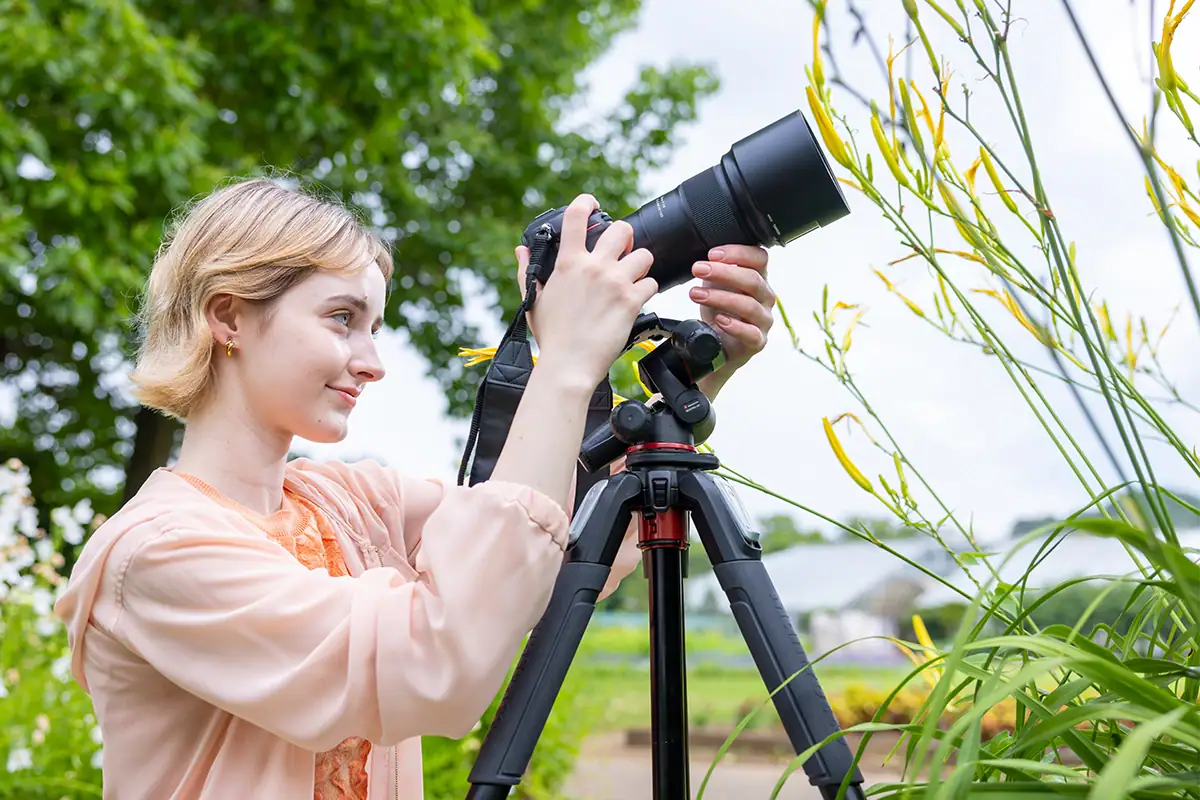
Um tripé com trilho de foco proporciona os resultados macro mais nítidos e consistentes, mas fotografar sem tripé continua sendo prático quando a velocidade do obturador é de 1/200 s ou mais rápida. O tripé estabiliza a câmera, enquanto o trilho a move para frente ou para trás em incrementos precisos, sem alterar a configuração de foco da lente nem interferir na composição.
Os trilhos de foco são particularmente úteis para trabalhos com alta ampliação e empilhamento de foco. Em vez de girar o anel de foco, o fotógrafo move toda a câmera em pequenos passos controlados, de modo que o plano de foco avance de maneira consistente ao longo do objeto.
Um tripé é ideal para produtos, flores em ambientes internos, moedas, joias, selos, alimentos e outros objetos estáticos. Ele pode ser menos útil para insetos em movimento que mudam de posição antes que a câmera possa ser ajustada.
Ao fotografar sem tripé, considere 1/200s como o ponto de partida mínimo, e não como uma garantia. Velocidades mais rápidas podem ser necessárias quando o objeto está em movimento, a ampliação é alta ou o fotógrafo não consegue apoiar-se em uma superfície estável. Aumente o ISO ou use o flash, em vez de permitir que a velocidade do obturador caia abaixo de uma faixa confiável para fotografar sem tripé.
Composição e controle de sombras ao nível dos olhos
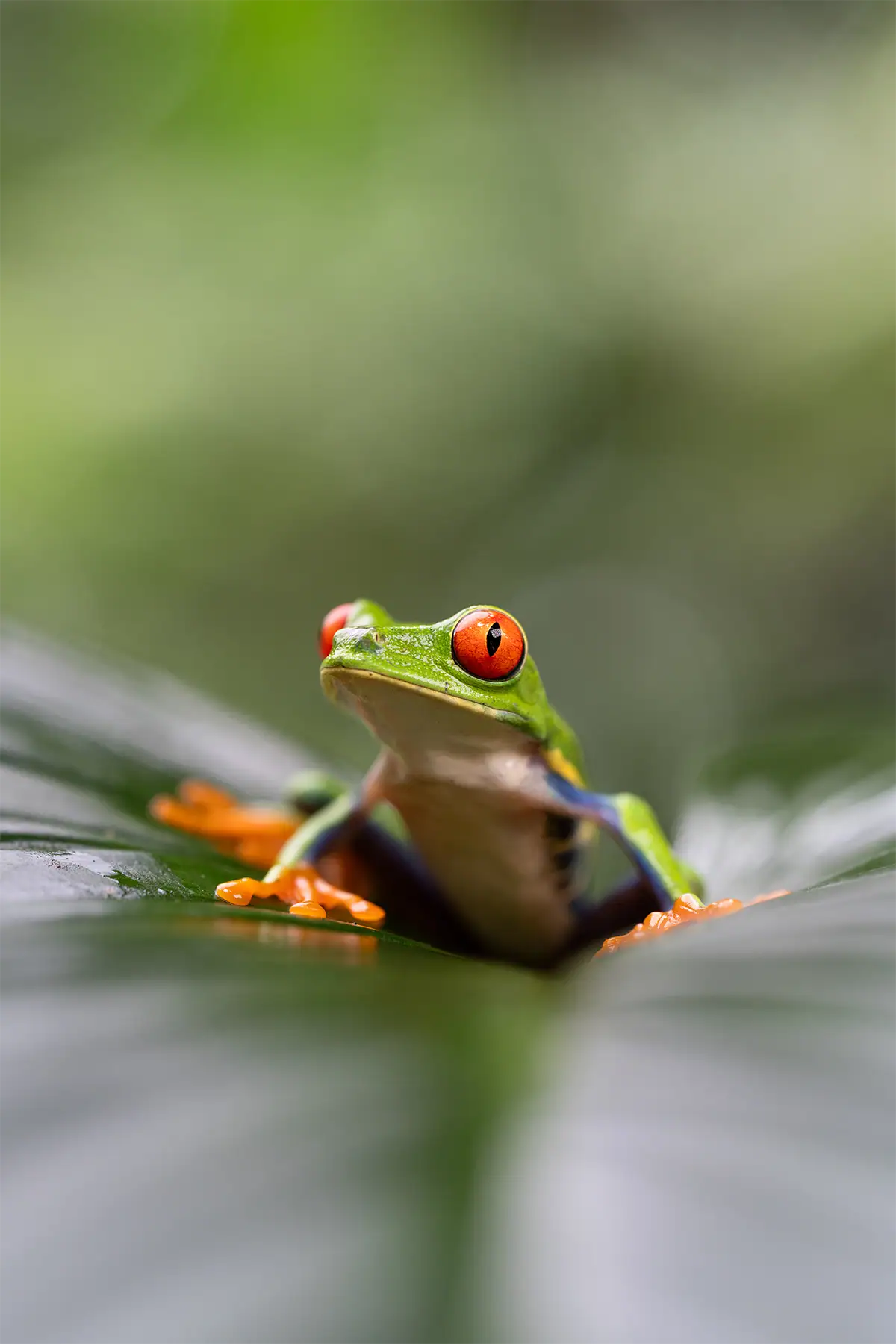
Fotografar na altura dos olhos do objeto cria uma composição macro mais envolvente, pois o observador entra no mundo do pequeno objeto, em vez de olhar para ele de cima. Os fotógrafos também devem controlar cuidadosamente suas próprias sombras, já que as distâncias de trabalho curtas colocam a câmera, a lente, as mãos e o equipamento de iluminação próximos o suficiente para bloquear a luz disponível.
No caso de insetos e pequenos animais, enquadrar na altura dos olhos pode fazer com que o objeto pareça mais expressivo e tridimensional. Foque no olho visível mais próximo sempre que possível, especialmente quando a profundidade de campo for muito rasa para capturar todo o objeto com nitidez.
Observe além do objeto antes de tirar a foto. Uma pequena mudança no ângulo da câmera pode substituir um caule que distraia ou uma mancha brilhante por um fundo mais limpo. Como as distâncias focais maiores apresentam um ângulo de visão mais estreito, elas podem facilitar o isolamento do objeto em relação às cores distantes e às formas difusas.
Preste atenção à direção da luz natural ao se aproximar. Mudar para o lado oposto, abaixar a câmera ou reposicionar o difusor pode evitar que sua sombra caia sobre o objeto.
Videografia macro: capturando o movimento
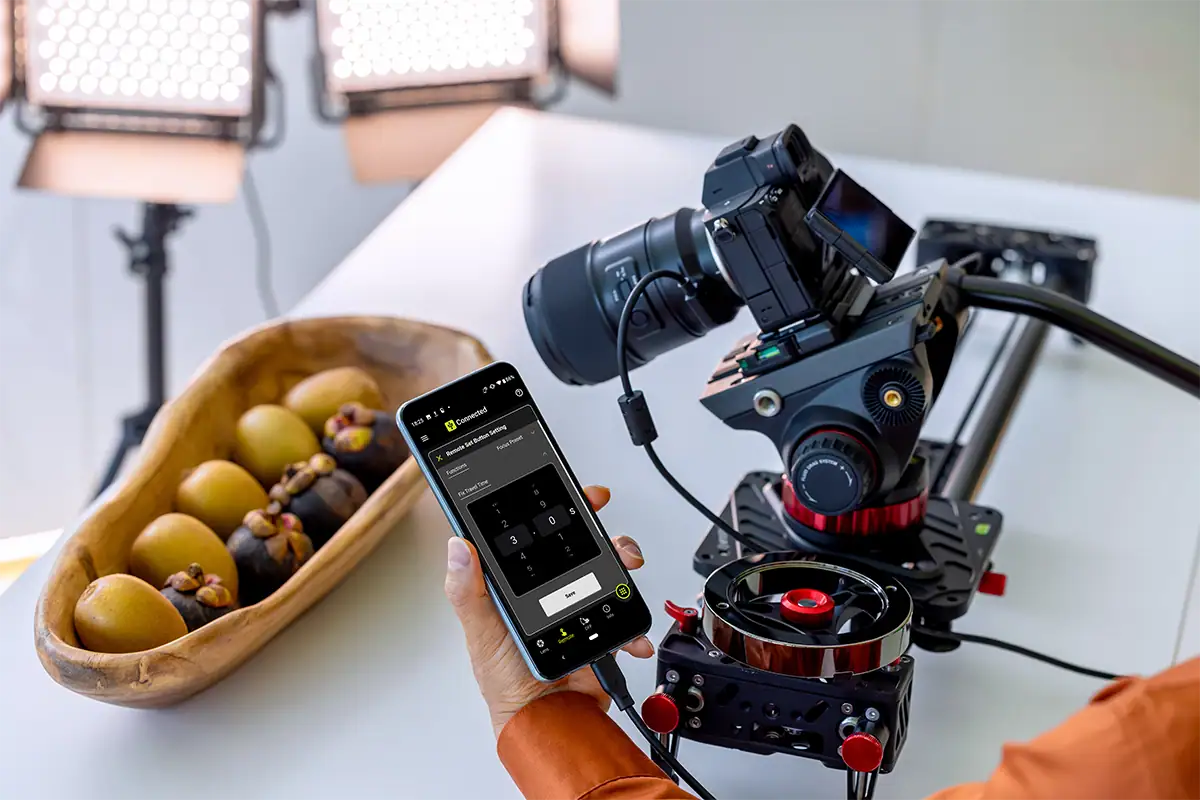
A videografia macro aplica os mesmos princípios de foco próximo da fotografia macro, mas acrescenta o movimento do objeto, o movimento da câmera e a mudança de foco. É especialmente importante contar com um suporte estável, como um tripé, um gimbal ou um slider, e geralmente é necessária iluminação contínua, pois o flash não consegue iluminar um vídeo em andamento da mesma forma que ilumina um quadro estático.
Um tripé funciona bem para composições estáticas, demonstrações e cenas controladas de produtos. Um slider permite introduzir um movimento lento e deliberado da câmera, que revela a textura da superfície ou altera a relação entre o primeiro plano e o fundo. Um gimbal pode ser útil ao acompanhar um objeto em movimento, embora seja necessário ter cuidado ao equilibrar uma configuração com foco próximo.
A iluminação contínua por LED permite que o fotógrafo visualize o padrão de luz final durante toda a gravação. A difusão continua sendo importante, pois conchas reflexivas, folhas, metal, vidro e superfícies molhadas podem produzir reflexos que distraem.
A focagem também deve ser planejada antes da gravação. Em distâncias macro, mesmo um movimento mínimo pode tirar o objeto do plano de foco estreito. A focagem manual, o movimento controlado da câmera e as tomadas repetidas costumam produzir resultados mais consistentes do que permitir que o foco automático se desloque de forma imprevisível.
Conheça todo o processo para gravação de vídeo macro, incluindo sistemas de suporte, iluminação, movimento e técnicas de foco.
Erros comuns na fotografia macro que devem ser evitados
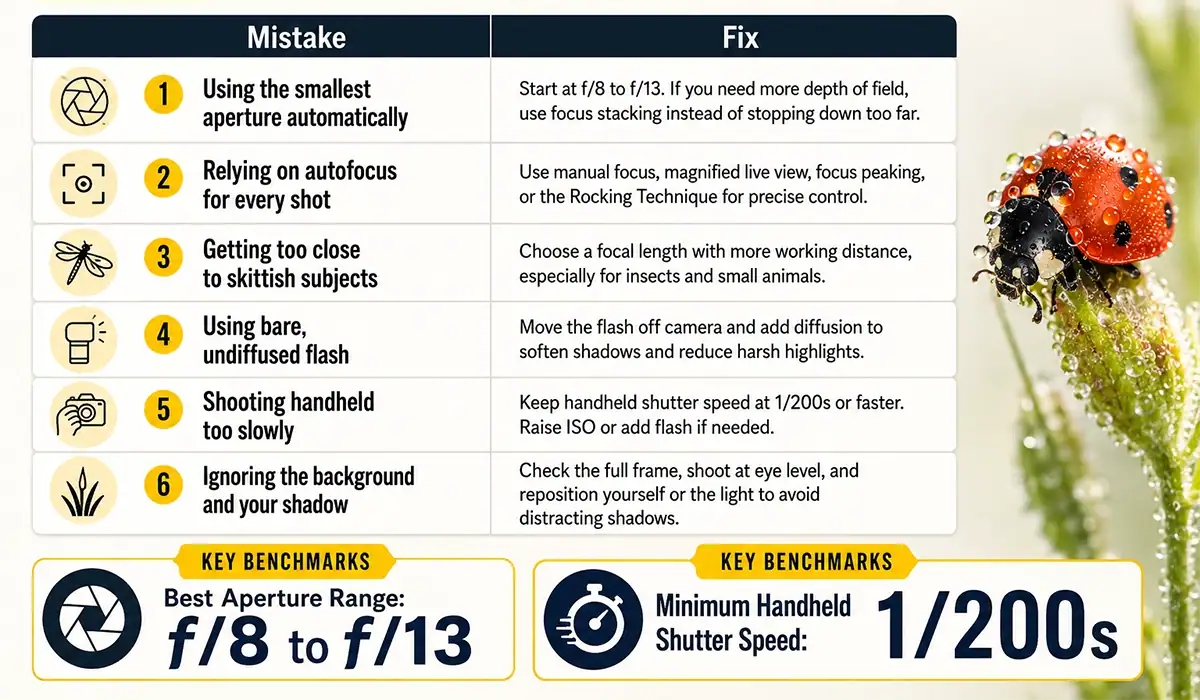
Os erros mais comuns na fotografia macro são: usar aberturas fora da faixa prática de nitidez, confiar inteiramente no foco automático, escolher uma distância de trabalho muito curta para objetos inquietos, usar flash sem difusor e fotografar sem tripé com tempo de exposição inferior a 1/200 s. Cada um desses erros reduz a nitidez, perturba o objeto ou faz com que a iluminação final pareça artificial.
- Erro: Usar automaticamente a menor abertura disponível.
Correção: Comece com uma abertura entre f/8 e f/13. Ultrapassar f/16 pode causar perda de nitidez devido à difração; portanto, use o empilhamento de foco quando for necessária maior profundidade de campo. - Erro: Permitir que o foco automático selecione o detalhe errado.
Correção: Use o foco manual, o destaque de foco, a visualização ao vivo ampliada ou a técnica de balanço para posicionar o plano de foco com precisão. - Erro: Aproximar-se demais de um sujeito nervoso.
Correção: Escolha uma distância focal que proporcione distância de trabalho suficiente. A faixa de 150 a 200 mm pode ser especialmente útil para insetos tímidos e pequenos animais. - Erro: Apontar um flash sem difusor diretamente para o objeto.
Correção: Desloque o flash para fora do eixo da câmera e utilize uma softbox, um painel ou outro difusor para suavizar as sombras e os reflexos especulares. - Erro: Deixar a velocidade do obturador ficar muito baixa ao fotografar com a câmera na mão.
Correção: Mantenha a velocidade do obturador em 1/200 s ou mais rápida. Aumente o ISO ou use o flash quando a luz disponível não for suficiente para essa velocidade. - Erro: Ignorar o fundo e a sombra do fotógrafo.
Correção: Verifique todo o enquadramento, fotografe o objeto próximo ao nível dos olhos e ajuste a posição da câmera ou da iluminação antes que sua sombra bloqueie a luz.
A fotografia macro fica mais fácil quando cada escolha técnica valoriza o tema. Comece com uma ampliação que seja fácil de controlar, identifique o detalhe que precisa estar nítido, estabilize a câmera e modele a luz antes de apertar o obturador.
Explore o Macro Cluster
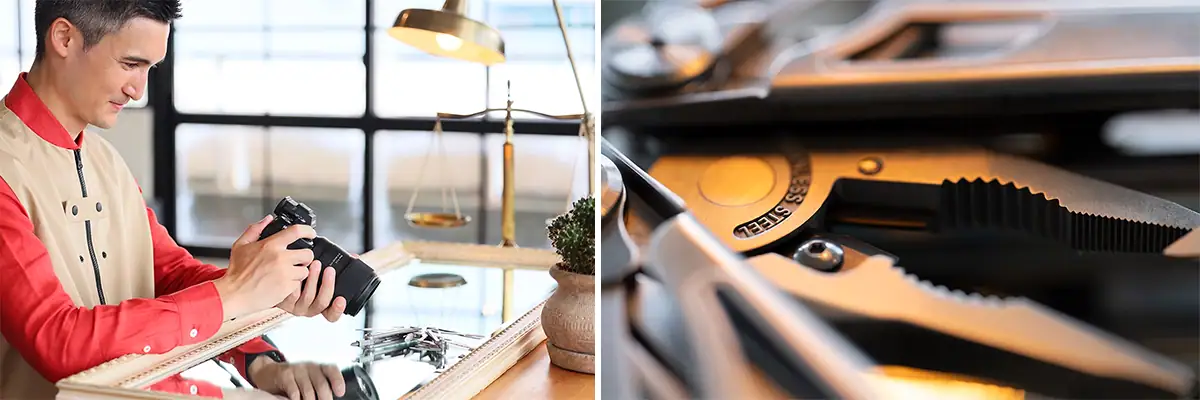
A coleção de fotografia macro da Tamron oferece orientações adicionais para temas e situações fotográficas específicas. Depois de aprender os princípios básicos de ampliação, distância de trabalho, foco, iluminação e estabilidade, explore esses guias temáticos para ver como as mesmas técnicas podem ser adaptadas para flores, gelo, detalhes da floresta tropical, selos e pequenos itens de coleção.
Fotografia macro por tema:
- Fotografar flores com uma lente macro
- Fotografia de flores no quintal
- Fotografando gelo e geada de perto
- Fotografia macro na floresta tropical
- Fotografar selos e pequenos itens de coleção
Onde comprar lentes Tamron
As lentes Tamron estão disponíveis em revendedores autorizados da Tamron e na loja oficial da TAMRON. A compra por meio de um canal autorizado garante que a lente seja adequada para a região e esteja coberta pelas políticas de assistência técnica e garantia da Tamron Americas.
Encontre um revendedor autorizado da Tamron perto de você ou compre diretamente na loja oficial da TAMRONe.
Perguntas frequentes sobre fotografia macro: respostas às dúvidas mais comuns
A fotografia macro frequentemente levanta questões sobre equipamento, ampliação, estabilidade, iluminação e configurações da câmera. Você pode começar sem uma lente macro específica, mas compreender o limite de 1:1, a faixa de abertura de f/8 a f/13, o tempo mínimo de exposição de 1/200 s para fotos sem tripé e as diferenças entre flash e luz contínua tornará seus resultados mais consistentes.
É possível fazer fotografia macro sem uma lente macro?
Sim, é possível criar imagens macro ou close-ups nítidos sem uma lente macro específica, utilizando tubos de extensão ou filtros de close-up com uma lente que você já tenha. Os tubos de extensão reduzem a distância focal da lente, afastando-a do sensor, enquanto os filtros de close-up são acoplados à parte frontal e proporcionam ampliação adicional.
Esses acessórios são úteis para aprender a técnica de close-up, embora sua distância de trabalho, facilidade de foco e qualidade de imagem possam diferir das de uma verdadeira lente macro 1:1.
Qual é a diferença entre fotografia macro e fotografia de close-up?
A verdadeira fotografia macro registra um objeto com uma taxa de ampliação de 1:1 ou superior no sensor da câmera, enquanto a fotografia de close-up se refere a imagens com enquadramento apertado que podem não atingir a reprodução em tamanho real. Muitas imagens são informalmente chamadas de “macro” porque mostram objetos pequenos em destaque, mesmo quando sua ampliação real é de 1:2, 1:3 ou inferior.
Ambas as abordagens podem produzir imagens impressionantes. A diferença é importante principalmente ao avaliar as especificações de ampliação ou ao decidir quantos detalhes uma lente é capaz de reproduzir.
Quais configurações devo usar para fotografia macro?
Comece com uma abertura entre f/8 e f/13, use o foco manual e mantenha uma velocidade do obturador de pelo menos 1/200 s ao fotografar sem tripé. Ajuste o ISO conforme necessário para compensar a abertura e a velocidade do obturador selecionadas. Para objetos fixos montados em tripé, você pode usar uma velocidade do obturador mais lenta e um ISO mais baixo.
Use o flash quando precisar congelar o movimento ou adicionar luz suficiente para uma abertura estreita. Considere a técnica de focus stacking quando um único quadro não for capaz de proporcionar profundidade de campo suficiente.
Preciso de um tripé para fotografia macro?
Não é necessário usar um tripé em todas as fotografias macro, mas ele oferece maior estabilidade e repetibilidade para produtos, flores, alimentos, joias, selos e imagens com foco empilhado. Fotografar com a câmera na mão costuma ser mais prático para insetos em movimento, desde que a velocidade do obturador seja de 1/200 s ou mais rápida e a câmera seja mantida firme.
É possível adicionar um trilho de foco a um tripé quando for necessário um movimento preciso da câmera para frente e para trás.
Qual é a melhor iluminação para fotografia macro?
O flash externo com difusor é a configuração de iluminação macro mais versátil, pois permite congelar o movimento do objeto, suporta aberturas entre f/8 e f/13 e produz sombras mais suaves do que o flash embutido direto. A iluminação contínua por LED é mais fácil de visualizar antecipadamente e funciona particularmente bem para objetos estáticos, focus stacking e vídeo macro.
Seja qual for a fonte de luz que você usar, coloque-a perto o suficiente para realçar o objeto, sem permitir que a câmera ou a lente a bloqueiem.
Qual é uma boa taxa de ampliação para iniciantes?
Uma proporção entre 1:2 e 1:1 é uma faixa inicial prática para iniciantes. Na proporção de 1:2, o objeto é fotografado com metade do tamanho real e, geralmente, é mais fácil de localizar, enquadrar, iluminar e manter em foco. Os fotógrafos podem então avançar para a verdadeira macrofotografia 1:1 à medida que suas técnicas de foco e estabilidade melhoram.
Relações de transmissão mais altas, como 2:1 ou 5:1, revelam detalhes menores, mas tornam a profundidade de campo, o movimento da câmera, a iluminação e o movimento do objeto substancialmente mais difíceis de controlar.
Sobre o autor
 Stacie Errera é vice-presidente de Marketing e Comunicação da Tamron Americas, onde trabalha há mais de 36 anos. Ela também é instrutora de fotografia e ensina novos usuários a compreender melhor suas câmeras e os conceitos básicos da fotografia. Ela ministra oficinas de fotografia nos finais de semana voltadas para mulheres. Leia a biografia completa de Stacie >>