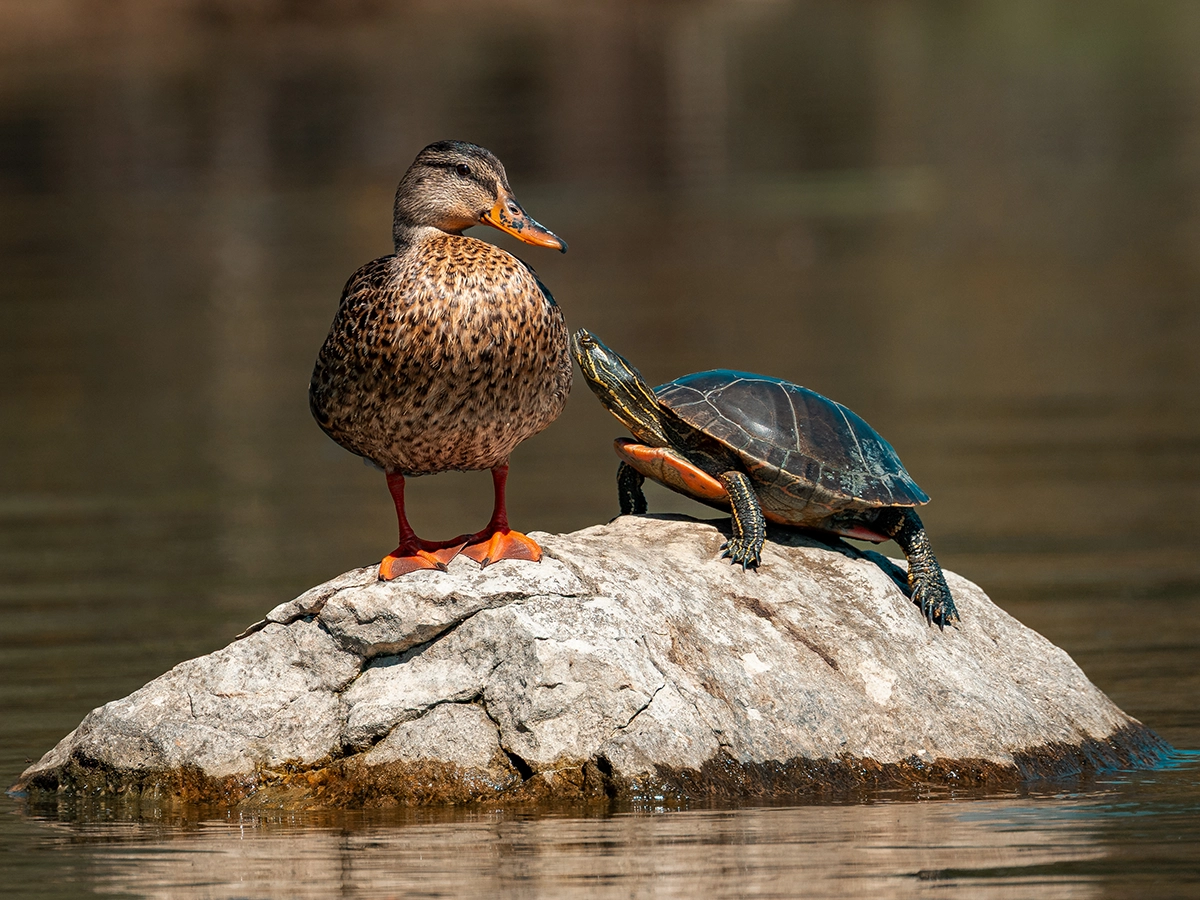
A turtle and duck on a rock in the middle of a lake.

Up Close With Winnipeg Wildlife

A military tech by day, Kris Simundson turns nature photographer after hours with his Tamron 150-500mm VC ultra-telephoto zoom lens.

Author: Jenn Gidman

Images: Kris Simundson

Share Article

A military tech by day, Kris Simundson turns nature photographer after hours with his Tamron 150-500mm VC ultra-telephoto zoom lens.

After Kris Simundson clocks out of his day job as an aerospace telecommunications and information system tech with the Royal Canadian Air Force, it’s time to indulge his creative side. He does just that by heading outdoors to photograph Winnipeg wildlife with his Tamron 150-500mm Di III VC VXD ultra-telephoto zoom lens.

His time in the office is more structured, so Kris enjoys the relaxed freedom that comes when he’s immersed in nature and interacting with native creatures. “I try to bring an element of intimacy into my photos, homing in on my subjects versus the environment,” he says. “Usually when I’m photographing certain animals, like wolves or birds, they’re in a treated environment. So for me, it’s more important to zoom in tight to capture the details and emotions of the animals that you wouldn’t necessarily be able to see from afar.”

150-500mm (500mm), F6.7, 1/1250 sec., ISO 5000

That’s where the Tamron 150-500mm VC ultra-telephoto lens comes into play, offering Kris the versatility to pull back for a wider scene, or zoom in to fill the frame with his subjects, keeping a safe distance when needed thanks to the longer reach of the lens. “The 150-500mm VC is lightweight, compact, and extremely sharp,” he says. “And because my hands can be a little shaky at times, having that Vibration Compensation (VC) technology available when I’m shooting at 500mm is huge.”

Kris hopes to eventually make photography a full-time pursuit after his retirement from the Air Force within the next decade. Until then, he’ll head out after the 9-to-5 with his Tamron 150-50mm VC to keep unearthing the unexpected moments in the natural world he’s come to cherish. “I don’t even have to travel far to do it,” he says. “Some of my favorite shots have been taken right in my own backyard.”

KRIS’ QUICK TIPS

Keep shutter speed high for fast movers.

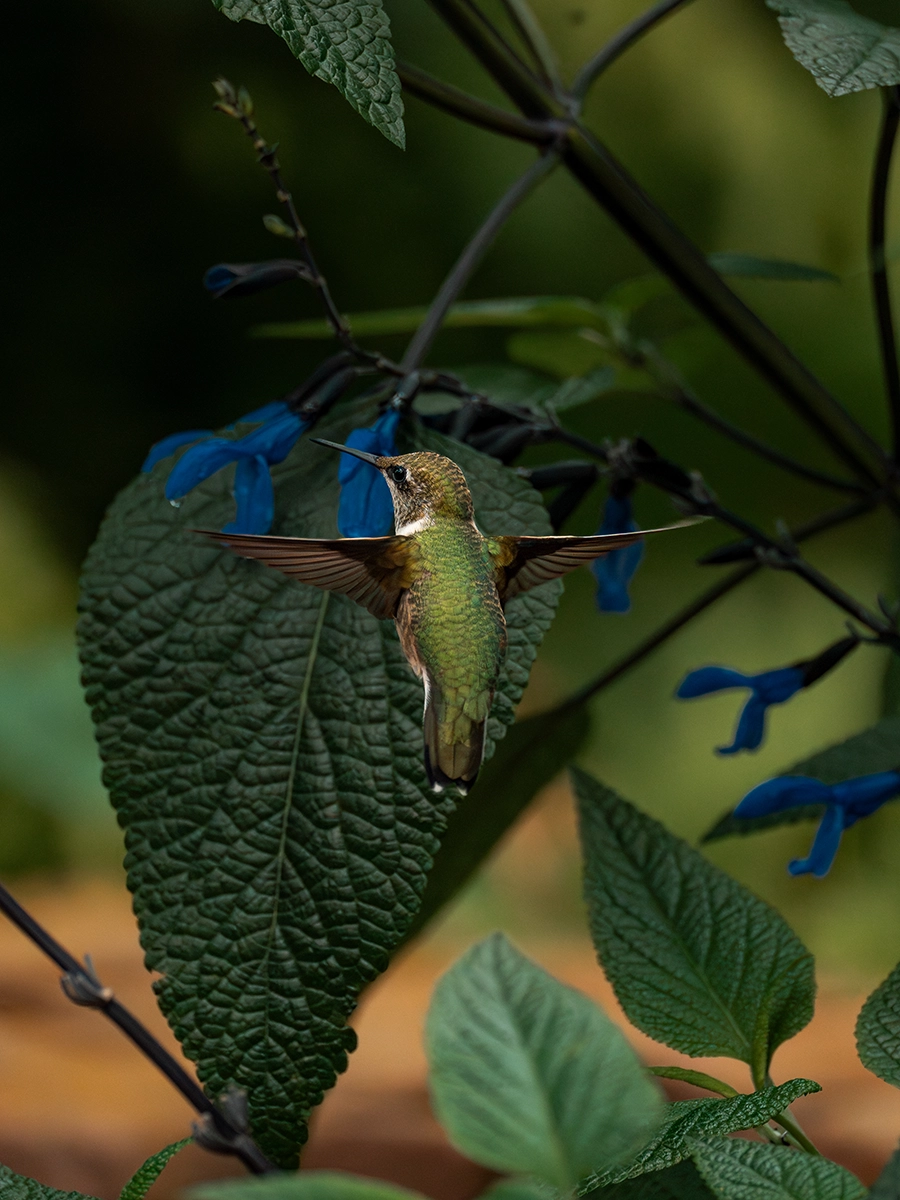
Birds are especially tricky, especially smaller birds like this hummingbird I photographed at the Assiniboine park and forest. When chasing tiny speed-demons like this with smaller wings, I try not to go any lower than 1/2000 or 1/2500 sec. When I’m shooting larger birds like pelicans, I’ll drop my shutter speed a little lower and instead open up my aperture to achieve a shallower depth of field.

150-500mm (500mm), F6.7, 1/2000 sec., ISO 6400

Let your backgrounds melt away.

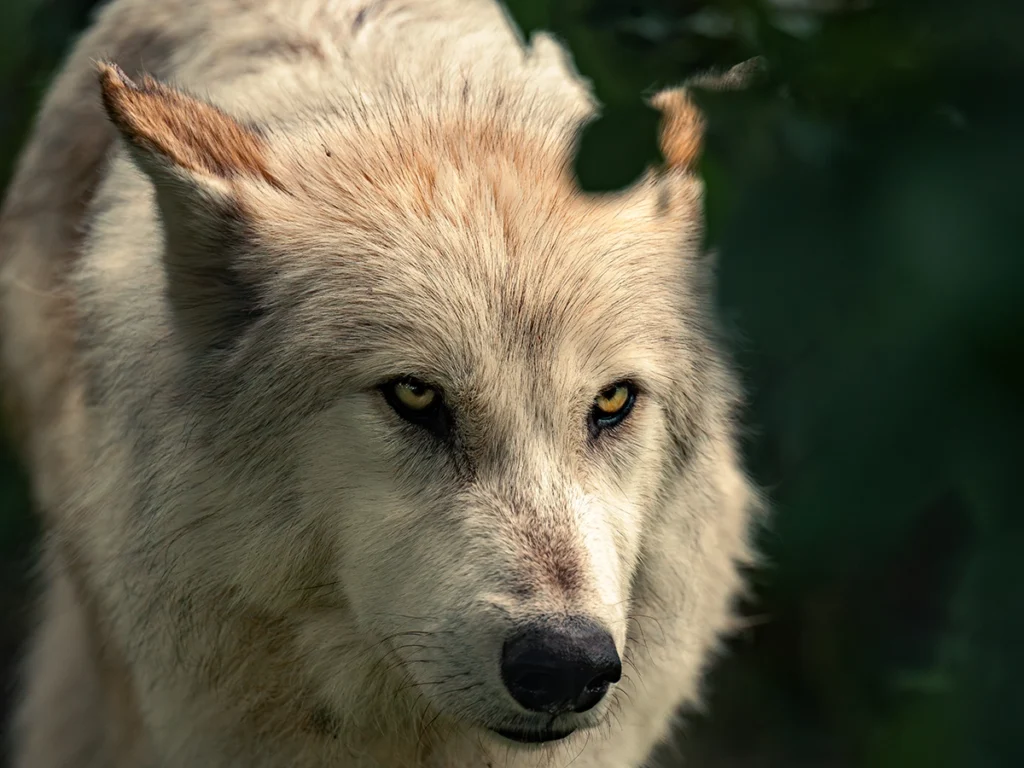
Even when I can’t fully control the distractions behind my roving subjects, I use distance and a wider aperture to blur out extraneous elements. The 150-500mm VC compresses the shot and separates my subject from the background. Using this ultra-telephoto lens, I was able to blow out the fence in front of the wolf you see here to make it a more immersive experience for the viewer—they feel like they’re right there with the wolf.

150-500mm (500mm), F6.7, 1/1250 sec., ISO 2000

Zoom out when the action calls for it.

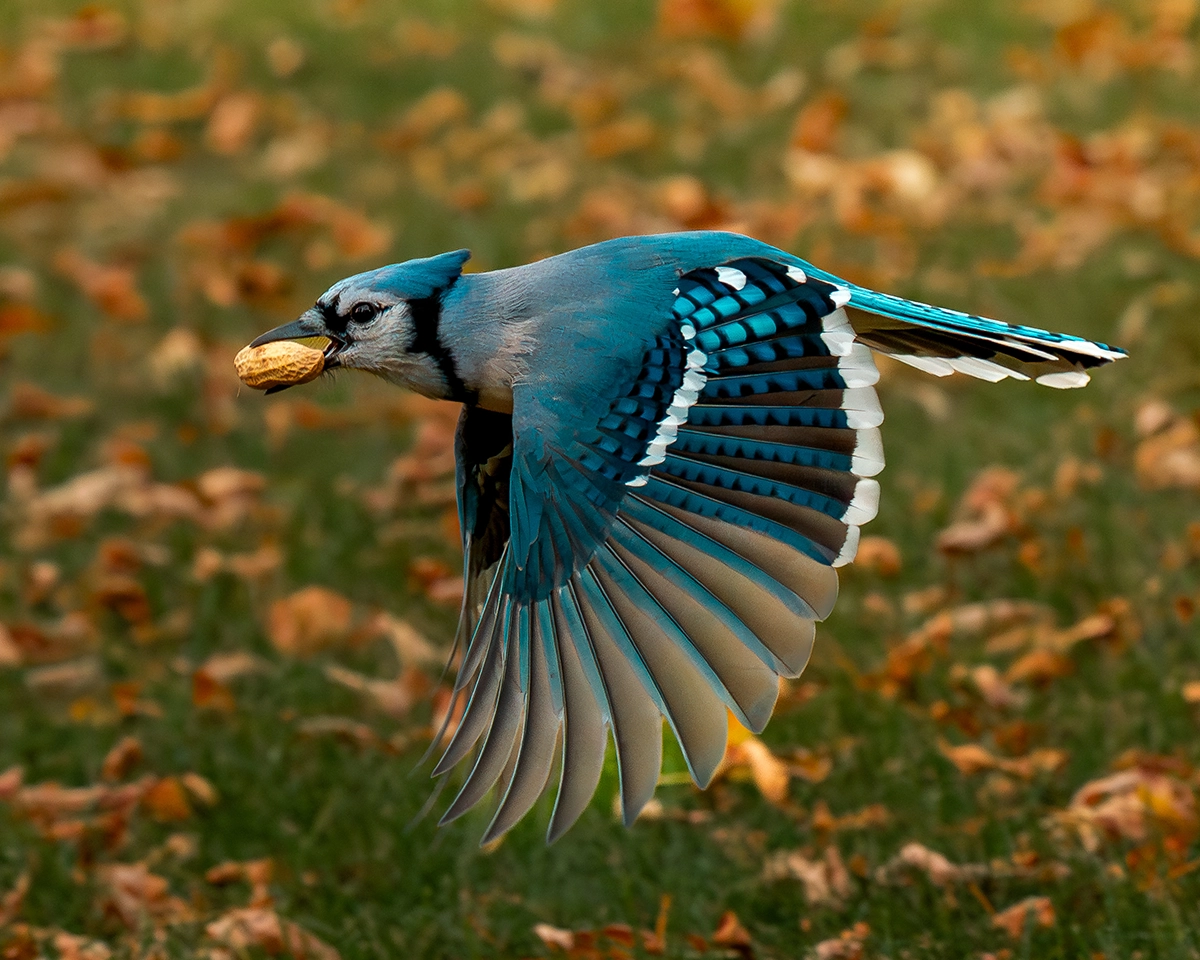
With telephoto lenses, the instinct is often to zoom in real tight. I was sitting on the ground in my front yard, waiting for a blue jay to snatch a peanut up off the ground. When it did, I zoomed out slightly, to 192mm, and was able to capture its entire body and wingspan without cutting any parts off as I tracked the bird and panned along with it. Framing a little loosely gives you some space that you can crop later if you need to.

150-500mm (192mm), F8, 1/2500 sec., ISO 6400

Set up your portrait to tell a story.

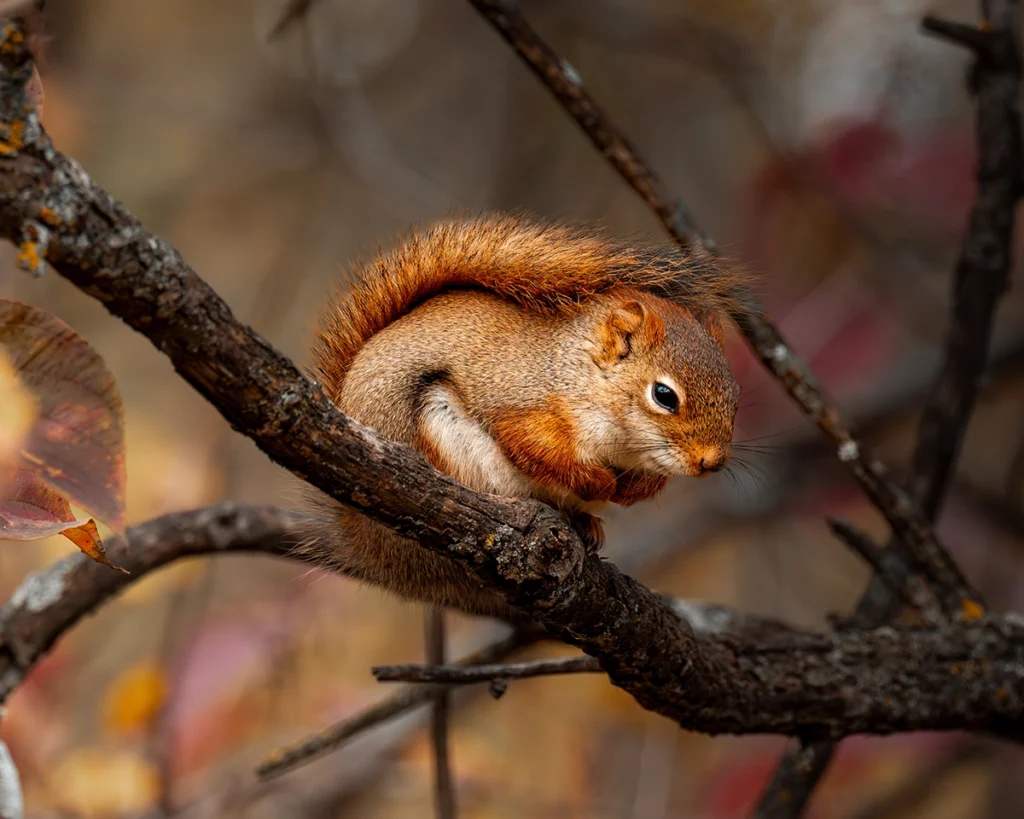
For this photo of a red squirrel, I was wandering around FortWhyte Alive park here in Winnipeg, checking out the bird habitats before their residents migrated away for the winter, when I spotted this little guy up in the branches. It was cold and windy that day, and there was something about the way the squirrel was hunkered down on that branch, with its arms tucked in as it braced against the wind. When I look back on that photo now, it’s more than just a nice portrait—it reminds me of the conditions of that day.

150-500mm (500mm), F8, 1/1250 sec., ISO 5000

Be ready for the unexpected.

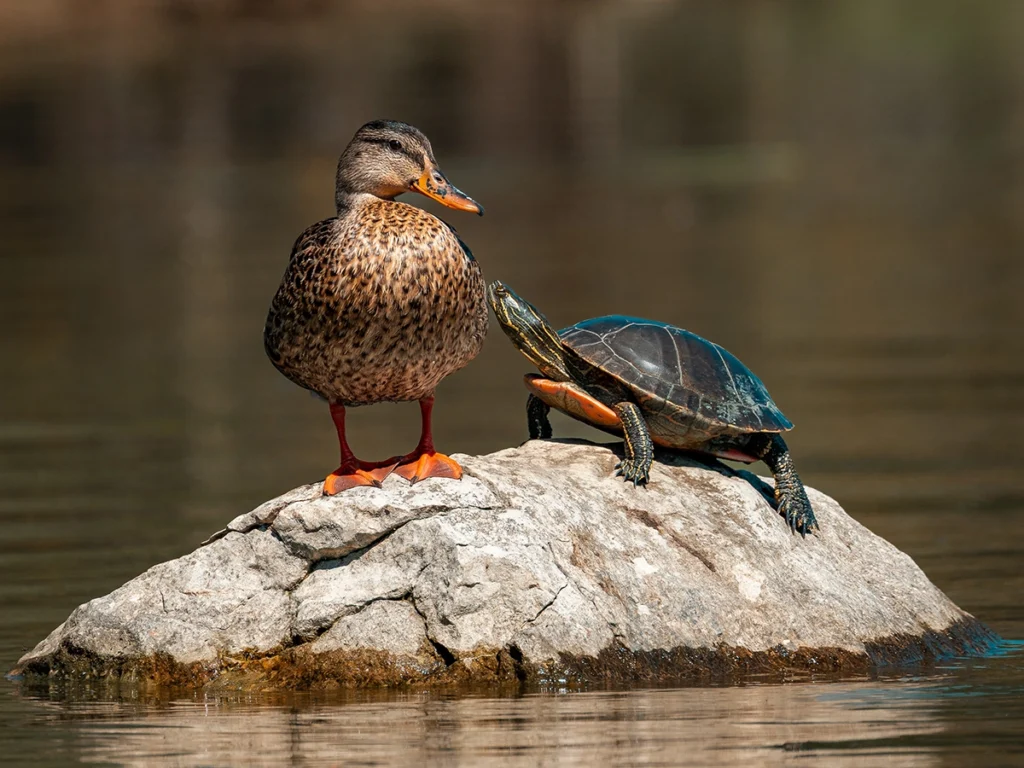
Wildlife is just that—wild—so you can only do so much when planning your photos. If you spend too much time overplanning, you could miss a great shot as you wait for something that never comes to pass. For the image here of the duck and turtle sharing a rock, they weren’t my original subjects. Instead, I was tracking a pelican landing nearby so I could take its picture. Suddenly, though, out of the corner of my eye, I spotted these two on the rock to my left. I knew that was the shot I needed to take to capture this perfect moment of coexistence.

A turtle and duck on a rock in the middle of a lake.
150-500mm (500mm), F6.7, 1/1600 sec., ISO 640

To see more of Kris Simundson’s work, check out his website and Instagram.

Related Articles

A Meditation With Nature

Zooming In (and Out) at the Zoo

Feathers in Focus

Shopping Cart
Scroll to Top