 Instant Savings
 Rebate Claims
 Support
 Find a Dealer

Capture spacious interiors and stunning property details with Tamron lenses. Learn expert real estate photography tips, settings, and top Tamron lens picks.
High-quality real estate images are essential for capturing buyer attention—and the right lens can completely transform how a space looks online. Whether you’re photographing bright, modern interiors or highlighting architectural details outside, Tamron lenses deliver the sharpness, clarity, and versatility real estate photographers rely on. In this guide, we’ll explore which Tamron lenses work best for real estate photography, the key settings you should use, and practical tips to elevate every listing with clean, spacious, professional-looking photos.
Images by Hernan Rodriguez
What You’ll Learn in This Real Estate Photography Guide
- High-quality images are essential in real estate photography, and Tamron lenses like the 28-75mm F2.8 G2 offer exceptional clarity and sharpness for both interior and exterior shots.
- The Tamron 20-40mm F/2.8 Di III VXD is perfect for capturing wide-angle interior photos, ensuring spacious, well-lit images with minimal distortion.
- Using natural light and strategic staging can enhance real estate photos, making properties look more inviting and expansive.
- For sharp, professional results, adjust camera settings like aperture (F8-F11), ISO (100-400), and shutter speed, and leverage Tamron’s Vibration Compensation (VC) technology in low-light scenarios.
- Investing in high-quality lenses like the Tamron 16-30mm F2.8 G2 or 35-150mm F2-2.8 can significantly improve the appeal of real estate listings by providing versatile, high-quality image options.
Why Lens Choice Matters in Real Estate Photography
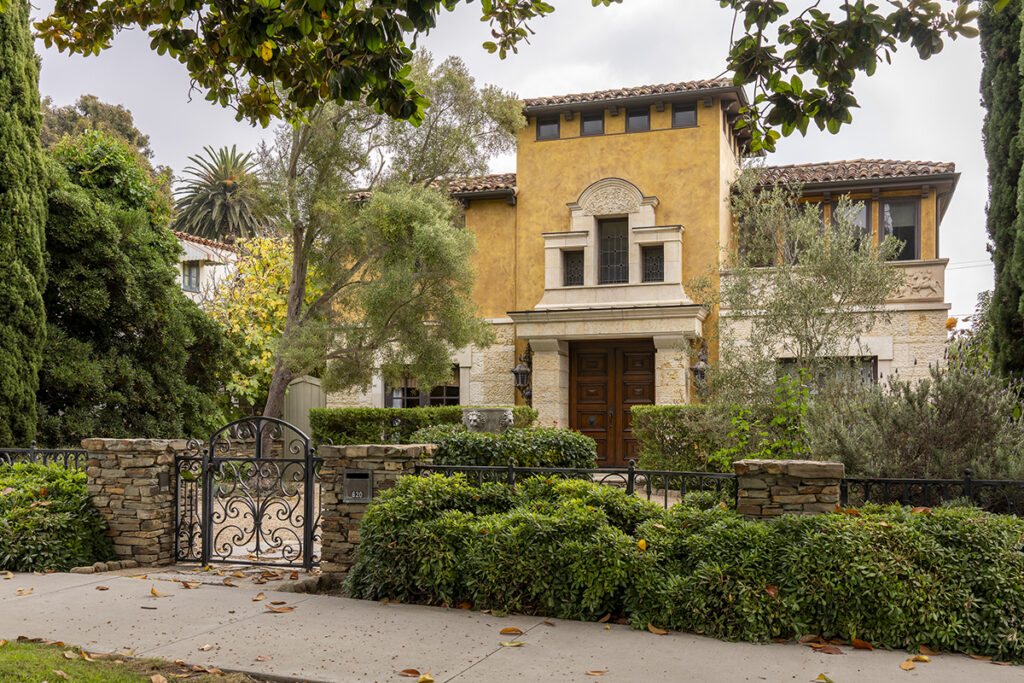
With the importance of lens choice in mind, here are the best Tamron lenses for real estate photographers who want sharp, bright, natural-looking results.
Tamron 28-75mm F/2.8 Di III VXD G2 for Sony E and Nikon Z
Like its DSLR counterpart Tamron 24-70mm F/2.8 Di VC USD G2, the compact and lightweight 28-75mm F2.8 G2 is a versatile zoom lens that covers a wide-to-standard range, making it perfect for capturing both interior and exterior shots. The constant f/2.8 aperture allows for excellent low-light performance and control over depth of field, which is essential for creating professional-looking images with a clear focus. Its VXD (Voice-coil eXtreme-torque Drive) linear motor delivers fast, precise, and whisper-quiet autofocus—ideal for real estate photographers who need smooth, responsive focusing while moving quickly from room to room.
Tamron 28–75mm F/2.8 Di III VXD G2 — Best For
- Best for mixed interior and exterior coverage
- Great for medium-sized rooms, kitchens, and living spaces where a natural perspective is key
- Ideal for detail shots such as faucets, textures, and architectural accents
- Excellent for handheld real estate shooting thanks to fast f/2.8 and VXD autofocus
- Perfect for realtors who need one go-to walk-through lens
Tamron 20-40mm F/2.8 Di III VXD for Sony E
The Tamron 20-40mm F2.8 is an excellent option for wide-angle real estate photography. Its wide focal range allows for comprehensive interior shots, capturing the entirety of a room without distortion. The f/2.8 aperture is perfect for low-light environments, and the VXD (Voice-coil eXtreme-torque Drive) autofocus ensures quick, silent focusing, making it great for fast-paced shoots.
Tamron 20–40mm F/2.8 Di III VXD — Best For
- Best for small spaces, bathrooms, laundry rooms, tight bedrooms, and compact condos
- Perfect for wide, expansive interior shots with minimal distortion
- Great for capturing entire rooms in one frame, especially corner compositions
- Ideal for fast-paced shoots where quick, silent AF is a must
- Strong choice for walk-through video, thanks to the smooth VXD focus motor
Tamron 35-150mm F/2-2.8 Di III VXD for Sony E and Nikon Z
The Tamron 35-150mm F2-2.8 is an impressive all-in-one zoom lens that can cover both wide-angle and telephoto needs. With an ultra-fast aperture of f/2.0 at 35mm, it excels in low-light situations, ideal for shooting interiors. The extended reach to 150mm makes it great for capturing exterior details or zooming in on architectural features from a distance. This lens offers incredible versatility and image quality for real estate professionals.
Tamron 35–150mm F/2–2.8 Di III VXD — Best For
- Best for exterior architecture and curb appeal shots
- Ideal for pulling in distant features, such as rooflines, landscaping, and facades
- Perfect for compression shots that make homes look more polished and high-end
- Excellent for twilight exteriors, thanks to its fast f/2.0–2.8 aperture
- Great for capturing amenities such as pools, yards, outdoor kitchens, or multi-story buildings
Tamron 16-30mm F/2.8 Di III VXD G2 for Sony E and Nikon Z
The Tamron 16-30mm F2.8 is an outstanding ultra-wide zoom ideal for real estate photographers who need to capture tight spaces while maintaining natural perspective. Its 16mm end provides expansive coverage perfect for showcasing full rooms, while the constant f/2.8 aperture delivers excellent low-light performance for interior environments. The VXD linear motor ensures fast, precise, and quiet autofocus, and the lens’ improved edge-to-edge sharpness helps produce clean, distortion-controlled images—making it a powerful tool for both interior and exterior architectural work.
Tamron 16–30mm F/2.8 Di III VXD G2 — Best For
- Best for ultra-wide interior coverage, including open-concept living spaces
- Perfect for photographing tight or awkward rooms like small kitchens or narrow hallways
- Ideal for dramatic wide compositions that showcase depth and layout
- Excellent for real estate photographers who prioritize edge-to-edge sharpness
- Great for clean, distortion-controlled shots of interiors and architectural angles
Find these real estate-ready Tamron lenses at an authorized dealer near you, or shop the complete selection at the official TAMRON Store.
How to Capture Wide, Bright Interior Photos
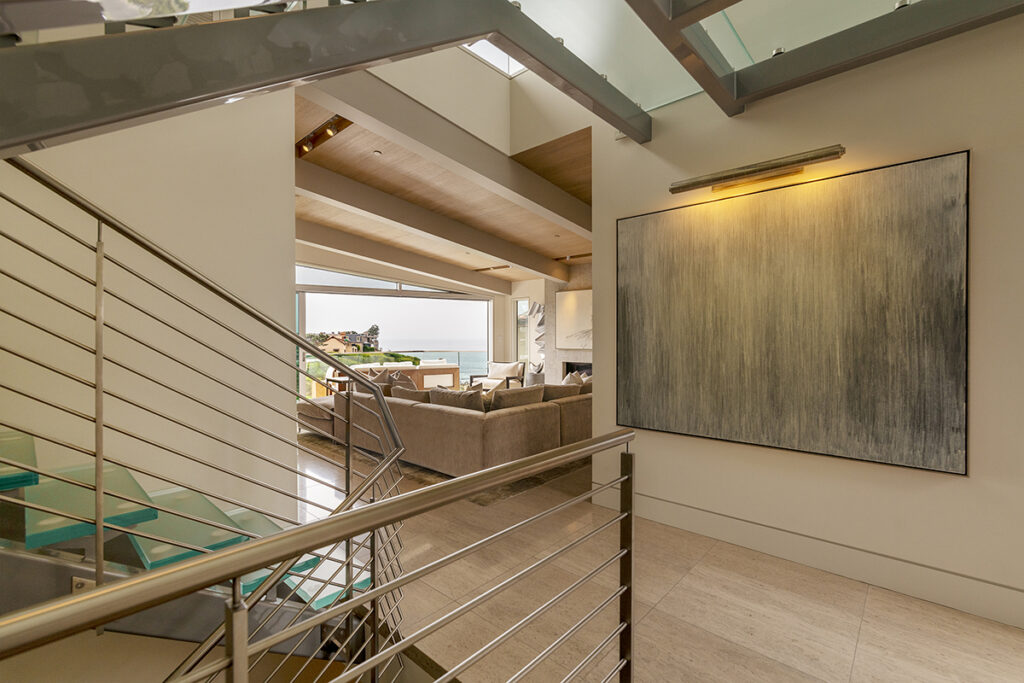
Once you’ve selected the right lens, the next step is using the right shooting techniques to maximize your results.
- Stage the Property: Before shooting, ensure the property is clean, decluttered, and staged appropriately. This includes arranging furniture to create a sense of space and adding decorative touches like plants and artwork to make the home feel inviting.
- Utilize Natural Light: Whenever possible, rely on natural light by opening curtains and blinds to allow sunlight to flood the space. This makes rooms appear brighter and more spacious. For darker areas, use artificial lighting carefully to avoid harsh shadows.
- Shoot from Multiple Angles: Capture each room from different angles to provide potential buyers with a full view of the space. Shooting from the corners of rooms helps maximize the sense of space, and a wide-angle real estate photography lens, like the Tamron 20-40mm F2.8, can help capture more of the room in each shot.
Essential Camera Settings for Real Estate Photography
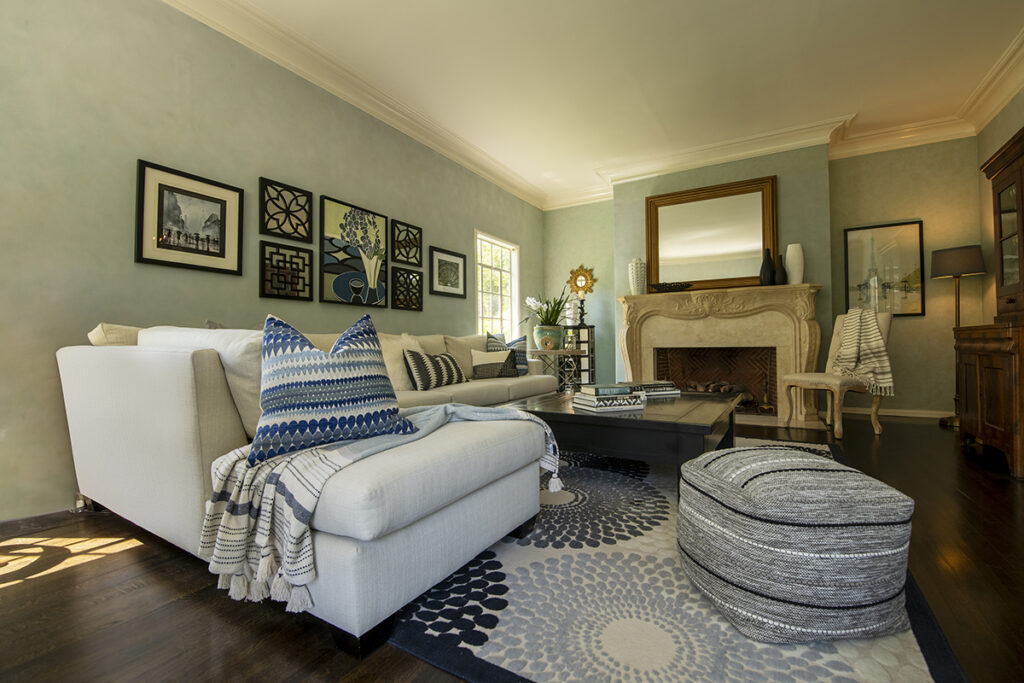
For crisp, well-lit real estate images with accurate detail and minimal noise, adjust your camera using these key settings:
- Aperture: When shooting interiors, use a narrow aperture (F8 to F11) to ensure that the entire room, from the foreground to the background, remains in sharp focus. This helps capture the full detail and prevents areas from looking soft or out of focus.
- Shutter Speed and ISO: To avoid blurry images, keep your shutter speed as fast as possible while balancing the lighting conditions. If you’re shooting in low light and using slower shutter speeds, rely on Tamron’s Vibration Compensation (VC) to maintain clarity. Keep the ISO setting as low as possible (100-400) to avoid introducing graininess to the images.
Real Estate Photography Tips for Better Compositions
Use these composition strategies to create clean, inviting real estate images:
- Shoot from chest height or slightly lower to maintain natural room proportions and avoid stretched ceilings or distorted furniture.
- Use leading lines like counters, hallways, or window frames—to guide the viewer’s eye and create depth within the space.
- Keep vertical lines straight by holding the camera level; tilting up or down causes unwanted perspective distortion.
- Frame with intention by highlighting the room’s strongest features, such as windows, open layouts, or standout architectural details.
- Include three walls when possible to provide a more immersive and realistic sense of room dimensions.
- Leverage wide-angle Tamron lenses like the 20–40mm F2.8 or 16–30mm F2.8 G2 to capture expansive, distortion-controlled compositions with professional clarity.
Final Thoughts: Improving Property Listings With Tamron Lenses

Real estate photography is all about clarity, spaciousness, and visual storytelling—and having the right lens makes that possible. Tamron’s lineup, from the ultra-versatile 35–150mm F2–2.8 to the wide, fast 20–40mm F2.8, gives photographers the flexibility to capture interiors, exteriors, and architectural details with consistent sharpness and beautiful rendering.
By pairing high-quality optics with smart settings and natural-light techniques, you can create elevated property images that attract more clicks, generate stronger buyer interest, and help listings stand out in a competitive market. Investing in Tamron lenses equips you to produce real estate photos that not only look professional but also help sell homes faster.
Where to Buy Tamron Lenses
Learn more about Tamron lenses at an authorized Tamron dealer near you or shop directly at the official TAMRON Store.
People Also Ask
1. What focal length is best for real estate interior photography?
Most interior real estate photos are captured between 16mm and 24mm to create a spacious feel without introducing heavy distortion. Ultra-wide lenses like the Tamron 16–30mm F2.8 G2 or 20–40mm F2.8 are ideal.
2. How do photographers make rooms look bigger in photos?
Photographers use wide-angle lenses, shoot from corners, keep the camera level, and use natural light to open up the space. Clean staging and balanced compositions also help rooms appear larger.
3. Do wide-angle lenses distort real estate images?
Some wide-angle lenses can distort edges, but high-quality optics—like Tamron’s 16–30mm or 20–40mm—are designed to minimize distortion and maintain natural perspective when the camera is kept level.
4. What camera settings give the sharpest real estate photos?
For sharp interior images, use F8–F11, ISO 100–400, and a shutter speed that fits your lighting. Tamron’s VC (Vibration Compensation) helps keep handheld shots crisp in low light.
5. What lens is best for exterior real estate photography?
For exterior architecture and detail shots, a flexible zoom like the Tamron 35–150mm F2–2.8 provides reach, compression, and excellent sharpness from wide to telephoto ranges.
Frequently Asked Questions About Real Estate Photography with Tamron Lenses
1. What Tamron lens works best for interior real estate photos?
The Tamron 20–40mm F/2.8 Di III VXD is ideal for interiors because it captures tight spaces with minimal distortion while keeping the scene bright and natural.
2. Is the Tamron 28–75mm F2.8 G2 good for real estate photography?
Yes—its edge-to-edge sharpness, fast f/2.8 aperture, and wide to medium telephoto angle of view make the Tamron 28-75mm F2.8 G2 excellent for crisp, professional interior and exterior shots.
3. How can I avoid distortion in real estate images?
Keep the camera level, avoid tilting the lens up or down, and use a distortion-controlled wide-angle lens such as the Tamron 20–40mm F2.8 or 16–30mm F2.8 G2.
4. What aperture is best for photographing rooms?
Use F8–F11 to ensure the entire room—from foreground to background—remains sharp and detailed.
5. Do I need a tripod for real estate photography?
A tripod helps achieve ultra-sharp images at slower shutter speeds, but Tamron’s VC technology allows more flexibility when shooting handheld in low light.
6. What Tamron lens should I use for exterior architecture and details?
The Tamron 35–150mm F2–2.8 offers excellent reach and compression, making it ideal for highlighting exterior features, landscaping, and architectural details.
7. How can I make interior photos look brighter?
Open blinds, turn on warm interior lights, shoot during the day, and use fast-aperture lenses like Tamron’s f/2.8 zooms to capture cleaner, brighter images.
8. Are Tamron lenses compatible with mirrorless cameras for real estate work?
Yes—Tamron offers several mirrorless-native lenses, such as the 28–75mm F2.8 G2 and 20–40mm F2.8, providing outstanding sharpness and versatility for real estate photography.