 Instant Savings
 Rebate Claims
 Support
 Find a Dealer
Birds in your backyard are a convenient and fun subject for wildlife photographers, offering endless opportunities to practice and refine your skills right at home. Whether you’re a beginner or a seasoned photographer, photographing backyard birds can be both rewarding and challenging. The good news is that you do not have to travel far to create strong bird images. With the right setup, the right light, and a little patience, your own yard can become an excellent place to improve your bird photography.
Images and tips by Tamron Image Master David Akoubian
In this article, you’ll learn how to:
- Create a backyard environment that attracts birds naturally
- Choose the right telephoto lens for frame-filling bird photos
- Stabilize your camera for sharper images
- Use better light for more pleasing bird photographs
- Stay quiet and still so birds behave naturally
- Build a better backyard bird photography setup at home
Why Backyard Bird Photography Is Different
One of the best things about backyard bird photography is that it gives you repeat opportunities. Instead of finding a subject once and hoping for another chance, you can work with the same space again and again. You can study the light in the morning and evening, watch where birds prefer to perch, and make small changes that improve your photos over time.
That is what makes photographing backyard birds so enjoyable. You are not just reacting to the scene. You can shape it. A feeder, birdbath, natural perch, or cleaner background can make a major difference in the final image. Small improvements in your setup often lead to better bird photos without making your yard feel artificial.
For a broader foundation on bird photography settings and techniques for birds in flight and perched birds, visit our bird photography hub article.
Top 5 Backyard Bird Photography Tips
TIP 1: Create a Yard That Attracts Birds
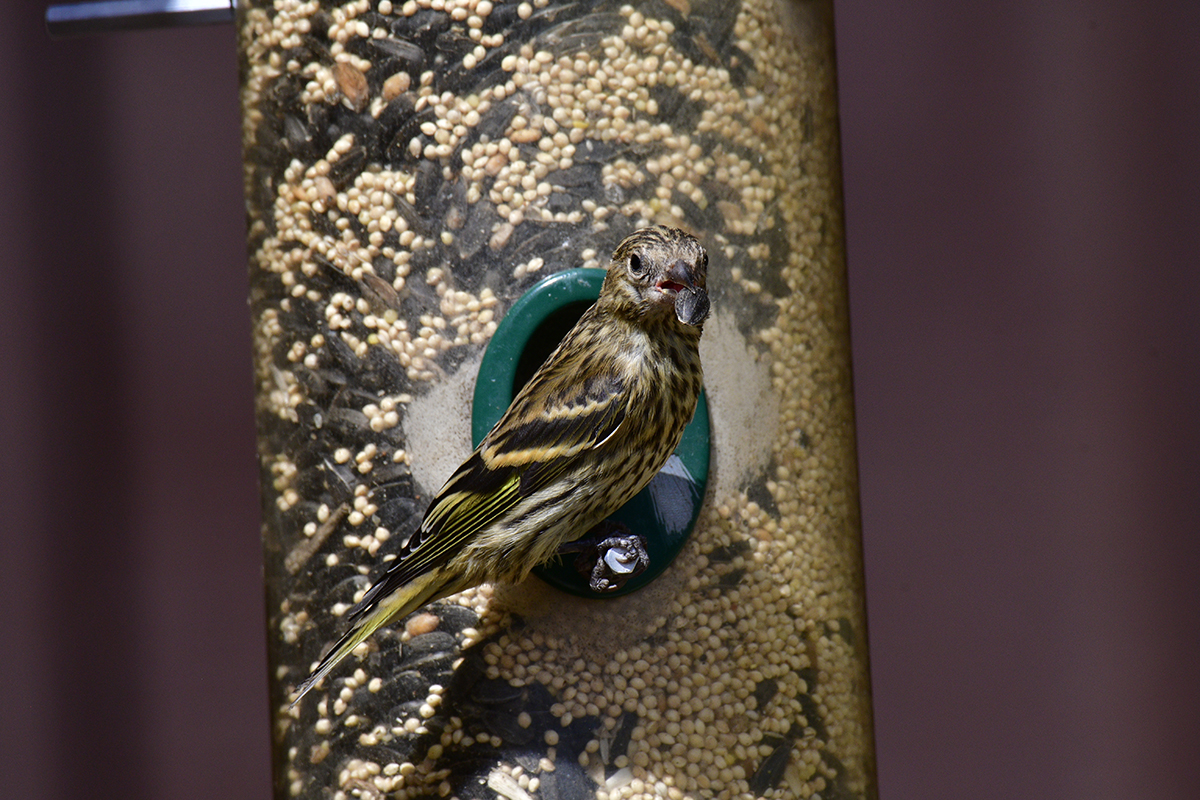
The first step in learning how to photograph backyard birds is to create a welcoming, bird-friendly environment. The more birds that visit your yard, the more variety you will have to photograph. Birds are naturally drawn to spaces that provide food, shelter, water, and safety, so it helps to design your yard with those needs in mind.
Start by adding native plants and shrubs that offer cover and nesting areas. Include natural perching spots like branches, trellises, or bird-friendly garden features. Clean water sources such as birdbaths or small fountains are also important because birds need places to drink and bathe. Feeders and suet blocks can attract a wider range of species, from songbirds to woodpeckers.
The goal is not simply to bring birds closer. It is to create an environment where they feel comfortable returning. Once they do, your opportunities for stronger photos improve dramatically.
Simple ways to attract more birds for photography
- Plant native vegetation for shelter and nesting
- Add natural-looking perches near feeders or water
- Provide clean water in a birdbath or small fountain
- Use a mix of feeders and food types to attract different species
- Keep the area safe, quiet, and consistent
TIP 2: Use a Telephoto Lens to Fill the Frame

One of the most important parts of photographing backyard birds is using a lens with enough reach. Birds are small, easily startled, and often just far enough away that a standard lens leaves them lost in the frame. A telephoto lens lets you photograph them in greater detail without pushing too close and disturbing them.
The Tamron 150-500mm F/5-6.7 Di III VC VXD (Model A057) is an excellent choice for Sony E-mount, Nikon Z mount, and Fujifilm X-mount mirrorless camera users. With a compact design and a zoom range that reaches 500mm, it allows you to fill the frame with your subject from across the yard. It also features Tamron’s VXD linear motor for fast, quiet autofocus and built-in VC for handheld shooting..
A longer lens does more than bring the bird closer. It also helps simplify the frame, soften the background, and create cleaner, more professional-looking backyard bird photos.
TIP 3: Stabilize Your Camera for Sharper Images

Stability matters, especially when using longer focal lengths. Even slight movement is magnified when you are photographing birds at 500mm or 600mm. A quality tripod can help you keep your images sharp, particularly if you are waiting near a feeder, birdbath, or favorite perch.
That said, not every backyard bird photo needs to be made from a tripod. The Tamron 150-500mm and 50-400mm F/4.5-6.3 Di III VC VXD are compact and well balanced, making each strong options for handheld shooting when birds are moving quickly from branch to branch. If you prefer to work more freely, especially when following active birds around the yard, a lighter handheld setup can be very effective.
Both the 50-400mm and 150-500mm lenses are equipped with Tamron’s VC (Vibration Compensation) system, which helps reduce blur caused by hand movement and lower-light conditions. This is especially useful when photographing birds early or late in the day, when shutter speeds may drop.
If you mount your camera on a tripod, turn off the VC function to avoid possible blur from stabilization interference.
TIP 4: Work With Better Light

Light can make or break a bird photo. Morning and evening are usually the best times to photograph backyard birds because the light is softer, warmer, and more flattering. Birds are often more active during those times as well, which gives you more chances to capture natural behavior.
If you are photographing on a sunny day, try to position yourself with the sun behind you. That helps light the bird evenly and avoids harsh shadows falling across the subject. Overcast days can also be excellent because the clouds act like a natural diffuser, producing softer light with less contrast.
As important as the quality of light is the direction of light. Before you start shooting, look at where your feeders, perches, or birdbath are placed. A small shift in position can improve feather detail, background blur, and catchlight in the bird’s eye.
TIP 5: Stay Quiet and Let Birds Settle In
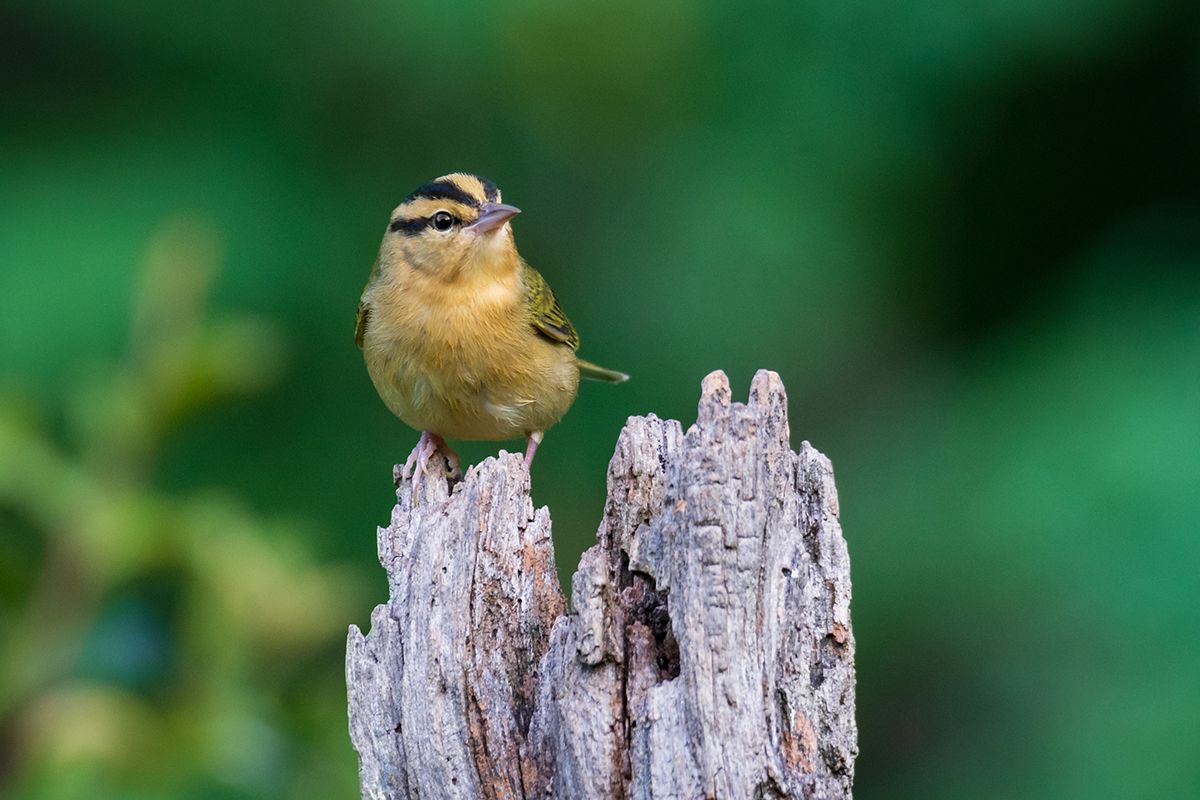
One of the most overlooked parts of backyard bird photography is patience. Birds are quick to notice movement and sound, and they will often leave before you are ready if your presence feels disruptive. The more quietly and calmly you work, the more natural your bird photos will look.
Choose a spot that is slightly hidden or off to the side of the main activity area. Settle in near feeders, birdbaths, or favorite perches and avoid moving around too much. If you stay put long enough, birds will usually begin to ignore you.
You can also photograph from indoors, from a porch, or from behind natural cover. These positions help reduce disturbance and often allow you to observe more natural behavior. Backyard bird photography rewards patience more than speed. The more comfortable the birds feel, the better your opportunities become.
Create Better Backyard Bird Photo Setups
One of the advantages of backyard bird photography is that you can improve the scene before you ever raise the camera. Feeders may bring birds in, but they do not always create the most natural-looking photo. A better approach is to think about where birds land before or after they feed.
Try placing an attractive branch or natural perch near the feeder. Birds will often pause there briefly, giving you a cleaner and more pleasing image than a photo of the bird clinging directly to the feeder. Pay attention to the background as well. If the background is far behind the perch, it will blur more smoothly and help the bird stand out.
Also watch for distractions such as fences, bright objects, patio furniture, or parts of the house that may compete with the subject. In backyard bird photography, the difference between a snapshot and a polished image is often the background.
Backyard setup tips that improve your photos
- Place a natural perch near feeders or water
- Keep the background distant for smoother blur
- Remove or avoid bright, distracting objects
- Watch where the light falls on the perch, not just the feeder
- Make the scene feel natural, even if you have guided it a little
Photograph Backyard Birds Without Disturbing Them
A good backyard bird photo should not come at the expense of the birds themselves. Keep feeders and water sources clean, avoid pushing too close, and let the birds control the distance. Photographing from inside the house or from a concealed position is often one of the best ways to work respectfully.
It also helps to keep your routine consistent. Birds quickly learn what feels normal in a yard. If you move slowly and behave predictably, they are more likely to return and settle in. That not only improves your chances of getting stronger photographs, but it also creates a more enjoyable and sustainable experience for both you and the birds.
Final Thoughts on Photographing Backyard Birds at Home
With the right approach, a little patience, and a setup designed with both birds and photography in mind, your backyard can become an outstanding place to create bird images. By attracting birds naturally, choosing a telephoto lens with enough reach, stabilizing your camera, using better light, and staying quiet while the scene unfolds, you can make more compelling bird photographs without leaving home.
The real advantage of backyard bird photography is repetition. You can keep refining your setup, learning bird behavior, and improving your timing every time you step outside. Over time, those small improvements add up, and your yard becomes more than just a place to practice. It becomes a place where strong bird photographs happen regularly.
Interested in buying new Tamron telephoto lenses and taking your backyard photos to the next level? Find an authorized Tamron dealer near you. Or visit the TAMRON Store to see why the value and performance of Tamron lenses continue to stand out.