 Instant Savings
 Rebate Claims
 Support
 Find a Dealer
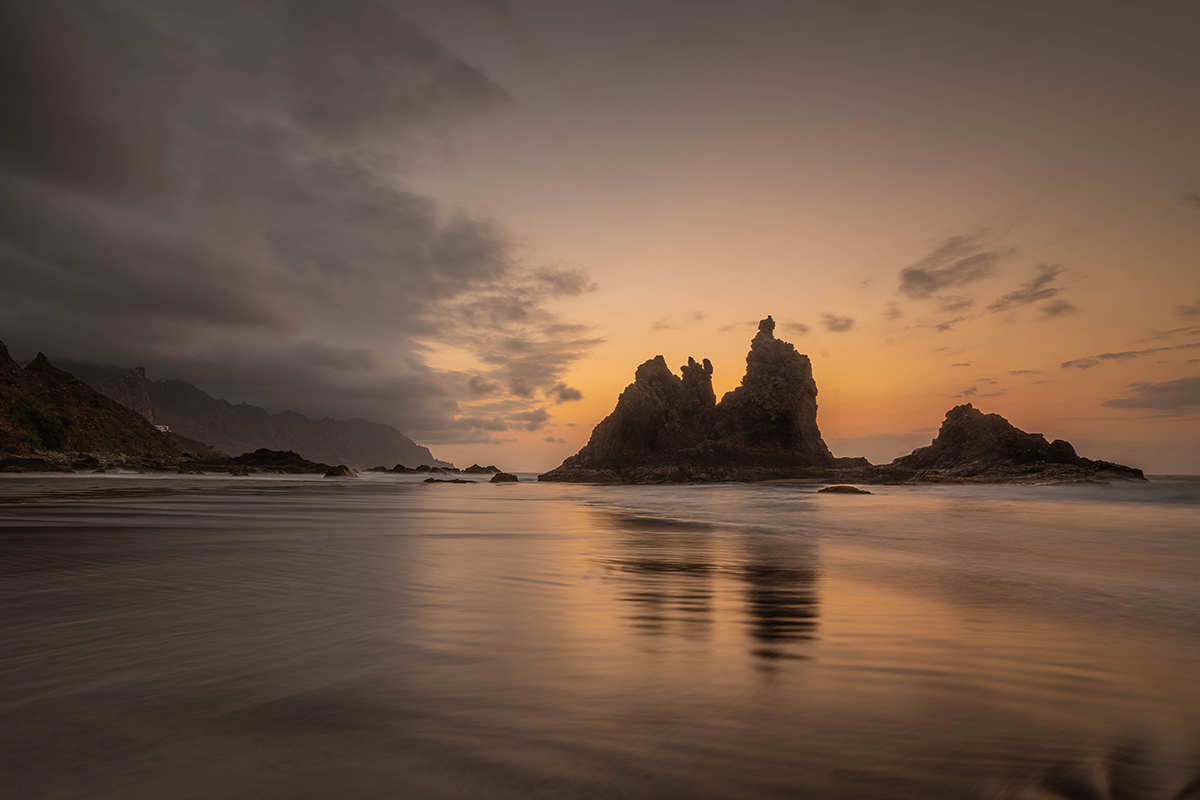
There’s nothing quite like the beauty of golden hour. The warm light and long shadows create stunning photo opportunities. But to truly capture those moments, you need the best settings for sunset and sunrise photos. If your images don’t match what you see with your eyes, the problem is usually in your setup.
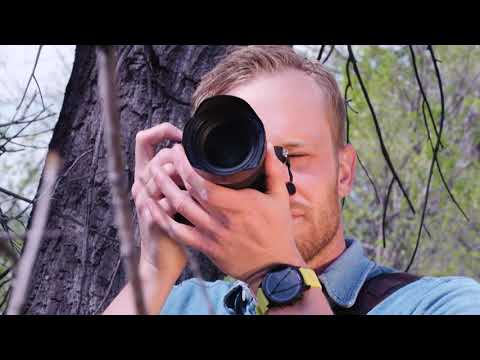
Knowing how to adjust your camera makes a huge difference in capturing vibrant colors and sharp details. This guide will help you understand the best ISO, aperture, and shutter speed for these low-light conditions. You’ll also learn which lenses work best and how to compose your shots for dramatic effect.
Whether you’re using a full-frame or APS-C mirrorless camera, these tips from the mirrorless lens experts at Tamron will improve your golden hour photography. Get ready to explore the best camera setting for sunset and sunrise photos and take your images to the next level.
What you will learn in this article:
- The best camera setting for sunset and sunrise photos to capture vibrant skies and golden hour light
- How to properly adjust ISO, aperture, and shutter speed for early morning or late evening conditions
- Which wide-angle lenses work best for landscape and scenic shots during golden hour
- When to use manual focus and why it helps in challenging lighting situations
- Simple techniques for creating silhouettes and dramatic compositions at sunrise or sunset
6 Tips for the Best Settings for Sunset and Sunrise Photos
TIP 1: Start With a Great Wide-Angle Lens
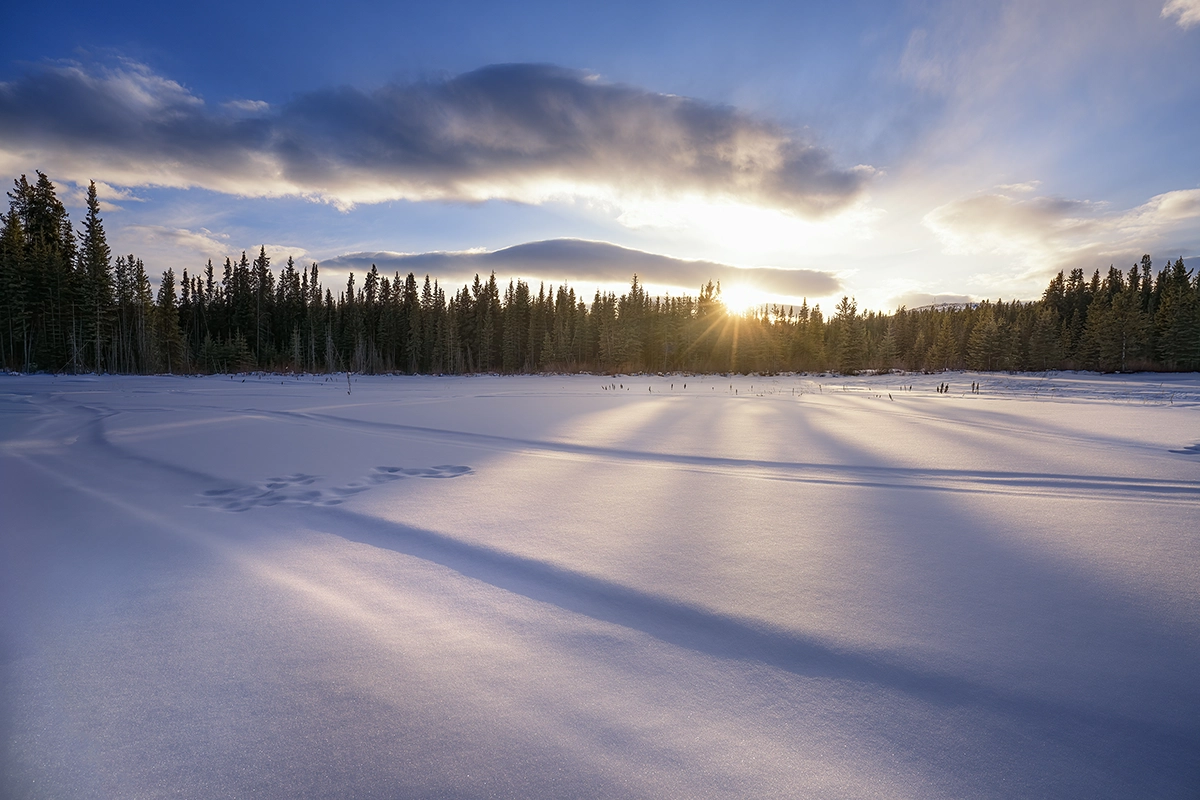
For full-frame mirrorless cameras, consider the Tamron 16-30mm F/2.8 Di III VXD G2 (Model A064) and 17-50mm F/4 Di III VXD (Model A068).
If you are using a crop-sensor camera, try the Tamron 11-20mm F/2.8 Di III-A RXD (Model B060) for Sony E, Canon RF, and Fujifilm X APS-C (crop sensor) or the Tamron 17-70mm F/2.8 Di III-A VC RXD (Model B070) for Sony E, Canon RF, Fujifilm X, and Nikon Z APS-C .
These lenses are ideal wide-angle zoom lenses or standard zoom lenses for sunset and sunrise shots, particularly for landscapes. They’re compact and lightweight while featuring large apertures and an ultra-wide-angle that helps you bring out the best in your subject during sunset and sunrise.
TIP 2: Set Low-to-Mid-Range ISO
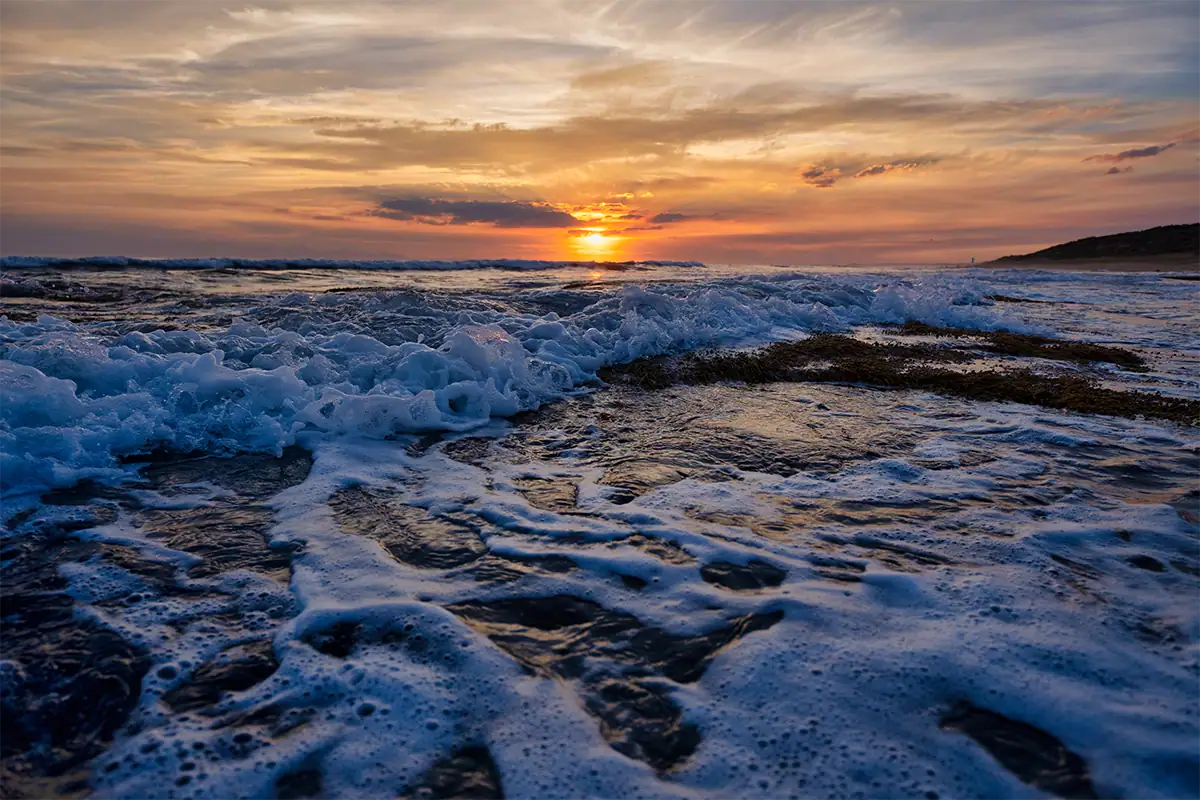
One of the best settings for sunset and sunrise photos is using a low-to-mid-range ISO. An ISO between 200 and 800 helps balance brightness while reducing noise, making it ideal for capturing the soft, natural light during golden hour.
TIP 3: Use a High Aperture (smaller, stopped down aperture)
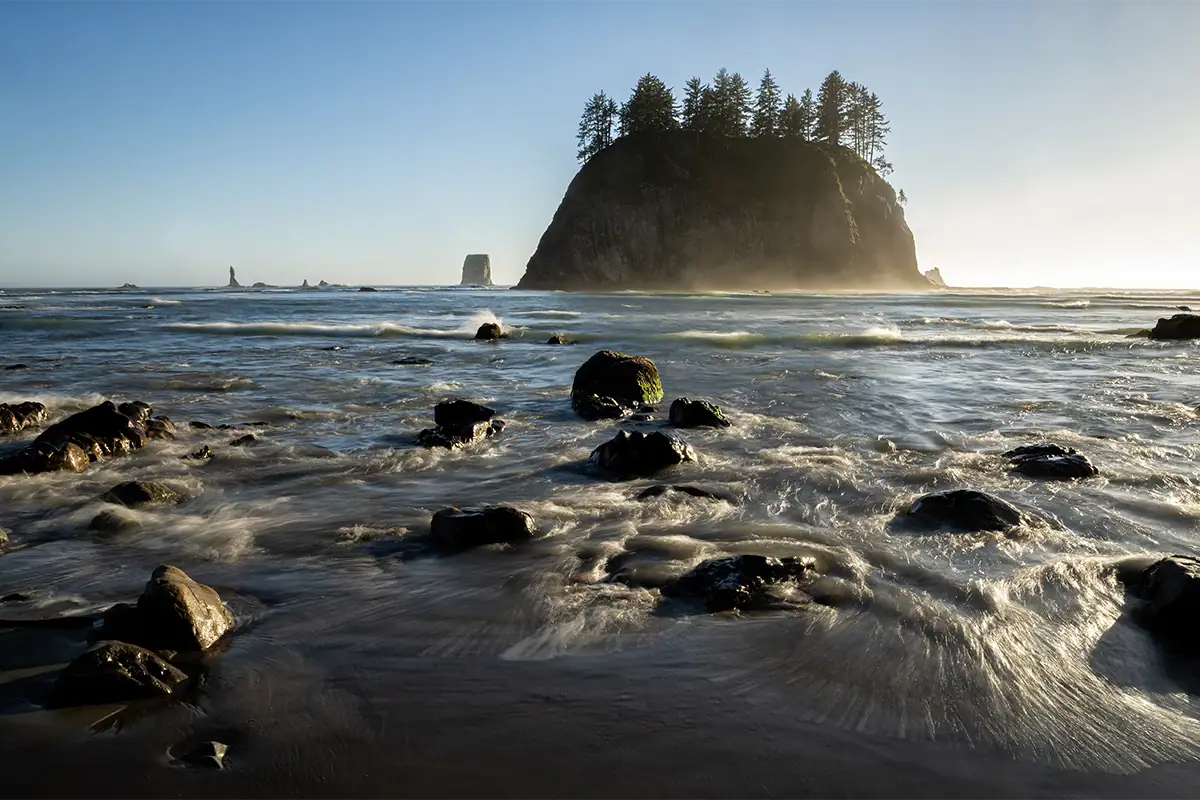
Another one of the best settings for sunset and sunrise photos is using a higher aperture, like f/11 or f/16. Smaller apertures create a greater depth of field, which works well for landscape photography. This setting keeps more of your scene in sharp focus, from foreground to background. Golden hour light brings out beautiful details, and a high aperture helps capture them clearly. Using a high aperture ensures your sunset and sunrise shots look crisp and balanced across the frame.
TIP 4: Determine Proper Shutter Speed
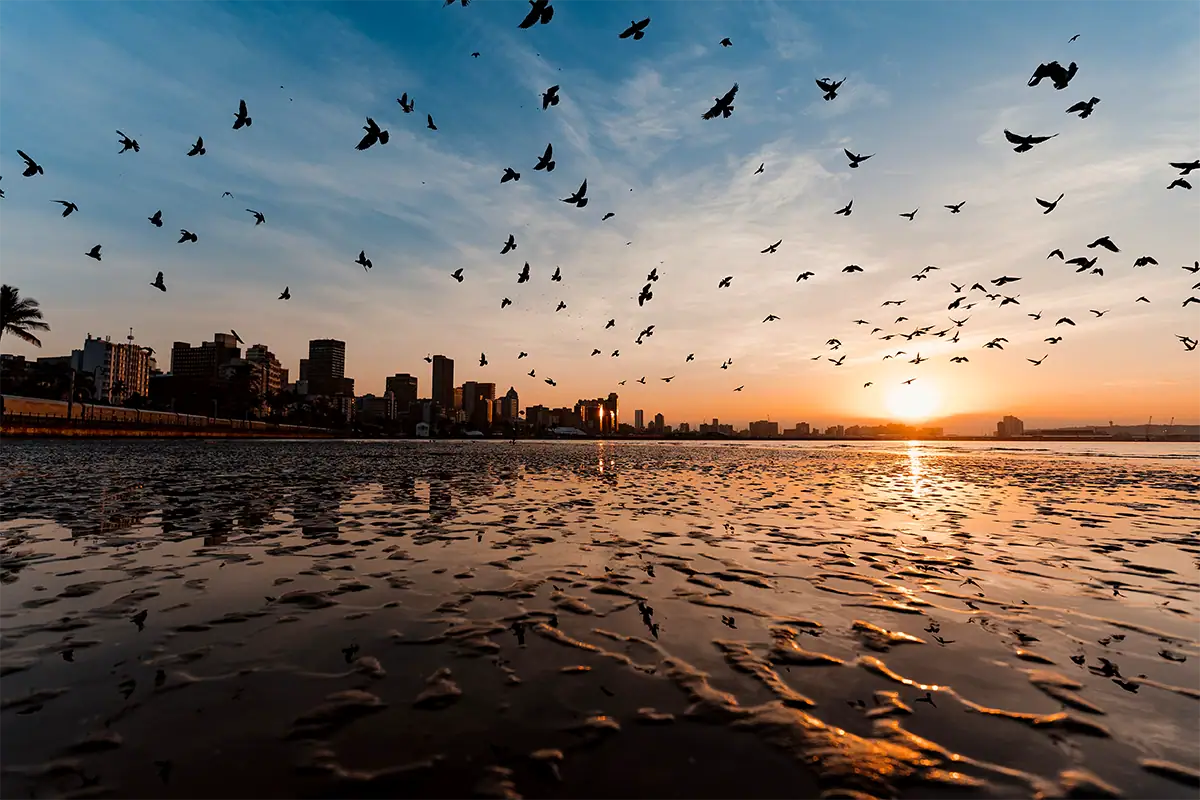
Use the Aperture Priority mode on your camera. The camera will pick the shutter speed based on the ISO and the aperture setting. If you need a longer exposure, you may need a tripod to keep the image stable. If your lens has image stabilization, be sure to turn it off when using a tripod to avoid blur.
TIP 5: Consider Focusing Manually
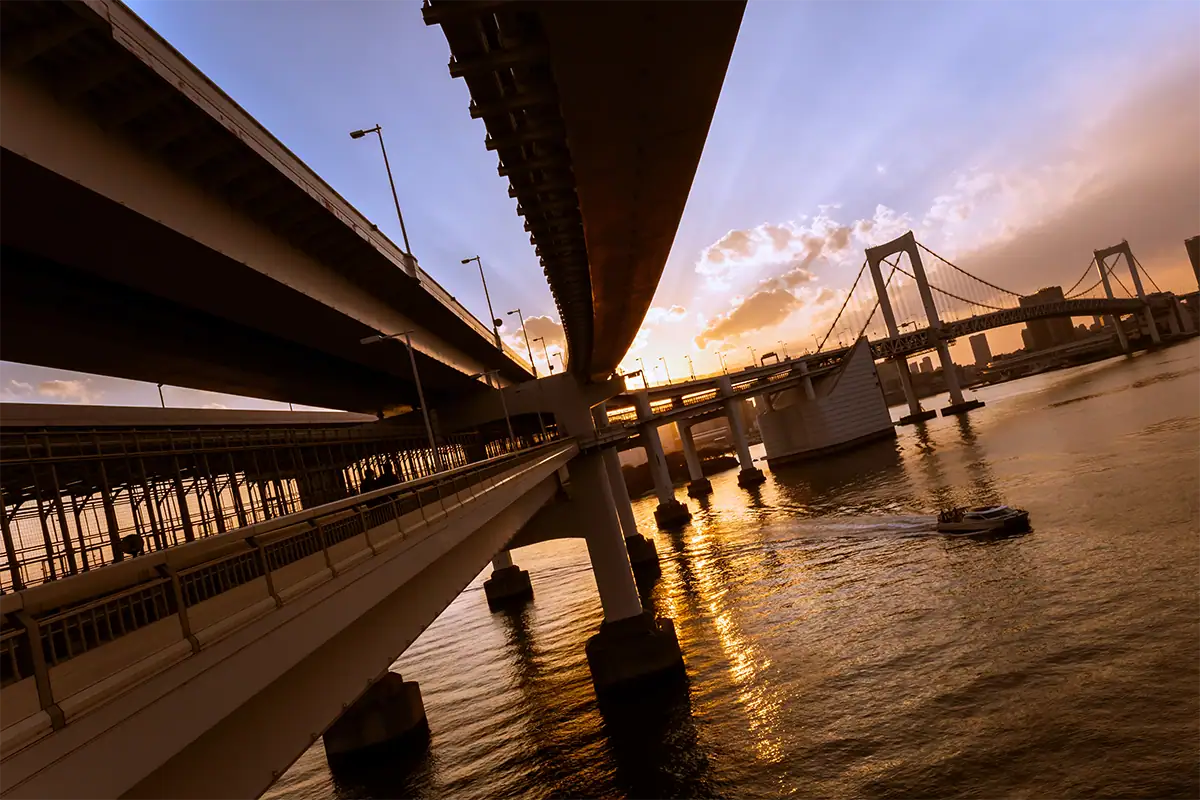
Manual focusing may be necessary if you’re facing toward the sun’s intense light. If your autofocus is struggling, switch to manual focus to keep things looking crisp.
TIP 6: Create a Silhouette
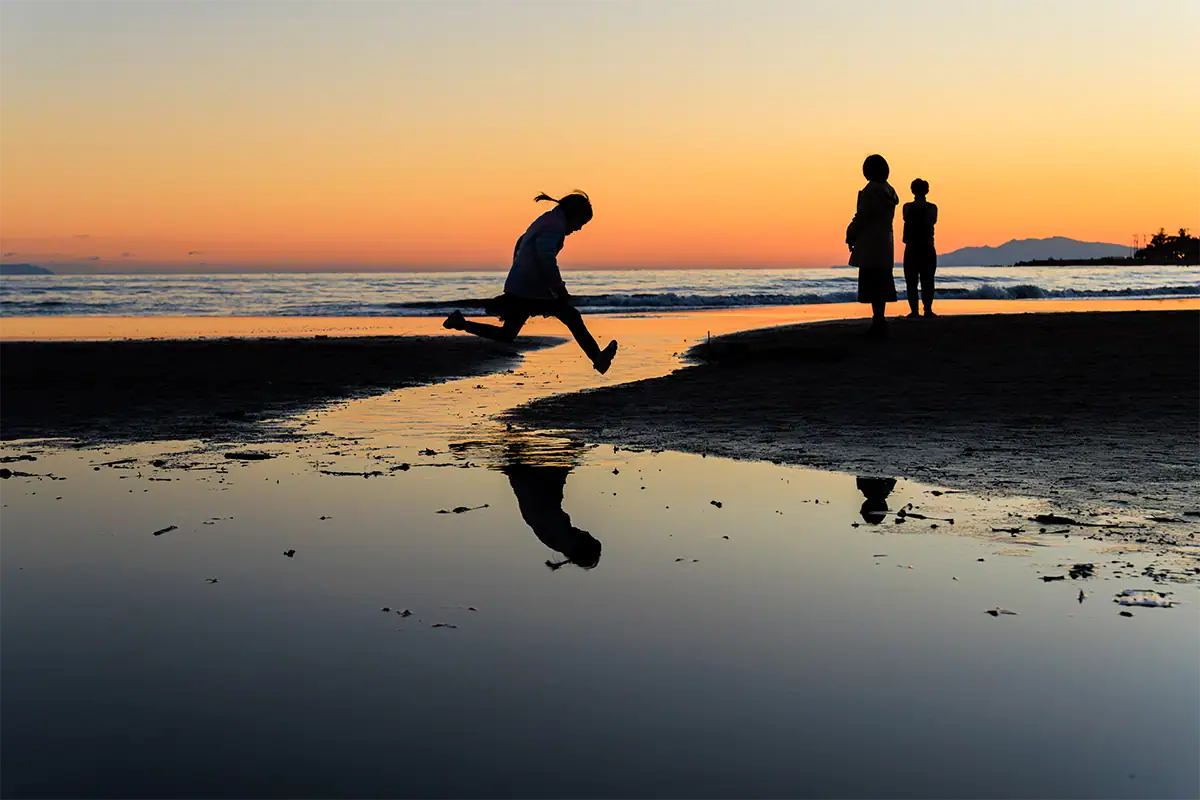
Point your camera at a bright area in the sky and depress your shutter release button halfway to lock in the exposure. With the button still halfway depressed, compose your photo and shoot. The camera will meter for the bright light and raise the shutter speed to get a proper exposure on the sky. This will darken the other elements in the image.
Master the Best Settings for Sunset and Sunrise Photos
Capturing breathtaking golden hour images is all about preparation and knowing your gear. By using the best settings for sunset and sunrise photos, you’ll bring out rich colors, perfect silhouettes, and dramatic lighting. Whether you’re shooting wide landscapes or detailed skies, these tips will help you get the most from every sunrise and sunset. Get out there, experiment with your camera, and watch your results improve with every shot.
Where to Buy Tamron Lenses
Tamron has the gear you need to photograph any subject. If you’re ready to buy new Tamron lenses like the 16-30mm, 17-50mm, 17-70mm, or 11-20mm, just visit the Tamron Store or check out our list of authorized Tamron dealers near you.