Instant Savings
 Rebate Claims
 Support
 Find a Dealer
Quick Verdict: Tamron 35-100mm F2.8 for Travel Photography
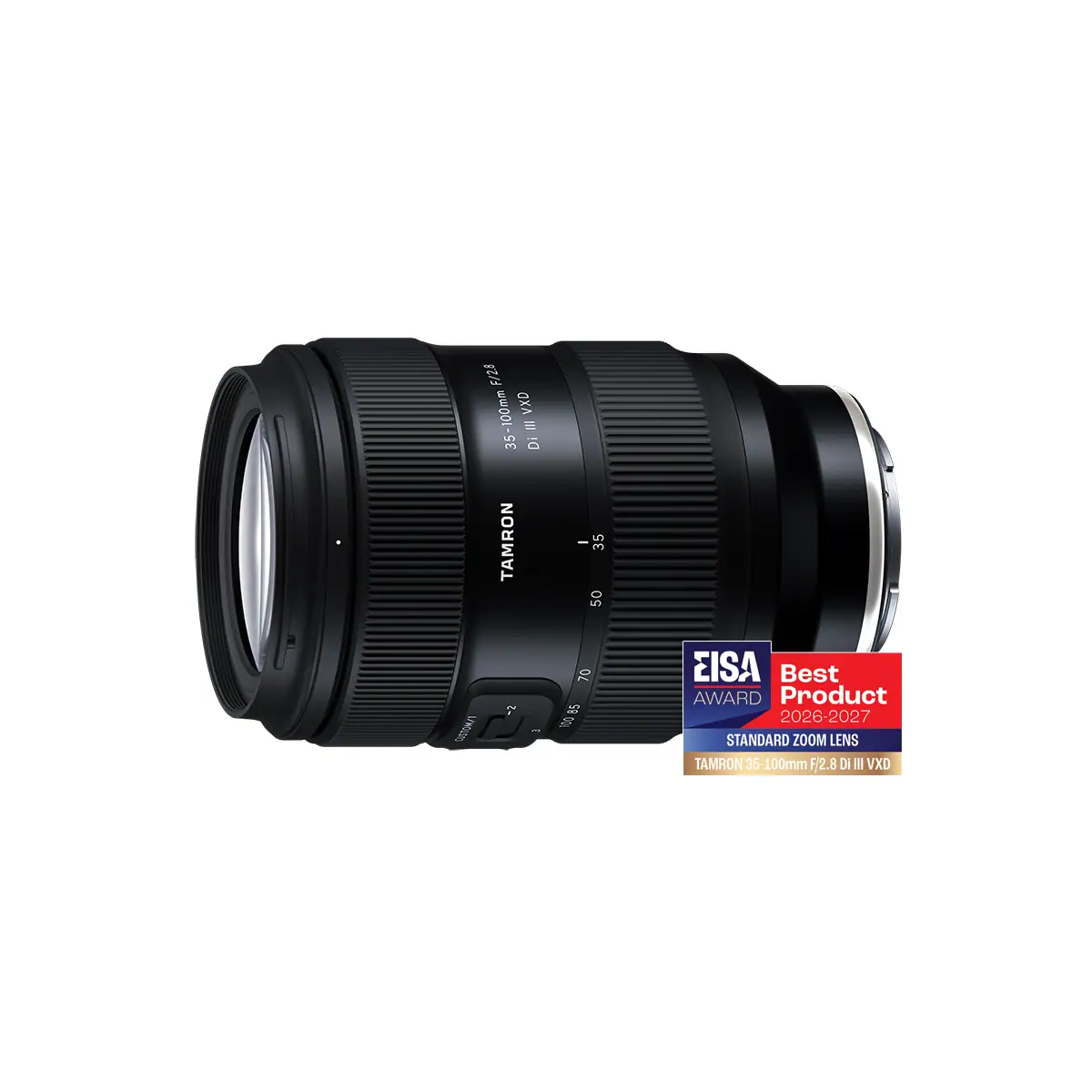
The Tamron 35-100mm F/2.8 Di III VXD is a compact zoom lens for travel photography that brings together many of the focal lengths I use most often—35mm, 50mm, 85mm, and 100mm—in one lightweight, constant F2.8 zoom. During a photographic journey through Andalusia, Spain, it quickly became my primary lens for portraits, street scenes, architectural details, food, markets, and spontaneous travel moments.
Best for: Travel photography, portraits, street scenes, food, architecture details, markets, and everyday storytelling
Not ideal for: Wildlife or situations requiring long telephoto reach
My favorite feature: A practical 35-100mm range in a compact constant F2.8 travel zoom lens
One thing to know before buying: For wider interiors, dramatic landscapes, and large architectural spaces, it pairs beautifully with an ultra-wide zoom like the Tamron 16-30mm F2.8.
For photographers who want to travel lighter without giving up image quality, the Tamron 35-100mm F2.8 travel photography lens offers a highly useful balance of portability, speed, and creative flexibility.
Key Takeaways: Why the Tamron 35-100mm F2.8 Works So Well for Travel
- The 35-100mm range covers environmental scenes, natural perspectives, portraits, tighter details, and compressed compositions.
- The compact design makes it comfortable to carry from morning to evening while exploring.
- The constant F2.8 aperture helps in shaded streets, interiors, markets, and late-day light.
- Fast VXD autofocus supports spontaneous travel photography where moments happen quickly.
- Paired with the Tamron 16-30mm F2.8, it creates a cohesive two-lens travel photography kit for wide views and more intimate storytelling.
Tamron 35-100mm F/2.8 Di III VXD Quick Specs
Focal length: 35-100mm
Aperture: f/2.8
Mount: Sony E and Nikon Z
Size/weight: 4.7” / 19.9 oz. for Sony E-mount; 4.8” / 20.3 oz. for Nikon Z mount
Minimum focus distance: 8.7” at 35mm
Maximum magnification ratio: 1:3.3
Filter size: Ø67mm
Why I Tested the Tamron 35-100mm F2.8 in Andalusia
When planning this trip through southern Spain, my goal was simple: travel lighter while keeping image quality and versatility high. For years, I often traveled with multiple focal lengths and a more fragmented setup. This time, I wanted a more intuitive and fluid photographic approach.
The Tamron 35-100mm F2.8 quickly became my go-to Spain travel photography lens because it covered the focal lengths I naturally reach for most often.
At 35mm, I could photograph environmental scenes and wider storytelling moments. Around 50mm, I had a natural perspective close to human vision. At 85mm, I could create flattering portraits with beautiful subject separation. At 100mm, I could tighten the frame, use compression, and isolate details with pleasing background blur.
This range aligned perfectly with the way I see, compose, and tell stories through images.
Photographing Andalusia With One Compact Standard Zoom
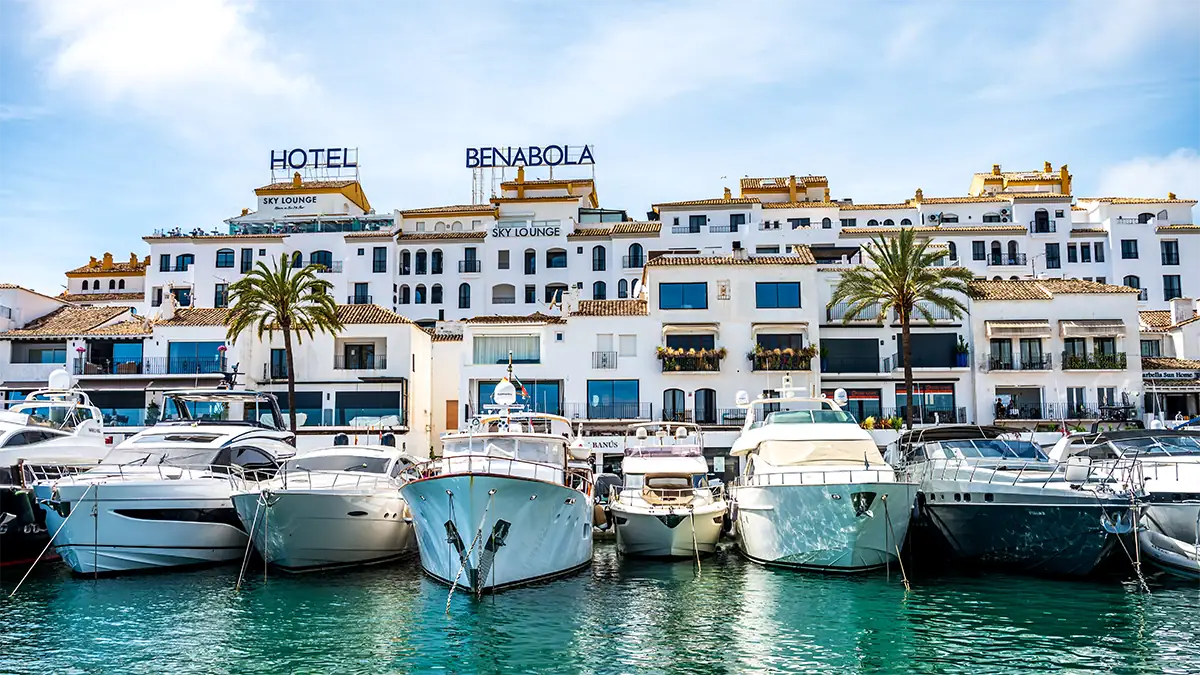
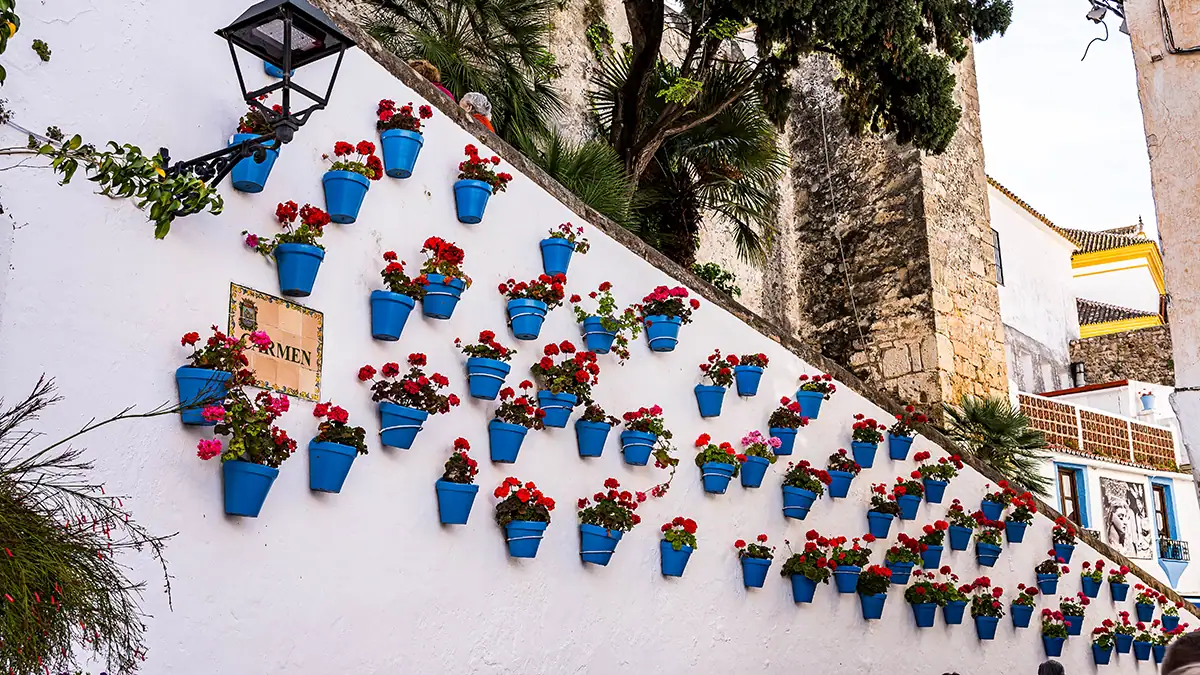
Throughout Andalusia, the Tamron 35-100mm F2.8 allowed me to move through each location with a simpler, more focused rhythm. I used it for the majority of my images, from quiet coastal scenes and whitewashed villages to markets, architecture, portraits, and small details that helped define the feeling of the journey.
For Andalusia travel photography, this lens gave me the flexibility to react quickly. I could frame a wide street scene, move in closer for a portrait, isolate a food detail, or compress a distant landscape without constantly changing lenses.
Why the 35-100mm Range Is So Useful for Travel Photography

For travel photography, versatility matters. You may move from a narrow alleyway to an open plaza, from a market portrait to a distant architectural detail, or from a food scene to a landscape within minutes. Carrying too much gear can slow that process down.
The Tamron 35-100mm F2.8 helped me simplify my decisions. Instead of constantly changing lenses, I could stay engaged with the scene.
At 35mm, I used the lens for environmental storytelling and wider contextual scenes. At 50mm, it gave me a balanced perspective for everyday travel moments. At 85mm, it became excellent for portraits and subject separation. At 100mm, it helped me create tighter compositions, compress distance, and bring attention to details.
For a photographer trying to move through a place naturally, this range is extremely practical. It is also what makes the lens such a strong lightweight travel zoom lens for photographers who want to carry less while staying ready for different subjects.
For another real-world look at this lens in a different setting, read our Tamron 35-100mm vacation photography lens review. For a more portrait-focused perspective, see our Tamron 35-100mm portrait lens review.
A Lightweight Travel Zoom Lens for Long Days
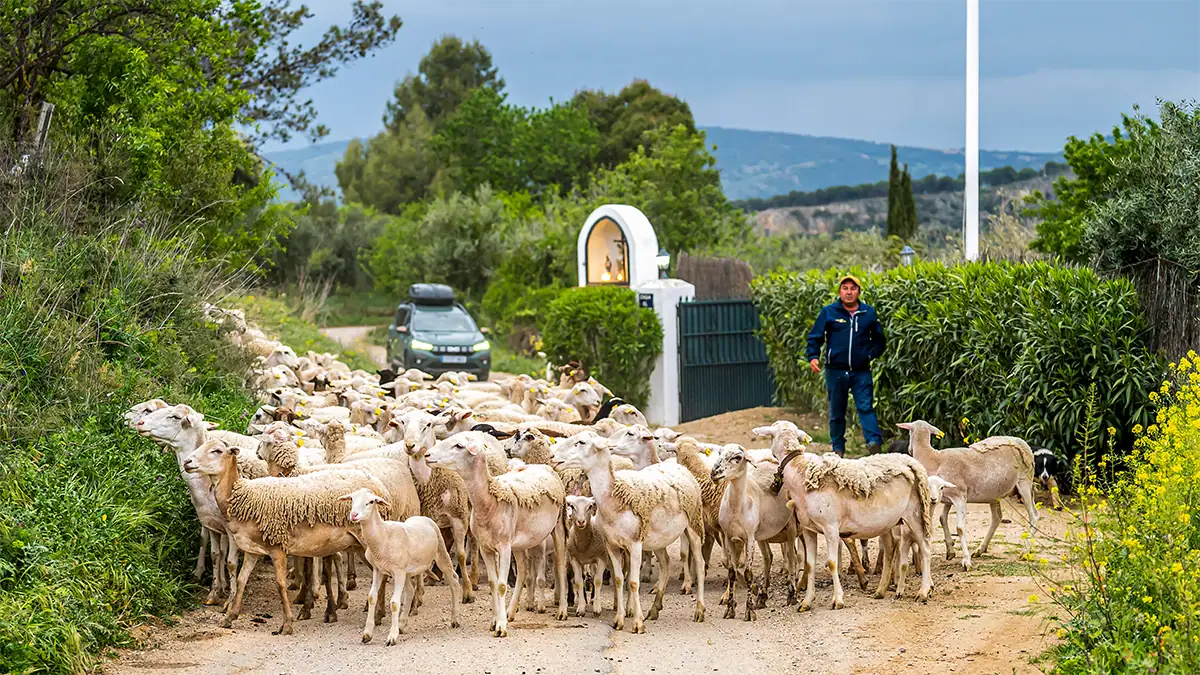
What impressed me most was the size-to-performance ratio. At approximately 575g for Nikon Z mount, the Tamron 35-100mm F2.8 allowed me to photograph comfortably from morning to evening without fatigue.
That matters when traveling. In Andalusia, there were long days of walking through cities, villages, markets, churches, coastal areas, and mountain landscapes. A lens that feels comfortable after several hours encourages you to keep looking, keep exploring, and keep responding to small moments as they appear.
The best travel gear often becomes the gear you stop noticing. This lens did exactly that.
Real-World Travel Photography in Spain: Image Gallery
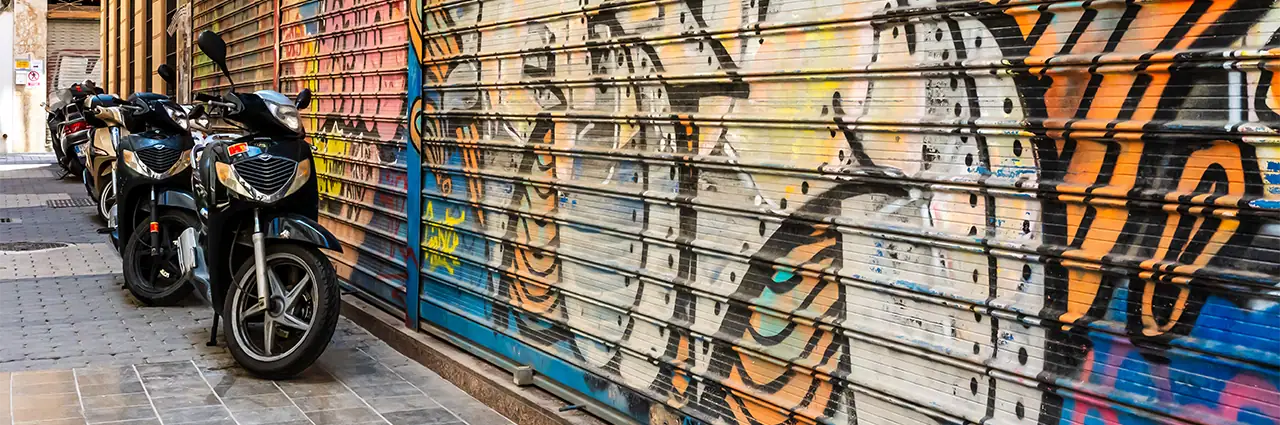
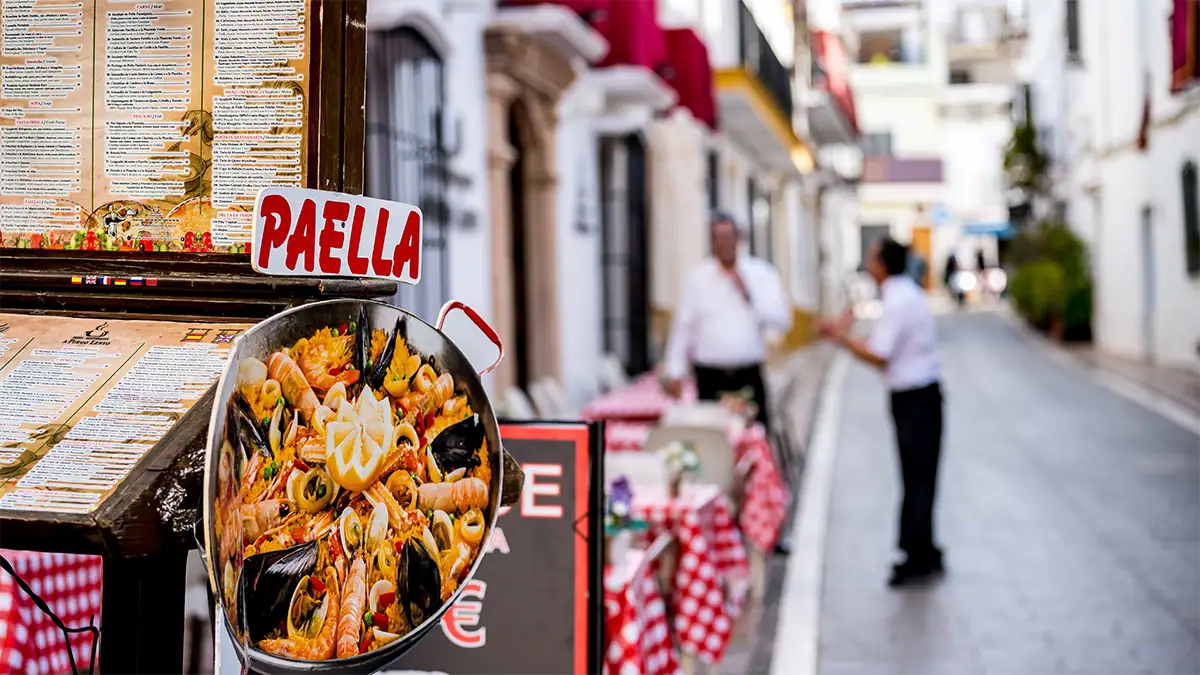
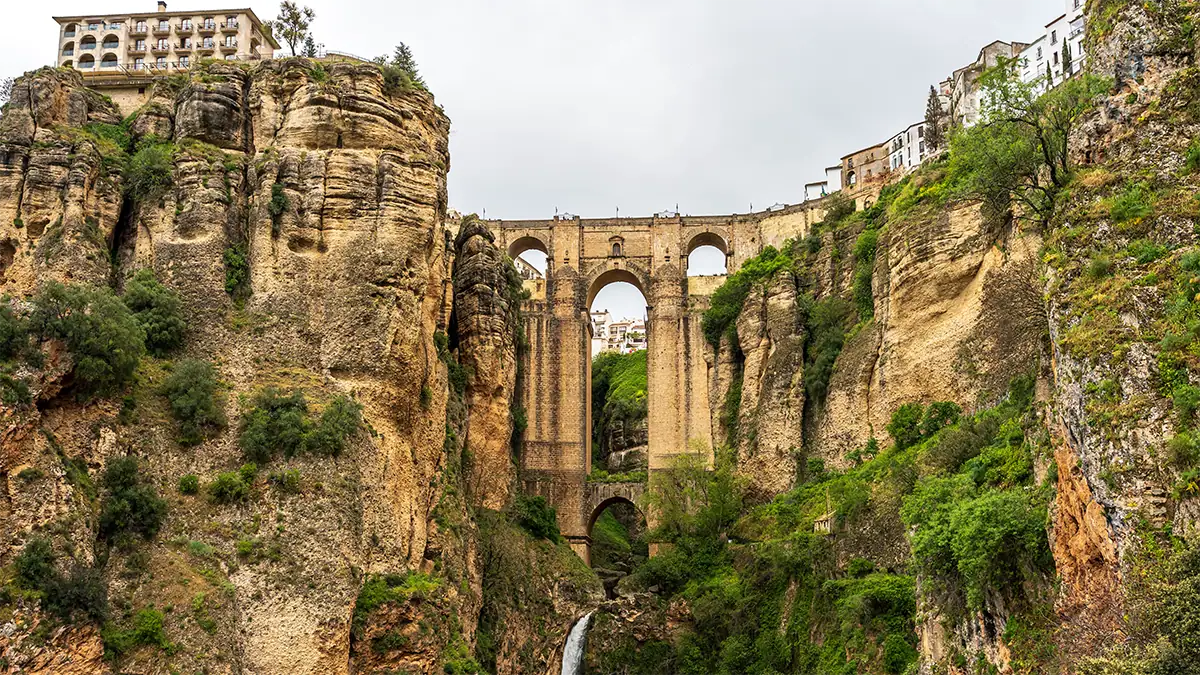
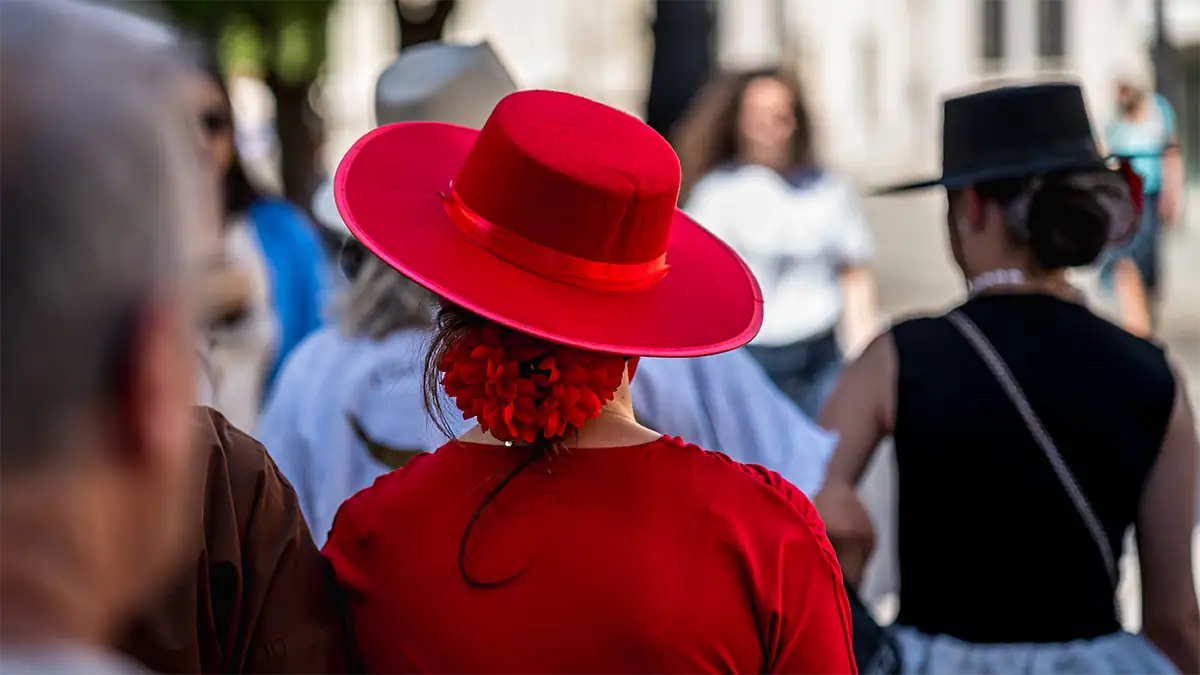
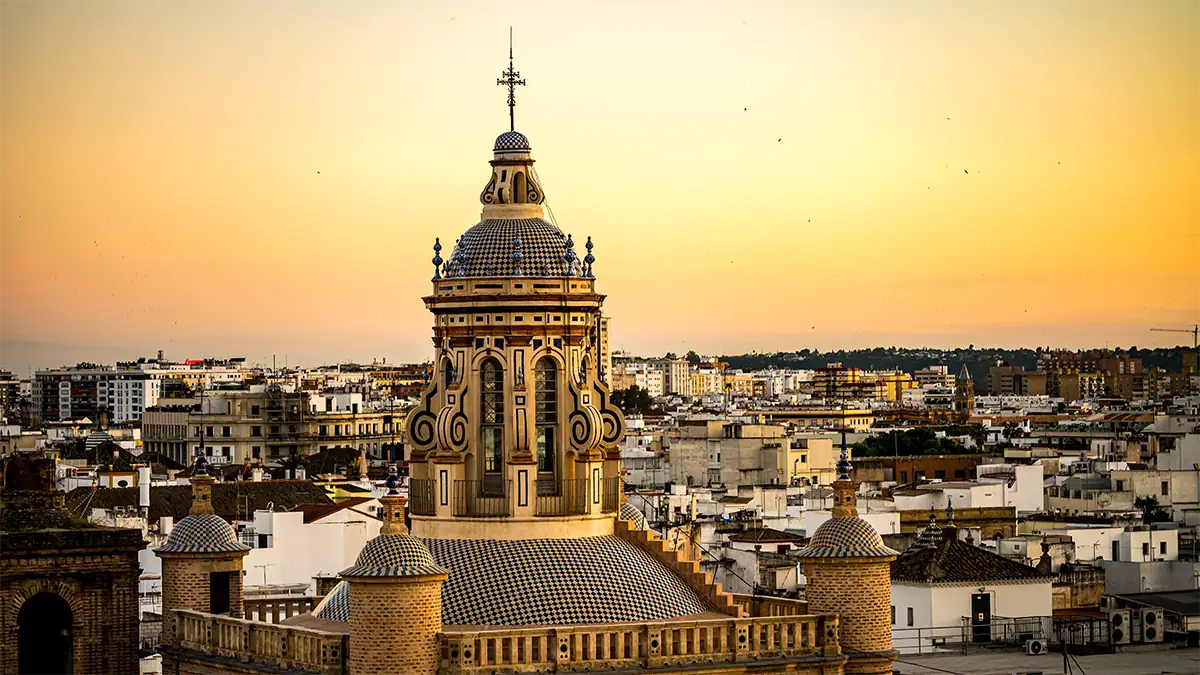
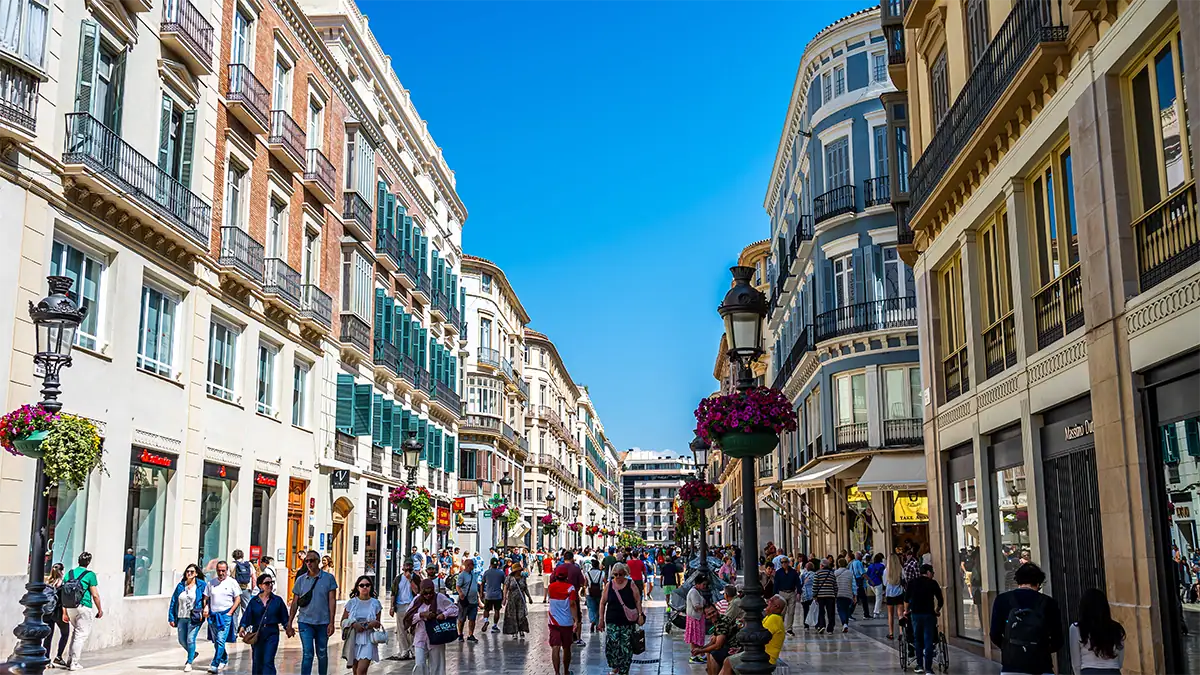
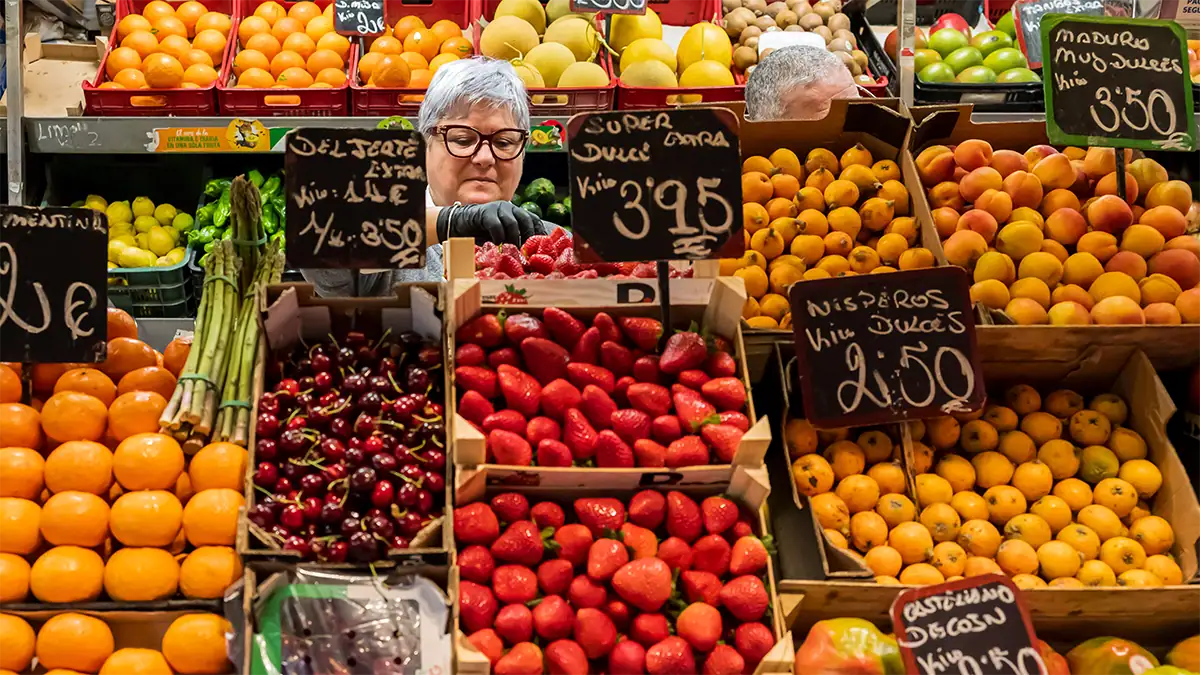
From dramatic landmarks to quiet market moments, the Tamron 35-100mm F2.8 gave me the flexibility to move through Spain with one compact travel photography lens. This gallery shows how the 35-100mm range handled architecture, street scenes, cultural details, and everyday moments throughout Andalusia.

Impressive Image Quality and Responsiveness
Despite its compact size, the Tamron 35-100mm F2.8 consistently delivered excellent image quality throughout the trip.
What stood out most:
- Sharp rendering across the zoom range
- Strong flare and ghosting control
- Fast, precise, and quiet autofocus performance from Tamron’s VXD linear motor
- Smooth, pleasing bokeh from the 9-blade circular diaphragm
- Useful close-focusing performance for details, food, and market scenes
Its short minimum focusing distance also allowed me to work closer to subjects, creating tighter compositions and more intimate visual storytelling.
For a compact zoom lens for travel photography, this balance of sharpness, speed, close focusing, and portability made the 35-100mm range feel especially useful in real-world conditions.
The Advantage of a Constant F2.8 Travel Zoom Lens

A constant F2.8 aperture proved invaluable throughout the journey.
It allowed me to work confidently in low light, maintain a consistent rendering style across different scenes, and create shallow depth of field when I wanted to separate a subject from the background.
Whether photographing interiors, sunrise scenes, late afternoon light, shaded alleyways, or market portraits, I could keep shooting freely without feeling limited by the lens.
The Tamron 16-30mm F2.8 G2: An Essential Companion Lens
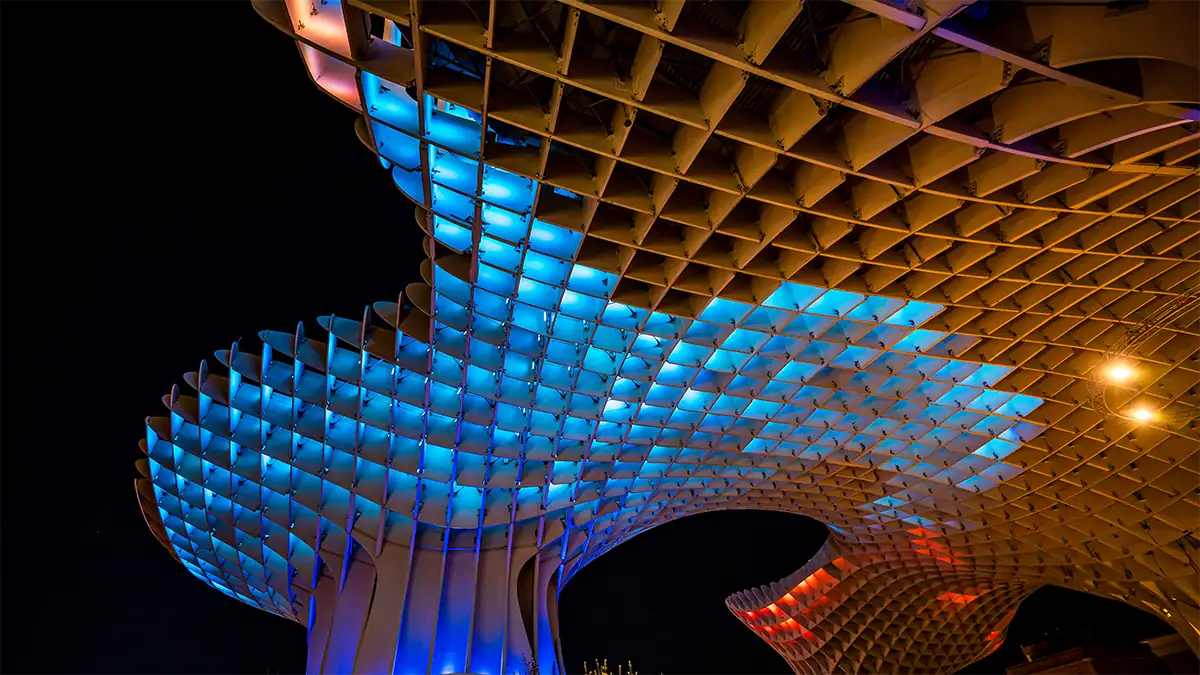
While the 35-100mm became my primary lens, I always kept the Tamron 16-30mm F2.8 within easy reach.
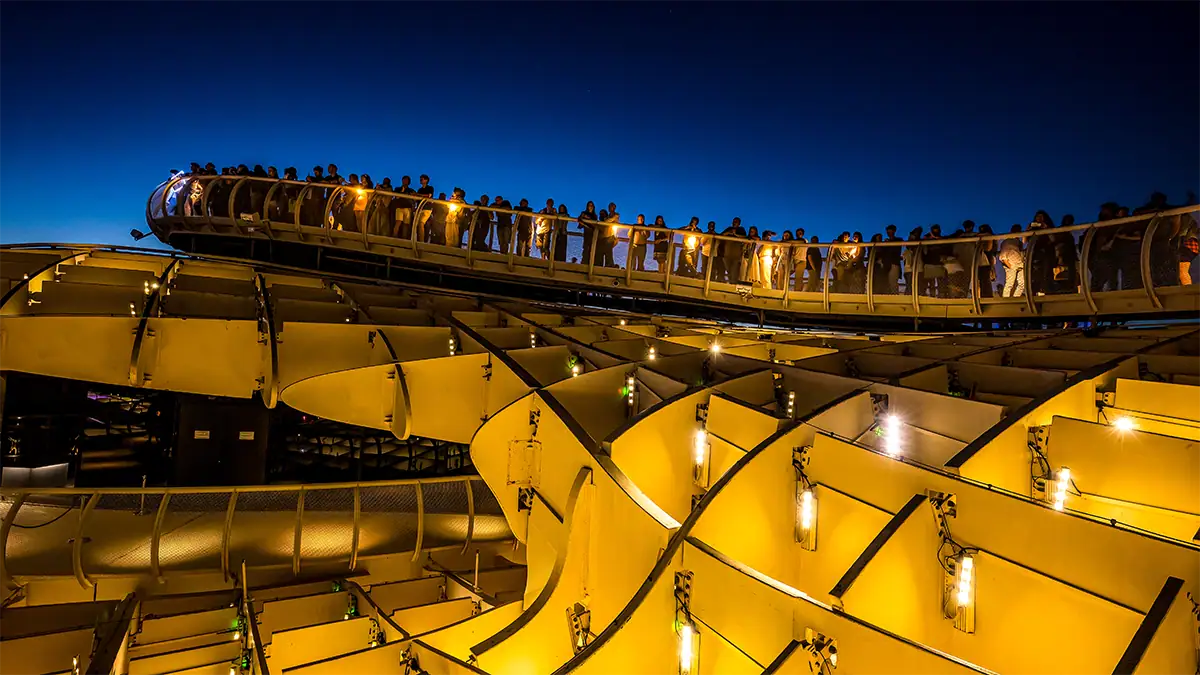
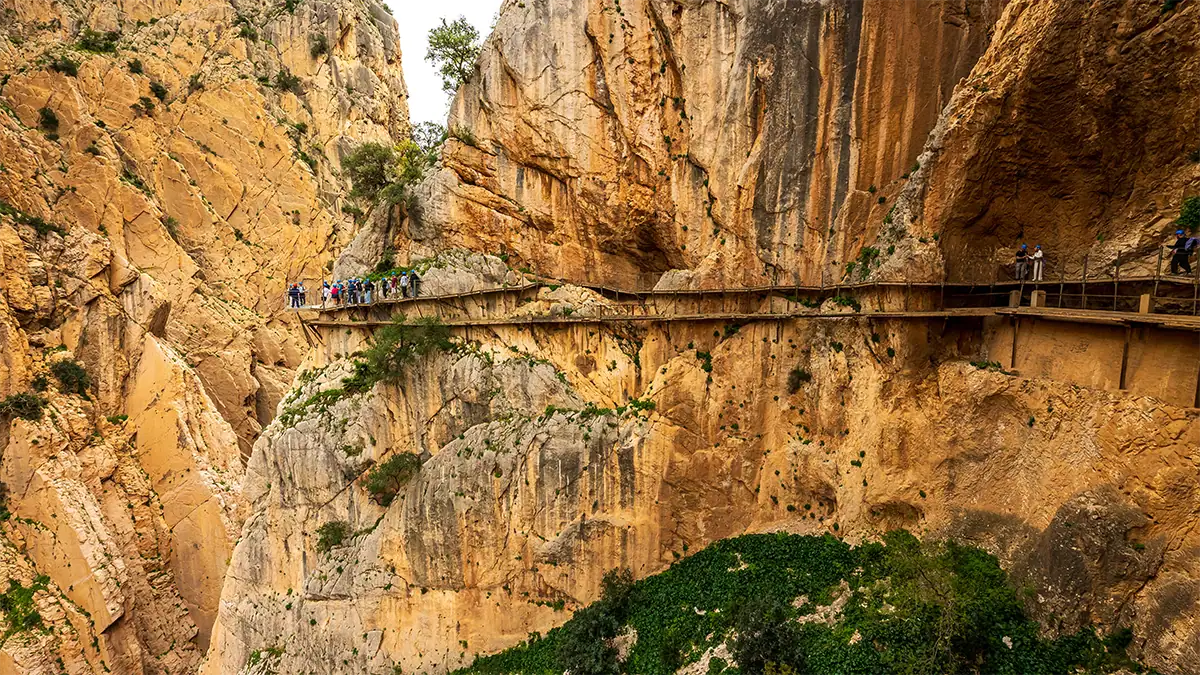
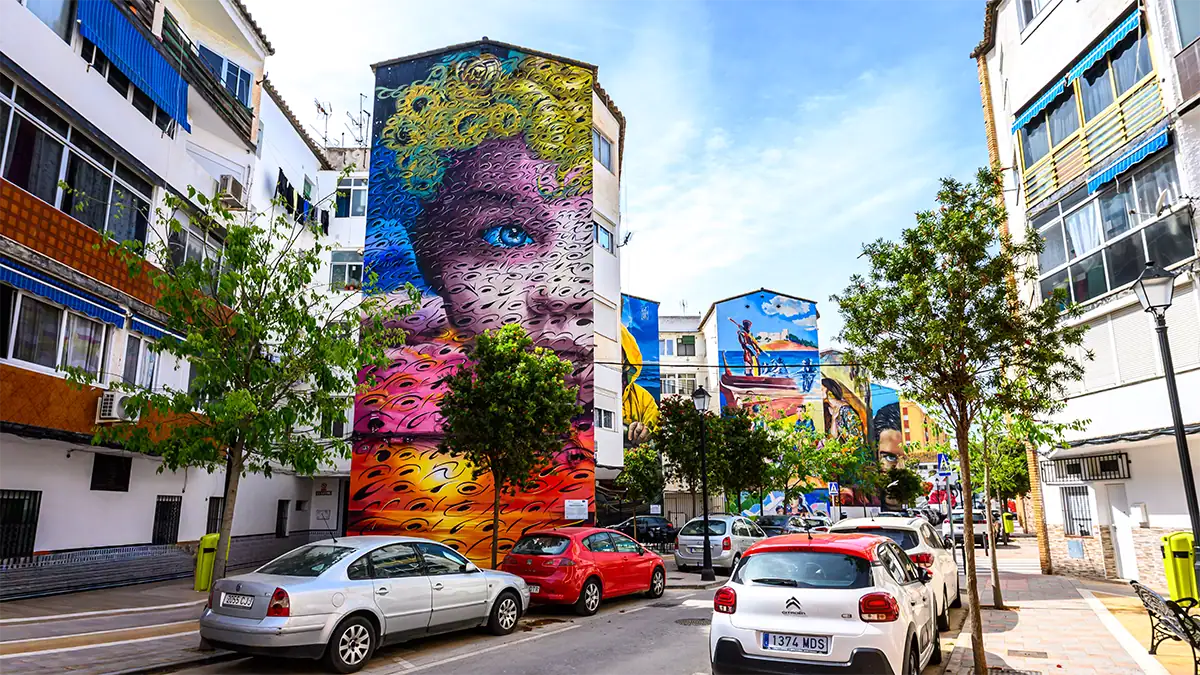
There were certain places where an ultra-wide perspective was simply the right creative choice: Caminito del Rey, Fuengirola’s mural walk, Nerja Cave, Metropol Parasol in Seville, Granada Cathedral, and the broader Andalusian landscapes.
Tamron 16-30mm F2.8 G2 Image Gallery
Paired with the 35-100mm, the 16-30mm formed a highly practical two-lens travel photography kit: one lens for scale and immersion, the other for precision, compression, portraits, and details.
Tamron 35-100mm and 16-30mm Travel Kit
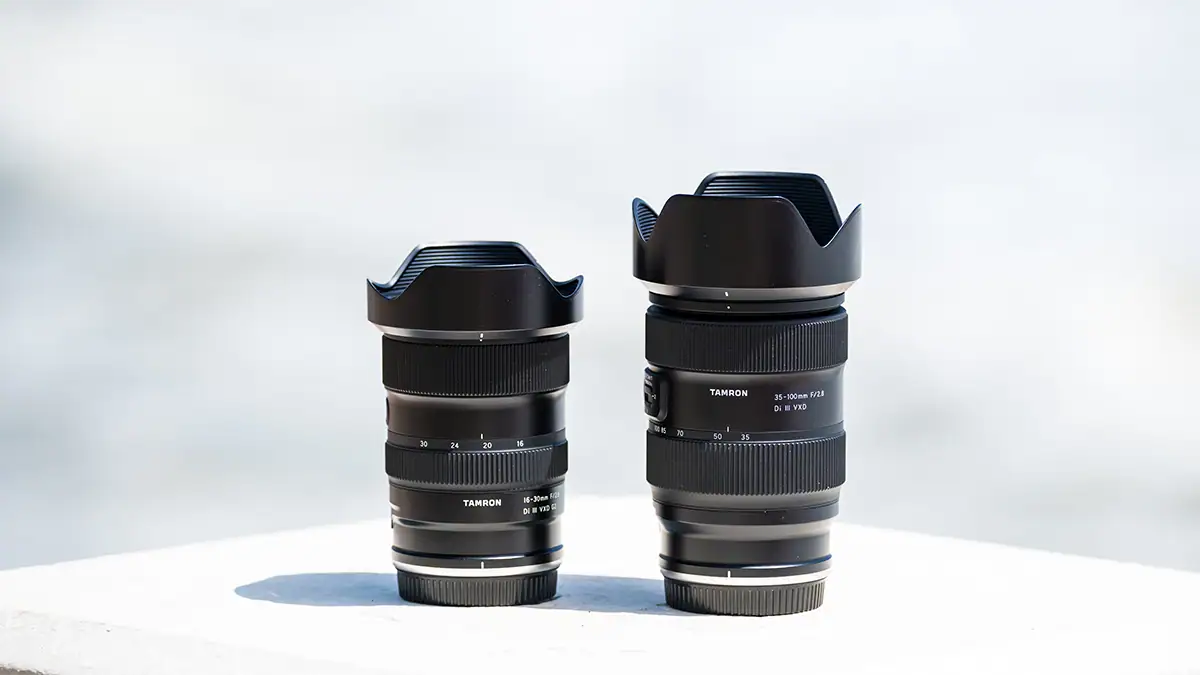
The combination of the Tamron 35-100mm F2.8 and Tamron 16-30mm F2.8 proved especially logical for travel photography.
The 16-30mm handled wide interiors, expansive architecture, narrow spaces, dramatic landscapes, and immersive perspectives. The 35-100mm handled the majority of the trip: portraits, market scenes, food, street details, coastal moments, and compressed landscapes.
Together, the two lenses formed a compact travel photography kit that felt cohesive rather than excessive. I was able to cover a broad visual range while keeping the setup light, organized, and easy to work with throughout the day.
Travel Details, Markets, and Street Scenes

Some of my favorite travel images happen between the larger landmarks. Markets, food stalls, street musicians, small gestures, and quiet expressions often say as much about a place as the grand views.
This is where the Tamron 35-100mm F2.8 became more than just a travel lens. It became a lens for portraits and street photography, allowing me to move quickly, respond naturally, and isolate the human details that bring a place to life.
A Simpler, More Effective Travel Photography Kit
This trip reinforced one important lesson: simplifying your gear changes the way you photograph.
My setup was straightforward:
- Tamron 35-100mm F2.8 for the vast majority of my images
- Tamron 16-30mm F2.8 for scenes requiring greater scale and dramatic perspective
That simplicity allowed me to focus on what mattered most: light, composition, timing, and the story unfolding in front of me.
Who the Tamron 35-100mm F2.8 Travel Photography Lens Is Best For

This lens is ideal for:
- Travel photography
- Portraits while traveling
- Street scenes and markets
- Food and detail photography
- Everyday storytelling
- Photographers who want to travel lighter without giving up a fast aperture
- Nikon Z and Sony E mirrorless users who want a compact F2.8 zoom lens
This lens might not be best for:
- Wildlife photography
- Sports requiring longer telephoto reach
- Ultra-wide landscapes or large interiors when used as the only lens
More Ways to Use the Tamron 35-100mm
The Tamron 35-100mm F/2.8 Di III VXD is a compact zoom lens that works well across multiple real-world photography styles.
- Tamron 35-100mm portrait lens review
- Tamron 35-100mm vacation photography lens review
- Tamron 35-100mm travel photography lens review: this article
Final Thoughts: Travel Light Without Compromise
Over the course of this Andalusian journey, the Tamron 35-100mm F2.8 established itself as my primary travel photography lens.
It delivered a focal range perfectly suited to the way I photograph, consistently excellent image quality, compact handling for long travel days, and genuine creative freedom in the field.
Paired with the Tamron 16-30mm F2.8, it formed a travel kit that was logical, cohesive, and remarkably capable.
This trip confirmed something I have long believed: you can travel light without compromise.
And perhaps more importantly, the best gear is the gear you stop noticing because it disappears, leaving only the image.
Gear Used for This Assignment
- Nikon Z6III
- Tamron 35-100mm F/2.8 Di III VXD
- Tamron 16-30mm F/2.8 Di III VXD G2
- Think Tank Walker Pro 16L backpack
- Vanguard Vesta TB 204CB ultralight carbon fiber travel tripod
Where to Buy Tamron Lenses
Learn more about Tamron lenses at an authorized Tamron dealer near you or shop directly at the official TAMRON Store.
People Also Ask About the Tamron 35-100mm F2.8 for Travel Photography
Is the Tamron 35-100mm F/2.8 Di III VXD good for travel photography?
Yes. The Tamron 35-100mm F2.8 is very well suited to travel photography because it covers environmental scenes, portraits, food, markets, architectural details, and tighter compositions in one compact zoom lens.
Can the Tamron 35-100mm F2.8 replace multiple prime lenses for travel?
For many travel photographers, yes. The 35-100mm range includes several highly useful focal lengths, including 35mm, 50mm, 85mm, and 100mm, which can reduce the need to carry multiple primes.
Is 35mm wide enough for travel photography?
For many travel scenes, 35mm is wide enough for street photography, environmental portraits, food, markets, and everyday storytelling. For large interiors, dramatic landscapes, or tight architectural spaces, pairing it with an ultra-wide lens such as the Tamron 16-30mm F2.8 is a strong option.
How does the Tamron 35-100mm F2.8 perform in low light?
The constant F2.8 aperture helps in shaded streets, interiors, restaurants, markets, and evening scenes. It also allows photographers to create soft background blur while keeping the kit compact.
What is a good two-lens Tamron travel photography kit?
A strong two-lens Tamron travel photography kit is the Tamron 16-30mm F2.8 paired with the Tamron 35-100mm F2.8. The 16-30mm handles wide views, interiors, and dramatic perspectives, while the 35-100mm covers portraits, street scenes, details, food, and compressed compositions.
About Jacques Dumont

Jacques Dumont is a Canadian photographer, author, editor, and recognized photography communicator. With more than 45 years of experience in photography, he has contributed to the development of Canada’s photographic community through his publications, conferences, and involvement with photographers of all levels.
Specializing in travel, landscape, and documentary photography, Jacques shares his passion for image creation and his technical expertise to inspire photographers to develop their creativity and photographic vision.
When he is not behind the camera, Jacques enjoys exploring the world through his other passions: mountain hiking, golf, cycling, and running. These activities continue to fuel his curiosity, his appreciation for the outdoors, and his passion for discovery. Read Jacques’ full bio >>