 Instant Savings
 Rebate Claims
 Support
 Find a Dealer
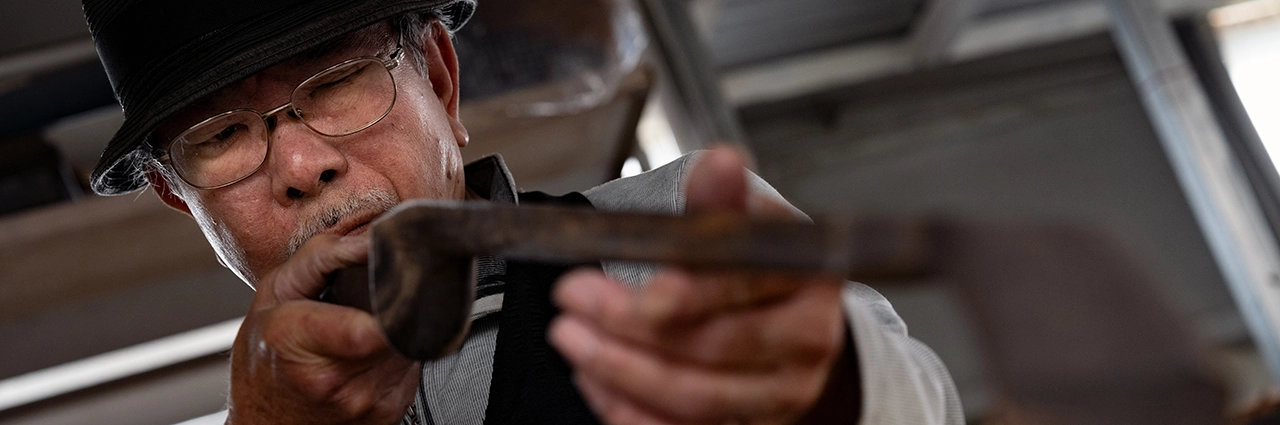
Why Visual Storytelling Needs the Right Lens
For the kind of visual storytelling I do—documentary work, environmental portraits, cultural preservation projects, and spontaneous street scenes—mobility is everything. When I arrived in Okinawa to photograph traditional crafts and coastal life, I carried only one lens: the Tamron 28-75mm F2.8 G2 (A063) for Nikon Z (also available for Sony E mirrorless cameras).
I needed something light enough to move with me as moments unfolded, yet powerful enough to render the fine textures, human expressions, and shifting light that define my documentary style. Throughout this assignment, the 28-75mm F2.8 G2 proved to be the ideal balance of portability and optical performance for mirrorless visual storytelling.
By Photographer Daisuke Kumakiri
What You’ll Learn In This Tamron 28-75mm Review:
- How the Tamron 28-75mm F2.8 G2 enhances visual storytelling through mobility and expressive rendering
- Why this lens is a strong choice for documentary photography and cultural preservation projects
- Real-world impressions of sharpness, bokeh quality, and close-up performance in artisan workshops
- How the lens performs in challenging environments like open water and backlit scenes
- Why a single lightweight zoom can replace multiple lenses for travel and reportage assignments
Why I Chose the 28-75mm F2.8 G2 for Visual Storytelling
Mobility has always been my most important functional requirement in photography. The ability to move freely—without being weighed down by heavy gear—is essential when capturing fleeting expressions or unpredictable environments.
The compact size and light weight of the 28-75mm F2.8 G2 allowed me to react instantly, whether I was balancing on a small boat, navigating crowded workshops, or shifting angles quickly during conversations. This lens keeps me agile without sacrificing expressive power.
At the same time, the lens’s sharp rendering, fast aperture, and strong VXD autofocus gave me the confidence that each moment could be captured with clarity and intention. For this project, I decided to shoot everything with this single lens.
On this project, I photographed:
- Traditional SABANI boats and maritime culture along the Okinawan coast
- SABANI boat builder Kiyoshi Oshiro as he works to pass down his craft
- SANSHIN instrument maker Michimasa Tokeshi and his detailed hand-carving process
- The weaving artisans of the Ryukyu Kasuri textile workshop
- Makers preserving the cultural heritage of MIIKAGAN goggles in Itoman
Photographing Okinawa’s Maritime Culture

When people think of Okinawa, they think of the sea. Much of the region’s culture—craftsmanship, rituals, and community identity—originates from it. My goal for this assignment was to document these traditions with sensitivity and accuracy.
Shooting SABANI Boats at Sea
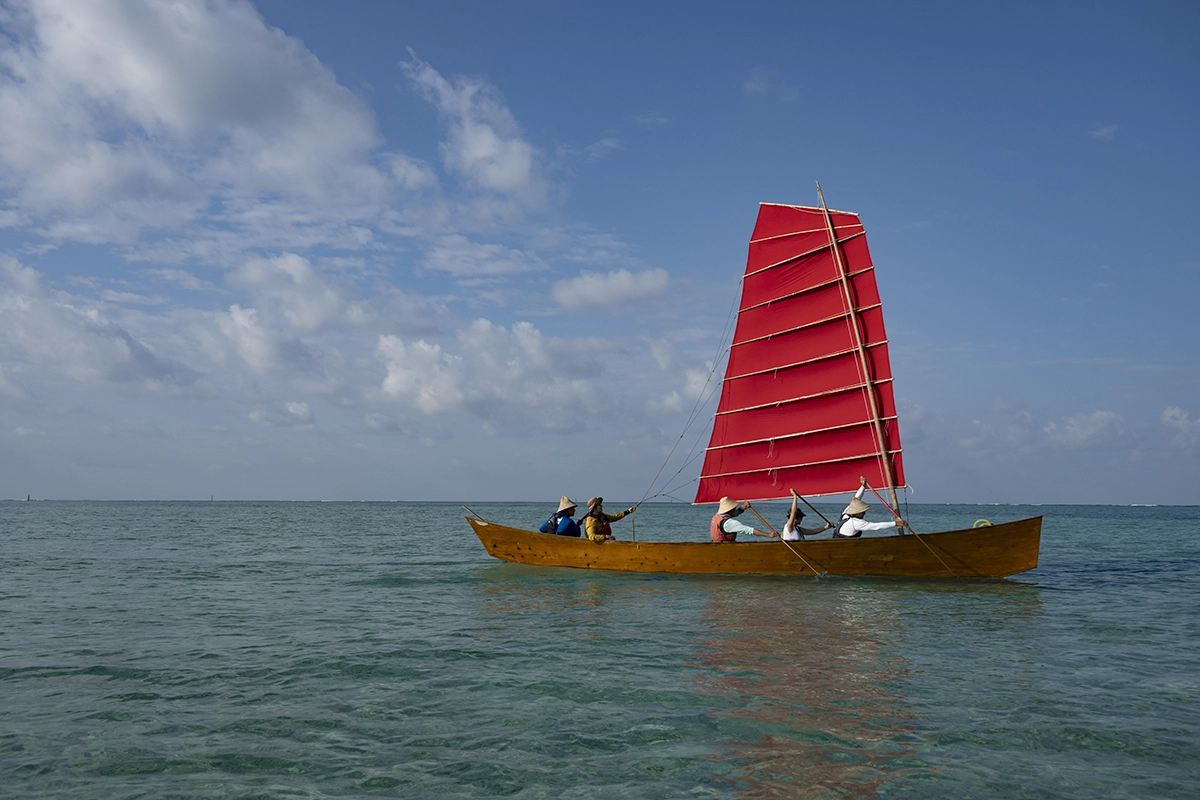
The traditional SABANI fishing boat, with its distinctive bright red sail, is an icon of Okinawa’s heritage. Shooting from a small, unstable boat usually risks missing decisive moments, but the compact structure of my Nikon Z setup with the 28-75mm F2.8 G2 made it surprisingly manageable.
- The moisture-resistant construction allowed me to focus on storytelling rather than worrying about ocean spray.
- Even in backlit conditions, the lens controlled flare and ghosting beautifully while delivering clean, vivid rendering.
Documenting a Vanishing Craft: The SABANI Boat Builder
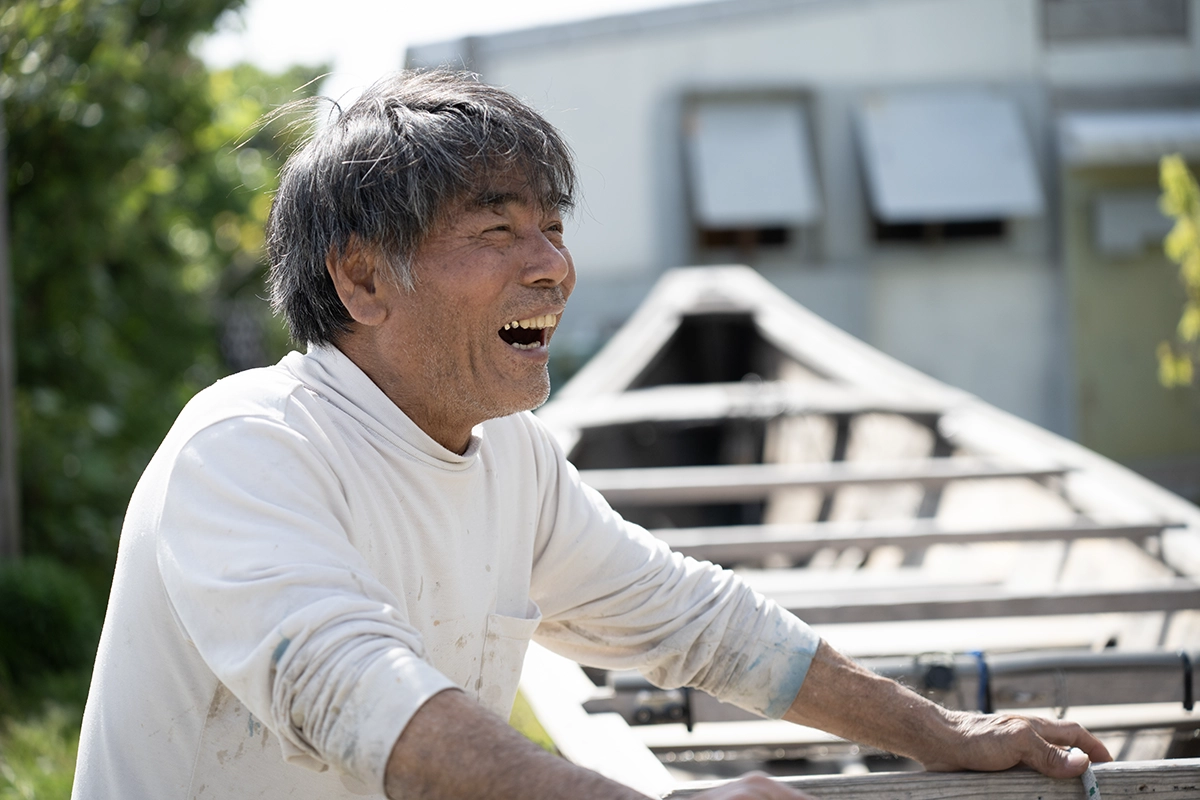
Kiyoshi Oshiro has devoted his life to building SABANI boats. As he spoke passionately about the challenges of finding successors—and the growing interest from young people—I captured his expressions with the lens wide open.
The balanced, three-dimensional bokeh helped isolate his face while maintaining context in the frame. The G2’s sharpness and tonal separation gave me the freedom to emphasize emotion without losing the texture and character of the workshop.
Inside the SANSHIN Workshop: Capturing Fine Details Up Close
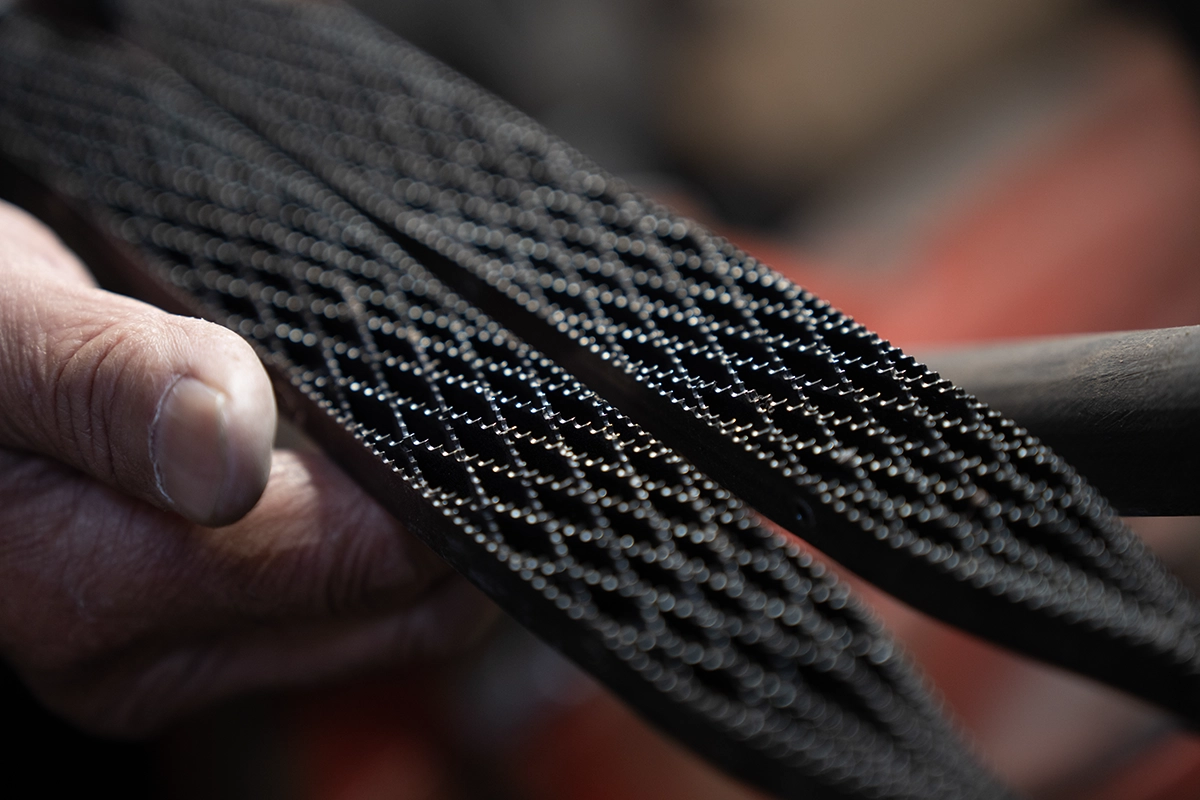
Next, I visited Michimasa Tokeshi, a SANSHIN craftsman. This traditional three-stringed instrument is central to Okinawan identity.
The close-focusing capability (7.1”/0.18m at 28mm) of the 28-75mm F2.8 G2 proved invaluable here. I often worked at the Minimum Object Distance at the telephoto end, capturing:
- The glint of sharpened tools
- Delicate curves of carved wood
- Subtle grain textures on selected materials
The lens resolved these details with precision, making the visual narrative feel tangible and intimate.
Visual Texture in Traditional Ryukyu Kasuri Textiles
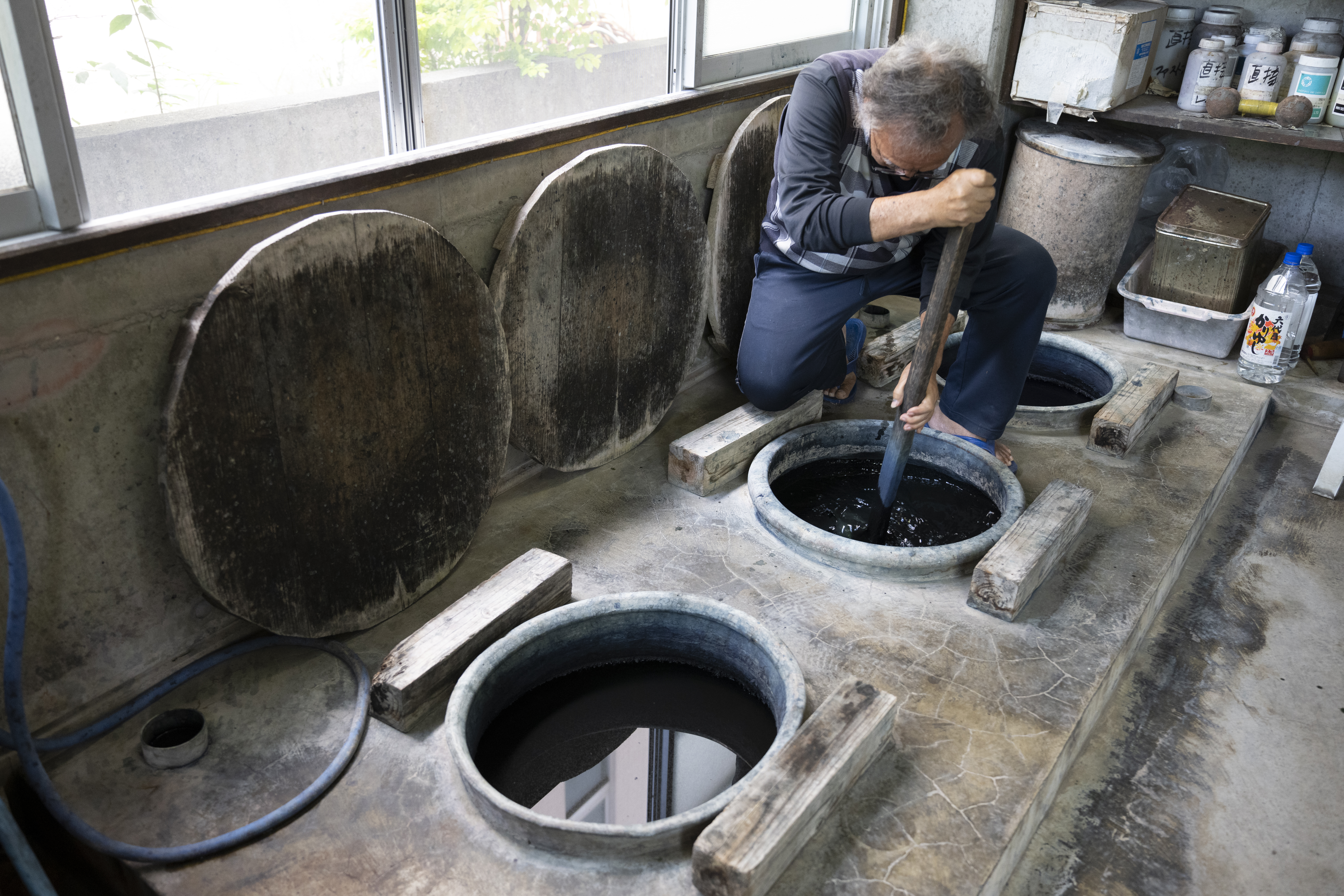
At the Koshiro Oshiro Weaving Workshop, I observed the rhythmic sounds of wooden looms and the intricate process of winding threads for RYUKYU KASURI fabric.
Backlit weaving scenes tested the lens’s resolving power, and it delivered clean separation between individual strands. Even shot wide open, the lens captured:
- Strong subject-background distinction
- Extremely fine thread detail
- Gentle, pleasing bokeh
This level of clarity enhances documentary storytelling because it allows viewers to appreciate the craftsmanship as if they were standing beside the artisan.
Preserving Cultural Heritage Through Documentary Photography
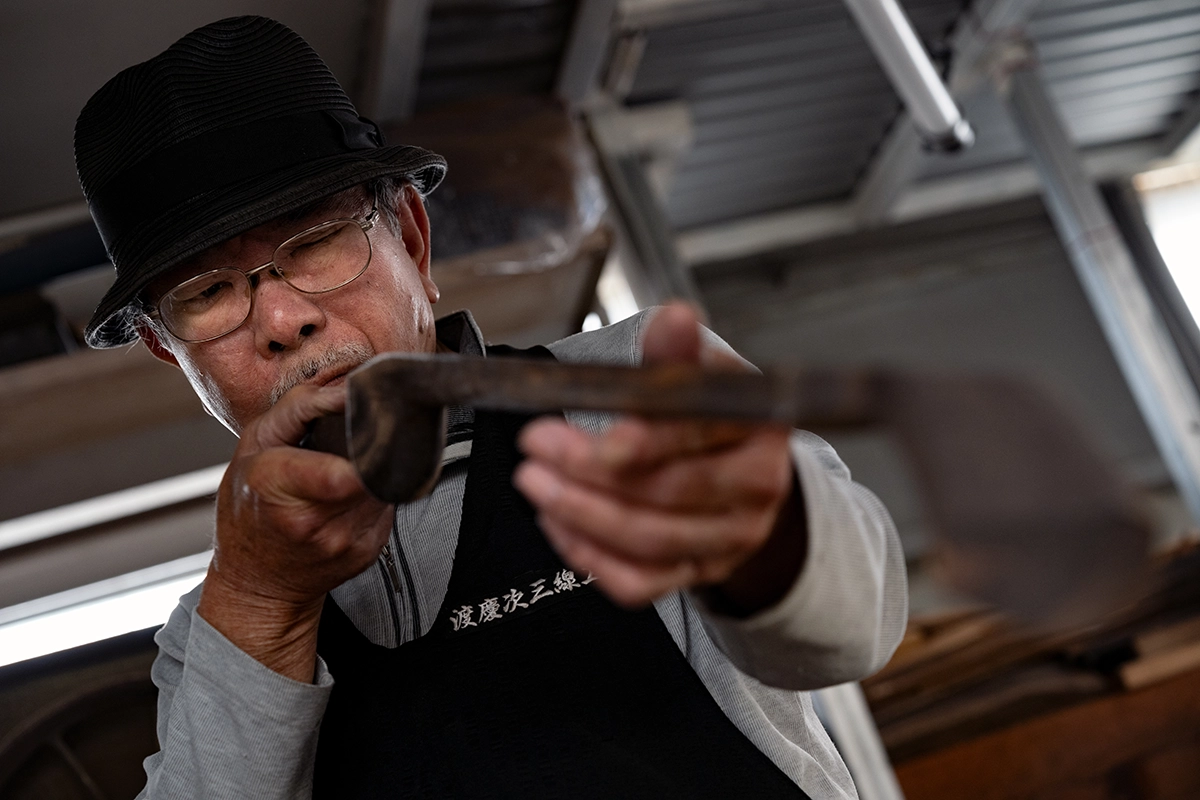
Okinawa’s cultural traditions face challenges—declining successors and reduced demand—yet young people are beginning to reconnect with these roots. My goal in this project was not only to document these crafts but also to express their significance.
The 28-75mm F2.8 G2 supported this mission by allowing me to work unobtrusively, move quickly, and adapt to shifting angles or unexpected expressions. Its optical performance across the frame let me fill images with information without risking softness or distortion at the edges.
MIIKAGAN Goggles: Photographing a Cultural Legacy
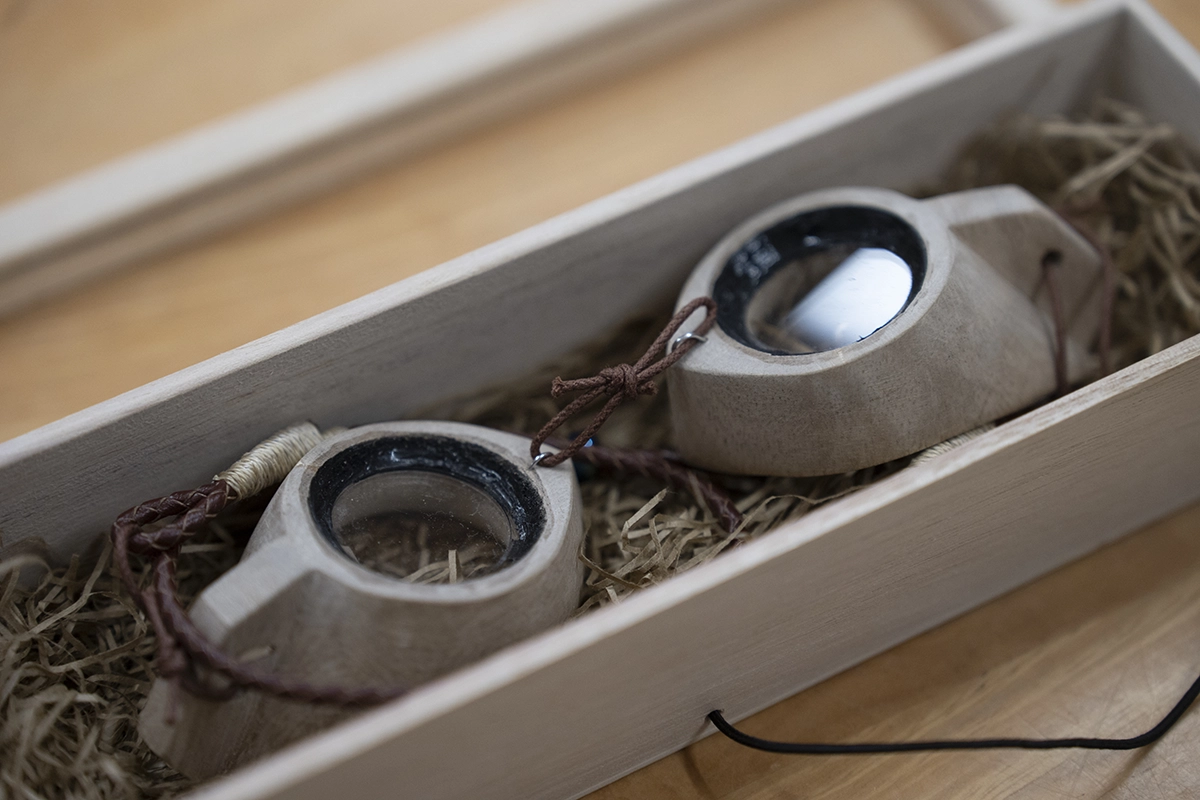
MIIKAGAN goggles, created in 1884, are the ancestors of modern swimming goggles and a tangible folk cultural property in Itoman.
Osamu Matsuda Has Dedicated Himself to Keeping This Craft Alive
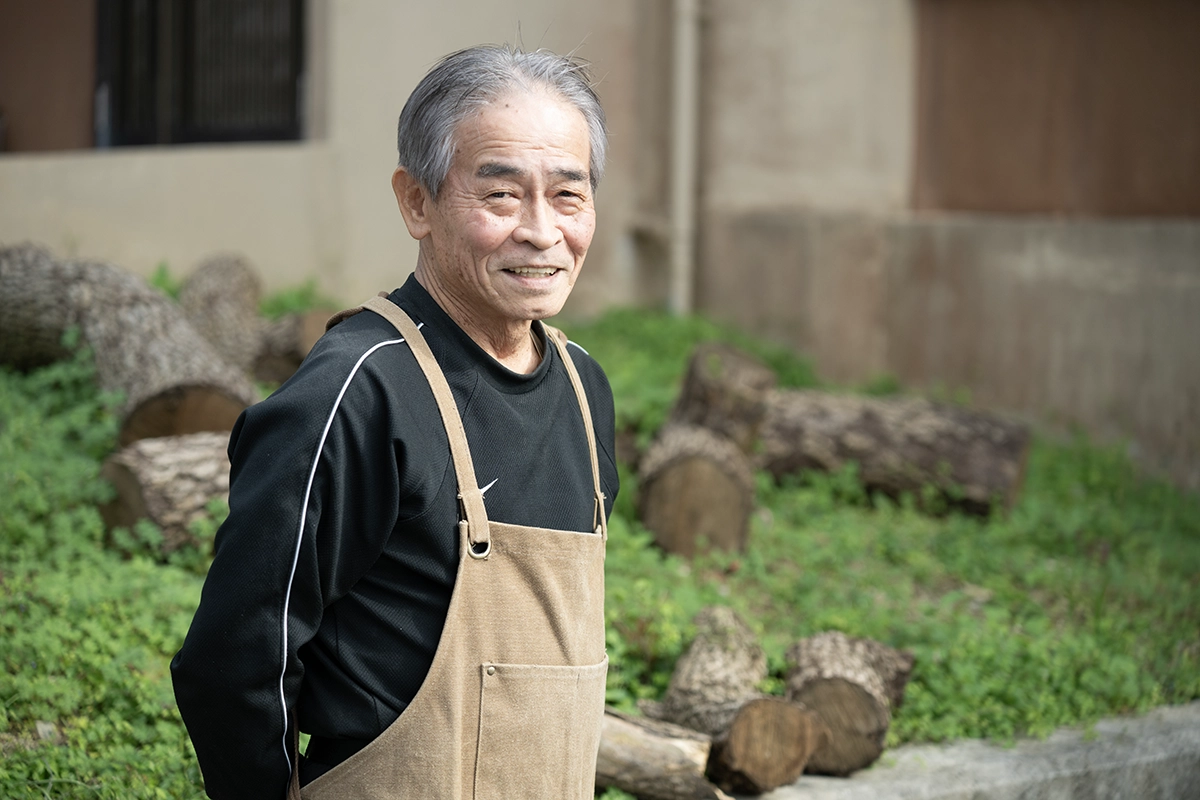
As he explained how young people are learning to make them, I photographed the process with a blend of close-up texture and emotional portraiture —a combination essential in documentary visual storytelling. The lens’s responsiveness enabled me to catch fleeting facial expressions and hand movements that carried the story forward.
Why the 28-75mm F2.8 G2 Is Ideal for Visual Storytelling
Throughout my time in Okinawa, I found this lens ideal for both travel and documentary work because it offers:
- Lightweight Mobility: I was always ready to shoot—no hesitation, no fatigue.
- Fast VXD Autofocus: Critical expressions and movements were captured with precision with the VXD linear motor.
- Consistent F2.8 Aperture: A flexible tool for portraits, low light, and layered compositions.
- Outstanding Corner-to-Corner Resolution: Essential for images that rely on environmental detail.
- Natural, Balanced Bokeh: Allows emotion and texture to coexist harmoniously.
- Custom Controls with the TAMRON Lens Utility™ : Although not essential for this project, knowing the lens supports customization through the TAMRON Lens Utility™ gives visual storytellers more personalization for future work.
Conclusion: A Lens That Lets Me Tell Stories Without Limits
After completing this project in Okinawa, I was reminded how essential it is to have a lens that moves as naturally as the stories unfolding in front of me. The Tamron 28-75mm F2.8 G2 allowed me to work intuitively, stay fully present with my subjects, and respond instantly to moments without hesitation. Its combination of mobility, optical performance, close-up capability, and expressive rendering made it possible to capture the depth, texture, and emotion embedded in these cultural traditions.
For visual storytelling—whether documentary work, travel photography, or everyday scenes—this lens gives me the freedom to focus on the narrative rather than the equipment. It has become an essential tool in how I observe, connect, and create.
Related Tamron 28-75mm Reviews
- Tamron 28-75mm G2 Lens Overview >>
- Travel Photography with Kenna Klosterman Using the 28-75mm G2 in the Pacific Northwest >>
- Family Portrait Photography with the Tamron 28-75mm G2 by Keita Suzuki >>
- Travel Photography in Vietnam with Noriko Kukimoto Using the 28-75mm G2 >>
Where to Buy Tamron Lenses
Learn more about Tamron lenses at an authorized Tamron dealer near you or shop directly at the official TAMRON Store.
About Daisuke Kumakiri

Born in Tokyo. After graduating from Tokyo Polytechnic University Junior College of Photography, he joined the photography department of the evening newspaper Nikkan Gendai. Later became an independent freelance photographer. He has been photographing moments, spaces, and objects created by “people” for magazines and advertisements, including documentaries, portraits, food, and stage performances. His works are snapshots of Tokyo today with a variety of themes and approaches. He also judges photography contests and teaches photography at various venues, and is especially interested in training future photographers, such as high school and university students. Chairman of the Japan Professional Photographers Society. Website
People Also Ask
What makes the Tamron 28-75mm F2.8 G2 good for visual storytelling?
Its combination of mobility, fast F2.8 aperture, and strong autofocus lets photographers capture decisive moments with clarity and expressive depth.
Is the Tamron 28-75mm G2 sharp enough for documentary photography?
Yes. It delivers excellent edge-to-edge sharpness, making it ideal for scenes rich in detail and texture.
How does the 28-75mm F2.8 G2 perform on Nikon Z for travel and documentary photography?
It offers lightweight handling, reliable sealing, and fast AF—perfect for travel, reportage, and cultural documentation.
Can you use the Tamron 28-75mm F2.8 G2 for portraits?
Absolutely. The balanced bokeh and consistent F2.8 aperture provide natural-looking subject isolation.
Is the 28-75mm F2.8 G2 better than carrying multiple primes for storytelling?
For many photographers, yes. Its versatility reduces lens changes while maintaining professional optical performance.
FAQs: Tamron 28-75mm F2.8 G2 for Visual Storytelling
Is the Tamron 28-75mm F2.8 G2 a good lens for documentary photography?
Yes—its lightweight build, fast AF, and sharp rendering make it ideal for following real-life moments as they unfold.
How does the 28-75mm F2.8 G2 perform when photographing people in natural environments?
The focal range allows you to move seamlessly between environmental context and intimate portraits without disrupting your subjects.
Is this lens reliable for fast-moving or unpredictable storytelling situations?
The VXD autofocus is quick and responsive, which helps capture spontaneous expressions and action with accuracy.
Does the close-focusing ability support detailed storytelling?
Absolutely. Getting near the MOD at 75mm lets you show the finer textures of tools, crafts, and materials that are essential in documentary narratives.
How does the lens handle challenging lighting often found in real-world storytelling?
The F2.8 aperture and strong flare resistance make it versatile in harsh sun, backlight, dim artisan workshops, and transitional light.
Is the 28-75mm F2.8 G2 suitable for one-lens storytelling assignments?
Yes—its mobility and focal range eliminate unnecessary lens changes, keeping you fully focused on the story.
Can the 28-75mm G2 capture both wide scenes and emotional close-ups effectively?
This is one of its greatest strengths. It covers wide context, midrange interaction, and close-up detail without missing transitions.
Is this lens a good fit for cultural documentation and preservation work?
Its clarity, color accuracy, and resolving power make it a strong choice for projects where detail authenticity truly matters.

 English
  Spanish
  French
  Portuguese