 Instant Savings
 Rebate Claims
 Support
 Find a Dealer
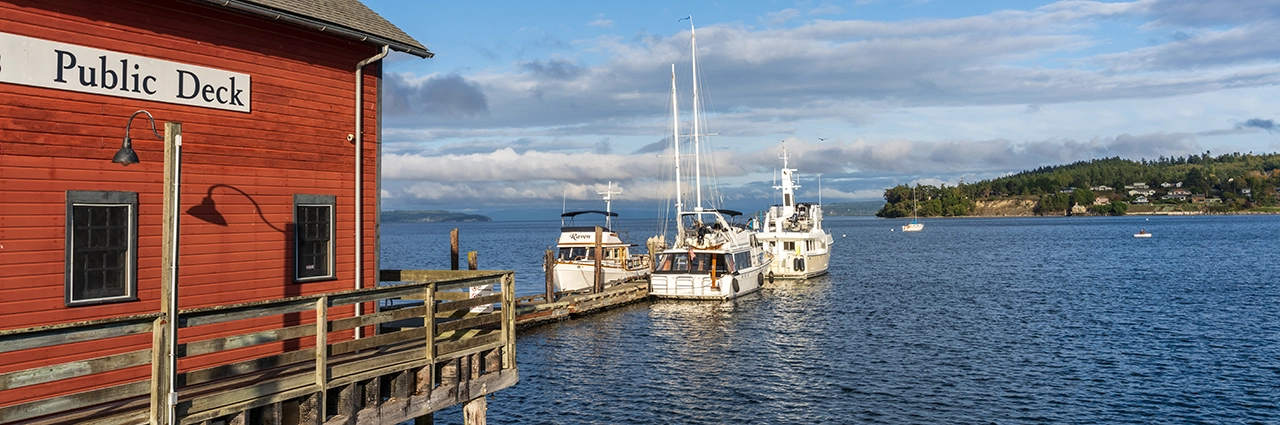
Why I Chose the Tamron 28-75mm F2.8 G2 for My Pacific Northwest Trip
Photography has always been my way of experiencing the world more deeply. As a travel photographer based on Whidbey Island, I’m constantly shifting between quiet beaches, lush forests, and urban energy in Seattle. For this trip across the Pacific Northwest, I wanted to bring one lens that could handle every subject and light condition I threw at it while creating a true travel photography lens review grounded in real-world shooting.
That’s why I chose the Tamron 28-75mm F/2.8 Di III VXD G2. This review focuses on how the lens performed for real travel photography—from city streets to deep forest trails and coastal sunsets—especially for photographers seeking the best lens for travel photography or a fast-aperture zoom for travel.
By Tamron Ambassador Kenna Klosterman
What You’ll Learn In This Tamron 28-75mm Review:
- How the lens handled a full travel itinerary across city, forest, and coastline
- Real-world autofocus performance in changing conditions
- Optical quality for landscapes, low light, and travel portraits
- Creative possibilities using the lens’s close-focusing abilities
- Whether this lens can truly replace a multi-lens travel kit
About Me and the Shooting Conditions on This Trip
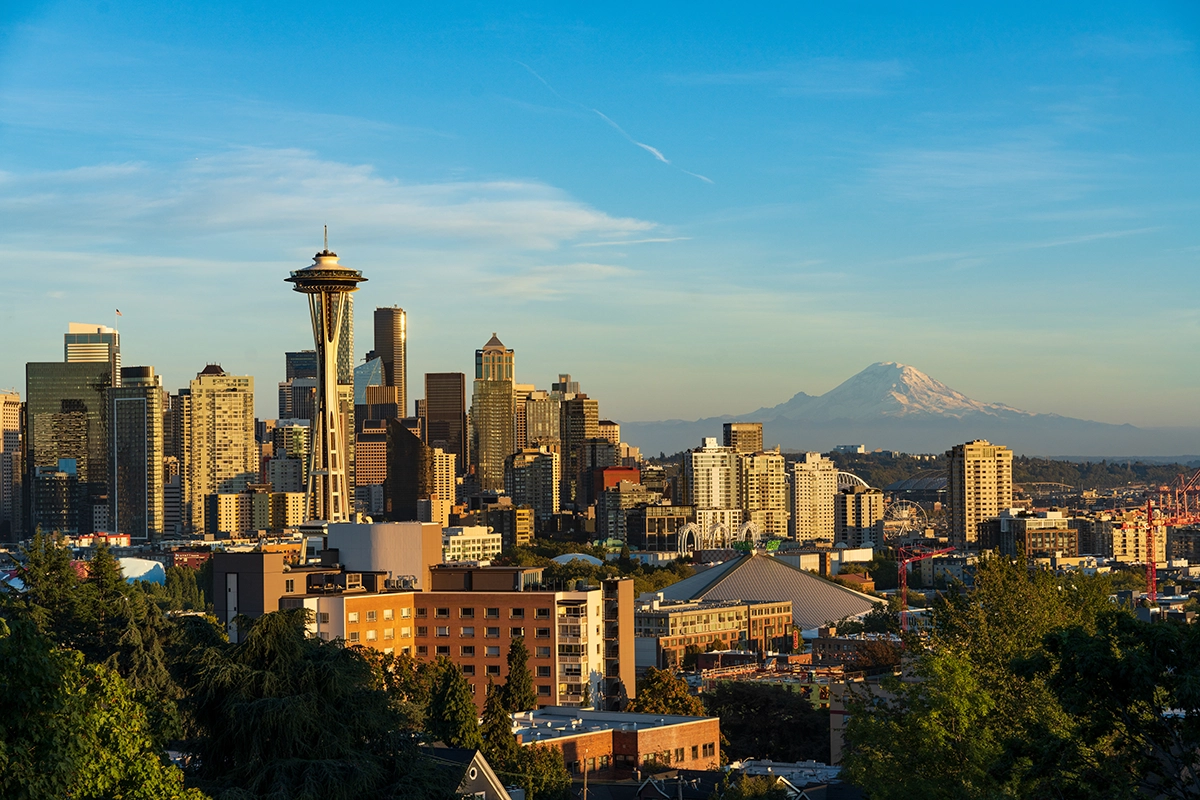
I approach travel photography with curiosity and a desire to connect to people, places, and small details. My shooting style is spontaneous and fluid—I often move from big landscapes to tiny textures within minutes.
On this trip, I photographed:
- Seattle’s skyline and waterfront
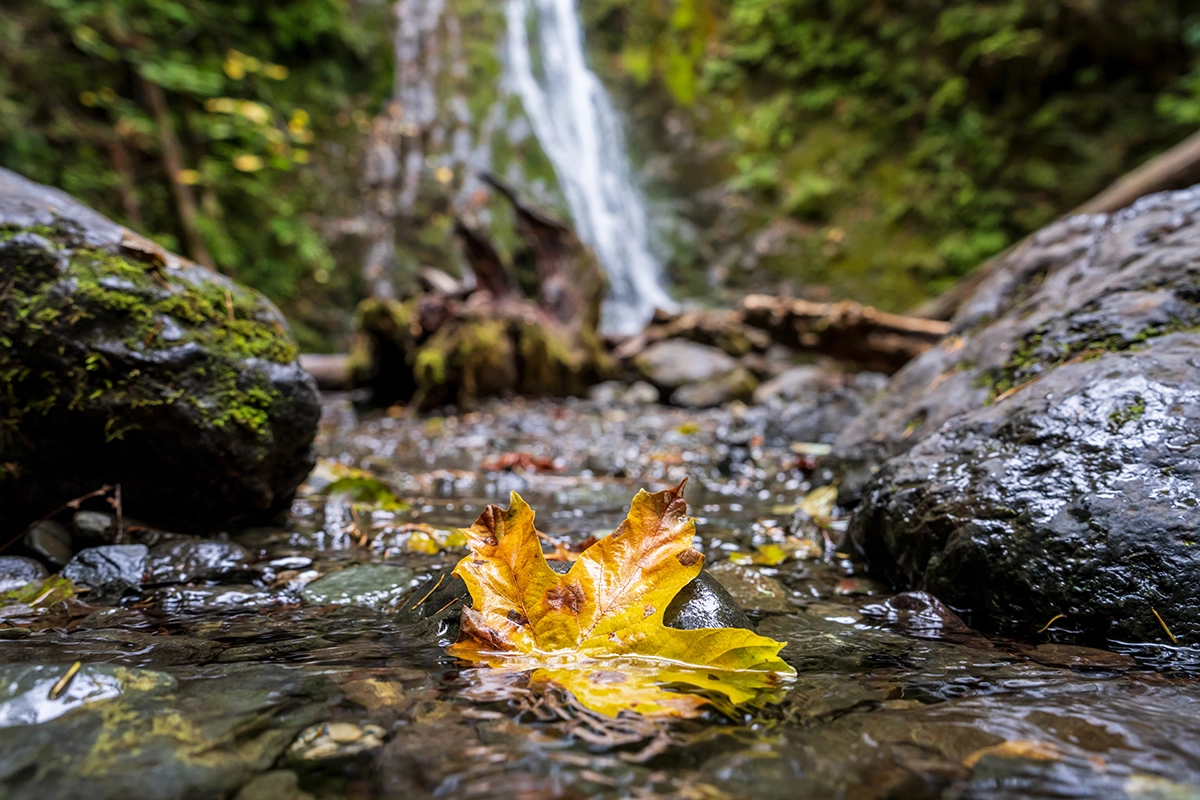
- Rainforests and rivers in the Olympic Peninsula
- Rocky beaches at sunset
- Dahlia gardens, food scenes, and everyday life
- Dogs running in the park
- Abstracts and nature close-ups
I brought a Sony full-frame mirrorless body, a lightweight tripod, and the Tamron 28-75mm F/2.8 G2 (which is also available for Nikon Z mount)—a simple kit designed for mobility and perfect for anyone choosing between the best lenses for travel photography Sony or the best lenses for travel photography Nikon. The weather gave me everything from soft overcast to evening glow and classic Pacific Northwest drizzle.
First Impressions Using the Tamron 28-75mm F2.8 G2 for Pacific Northwest Travel Photography
Build, Feel, and First Handling in the Field
The lens immediately felt like a great match for my mirrorless body—lightweight, balanced, and comfortable. Tamron refined the G2 version with smoother rings, a clean matte finish, and an overall design that feels modern and efficient.
Carrying the Lens on a Full Travel Day
I wore this lens around Seattle for a full day of ferry rides, waterfront walks, and neighborhood wandering. Despite hours of shooting and walking, it never felt heavy or cumbersome. This matters when I’m on the move from sunrise to sunset.
How It Held Up in Typical PNW Weather
The Pacific Northwest is a place that loves to surprise you with mist and drizzle. The moisture-resistant construction was reassuring as the weather shifted from drizzle to sun to mist. I never had to stop shooting to protect my gear.
Autofocus Performance of the Tamron 28-75mm F2.8 G2 in Real Travel Scenarios

The VXD linear motor inside the Tamron 28-75mm F2.8 G2 is quick, accurate, and quiet—three qualities I rely on when photographing unpredictable subjects in travel environments.
Tracking Subjects on the Go
In Seattle’s parks, I tested the lens on fast-moving dogs. The VXD autofocus tracked beautifully, giving me sharp frames even when the action was unpredictable.
Focusing Accuracy in Low Light and Shade
In the rainforest, dim light under the canopy is always challenging. The autofocus stayed accurate, grabbing onto leaves, textures, and details without hunting. Evening shots around the city were equally smooth.
Quick AF for Candid Travel Moments
Street photography often relies on speed. This lens responded instantly, helping me capture fleeting gestures and interactions without hesitation.
Optical Performance of the Tamron 28-75mm F2.8 G2 in Pacific Northwest Photography
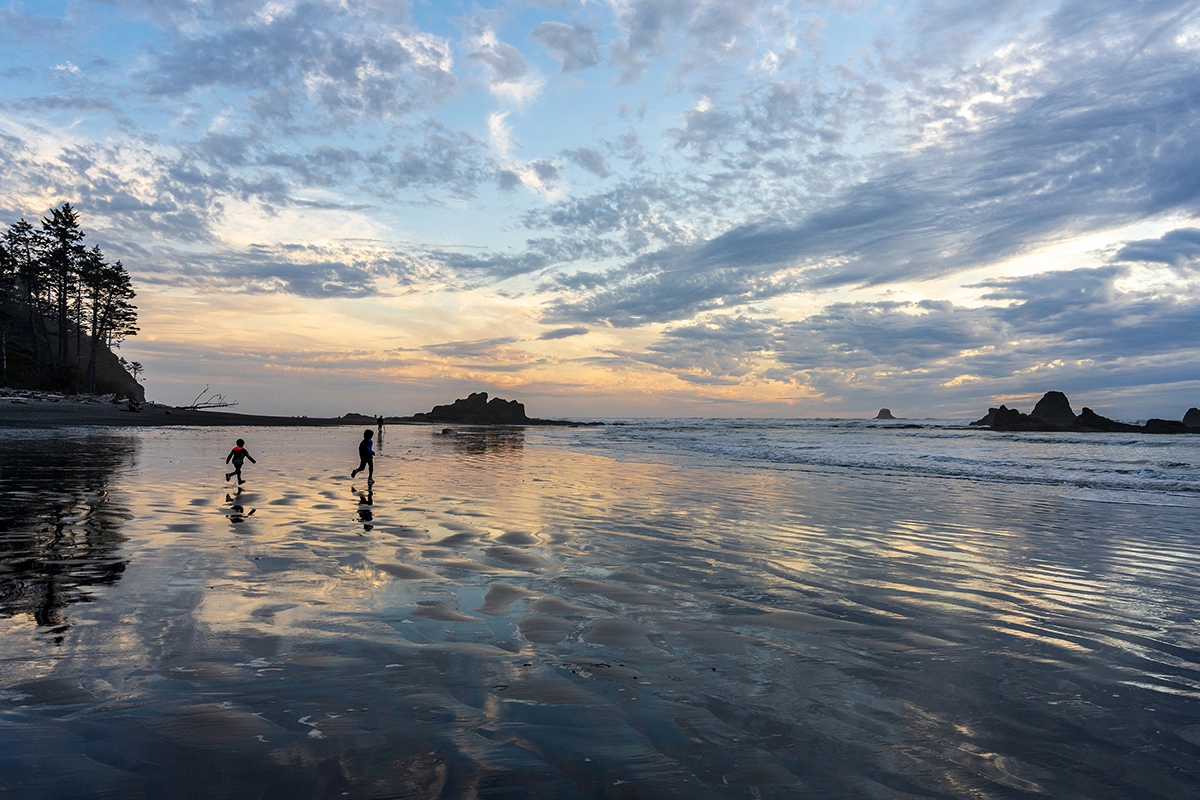
This is where the lens impressed me consistently across every environment I explored throughout my Pacific Northwest photography journey.
Sharpness Across the Zoom Range
Whether I was shooting the Seattle skyline or the dense textures of Olympic forests, the 28-75mm G2 delivered crisp detail. Even at F2.8, the lens was sharp enough for landscapes.
Edge-to-Edge Clarity for Landscapes and Cityscapes
Corner sharpness was impressive during wide compositions—something I noticed especially when photographing the Seattle skyline and coastlines at golden hour.
Color, Contrast, and Clarity
Colors rendered naturally with a touch of vibrancy, and contrast stayed consistent. The lens captured the cool blues of Puget Sound and the deep greens of the rainforest beautifully.
Flare Resistance in Backlit Scenes
One pleasant surprise was how well the lens handled backlight. Shooting sunlit moss, sunset water reflections, or glowing forest highlights resulted in clean images with minimal flare.
Chromatic Aberration Performance
I rarely noticed color fringing, even in high-contrast scenes, which speaks to the optical refinements in this updated model, and made post-processing smoother and faster.
Bokeh and Background Separation During Travel Photography with the Tamron 28-75mm F2.8 G2
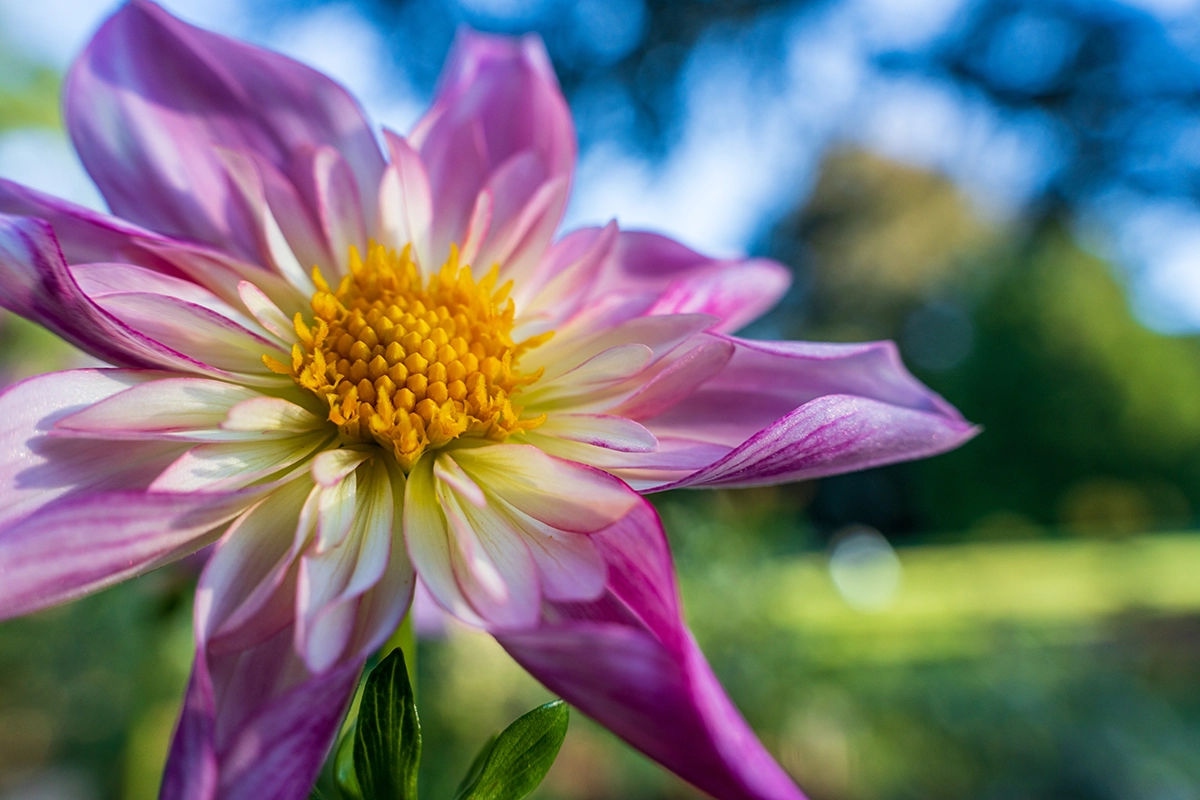
If I had to summarize in three words: bokeh bokeh bokeh.
The bokeh from the Tamron 28-75mm F/2.8 G2 was one of my favorite aspects. At every focal length, it produced soft, painterly backgrounds that helped isolate subjects beautifully.
- At 28mm, the close focusing distance opened up creative wide-angle close-ups that felt immersive.
- At 75mm, backlit forest scenes transformed into delicate, glowing circles of light.
- Food, flowers, and small textures looked dimensional and expressive.
This lens makes even everyday subjects visually compelling.
Travel Photography Features That Set the Tamron 28-75mm F2.8 G2 Apart

Close Focusing for Creative Details
Being able to focus just 4.4cm from the front of the lens at 28mm is game-changing for wide-angle close-ups—flowers, food, rocks, and small natural textures all became creative opportunities.
TAMRON Lens Utility™ Compatibility
The ability to customize function behavior through the TAMRON Lens Utility™ adds flexibility for photographers who like fine control.
A Zoom Range That Suits Real-World Travel
From environmental scenes at 28mm to tighter compositions at 75mm, this range covered nearly everything I encountered and works beautifully as a Sony mirrorless travel lens or Nikon mirrorless travel lens.
Durable, Weather-Ready Design
Travel can be unpredictable. This lens felt rugged enough to handle changing weather, bumps, and movement.
These features gave me a lot of creative flexibility throughout the trip.
Field Notes Using the Tamron 28-75mm F2.8 G2 in Pacific Northwest Photography
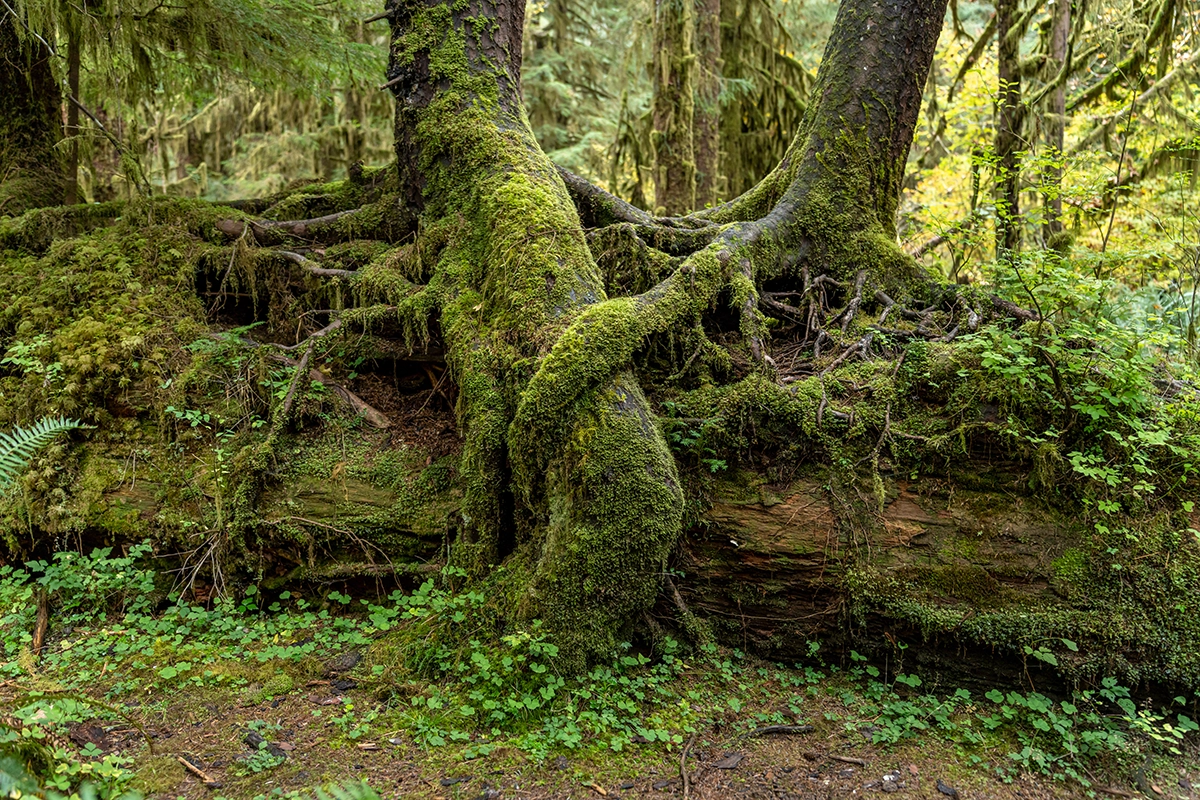
The more I used the 28-75mm G2, the more I appreciated its versatility. I captured abstracts in the rainforest, candid moments on Seattle streets, dramatic sunsets at the coast, and intimate close-ups of flowers and textures. The lens adapted to every environment without hesitation.
What stood out most: I didn’t think about switching lenses. The freedom to move, react, and create without constant gear changes made my photography feel more connected and spontaneous.
Final Thoughts: Is the Tamron 28-75mm F2.8 G2 the Best Lens for Travel Photography?
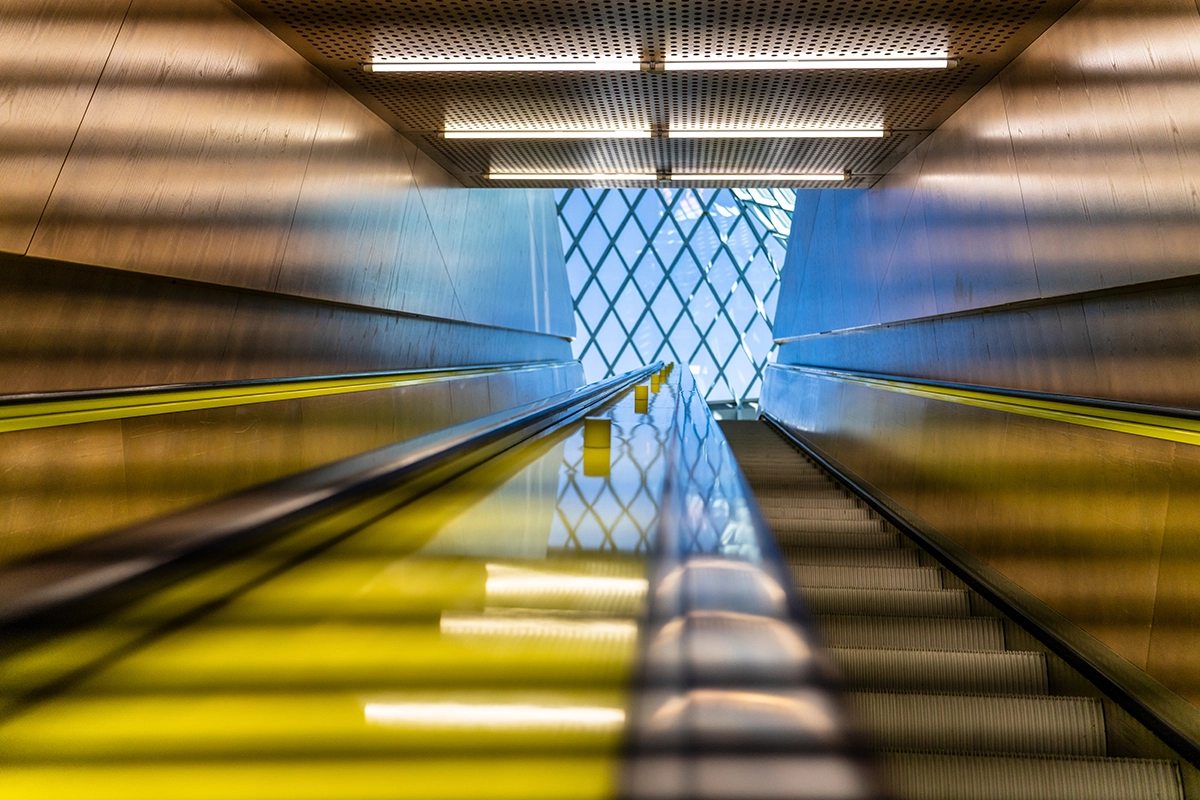
After traveling from city to forest to coastline, I can confidently say this lens is one of the best lens for travel photography options available for Sony mirrorless shooters. It’s lightweight, sharp, responsive, and versatile enough to shoot nearly any subject. As a whole, this Tamron 28-75mm F2.8 G2 review for travel photography highlights how effectively it works as a fast-aperture zoom for travel.
Related Tamron 28-75mm Reviews
- Tamron 28-75mm G2 Lens Overview >>
- Family Portrait Photography with the Tamron 28-75mm G2 by Keita Suzuki >>
- Travel Photography in Vietnam with Noriko Kukimoto Using the 28-75mm G2
- Visual Storytelling with the Tamron 28-75mm G2 by Daisuke Kumakiri
Where to Buy Tamron Lenses
Learn more about Tamron lenses at an authorized Tamron dealer near you or shop directly at the official TAMRON Store.
About Kenna Klosterman

Kenna Klosterman is a travel & portrait photographer, tour leader, educator and international emcee. For over a decade she hosted 1000+ CreativeLive workshops, classes and podcast episodes across the subjects of photography, filmmaking, graphic design, art and entrepreneurship. Practicing a life of presence on Whidbey Island in the Pacific Northwest, Kenna leads mindfulness retreats and teaches meditation. She loves nothing more than to hold space for people to have creative and transformational experiences around the globe. Website | Instagram
People Also Ask
What makes the Tamron 28-75mm F2.8 G2 good for travel photography?
Its lightweight design, fast F2.8 aperture, and versatile 28–75mm zoom range make it ideal for travel. It handles landscapes, portraits, street scenes, and close-ups without needing to switch lenses, delivering strong image quality in a compact package.
How does the Tamron 28-75mm F2.8 G2 perform in low light?
The constant F2.8 aperture and fast VXD autofocus help it perform well in low-light conditions. Paired with a Sony body’s stabilization, it captures sharp twilight, indoor, and shaded scenes with ease.
Is the Tamron 28-75mm G2 sharp enough for landscape work?
Yes. The G2 version offers excellent edge-to-edge sharpness, strong contrast, and clean color rendering, making it well suited for wide landscapes and detailed nature scenes.
Can the Tamron 28-75mm F2.8 G2 focus close for detail shots?
Yes. It focuses as close as 4.4cm at 28mm, allowing creative wide-angle close-ups of flowers, food, textures, and small details that most standard zooms can’t capture.
How does the Tamron 28-75mm G2 compare to Nikon’s and Sony’s 24-70mm lenses?
The Tamron is lighter, more compact, and more affordable. Nikon’s and Sony’s 24-70mm lenses offer a wider 24mm field of view, but the Tamron delivers excellent sharpness and faster portability, making it a strong alternative for travel.
FAQs About the Tamron 28-75mm F2.8 G2
1. Is the Tamron 28-75mm F2.8 G2 good for travel photography?
Yes. Its lightweight build, fast aperture, close focusing, and versatile zoom range make it ideal for capturing a wide variety of scenes when traveling.
2. Does the lens work well in low-light environments?
The constant F2.8 aperture and fast VXD autofocus help it perform very well in dim conditions, especially when paired with a Sony body’s IBIS.
3. How close can the lens focus?
At 28mm, it can focus as close as 7.1” (0.18m), allowing creative wide-angle close-ups.
4. Does the Tamron 28-75mm G2 have image stabilization?
It does not, but Sony’s in-body stabilization supports handheld shooting in most scenarios.
5. What improvements does the G2 version offer?
It features better optical performance, improved flare resistance, a redesigned exterior, and compatibility with TAMRON Lens Utility.
6. Is the lens weather-sealed?
Yes, it has moisture-resistant construction suitable for light rain, mist, and general outdoor travel conditions.
7. Can this lens replace a multi-lens travel kit?
For many photographers, yes. Its zoom range covers landscapes, portraits, street scenes, food, and close-up photography.
8. Is it good for video?
The autofocus is quiet and responsive, and when combined with camera-body stabilization, it’s well suited for travel vlogging or hybrid shooting.
 English
  Spanish
  French
  Portuguese