 Instant Savings
 Rebate Claims
 Support
 Find a Dealer

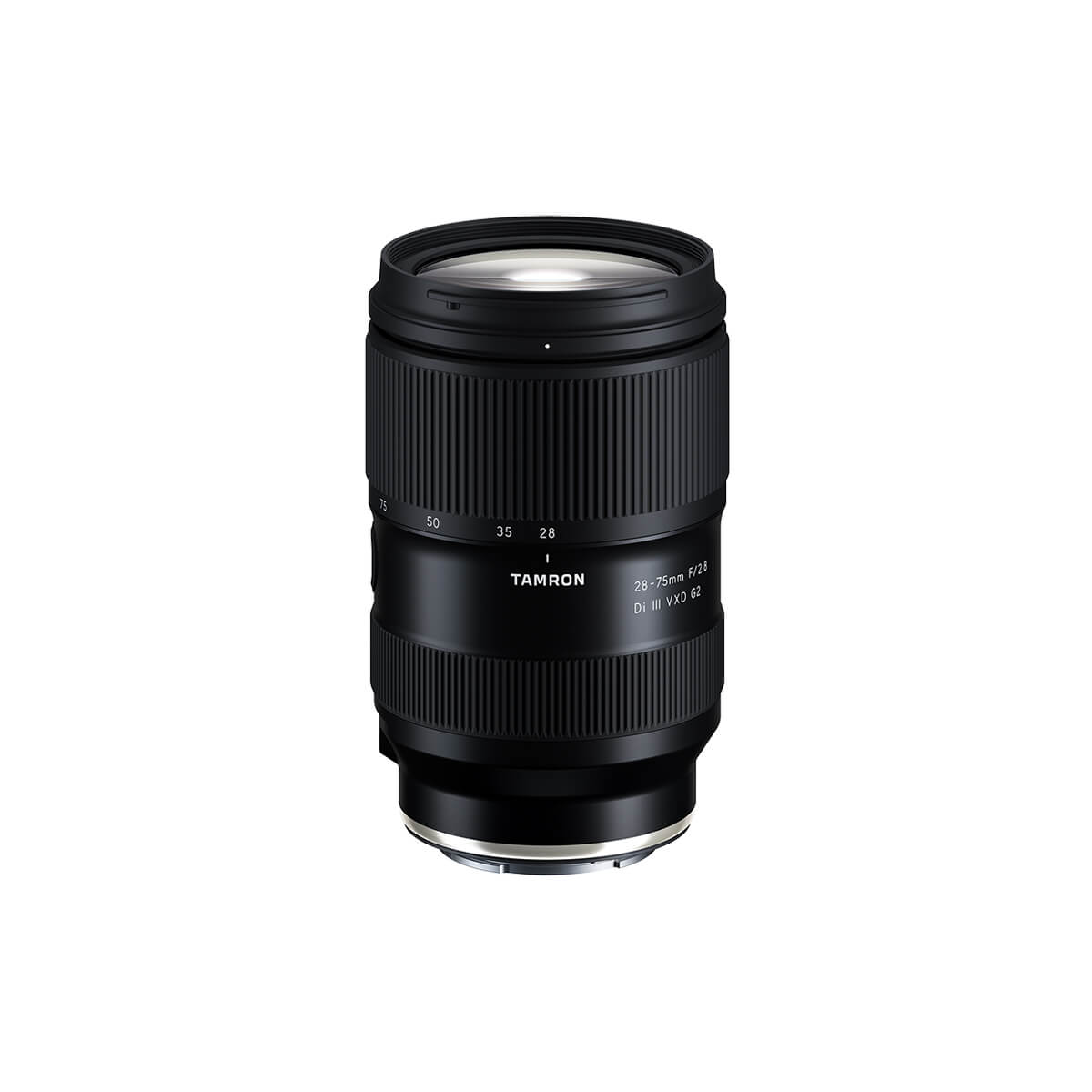
Outdoor photographer Seth Macey, based in Ontario, Canada, takes the Tamron 28-75 G2 through an extensive field test in this in-depth Tamron 28-75 G2 review. Compared to the first-generation Tamron 28–75mm F2.8 RXD, the G2 brings faster autofocus, improved optics and coatings, and refined ergonomics that make it a stronger performer for hybrid photo and video creators.
Lightweight, durable, and optically sharp, the Tamron 28-75mm F/2.8 Di III VXD G2 has become a go-to lens for Sony and Nikon mirrorless photographers who need versatility without compromise. This review explores its real-world performance, highlighting why it’s considered one of the best mid-range zoom lenses for enthusiasts and professionals alike.
By Guest Contributor Seth Macey
What You’ll Learn In This Article:
- How the Tamron 28-75 G2 performs in low light and night photography
- Benefits of the f/2.8 aperture for both photos and video
- How the VXD linear motor autofocus handles fast-moving subjects
- Practical advantages of the 67mm filter compatibility
- Why this Tamron standard zoom lens is one of the best mid-range zoom lenses for Sony E-mount and Nikon Z mount cameras
How Does the Tamron 28–75 G2 Perform in Low Light?

The Tamron 28-75 G2 is exceptional in low-light conditions. Whether I’m capturing the northern lights, an evening sunset, or soft mist over a lake at dawn, the constant f/2.8 aperture ensures I capture darker scenes with clarity and vibrant color.
The Tamron 28-75mm F/2.8 Di III VXD G2 preserves details and tones even in challenging lighting. Its low-light performance allows me to shoot creatively without worrying about noise or loss of detail.
Why It Matters:
This matters for photographers who shoot landscapes, weddings, wildlife, or cityscapes in unpredictable lighting conditions, where clean results and color accuracy make or break an image.
Is the Tamron 28–75 G2 Weather-Sealed and Filter-Friendly?
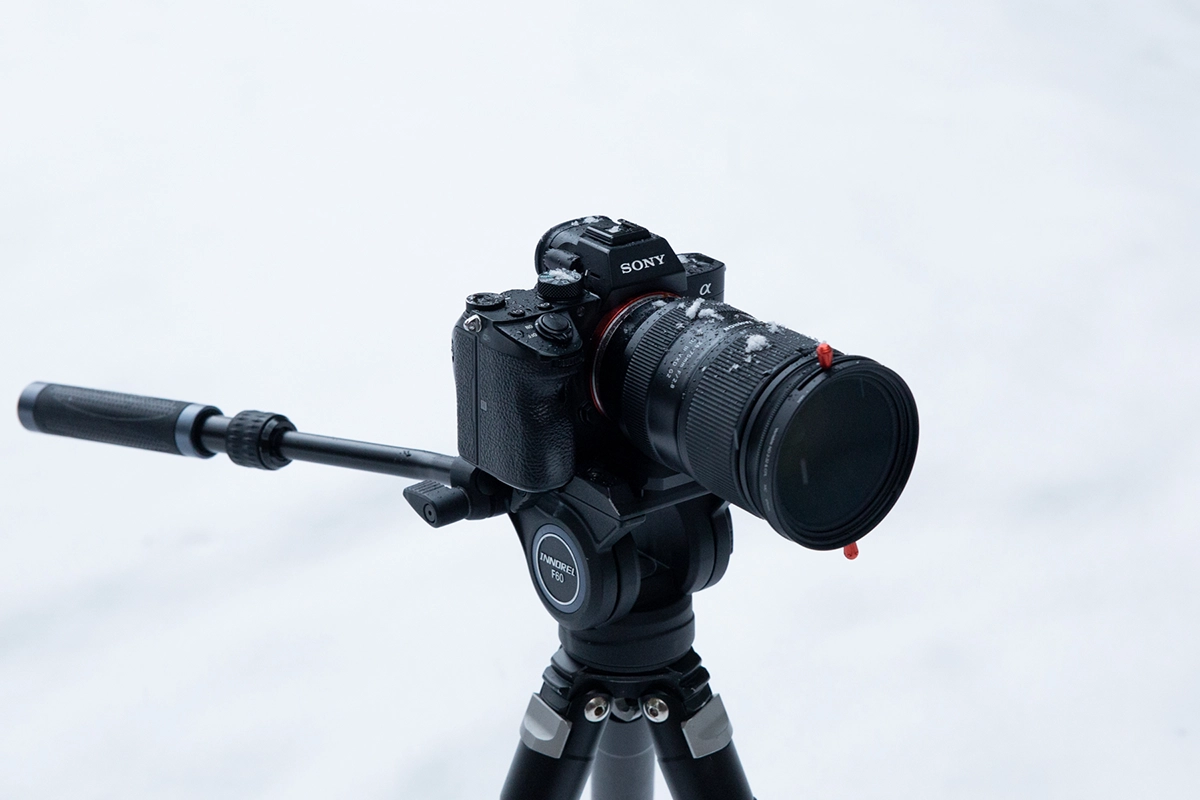
I often work in unpredictable weather, and the Tamron 28-75 G2 handles rain, snow, and dust with ease. The fluorine coating and moisture-resistant construction, found in any Tamron mirrorless lens, provide confidence in any environment.
The 67mm filter size is convenient and compatible with most ND and polarizing filters. I personally use a two-in-one ND/polarizer from K&F, which allows me to maintain a shallow depth of field even in bright sunlight. This makes the Tamron standard zoom highly versatile for both photography and video.
Why It Matters:
This is important for travel and outdoor photographers who often face extreme elements and need a lens that won’t slow them down or compromise image quality when weather conditions change.
How Does It Handle Harsh Midday Light?

Shooting in harsh midday light can be a challenge, but the Tamron 28-75 G2 handles it effortlessly. I’ve captured wide-open landscapes, outdoor products, or lifestyle images, the lens preserves shadows and highlights beautifully.
Its ability to manage dynamic range ensures that I can confidently shoot at any time of day, even in harsh midday light, without worrying about blown-out highlights or lost details in the shadows. I routinely find myself telling people who ask about this lens how well it performs in midday conditions. Even without filters, the Tamron 28-75mm F/2.8 Di III VXD G2 delivers professional-quality results consistently.
Why It Matters:
This helps content creators and travel shooters who often work outdoors at all times of day, maintaining detail and balance even under high-contrast sunlight.
How Does It Perform in Extreme Conditions?
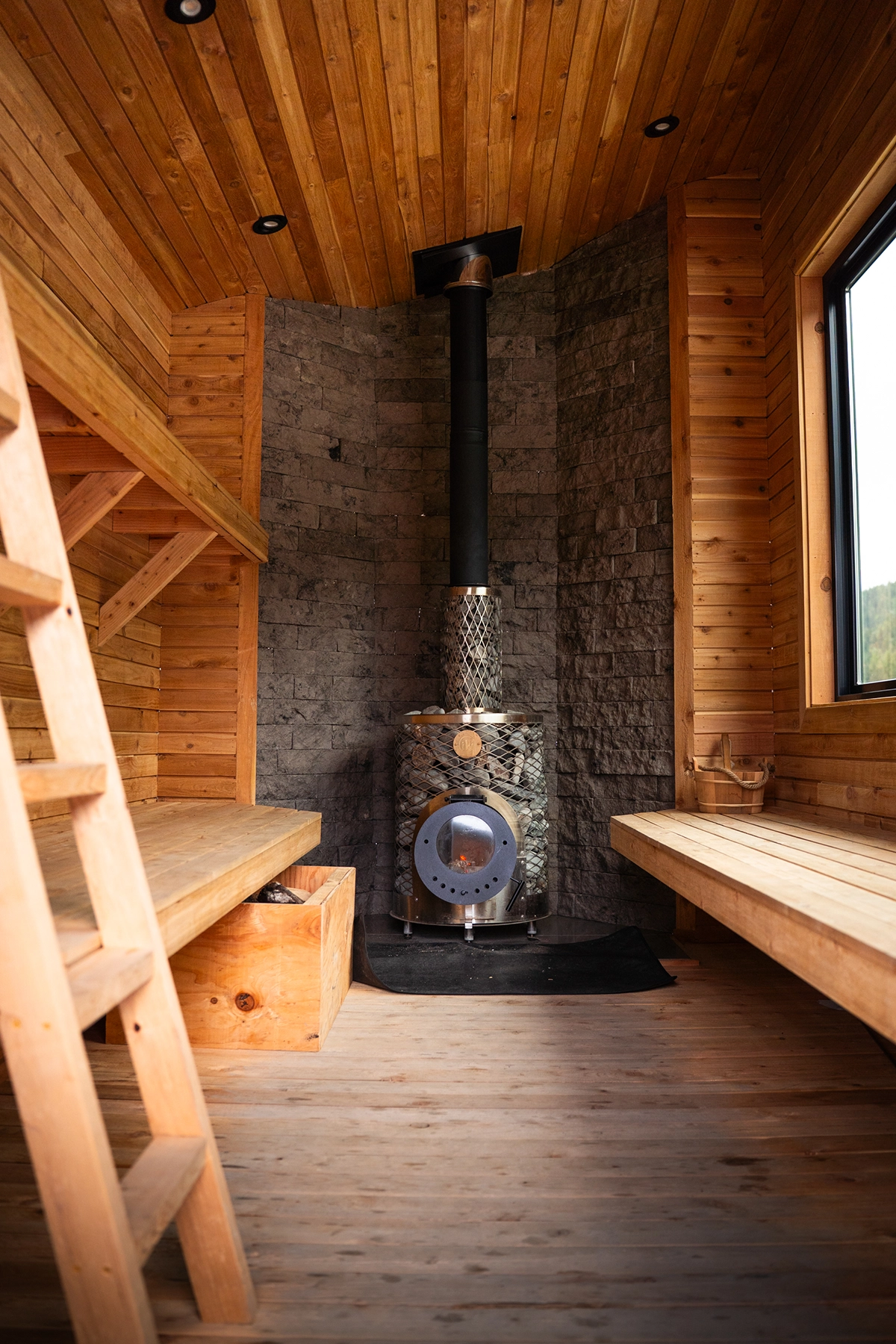
I’ve tested this Tamron standard zoom lens in both heat and cold. From photographing a sauna interior to icy glaciers, it doesn’t falter. Autofocus remains fast, the lens doesn’t overheat or freeze, and the image quality stays sharp. This reliability makes it an excellent choice for adventure photographers.
Why It Matters:
For landscape and expedition photographers, reliability across temperature extremes means fewer missed opportunities and more consistent results in the field.
How Versatile Is the Tamron 28–75 G2 Across Apertures?

While its f/2.8 aperture is impressive, this Tamron 28-75 G2 performs brilliantly at narrower apertures. I’ve captured landscapes at f/18 and beyond with exceptional sharpness across the frame.
Its versatility makes it suitable for portraits with creamy bokeh or expansive vistas. The Tamron standard zoom lens adapts to whatever creative vision I have in mind.
Why It Matters:
This flexibility is perfect for hybrid photo and video creators who need both shallow depth for cinematic looks and high-aperture sharpness for landscapes or products.
How Fast and Accurate Is the Tamron 28–75 G2 Autofocus?

Capturing action or fast movement requires fast and precise autofocus, and the Tamron 28-75 G2 delivers on both fronts. The VXD linear motor focus mechanism is quick, silent, and reliable.
Whether I’m photographing someone swinging into a lake on a rope, or a bike zooming along a trail, the lens locks focus consistently. This precision removes the frustration of missed moments and gives me the confidence to focus on composing the story I want to tell.
Its versatility makes it ideal for portraits with creamy bokeh or expansive vistas. The Tamron Lens Utility™ software also allows photographers to fine-tune focus behavior and control lens functions — a major advantage for hybrid shooters.
Why It Matters:
This makes it an essential lens for sports, wildlife, and adventure photographers who rely on responsive focus to capture fleeting action with clarity.
What Is the Color Performance of the Tamron 28–75 G2?

One of the standout features of the Tamron 28-75mm G2 is its ability to capture a wide dynamic range of colors. When photographing fall foliage or subjects in colorful clothing, the Tamron 28-75mm G2 preserves natural tones while enhancing vibrancy where it matters.
Images feel true to life, without oversaturation, which makes the Tamron 28-75mm F/2.8 Di III VXD G2 an excellent choice for any scene where color is critical.
Why It Matters:
Photographers who shoot portraits, travel scenes, or commercial lifestyle work benefit from consistent, lifelike color that reduces post-processing time.
Quick Takeaways — Tamron 28–75 G2 Review
- Constant f/2.8 aperture delivers sharp low-light performance.
- Fast, quiet VXD autofocus motor excels in motion capture.
- 67mm filter thread supports ND and polarizers for hybrid creators.
- Durable, weather-sealed build for outdoor photography.
- Compact, travel-friendly design for Sony and Nikon mirrorless users.
Final Thoughts: Tamron 28–75 G2 Review Verdict
Seth Macey’s field testing on his Sony mirrorless camera confirms that the Tamron 28-75 G2 is one of the most versatile and reliable standard zoom lenses for Sony mirrorless cameras. From low-light northern landscapes to midday mountain shoots, it delivers consistent sharpness, dynamic range, and weather resistance.
Compact, durable, and professional-grade, this Tamron mirrorless lens is a top choice for photographers seeking one of the best mid-range zoom lenses that balances portability with performance.
Where to Buy Tamron Lenses
Learn more about the Tamron 28-75mm G2 for Sony E and Nikon Z mount and more lenses at an authorized Tamron dealer near you or shop directly at the official TAMRON Store.
About Seth Macey

Seth Macey is a wildlife and landscape photographer based in Ontario, Canada. Seth spends most of his time behind the lens immersed in nature, learning the land, researching, and tracking animal subjects. He is also the co-host of the Photographer Mindset Podcast, sharing ways in which listeners can build their mental fortitude, develop out-of-the-box thinking strategies, and work efficiently towards their own versions of success in photography. Website | Instagram
Frequently Asked Questions About Visual Storytelling
1. Is the Tamron 28-75 G2 good in low-light photography?
Yes. Its constant f/2.8 aperture and high light transmission make it ideal for night photography and low-light scenarios.
2. What cameras is it compatible with?
The Tamron 28-75mm F/2.8 Di III VXD G2 is designed for Sony E-mount and Nikon Z mount full-frame cameras and also works on APS-C bodies.
3. How does it compare to the original Tamron 28-75mm G1?
The G2 features faster, quieter autofocus via its updated VXD motor, improved optical design and coatings, and a refined ergonomic design, making it a top Tamron mirrorless lens.
4. Is the lens weather-sealed?
Yes. It’s moisture-resistant with a fluorine coating for protection against rain, snow, dust, and smudges.
5. What filter size does it use?
Like most Tamron lenses for mirrorless cameras, it uses 67mm filters, making it easy to pair with ND and polarizer filters for this Tamron standard zoom lens.
6. Does it have built-in stabilization?
No, but it pairs effectively with Sony and Nikon cameras that have in-body image stabilization (IBIS).
7. Is it suitable for video?
Yes. Its smooth, quiet autofocus and minimal focus breathing make it excellent for hybrid photo/video work.
8. How does it perform in extreme temperatures?
Seth tested it in both heat and freezing conditions, and it maintained autofocus, sharpness, and reliability throughout.
 English
  Spanish
  French
  Portuguese