Instant Savings
 Rebate Claims
 Support
 Find a Dealer

I’m Fuka Kamata, a photographer who loves capturing the beauty of everyday moments, focusing on the interplay of light and atmosphere.
I was born in Osaka and am currently based in Kobe, Japan. I began my career as a photographer in 2017 and I specialize in natural, airy landscapes and portraits bathed in soft light, with a focus on capturing everyday life and its small joys. My work ranges from on-location family portraits and commercial shoots to photography seminars, and as an instructor at Nikon College, I’m passionate about sharing the joy of photography. Follow my work on Instagram.
The Tamron 20-40mm F/2.8 Di III VXD (Model A062) for Nikon Z mount is finally here. I typically shoot with 40mm to 50mm prime lenses but looking through the viewfinder with this 20mm-start standard zoom revealed a whole new, ultra wide-angle perspective. I found myself snapping far more photos than usual.
In this lens review, I’ll share my hands-on experience with the lens and the images I created along the way, showing how it performed in a variety of everyday shooting situations.
Starting at 20mm — a step wider than typical 24mm standard zooms — and reaching 40mm, this unique focal length is incredibly versatile. Whether framing tight indoor shots, capturing flowers with soft bokeh, or taking quick snapshots, it ensures you never miss a moment without needing to change lenses.
It captured the soft evening light, rendering everything from the sky to the grass textures in precise detail. Even in this low-light scene, the focus locked onto the subject without hesitation. The 20mm angle of view perfectly encapsulates both expansiveness and tranquility in a single shot. From the scale of the subject against the sky to the clothes fluttering in the wind, I feel as though a story is unfolding within the landscape.
A Constant F2.8 Standard Zoom That Is Surprisingly Light, Compact, and Easy to Hold One-Handed

With a constant F2.8 aperture and weighing just 13.4oz. (380g), I couldn’t help but exclaim how light it was the moment I picked it up. I snapped this photo one-handed while holding a cat teaser in the other. Such a playful shooting style is only possible because the lens is so remarkably lightweight.
The AF instantly locked onto the cat’s eyes, perfectly tracking its unpredictable movements as it was completely engrossed in the toy. The combination of incredible lightness and fast VXD autofocus performance is exactly what made capturing this dynamic shot possible.
A Unique 20-40mm Focal Range for Everyday Photography
From 20mm ultra wide-angle views to a natural 40mm perspective, the zoom range made it easy for me to respond to architecture, details, and city scenes without changing lenses.
20mm Ultra Wide-Angle for Architecture and Space
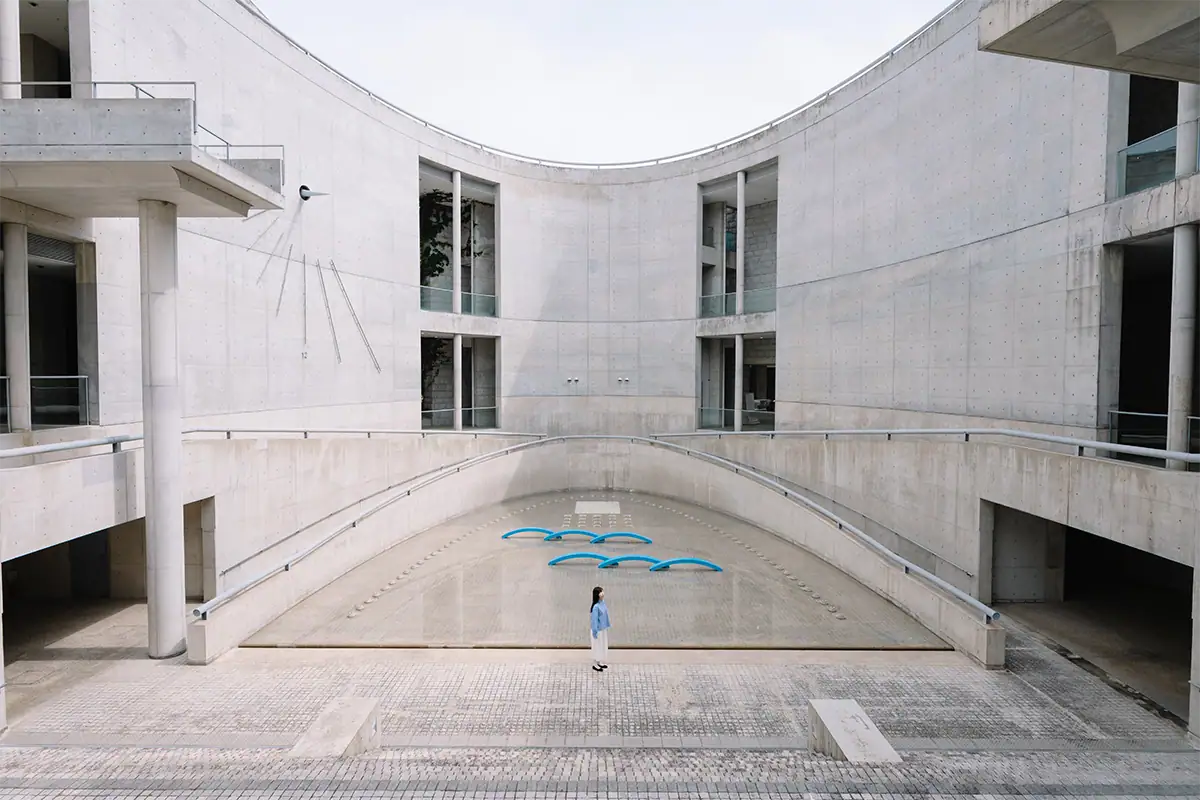
I shot this distinctive circular architecture at 20mm. The unique perspective of an ultra wide-angle zoom lens impressively enhances the building’s curves and depth. When photographing architecture, thoughtful framing and composition can further emphasize the scale and geometry of a space. Placing a person in the center further accentuates the immense size and expansiveness of the structure.
Fine-Tuning Everyday Framing at 27mm
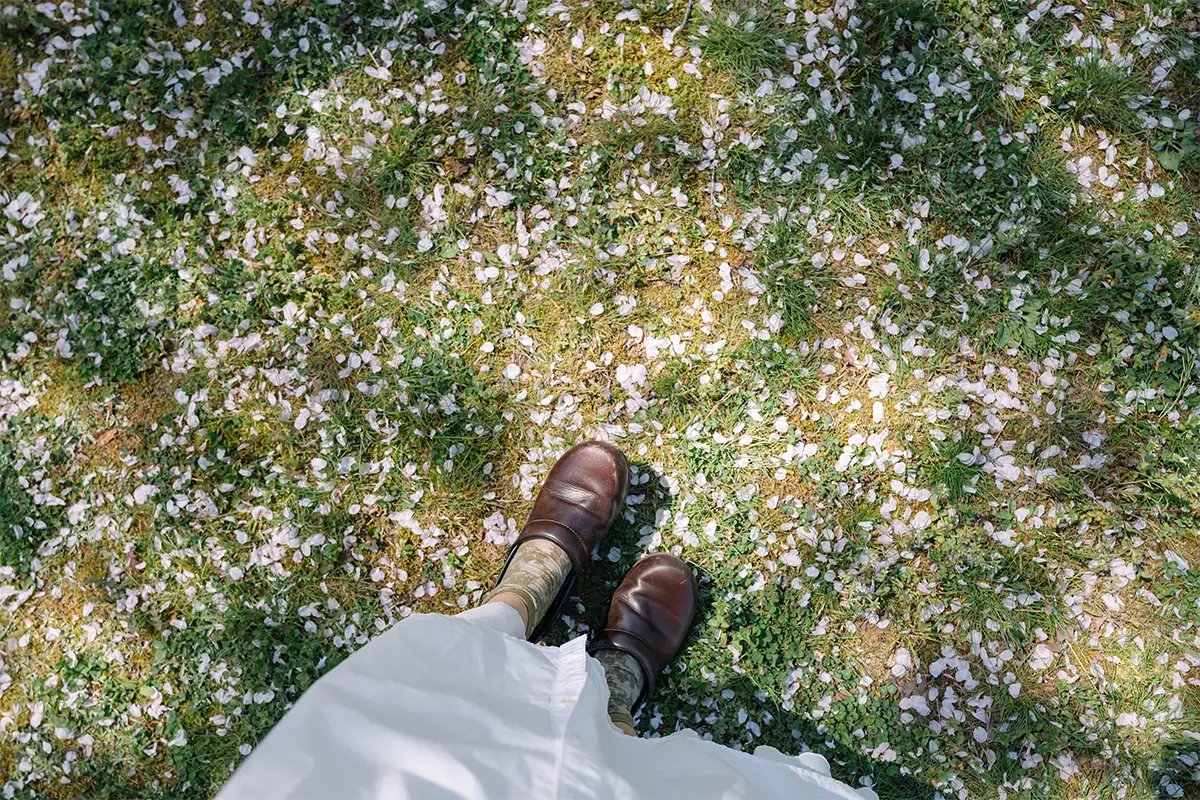
I selected a focal length that closely matched my natural vision to capture the cherry blossom petals and sunlight filtering through the trees at my feet. The ability to finely adjust the framing to preserve the delicate atmosphere — which would be lost if I were too close or too far away — is a distinct advantage of a zoom lens.
While a prime lens might leave you wishing for a slightly wider or tighter shot, this lens allows you to perfectly match the angle of view you envision.
A Natural 36mm View for City Walks
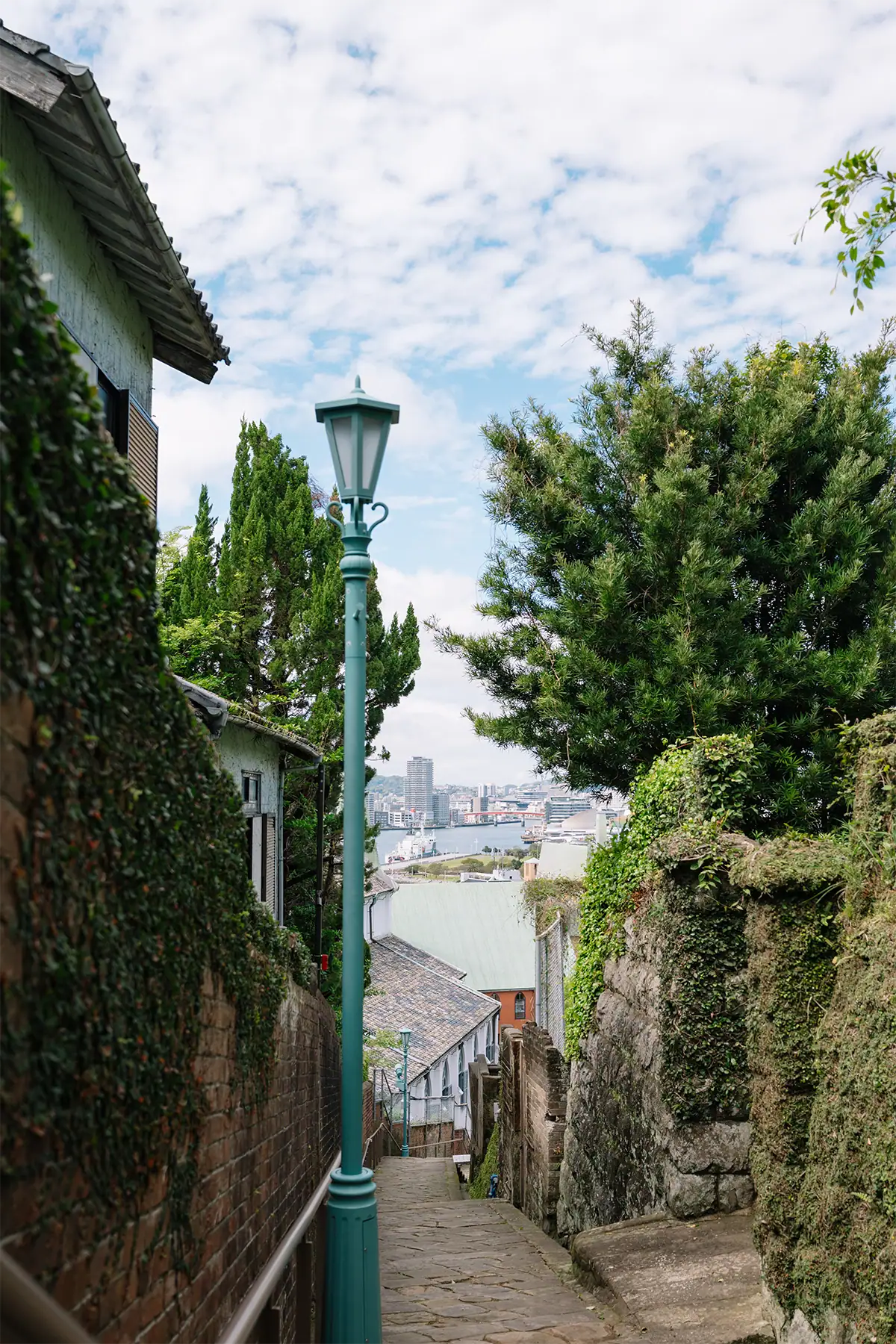
This vertical shot reveals a harbor view at the end of an alleyway. The textures of the cobblestones and bricks are so precisely rendered that looking at the photo makes me feel as if I am standing right there.
Paired with the Nikon Z5II, the setup remains remarkably compact, keeping fatigue at bay even during long walks around the city. The ease of quickly raising the camera the moment inspiration strikes — that little bit of extra flexibility — leads to many more encounters with beautiful scenery.
Precise Detail and Beautiful Bokeh from Flower Petals to Cat Fur
Close-Focus Bokeh at the 20mm Wide End

I shot this at the 20mm wide end and an MOD (Minimum Object Distance) of 6.7” (0.17m). You might think an ultra wide-angle zoom would struggle to produce good bokeh. However, this lens features an exceptionally short MOD.
Getting close to the subject creates surprisingly large, smooth bokeh for an ultra wide-angle, beautifully separating the small flower from the background. This close-focusing capability also opens up creative possibilities for close-up photography. The high resolution is equally impressive, precisely rendering every fine detail down to the edges of each petal.
This superb image quality gives you the confidence to shoot in diverse situations. Enjoying both stunning bokeh and sharp resolution in a single lens is a tremendous advantage.
Soft Bokeh and Everyday Details at 40mm

I framed the paws of a cat sitting on the edge of a sofa, intentionally leaving its face out to create an intimate perspective. The contrast between the soft white fur and the wood grain really stands out, while the distracting background melts into smooth bokeh.
It perfectly captures the gentle atmosphere of everyday life. Even without showing its expression, the filtering light helps convey the comforting warmth of its presence.
Texture and Resolution in Casual Scenes
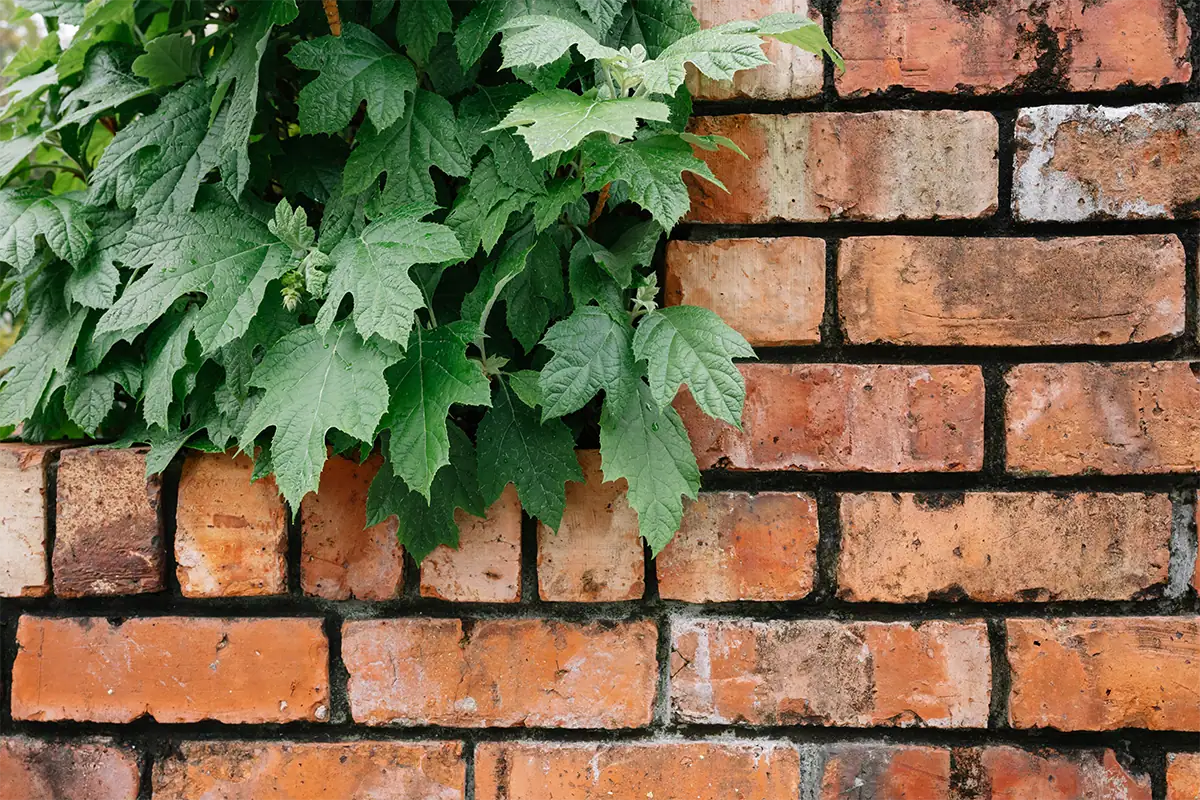
I was amazed by the rendering performance, which captures the fine textures of the bricks and every single leaf vein so vividly it feels tangible. This shot highlights the lens’s reliability, ensuring no detail is lost when photographing casual scenes that catch your eye while out snapping photos.
Superb Rendering for Everyday Atmospheres — From Tabletop Photography to Landscapes
Whether indoors or out in the city, there are countless everyday moments where this lens truly shines. Let me share a few more photos from various scenes.
Easy Overhead Tabletop Photography at 24mm

Even when shooting tabletop photos from directly above, I could frame the shot smoothly without awkwardly contorting my body. The short MOD and the lens’s lightweight design really prove their worth in situations like this.
The precise rendering of the baked goods’ fine textures and the delicate flower petals is also highly impressive.
Low-Angle Wide-Angle Flower Photography at 20mm
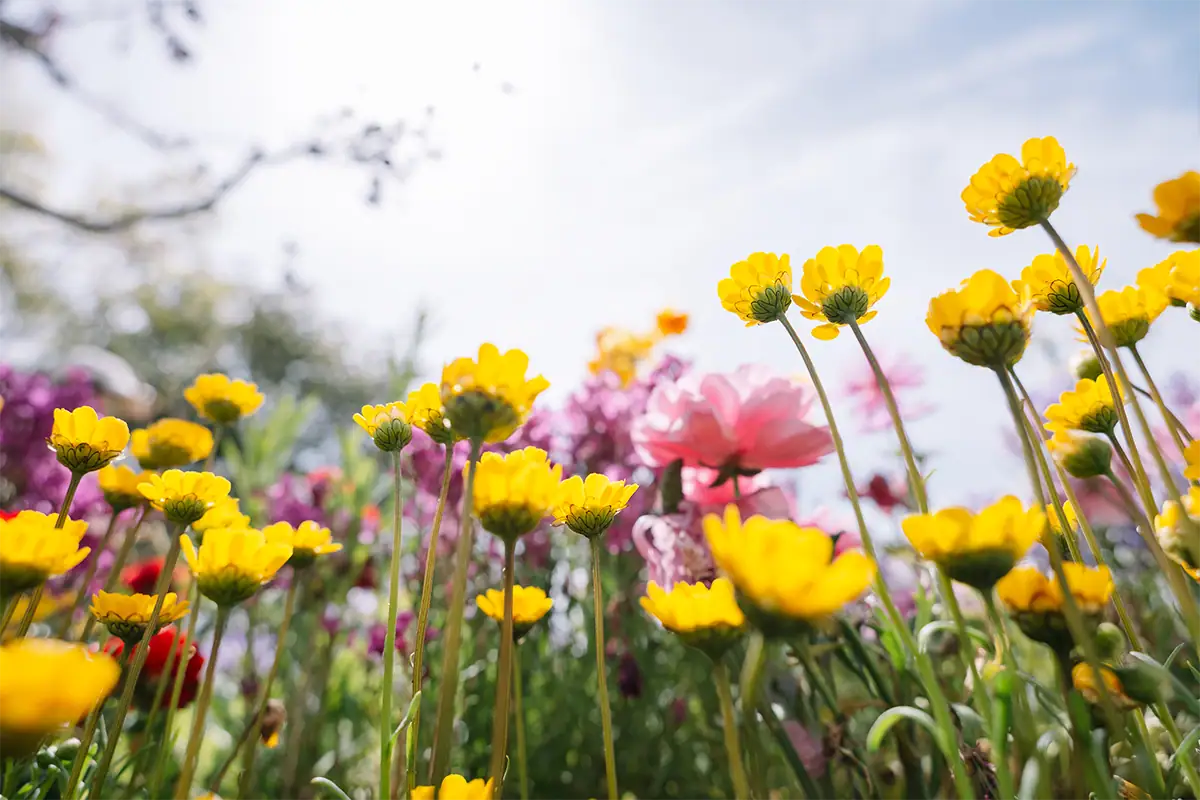
I positioned the camera low in a flowerbed and shot looking upward at the wide angle. The way the flowers stretch powerfully toward the sky is a perspective only possible with a low-angle, wide-angle combination.
Despite shooting in slight backlight, there is no noticeable aberration, and even the translucent petals lit by the sun are rendered clearly.
Light, Shadow, and F2.8 Foreground Bokeh at 40mm
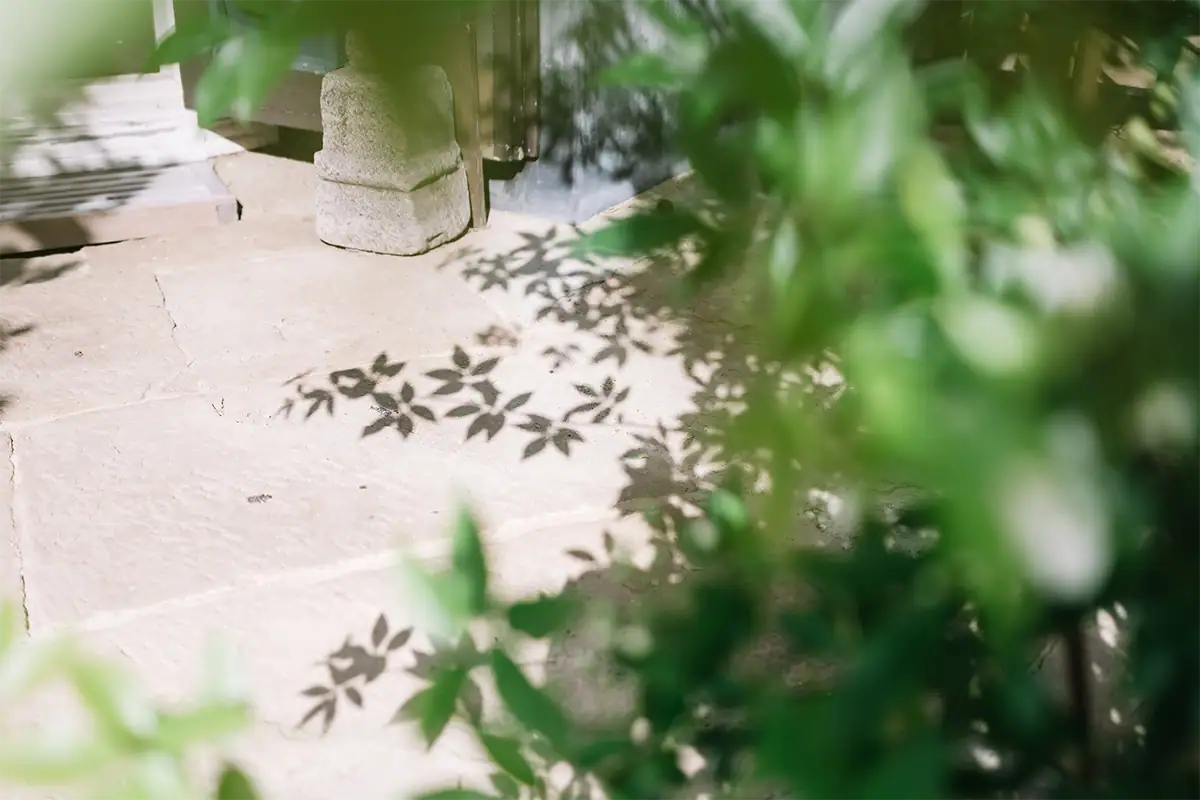
I made the shadow of a fallen leaf on the cobblestones the main subject, intentionally blurring the foreground. Thanks to the fast F2.8 aperture, the foreground bokeh spreads softly, making the shape of the shadow stand out sharply.
The contrast between light and shadow is rendered so naturally that a casual scene at my feet was transformed into a work of art.
Fast AF for Fleeting Everyday Moments at 20mm

The gaze of a cat relaxing under the table, suddenly looking my way. Being able to capture that fleeting moment was entirely thanks to the ultra wide-angle 20mm perspective and the fast AF.
The dynamic perspective unique to an ultra wide-angle lens allowed me to condense both the cat’s expression and the room’s atmosphere into a single shot. This lens offers the reliability of instantly locking focus the moment inspiration strikes, something you can truly appreciate in everyday casual scenes.
Conclusion: Tamron 20-40mm F2.8 for Everyday Photography — Compact Design, Boundless Expressive Power
To be honest, I was a bit apprehensive about the 20-40mm focal length at first. Since I typically favor prime lenses in the range of 40mm or longer, I wondered if I could truly master it.
However, those concerns vanished as soon as I started shooting. I quickly found myself captivated by the lens’s rendering performance and the unique appeal of this focal length. The dynamic framing of architecture and spaces possible at 20mm, combined with the beautiful, large bokeh achieved thanks to its short MOD, reminded me of the sheer joy of photography. This lens is packed with features that will truly expand your shooting horizons.
Another major advantage is its size. The incredible compactness — weighing just 13.4oz (380g) despite featuring a constant F2.8 aperture — makes it highly portable. It provides the extra flexibility to effortlessly raise the camera the moment inspiration strikes, whether indoors or out.
The 20-40mm F2.8 for Nikon Z is a lens that captures everyday scenes a bit wider and more beautifully than usual. I highly recommend trying it out, especially if you, like me, don’t typically shoot in the wide-angle range. It is sure to open the door to new creative expressions.
Where to Buy Tamron Lenses
Learn more about the 20-40mm F2.8 Di III VXD for Sony E and Nikon Z mounts and more Tamron lenses at an authorized Tamron dealer near you or shop directly at the official TAMRON Store.
Frequently Asked Questions About the Tamron 20-40mm F2.8 for Nikon Z
Is the Tamron 20-40mm F2.8 a good lens for everyday photography?
In this review, Fuka Kamata used the lens for architecture, city snapshots, flowers, tabletop photography, indoor scenes, landscapes, and spontaneous pet photos. Its compact design, 20-40mm focal range, constant F2.8 aperture, and close-focusing capability make it particularly versatile for capturing everyday scenes.
What focal range does the Tamron 20-40mm F2.8 cover?
It covers 20mm ultra wide-angle through 40mm standard, giving photographers room to move from expansive architecture and indoor scenes to more natural everyday perspectives without changing lenses.
Does the Tamron 20-40mm F2.8 maintain F2.8 throughout the zoom range?
Yes. The lens has a constant F2.8 maximum aperture across the 20-40mm zoom range.
How light is the Tamron 20-40mm F2.8 for Nikon Z?
The Nikon Z version reviewed here weighs 380g (13.4oz). Fuka Kamata found it light enough for one-handed shooting and comfortable during long city walks. Her original review specifically connects the lens’s light weight with spontaneous shooting and fast AF performance.
How close can the Tamron 20-40mm F2.8 focus?
At the 20mm wide end, the minimum object distance is 6.7” (0.17m), allowing close-up wide-angle compositions with smooth background bokeh.
What kinds of everyday subjects can you photograph with the Tamron 20-40mm F2.8?
Fuka Kamata used it for architecture, city snapshots, flowers, tabletop photography, indoor scenes, landscapes, textures, light and shadow, and spontaneous pet photos, demonstrating the flexibility of the 20-40mm range.