Instant Savings
 Rebate Claims
 Support
 Find a Dealer
I am photographer Olivier Wong. I was born on Reunion Island and am now based in Paris, where I specialize in landscape, urban, and travel photography. I began taking photography more seriously after moving to Paris in 2013 to work as an engineer, and the city soon became one of my main sources of inspiration. Traveling and discovering new places, local culture, and distinctive moments continues to shape the way I photograph. My goal is to document those experiences because every picture has a story to tell.
See more of my work on Instagram.
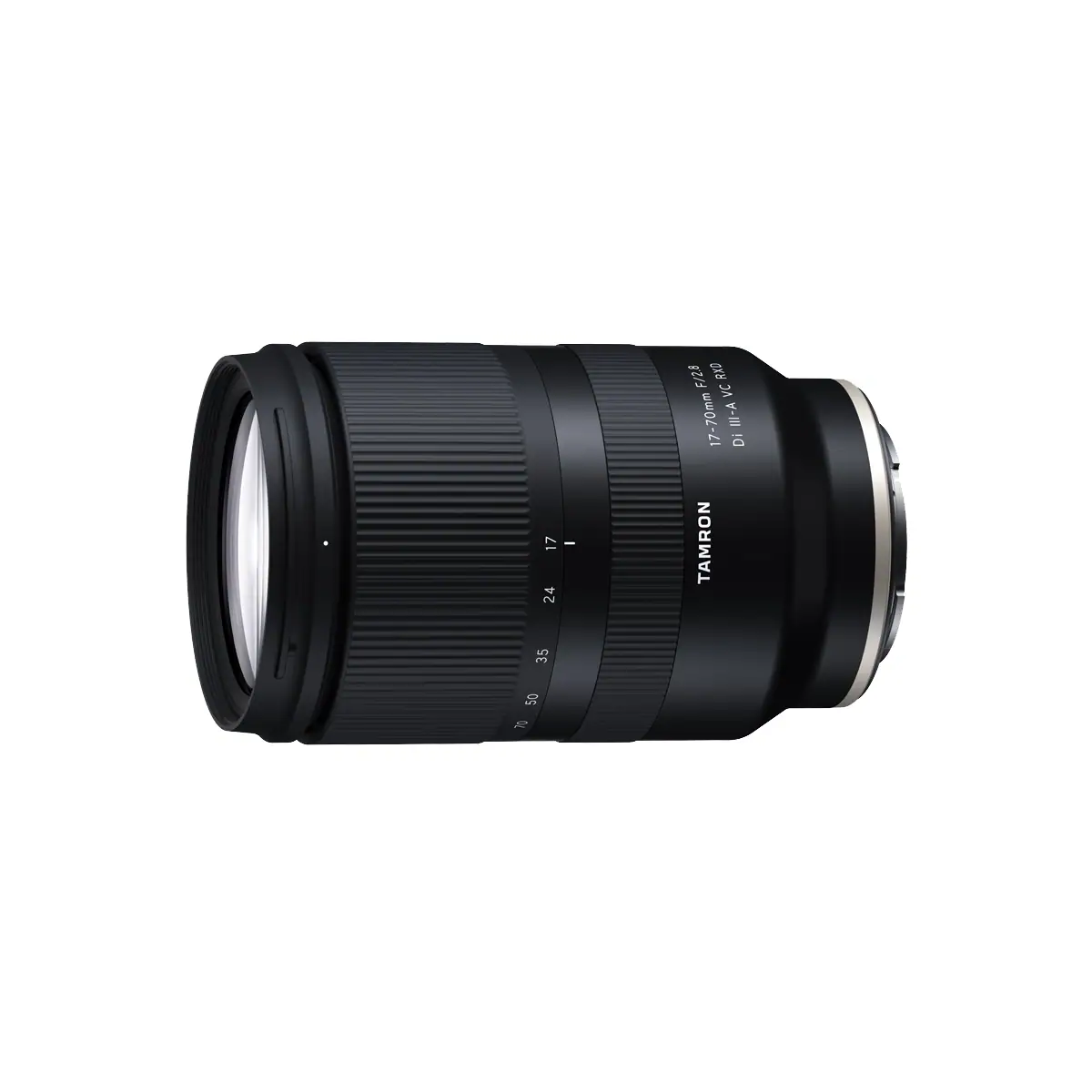
For this Tamron 17-70mm F2.8 Sony E travel photography review, I had the opportunity to test the Tamron 17-70mm F/2.8 Di III-A VC RXD (Model B070) on a Sony APS-C mirrorless camera while I was in Paris. I used it for different types of shooting, from street photography and architecture to portraits. Let me tell you about my experience using this lens as a travel zoom in the city.
For Sony E-mount APS-C cameras, the 17-70mm range provides a full-frame equivalent of approximately 25.5-105mm. That gives it the flexibility to move from wide views of Parisian streets and monuments to tighter compositions without changing lenses, while the constant F2.8 aperture and built-in VC (Vibration Compensation) support changing light throughout the day. For photographers comparing compact travel photography lenses, this combination of range, speed, and stabilization is especially useful for a walk-around setup.
Travel Light in Paris with the Tamron 17-70mm F2.8 for Sony E
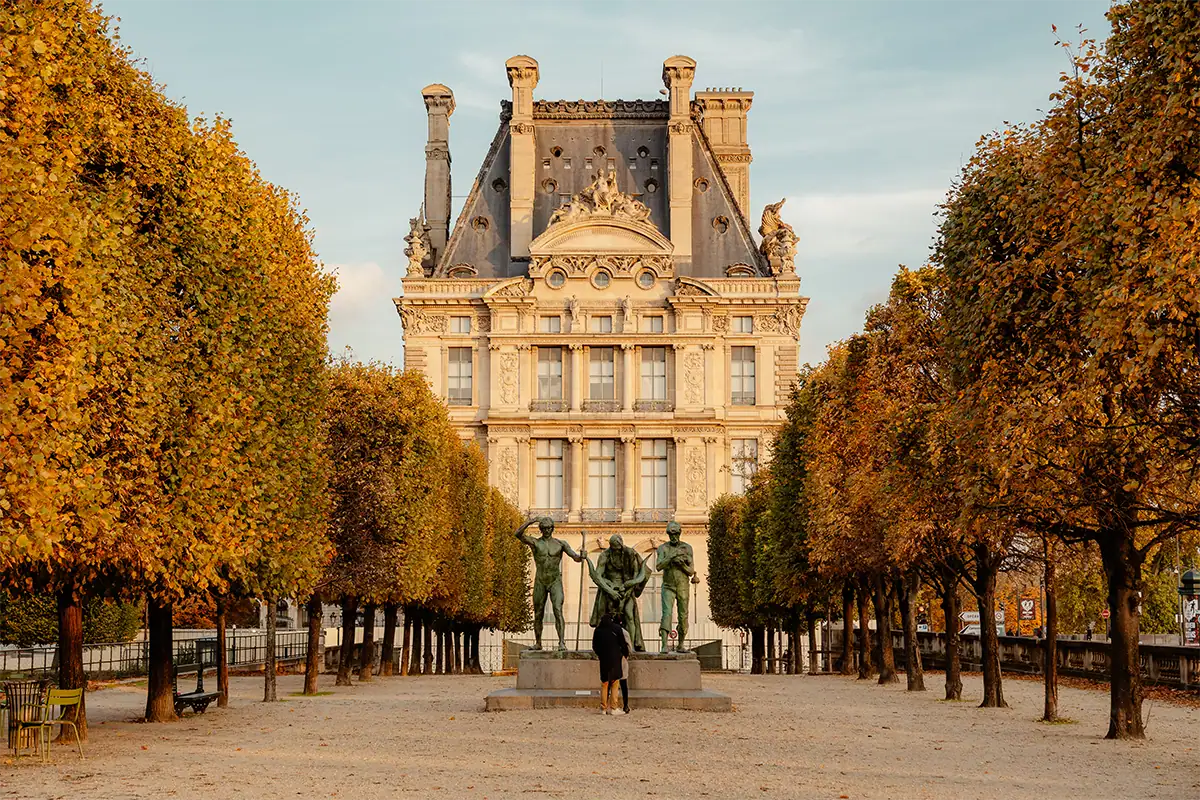
When I go out and shoot in the city, I like to pack light because I tend to walk a lot. Most of the time, I only bring a camera and two lenses so my bag does not become too heavy. When I took the Tamron 17-70mm F2.8 mounted on a Sony APS-C body for daily use, I could really feel the difference. The equipment remained compact and lightweight, which made it comfortable to carry while walking around Paris.
Yet, this portability did not mean I had to compromise on quality or features. The 17-70mm focal range makes the lens very versatile because it covers a wide variety of situations. While wandering through the city, I could photograph broad views of Parisian buildings and monuments as well as tighter details from farther away. It is convenient to have that flexibility and not have to change lenses every now and then.
From Wide Paris Architecture to Layered City Views
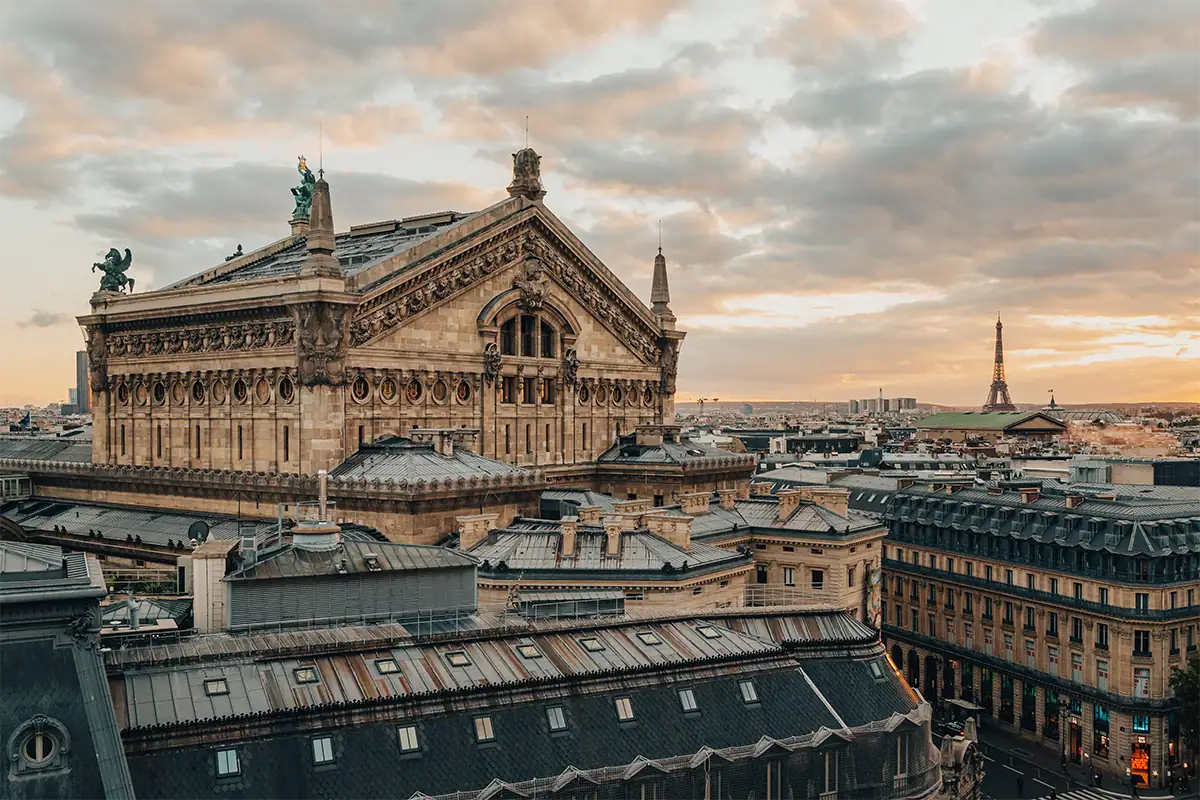
This kind of scene is exactly where the broad zoom range is helpful for travel photography. I could step back for a wider architectural view, then zoom in when I wanted to simplify the composition or isolate a more distant part of the city. Having both options in one lens helped me respond quickly as I moved from one location to the next.
Golden Hour Travel Photography with a Constant F2.8 Aperture
I mostly shoot at sunrise or sunset because I love the golden, soft light at those times of day. That means I need equipment capable of producing strong results as the light begins to fall. The constant F2.8 aperture gives me that flexibility, helping me keep images bright and sharp while working handheld in changing conditions.
Photographing the Eiffel Tower in Golden Light
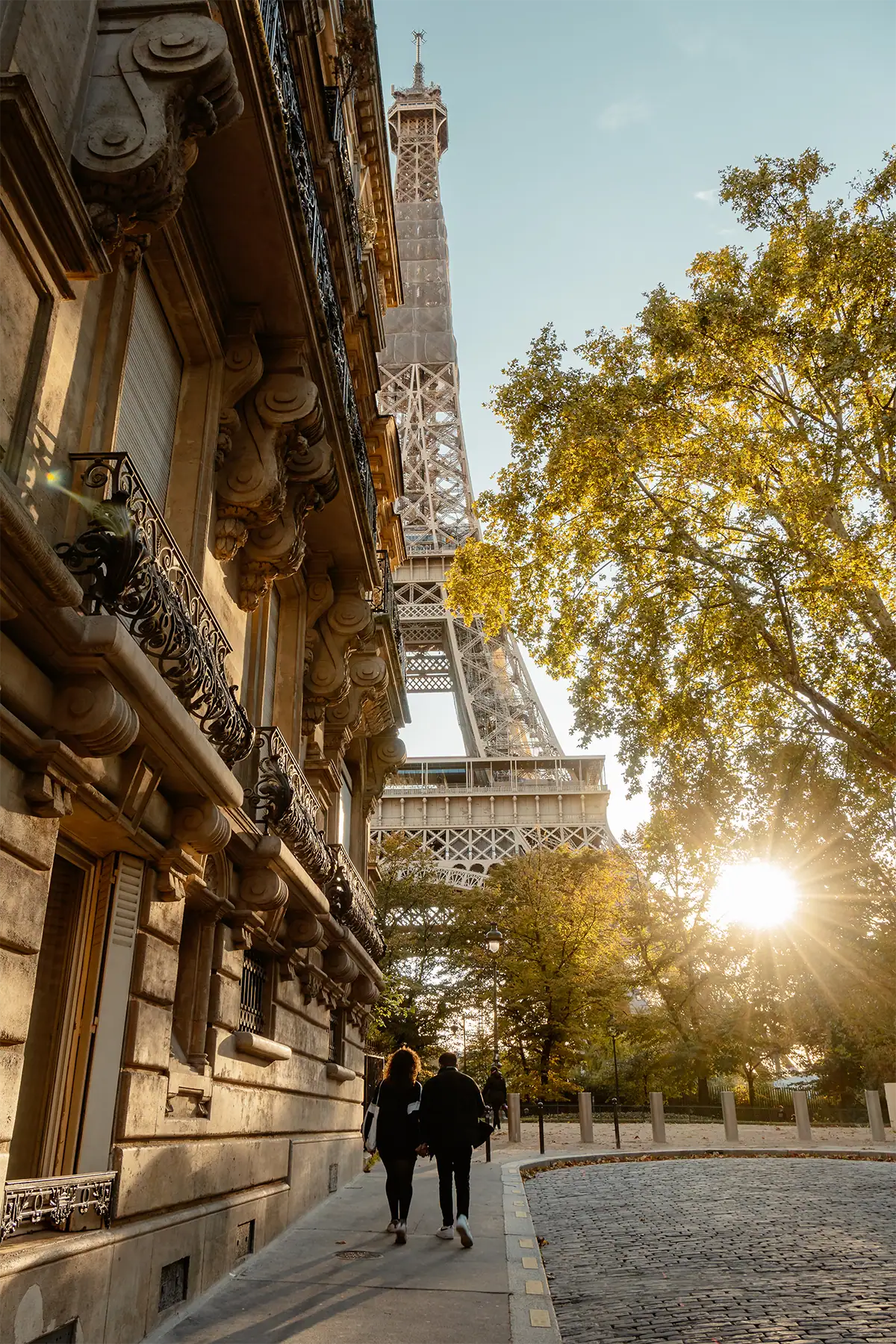
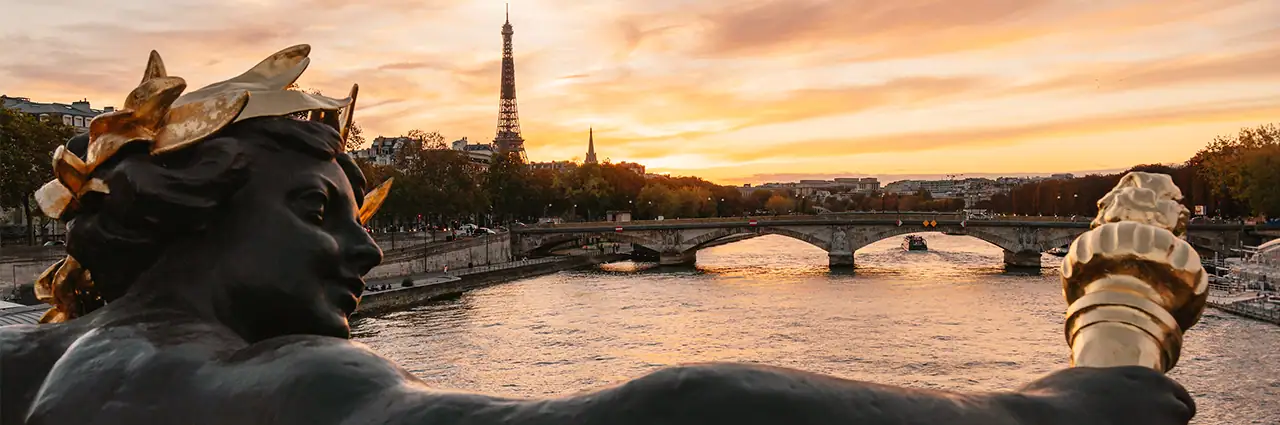
The wide end lets me include not only an iconic landmark such as the Eiffel Tower, but also the architecture, trees, and people that give the scene a stronger sense of place. This is important to me in travel photography because I want the photograph to communicate more than the landmark alone – I want it to preserve the atmosphere of being there. Tamron’s BBAR-G2 coatings provides excellent flare reduction for these times when I am shooting to create a sunburst.
Paris Sunset Photography with the Tamron 17-70mm F2.8
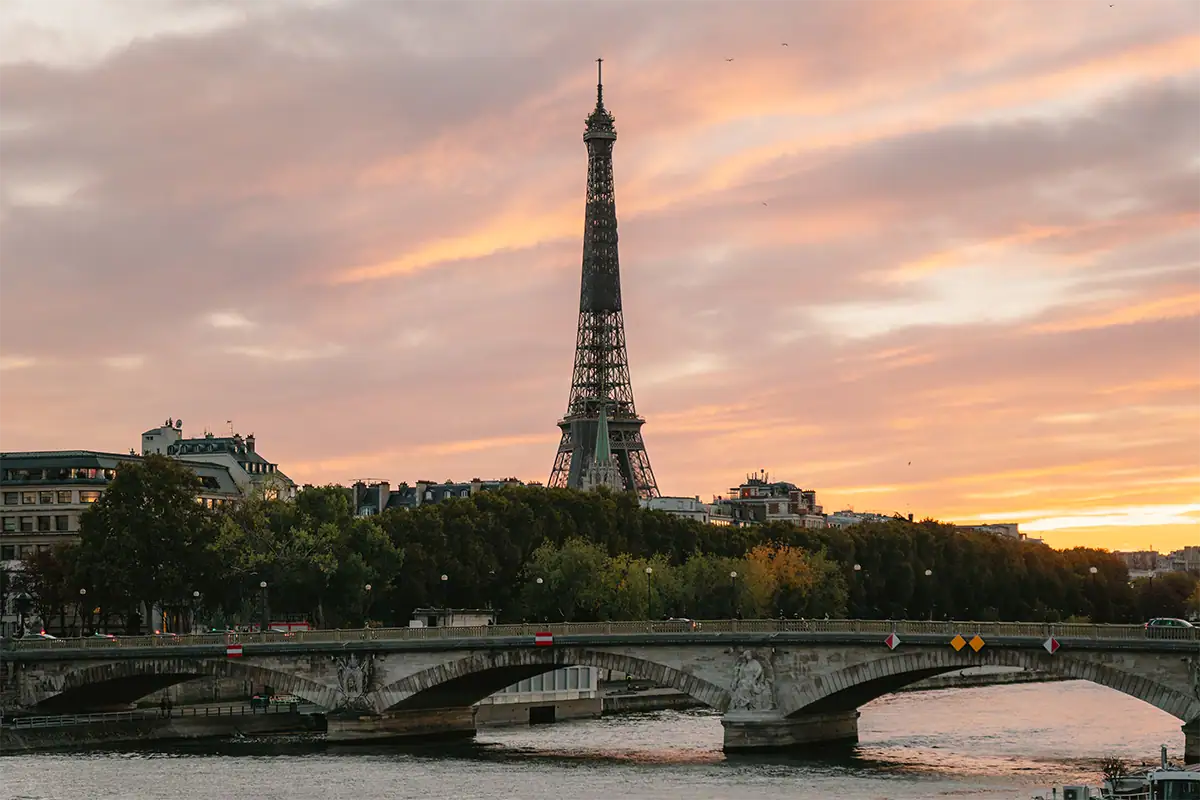
At sunset, I could continue working without changing lenses as the light shifted. The F2.8 aperture is especially useful for this kind of travel photography because it remains available across the entire zoom range, whether I am working wider or using a tighter view to concentrate attention on the skyline.
Handheld Low-Light City Photography with VC Image Stabilization
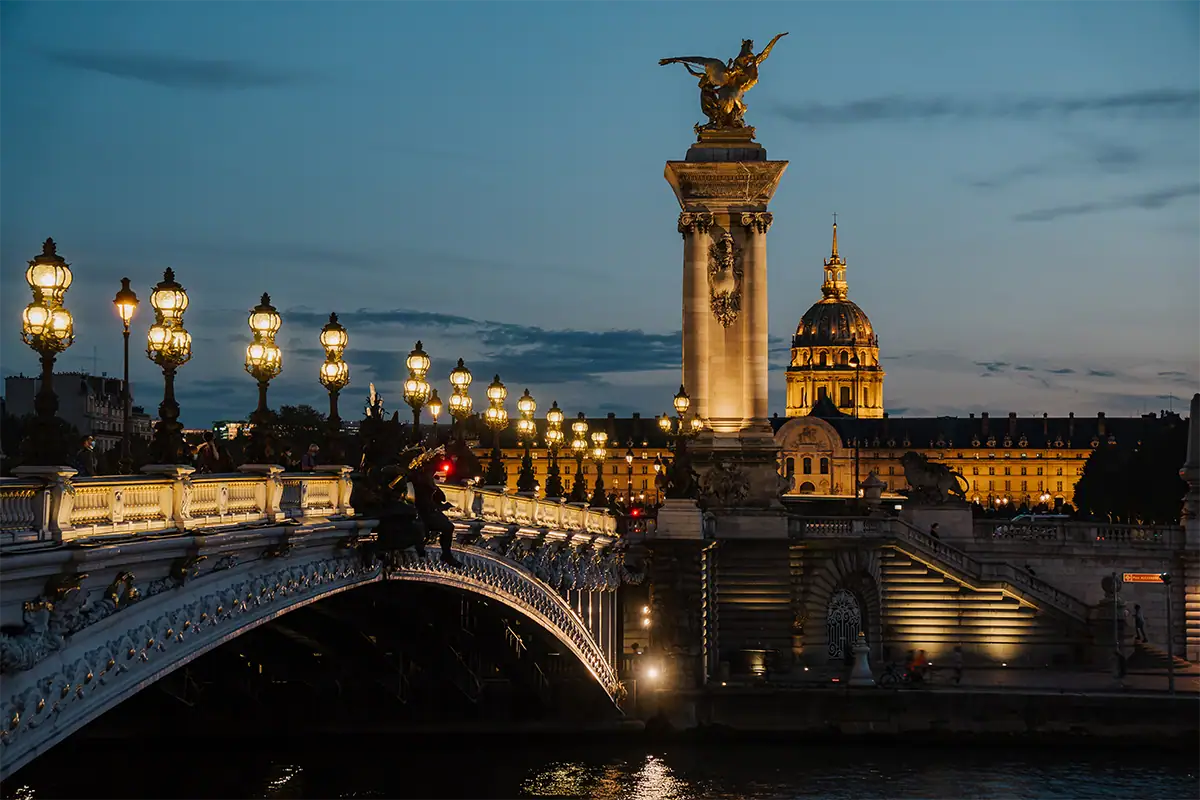
When the light gets lower, the built-in VC image stabilization is another feature I appreciate. I managed to get bright, sharp results while shooting handheld at slow shutter speeds around 1/25 sec., and for most situations I did not need a tripod because the VC did a great job compensating for camera shake. That is particularly useful when traveling, when I want to stay mobile and avoid carrying more equipment than necessary.
For anyone who likes photographing a city from sunset into blue hour, this combination of a constant F2.8 aperture and stabilization makes low-light photography easier to manage while moving through busy streets and changing locations.
Travel Portraits with Fast, Quiet Autofocus and Smooth Bokeh

When it comes to portraits, I was surprised by how quiet, fast, and accurate the lens was. The autofocus works very well with the Eye AF feature of the Sony camera, which made it easy to concentrate on the subject and composition rather than on focusing.
The F2.8 aperture also delivers smooth bokeh even in wider environmental portraits. I was really satisfied with the eye-pleasing rendering of the portraits throughout the focal range. For travel, I like being able to photograph a person while still showing enough of the destination around them to make the image feel connected to the place.
Small Details Add to the Story of a Trip

Travel photography is not only about monuments and wide city views. While walking through Paris, I also like to notice smaller scenes and details that reflect the season and atmosphere of the city. The flexibility of the 17-70mm range means I can move easily between these different kinds of images without interrupting the experience to change lenses.
Conclusion: Tamron 17-70mm F2.8 Sony E as an All-Around Travel Lens
To sum up, I really enjoyed shooting with this lens. In everyday situations, it covers most of the pictures I am used to taking and delivers crisp results. For travel photography, it gives me the range I need for architecture, city scenes, portraits, and details while keeping the camera setup compact enough for long walks.
It is a strong go-to lens for photographers who care about image quality, size, and weight when traveling. The 17-70mm range, constant F2.8 aperture, VC stabilization, and fast autofocus make it a very capable all-around option for Sony APS-C mirrorless cameras. Photographers building a Sony travel kit can also explore more Tamron lenses for Sony E-mount to compare focal ranges and shooting styles.
Where to Buy Tamron Lenses
Learn more about the Tamron 17-70mm F/2.8 Di III-A VC RXD for Sony E, Fujifilm X, Canon RF, and Nikon Z APS-C mirrorless cameras. Shop through the official Tamron Store when available or find an authorized Tamron dealer near you and explore more Tamron photo lenses for travel, street, landscape, and portrait photography.
Frequently Asked Questions About the Tamron 17-70mm F2.8 for Sony E Travel Photography
Is the Tamron 17-70mm F2.8 good for travel photography?
Yes. In this review, Olivier Wong found the Tamron 17-70mm F2.8 useful for a wide variety of travel situations in Paris, including architecture, street scenes, city views, portraits, golden hour, and low-light photography. He especially valued its broad zoom range, portability, constant F2.8 aperture, VC image stabilization, and fast autofocus.
What is the full-frame equivalent of the Tamron 17-70mm on a Sony APS-C camera?
On Sony APS-C mirrorless cameras, the 17-70mm focal range provides a full-frame equivalent of approximately 25.5-105mm. This gives travelers coverage from wide city and architecture views to short-telephoto compositions and portraits without changing lenses.
Is the Tamron 17-70mm F2.8 a good walk-around lens for Paris and other cities?
Yes. Wong prefers to travel light because he walks extensively when photographing cities. He found the 17-70mm range convenient for moving between Parisian architecture, monuments, street scenes, portraits, and tighter details while keeping his kit compact.
Can the Tamron 17-70mm F2.8 be used handheld in low light?
Yes. Wong reported getting bright, sharp handheld results at slow shutter speeds around 1/25 sec. and said Tamron VC image stabilization helped compensate for camera shake, allowing him to work without a tripod in most situations. One of the supplied blue-hour examples was photographed handheld at 1/13 sec.
Does the Tamron 17-70mm F2.8 work with Sony Eye AF?
Yes. Wong found the autofocus quiet, fast, and accurate and said it worked very well with the camera’s Eye AF feature. Tamron also lists compatibility with Sony camera functions including Fast Hybrid AF and Eye AF for the Sony E-mount version.
Is the Tamron 17-70mm F2.8 useful for travel portraits?
Yes. The constant F2.8 aperture can create smooth background bokeh while the 17-70mm range lets photographers choose between environmental portraits that show the destination and tighter compositions that place more emphasis on the subject.
Is the Tamron 17-70mm F2.8 only available for Sony E-mount?
No. The Tamron 17-70mm F2.8 Di III-A VC RXD (Model B070) is available for Sony E, Fujifilm X, Canon RF, and Nikon Z APS-C mirrorless cameras. This review specifically covers the Sony E-mount version used for travel photography in Paris.