Instant Savings
 Rebate Claims
 Support
 Find a Dealer
Hi, I’m Keita Sasaki. I used the Tamron 16-50mm F2.8 A (Model B091) for FUJIFILM X mount to shoot everyday moments.
I was born in 1969 and graduated from photography school. I went on to work at a rental studio and as a photographer’s assistant before becoming an independent photographer. I create work around the themes of “City Corners,” “Forest Corners,” and “Hometowns,” while maintaining a philosophy rooted in the film era: “Photography is monochrome; the original is the print.” I also run Hachinojuku, a private photography school, and lead photo walks to give photographers more opportunities to learn and grow.
See more of my work on Facebook.
What first struck me when I picked up the Tamron 16-50mm F2.8 was just how lightweight it felt—especially for a fast-aperture zoom lens that maintains F2.8 across the entire focal range. It almost made me wonder, “Can a lens this light really deliver?” I couldn’t wait to get outside and start shooting with it.
On top of that, the lens features a refined exterior finish, making it a joy to carry and giving you the feeling that something fresh is about to happen. I highly recommend it to anyone looking to add a spark of excitement to their daily photography, as well as those ready to step up from their standard kit lens.
For this review, I explored the lens through the subjects I naturally encountered—city architecture, light and shadow, quiet street scenes, small everyday details, and monochrome photography.
Compact Design and High Image Quality for Street and Architecture Photography
A compact, versatile standard zoom lens can be particularly useful for street and architecture photography, where mobility and the ability to quickly change the composition are important.
Capturing Architectural Detail at Dusk
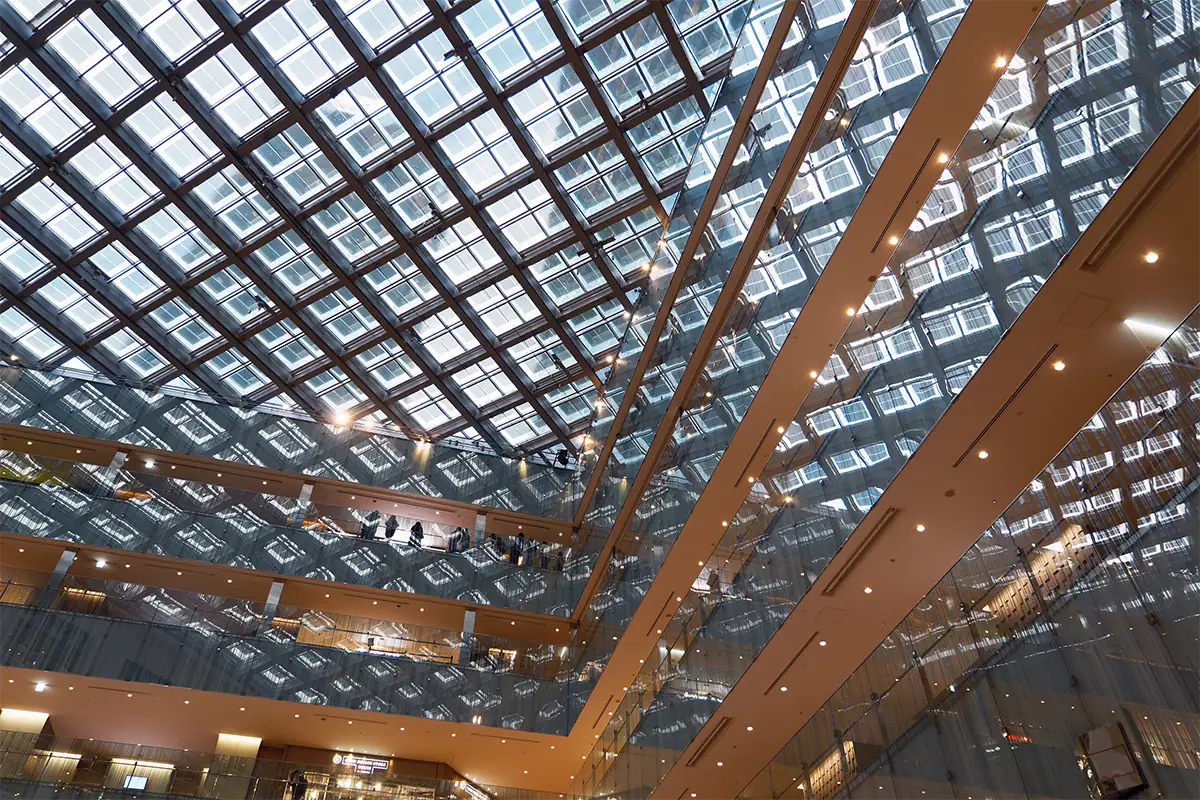
Captured near dusk, the above photo features low contrast and easily manageable exposure conditions. Under such low-light photography conditions, images can sometimes lose their sharpness, often requiring post-processing to restore contrast and definition.
To preserve a natural texture, however, I wanted to minimize editing as much as possible, relying instead on the lens’s high light transmission. This optical clarity helps produce a crisp rendering, faithfully demonstrating both soft tonal gradations and rich texture reproduction.
Testing Fine Detail Across an Urban Architecture Scene
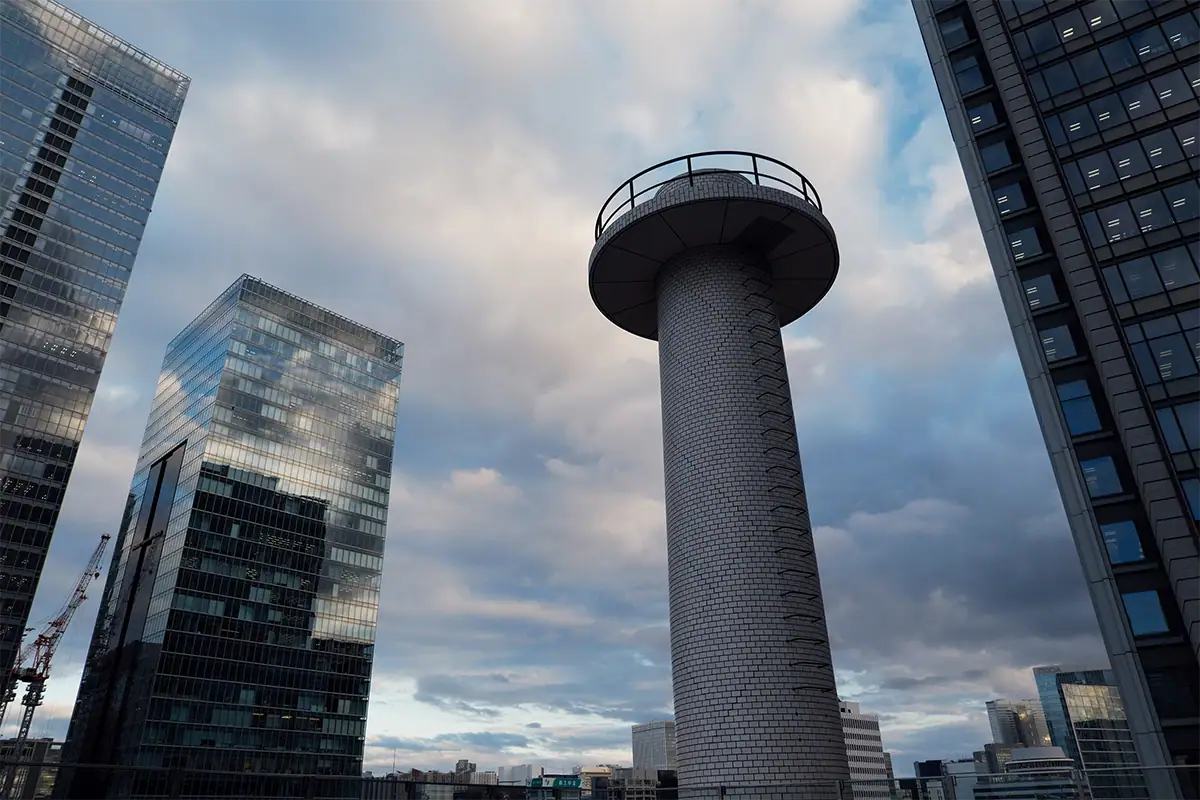
The rich details in the spreading clouds and the intricate structure of the tower are rendered beautifully. This shot was also taken near dusk, and upon reviewing it afterwards, I felt a sense of relief—it looked great.
Conventional wisdom suggests stopping down a bit under these conditions to ensure edge-to-edge uniformity, but I intentionally shot wide open at F2.8 to see what the 16-50mm F2.8 could really do. The fine detail rendering and minimal peripheral light fall-off clearly demonstrate its outstanding optical quality.
Compact, Lightweight Design for Flexible Urban Shooting

The 16-50mm F2.8 is remarkably compact and lightweight, weighing just 10.8 oz. (305g). As I mentioned earlier, achieving a fast F2.8 aperture across the entire zoom range in such a portable form factor is impressive, and its high rendering performance is truly remarkable.
The wide end of the zoom is particularly useful for architectural photography, while the ability to adjust focal length makes it easy to refine the framing when the photographer’s position is restricted.
Transforming Everyday Moments into Extraordinary Street Photography
One of the pleasures of street photography is discovering subjects that most people might simply pass by. Light, texture, color, and timing can turn an ordinary scene into something worth preserving.
Using F2.8 Bokeh to Elevate Everyday Details
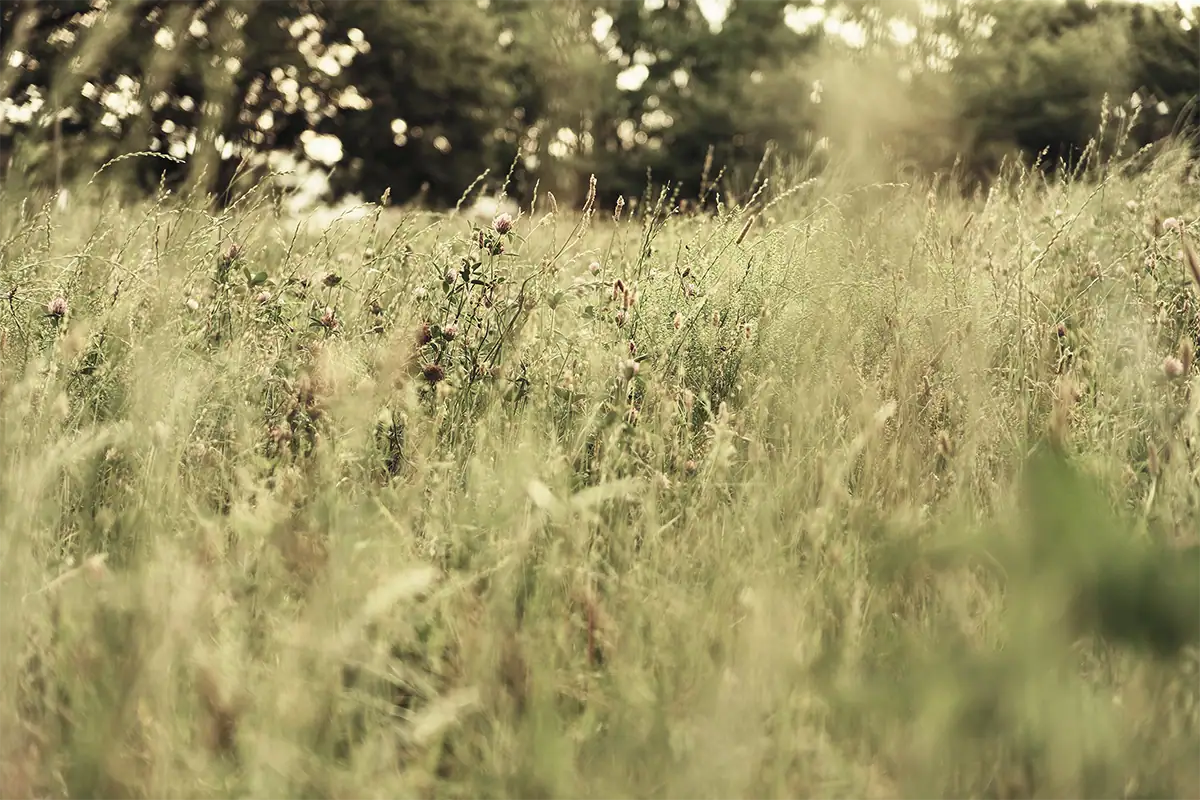
To test out the beautiful bokeh that only a fast-aperture lens can offer, I focused on some small wildflowers along the roadside.
The results far exceeded my expectations: both the foreground and background blur were delightfully soft, melting into the scene and making the tiny blossoms stand out with a captivating presence.
While there are certainly more striking subjects to shoot, I wanted to show how this lens can transform a simple, everyday moment into something truly special.
Preserving Shadow Detail in a High-Contrast Street Scene
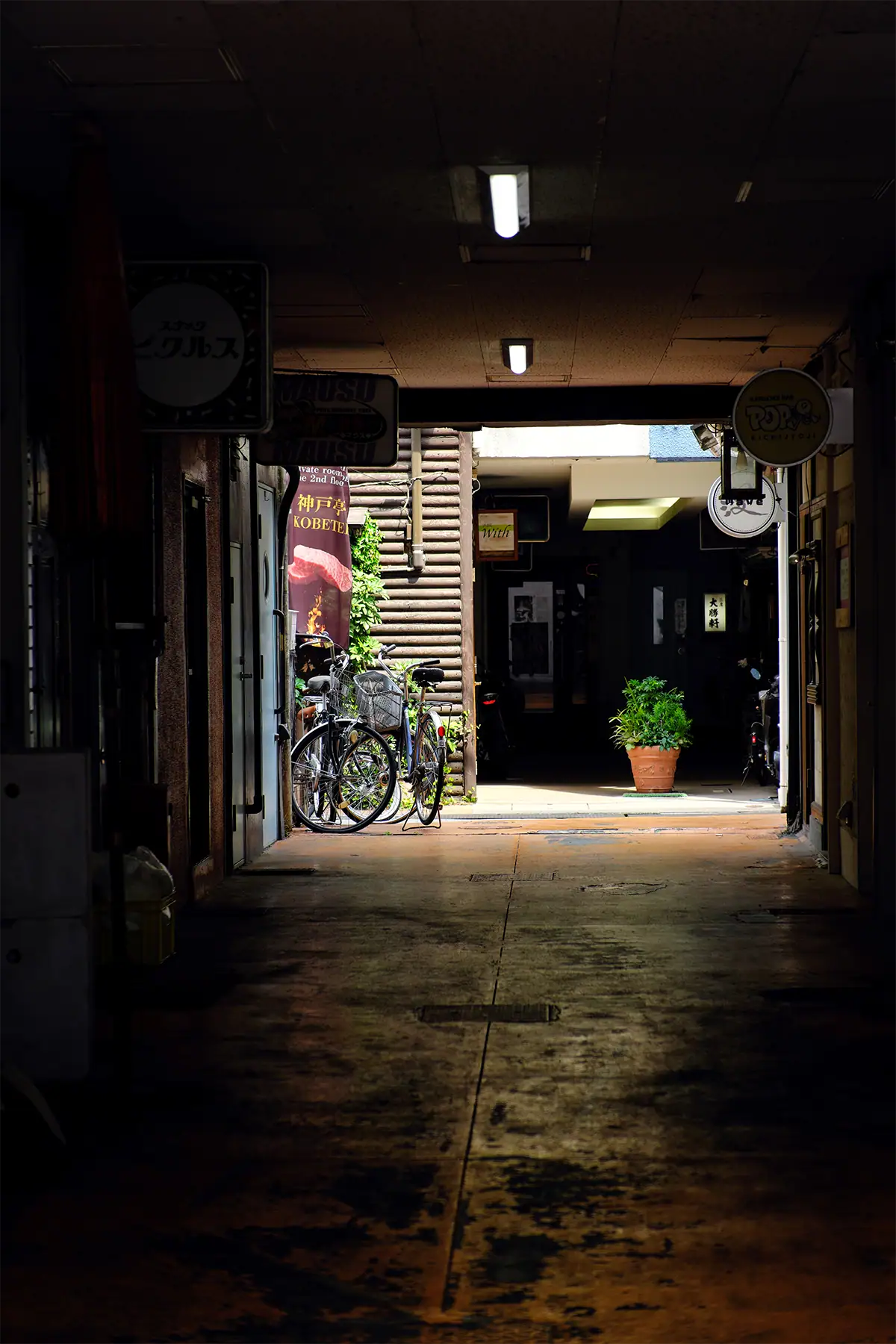
When shooting scenes with high dynamic range, you have to control exposure by deciding whether to prioritize the highlights or the shadows.
I generally expose to protect the highlights, which sometimes means sacrificing a bit of shadow detail. The 16-50mm F2.8, however, offers impressive rendering performance that allows you to capture scenes without having to compromise on shadow detail, even under such challenging conditions.
Capturing Fine Detail in Light and Shadow

Spotting a beautiful cat bathing in side lighting, I captured it from behind. A local community cat, it is exceptionally well cared for, with a gorgeous coat.
The lens finely reproduces every detail of its fine fur—from the brightly lit highlights to the deep shadow areas—faithfully revealing what makes this cat so special.
Fast Autofocus and Responsive Handling for Street Photography
No matter how outstanding a lens’s optical performance may be, you won’t reach for it if it isn’t comfortable to use.
While its lightweight design is its greatest strength, the zoom ring rotates smoothly, and the autofocus system is both fast and precise. It creates a seamless shooting rhythm that makes you want to keep it on your camera at all times.
I paired it with the FUJIFILM X-H2, a camera featuring a substantial grip, and the compatibility was excellent. Naturally, thanks to its lightweight nature, it should pair equally well with smaller camera bodies.
That combination of portability and responsiveness is especially valuable when applying street photography techniques, where unexpected subjects and fleeting moments can disappear almost instantly.
Photographing in the Rain Without Breaking the Shooting Rhythm

These hydrangea blossoms were freshly wet from the rain. Rain and hydrangeas are a perfect match, and thanks to the lens’s Moisture-Resistant Construction and Fluorine Coating, I was able to shoot with complete peace of mind.
Even so, to protect the gear as much as possible from the rain, I kept a Japanese tenugui towel draped over the camera and lens while shooting.
Under these unusual conditions, sluggish AF could easily disrupt your focus, but the 16-50mm F2.8 responded swiftly, offering a completely stress-free experience.
Capturing a Fleeting Moment Against a Complex Background
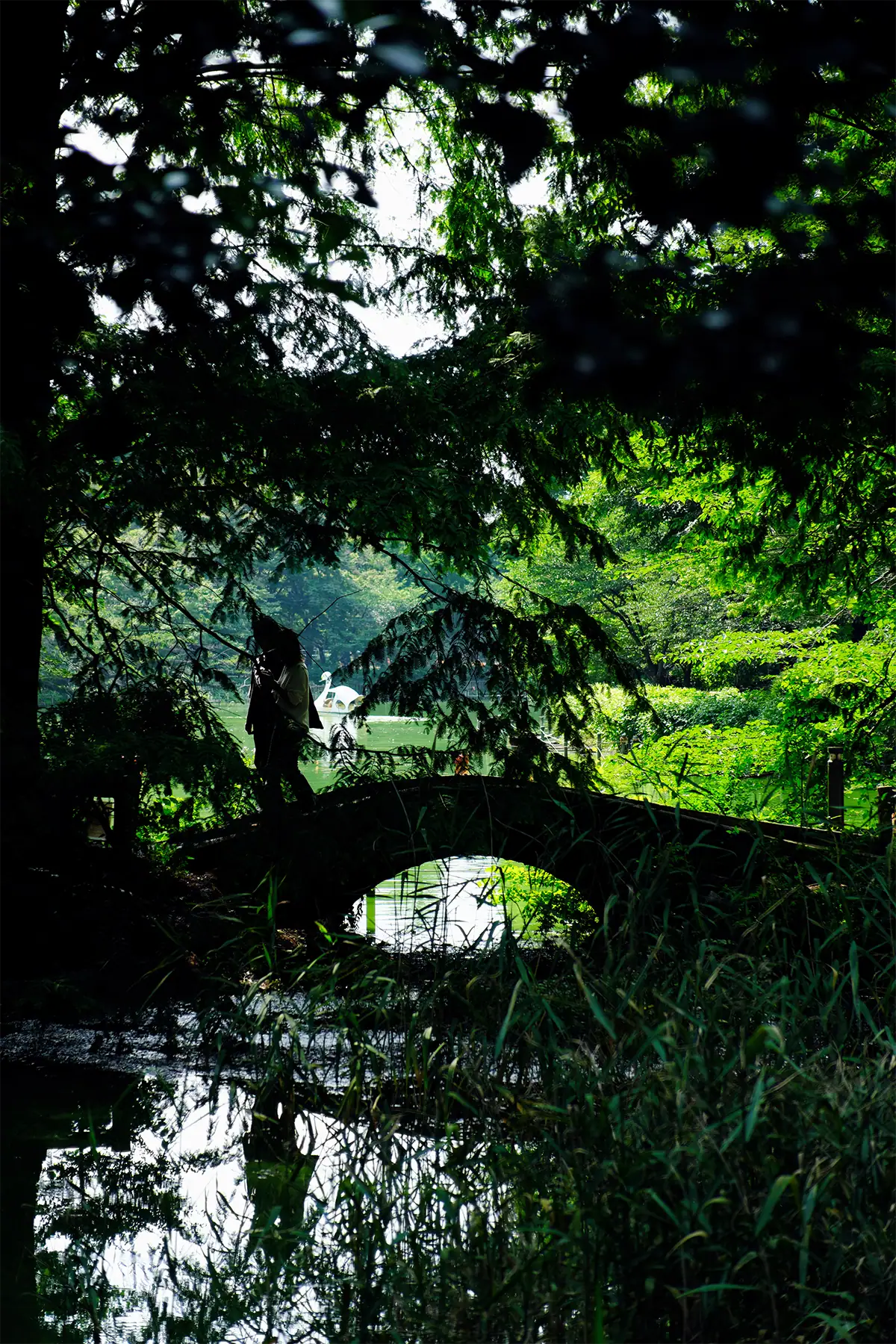
Strolling through a park, I raised my camera as if guided by the light. Just as I brought the lens to my eye, I noticed someone walking into the frame from the right and timed my shot.
During moments of deep focus like this, nothing is more frustrating than an AF system that hunts or loses its subject. Even with a complex background of dense foliage—conditions where AF often struggles—the lens focused effortlessly, locking onto the subject before I knew it.
Using F2.8 to Freeze Fleeting Patterns and Motion
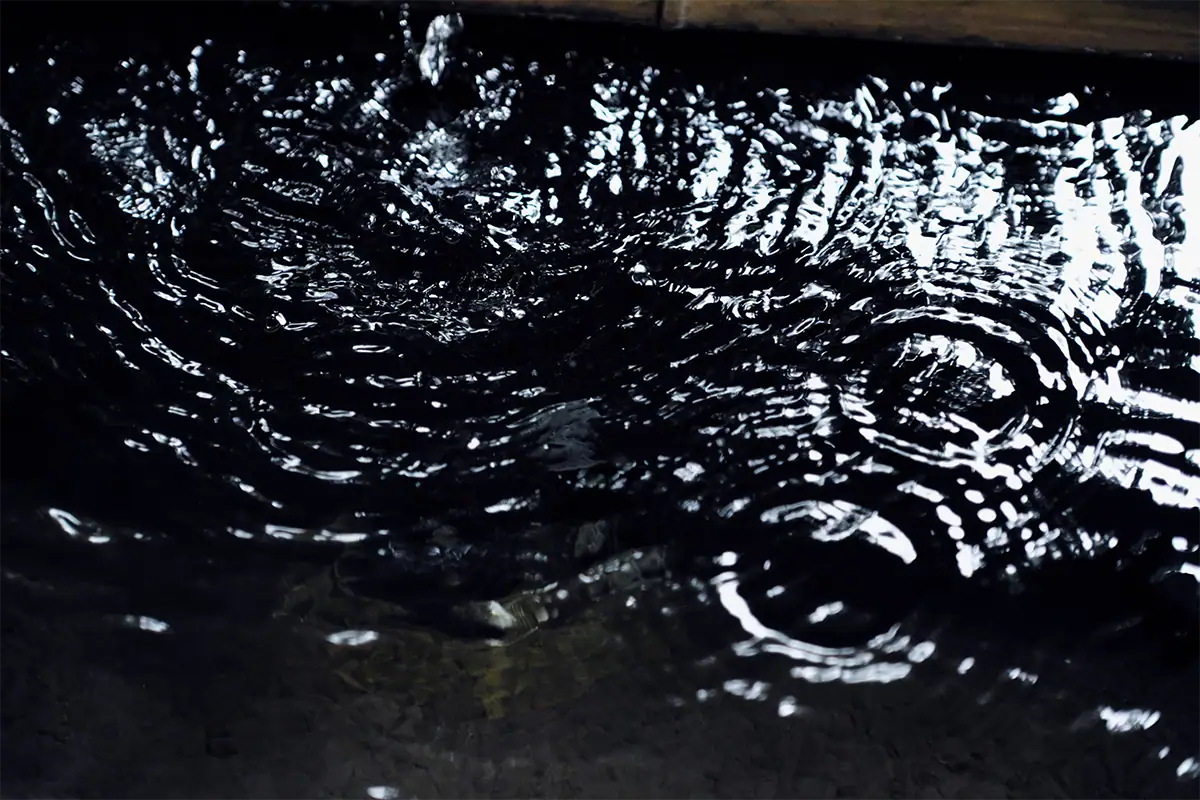
At a small chozuya (water ablution pavilion), I aimed to capture the shifting ripples on the water.
To freeze their constantly changing patterns, I boosted the ISO sensitivity to achieve as fast a shutter speed as possible. In situations like this, the fast F2.8 aperture is a huge advantage.
Surprised by how smoothly and reliably the AF locked on even under these conditions, I took a series of shots and selected this image.
Drawing In the Right Moments in Everyday Street Photography
Beyond image quality and features, the most important element in photography is the ability to draw good opportunities to you.
The 16-50mm F2.8 makes shooting truly enjoyable thanks to its overall excellence—combining a lightweight, compact design with exceptional image quality and performance. That joy is precisely what empowers you to seize those moments.
Inspired by this lens during the sample shoot, I found myself venturing out even more than usual. I didn’t go anywhere extraordinary, just easily accessible places that felt like an extension of daily life. Yet, through unexpected encounters along the way, this power to draw in moments transformed ordinary locations into something truly special.
Finding Light and Texture in Ordinary Places
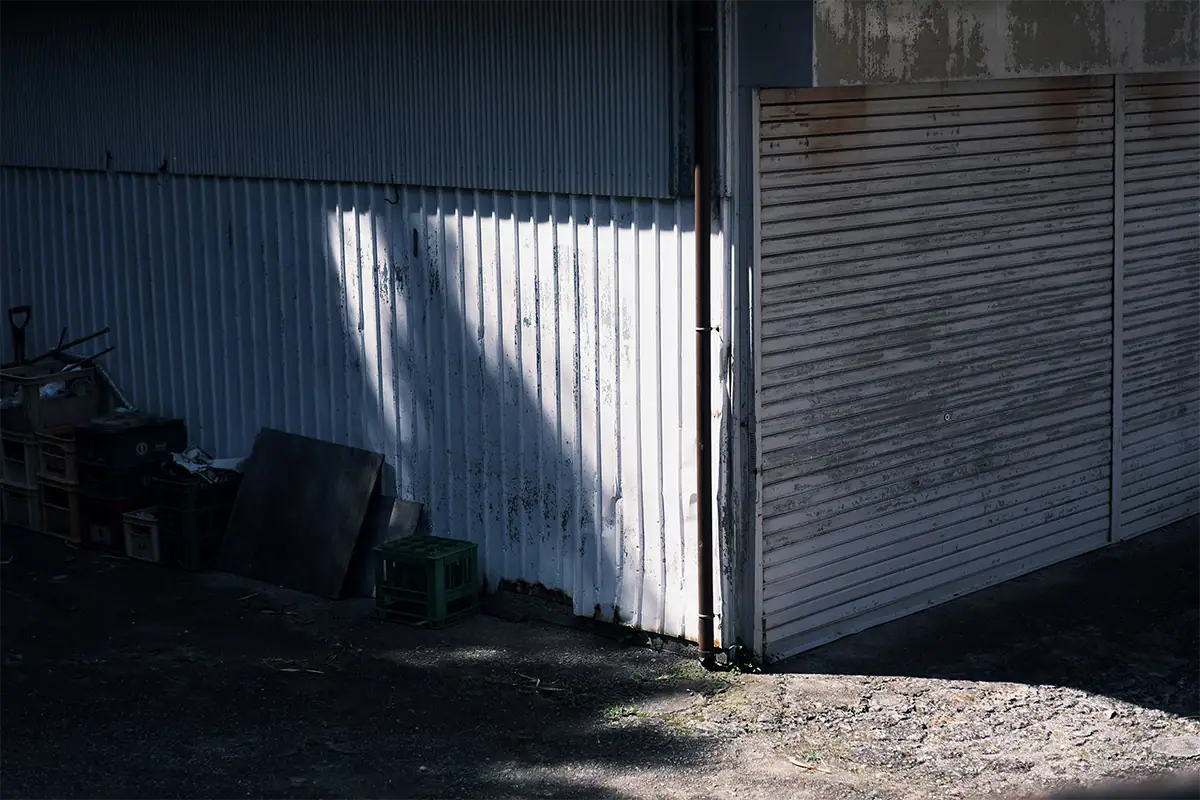
I found this captivating light near a small fishing port. Most people might wonder why I chose to shoot this, and very few would think to point a lens here. But whenever I spot light like this, I can’t help but raise my camera.
The 16-50mm F2.8 brought me to that moment just as the light hit. To capture its fleeting impression, exceptional tonal reproduction was essential.
By that point in the shoot, I trusted the lens’s tonal performance implicitly, allowing me to take the shot without hesitation. Incidentally, I set the exposure to -1.0 EV to bring out the rich texture of the sunlit white corrugated metal wall.
Capturing Texture and Movement at a Small Fishing Port
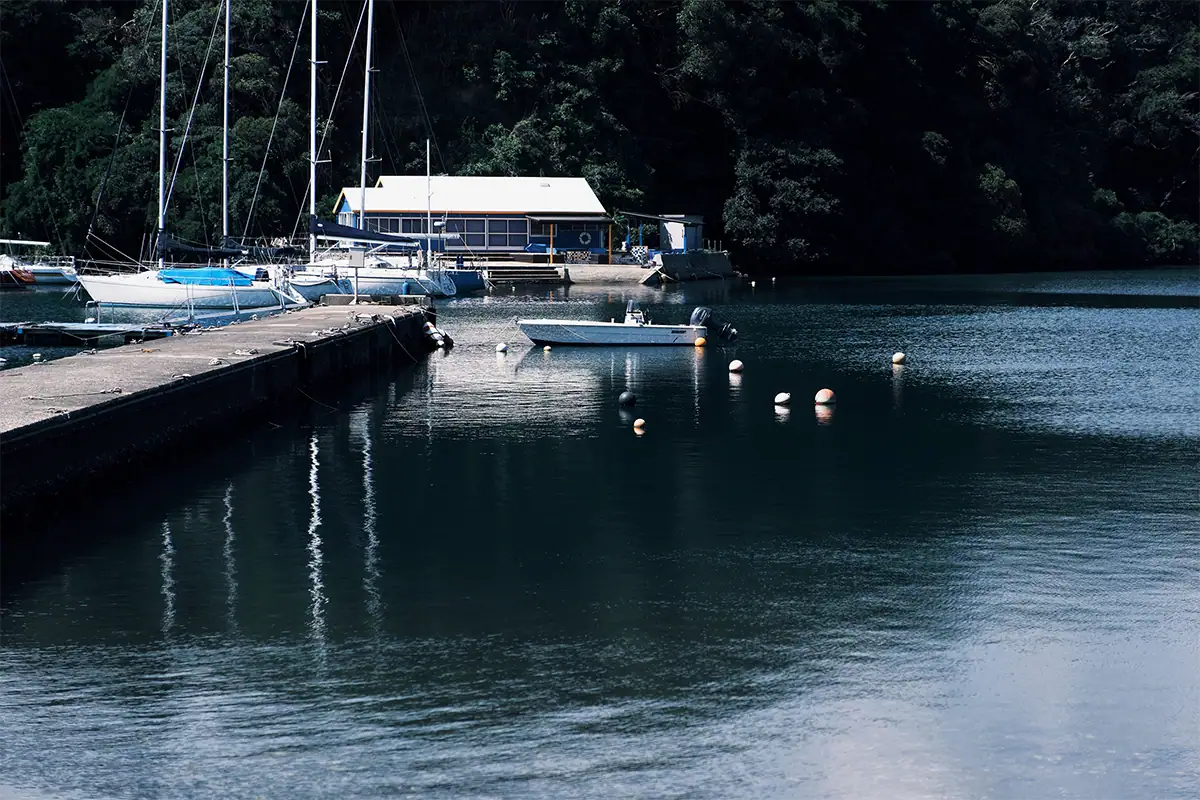
Pointing my lens toward a scene I spotted tucked away in a small fishing port, a refreshing breeze drifted past.
The wind rippled the water’s surface, adding texture and character to what had been a somewhat empty space. When you’re fully immersed in shooting and enjoying a world of your own, it feels as if the gods grant you a playful little reward.
I call it playful because a breeze like that never blows the same way twice.
Close Focusing for Unexpected Street Details

Just like when I shot the white corrugated metal wall earlier, “What’s the point of photographing this?” most might ask.
Even when on a mission to deliver results for a lens sample shoot, I can’t help but capture these intriguing little details.
Depending on the lens, close-up situations like this can make focusing difficult. However, the 16-50mm F2.8 features an MOD of 6” (0.15m) at the wide end and 11.5” (0.29m) at the telephoto end, allowing you to get close to your subject naturally throughout the entire zoom range.
Fine-Tuning Composition with the 16-50mm Zoom

These clouds were the final highlight of my day. While the angle of the sun was crucial to this scene, without these clouds, the view wouldn’t have moved me nearly as much.
When photographing clouds, slight shifts in balance and timing completely alter the mood. My focus here was to capture their fluffy, three-dimensional depth and rich texture.
Knowing that framing too wide would weaken that sense of presence, I carefully adjusted the angle of view using the zoom. Understanding how focal length affects angle of view and composition makes this kind of precise framing possible.
Monochrome Architecture: Light, Shadow, and Tonal Reproduction
Black-and-white photography strips away the distractions of color and places greater emphasis on light, shadow, form, texture, and tonal relationships—all qualities that become especially important when photographing architecture.
Black and white photography is an absolute essential for me. In fact, if I hadn’t discovered monochrome, I doubt I would have continued photography at all.
Because of that passion, I tend to get a bit overly enthusiastic about the topic but allow me to share a little. The 16-50mm F2.8 has the versatility and depth to make you want to dive into that world.
Monochrome transforms the scene before you into simple tones of black and white. It’s all about what light you capture and how you choose to express it, with tonal gradation at the core of that expression.
The degree of creative freedom you have over those tones is largely determined by the lens’s rendering capabilities. When a lens offers that level of headroom, the range of expression becomes virtually infinite.
Using Light to Define Architectural Form
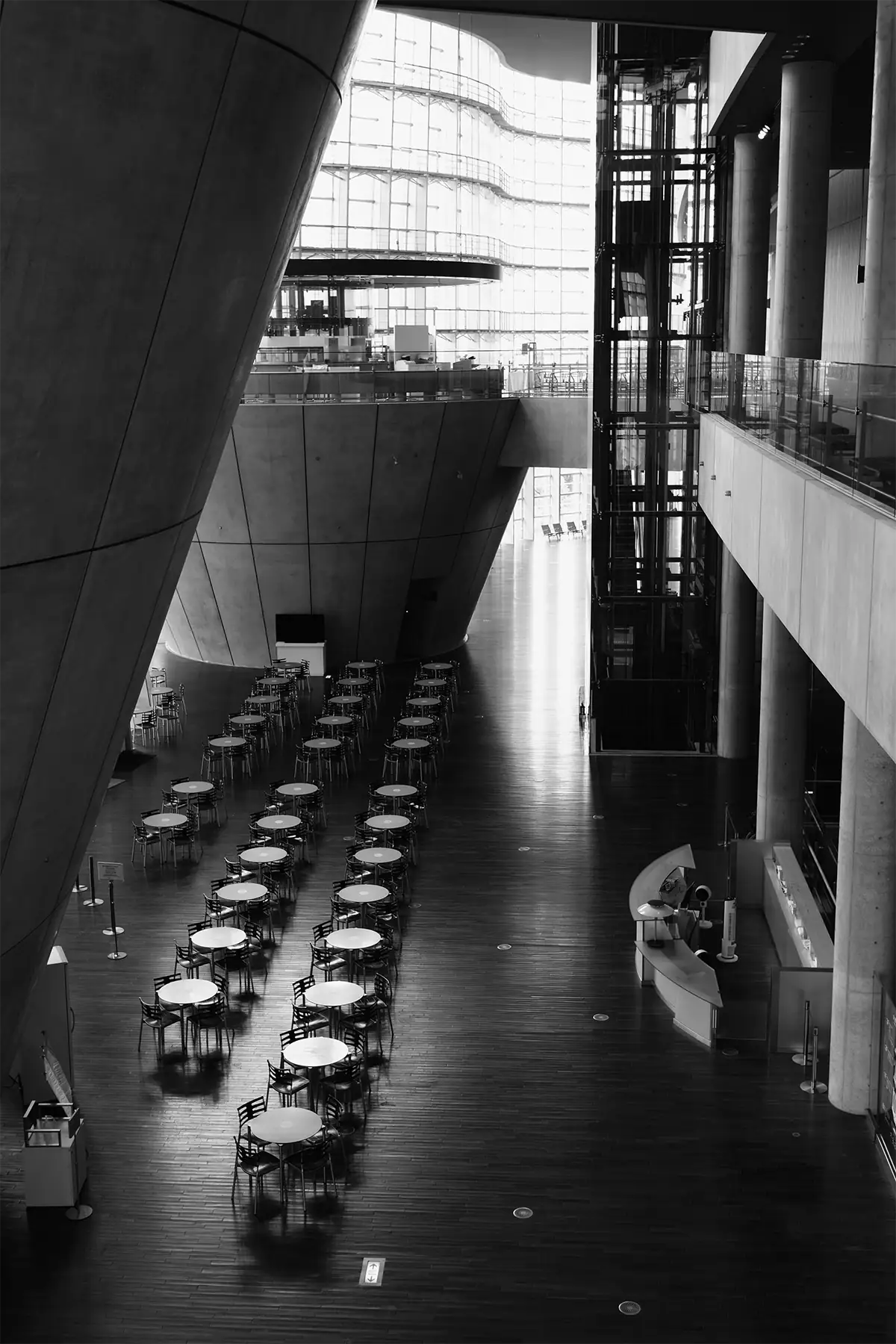
People often say monochrome is about light, shadow, and form, but for me, light is the foundation.
Because black and white removes color, it allows you to focus purely on the light. I choose my angle and exposure based on how I want to reproduce that light, which ultimately defines the impression of the shadows.
This shot was taken at The National Art Center, Tokyo, during a special session on a closed day. Thanks to having the completely empty space to myself, I was able to select the light and bring out the architectural forms.
Revealing Concrete Texture with the Quality of Light
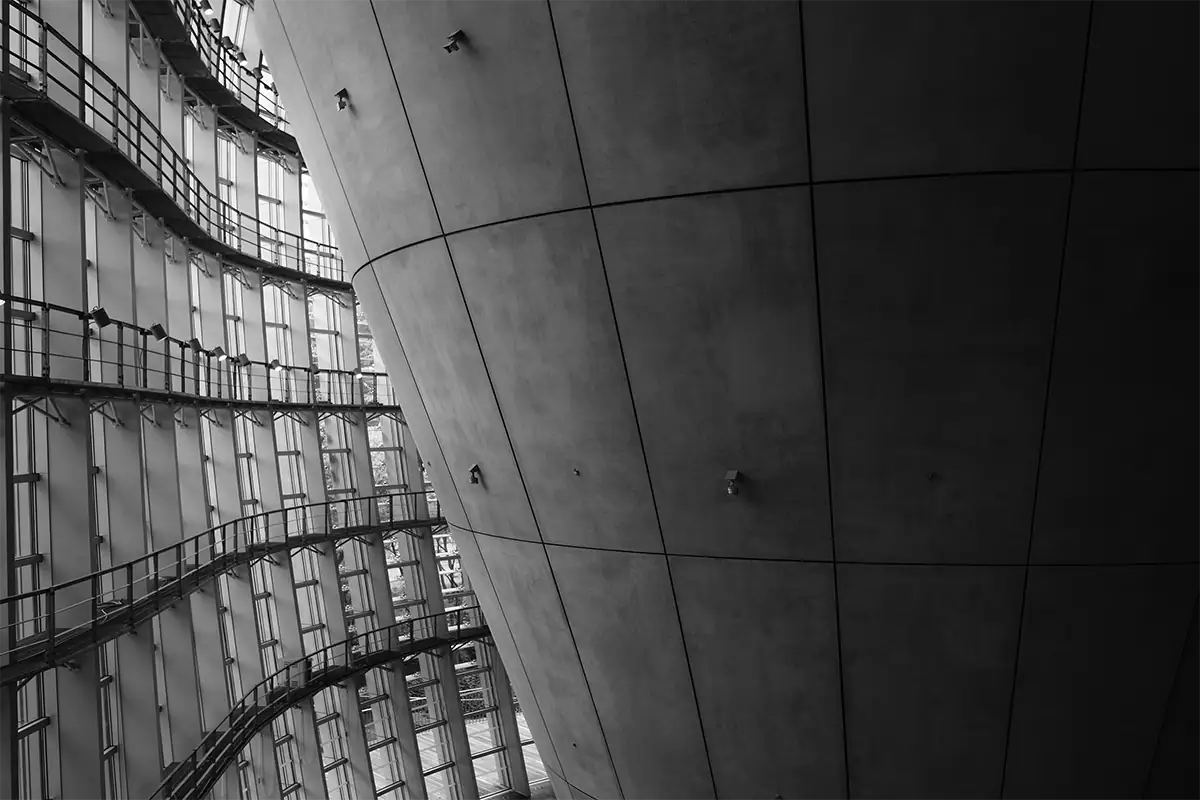
Have you ever heard the phrase “quality of light?” Broadly speaking, it comes down to hard (strong) or soft (gentle) light.
With digital monochrome, post-processing offers so much flexibility that you don’t need to get overly technical about it. On this day, the light breaking through the clouds offered a perfect blend of strength and softness that matched the location.
The soft light clearly revealed the concrete’s texture, while the deep, rich shadows created a convincing sense of depth.
These relationships among line, shape, texture, and light are also central to successful architectural photography.
Making Bold Exposure Choices in Black-and-White Architecture
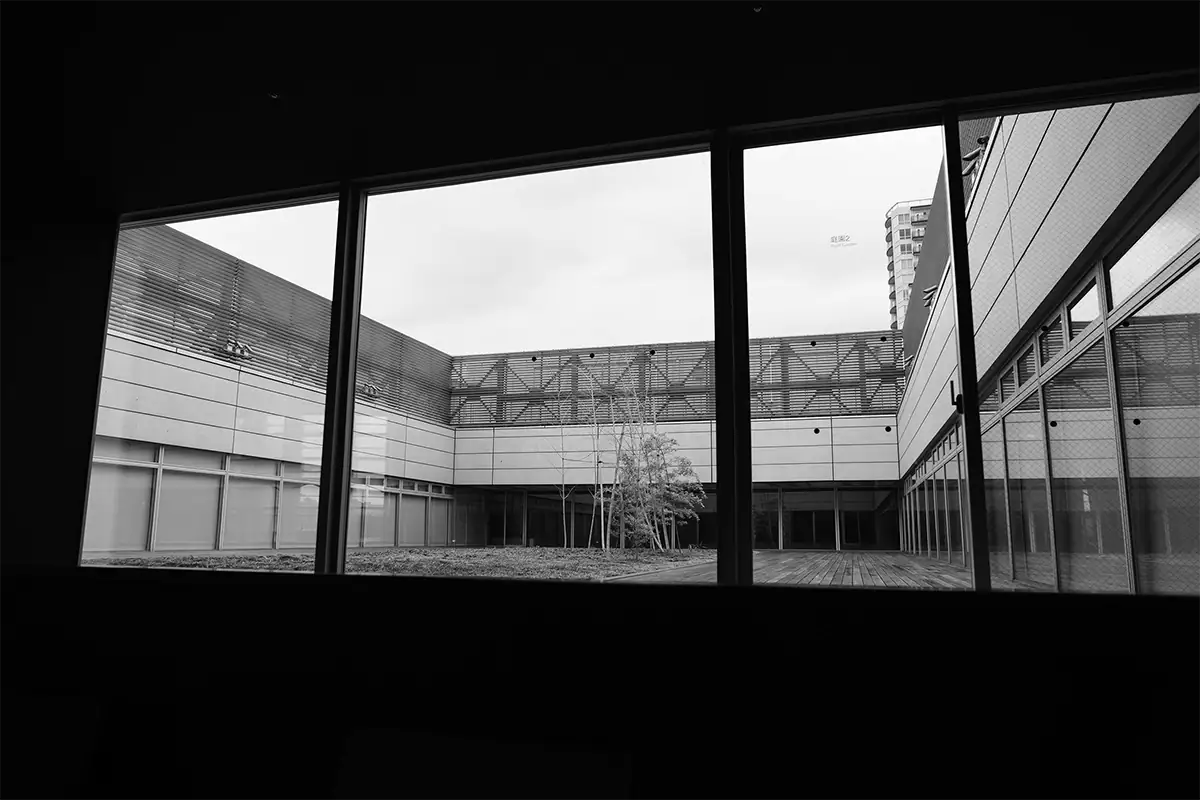
Simple, so you can be bold. For me, that phrase sums up the magic of black and white photography.
When shooting in color, you might hesitate over exposure to protect color accuracy, but monochrome lets you make bold choices without worry.
Here, I intentionally applied a -1.0 EV exposure compensation to darken the window frame. A -1.0 EV adjustment might not sound dramatic, but under these conditions—with a dark foreground against a brighter backdrop—it was a fairly bold decision.
Conclusion: Tamron 16-50mm F2.8 for Street and Architecture Photography — A Lens Offering Joy Beyond Specs
What brings you joy in photography? Everyone has a different answer, and it often changes depending on what you like to shoot.
For me, it’s about capturing those subtle, personal discoveries and preserving how I felt in the moment.
To notice those moments, you need to step out with your camera and immerse yourself in the process. That is where the 16-50mm F2.8 shines.
It offers an inspiring sense of excitement that can’t be captured on a specification sheet. While I hope this review gives you a glimpse into that experience, seeing is believing—the best way to understand is to try it for yourself.
Where to Buy Tamron Lenses
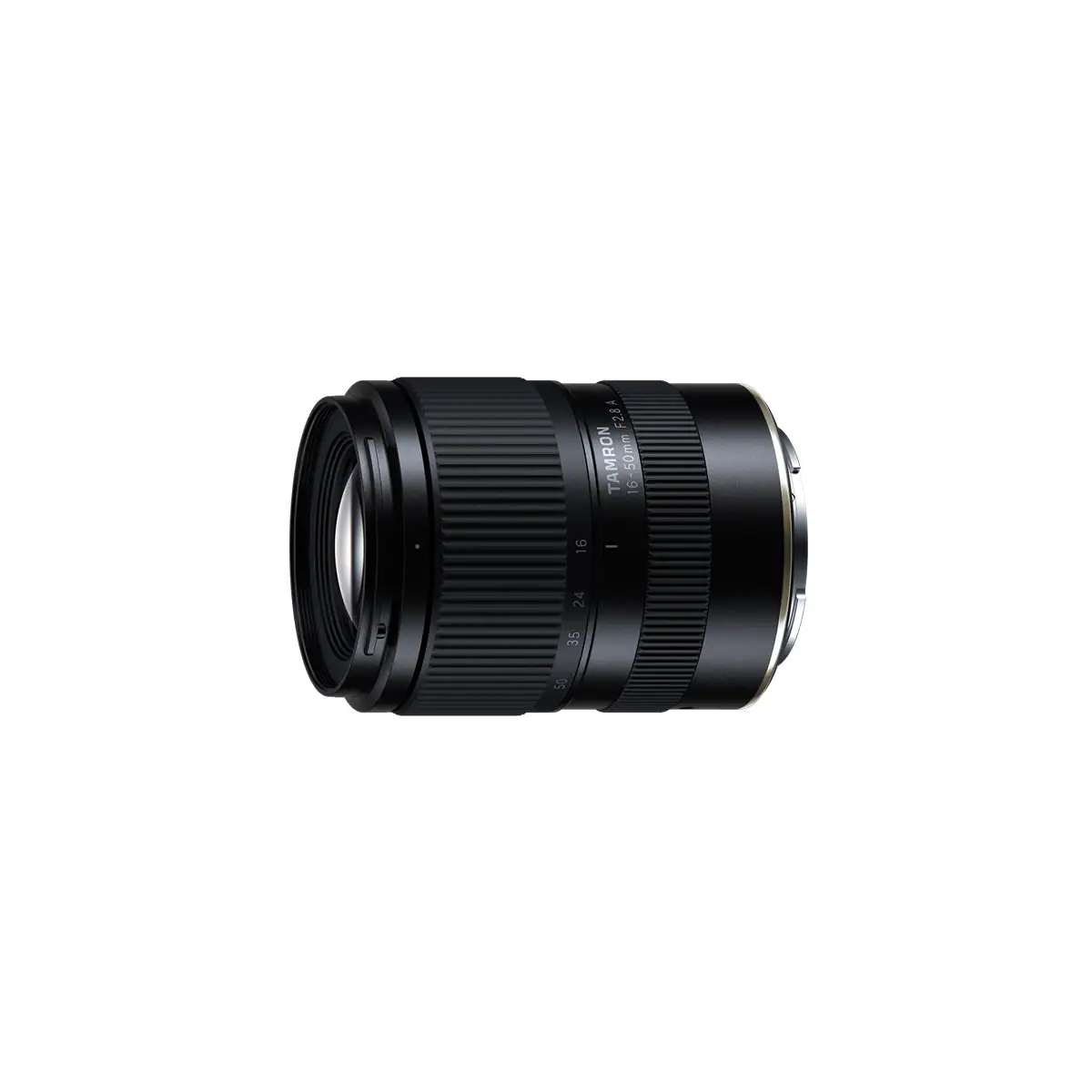
Learn more about the Tamron 16-50mm F2.8 A (Model B091) for FUJIFILM X, Sony E, Nikon Z, and Canon RF mounts, and more Tamron lenses at an authorized Tamron dealer near you or shop directly at the official TAMRON Store.
Frequently Asked Questions About the Tamron 16-50mm F2.8 for Street and Architecture Photography
Is the Tamron 16-50mm F2.8 good for street photography?
In this review, Keita Sasaki found the lens’s lightweight design, smooth zoom operation, and fast, precise autofocus especially useful for everyday street photography. Its compact handling encouraged him to carry the camera more often and respond quickly when unexpected subjects, light, or fleeting moments appeared. For more ideas on photographing candid urban scenes, explore these street photography tips.
Is the Tamron 16-50mm F2.8 good for architecture photography?
Sasaki used the 16-50mm F2.8 to photograph modern interiors, urban structures, and architectural details in both color and monochrome. He found that the lens reproduced fine structural detail, texture, tonal gradation, and architectural forms even when shooting wide open at F2.8. Learn more about composition and technique in our guide to architectural photography.
Can you shoot architecture at F2.8?
Yes. Sasaki intentionally photographed an architectural scene at 16mm and F2.8 to evaluate the lens wide open. He found strong fine-detail reproduction and minimal peripheral light fall-off in the resulting image.
Is the Tamron 16-50mm F2.8 lightweight enough for everyday street photography?
The lens weighs 305g (10.8oz). Sasaki describes its lightweight, compact construction as one of its greatest strengths and found that the portability encouraged him to venture out and photograph more often. Its range also gives photographers the framing flexibility associated with a compact standard zoom lens.
How does the Tamron 16-50mm F2.8 autofocus perform for street photography?
Sasaki found the autofocus fast and precise. During the review, it locked onto a moving figure against dense foliage and responded reliably when he photographed rapidly changing patterns on water—situations where hesitant autofocus could easily interrupt the shooting rhythm.
How close can the Tamron 16-50mm F2.8 focus?
The lens has a minimum object distance of 6” (0.15m) at the wide end and 11.5” (0.29m) at the telephoto end. Sasaki found that this allowed him to naturally move in close when small, unexpected subjects caught his attention.
Is the Tamron 16-50mm F2.8 good for black-and-white photography?
Sasaki, for whom monochrome photography is central to his work, found the lens well suited to expressing light, shadow, form, texture, and tonal gradation. His architectural examples demonstrate how monochrome can emphasize geometry and subtle differences in light without relying on color. For additional techniques, see our guide to high-contrast black-and-white photography.
Can the Tamron 16-50mm F2.8 be used in light rain?
During the review, Sasaki photographed rain-wet hydrangeas and specifically noted the lens’s Moisture-Resistant Construction and Fluorine Coating. He still protected the camera and lens with a towel as much as possible while shooting.