 Instant Savings
 Rebate Claims
 Support
 Find a Dealer
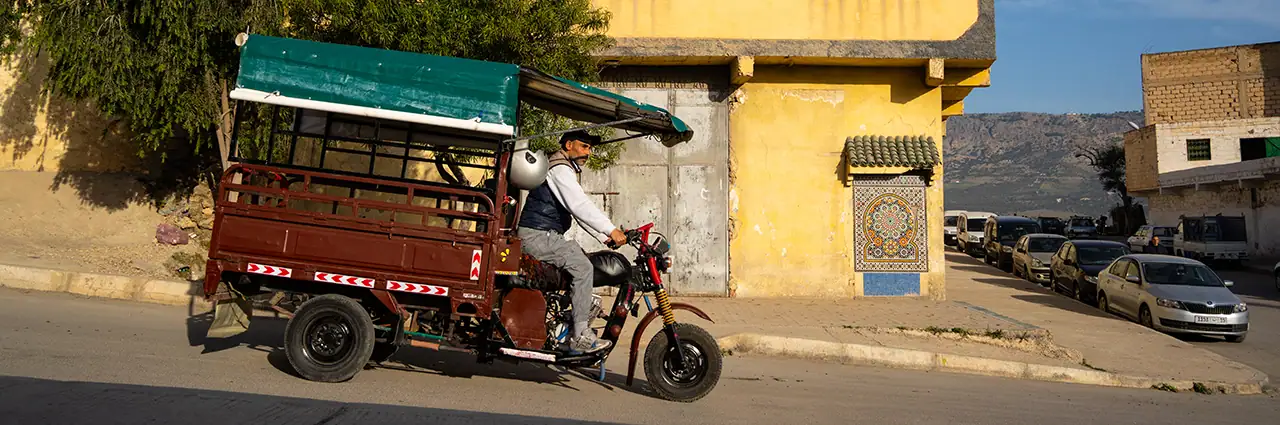
When you’re walking through the city, have you ever seen a moment so striking you wished you had your camera ready? That’s the magic of street photography—capturing spontaneous moments of everyday life. This guide explains what street photography is, how it differs from portraiture, key techniques, and the best lenses and cameras to use.
What You’ll Learn In This Article:
- What defines street photography and how it captures real life
- The key differences between street photography and portraits
- The best lenses and cameras for street photography
- Pro tips to improve your composition and timing
- Essential photography etiquette for shooting in public spaces
What is Street Photography?
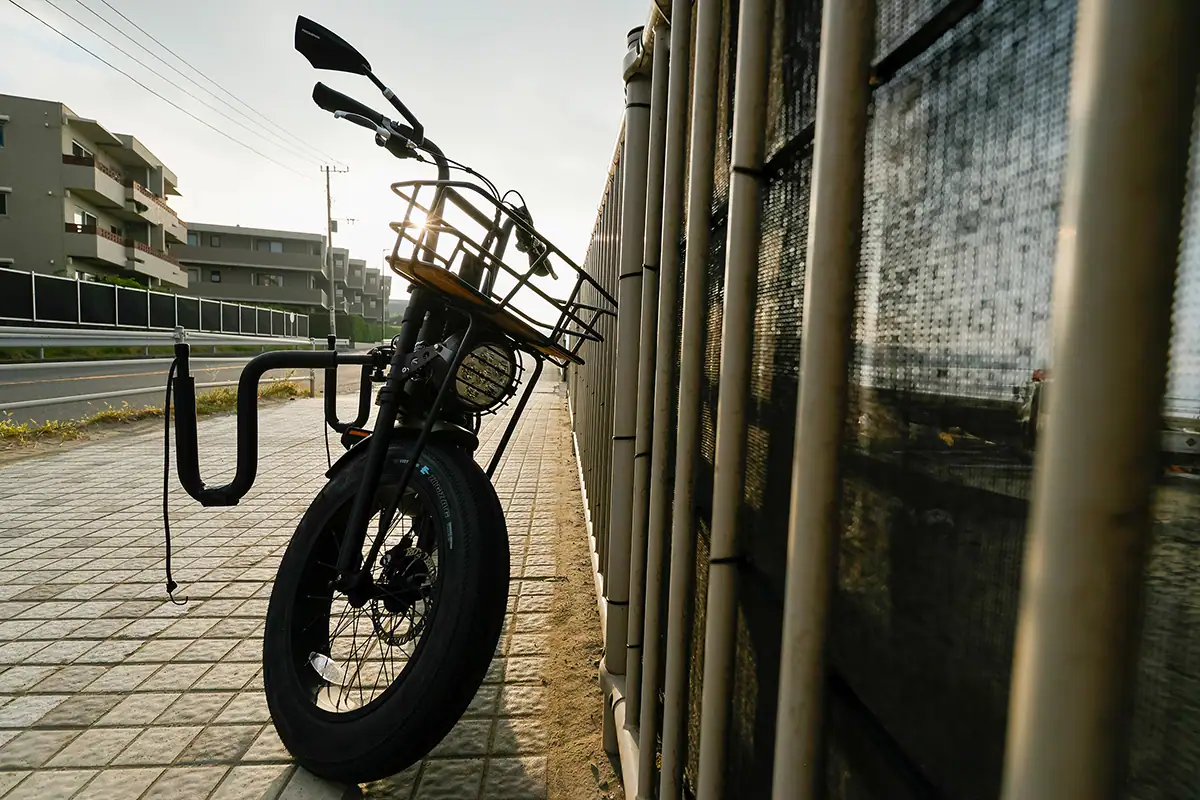
Street photography is about documenting life as it unfolds—people, buildings, light, and emotion in public places. Unlike studio or posed portraits, these photos are captured in real time without staging. Success in this genre depends on observation, anticipation, and intuition.
Pro Tip: Before lifting your camera, spend a few minutes simply watching the flow of people, light, and patterns. The best photos often appear to those who wait.
How Street Photography Differs from Portraits
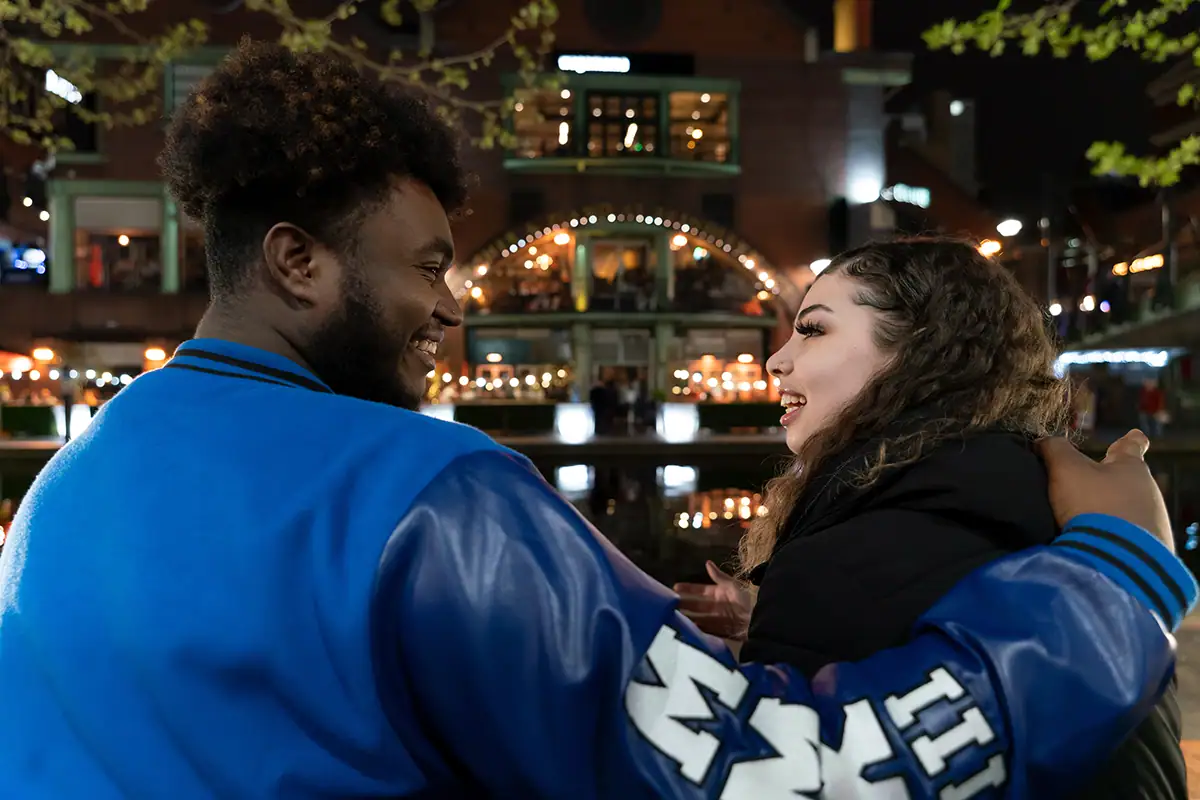
Portraits are planned; street photography is spontaneous.
In portraits, photographers collaborate with a model, decide on poses and lighting, and often control every detail. Street photographers, by contrast, respond to the moment—capturing people naturally as they move through the city.
Pro Tip: If photographing people up close, respect privacy laws and ask permission before posting recognizable faces. Ethical practice builds trust in your work.
Popular Subjects in Street Photography
Street photography offers endless subjects. Here are some ideas to start with and examples of street photos:
Street Corners and Cityscapes
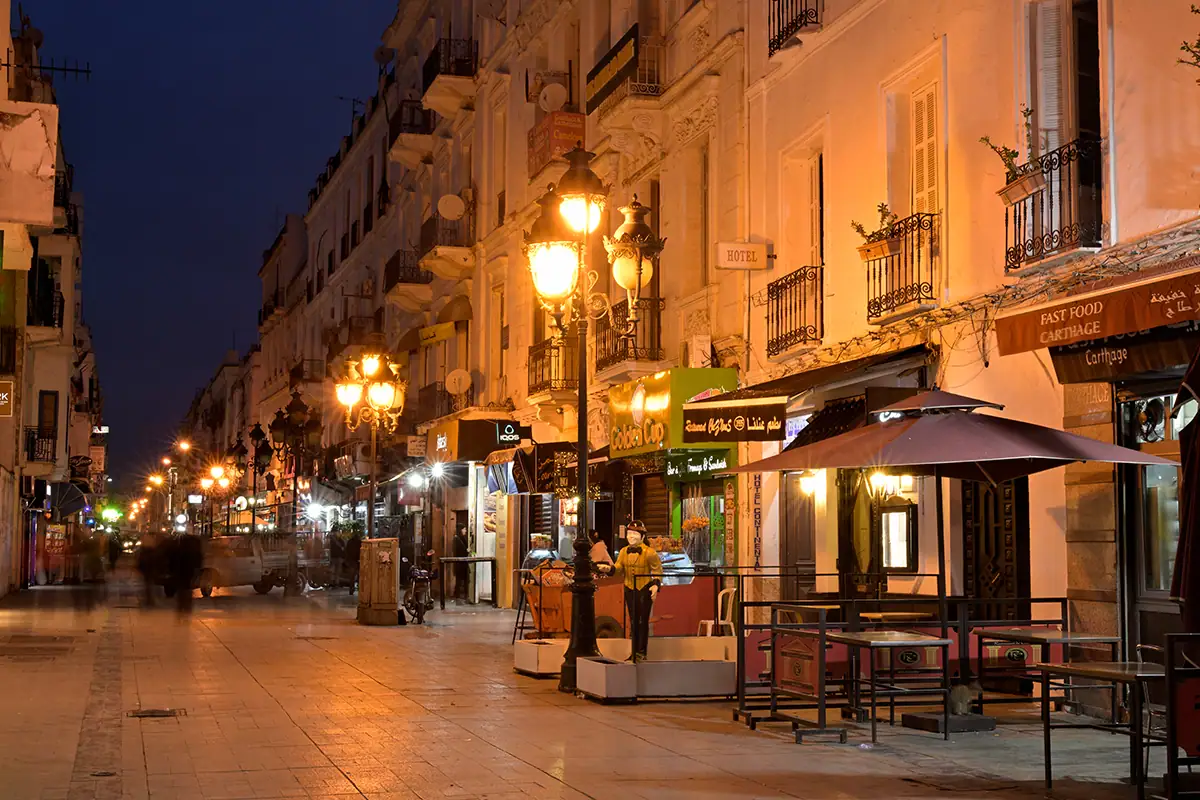
Focus on perspective, geometry, and light. Photograph at different times of day to capture changing tones and shadows. Reflections in puddles or glass can add a creative twist.
People and Portraits
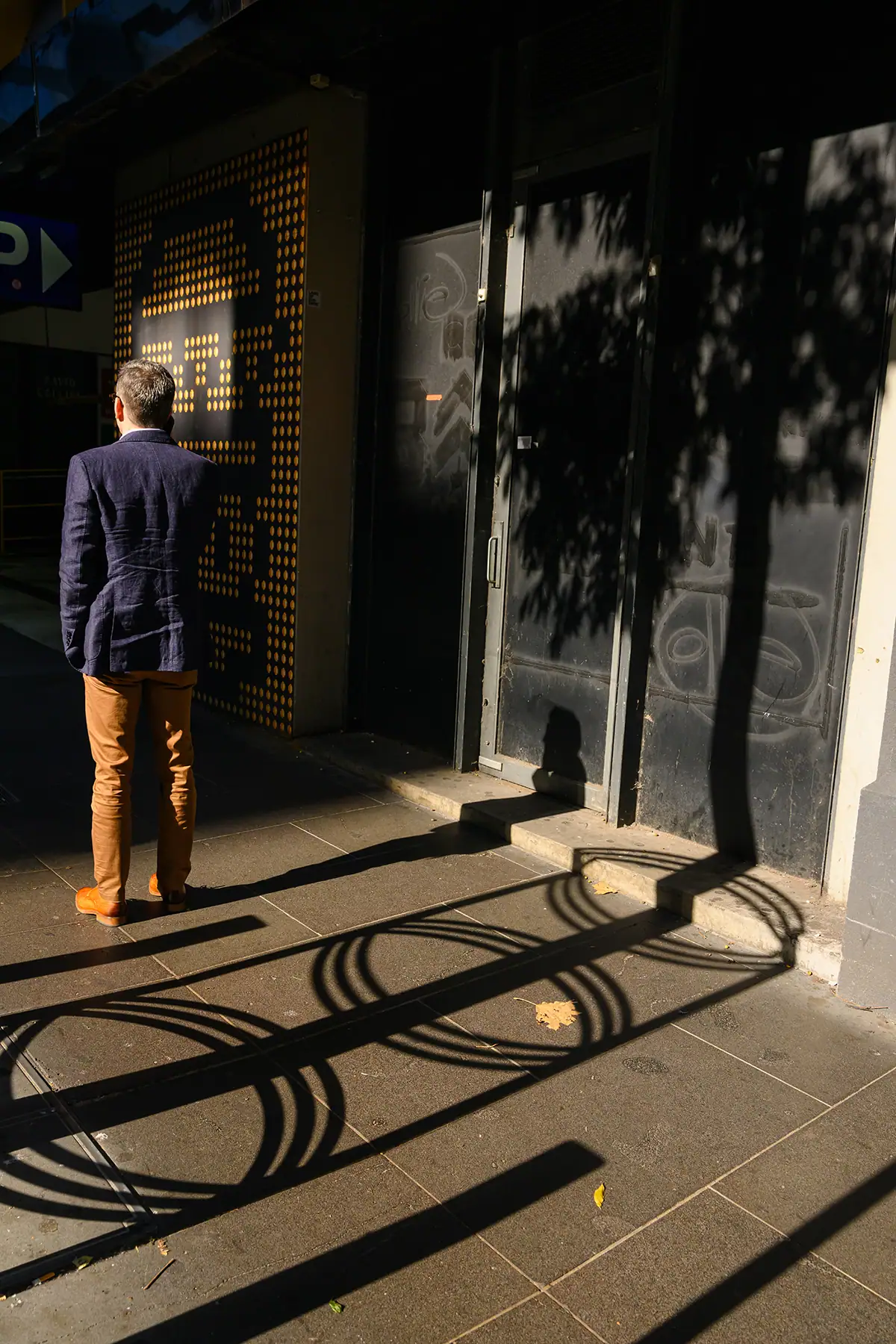
Capture people as they are—walking, waiting, laughing. Use a telephoto lens for street photography to maintain distance while preserving natural expressions.
Fashion on the Streets

Urban style and individuality make for compelling images. Highlight accessories, colors, and posture. Include architecture to add a sense of place and culture.
Architecture and Structures
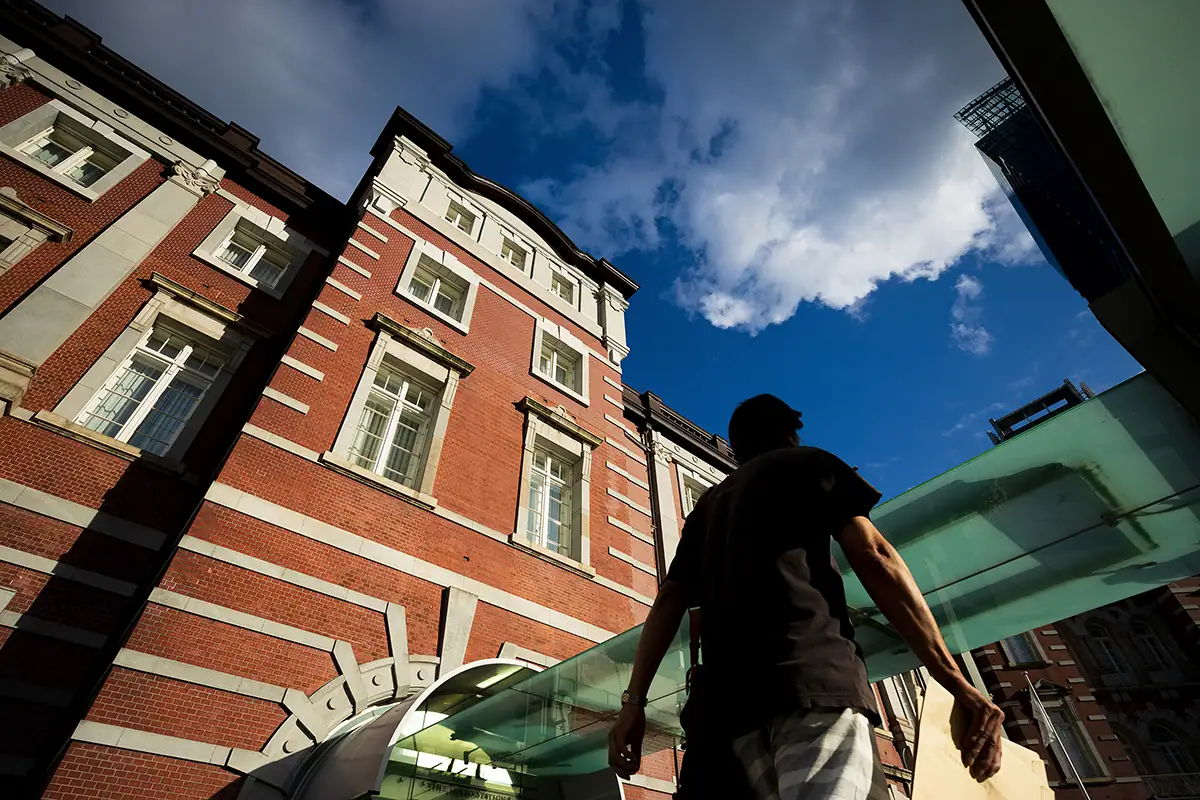
A wide-angle lens emphasizes lines and height. Experiment with low or high angles to reveal patterns and symmetry.
Vehicles and Motion
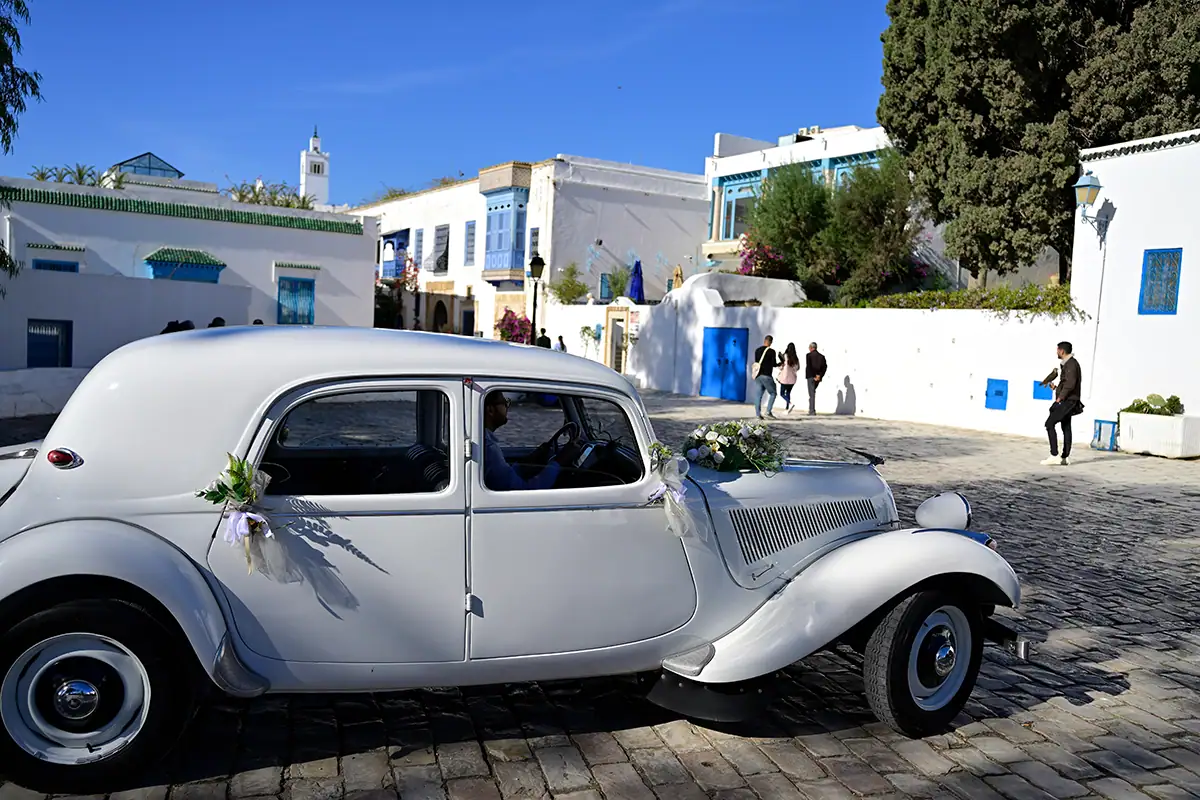
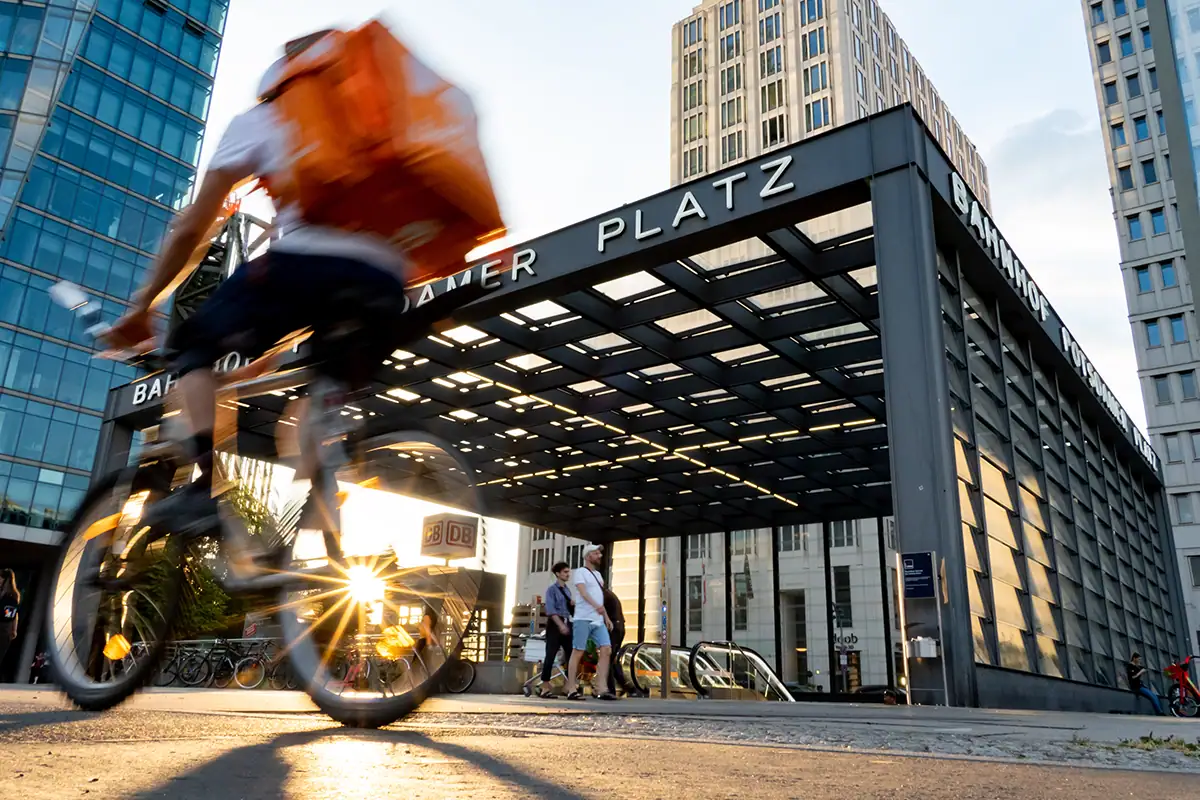
Moving cars, bikes, and buses add energy to your street scenes. Try panning with a slower shutter speed (around 1/60 sec) for a dynamic blur effect.
Top Tips For Better Street Photos
Here’s how to elevate your street photography from casual snapshots to gallery-worthy shots:
TIP 1: Observe before Shooting
Train your eye to see. Watch how light interacts with buildings or how crowds form at intersections. Observation sharpens intuition and timing.
TIP 2: Anticipate the Moment
The “decisive moment” defines street photography. Predict movement—wait for someone to step into the light or turn a corner. Being patient often pays off.
TIP 3: Frame with Intention
Use compositional rules like the rule of thirds or symmetry—but don’t be afraid to break them. Street photography thrives on creativity and imperfection.
TIP 4: Keep Your Camera Ready
Set exposure and ISO in advance so you can shoot instantly. Hang your camera around your neck or keep it in hand. Moments won’t wait.
TIP 5: Change Angles Often
Shoot from a low angle for drama or from above for storytelling. Move around your subject to find unusual perspectives that surprise the viewer.
TIP 6: Master Light and Shadow
Contrast creates mood. Use strong light and deep shadow for striking compositions. Adjust exposure compensation to maintain detail.
TIP 7: Fine-Tune Exposure Settings
- Mode: Aperture priority for background blur; shutter priority for motion.
- Aperture: f/8–f/11 for crisp landscapes; f/2.8–f/4 for blurred backgrounds.
- Shutter speed: 1/250 sec+ for motion freeze; 1/60 sec for panning.
- ISO: 100–400 in daylight; up to 3200 in dim light.
- White balance: Auto works well but try “sunny” for warmth or “tungsten” for cool city tones.
Pro Tip: Shoot in RAW+JPEG to easily adjust white balance and exposure during editing.
How to Choose the Best Lenses for Street Photography
Your lens defines your style. The best lens for street photography balances portability, image quality, and versatility.
Lightweight and Compact
You’ll walk for hours while shooting, so comfort matters. A compact mirrorless camera and lens combo is ideal for city streets.
Focal Lengths to Know
The focal length of a lens is directly related to the angle of view, so choose a lens with an appropriate focal length according to the image you want to capture.
- Wide-angle (≤35mm): Great for capturing full scenes and context.
- Standard (50mm): Mimics natural human vision—perfect for candid shots.
- Telephoto (≥85mm): Allows distant, discreet portraits with beautiful compression.
Aperture
A fast aperture (f/2.8 or lower) lets you shoot in low light and achieve creamy bokeh.
Sharpness and Resolution
Look for lenses that render fine details—textures, reflections, facial expressions. This sharpness enhances realism and depth.
Autofocus Speed
Quick, accurate AF ensures you never miss fleeting expressions. If your camera for street photography supports subject tracking, enable it.
Image Stabilization
In-lens stabilization keeps handheld shots sharp, especially in dim environments or when using telephoto lenses.
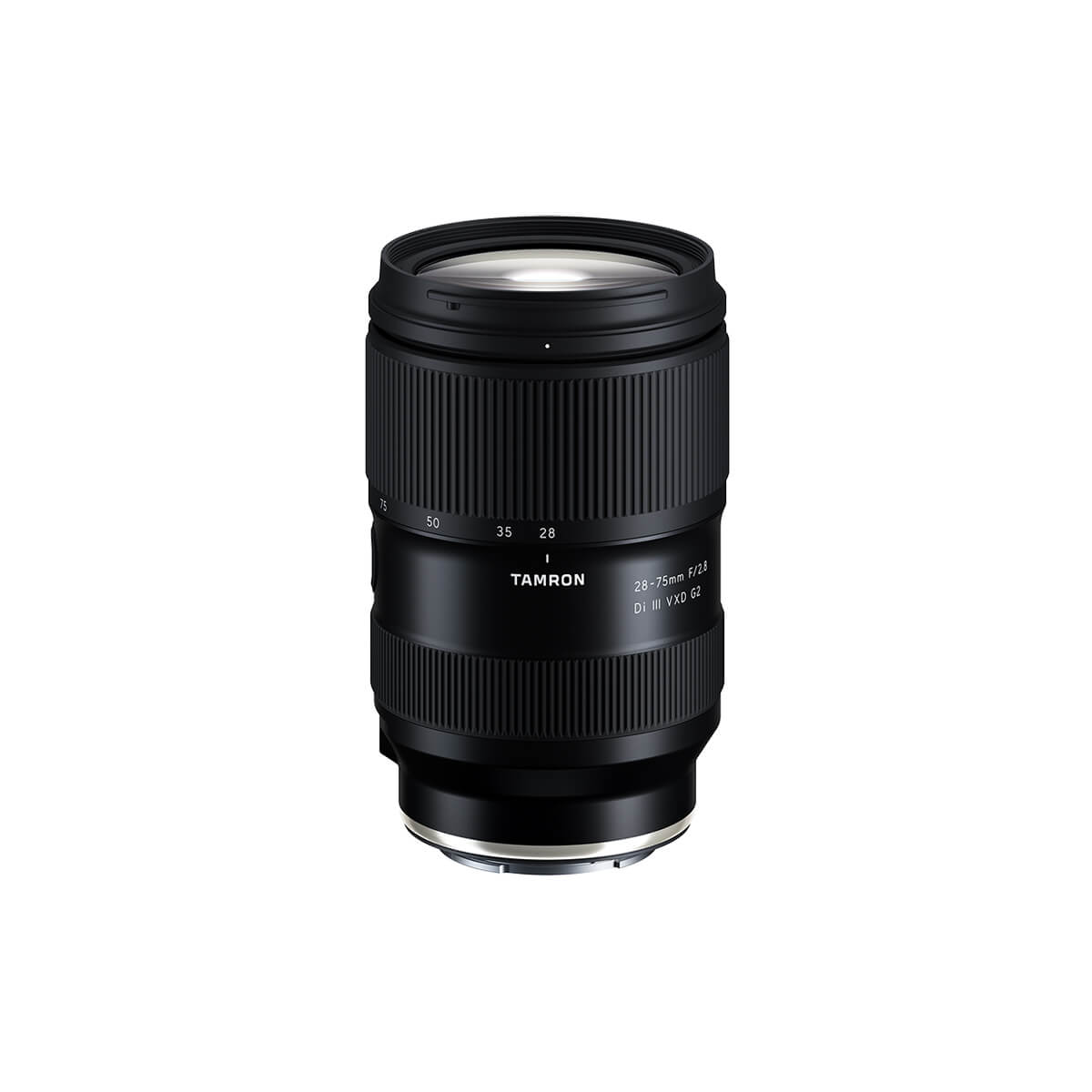
Pro Tip: TAMRON’s lightweight f/2.8 zooms like the 20–40mm or 28–75mm G2 offer versatility and sharpness perfect for travel and urban exploration.
Street Photography Etiquette and Ethics
Responsible street photographers balance creativity with respect.
Follow these guidelines to stay professional:
- Avoid photographing sensitive subjects (children, private property) without consent.
- Ask permission before posting identifiable portraits.
- Respect local laws and cultural norms when shooting abroad.
- Be discreet—blend in rather than intrude.
- Always show kindness if someone declines a photo.
Pro Tip: Carry small prints or business cards to share your work—it helps build positive connections in the community.
Final Thoughts: Observation Is Everything
Great street photography starts not with pressing the shutter but with noticing the world around you. Walk with curiosity. Wait for light, rhythm, and emotion to align—and be ready when they do.
As you explore city life through your lens, remember: every photo tells a story about where you are and who you are.
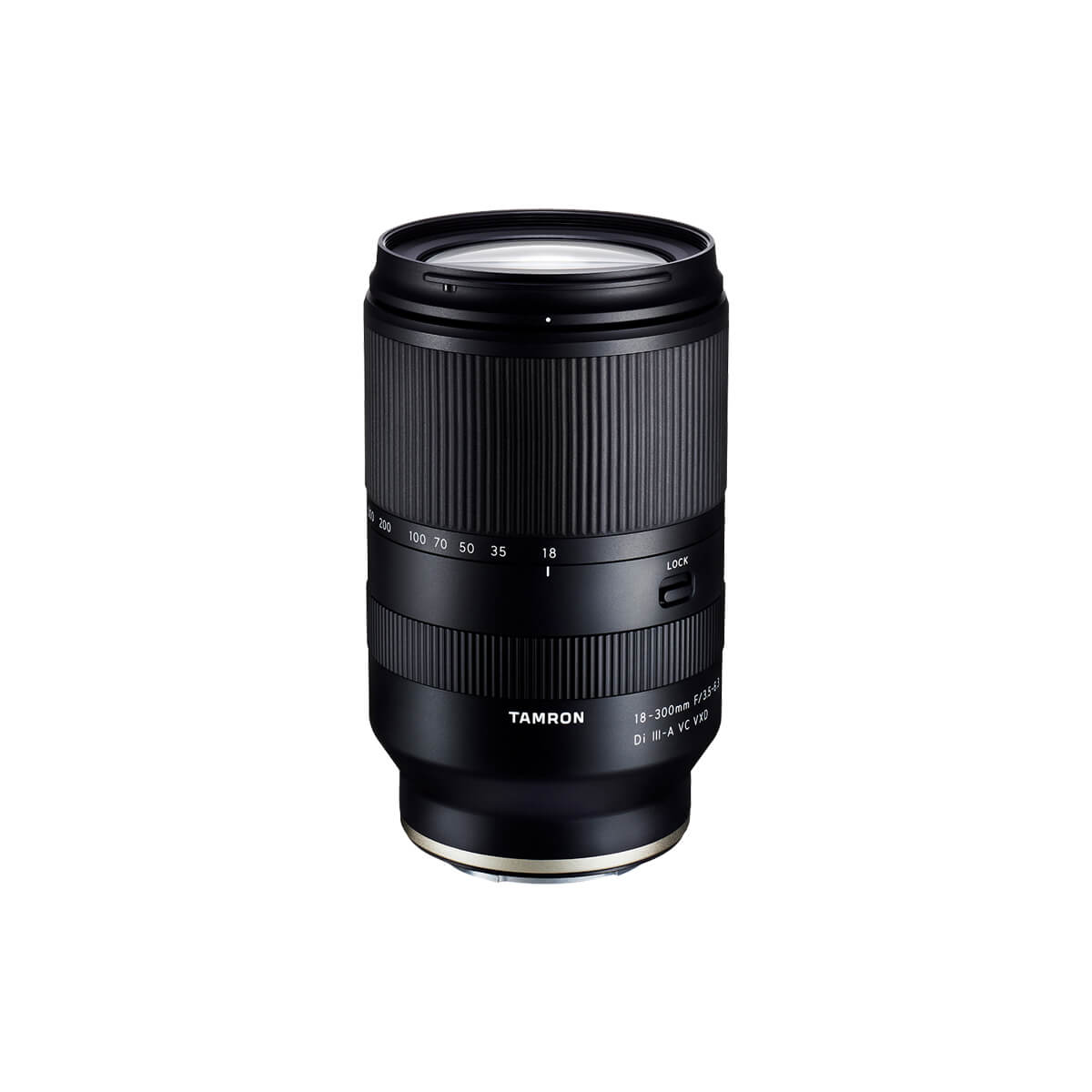
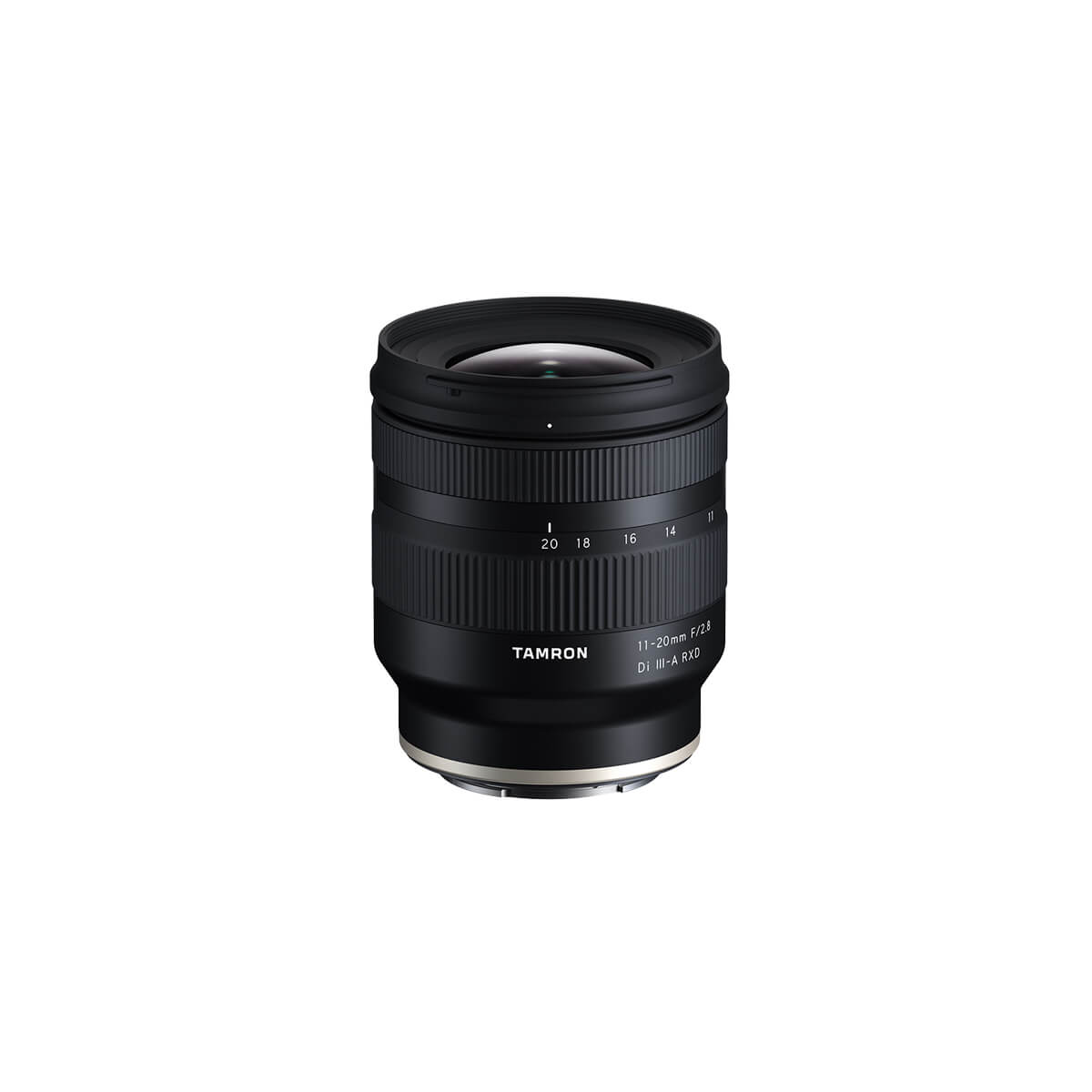
To elevate your results, explore TAMRON’s street-friendly fast-aperture zooms—the perfect companions for street photographers on the move.
Shop at your local authorized Tamron dealer or visit the official TAMRON Store to find the right gear for your next shoot.
Frequently Asked Questions About Street Photography
1. What is street photography?
Street photography is the art of capturing everyday life in public places—people, architecture, and spontaneous moments. Unlike posed portraits, it focuses on candid, unplanned scenes that reflect real human stories.
2. What camera settings are best for street photography?
Use Aperture Priority mode with settings like f/5.6–f/8, 1/250 sec shutter speed, and ISO 200–800 for most conditions. These settings give a sharp image with enough depth of field to capture movement and context.
3. What is the best lens for street photography?
A 35mm or 50mm lens is ideal for street photography because it offers a natural perspective. If you prefer versatility, a zoom lens like the TAMRON 28–75mm F2.8 G2 gives both wide and tight compositions without changing lenses.
4. How do I take candid street photos without being intrusive?
Blend into your environment—move slowly, observe, and use a quiet shutter. A compact mirrorless camera or telephoto lens allows you to capture moments from a distance while respecting privacy.
5. What’s the difference between street photography and portrait photography?
Portraits are typically planned with a model, lighting, and poses. Street photography, on the other hand, is spontaneous and captures real people and environments in the moment—no staging or direction involved.
6. Is street photography legal?
In most public spaces, taking photos of people or places is legal, but always check local laws and photography etiquette. Avoid publishing identifiable faces without consent, especially in commercial contexts.
7. How can I improve my street photography composition?
Look for leading lines, reflections, and light-and-shadow contrast. Use the rule of thirds and vary your shooting angles. Practice observing before shooting—great composition often starts with patience.
8. What’s the best camera for street photography?
Lightweight, fast-focusing cameras work best. Mirrorless cameras like Sony, Fujifilm, and Nikon Z series offer silent shutters, compact size, and excellent autofocus—perfect for capturing fleeting street moments.
 English
  Spanish
  French
  Portuguese