 Instant Savings
 Rebate Claims
 Support
 Find a Dealer
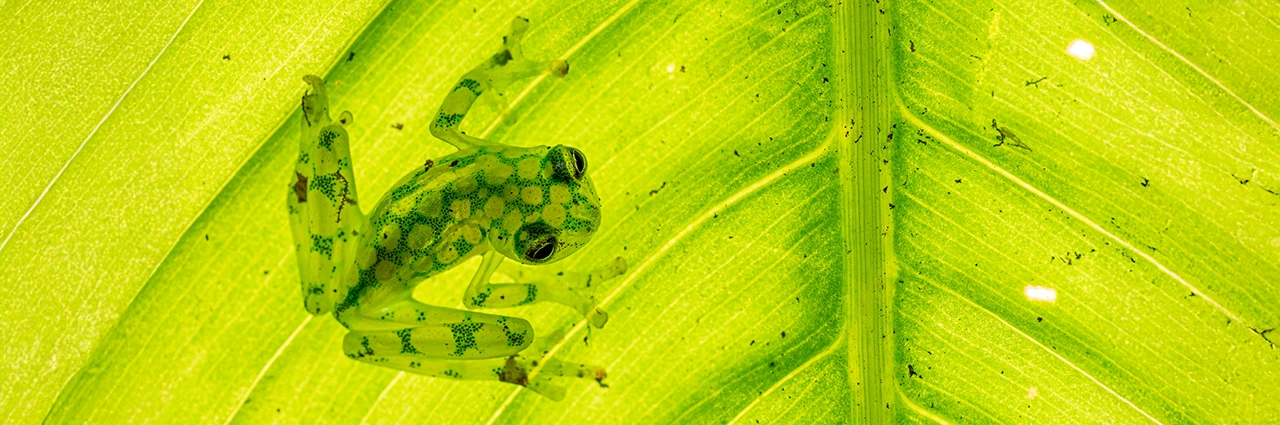
Costa Rica’s rainforest rewards photographers who slow down. For guest contributor Alyce Bender, rainforest photography in Costa Rica is less about dramatic encounters and more about noticing the smallest details—where frogs cling to rain-soaked leaves, insects disappear into layers of green, and subtle textures quietly reveal the health of an entire ecosystem.
Through macro rainforest photography, Bender documents Costa Rica’s extraordinary biodiversity responsibly while supporting conservation-driven ecotourism and the local communities that protect these environments. Using the Tamron 90mm Macro as her primary lens, she photographs frogs, insects, and vibrant rainforest flora up close—without disturbing the subjects or the habitats they depend on.
By Tamron Ambassador Alyce Bender
What You’ll Learn In This Article:
- The macro photography gear essentials used for rainforest photography in Costa Rica
- Ideal locations for photographing rainforest macro subjects
- Camera settings that work reliably in humid, low-light environments
- Ethical techniques for photographing frogs, insects, and plants up close
- How responsible ecotourism supports conservation and local communities
TIP 1: Choose Macro Gear That Balances Precision, Portability, and Respect
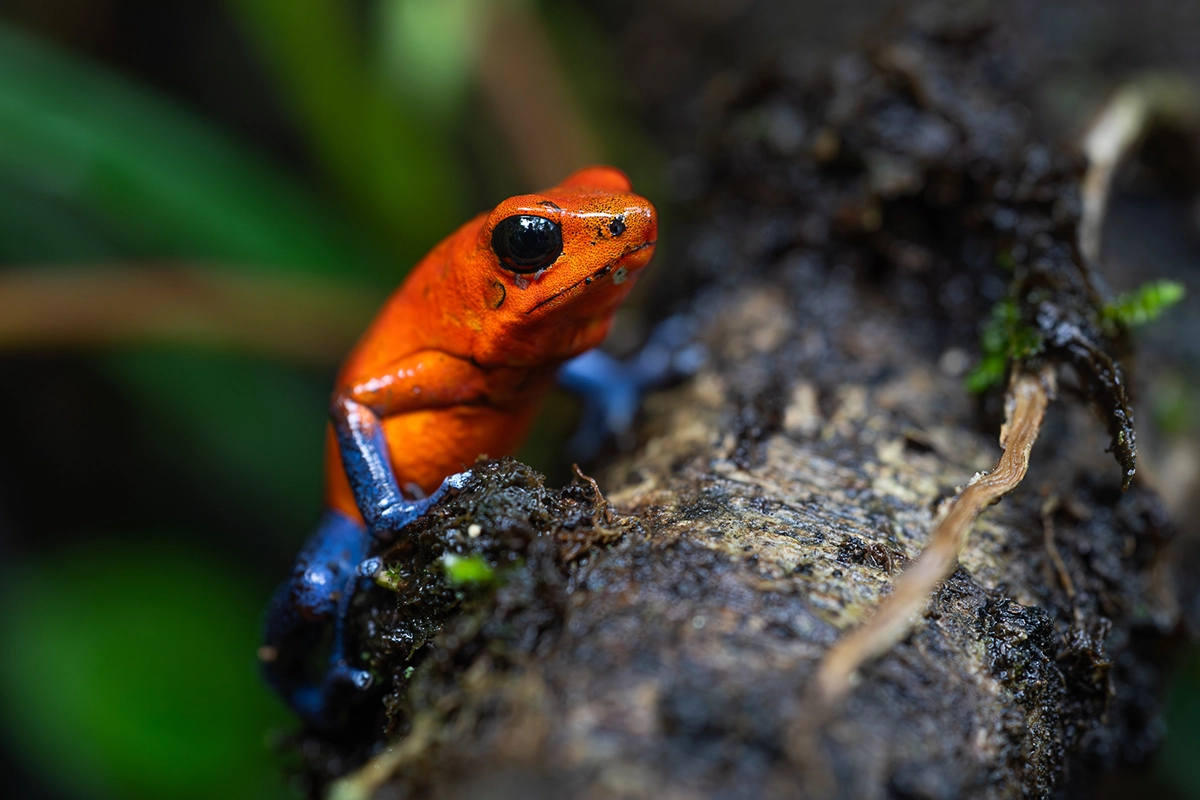
Rainforest environments demand gear that works with me, not against me. Long days in heat and humidity make weight, balance, and flexibility just as important as image quality—especially when working in dense jungle photography conditions.
My rainforest macro gear priorities focus on:
- Lightweight equipment that reduces fatigue in the field
- Optics that deliver sharp detail with pleasing background blur
- Simple, flexible lighting that enhances rather than overpowers the scene
My Lens Choice:
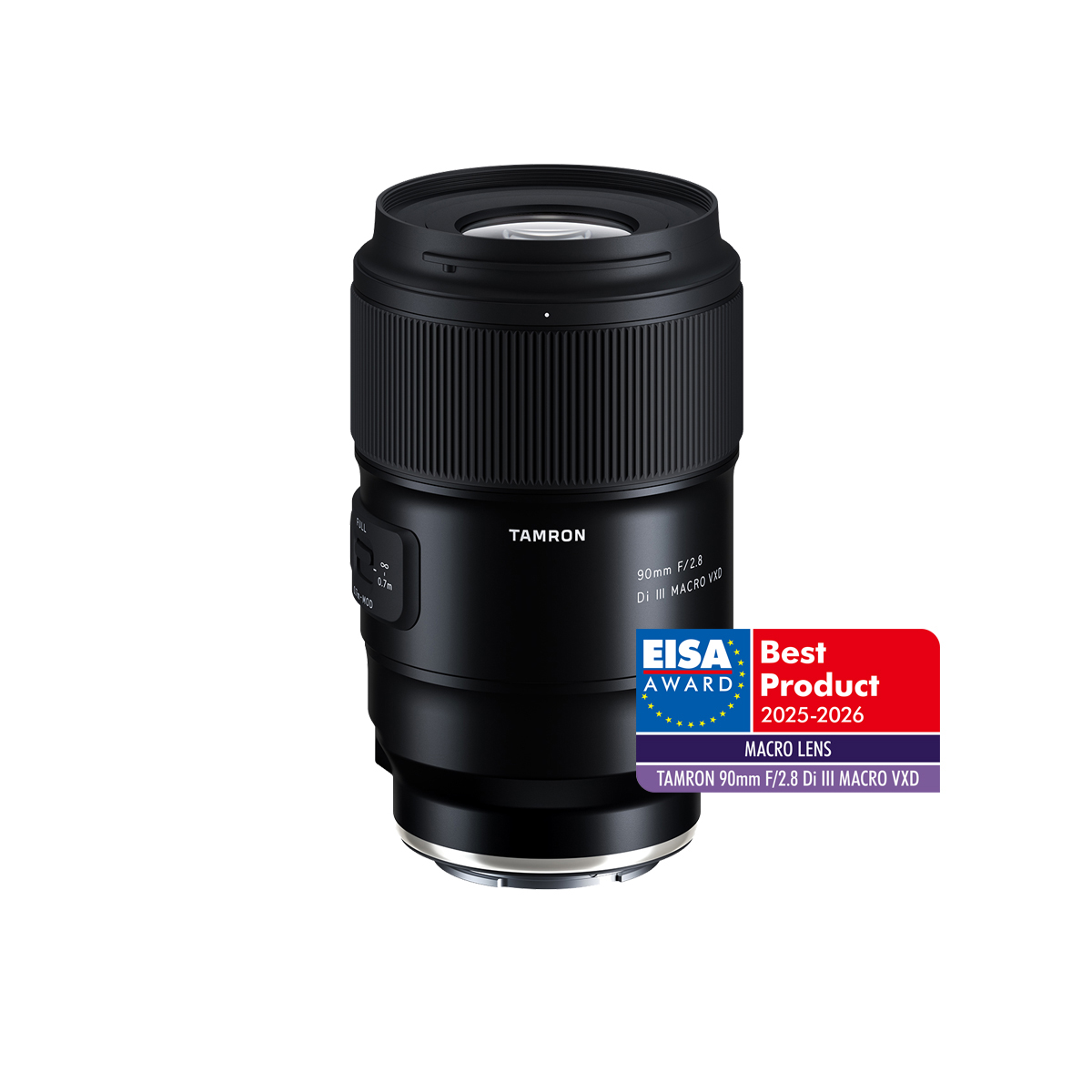
The Tamron 90mm F/2.8 Di III VXD 1:1 Macro is the foundation of my rainforest macro kit because it’s lightweight, comfortable to handhold for extended periods, and produces beautifully smooth bokeh that helps isolate small subjects in visually dense environments. That background separation is critical in the rainforest, where layers of foliage can easily overwhelm a composition.
Just as important, the working distance of this lens allows me to photograph sensitive subjects—like frogs and insects—without crowding them. That distance supports ethical field practices while still delivering the fine detail macro photography demands.
My Lighting:
For lighting, I keep things minimal and unobtrusive. I often carry a small rechargeable LED panel, such as the Godox M1, which is compact enough to slip into a pocket. I use it selectively for:
- Gentle fill light during the day in deep shade
- Controlled, low-impact illumination for night photography
- Avoiding harsh flash when photographing sensitive subjects
Macro photography in Costa Rica’s rainforest isn’t about carrying more gear—it’s about choosing tools that let me move slowly, work ethically, and stay present with the subject.
Why the Tamron 90mm Macro Is Ideal for Rainforest Photography
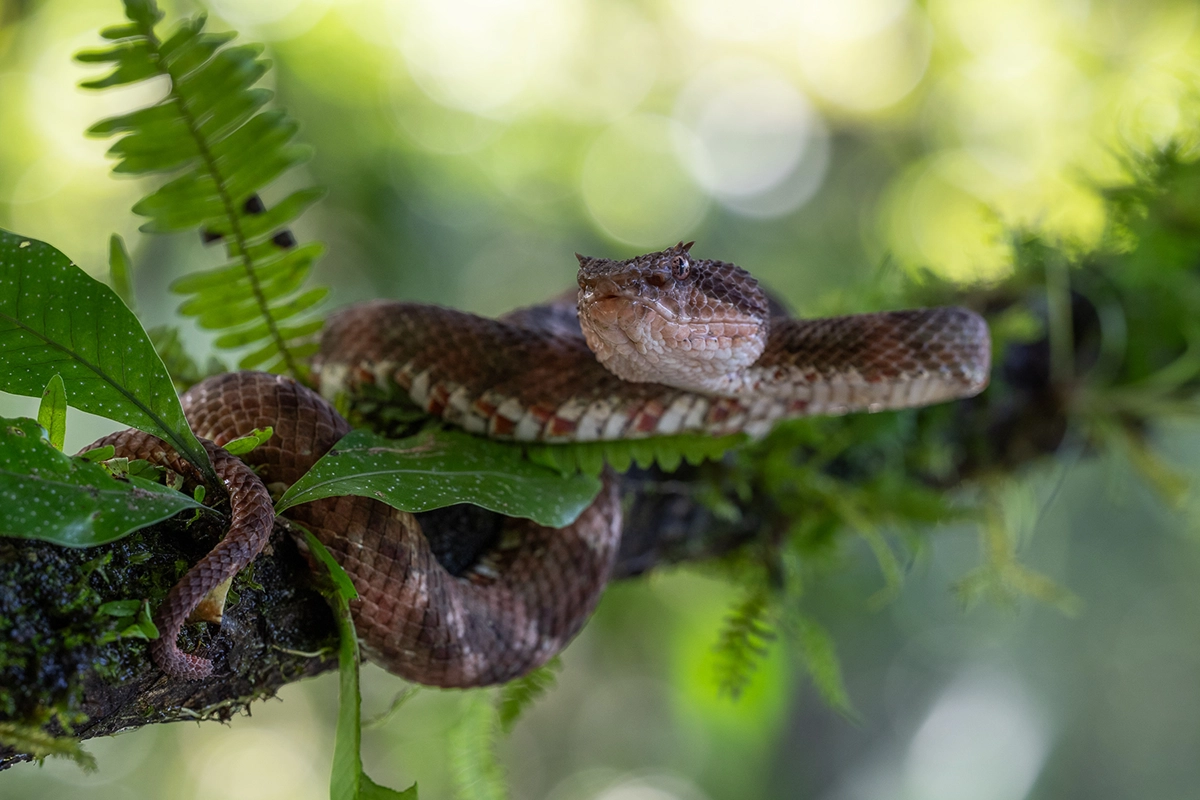
When it comes to macro rainforest photography in Costa Rica, the lens choice matters as much as technique. The Tamron 90mm F/2.8 Di III VXD 1:1 Macro stands out as a dependable tool for rainforest photography thanks to its balance of optical precision, portability, and ethical working distance.
Designed for photographers who spend long hours in challenging environments, the Tamron 90mm Macro delivers true 1:1 magnification, allowing fine details—such as the texture of a frog’s skin or the intricate patterns of rainforest insects—to be captured with clarity. Its focal length provides comfortable working distance, which is especially important when photographing sensitive subjects like amphibians and insects without disturbing natural behavior.
Key features that make the Tamron 90mm Macro well suited for rainforest photography in Costa Rica include:
- True 1:1 macro reproduction for detailed close-up photography
- Fast, quiet VXD autofocus, helpful when subjects pause only briefly
- Moisture-resistant construction, ideal for humid rainforest conditions
- Lightweight design, reducing fatigue during long days in the field
- Smooth background rendering, helping subjects stand out against dense foliage
The Tamron 90mm Macro is available for both Sony E-mount and Nikon Z mount mirrorless cameras, making it a versatile option for photographers traveling to Costa Rica with different camera systems. Its combination of performance and portability makes it a natural fit for photographers focused on ethical macro photography in rainforest environments.
TIP 2: Focus on Locations That Support Both Biodiversity and Communities
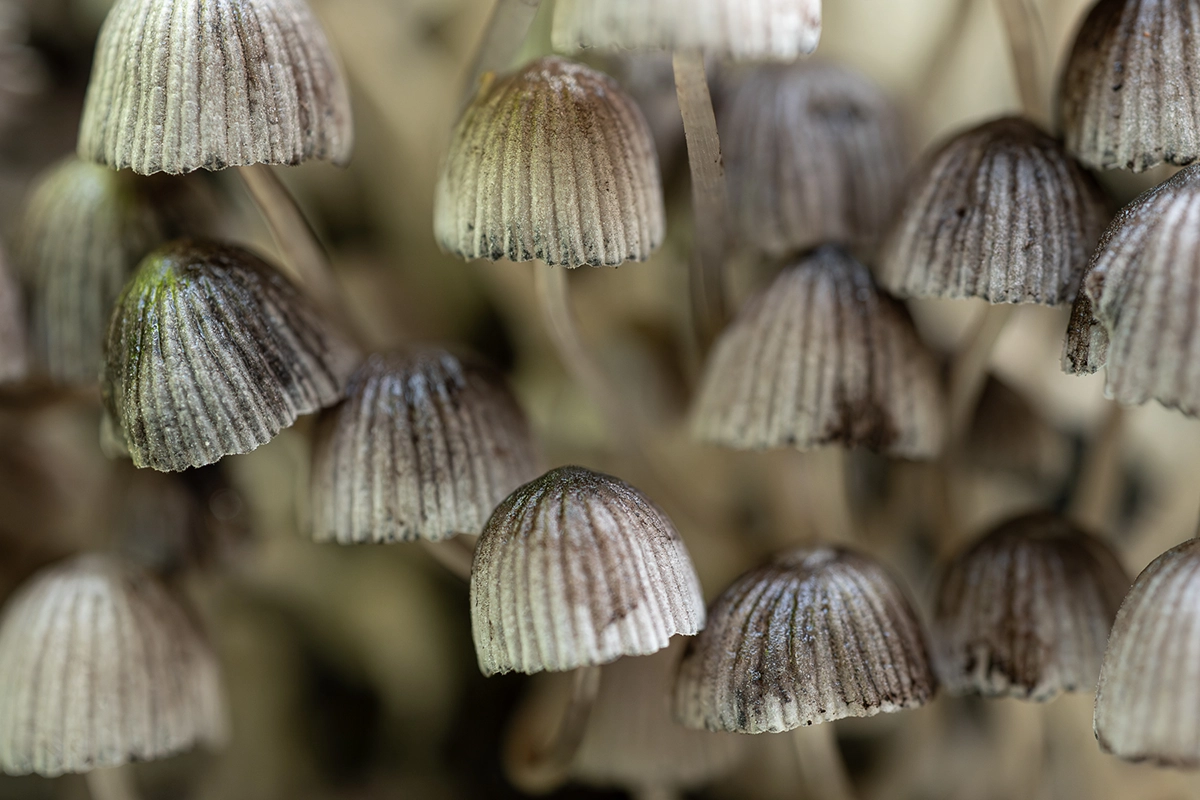
Some of the strongest macro photography opportunities in Costa Rica are found in regions where biodiversity, access, and community-based conservation intersect. Rather than chasing isolated hotspots, I return again and again to areas where responsible ecotourism directly supports local families and long-term habitat protection.
A few regions that consistently offer exceptional rainforest macro photography include:
- The Arenal region (Pacific side), where lush foothills, private reserves, and lodge gardens attract frogs, insects, flowers, and fungi year-round
- Sarapiquí (Caribbean side), known for its humid lowland rainforest, incredible amphibian diversity, and rich insect life, especially after rain
- The Osa Peninsula, one of the most biodiverse regions in the country, where protected rainforest supports an extraordinary concentration of macro subjects
While these are areas I work in frequently, they represent only a small portion of Costa Rica’s macro potential. One of the country’s strengths is how widely accessible biodiversity is when habitats are protected and tourism is managed responsibly.
Photographing in these locations allows me to create images of Costa Rica’s biodiversity while directly supporting the people who steward these ecosystems. The images used to illustrate this article were created in collaboration with local guides and families whose livelihoods depend on keeping these habitats intact.
TIP 3: Use Camera Settings That Respect the Rainforest’s Conditions
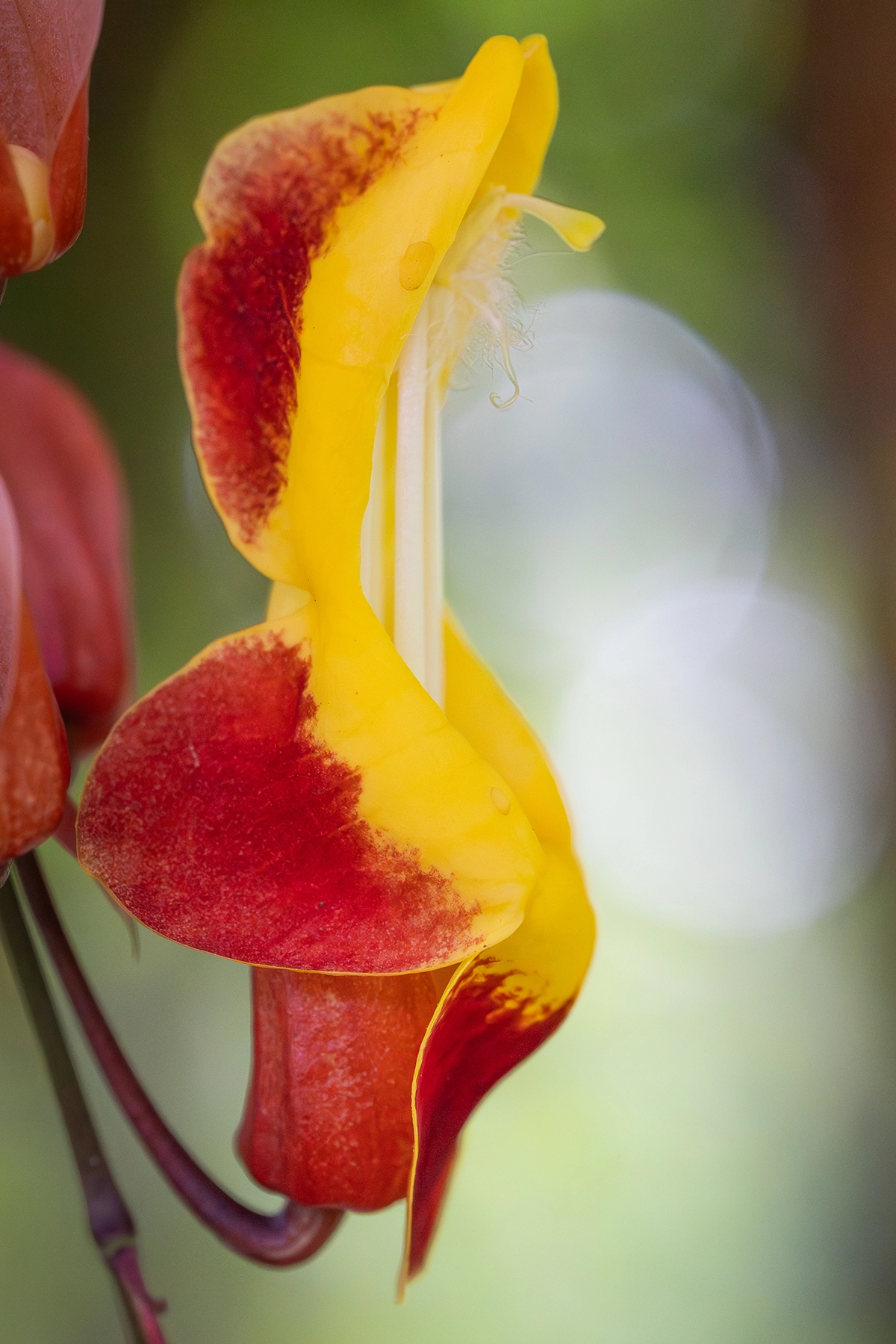
Rainforest macro photography is rarely about freezing explosive action. More often, it’s about recognizing small pauses and using them to my advantage.
When photographing frogs, insects, and flora up close, I often work with shallow depths of field to draw attention exactly where I want it—most often the eye—while allowing as much light into the lens as possible. This approach helps soften the visual chaos of rainforest backgrounds and keeps the subject clearly separated from layers of leaves, stems, and shadows.
Rather than relying on fast shutter speeds, I’m willing to slow things down and time my images for moments when a subject pauses or settles into a posture. I’d much rather create a sharp, expressive macro image of an animal at rest than chase motion and lose the story.
My priorities in the field often look like this:
- Use aperture creatively to control depth of field and background clutter
- Time the shutter for moments of stillness rather than constant motion
- Allow shutter speeds to slow when conditions and subject behavior permit
And when all that’s left is ISO, I don’t hesitate.
Modern camera technology handles higher ISO values remarkably well. I would rather come away with an engaging image that includes a bit of noise than a technically clean image that feels flat. In rainforest photography, waiting for perfection often means missing the moment entirely.
Working this deliberately also means knowing when to stop, especially with species that are physically sensitive.
TIP 4: Photograph Frogs and Insects With Ethics at the Forefront
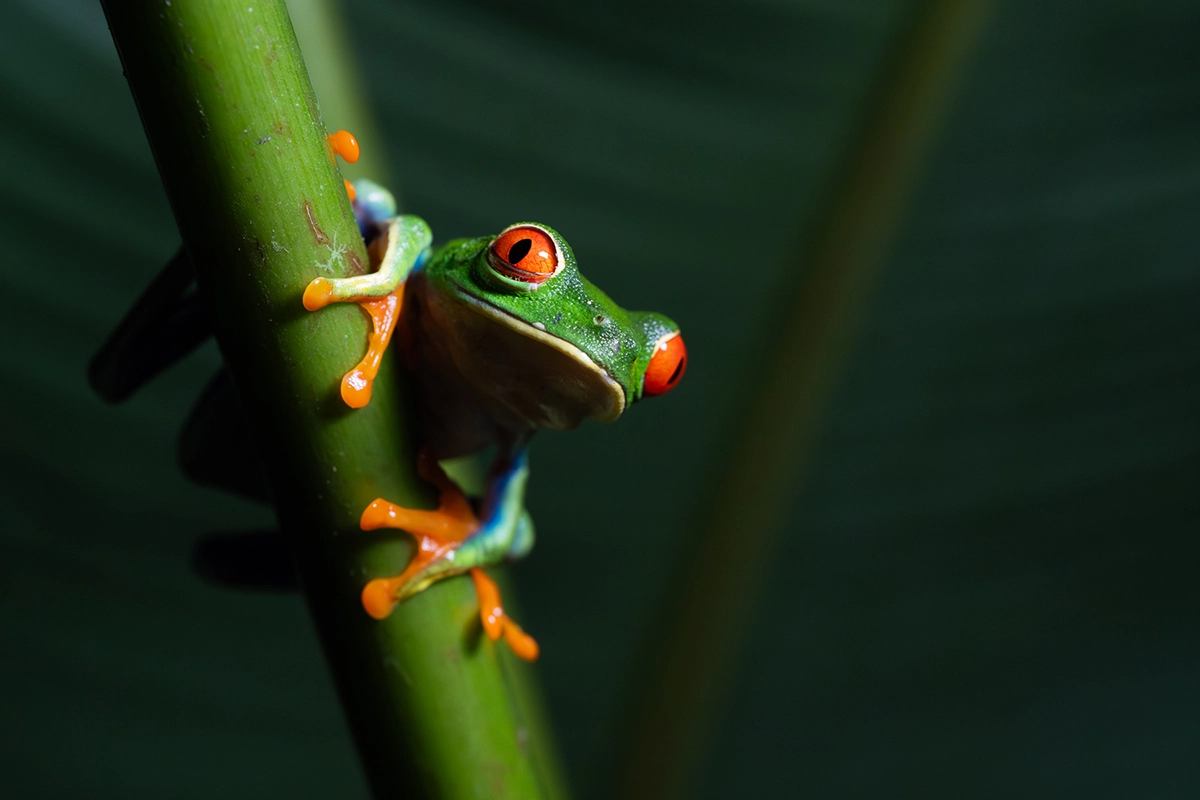
Amphibians and reptiles are some of the most physically sensitive species I work with in my career. Their skin, behavior, and stress responses require a higher level of care and restraint than many photographers realize.
I don’t handle my subjects. Any necessary handling, when appropriate, is done exclusively by trained local professionals and herpetologists. My role as a photographer is to observe, not to intervene.
When it comes to lighting, I avoid flash entirely. Instead, I use steady LED light sparingly —usually at no more than 25% brightness—and only when necessary. This approach reduces stress when photographing rainforest insects and amphibians, particularly nocturnal species.
Before working with reptiles and amphibians, I spend time researching and understanding:
- Species-specific signs of stress
- Natural resting and defensive behaviors
- When an animal is communicating that it’s had enough
And when a subject isn’t cooperating, I let it be. Not every moment needs to be photographed, and not every encounter needs to result in an image.
Ethical macro rainforest photography relies on responsible guides, conservation-focused facilities, and photographers who know when to step back.
TIP 5: Include Flora and Small Details to Tell a Complete Story
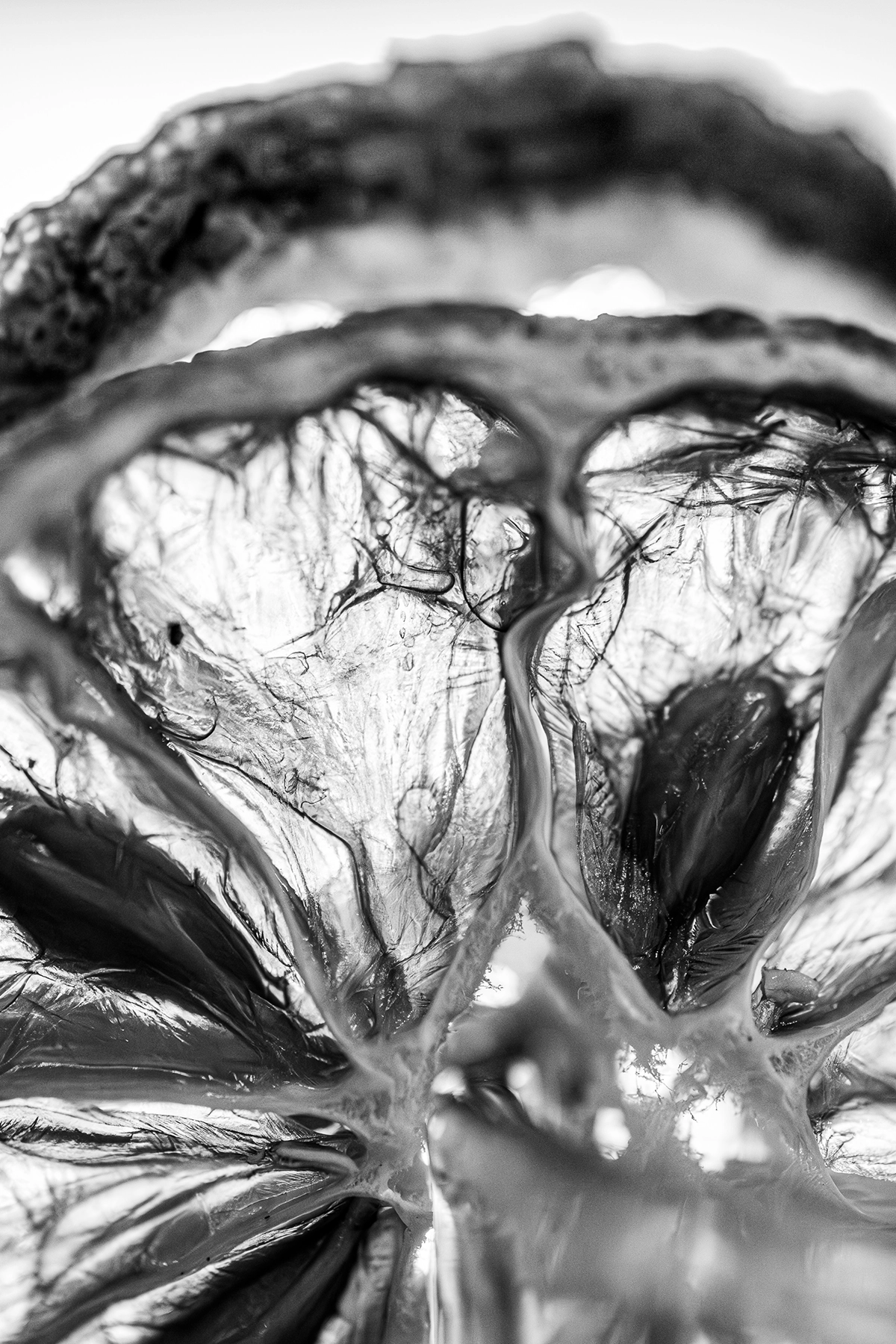
Macro rainforest photography isn’t only about animals—it’s about understanding biodiversity as a connected system. Flowers, fungi, insects, and even human-scale details all play a role in telling the story of place.
I regularly photograph mushrooms breaking down fallen trees, flowers thriving in filtered light, and insects moving through layered vegetation. These subjects help illustrate the complexity of Costa Rica’s rainforest ecosystems.
I also pay attention to quieter moments that connect biodiversity to daily life—like locally grown garnishes or plants used in meals at rainforest lodges. At the macro scale, these details reflect the same ecosystem I spend the day photographing.
Photographing these details:
- Adds context and depth to a photo story
- Highlights how biodiversity extends beyond wildlife alone
- Connects conservation to the local community and economy
These images remind viewers that biodiversity isn’t separate from human experience. It’s present in the food we grow, the landscapes we protect, and the relationships built through responsible ecotourism.
At the macro level, even the smallest details reinforce why these places are worth protecting.
Conclusion: Small Subjects, Bigger Responsibility
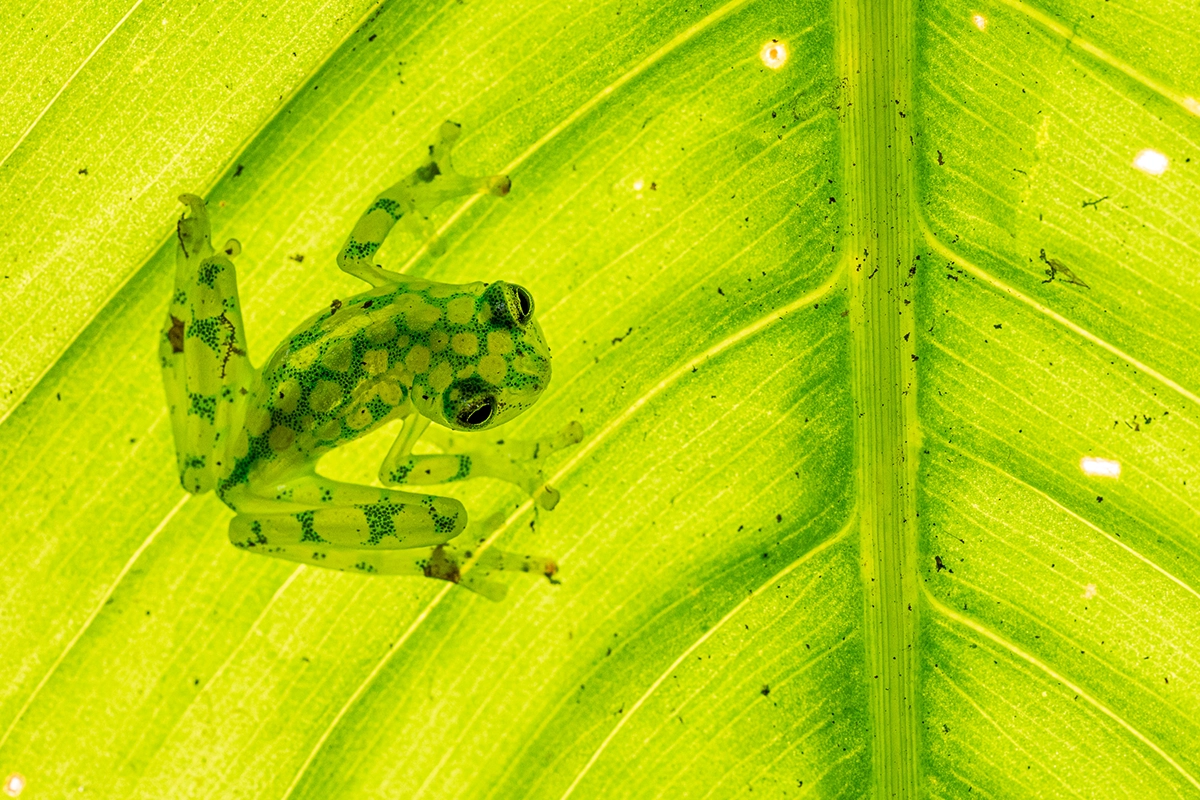
Photographing macro subjects in Costa Rica’s rainforest has reinforced something I return to again and again: small moments carry big responsibility. Through the Tamron 90mm Macro, I’m able to create images that honor wildlife, habitat, and the communities working to protect them.
Macro photography done thoughtfully becomes more than documentation—it becomes a way to support conservation, encourage responsible travel, and deepen our connection to the natural world. When we slow down enough to see the smallest details, we start to understand what’s truly worth protecting.
Until next time, safe travels and interesting light! Cheers.
Where to Buy Tamron Lenses
Learn more about Tamron lenses at an authorized Tamron dealer near you or shop directly at the official TAMRON Store.
About Alyce Bender

Alyce Bender is a professional nature photographer, writer, educator, U.S. Air Force veteran, and Tamron Americas ambassador. Her passion for the natural environment compels her to connect others with nature through education and experiences that promote conservation, creativity, and ethical photography. Her work has been featured in group and solo shows across the U.S. as well as in domestic and international publications from the U.K. to Japan. When leading tours, Bender’s goal is to help photographers expand their personal vision and naturalist skills. When not in the field, she offers a variety of educational and mentorship programs. Website | Instagram
People Also Ask
What is macro rainforest photography?
Macro rainforest photography focuses on capturing small subjects such as insects, frogs, fungi, and plants within rainforest environments, emphasizing fine detail and biodiversity.
Is Costa Rica good for macro photography?
Yes. Costa Rica offers exceptional biodiversity, accessible rainforest locations, and year-round opportunities for photographing insects, amphibians, and tropical flora.
What lens is best for macro photography in Costa Rica?
A true macro lens with a 1:1 reproduction ratio, good working distance, and weather resistance—such as the Tamron 90mm Macro—is ideal.
When is the best time for rainforest macro photography?
Early mornings, evenings, and just after rainfall often provide the best opportunities, when insects and amphibians are most active.
Do you need flash for rainforest macro photography?
Not necessarily. Many photographers prefer diffused LED lighting or natural light to reduce stress on sensitive subjects.
Frequently Asked Questions About Rainforest Macro Photography
1. What camera settings work best for macro rainforest photography?
Shallow apertures, slower shutter speeds during moments of stillness, and flexible ISO values work well in humid, low-light rainforest conditions.
2. Is macro photography ethical in Costa Rica?
Yes, when done responsibly. Ethical macro photography avoids handling animals, minimizes lighting impact, and respects natural behavior.
3. What animals are commonly photographed with macro lenses in Costa Rica?
Frogs, insects, spiders, reptiles, fungi, and small plants are popular macro subjects.
4. Are macro photography workshops available in Costa Rica?
Yes. Many regions offer Costa Rica macro photography workshops led by local guides and conservation-focused photographers.
5. What makes rainforest photography challenging?
High humidity, low light, dense vegetation, and unpredictable weather require patience and adaptable equipment.
6. Can beginners try macro photography in the rainforest?
Absolutely. With the right gear, ethical approach, and guidance, macro photography in Costa Rica is accessible to all skill levels.
7. What should I pack for macro photography in the jungle?
Weather-sealed gear, lens cloths, rain protection, compact lighting, and lightweight nature photography equipment are essential.
 English
  Spanish
  French
  Portuguese