 Instant Savings
 Rebate Claims
 Support
 Find a Dealer

Long exposure photography creates unique, artistic images by capturing motion motion and the passage of time. Whether you’re photographing smooth water, light trails, moving clouds, or night skies, this guide teaches you everything you need to master long exposure photography—from essential gear and settings to Tamron lens recommendations, composition tips, and post-processing techniques.
Long exposure photography is one of the most powerful techniques for creating dramatic, expressive images. By using slow shutter speeds, long exposure photography reveals movement over time—such as smooth water, streaking lights, drifting clouds, or star trails—resulting in images that feel surreal and cinematic. This comprehensive guide covers everything you need to get started with long exposure photography, including essential equipment, Tamron lens recommendations, step-by-step exposure settings, composition strategies, and advanced post-processing tips to help you produce stunning long exposure images in any environment.
What You’ll Learn About Long Exposure Photography
In this guide, you’ll learn how to:
- Understand what long exposure photography is and how it creates effects such as smooth water, flowing clouds, light trails, and star trails.
- Choose the essential gear for long exposures, including the best tripods, filters, and Tamron lenses for mirrorless cameras.
- Master key exposure settings—shutter speed, ISO, aperture, Bulb Mode—and how to avoid common mistakes like overexposure and camera shake.
- Apply effective composition techniques, including the rule of thirds, leading lines, framing, and creative long exposure ideas such as light painting and motion studies.
- Improve your long exposure images with post-processing, from noise reduction and sharpening to color correction, contrast control, and final refinements.
By the end of this guide, you’ll have the knowledge and confidence to create impactful long exposure images in any environment—landscapes, cityscapes, night scenes, and beyond.
Whether you’re a beginner intrigued by long exposure imagery or an experienced photographer wanting to refine your skills, this guide will provide valuable insights and practical tips. From understanding the basics and selecting the right equipment to mastering advanced techniques and post-processing your images, you’ll find everything you need to create stunning long exposure photos that stand out from the rest.
What Is Long Exposure Photography?
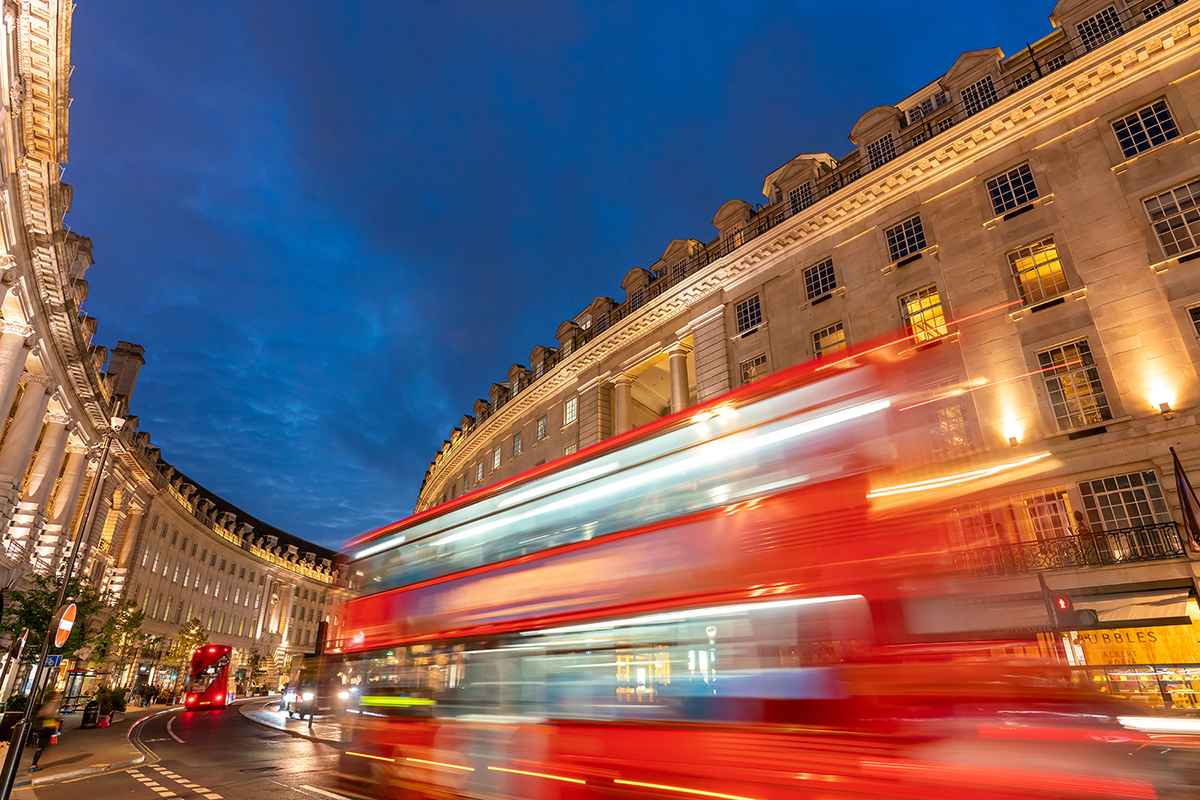
Long exposure photography involves using a slow shutter speed to record a scene over an extended period. Instead of freezing a moment, long exposures reveal movement—such as clouds drifting, waves breaking, water flowing, or lights streaking across a roadway. This technique has roots in early photography, when long exposures were necessary due to limited technology, but today it’s used for visual storytelling and artistic expression.
Photographers in a variety of genres rely on long exposure photography:
- Landscape photographers smooth out water, enhance cloud movement, or capture the soft glow of twilight.
- Urban photographers use long exposures to capture dynamic light trails and nighttime energy.
- Astrophotographers reveal star trails, celestial movement, and the Milky Way.
Mastering how to take long exposure photography allows you to create mesmerizing images with mood, motion, and atmosphere.
Essential Equipment for Long Exposure Photography
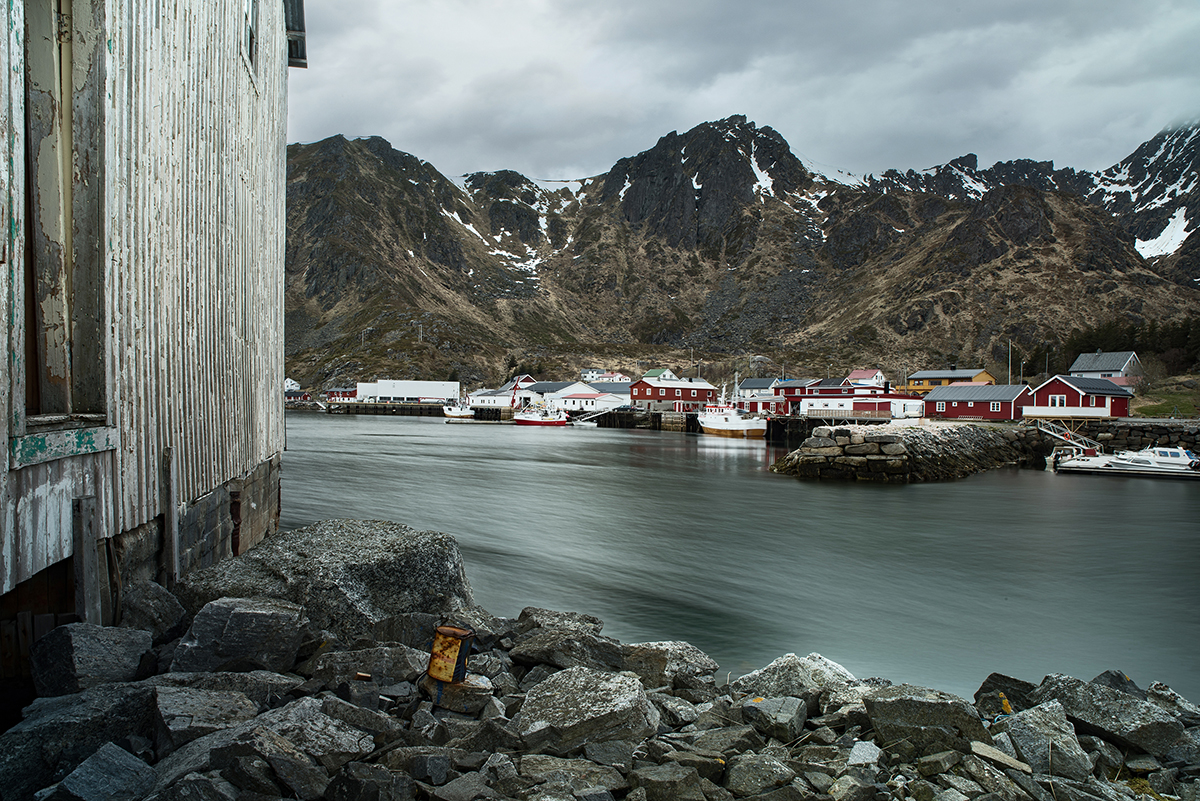
Long exposure photography requires stability, precision, and control over light. Here’s what you need:
- Tripod: A sturdy tripod is essential to prevent camera shake during multi-second exposures.
- Remote Shutter Release / Self-Timer: Eliminate vibration caused by pressing the shutter.
- Neutral Density (ND) Filters: ND filters block light, allowing slower shutter speeds even in bright daylight.
- Tamron Lenses: High-quality optics ensure sharp captures and consistent color, contrast, and detail—crucial for long exposures.
Best Tamron Lenses for Long Exposure Photography
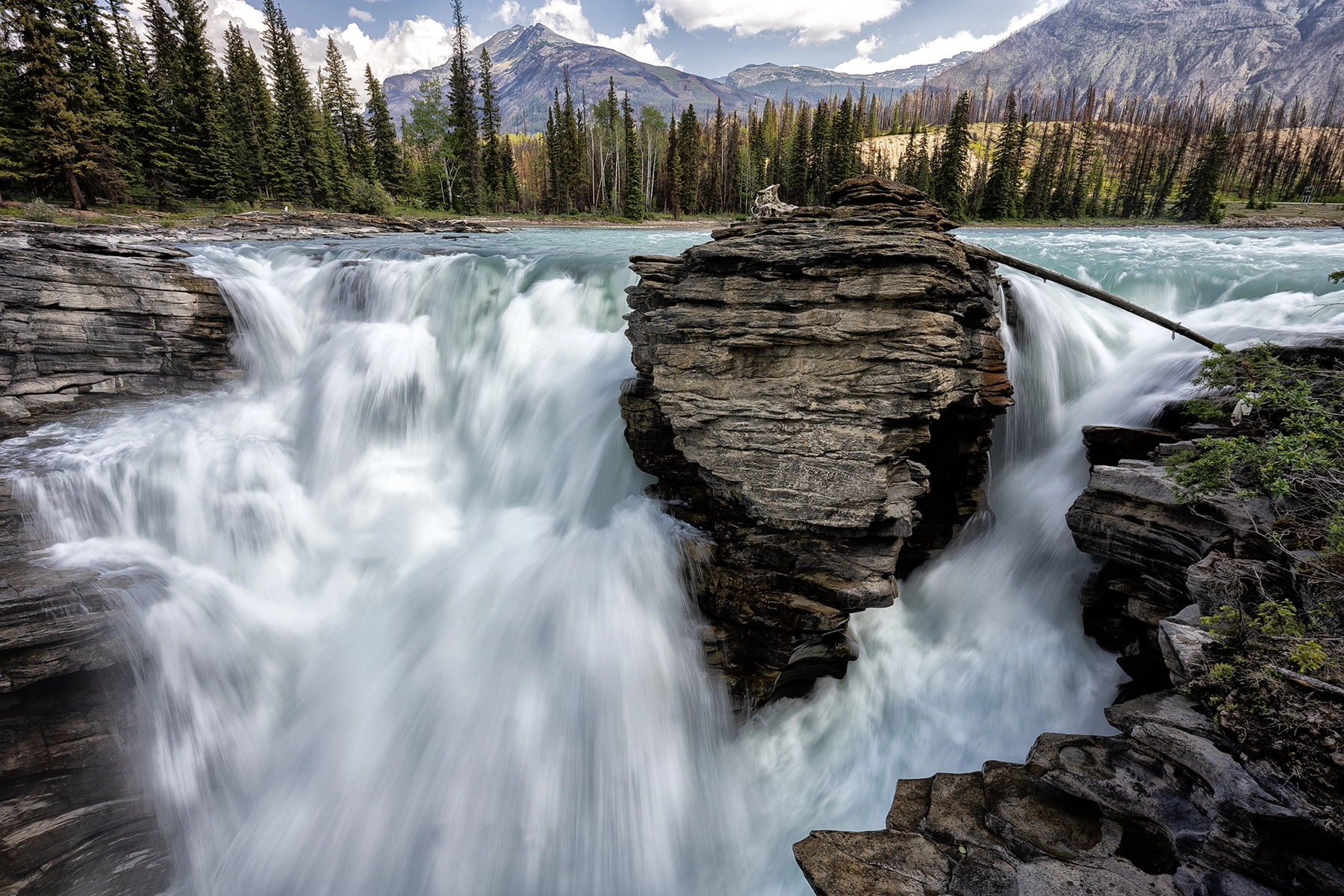
Choosing the right lens dramatically affects clarity, composition, and creative range. These Tamron mirrorless lenses are exceptional choices for long exposure photography across landscapes, cityscapes, travel, and astro.
Tamron 11–20mm F/2.8 Di III-A RXD (APS-C for Sony E, Canon RF, and Fujifilm X)
Perfect for dramatic ultra-wide long exposures like seascapes, waterfalls, and night skies.
Why it’s ideal:
- Ultra-wide field of view
- f/2.8 for low-light and astro
- Lightweight for travel and hikes
Tamron 17–70mm F/2.8 Di III-A VC RXD (APS-C for Sony E and Fujifilm X)
A flexible APS-C zoom great for travel long exposures.
Why it’s ideal:
- VC stabilization helps with composition
- f/2.8 throughout
- Great for handheld dusk exposure previews
Tamron 16–30mm F/2.8 Di III VXD G2 (full-frame for Sony E and Nikon Z)
A versatile wide-angle zoom offering exceptional optical performance.
Why it’s ideal:
- Edge-to-edge sharpness for long exposures
- Ultra-wide angle of view
- f/2.8 constant aperture
Tamron 17–50mm F/4 Di III VXD (full-frame for Sony E)
A stable internal-zoom lens perfect for tripod-based long exposures.
Why it’s ideal:
- Internal zoom keeps center of gravity constant
- Very sharp across focal range
- Great for landscapes and cityscapes
Tamron 20–40mm F/2.8 Di III VXD (full-frame for Sony E)
A compact, sharp, fast-aperture zoom ideal for landscapes and illuminated cityscapes.
Why it’s ideal:
- Fast f/2.8 for nighttime long exposures
- Excellent sharpness and contrast
- Versatile zoom for hybrid shooters
Tamron 25–200mm F/2.8–5.6 Di III VXD G2 (full-frame for Sony E)
A powerful all-in-one travel lens that handles long exposures at any focal length.
Why it’s ideal:
- Wide-to-tele coverage
- Fast f/2.8 aperture at wide-angle
- Compact but highly versatile
Tamron 28–75mm F/2.8 Di III VXD G2 (full-frame for Sony E and Nikon Z)
A workhorse zoom with stunning clarity and speed.
Why it’s ideal:
- Excellent for night photography
- Great for long exposure portraits
- Fast and lightweight
Tamron 35–150mm F/2–2.8 Di III VXD (full-frame for Sony E and Nikon Z)
A premium zoom for creative long exposures requiring compression.
Why it’s ideal:
- Ultra-fast f/2–2.8
- Perfect for waterfalls, fog, and cityscapes
- Exceptional detail and sharpness
With the right Tamron lens, you’ll have the clarity, versatility, and control needed to capture impactful long exposure images in any environment.
How to Capture Long Exposure Images: Techniques and Settings

Mastering long exposure photography comes down to balancing exposure settings and maintaining camera stability.
1. Adjust Shutter Speed, ISO and Aperture
Start with:
- Shutter speed: 1–30 seconds
- ISO: 100–200 to reduce noise
- Aperture: f/8–f/16 for landscapes; f/2.8–f/4 for night scenes
2. Use a Tripod
Stability is essential—any vibration will blur your image.
3. Use Bulb Mode for Longer Exposures
Great for exposures beyond 30 seconds, like star trails and night skies.
4. Prevent Overexposure with ND Filters
Use ND64–ND1000 for daylight scenes.
5. Experiment with Creative Effects
- Light painting
- Star trails
- Motion blur
- Cloud streaks
- Illuminated cityscapes
Composition Techniques for Long Exposure Photography
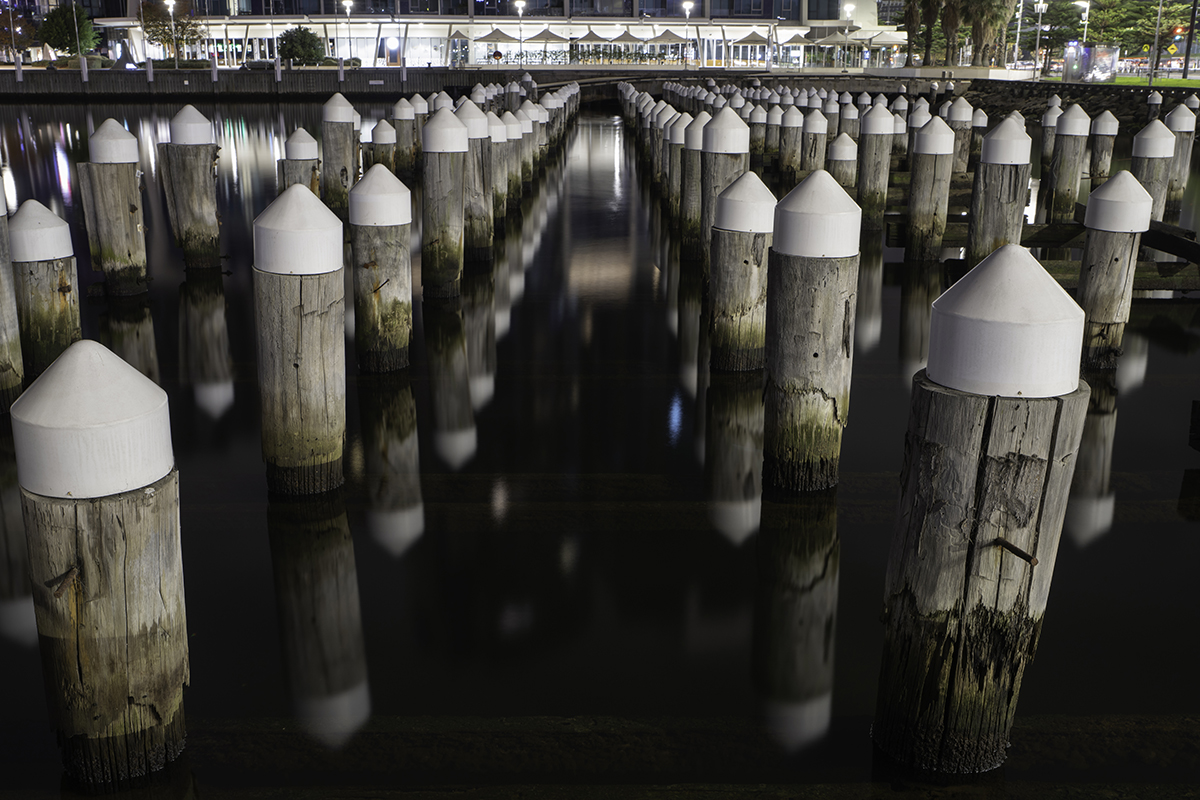
©Glynn Lavender with Tamron 17-50mm F4 Di III VXD | Focal Length: 36mm Exposure: f/8, 30 sec., ISO 100
Long exposure composition relies on balance, movement, and visual flow.
Rule of Thirds
Position horizons or points of interest along the grid lines.
Leading Lines
Roads, rivers, and light trails guide the viewer’s eye through the photo.
Framing Techniques
Use natural or architectural elements to add depth.
Use of Light
Golden hour and blue hour are ideal for long exposure landscapes and cityscapes.
Prevent Common Mistakes
Avoid overexposure by using neutral density filters to reduce light entering the lens. These filters are especially useful in bright conditions. Check your composition and focus before starting your exposure. Use your camera’s live view and zoom in to guarantee sharpness.
Post-Processing Tips to Improve Long Exposure Photography
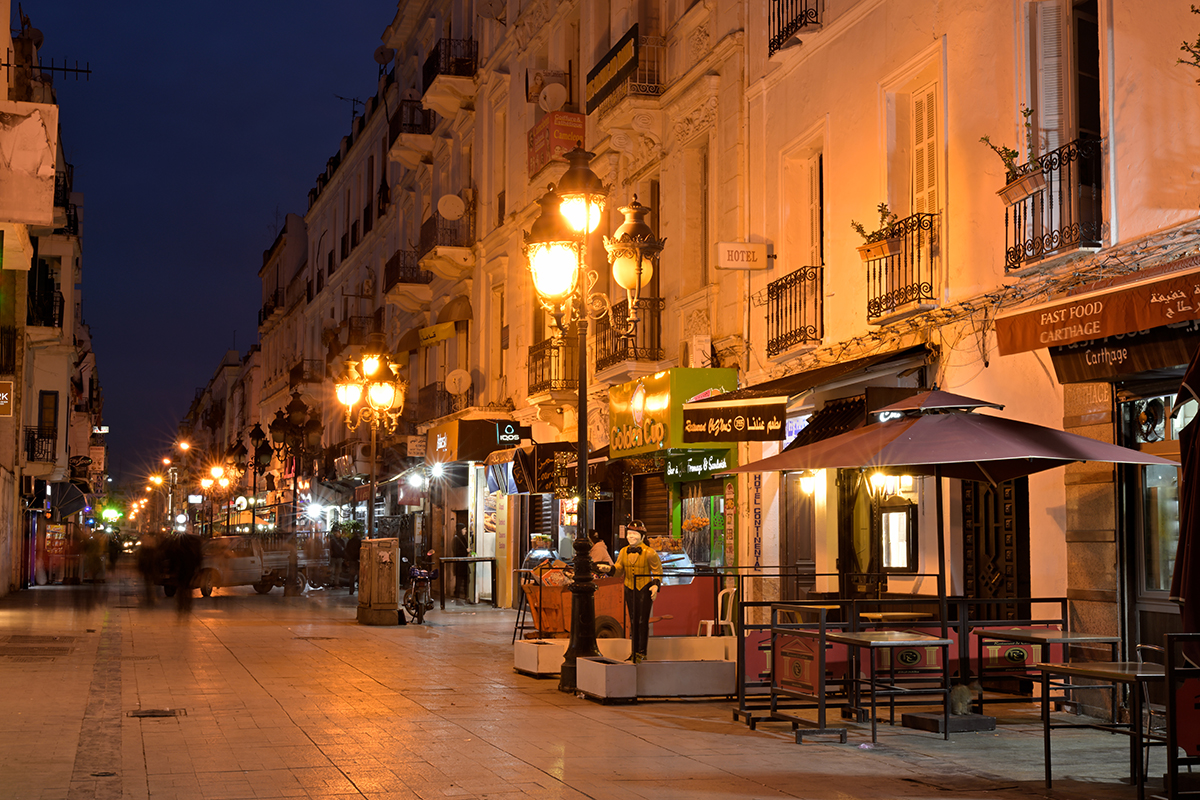
Post-processing is an essential part of how to take long exposure photography. It allows you to enhance your images and bring out their full potential. Here are some tips to help you get the best results:
Recommended Software
- Adobe Lightroom
- Adobe Photoshop
- Capture One
- Affinity Photo
Key Editing Steps
- Adjust exposure and contrast
- Refine white balance
- Use HSL for color control
- Reduce noise and sharpen details
- Remove distracting elements
- Add subtle vignettes or crops
Final Thoughts and Creative Ideas for Long Exposure Photography
Long exposure photography opens the door to endless creative possibilities. With the right gear, the right techniques, and the right Tamron lenses, you can turn ordinary scenes into extraordinary works of art. Don’t be afraid to experiment, practice, and push your creativity—each long exposure image teaches you something new.
For more education, visit Tamron Americas today!
Where to Buy Tamron Lenses
Learn more about Tamron lenses at an authorized Tamron dealer near you or shop directly at the official TAMRON Store.
People Also Ask
What shutter speed is best for long exposure photography?
Start with 1–5 seconds for water, 10–20 seconds for light trails, and 20+ seconds for astro.
Do I need ND filters for long exposures?
Yes. ND filters allow you to shoot slow shutter speeds in bright daylight without overexposing.
What lens is best for long exposure landscapes?
Wide-angle lenses like the Tamron 16–30mm F2.8 G2 or 11–20mm F2.8 are excellent choices.
How do I reduce noise in long exposure shots?
Use low ISO, enable long exposure noise reduction, and apply noise reduction in post.
How do I focus properly at night?
Use manual focus and magnified live view. Focus on a bright star or distant light.
Frequently Asked Questions About Long Exposure Photography
1. What settings should I use for long exposure photography at night?
Try ISO 100–400, shutter speed 10–30 seconds, and aperture f/4–f/8.
2. Do I need a tripod for long exposure photography?
Yes. Long exposures require absolute stability to avoid blur.
3. Which Tamron lens is best for low-light long exposures?
The Tamron 35–150mm F2–2.8, 28–75mm F2.8 G2, and 16-30mm F2.8 G2 are ideal for night shooting.
4. How do I smooth water in long exposure photos?
Use 1–10 second exposures with an ND filter and tripod.
5. Can I shoot long exposures handheld?
Not typically—but lenses with VC (like the Tamron 17–70mm) help stabilize framing and shorter exposures when hand-held.
More Photo Tips | Watch Videos | Learn More About Tamron Lenses | Photo Gallery
 English
  Spanish
  French
  Portuguese