 Instant Savings
 Rebate Claims
 Support
 Find a Dealer
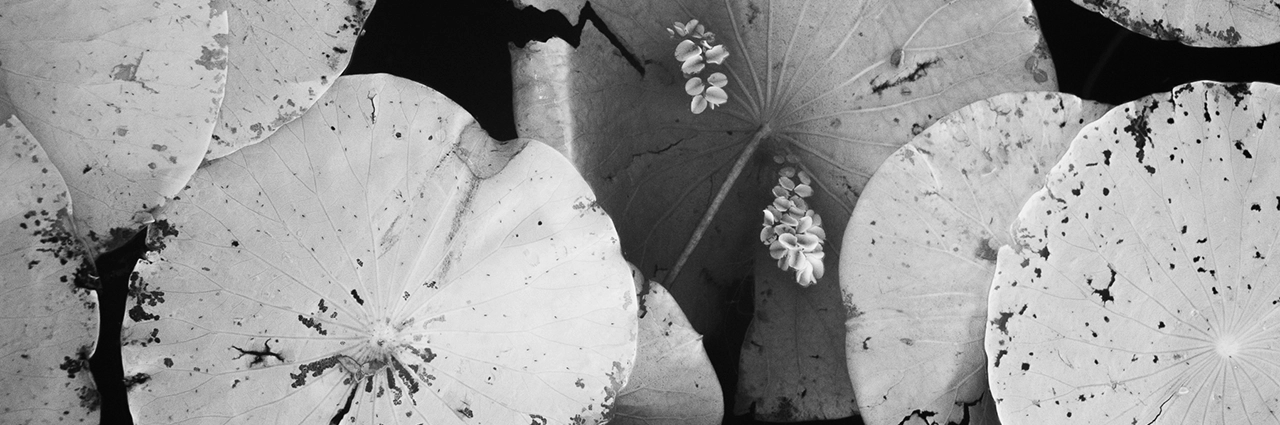
Infrared photography has a way of transforming familiar landscapes into something surreal and nowhere is that magic more visible than in the southern swamps. With their moss-draped cypress trees, reflective blackwater, and shifting layers of humidity and light, these wetlands respond beautifully to infrared wavelengths. The camera reveals what the swamp feels like—glowing, textured, and quietly alive—rather than what the eye alone can see.
When I’m working in infrared at places like Caddo Lake, the experience becomes almost meditative. The landscape hums with detail as IR light turns foliage luminous, deepens water to rich blacks, and reveals atmospheric structure hidden from the visible spectrum. This guide shares the tools, techniques, and creative approaches I rely on to capture expressive infrared landscape images in these uniquely Southern environments.
By Guest Contributor and Tamron Ambassador Alyce Bender
What You’ll Learn In This Article:
- Why infrared photography is especially powerful in southern swamp environments
- How I choose and use my infrared gear, including my converted Sony A7R IV
- The lenses I rely on in wetland settings and why they perform well in IR
- How I read swamp light and shifting weather to guide my infrared approach
- My post-processing workflow in Lightroom Classic for refining infrared images
TIP 1: Recognize Why Swamps Respond So Beautifully to Infrared
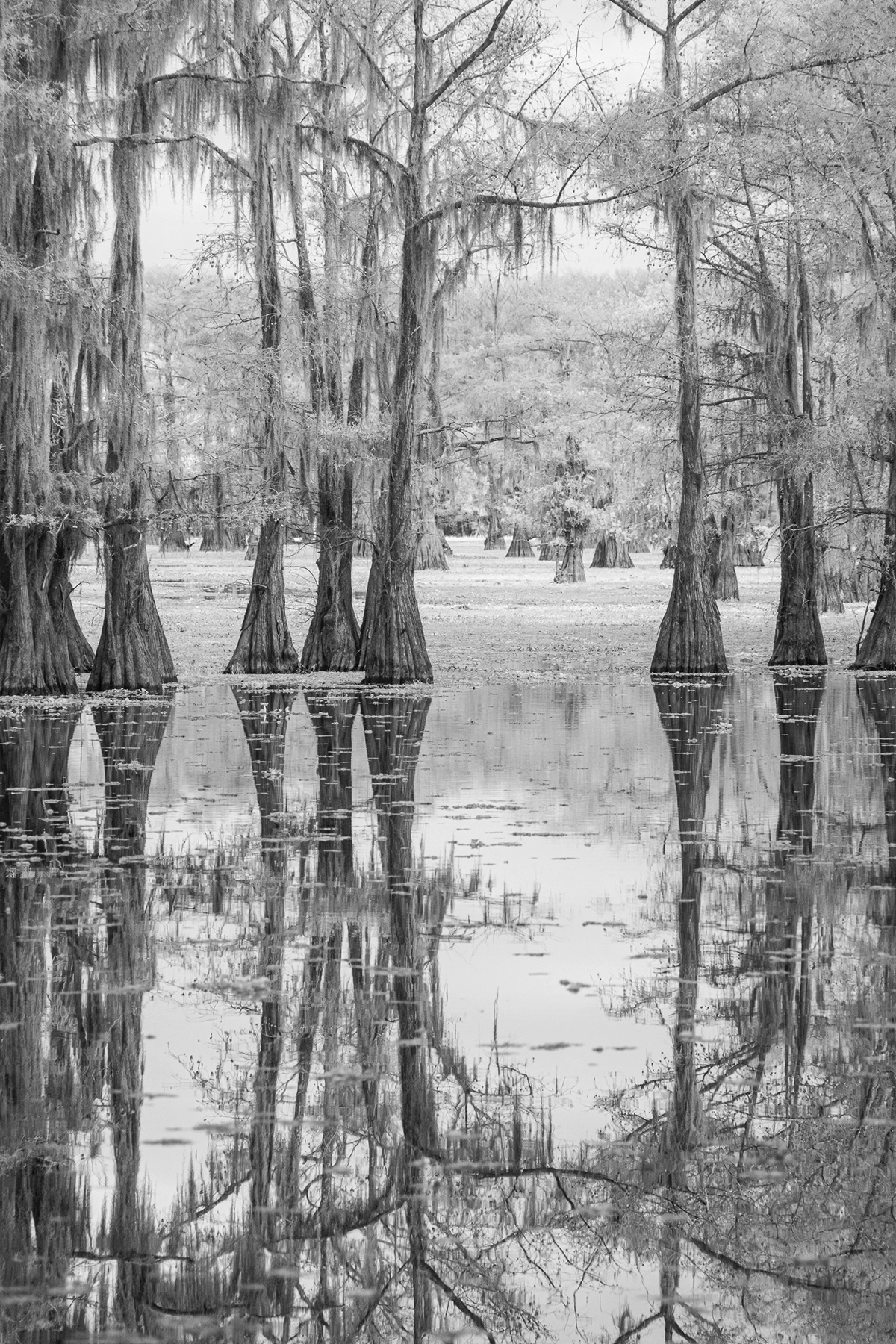
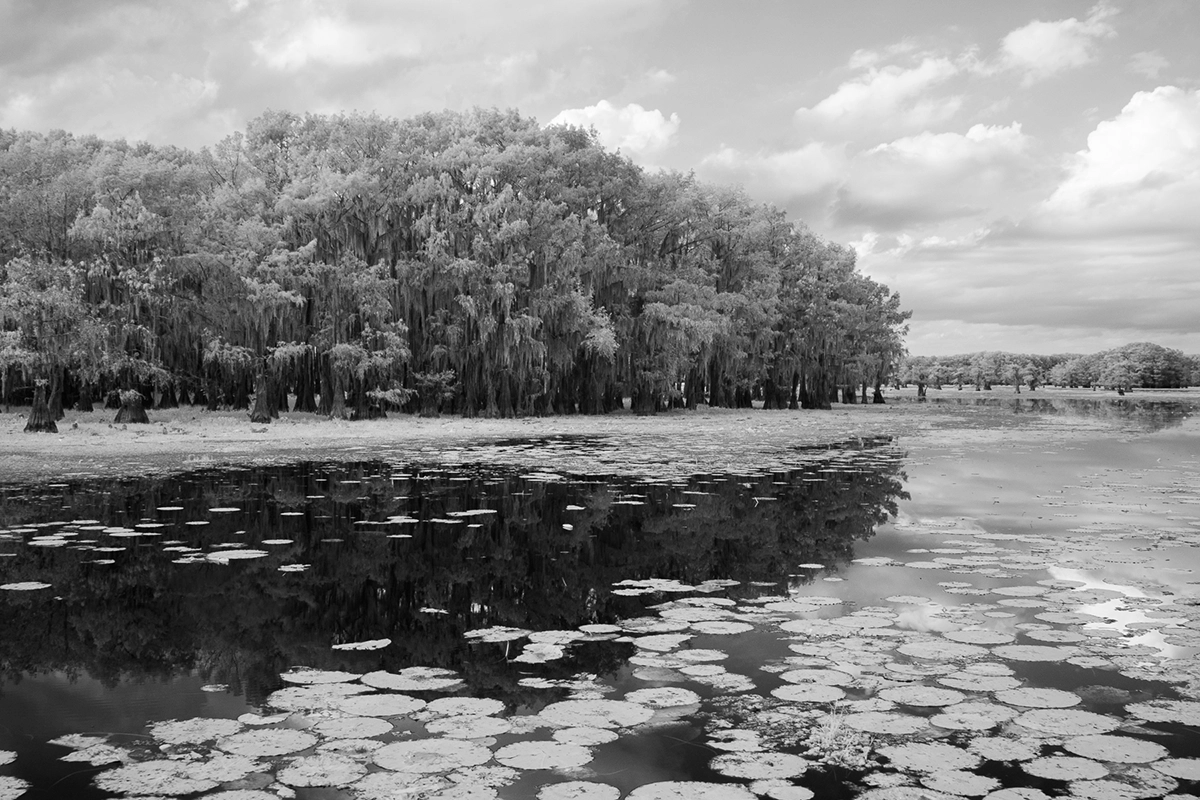
Southern swamps naturally lend themselves to infrared digital photography, and it takes only a moment in the field to understand why. Foliage reflects IR light and turns luminous, often glowing white or silver, while water absorbs those same wavelengths and becomes a deep, velvety black. Cypress trunks, moss drapery, and tangled branches gain sculptural weight, and the contrasts between light and shadow feel heightened in a way that visible-light photography doesn’t always capture.
I’ve had mornings on the water where everything appeared muted through my eyes, yet the infrared preview on my camera already looked electrified. In these wetlands, IR reveals a hidden structure to the landscape that makes infrared swamp photography an especially rewarding environment to explore, especially when creating surreal cypress swamp photos that differ drastically from visible-light scenes.
Why This Works:
Swamps are ideal for infrared nature photography thanks to glowing foliage, dark water absorption, and strong tonal contrast—perfect conditions for distinctive infrared photography images.
TIP 2: Equip Yourself With Gear That Encourages Creative Flexibility
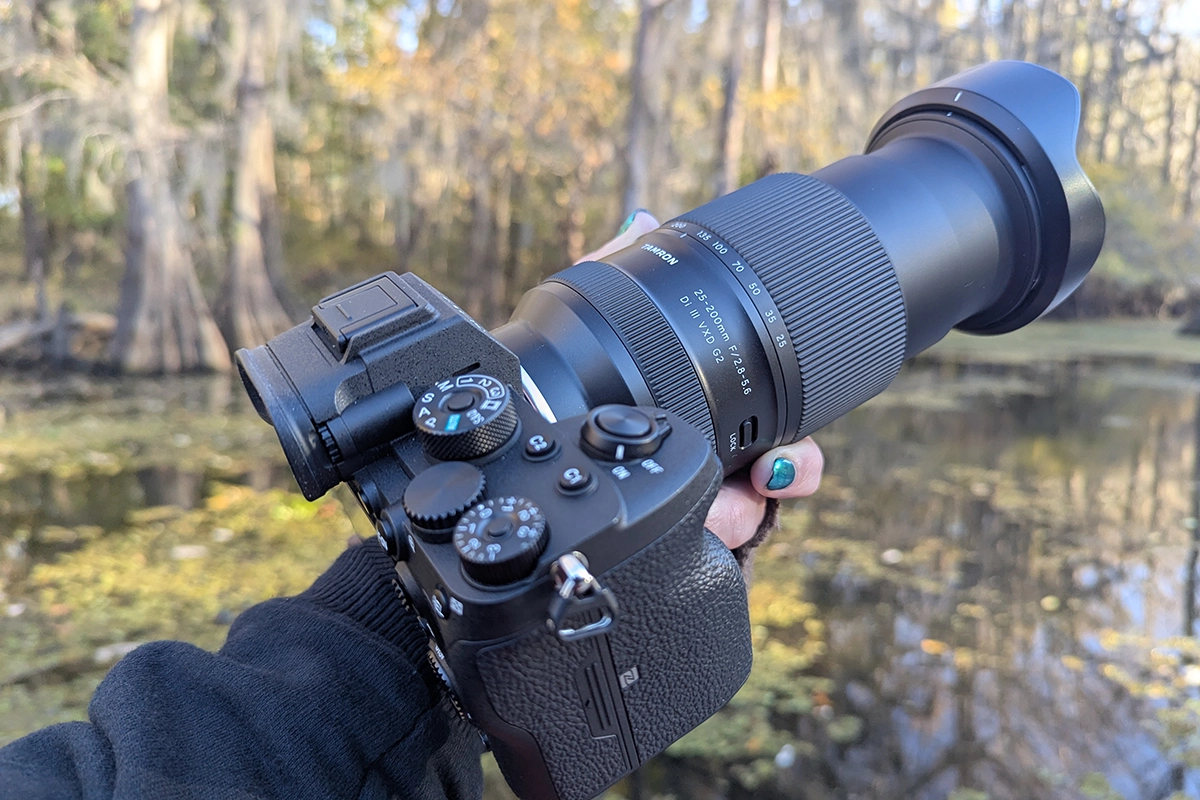
My preferred infrared setup is a fully converted Sony A7R IV from Kolari Vision. Because this is a mirrorless body, full-spectrum camera conversion allows me to photograph both traditional visible-light scenes and infrared with the same camera. All I need to do is swap the magnetic infrared photography filter (drop-in style) I’m using. This flexibility has been one of the most significant advantages over older DSLR conversions, where committing a camera to IR meant giving up visible-light photography altogether.
Now, I can respond directly to the moment in front of me, choosing between 720nm or 850nm filters depending on how I want the mood to unfold. If the light shifts or the atmosphere changes, as it often does quickly in swamp environments, I can shift wavelengths just as fast without changing camera bodies. The entire system supports fluid, intuitive infrared shooting and decision-making in the field.
Gear Advantage:
A full-spectrum camera conversion plus interchangeable IR filters (like those from Kolari Vision) gives you creative control and flexibility when switching between visible-light scenes and infrared photography.
TIP 3: Choose Lenses That Perform Well in IR and Adapt to Swamp Conditions

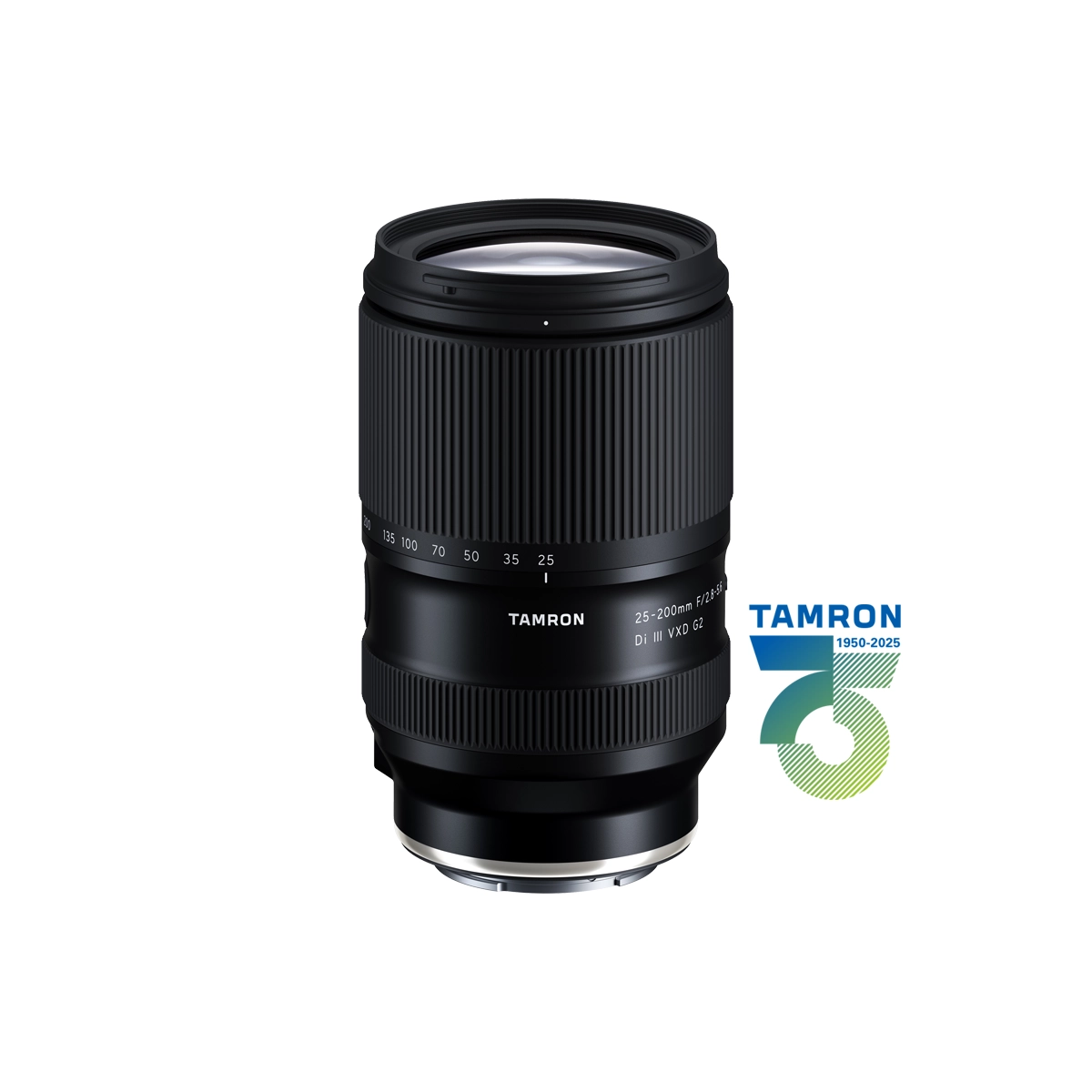
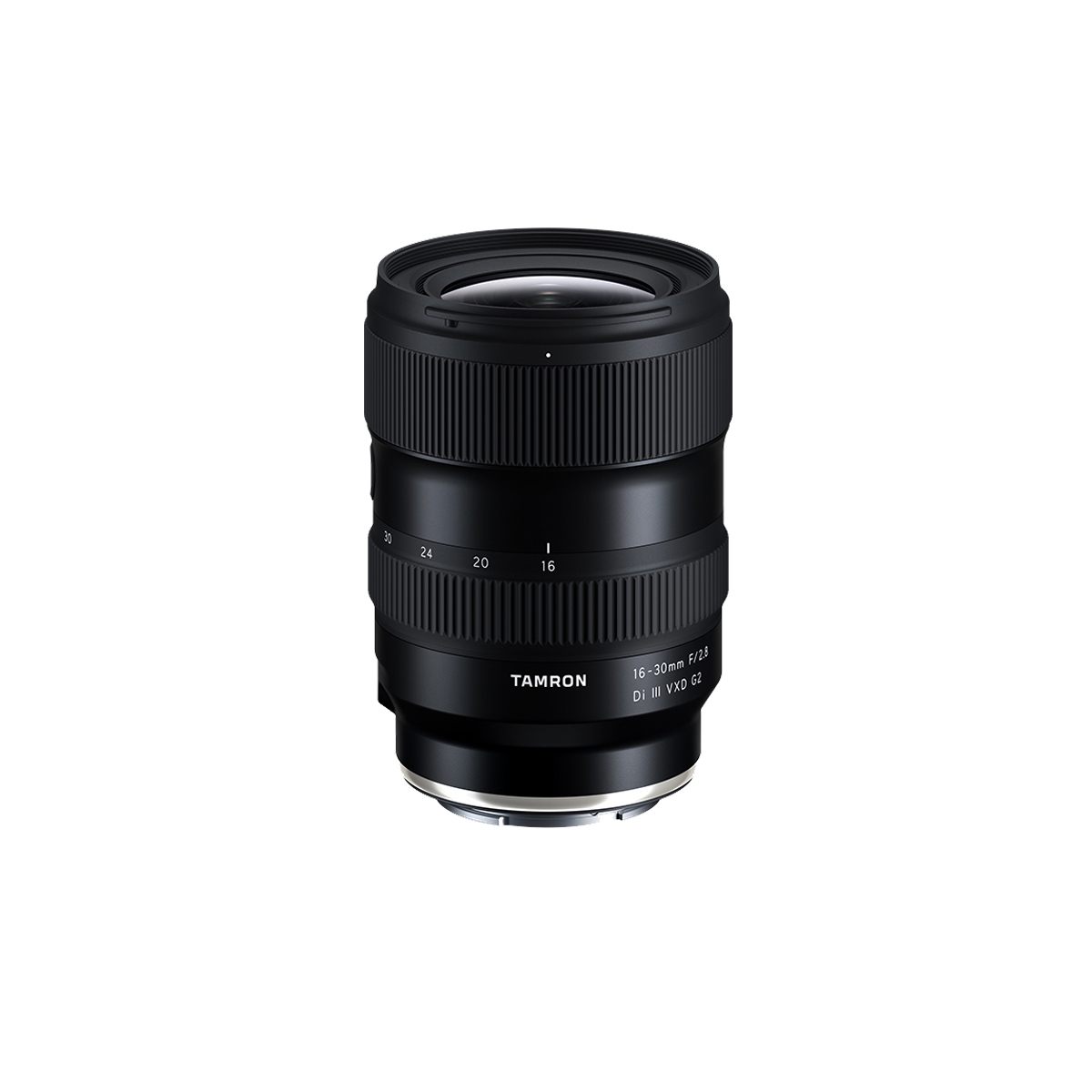
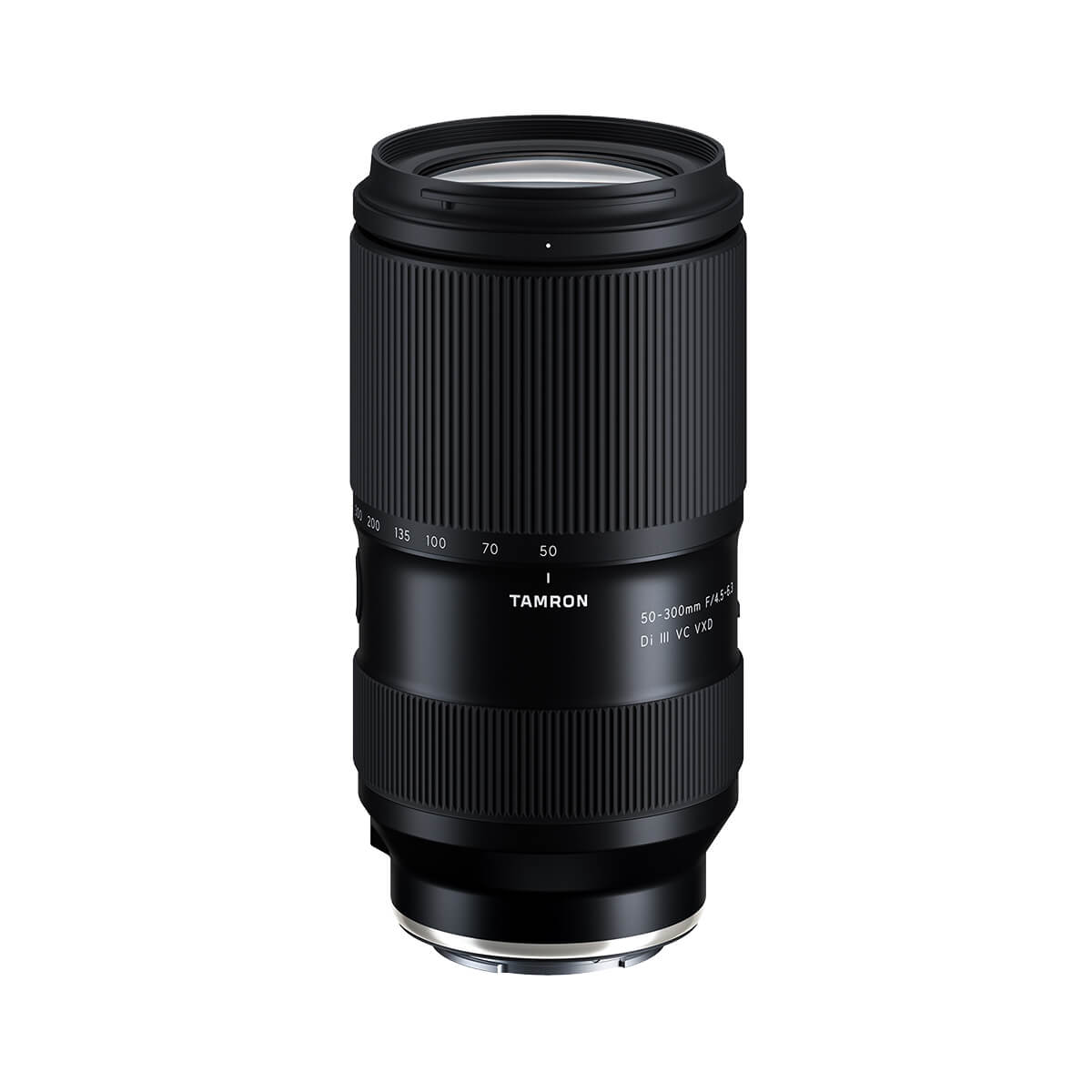
Lens performance is a major factor in infrared photography, and not every lens handles IR wavelengths gracefully. Two lenses I rely on heavily for swamp photography—both for their versatility and their consistently clean infrared rendering—are the Tamron 25–200mm F2.8-5.6 G2 and the Tamron 50–300mm F4.5-6.3 VC.
- The 25–200mm gives me the freedom to move between wide environmental scenes and tighter studies of moss, reflections, or tree structures without worrying about hotspots or excessive flare. Its lightweight build makes it ideal for shooting from boats or maneuvering along uneven terrain where mobility matters.
- The 50–300mm becomes invaluable when I want reach or tighter control over my composition. Even at longer focal lengths, it maintains excellent contrast and clarity in infrared. This allows me to isolate single trees rising through fog or frame subtle patterns in light and shadow without losing tonal integrity.
Both lenses for my Sony camera complement the unpredictable nature of southern swamp photography, letting me respond quickly and creatively to constantly shifting conditions while producing strong infrared landscape photography results.
Lens Tip:
Choose lenses known to avoid hotspots and maintain contrast—critical for clean infrared landscape photography and detailed cypress swamp infrared photography.
TIP 4: Learn to Read Swamp Light Through the Lens of Infrared
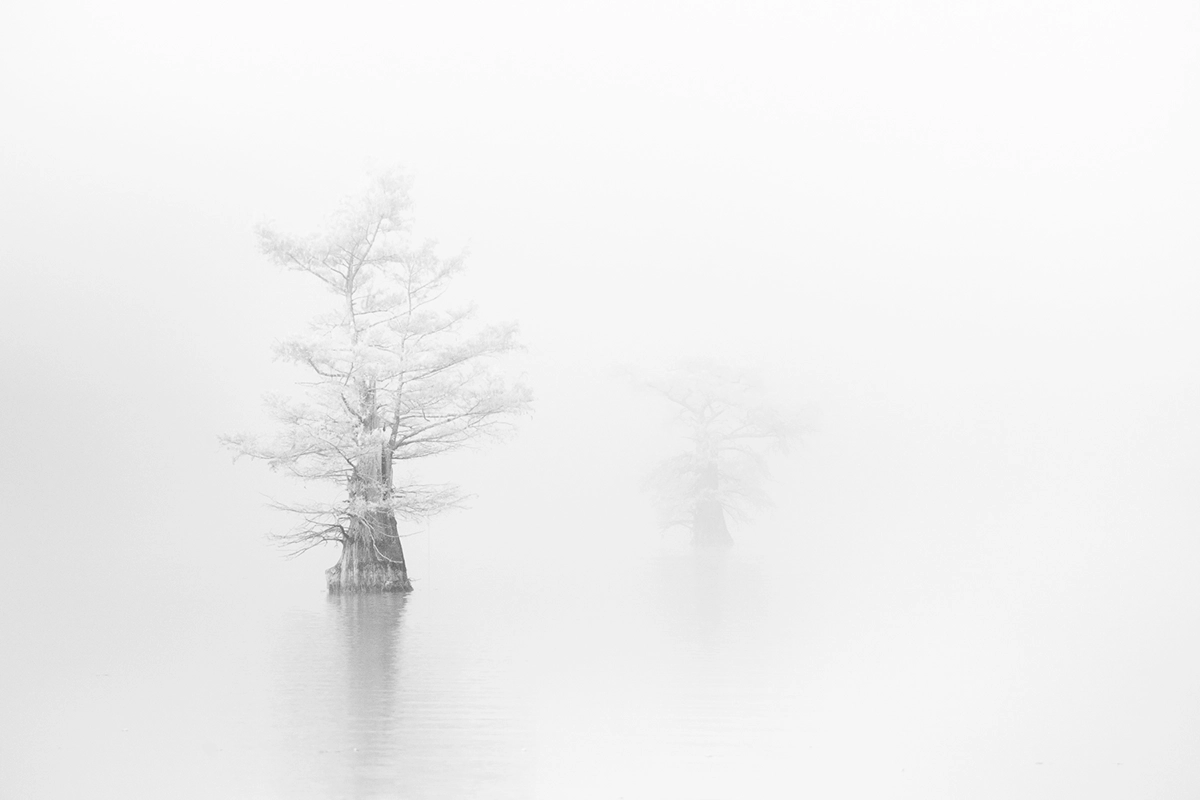
Understanding how infrared reacts to different lighting conditions is a cornerstone of successful infrared photography techniques. Swamps provide an ever-changing stage of fog, filtered sunlight, reflections, and shadow; all of which look dramatically different in infrared.
Foggy mornings often produce luminous foliage and layered depth that feels ethereal. Harsh midday sunlight, which many photographers avoid, becomes a powerful ally in infrared, creating bold contrast and crisp separation between tones. Even overcast light, which softens the visible spectrum, renders beautifully in IR by preserving detail in trunks, roots, and moss.
I’ve learned not to fight the weather in southern wetlands but to watch it closely. If sunrise fizzles, infrared reveals structure. If deep shadows take over, IR embraces the drama. The swamp rarely offers predictable light, but infrared photography makes that unpredictability one of its greatest strengths for anyone learning how to shoot infrared landscapes.
Lighting Insight:
Swamps offer ideal conditions for infrared photography tips—fog, harsh sun, and deep shadows all translate beautifully in IR, creating dramatic infrared nature photography.
TIP 5: Shape Your Artistic Vision Through Intentional Post-Processing
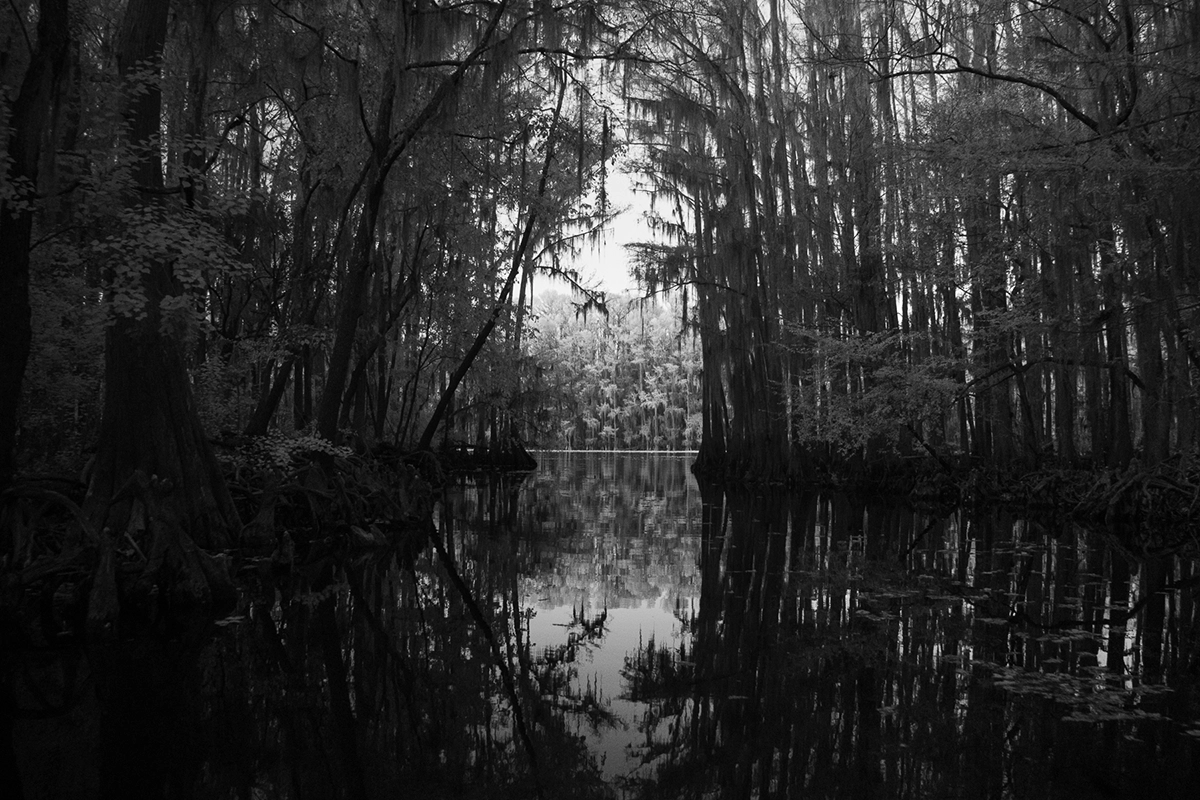
Infrared photography becomes truly expressive during post-processing, where I can interpret the scene in ways that echo the mood of the moment. I process all my IR images in Adobe Lightroom Classic, beginning by converting the file to Adobe Black & White Monochrome. This gives me a clean tonal foundation and helps me evaluate the structure of the image without distraction.
Instead of relying on Lightroom’s global contrast slider—which can quickly become too aggressive with IR files—I build contrast through the highlight, shadow, white, and black sliders individually. This approach allows me to sculpt the tonal balance with much more control, shaping the mood without overwhelming the details.
Once the global adjustments are in place, I turn to local refinements using radial and linear gradient masks. These allow me to direct the viewer’s eye by adding subtle emphasis to areas of glow, texture, or shadow. When needed, I apply the Texture slider selectively—often to bark, moss, or reflective surfaces—to add just enough micro-detail without pushing the effect too far.
This process creates images that feel true to the experience: atmospheric, dimensional, and expressive of the swamp’s unique character rather than purely documentary. It’s a workflow I recommend for beginners learning infrared photography for beginners or for those refining infrared photography techniques for wetlands and forests.
Five Easy Post-Processing Steps for Infrared Photography
- Convert to Black & White Monochrome: Start in Lightroom Classic by converting your IR file to Adobe Black & White Monochrome to create a clean tonal foundation.
- Build Contrast Using Individual Sliders: Adjust the Highlights, Shadows, Whites, and Blacks separately instead of using the global contrast slider.
- Shape the Image With Local Adjustments: Use radial and linear gradient masks to guide the viewer’s eye and emphasize glow, texture, or shadow.
- Add Selective Texture: Apply the Texture slider only where needed—like bark, moss, or reflective surfaces—to enhance detail without overdoing it.
- Refine for Mood and Atmosphere: Balance global and selective edits to create dimensional, expressive infrared images that reflect your experience in the swamp.
Editing Essential:
Thoughtful processing elevates infrared photography images, helping shape mood, contrast, and depth—key for expressive infrared wetlands photography.
Final Thoughts on Infrared Photography
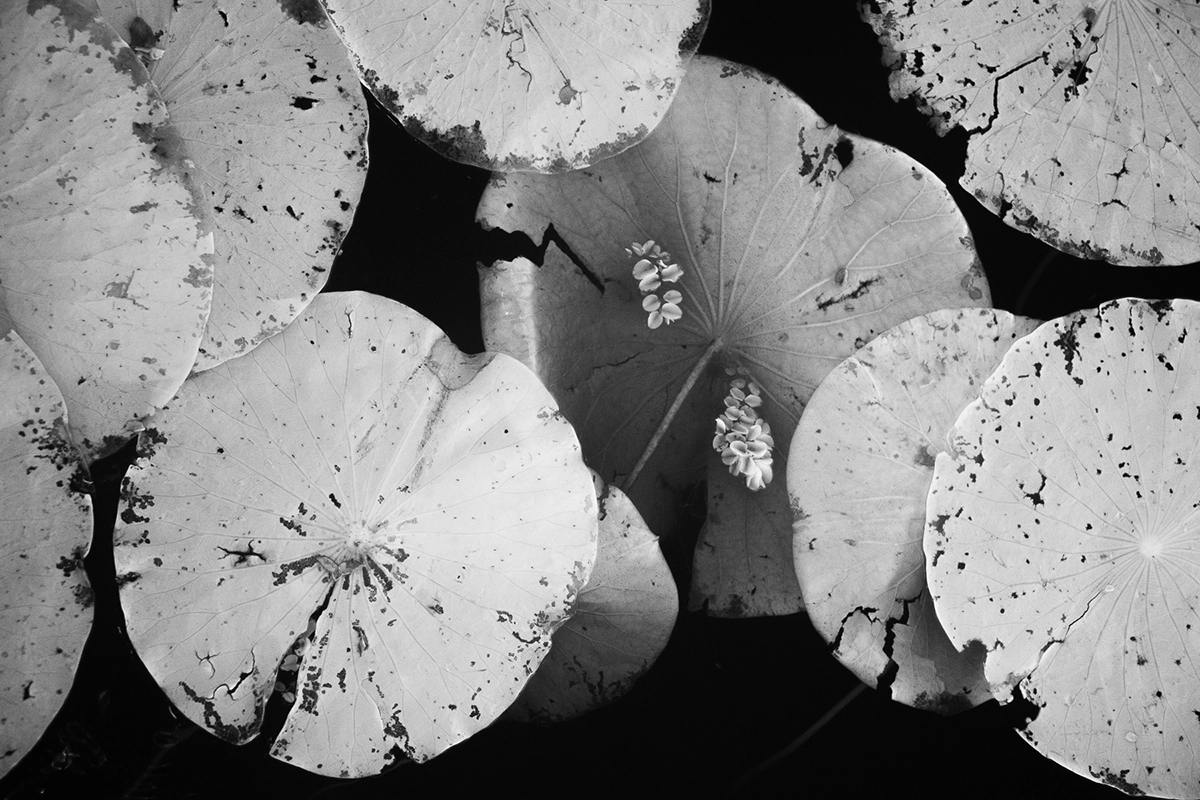
Infrared photography allows me to engage with southern swamps in a way that feels both intimate and otherworldly. It invites me to slow down, pay attention, and look beyond the visible to the quiet interactions between light, structure, and atmosphere. Whether the day begins in rising fog or blazing sunlight, infrared helps me see the swamp with fresh curiosity—glowing, alive, and rich with layers of story and texture.
The more time you spend experimenting with infrared, the more the landscape reveals.
Until next time, safe travels and interesting light! Cheers.
Where to Buy Tamron Lenses
Learn more about Tamron lenses at an authorized Tamron dealer near you or shop directly at the official TAMRON Store.
About Alyce Bender

Alyce Bender is a professional nature photographer, writer, educator, U.S. Air Force veteran, and Tamron Americas ambassador. Her passion for the natural environment compels her to connect others with nature through education and experiences that promote conservation, creativity, and ethical photography. Her work has been featured in group and solo shows across the U.S. as well as in domestic and international publications from the U.K. to Japan. When leading tours, Bender’s goal is to help photographers expand their personal vision and naturalist skills. When not in the field, she offers a variety of educational and mentorship programs. Website | Instagram
People Also Ask: Infrared Photography in Southern Swamps
What does infrared photography look like in swamp environments?
Infrared photography makes swamp scenes look surreal—foliage turns bright and glowing, water becomes deep black, and cypress trees gain sculptural detail you can’t capture in visible light.
Is infrared photography good for landscapes with fog and humidity?
Yes. Fog, humidity, and filtered sunlight create soft glowing foliage and layered depth, making humid southern wetlands perfect for dramatic infrared landscape photography.
Do you need special filters to shoot infrared photography?
You need an infrared photography filter such as 720nm or 850nm, depending on the mood you want. These filters help your camera pick up infrared wavelengths instead of visible light.
Can beginners shoot infrared photography in swamps?
Absolutely—swamps are one of the most forgiving places to learn because the bright foliage and dark water make the infrared effect easy to see, even on your first try.
Why do cypress trees look so striking in infrared photos?
Cypress foliage reflects infrared light intensely, while their dark trunks and swamp water absorb it. This contrast creates bold, dreamy infrared images with dramatic form and depth.
Frequently Asked Questions About Infrared Photography
1. What makes infrared photography so effective in southern swamp environments?
Infrared photography works exceptionally well in southern swamps because foliage reflects IR light brightly while dark water absorbs it, creating dramatic contrast. The humidity, fog, and dense vegetation amplify this effect, making IR ideal for capturing surreal cypress swamp photos and atmospheric wetland scenes.
2. Do I need a full-spectrum camera conversion to start shooting infrared?
You don’t have to use a full-spectrum camera conversion, but it’s the most flexible option for infrared photography. A full-spectrum body allows you to swap infrared photography filters easily, switch between visible and IR shooting, and experiment with different wavelengths as you learn how to shoot infrared landscapes.
3. Which infrared photography filter is best for capturing swamp landscapes?
For swamp landscapes, most photographers start with a 720nm infrared photography filter because it produces white foliage and strong contrast. If you want deeper blacks and a more intense mood, an 850nm filter works beautifully in wetlands. Both are excellent for beginners experimenting with infrared nature photography.
4. What lenses work well for infrared landscape photography in swamp environments?
Lenses that avoid hotspots and maintain contrast are essential for infrared landscape photography. Versatile zooms—like the Tamron 25–200mm and 50–300mm—perform well in southern swamps because they render clean infrared images and adapt quickly to changing light, fog, and reflections.
5. How does swamp lighting affect the look of infrared photos?
Swamp lighting changes constantly, and each condition creates a different infrared effect. Fog produces ethereal glowing foliage, harsh sun generates bold contrast, and overcast days reveal fine textures in trunks and moss. This range of conditions is why infrared swamp photography is so creatively rewarding.
6. What’s the easiest way for beginners to learn how to shoot infrared photography?
The easiest approach for beginners is to start with a converted camera, a single filter, and bright outdoor locations like swamps or forests. Learning to see how IR reacts to foliage, water, and sunlight helps build confidence quickly. Many photographers begin with simple black-and-white infrared techniques before exploring more advanced editing.
7. How should I process infrared photography images for the best results?
Infrared images benefit from thoughtful post-processing that shapes mood and contrast. Starting with a monochrome conversion, adjusting tonal sliders individually, and refining with gradient masks that helps reveal depth and texture. This approach works especially well for infrared swamp photography, where subtle glow and atmosphere define the scene.
8. Why is infrared photography popular in southern U.S. wetlands and cypress forests?
Southern U.S. wetlands are ideal for infrared photography because the combination of cypress trees, reflective water, and humid atmosphere creates a naturally surreal aesthetic. Infrared enhances the glow of foliage and the structure of swamp landscapes, resulting in uniquely cinematic IR images.
 English
  Spanish
  French
  Portuguese