 Instant Savings
 Rebate Claims
 Support
 Find a Dealer

Moody portrait lighting is one of the most effective ways to add depth, emotion, and atmosphere to a portrait. By using light and shadow more intentionally, photographers can shape not just how a subject looks, but how the image feels. The right lighting direction, contrast level, and shadow placement can make a portrait feel cinematic, intimate, mysterious, or quietly powerful.
Unlike a general dramatic-lighting setup, moody portrait lighting is less about gear-driven effects and more about using light with emotional purpose. It focuses on the relationship between illumination and shadow, how facial features are revealed or concealed, and how lighting choices influence the mood of the portrait. This article builds on our broader Portrait Photography Guide (coming soon) and focuses specifically on using light and shadow to create mood, depth, and a more cinematic portrait look.
If you want more practical setup ideas using one-light portraits, modifiers, gels, and controlled dramatic effects, see our guide to dramatic portrait lighting techniques.
In this guide, you’ll learn:
- What moody portrait lighting is
- How light direction changes the emotional feel of a portrait
- When to use hard light and soft light
- How facial shadow patterns affect portrait mood
- How contrast and shadow depth create more dimension
What Is Moody Portrait Lighting?
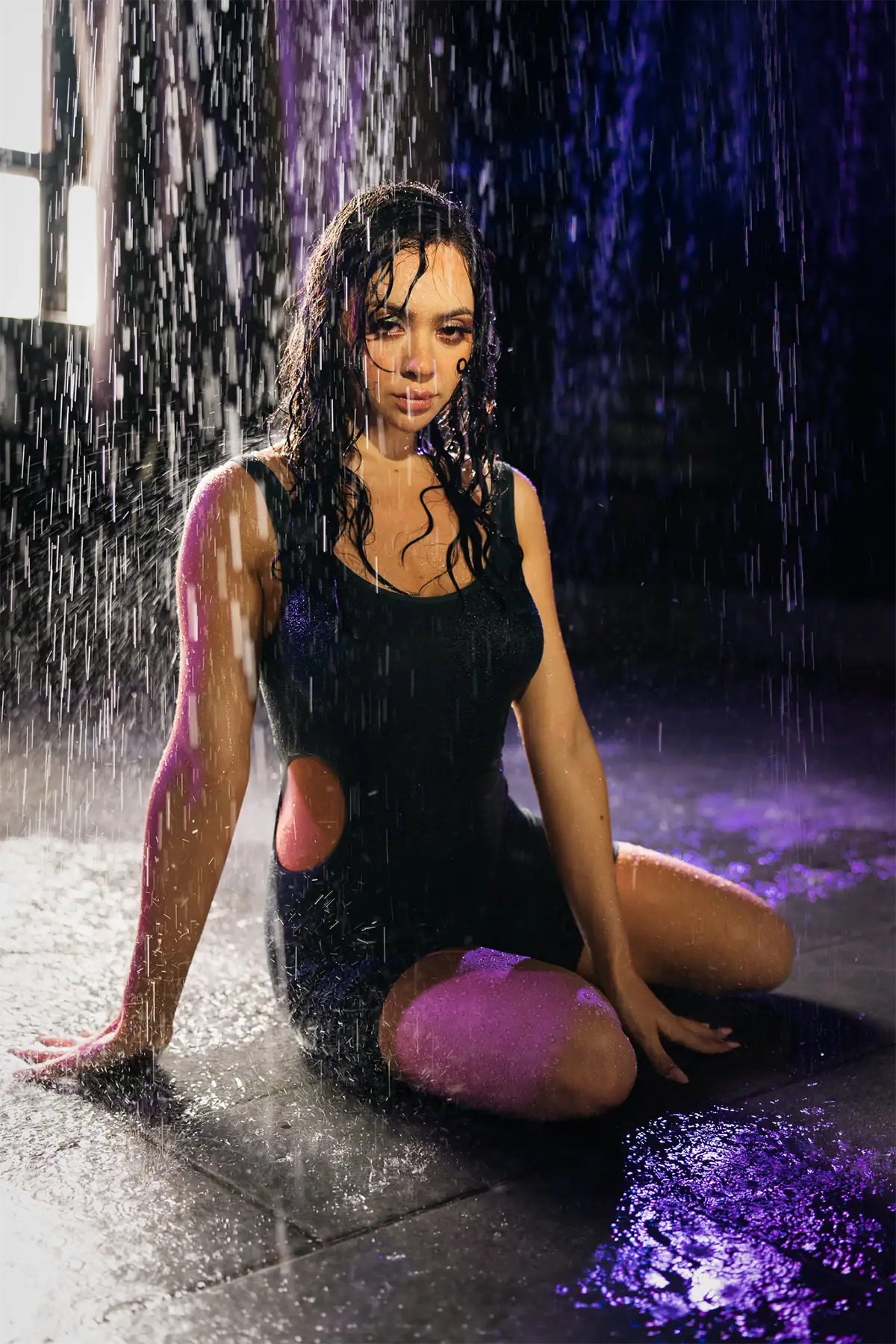
Moody portrait lighting uses shadow, contrast, and light direction to create a portrait with more atmosphere and emotional weight. Instead of lighting the face evenly, this style often allows parts of the subject to fall into shadow, uses directional light to sculpt facial features, and keeps some areas of the frame darker to build depth.
This style works especially well when you want to create:
- a cinematic portrait feel
- more mystery or tension
- emotional subtlety
- quieter, more introspective portraits
- stronger separation between subject and background
Moody portrait lighting does not always mean dark exposure. It means the light is being used selectively and intentionally so the portrait feels more dimensional and expressive.
Why Light and Shadow Matter in Portrait Photography
In portrait photography, light does more than illuminate a face. It shapes expression, reveals texture, guides the viewer’s eye, and sets emotional tone. Shadow is equally important because it creates depth, adds restraint, and helps simplify the image.
When light and shadow work together well, they can:
- emphasize cheekbones, jawlines, and profile
- direct attention to the eyes
- create stronger subject separation
- add atmosphere without overcomplicating the frame
- make a portrait feel more cinematic and intentional
Hard Light vs. Soft Light for Moody Portraits
Both hard light and soft light can be used for moody portrait lighting, but they create very different emotional effects.
Hard light for tension, shape, and drama
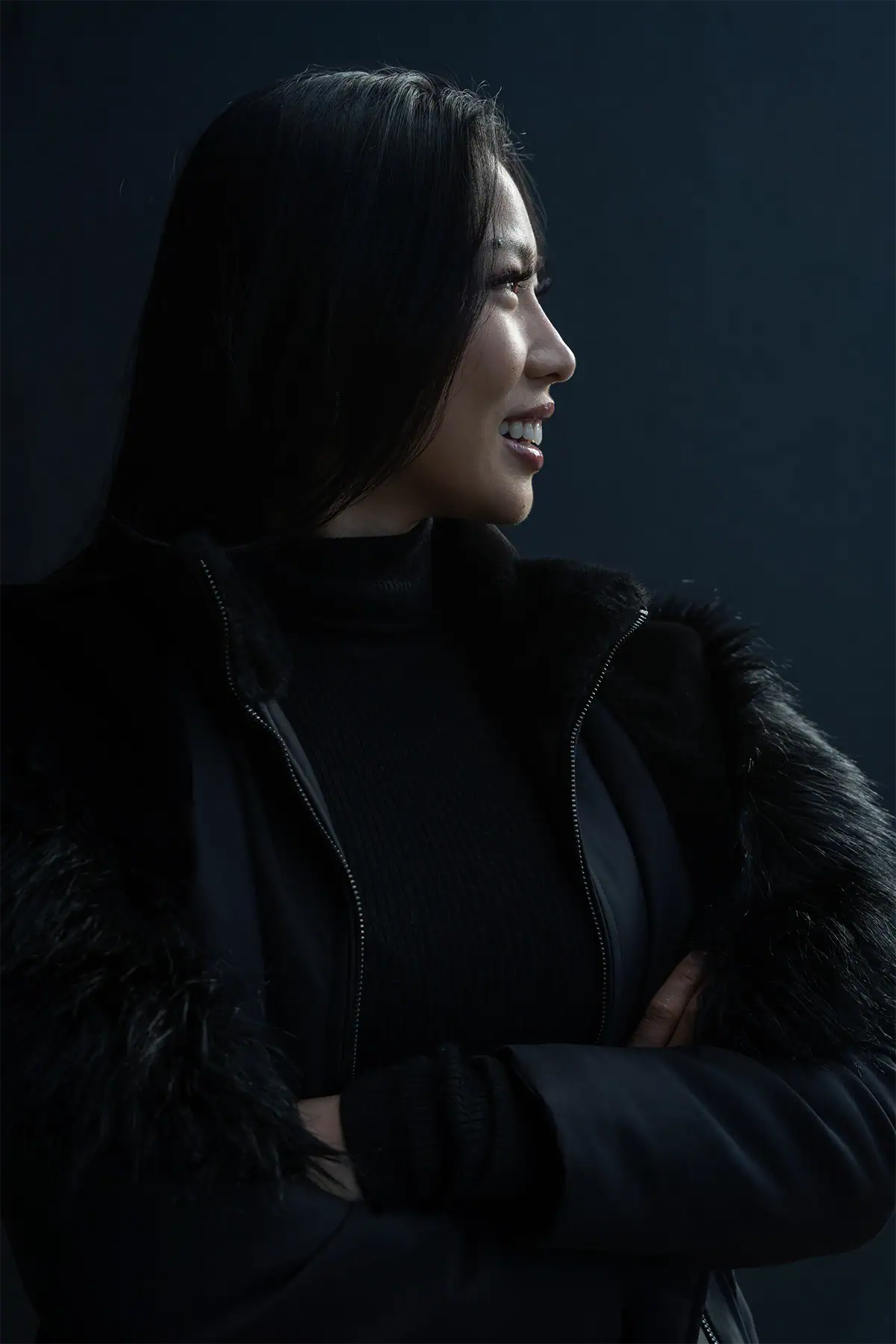
Hard light creates sharper-edged shadows and more visible contrast. It is useful when you want:
- stronger mood
- more graphic shadow patterns
- more facial structure
- a bolder cinematic look
Hard light often works well for portraits that need a more serious, intense, or stylized feel.
Soft light for subtlety, intimacy, and emotion
Soft light creates smoother transitions between highlight and shadow. It is useful when you want:
- gentler mood
- quieter emotional tone
- softer facial rendering
- a more intimate portrait feel
Soft light can still feel moody when the light direction is controlled and the background remains darker or less visually active.
Light Direction and Facial Shadow Patterns
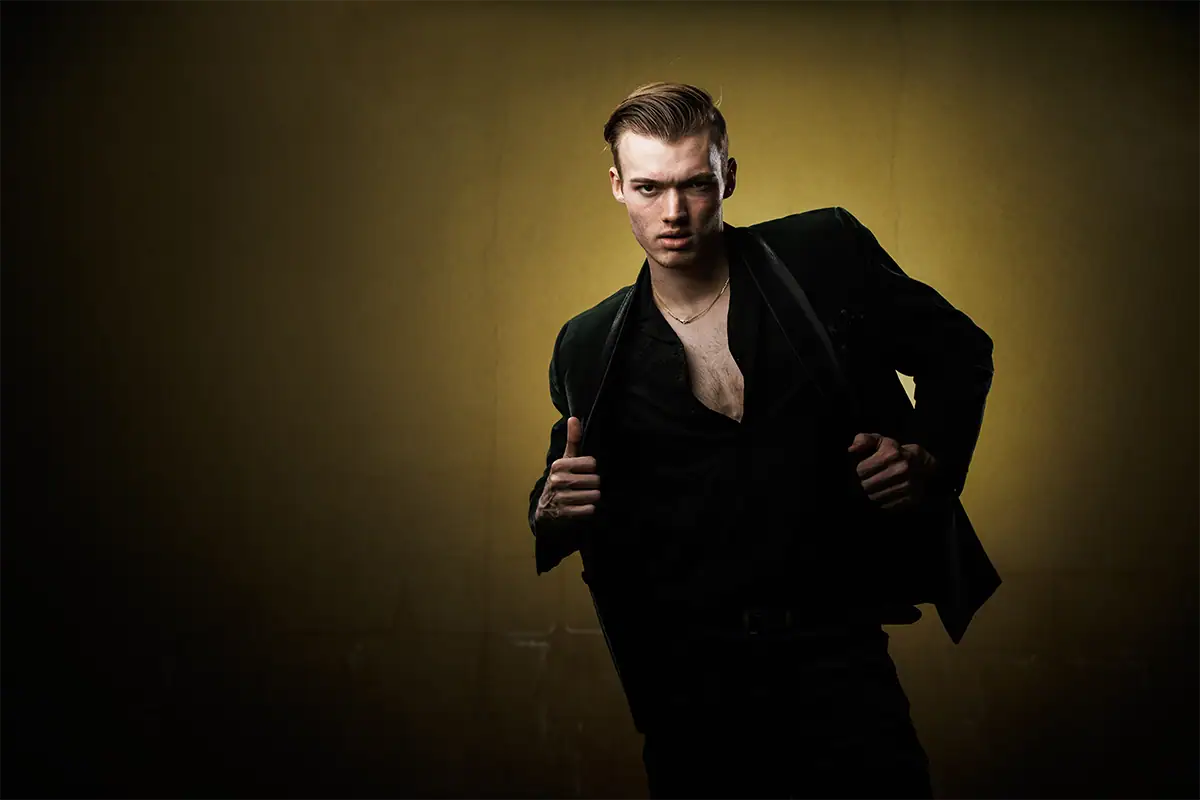
One of the biggest factors in moody portrait lighting is where the light comes from. Light direction changes both the visual structure of the face and the emotional tone of the portrait.
Front lighting
Front lighting minimizes shadows and creates a cleaner, flatter look. It is usually less useful for moody portrait lighting unless you deliberately keep the light very soft and subdued.
Side lighting
Side lighting creates stronger shape and depth because one side of the face is more illuminated than the other. This is one of the most effective directions for moody portrait lighting because it adds contour and natural emotional tension.
Short lighting
Short lighting places the shadow side of the face closer to the camera. This can make the face appear more sculpted and usually creates a more dramatic, mood-driven portrait.
Broad lighting
Broad lighting places the lit side of the face closer to the camera. It tends to feel more open and less dramatic, so it is generally not the strongest choice when you want deeper mood.
Backlighting
Backlighting can add glow, separation, and atmosphere. It works especially well when you want a cinematic edge or want to separate the subject from a darker background.
Best Facial Shadow Patterns for Moody Portrait Lighting
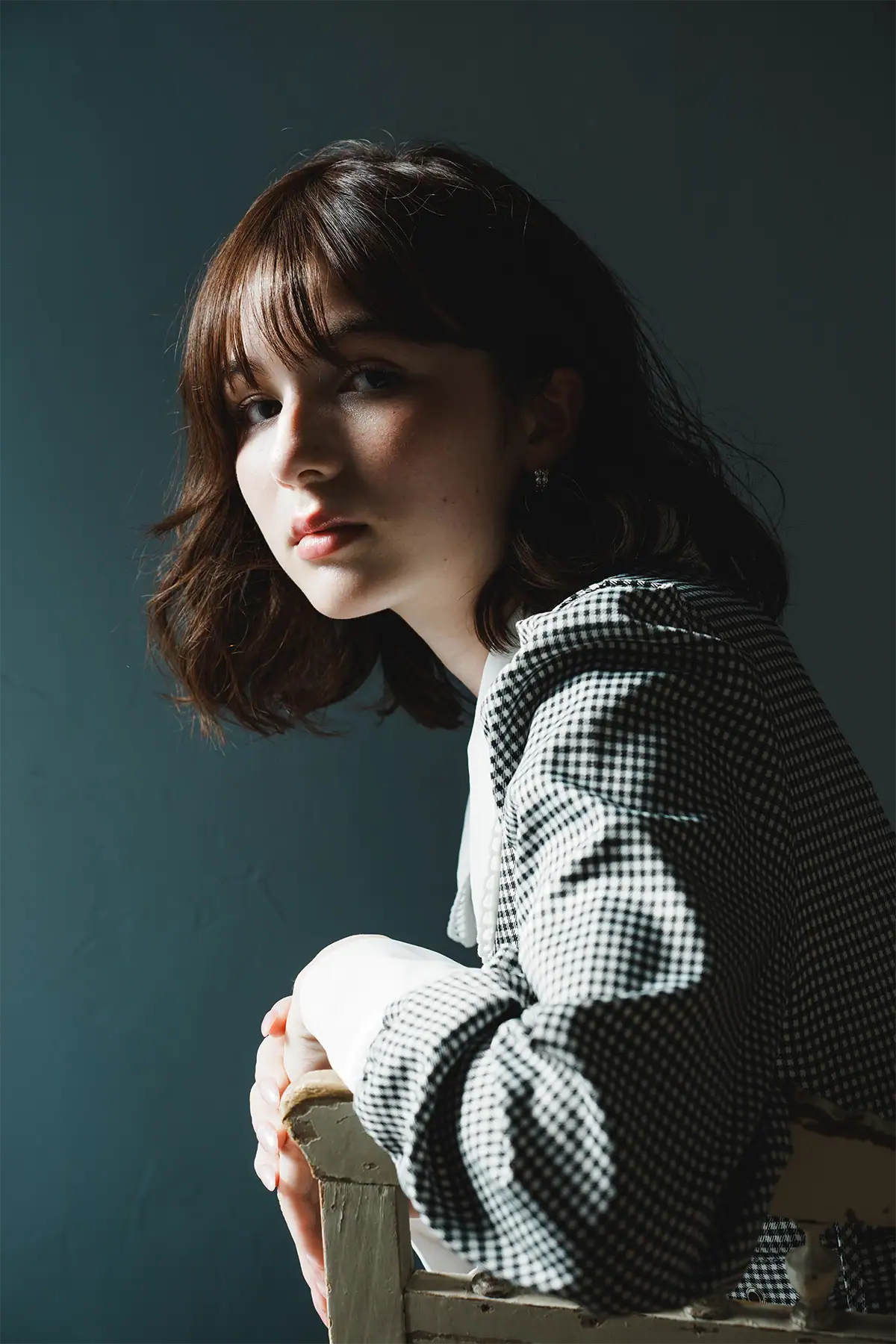
Facial shadow patterns are one of the clearest ways to control mood in portrait photography. You do not need a complicated setup to use them well, but you do need to recognize how each pattern changes the emotional feel of the portrait.
Split lighting
Split lighting places one half of the face in light and the other half in shadow. This is one of the boldest choices for moody portrait lighting and works well when you want mystery, strength, or a more cinematic edge.
Loop lighting
Loop lighting creates a small shadow beside the nose and is often one of the most versatile portrait lighting patterns. It can still feel moody when the fill is reduced and the shadow side of the face is allowed to stay deeper.
Rembrandt lighting
Rembrandt lighting creates a small triangle of light on the shadow side of the face. It is one of the most recognizable mood-driven portrait lighting patterns because it balances drama with a natural, painterly feel.
Butterfly lighting
Butterfly lighting places the main light above and in front of the subject, creating a shadow under the nose. This is often more flattering than moody, but it can still work when paired with lower-key exposure and a darker environment.
How Contrast Creates Depth in Portraits

Contrast is one of the main tools that gives moody portrait lighting its emotional force. More contrast can create tension and drama. Lower contrast can feel softer, quieter, and more reflective.
Contrast affects:
- how much the subject stands out
- how deep the shadows feel
- how much texture is visible
- how dramatic the final portrait appears
The goal is not always to maximize contrast. The goal is to use enough contrast to support the mood you want. In some portraits, a quiet falloff into shadow is more effective than a harsh jump from light to dark.
Using Windows and Practical Light for Mood
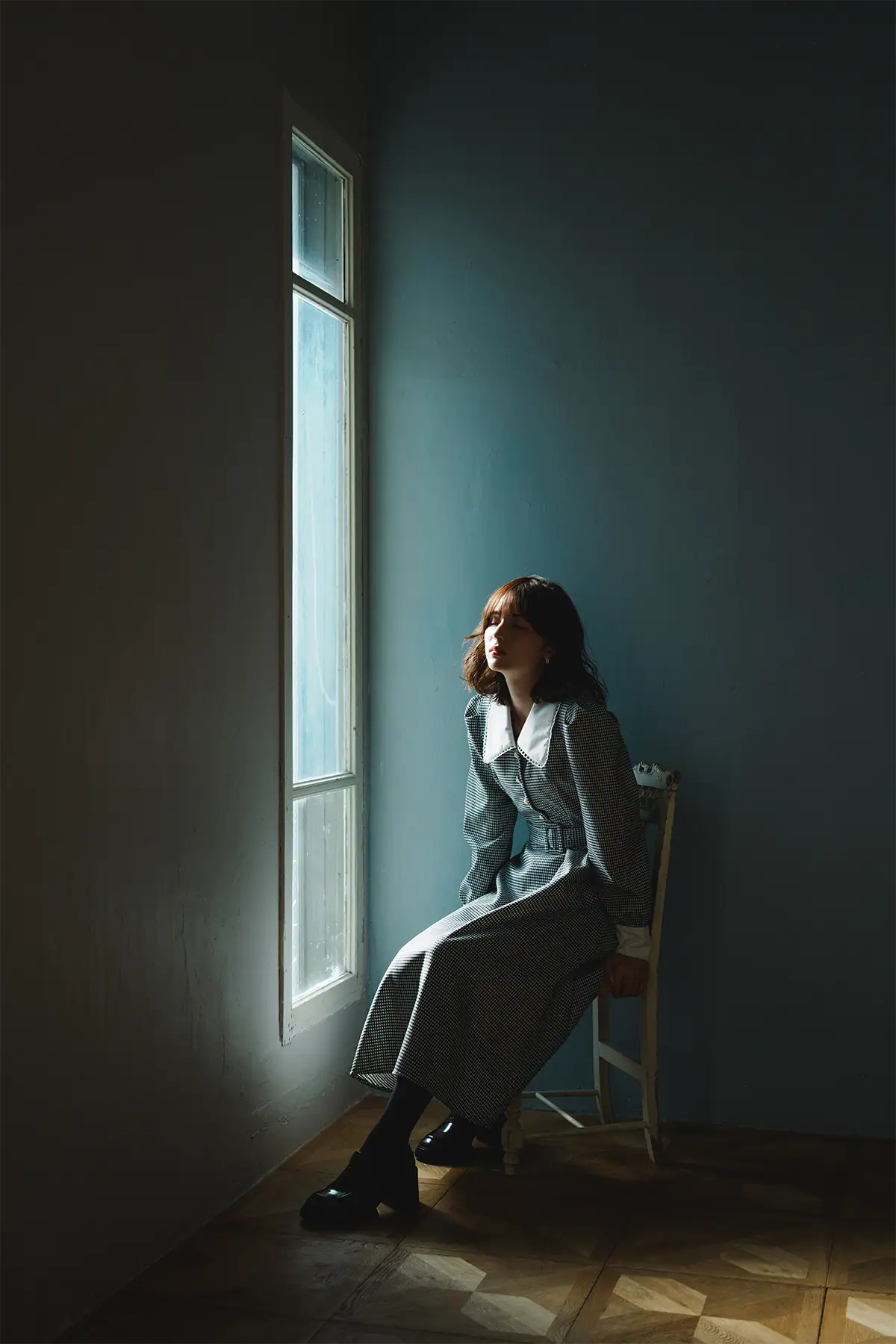
You do not need a full studio to create moody portrait lighting. Window light and practical lights can both be extremely effective when used with intention.
Window light
Window light is one of the easiest ways to create mood because it is naturally directional. Positioning a subject beside a window rather than directly in front of it can create:
- more gradual shadow falloff
- more facial contour
- stronger mood
- softer cinematic depth
Practical light

Lamps, sconces, or other visible lights in the frame can add warmth, atmosphere, and story. Practical light is especially useful when you want the portrait to feel grounded in a real space rather than built entirely around a studio setup.
Color Temperature and Mood
Color temperature has a strong effect on how a portrait feels. Warmer tones can feel nostalgic, intimate, or romantic. Cooler tones can feel distant, quiet, melancholic, or cinematic.
Warm light often works well when you want:
- comfort
- intimacy
- vintage atmosphere
- softness
Cool light often works well when you want:
- restraint
- solitude
- tension
- a modern cinematic tone
Color temperature can be subtle, but it has a major effect on portrait mood even when the lighting setup itself is simple.
Common Mistakes in Moody Portrait Lighting
A few mistakes can weaken the mood you are trying to create:
- lighting the face too evenly
- using soft light without enough direction
- overexposing the background
- forcing shadows without thinking about facial shape
- adding contrast in editing without good light to begin with
- confusing darkness with mood
Moody portrait lighting works best when the shadows feel intentional and the light still gives the viewer a clear place to look.
People Also Ask
What is moody portrait lighting?
Moody portrait lighting uses shadow, contrast, and directional light to create portraits with more atmosphere, emotional depth, and a cinematic feel.
What lighting pattern is best for moody portraits?
Split lighting and Rembrandt lighting are two of the strongest options for moody portraits because they create visible shadow patterns and more facial dimension.
Is hard light or soft light better for moody portraits?
Both can work. Hard light creates more graphic contrast and stronger shadow edges, while soft light can still feel moody when it is directional and paired with darker surroundings.
Can window light create moody portraits?
Yes. Window light is one of the easiest ways to create moody portrait lighting because it provides natural direction, shadow falloff, and atmospheric depth.
What is the difference between moody portrait lighting and dramatic portrait lighting?
Moody portrait lighting focuses more on emotional tone, facial shadow patterns, and depth, while dramatic portrait lighting is more setup-driven and often focuses on tools, modifiers, and stronger stylized effects.
Final Thoughts on Moody Portrait Lighting
Moody portrait lighting is not about making portraits dark for the sake of darkness. It is about using light and shadow to guide emotion, shape the subject, and create more depth in the frame. The strongest moody portraits feel intentional, with light revealing only what the image needs and shadow doing just as much storytelling as illumination.
Start by paying attention to light direction, facial shadow patterns, and the relationship between subject and background. Once you begin to control those elements more deliberately, your portraits will gain more atmosphere, more dimensionality, and a more cinematic sense of mood.
Where to Buy Tamron Lenses
Learn more about Tamron lenses at an authorized Tamron dealer near you or shop directly at the official TAMRON Store.
FAQs
What lens works well for moody portrait lighting?
Lenses with wider apertures are often useful because they help in lower light and make it easier to separate the subject from the background.
Do I need studio lights for moody portraits?
No. Window light, practical lights, and controlled natural light can all work well for moody portrait lighting.
Is black and white better for moody portrait lighting?
Not always. Black and white can emphasize contrast and shadow, but color can also add emotional tone through warmth, coolness, or controlled palette choices.
Should moody portrait lighting always use deep shadows?
No. Moody portrait lighting often uses shadow intentionally, but the best amount depends on the subject, the mood, and how much facial detail you want to preserve.
 English
  Spanish
  French
  Portuguese